

Choosing the right roof for your home can feel like a big decision, but it doesn’t have to be complicated. In this guide, I’m going to walk you through everything you need to know about roof styles.
From the most common roof types to the unique features that make each one stand out, I’ll share it all.
If you’re building a new house or upgrading your current roof, understanding different roof styles is key to making an informed choice.
You’ll learn about the pros and cons of each style, the materials used, and how to choose the right one for your home’s needs and personal preferences.
I’ll also touch on factors like climate, maintenance, and costs to help you decide what works best for you.
By the end of this guide, you’ll have all the knowledge you need to make a confident decision.
Unique Roof Designs and Styles You Should Know About
Let’s take a look at some of the most popular roof styles, like A-frame, gambrel, and mansard. We’ll cover what makes each one unique, including key features like pitch, slope, and materials used.
1. Gable Roof
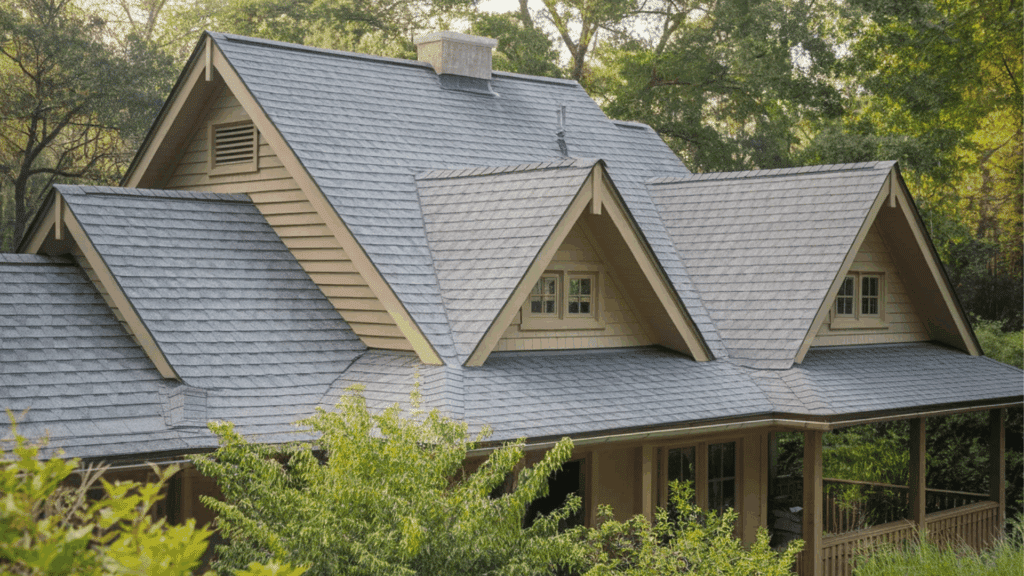
A gable roof has a simple triangular shape and is commonly seen on residential homes.
Its steep slope helps rain and snow slide off quickly, making it a good choice for areas with heavy weather. The design is easy to build, which helps keep costs lower and makes maintenance simple.
Gable roofs also provide extra attic space because of their height.
They are usually covered with asphalt shingles or metal, making them durable and suitable for many climates.
2. Hip Roof
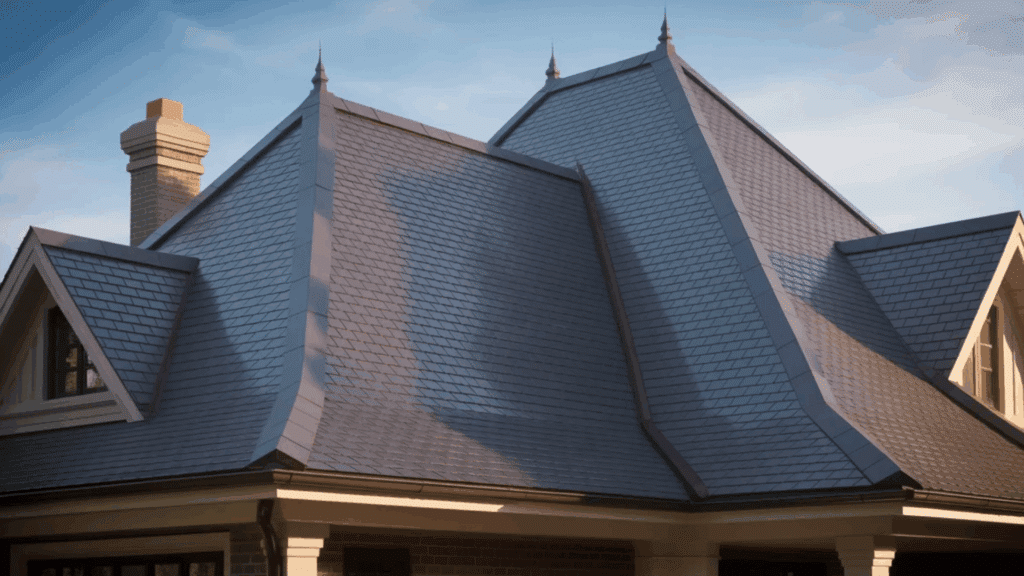
A hip roof slopes down on all four sides, creating a balanced and strong structure. This design helps it perform well in areas with strong winds.
Because there are no vertical ends, wind flows more easily over the roof, reducing damage risk.
Many homes in coastal regions use this style for added stability and safety.
Hip roofs are commonly built with materials like shingles, tiles, or metal, making them durable and suitable for different weather conditions over time.
3. Flat Roof
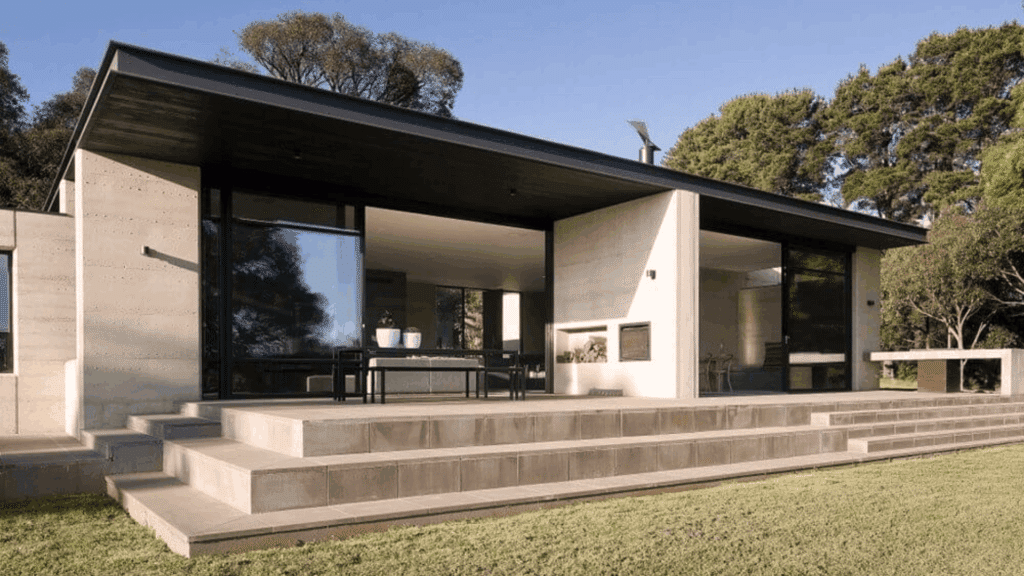
A flat roof has a very slight slope that helps water drain off instead of collecting on the surface. It is commonly used in modern homes and commercial buildings because of its simple design.
This style creates extra usable space on top, which can be used for gardens, seating areas, or small patios.
Flat roofs are often built with materials like rubber, PVC, or bitumen, making them durable and suitable for different weather conditions when properly installed and maintained.
4. Mansard Roof
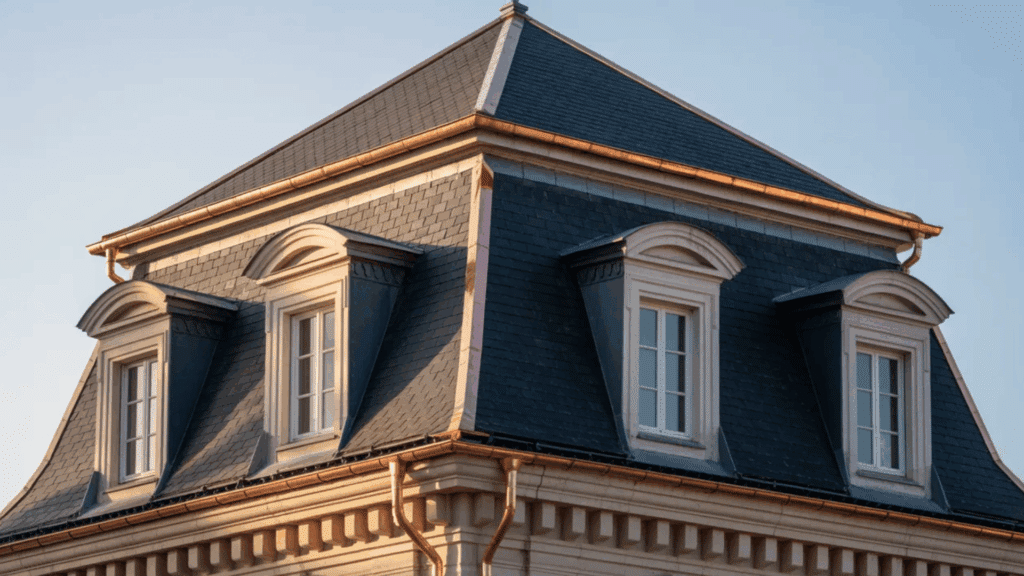
A mansard roof has four sides, and each side includes two slopes. The lower slope is steep, while the upper slope is more gradual.
This design creates extra space in the attic, which can be used for rooms or storage.
It is a good option for adding living space without expanding outward. Mansard roofs are often linked to French-style homes and give a classic look.
They are commonly made with materials like slate, wood shingles, or asphalt, making them strong and long-lasting.
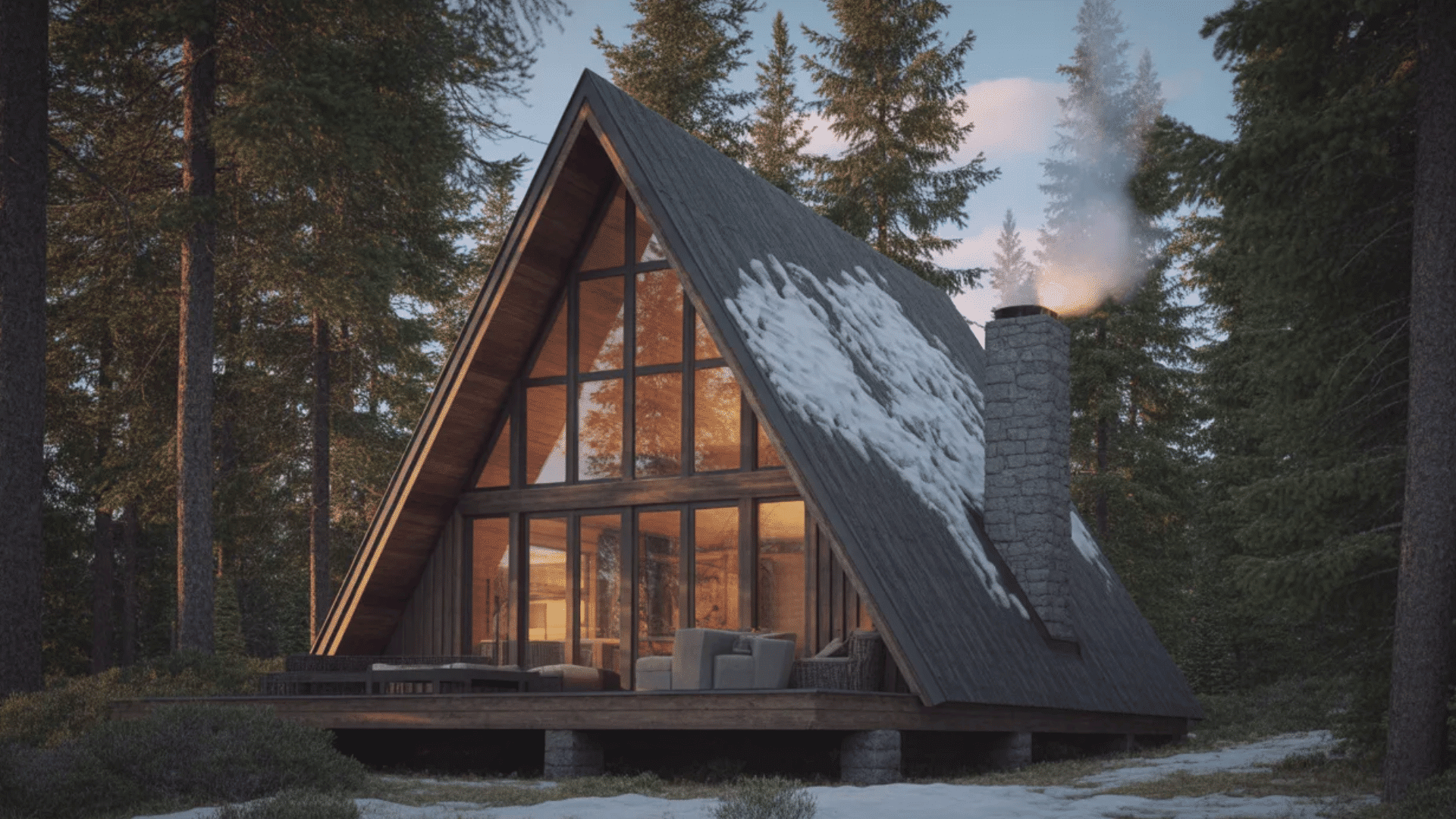
5. A-Frame Roof
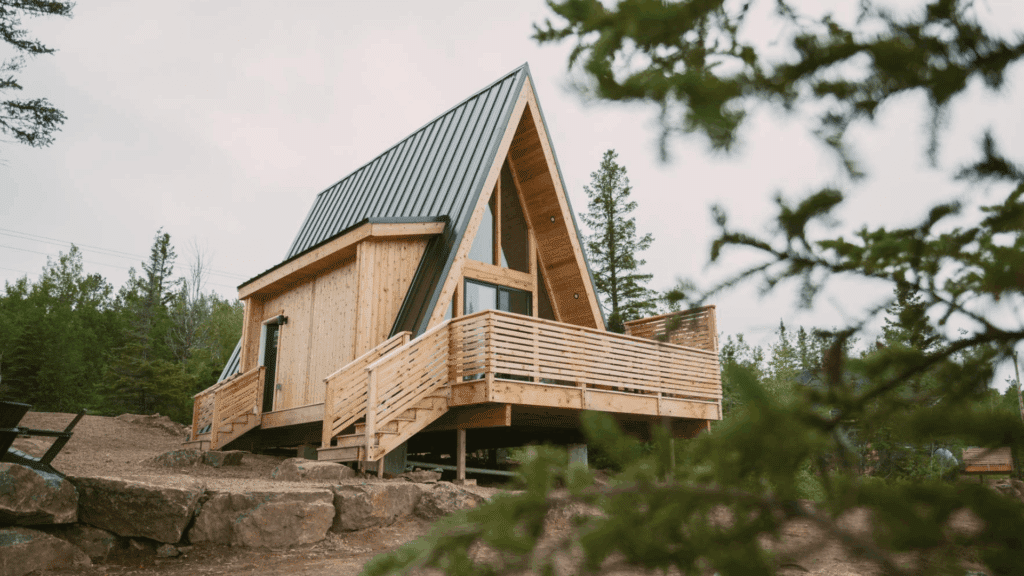
The A-frame roof has a steep triangular shape that closely resembles the letter “A.” This design helps rain and snow slide off easily, which makes it a good choice for areas that receive heavy snowfall.
Because of its sharp slopes, the roof also helps prevent water buildup.
A-frame roofs are commonly used for cabins, mountain homes, and vacation houses.
They are usually built with wood, metal panels, or asphalt shingles, offering durability and a simple yet striking architectural look.
6. Gambrel Roof
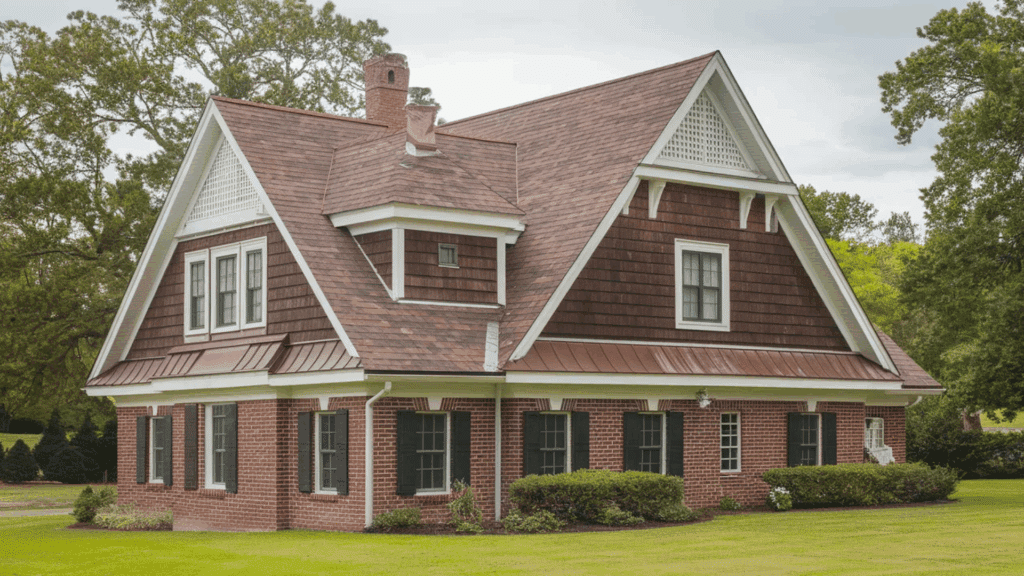
A gambrel roof is commonly seen on barns and farmhouses and has a distinct shape. It features two slopes on each side, with a steep lower slope and a gentler upper slope.
This design creates more usable space in the attic or upper floor without making the house taller.
It is a practical choice for homeowners who need extra room.
Gambrel roofs are usually built with materials like metal, asphalt shingles, or wood, making them strong and suitable for different weather conditions.
7. Butterfly Roof
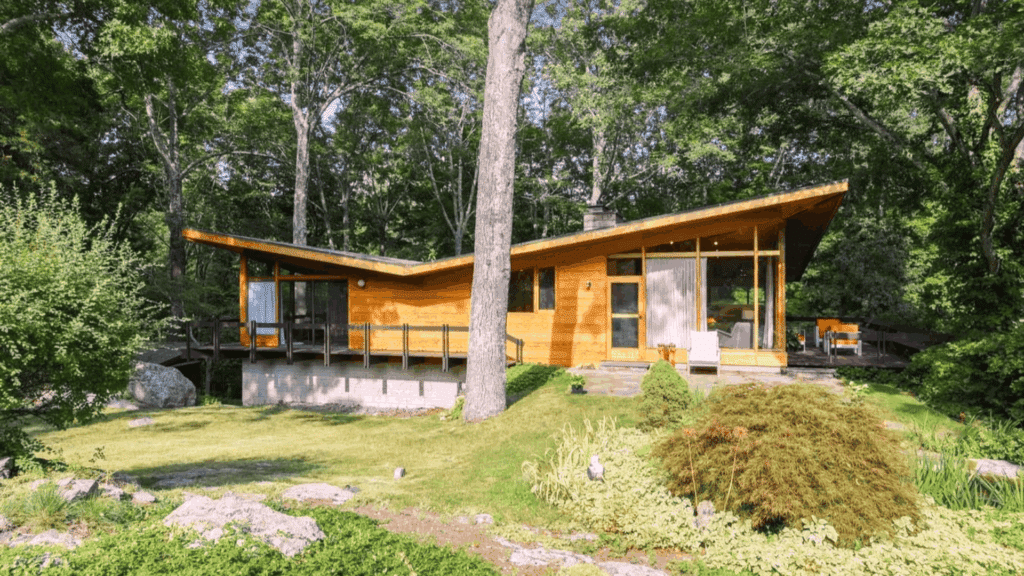
A butterfly roof has an inverted V shape that gives homes a clean and modern look.
This design is often used in eco-friendly homes because it supports large windows and open interior spaces. The sloping sides meet in the middle, creating a valley that can collect rainwater.
This water can be reused for irrigation or other purposes.
Butterfly roofs also allow more natural light inside, making spaces feel brighter while supporting simple and efficient home designs.
8. Sawtooth Roof
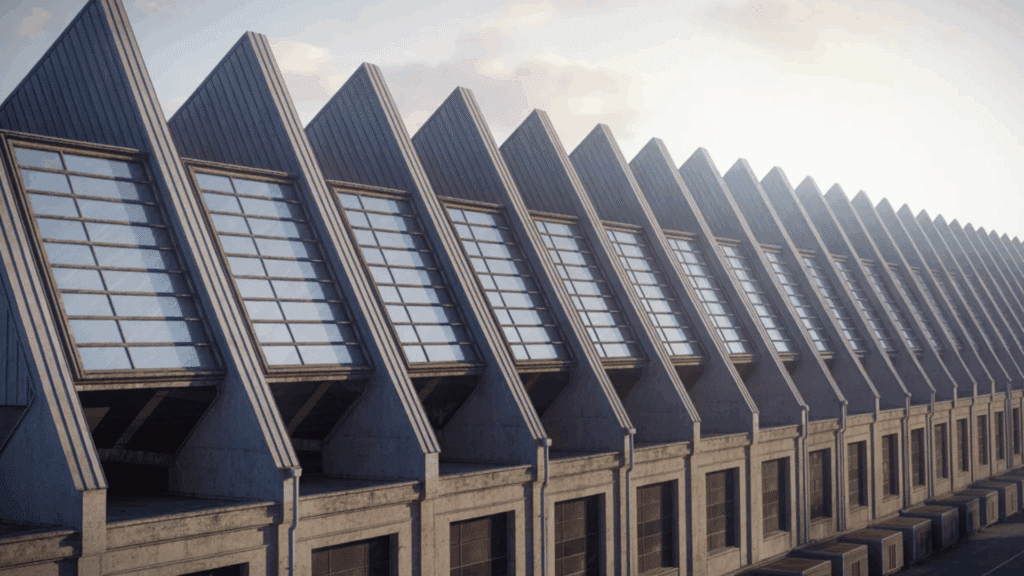
A sawtooth roof features a repeating pattern of ridges with alternating slopes, creating a distinct zigzag shape.
This design is commonly used in factories and industrial buildings because it allows large vertical windows to be added on the steeper sides.
These windows bring in plenty of natural light, which helps reduce the need for artificial lighting during the day.
Sawtooth roofs are usually made from metal or steel, making them strong, durable, and suitable for large structures and heavy-use environments.
9. Shed Roof
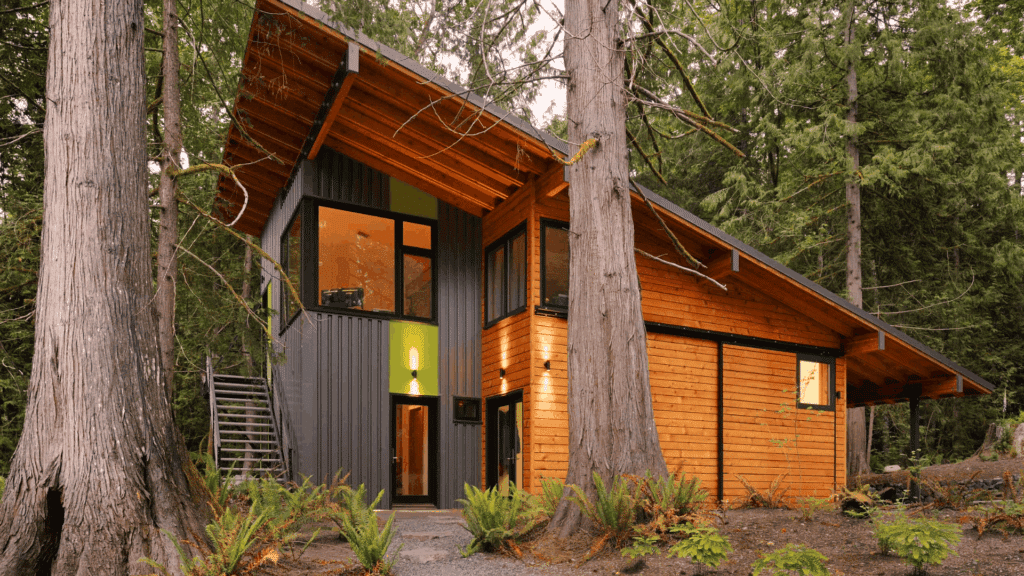
A shed roof has a single sloping surface that tilts in one direction. This simple structure makes it one of the easiest roof styles to build and maintain.
Shed roofs are popular in modern homes, small cabins, and home extensions.
The slope helps rainwater drain quickly, which prevents water buildup.
Many homeowners like this design because it looks clean and modern. Common materials used include metal panels, asphalt shingles, and wood.
10. Saltbox Roof
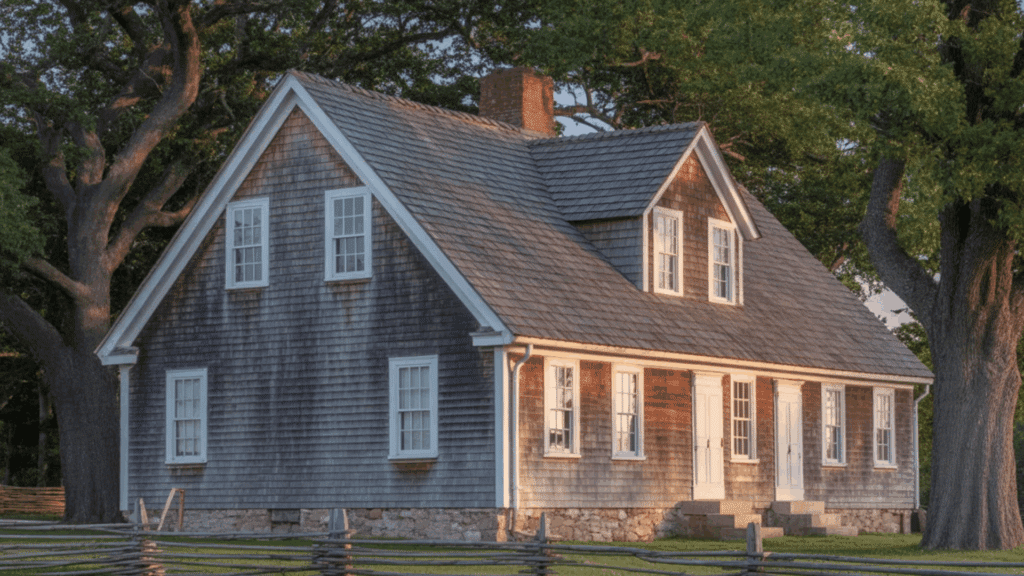
A saltbox roof has an uneven design, with one side longer than the other. This style is often seen in Colonial homes and gives a classic, simple look.
The long slope helps rain and snow drain off easily, which reduces the risk of water damage.
It also adds a different shape to the home without making the design complex.
Saltbox roofs are usually made with wood or shingles, making them a strong and reliable option for areas with regular rain and changing weather conditions.
11. Dormer Roof
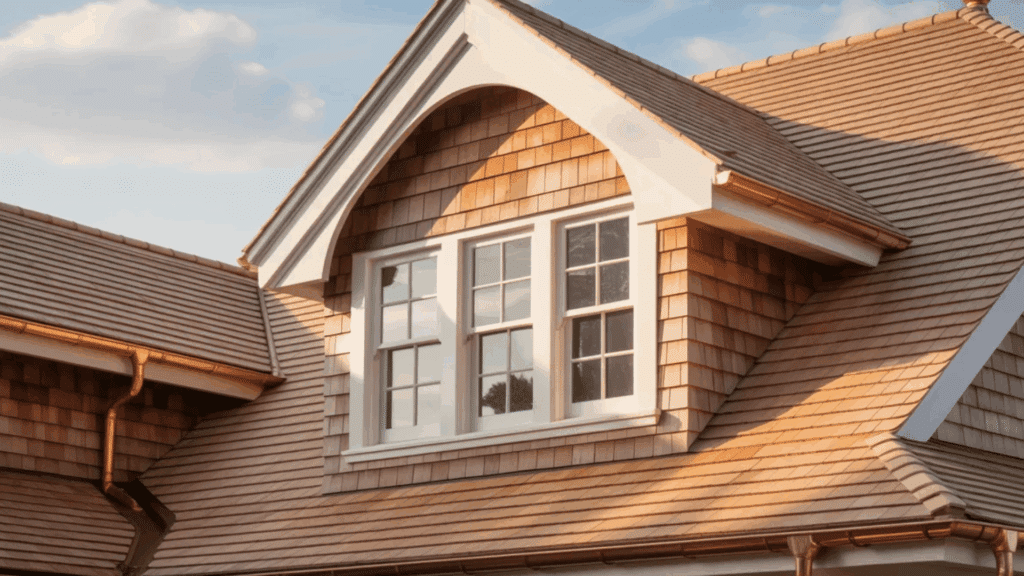
A dormer roof extends outward from the main roof and includes a window, adding extra headspace to an attic or upper floor.
This design makes the space more comfortable and easier to use for living or storage.
It also allows more natural light to enter and improves airflow inside the room. Dormers are often used in homes that need more space without building outward.
They fit well with many home styles and can also improve the overall look of the house.
12. Cathedral Roof

A cathedral roof is a vaulted roof with a high, curved shape that creates a large and open interior space.
It is often used in big homes, churches, and similar buildings. The high ceiling makes the room feel more open and bright, adding a sense of space and comfort.
This design also allows better airflow and natural light.
Cathedral roofs are usually built with materials like wood, slate, or tiles, making them strong and long-lasting in different weather conditions.
13. Bonnet Roof
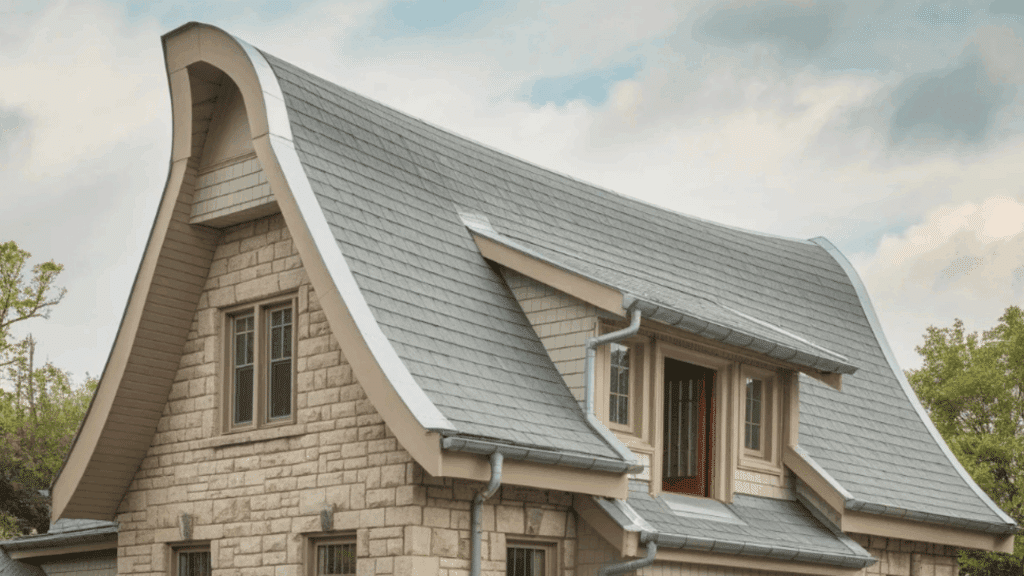
A bonnet roof blends features of both hip and gable roofs. It has a gentle slope on the upper section and a steeper slope on the lower part, giving it a distinct look.
This design creates extra space under the roof, which can be used for storage or even small living areas.
It also helps protect walls from rain due to the extended lower slopes.
Bonnet roofs are commonly built using materials like asphalt shingles or metal, making them durable and suitable for different weather conditions.
14. Pyramid Roof
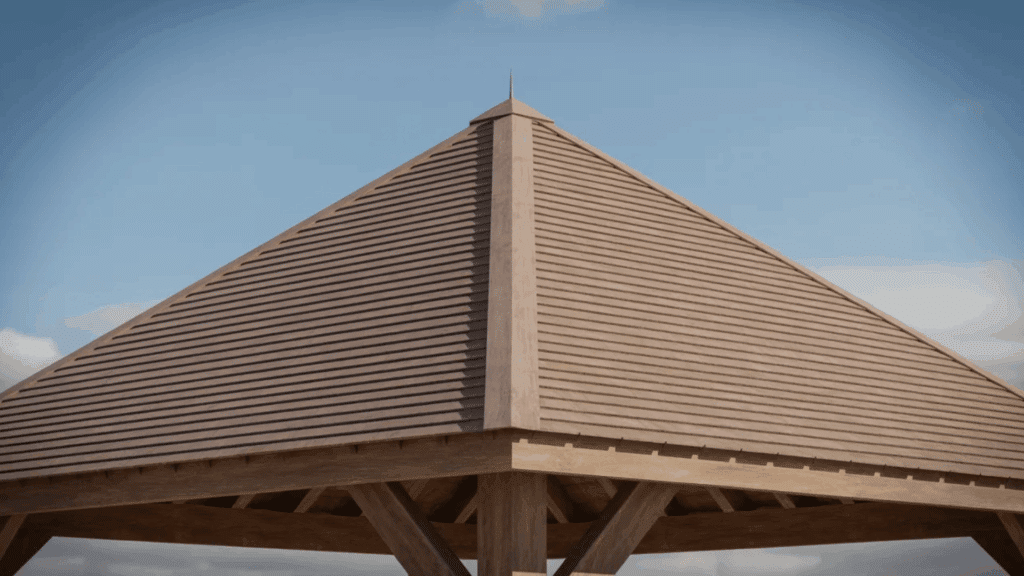
A pyramid roof slopes evenly on all four sides and meets at a single point at the top. This symmetrical design makes it very stable and visually balanced.
Pyramid roofs are commonly used on small structures like gazebos, pavilions, and garages.
The shape allows rainwater to run off easily in all directions. Builders typically use materials like tiles, shingles, or metal panels for this roof style.
15. Tents Roof
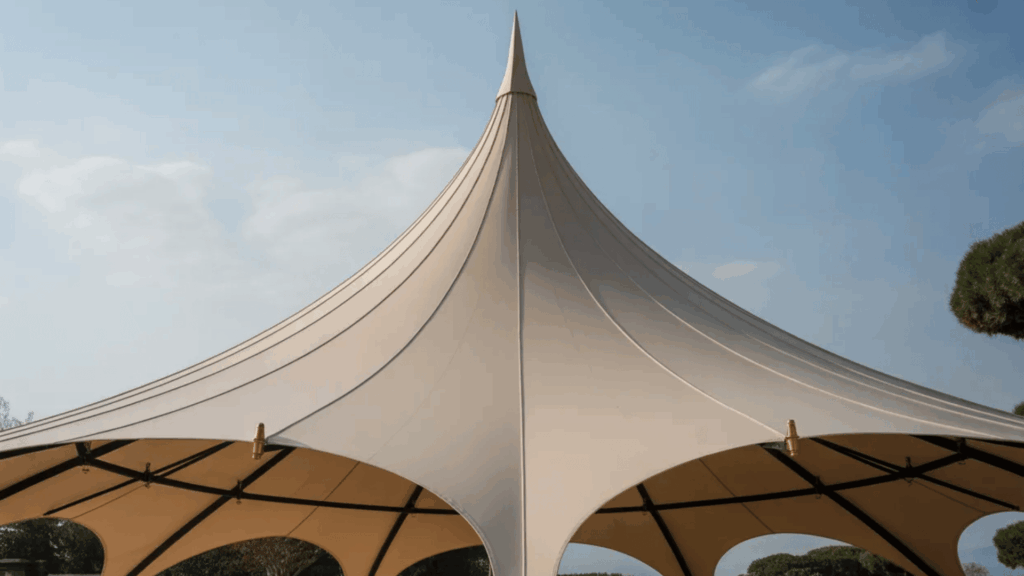
A tent roof has a cone-shaped or pointed design that rises to a peak in the center. This style is often used for towers, pavilions, and decorative building features.
The steep slopes allow rainwater to flow down quickly, which helps prevent water buildup.
Tent roofs can create a striking architectural look for both modern and traditional buildings. They are commonly built with metal panels, tiles, or other lightweight roofing materials.
Roof Styles for Different Climates and Regions
Climate plays a big role in selecting the right roof style. Certain roof designs perform better in specific weather conditions, so it’s important to choose one that suits your area’s climate.
- Cold, Snowy Climate: A-frame, mansard, and hip roofs work best. Steep roofs shed snow easily, while hip roofs add strength against snow and wind.
- Rainy or Wet Climates: Gable, hip, and mansard roofs work well. Steep slopes help water drain fast, and mansard roofs reduce buildup.
- Hot and Sunny Climates: The best roof styles are Flat, gable & hip. Flat roofs are ideal in hot climates for adding insulation or using roofing materials that keep the house cooler.
- Windy Climates: Hip and flat roofs work best. Hip roofs handle wind well, while flat roofs with proper drainage reduce damage.
- Regional Preferences and Considerations: Roof style choices also depend on local traditions and building codes. In coastal areas, metal or tile roofs are common due to their resistance to saltwater.
How Roof Styles Affect Your Home?
The roof is one of the first things people notice about your home. It can make or break the overall look. Choosing the right roof style isn’t just about function; it also affects how your home looks from the street.
Different roof styles can give your home a distinct personality.
A steep A-frame roof gives a cabin-like feel, while a flat roof looks more modern.
The design and material of your roof complement the rest of your home’s exterior, helping it look balanced and appealing.
To boost your curb appeal, choose a roof style that matches your home’s architecture.
For a traditional home, a gable roof might fit perfectly. For a more modern design, a flat or hip roof could do the trick.
Keep your roof well-maintained, clean gutters, replace broken shingles, and make sure the color and materials are in good condition to keep your home looking its best.
How to Choose the Right Roof Style for Your Home?
The right roof style affects how your home looks, drains water, and handles weather. It also impacts cost, space, and long-term maintenance, so choosing matters carefully.
- Climate Suitability: Choose a steep roof for heavy rain or snow so water slides off easily. Flat or low-slope roofs work better in dry areas with less rainfall.
- Home Design: Pick a roof style that matches your house design so everything looks balanced and planned instead of mismatched.
- Budget Planning: Go for a roof style that fits your budget since complex designs cost more to build and maintain over time.
- Material Compatibility: Make sure your roof style works well with your chosen material so it lasts longer and performs better.
- Space Needs: Select a roof that gives extra space if you want an attic or storage area inside your home.
- Maintenance Level: Choose a simple roof style if you want less upkeep, as complex roofs need more regular checks and repairs.
- Energy Efficiency: Pick a roof that supports good airflow and insulation to help keep your home cooler and reduce energy costs.
- Local Building Codes: Check local rules before finalizing your roof style to avoid issues with safety or approvals.
- Drainage System: Choose a design that allows proper water flow so you can avoid leaks and water damage.
- Future Changes: Select a roof style that makes it easier to expand or modify your home later if needed.
Conclusion
Choosing the right roof style for your home is a big decision, but it doesn’t have to be overwhelming.
By considering your climate, budget, and the overall look of your home, you can select a roof that suits both your needs and aesthetic preferences.
A well-chosen roof can enhance your home’s look, increase its value, and save you money on repairs down the line.
Taking the time to make an informed choice will pay off in the long run. Have you recently installed a new roof, or are you in the process of picking one?
What style did you choose, and how did it work out for you? I’d love to hear about your experience.
Share your thoughts in the comments below! Your insights might help others make their roof decision.