

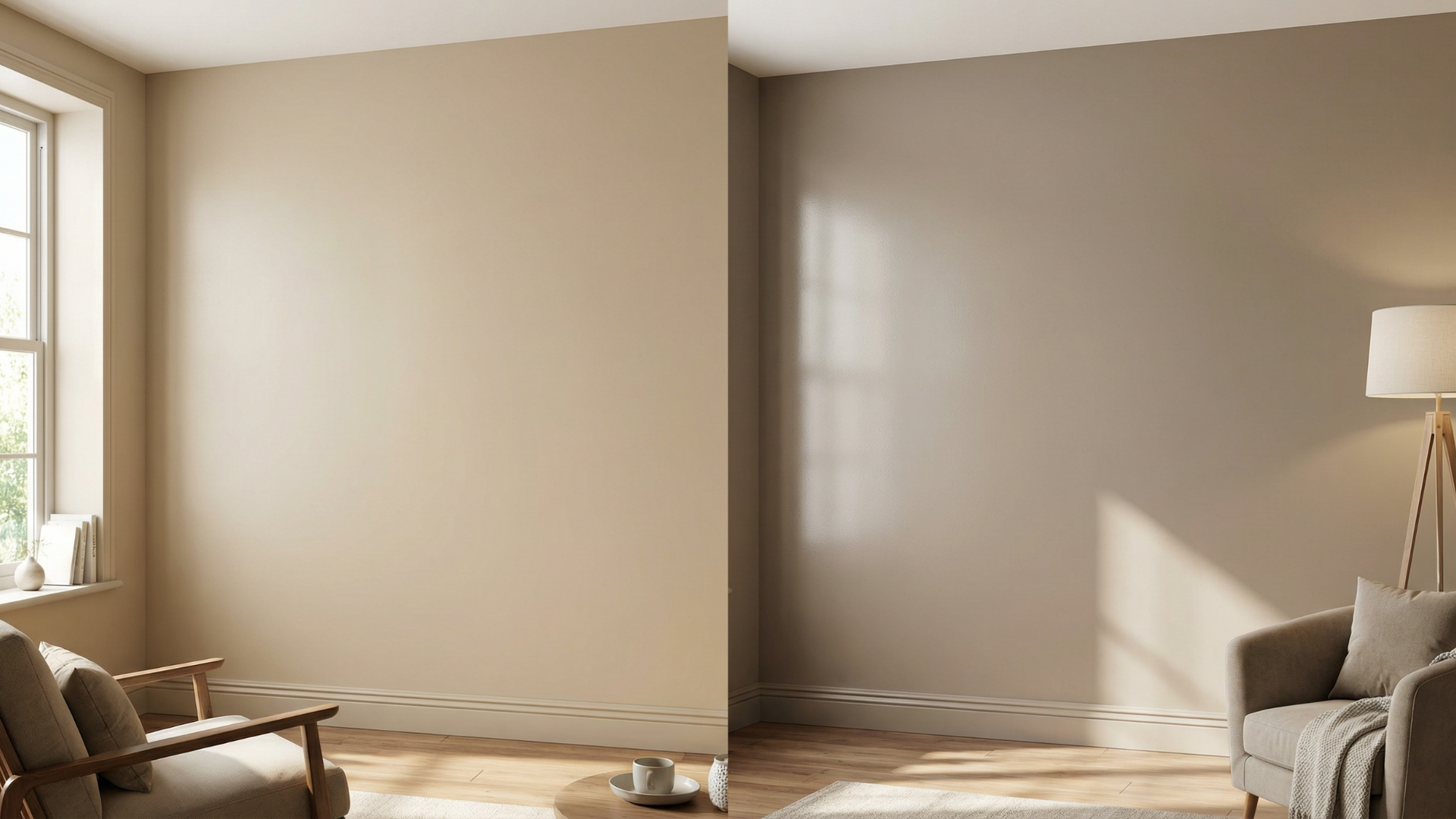
Choosing the right paint finish can shape the overall look and feel of a room long after the painting is complete.
Many homeowners compare satin and semi-gloss because both are popular options for interior spaces.
Although they may appear similar at first glance, the finish selected can influence how light reflects across surfaces and how polished the final result appears.
It can also affect how well-painted areas hold up to daily wear over time.
Making an informed decision requires a clear understanding of how these finishes differ and what that means for different types of spaces and surfaces.
What is Satin Paint?
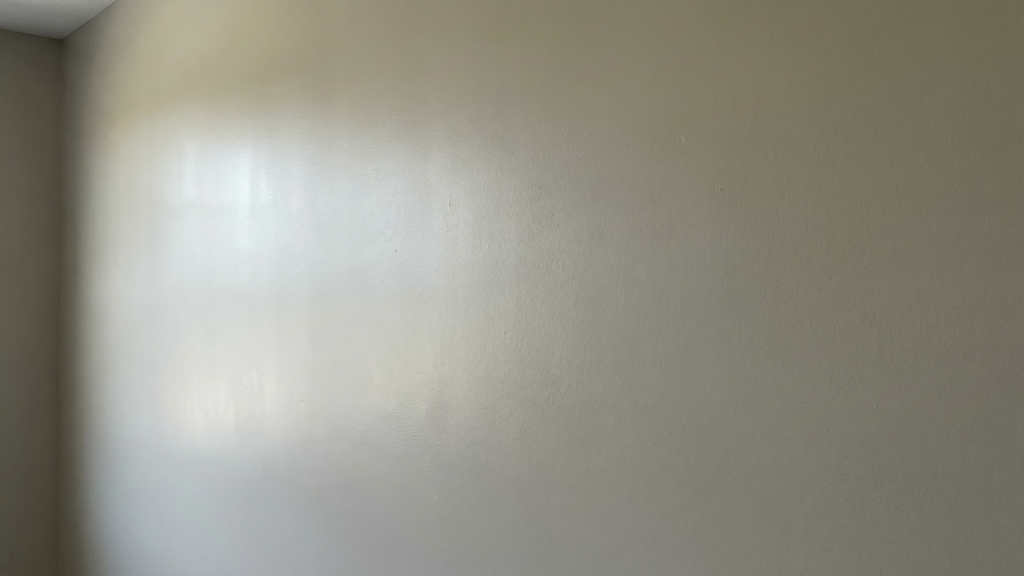
Satin paint has a soft, smooth sheen that falls between eggshell and semi-gloss. It reflects light gently without creating a shiny surface. The finish looks slightly polished but not glossy.
Key Characteristics of Satin Paint
- Soft, velvety appearance
- Light sheen without strong reflection
- Smoother than flat or matte finishes
- Moderate durability
- Easier to clean than flat paint
Satin is often chosen for interior walls because it adds a subtle glow without drawing too much attention to surface flaws.
What is Semi-Gloss Paint?
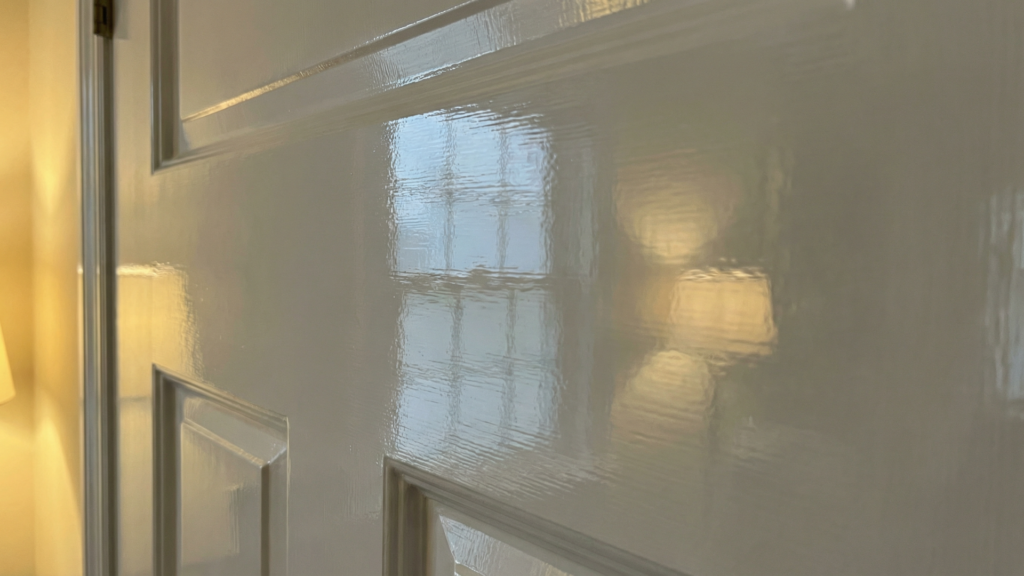
Semi-gloss paint has a noticeable shine and reflects more light than satin. It creates a smooth, sleek surface that stands out.
Key Characteristics of Semi-Gloss Paint
- Clearly visible shine
- High light reflection
- Strong and durable finish
- Resistant to moisture
- Easy to clean and scrub
Semi-gloss is often used on trim, doors, cabinets, and areas exposed to moisture because of its strength and washable surface.
Sheen Level: How Much Shine Do They Have?
The biggest difference in satin vs semi-gloss is the level of shine. Satin offers a soft glow that gently reflects light. It does not create glare and works well in spaces where a calm, balanced look is desired.
Semi-gloss reflects much more light. It has a noticeable shine that highlights details and creates contrast, especially when paired with flatter wall finishes.
| Feature | Satin | Semi-Gloss |
|---|---|---|
| Shine Level | Soft, subtle | Noticeably shiny |
| Light Reflection | Moderate | High |
| Visual Impact | Smooth and calm | Bold and crisp |
If a room receives a lot of natural light, semi-gloss may appear even shinier. Satin provides a more understated finish.
Key Differences Between Satin and Semi-Gloss
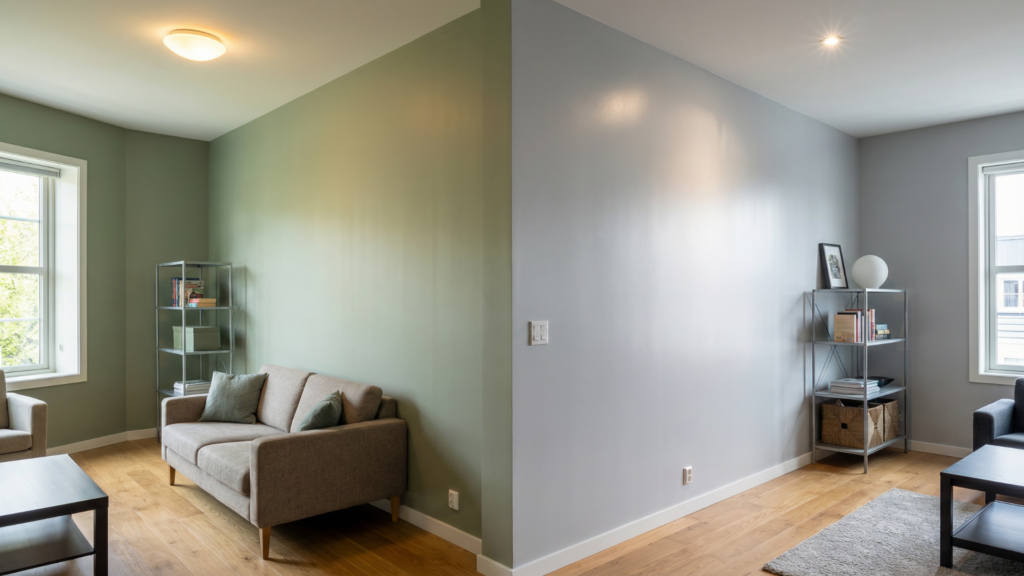
When comparing satin vs semi-gloss, it helps to focus on how each finish performs in real spaces. These two options may look similar on a paint swatch, but they behave differently once applied to walls, trim, and other surfaces.
Appearance on Walls
The way a finish looks across a full wall is one of the first things homeowners notice.
Satin Finish on Walls
- Creates a soft, smooth glow
- Reflects light gently without strong glare
- Provides a clean and balanced appearance
- Works well in living rooms, bedrooms, and hallways
- Does not overpower the overall design
Satin offers a subtle sheen that adds depth while keeping the room calm and comfortable.
Semi-Gloss Finish on Walls
- Produces a noticeable shine
- Reflects a high amount of light
- Makes colors appear richer and brighter
- Can create glare in bright rooms
- Highlights texture and surface flaws
Semi-gloss is rarely used on large wall areas because the shine can feel too intense, especially in well-lit spaces.
Durability and Wear Resistance
Durability is a major factor in the satin vs semi-gloss comparison, especially in busy households.
Satin Durability
- Handles normal daily contact
- Resists light scuffs and minor wear
- Suitable for moderate-traffic areas
- May show wear after repeated scrubbing
Satin performs well in most standard living areas but is not the strongest option available.
Semi-Gloss Durability
- Forms a harder surface
- Withstands frequent touching and impact
- Resists scuffs and stains more effectively
- Ideal for trim, doors, cabinets, and baseboards
Semi-gloss offers stronger protection, making it better suited for high-contact surfaces.
Ease of Cleaning
Maintenance needs can influence the final decision.
Cleaning Satin Paint
- Can be wiped with a damp cloth
- Handles light stains and fingerprints
- May lose its sheen if scrubbed aggressively
- Best for areas with lighter cleaning demands
Satin allows for basic cleaning but does not tolerate heavy scrubbing over time.
Cleaning Semi-Gloss Paint
- Easy to wipe and scrub
- Resists moisture and surface stains
- Maintains shine after cleaning
- Suitable for kitchens, bathrooms, and children’s rooms
Semi-gloss provides a more washable surface, which reduces long-term maintenance concerns.
Moisture Resistance
Rooms exposed to humidity require careful paint selection.
Satin and Moisture
- Offers moderate moisture resistance
- Works in low-humidity rooms
- May not hold up well in steamy environments
Satin can perform adequately in lightly used bathrooms, but is not the strongest choice for wet areas.
Semi-Gloss and Moisture
- Strong resistance to humidity
- Performs well in kitchens and bathrooms
- Helps prevent peeling and water damage
- Suitable for laundry rooms and mudrooms
Semi-gloss creates a tighter surface barrier, which protects against moisture more effectively.
Hiding Surface Imperfections
The condition of the wall should always be considered.
Satin and Imperfections
- Soft sheen helps mask minor dents
- Reduces visibility of small drywall flaws
- More forgiving during application
Satin is often preferred for walls that are not perfectly smooth because it does not exaggerate imperfections.
Semi-Gloss and Imperfections
- High reflectivity makes flaws stand out
- Emphasizes bumps, patches, and roller marks
- Requires careful surface preparation
Before applying semi-gloss, surfaces should be repaired, sanded, and primed to achieve a smooth result.
Cost Differences
In most cases, the price difference between satin and semi-gloss is small. Both finishes are usually available within the same product line and cost about the same per gallon.
However, there are a few practical cost considerations:
Satin
- May require fewer surface repairs before painting
- Slightly easier to apply, which can reduce labor time
- Good balance between cost and durability
Semi-Gloss
- May require more prep work to smooth surfaces
- Often used on smaller areas like trim, reducing the total paint needed
- Higher durability may lower long-term repainting costs
Overall, brand quality and paint type influence cost more than the sheen level.
Light and Room Size Considerations
Lighting and room size can change how each finish appears.
Satin in Different Lighting
- Soft reflection reduces glare
- Creates a warm and balanced look
- Works well in larger rooms and open spaces
Semi-Gloss in Different Lighting
- Reflects natural and artificial light strongly
- Can brighten smaller rooms
- May feel overwhelmed in very bright spaces
In small, darker rooms, semi-gloss can increase brightness. In large or well-lit rooms, satin often feels more comfortable and balanced.
Application and Touch-Ups
How the paint is applied to the surface also matters.
Applying Satin Paint
- More forgiving during application
- Hides minor brush and roller marks
- Easier to blend during touch-ups
- Suitable for DIY projects
Satin tends to provide smoother results without showing small mistakes.
Applying Semi-Gloss Paint
- Requires careful, even application
- Brush strokes and roller marks are more visible
- Touch-ups may stand out if not done precisely
- Works best with proper surface preparation
Semi-gloss demands more attention during application because the shine makes flaws easier to see.
Best Rooms for Satin and Semi-Gloss Paint
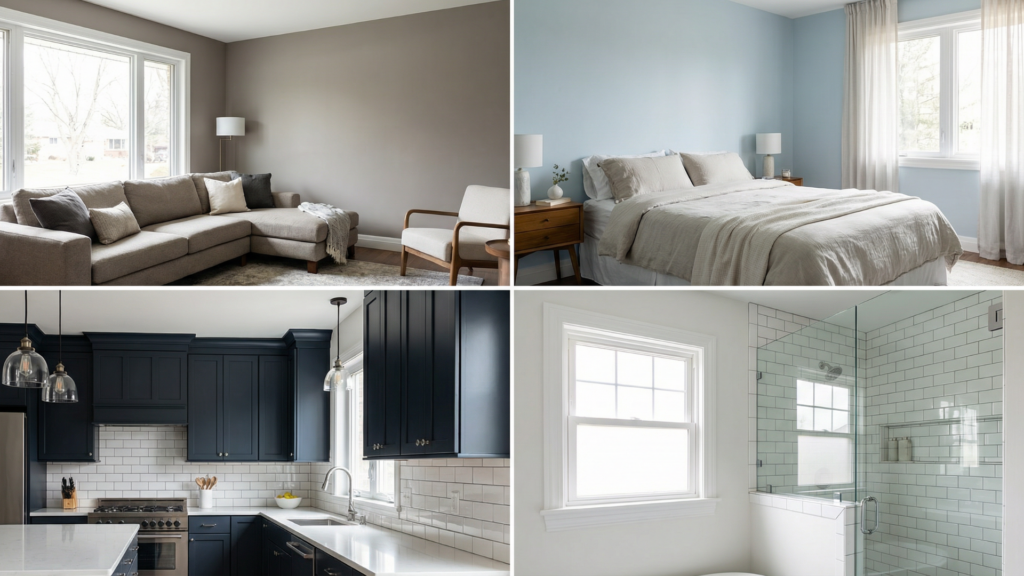
Choosing the right finish depends on how each room is used. The table below shows where each finish is commonly recommended.
| Room / Area | Satin Paint – Recommended Use | Semi-Gloss Paint – Recommended Use |
|---|---|---|
| Living Room | Ideal for walls; provides a soft, smooth glow | Better suited for trim and doors rather than full walls |
| Bedroom | Excellent for walls; creates a calm appearance | Suitable for trim, closet doors, and built-ins |
| Dining Room | Works well on walls; easy to maintain | Good for trim and decorative molding |
| Hallways | Suitable for moderate traffic walls | Recommended for baseboards and door frames |
| Kitchen Walls | Acceptable for low-splash areas | Better choice for easier cleaning and durability |
| Kitchen Cabinets | Not ideal for heavy wear | Strong and easy to clean; commonly used |
| Bathroom Walls | Works in low-humidity bathrooms | Best option for high humidity and moisture exposure |
| Laundry Room | Suitable for walls with limited moisture | Recommended due to moisture resistance |
| Interior Doors | Can be used for a softer look | Preferred for durability and easy cleaning |
| Trim & Baseboards | Provides subtle contrast | Traditional and durable choice |
| Children’s Rooms | Good for walls with light cleaning | Better for areas that need frequent wiping |
| Home Office | Smooth, professional finish for walls | Suitable for trim and shelving |
In most homes, satin is used on walls for a balanced look, while semi-gloss is chosen for trim, doors, cabinets, and moisture-prone spaces.
Which Finish is Better?
There is no single winner in the satin vs. semi-gloss comparison, as the best finish depends on the surface and the room’s needs.
Satin works well for most interior walls where a smooth, low-shine look is preferred. It offers a balanced finish that hides minor flaws and suits living areas and bedrooms.
Semi-gloss is stronger and more moisture-resistant, making it a better choice for trim, doors, cabinets, kitchens, and bathrooms.
The decision should be based on durability, cleaning needs, lighting, and overall design goals rather than shine alone.
Final Thoughts
Paint finish may seem like a small detail, but it has a lasting impact on how a space looks and holds up over time.
The choice affects maintenance, long-term durability, and even how light moves across a room.
Taking time to evaluate traffic levels, moisture exposure, and surface condition helps prevent costly repainting later. A well-matched finish protects the surface while supporting the overall design.
Instead of focusing only on shine, think about how the room functions day to day.
Use the comparisons in this guide to narrow down your options, then choose the finish that aligns with your space and practical needs.