

Moving into a new house feels exciting, but it can also feel a bit overwhelming. A lot needs to get done, and it helps to have a clear plan.
A simple checklist makes the whole process easier. It keeps tasks in order and helps avoid last-minute stress.
This blog shares a clean, easy new-house checklist for a smooth move. The goal is to make the first days in a new home feel calm and organized.
With the right steps and a list to follow, setting up a new space becomes much simpler.
How a Checklist Makes Moving Easier
The days leading up to a move often feel busy. Boxes pile up, plans shift, and time disappears fast.
During this rush, small but important tasks can be forgotten. A new house checklist works like a guide. It keeps everything organized and reduces last-minute stress.
Many people do not realize how many steps go into moving. There are utilities to set up, items to buy, rooms to clean, and furniture to arrange. A checklist makes these tasks easier to manage.
It also helps track the things you need for a new house, which can save time and money.
With a list, there is no guessing and no wasted trips to the store. A checklist keeps the move simple, clear, and stress-free.
Before Moving: Important Tasks to Handle
Before stepping into the new home, several necessary steps should be taken. These tasks help prepare the house and make moving day smooth and organized.
1. Review Important Documents
Most people sign papers quickly during the buying or rental process. But going back to review important documents can help avoid problems later.
Look at:
- Home contracts
- Lease details
- Rules about maintenance
- Move-in requirements
- Utility instructions
Understanding the paperwork helps prevent confusion and prepares you for moving day.
2. Set Up Utilities Early
Utilities are one of the most important things you need for a new house. They should be arranged before you move in.
Set up:
- Electricity
- Water
- Gas
- Internet
- Trash collection
Some services take a few days to activate. Calling early ensures everything works on the day you move.
3. Create a Moving Budget
A move can become expensive without a plan. A simple budget helps you manage costs.
Include the cost of:
- Packing supplies
- Movers or rental trucks
- Deposits for utilities
- New household items
- Cleaning supplies
A budget keeps the spending trackable and prevents surprises.
4. Measure the New Home
Measuring rooms, doorways, and hallways helps you plan where furniture will go. It also prevents the frustration of trying to fit large items through small spaces.
Measure:
- Bedroom spaces
- Living room layout
- Door frames
- Stairways
- Hallway turns
A tape measure is a small tool, but it makes a big difference on moving day.
Packing Stage: What to Prepare Before Moving In
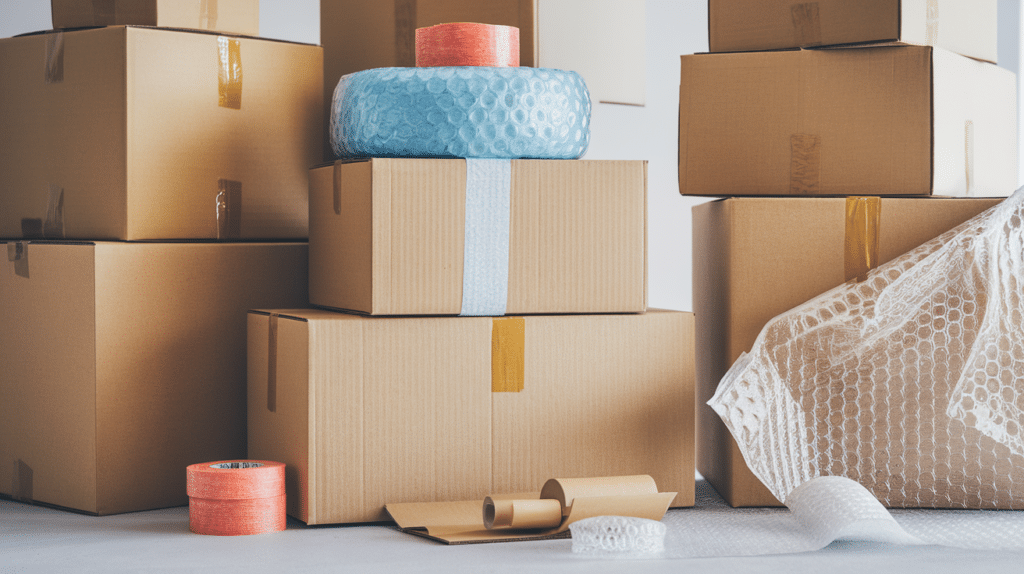
Packing becomes easier with the right plan. Starting early and using the right supplies can save hours of work.
5. Gather Packing Supplies
Basic supplies include:
- Boxes
- Tape
- Bubble wrap
- Packing paper
- Labels
- Plastic bags for small parts
These tools help protect your items and keep everything organized.
6. Declutter Before Packing
Packing less makes moving easier. Donate items you no longer use. Give away clothes, books, toys, or kitchen tools. This reduces the number of boxes and creates more space in the new home.
7. Label Every Box
Labeling helps movers know where each box belongs. Writing the room name on each box saves time when unpacking.
Label boxes like:
- Kitchen
- Bedroom 1
- Bathroom
- Living Room
- Storage
Add a few details inside the label so finding items becomes quicker.
8. Pack a “First Night” Box
This box holds essentials needed during the first day in the new home.
Include:
- Toothbrush and toothpaste
- Towels
- Phone chargers
- Pajamas
- Clean clothes
- Snacks
- Basic cleaning wipes
- Toilet paper
This simple step makes the first night calm and comfortable.
The Complete New House Checklist
Once moving day arrives, it helps to have a clear list of steps to follow. The checklist below covers the most important tasks.
9. Do a Full Walkthrough
Before unpacking, take time to walk through each room. Look at:
- Floors
- Windows
- Light switches
- Outlets
- Walls
- Closets
Check for anything that looks damaged or needs repair.
10. Clean the House Before Unpacking
A clean house makes unpacking easier. Cleaning before furniture arrives helps reach corners and under surfaces.
Clean:
- Counters
- Sinks
- Floors
- Windows
- Shelves
- Bathroom fixtures
A few basic supplies are all you need: a mop, broom, spray cleaner, and cloths.
Kitchen Checklist
The kitchen is one of the most important spaces to set up first. Having basic items ready helps you prepare meals without stress.
11. Basic Kitchen Items
Essential tools include:
- Pots and pans
- Plates and bowls
- Forks, spoons, and knives
- Cutting boards
- Food containers
- Can opener
- Dish towels
- Dish soap
These items help the kitchen run smoothly from day one.
12. Small Appliances
Many people need small appliances early on.
Useful items include:
- Microwave
- Coffee maker
- Toaster
- Blender
Choose simple appliances at first, then upgrade later if needed.
13. Food Basics
Buy a few foods that do not require much cooking.
Examples include:
- Bread
- Fruit
- Eggs
- Cereal
- Pasta
- Snacks
Having food ready prevents last-minute trips to the store.
Bathroom Checklist
The bathroom should be set up early because it is used right away.
14. Bathroom Essentials
Items to prepare:
- Towels
- Toilet paper
- Shower curtain
- Toothpaste
- Soap
- Shampoo
- Trash can
- Bath mat
These small items help the bathroom function smoothly.
15. Storage for the Bathroom
Simple storage tools keep items neat.
Use:
- Baskets
- Shelves
- Drawer organizers
- Hooks
Organizing early prevents clutter later.
Bedroom Checklist
A comfortable bedroom helps everyone rest after a long, tiring move.
16. Bed and Bedding
Start by setting up the bed.
You will need:
- Mattress
- Pillows
- Bedsheets
- Blanket
- Comforter
A made bed creates a sense of calm on the first night.
17. Bedroom Storage
Good storage helps keep clothes in order.
Useful items include:
- Hangers
- Dresser
- Shoe rack
- Under-bed bins
These simple tools keep the room clean and organized.
Living Room Checklist
The living room becomes the main place for relaxing, gathering, or watching TV.
18. Living Room Furniture
Basic pieces include:
- Sofa
- Chairs
- Coffee table
- TV stand
You can add more items later, but these are enough for the start.
19. Lighting and Decor
Lighting makes a big difference in how the room feels.
Helpful items include:
- Lamps
- Small rugs
- Throw pillows
- Light curtains
These simple touches make the home feel warm and welcoming.
Safety Checklist for a New Home
Safety should always come first. A few checks can help protect the home right away.
20. Smoke and Carbon Monoxide Detectors
Test each detector and replace batteries if needed. If the home does not have a carbon monoxide detector, buy one immediately.
21. Fire Extinguishers
A home should have at least two fire extinguishers:
- One in the kitchen
- One near bedrooms
This small step helps keep the home safe.
22. First Aid Kit
A simple kit should include:
- Bandages
- Gauze
- Pain relief medicine
- Antiseptic wipes
It comes in handy for small injuries.
23. Basic Tools
Important tools include:
- Hammer
- Screwdrivers
- Tape measure
- Utility knife
- Flashlight
- Pliers
- Small drill
These tools help with furniture assembly and simple fixes.
Home Organization Checklist
A good organization helps keep the house clean and easy to manage.
24. Storage for Each Room
Use simple storage tools like:
- Bins
- Shelves
- Drawer organizers
Organizing early saves time later.
25. Plan for Each Space
Think about how each room will be used.
Questions to consider:
- Where should daily items go?
- What items need easy access?
- What items can be stored away?
A plan helps keep the home tidy.
Outdoor Checklist
If the home has outdoor space, a few basic items will help care for it.
26. Outdoor Essentials
Helpful tools include:
- Hose
- Rake
- Outdoor broom
- Garden gloves
- Trash bins
These help keep the outside neat and clean.
27. Garage Organization
Simple garage items include:
- Shelving units
- Tool racks
- Storage bins
These keep the garage safe and organized.
28. Update Your Address
Update your information with:
- Post office
- Bank
- Employer
- School
- Insurance companies
- Online shopping accounts
This keeps life running smoothly after the move.
Download the full New House Checklist PDF here.
How to Save Money When Moving
Moving can be expensive, but simple planning can help cut costs. Here are easy ways to save money during the move:
1. Compare moving companies: Check prices from different movers before booking.
2. Choose off-peak days: Move on weekdays or during slower seasons for lower rates.
3. Ask for help: Get help from friends or family instead of paying for extra labor.
4. Find free boxes: Look for them at grocery stores, from friends, or in online groups.
5. Declutter before packing: Reduce items you don’t need to lower moving weight and cost.
6. Pack on your own: Do the packing yourself instead of paying for packing services.
7. Use household items for padding: Wrap fragile items in towels, blankets, or clothing.
8. Measure furniture early: Make sure items fit to avoid buying replacements.
9. Plan simple meals: Prepare easy meals to avoid eating out during moving days.
10. Keep a small budget: Track spending to avoid unexpected moving costs.
Wrapping It Up
A new house brings a chance to build routines, set up spaces with care, and create comfort step by step.
A clear checklist supports that process by giving each part of the move a simple path to follow. With each task checked off, the house starts to feel familiar and ready for daily life.
A checklist also makes it easier to adjust, solve problems quickly, and settle into a new rhythm in your own time.
Use this guide to move forward with confidence and begin setting up a home that fits your needs.