

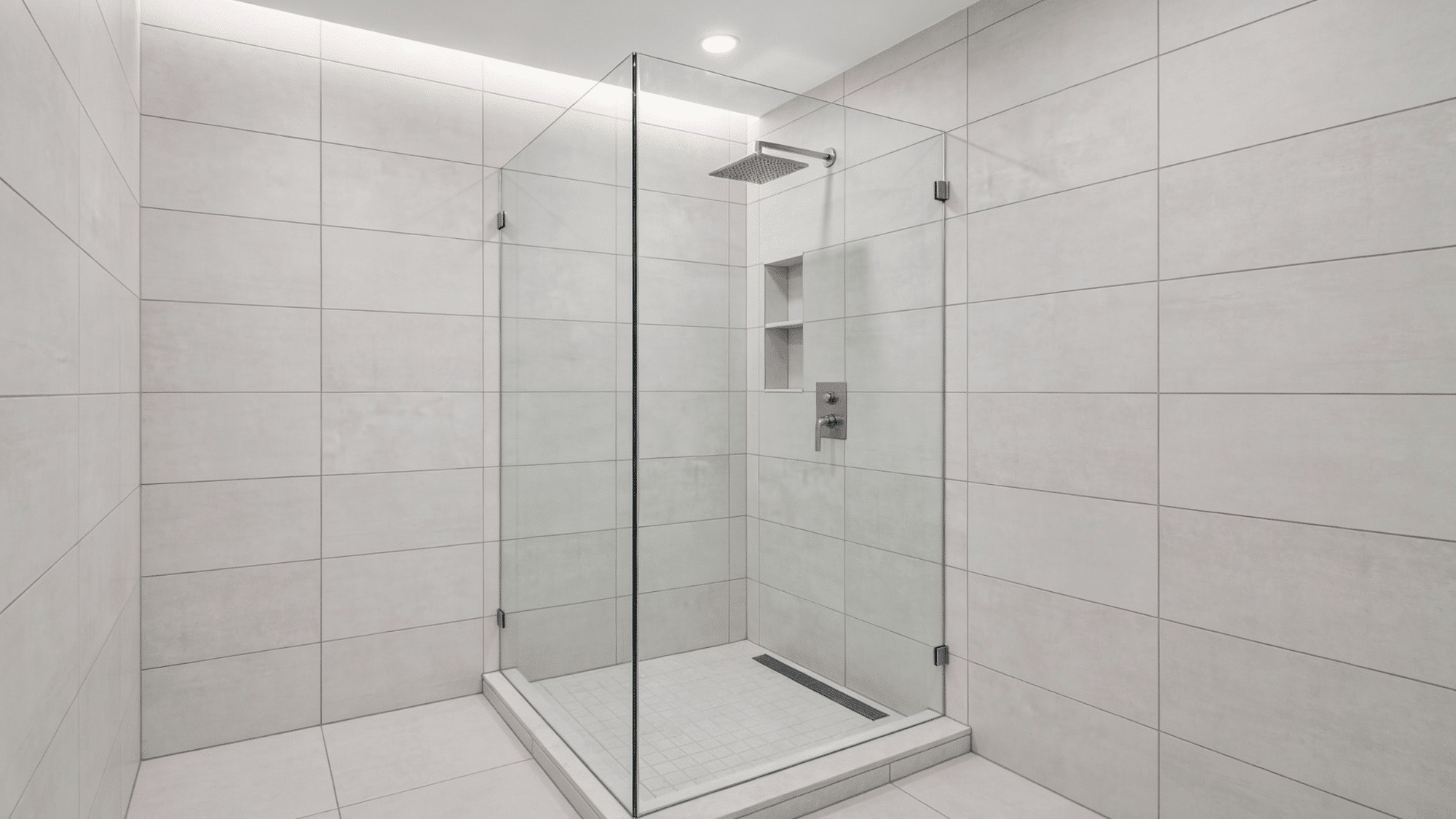
Planning a bathroom remodel? There’s one thing that trips up homeowners more than anything else: shower sizing.
Too small, and daily routines feel cramped. Too large, and precious square footage goes to waste. The frustrating part? Most people don’t realize their mistake until construction’s already underway and changes cost a fortune.
Getting shower dimensions right from the start makes all the difference between a bathroom that works beautifully and one that feels awkward every single day.
This blog breaks down the numbers that matter, helping anyone create a shower space that fits just right without the guesswork or costly do-overs.
What are the Standard Shower Dimensions?
Standard shower dimensions vary based on the type and layout chosen.
- Most walk-in showers measure 36 inches by 36 inches at minimum, though 48 inches by 36 inches offers more comfort.
- Shower-tub combos typically run 60 inches long and 30-32 inches wide.
- Corner showers often come in 36-inch square configurations, while luxury walk-ins can stretch to 60 inches by 36 inches or larger.
- Ceiling height matters too; most building codes require at least 80 inches of headroom.
These measurements aren’t just random numbers. They’re based on ergonomics, building codes, and practical movement space. Picking the right size depends on bathroom square footage, user needs, and budget constraints.
Core Standards & Building Guidelines of Shower Dimensions
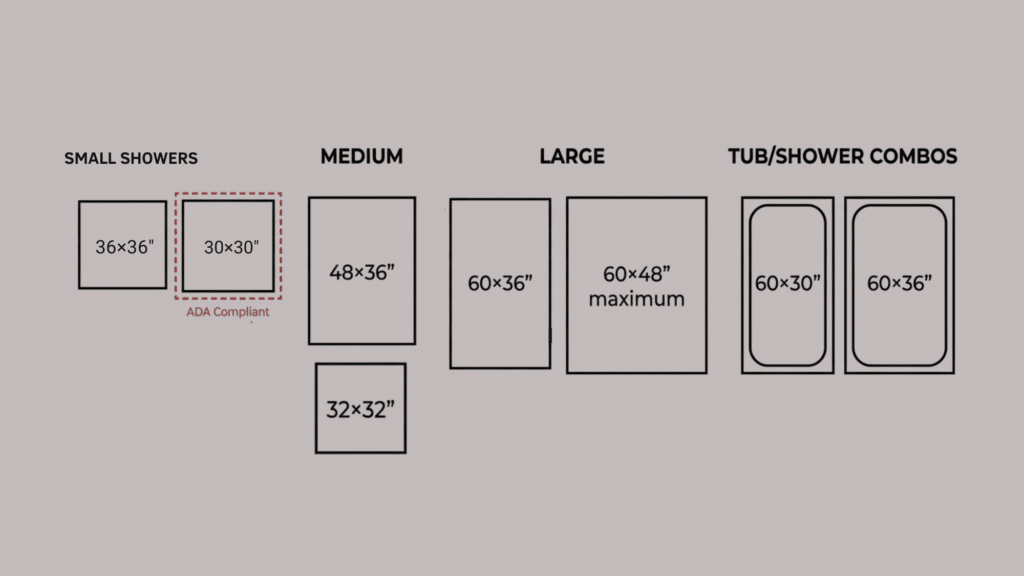
Building codes and practical comfort don’t always align. Understanding the differences between minimum requirements, typical installations, and recommended sizes helps homeowners make informed choices.
Minimum Standard Shower Dimensions
- 30 inches x 30 inches – Permitted only in specific situations like tight retrofit projects or ADA-compliant roll-in showers
- 36 inches x 36 inches – Another absolute smallest size allowed by most building codes for standard shower stalls.
These represent rock-bottom measurements that meet code but often feel tight. They work for guest bathrooms with occasional use, but they can make daily routines uncomfortable for most people.
Average Standard Shower Dimensions in Most Homes
Builders install these dimensions because they balance cost, space efficiency, and reasonable comfort. They accommodate most adults without requiring custom work or premium pricing.
- 48 inches x 36 inches – The most common walk-in shower size found in modern construction and renovations.
- 60 inches x 30 inches – Standard tub-shower combo dimensions that fit most bathroom layouts without major modifications.
- 32 inches x 32 inches – Typical corner shower unit size in smaller bathrooms where space comes at a premium.
Recommended Shower Dimensions for Comfort
Generous sizes like these create spa-like experiences at home. The extra square footage allows for bench seating, multiple spray heads, and comfortable movement.
- 60 inches x 36 inches – Provides ample elbow room for movement, bending, and washing without constantly bumping walls.
- 48 inches x 48 inches – Ideal for corner showers where users want a spacious feel and room for built-in seating.
- 72 inches x 36 inches – Perfect for double showerheads or shared showering, offering luxury without overwhelming smaller bathrooms.
Specific Dimensions of Different Shower Types
Different shower types come with specific standard dimensions that affect comfort, layout, and installation. Understanding these sizes helps you choose the right option for your bathroom space.
1. Standard Shower Stall Dimensions
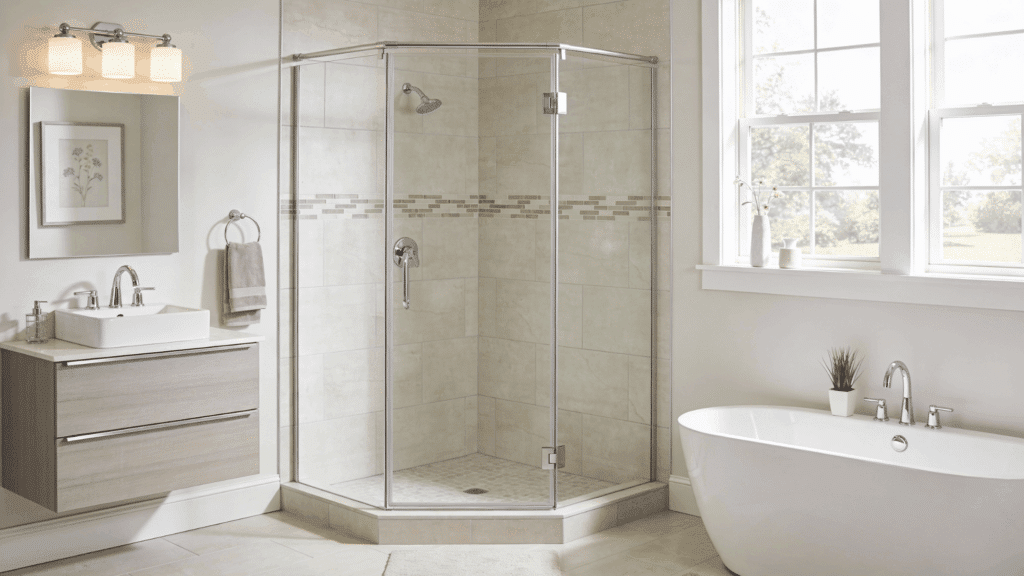
Standard shower stalls are the most common choice in residential bathrooms due to their compact and efficient design.
Typical sizes include 32 x 32 inches, 34 x 34 inches, and 36 x 36 inches, with 36 x 36 inches being the most recommended for comfort.
Rectangular stalls, such as 36 x 48 inches, offer extra elbow room and are ideal for users who prefer more movement space without committing to a large walk-in shower.
2. Standard Walk-In Shower Dimensions
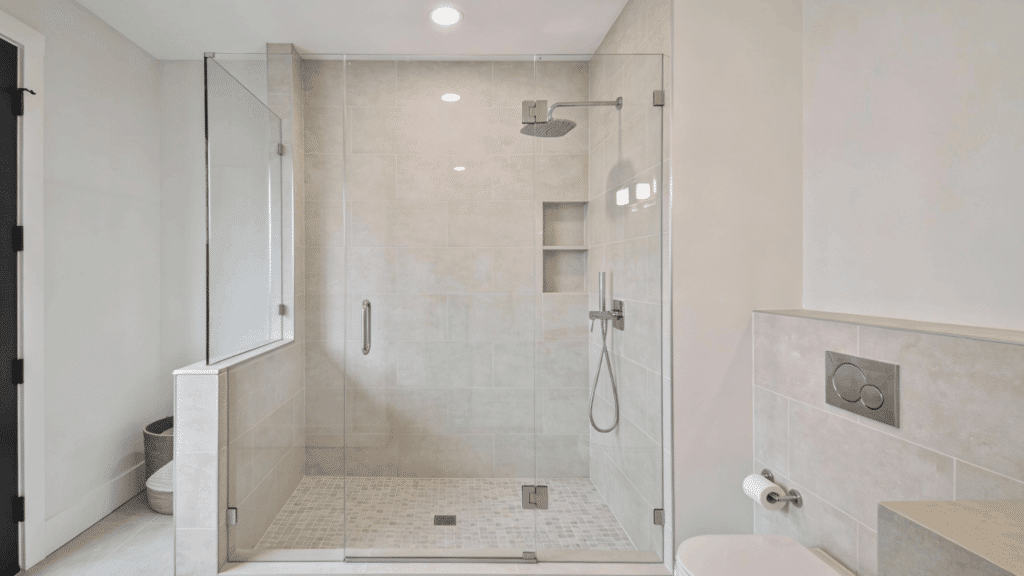
Standard walk-in showers usually start at a minimum size of 36 x 36 inches, but larger dimensions like 36 x 48 inches or 48 x 48 inches are more comfortable. These showers are popular in modern bathrooms because they provide easy access and an open feel.
Doorless walk-in showers often require additional space for splash control, making proper sizing essential for both functionality and comfort.
3. Tub-Shower Combo Standard Dimensions
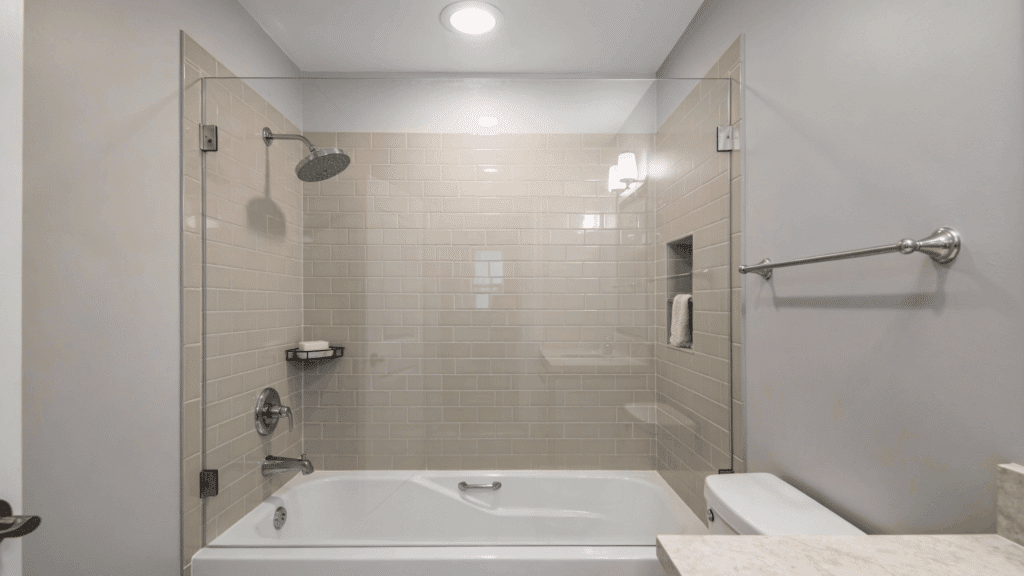
Tub-shower combinations typically follow standard bathtub dimensions, with the most common size being 60 inches long, 30–32 inches wide, and 72–80 inches high for the shower wall area.
This setup is common in full bathrooms where space is limited, but versatility is needed. Tub-shower combos work well for families, offering both bathing and showering options without requiring extra square footage.
4. Corner Shower Standard Dimensions
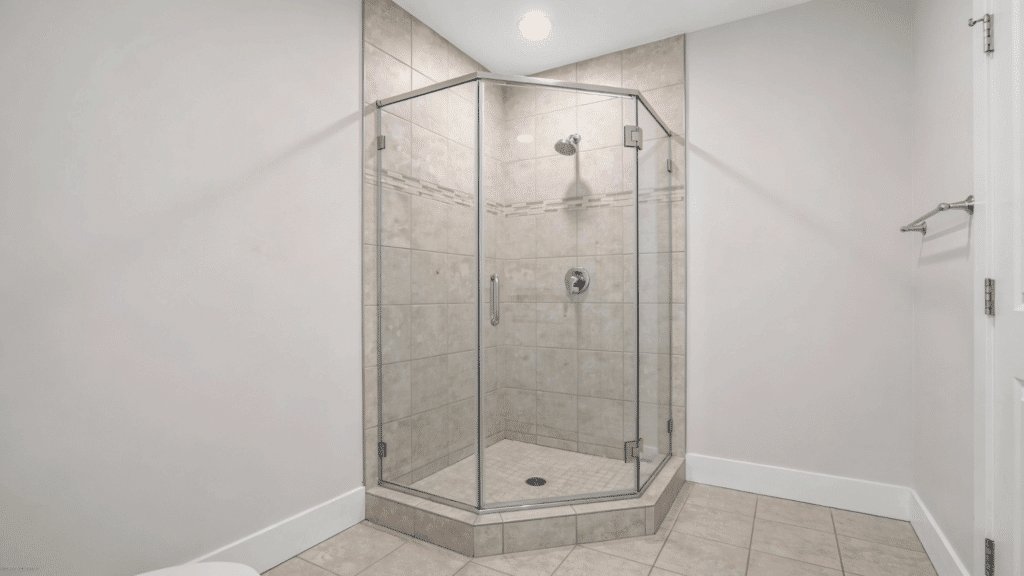
Corner showers are designed to maximize space in small or awkward bathroom layouts.
Common standard dimensions include 32 x 32 inches and 36 x 36 inches, often with a curved or neo-angle front. These showers fit neatly into corners while still meeting minimum code requirements.
Larger corner showers improve comfort but may reduce usable floor space, so careful planning is important when choosing this type.
Standard Shower Door, Height and Ceiling Requirements
Shower doors and ceiling heights need proper clearance for safety and comfort. Building codes set minimum standards that contractors must follow.
| Component | Standard Dimension | Notes |
|---|---|---|
| Shower Door Width | 22-24 inches | Minimum for comfortable entry |
| Shower Door Height | 72 inches | Standard for most installations |
| Ceiling Height | 80 inches minimum | Required by most building codes |
| Showerhead Height | 72-78 inches | Adjustable based on user height |
| Curb Height | 2-9 inches | Prevents water spillage |
Shower Clearance and Bathroom Space Planning
A shower that fits perfectly on paper can feel cramped in real life without proper clearance.
Building codes require at least 24 inches of clear space in front of the shower entry for safe access. But codes represent minimums, not ideals.
Smart bathroom planning accounts for door swings, towel bars, and movement around other fixtures.
Someone shouldn’t have to squeeze sideways past the toilet to reach the shower. Consider traffic flow patterns and how multiple people might use the space simultaneously.
Storage needs matter too; there’s got to be room for towels, toiletries, and cleaning supplies without creating obstacle courses.
Common Mistakes When Choosing Shower Dimensions
Even experienced homeowners make sizing errors that lead to expensive fixes later. These mistakes seem small during planning but create daily frustration once the shower’s installed and functional.
- Choosing the bare minimum size to save space, then regretting the cramped feel every single day.
- Forgetting to account for door swing clearance, making entry awkward, or blocking other bathroom fixtures.
- Ignoring showerhead placement in relation to ceiling height results in uncomfortable spray angles.
- Skipping measurements for built-in niches or benches, leaving no room for essential storage or seating.
- Overlooking wheelchair accessibility needs or future mobility considerations for aging in place.
The Bottom Line
Getting shower dimensions right isn’t about memorizing numbers; it’s about creating a space that works for daily life.
The measurements outlined here provide solid starting points, but personal needs should guide final decisions. A family with teenagers has different requirements than empty nesters planning for retirement.
Budget constraints matter, and so does resale value. Before finalizing plans, sit down with a contractor to discuss specific layout challenges and local code requirements. Small adjustments during the planning phase cost nothing compared to renovation nightmares later.
Take time to measure twice, visualize the finished space, and think through actual usage patterns. Smart planning today means years of comfortable, hassle-free showers ahead.