

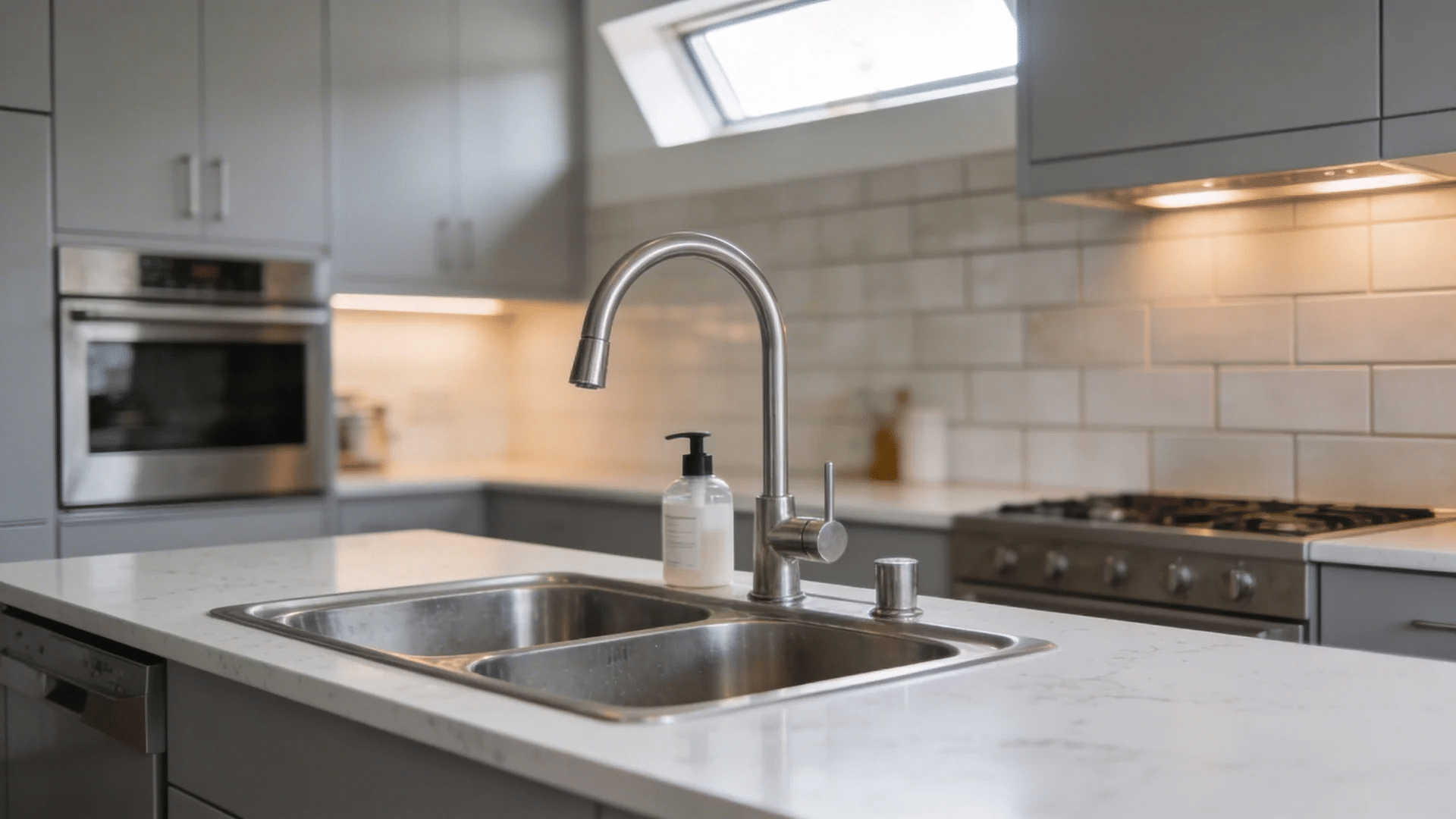
Picking a kitchen sink sounds simple, but I’ve learned it can get confusing fast. When I first looked into standard sink sizes, I didn’t realize how much they affect daily use and how well the sink fits your space.
The wrong size can feel awkward, while the right one makes everything easier.
In this guide, I’ll help you understand common sink sizes, what those numbers really mean, and how to choose one that works for your kitchen. You’ll also see how different layouts and needs can change your choice.
If you’re updating your kitchen or replacing an old sink, this will give you clear, practical steps. By the end, you’ll feel more confident picking a sink that fits your space and your routine.
What Are Standard Sink Sizes in Kitchens?
Standard sink sizes in kitchens refer to the common dimensions most sinks are made in, so they fit standard cabinets and countertops without extra changes.
These sizes are widely used because they work well in most kitchen layouts.
Most kitchen sinks range from 24 to 36 inches wide, with 30 and 33 inches being the most common widths. The depth usually falls between 8 and 10 inches, which is suitable for daily tasks like washing dishes, utensils, and cookware.
These standard measurements are designed to match base cabinets, which are typically around 36 inches wide. This makes installation easier and more cost-effective.
Understanding standard sink sizes helps reduce guesswork and ensures the sink fits properly, making everyday kitchen tasks more comfortable and efficient.
Common Standard Sink Sizes and Dimensions
Standard sink sizes range in width and depth to suit different kitchen layouts and daily needs. Most sinks follow standard cabinet sizes, making installation simple and hassle-free.
| Sink Width (Inches) | Typical Cabinet Size | Depth (Inches) | Best For |
|---|---|---|---|
| 22 inches | 24 inches | 7–8 inches | Very small kitchens |
| 24 inches | 27 inches | 8–9 inches | Compact spaces |
| 27 inches | 30 inches | 8–9 inches | Small to medium kitchens |
| 30 inches | 33 inches | 8–10 inches | Everyday use |
| 33 inches | 36 inches | 9–10 inches | Most popular size |
| 36 inches | 39 inches | 9–10 inches | Large kitchens |
| 42 inches | 45 inches | 9–10 inches | Double bowl sinks |
Key Factors to Consider When Choosing Sink Size
Choosing the right sink size depends on more than just looks. A few key factors can help ensure the sink fits well and works smoothly in daily use.
- Cabinet Size: The width of the base cabinet sets the limit for how large the sink can be without causing fitting issues. A proper match ensures easy installation and better stability.
- Kitchen Usage: The way the sink is used daily affects the ideal size, especially for washing large cookware or handling frequent use. A busy kitchen may need a deeper and wider sink.
- Available Counter Space: The amount of free counter space around the sink impacts comfort and workspace for food prep. A large sink in a small area can feel crowded.
- Sink Depth Preference: Deeper sinks hold more dishes and reduce splashing, but they may require more bending during use. A balanced depth improves comfort.
- Number of Bowls: Single- or double-bowl sinks change how space is used for washing and rinsing tasks. The choice depends on personal routine and needs.
How Sink Size Affects Your Kitchen Layout?
Choosing the right sink size plays a big role in how comfortable and efficient a kitchen feels during daily use.
A sink that is too small can make washing large pots and dishes difficult, while a sink that is too large may take up valuable counter space.
The right size should match both the kitchen layout and how the sink is used every day. For example, a busy kitchen may need a deeper or wider sink, while a smaller space works better with a compact option.
Sink size also affects cleaning, storage, and the overall kitchen workflow. When the size fits well, tasks feel easier and more organized.
This balance helps in making a smarter choice that improves both function and comfort without making the kitchen feel crowded.
How to Measure Your Kitchen for the Right Sink?
Measuring your kitchen space the right way helps avoid fitting issues and extra work later. A few simple checks can make the process smooth and stress-free.
- Check Base Cabinet Width: Measure the inside width of the cabinet under your sink carefully, as this determines the largest sink size that can fit. Leave a small gap on both sides for proper and secure installation.
- Measure Existing Cutout: If you are replacing a sink, take exact measurements of the current countertop cutout so the new sink fits. This helps avoid unnecessary work and keeps the installation process simple.
- Check Front-to-Back Space: Measure the depth of the countertop from the front edge to the back to ensure the sink sits properly. This keeps the sink area comfortable and easy to use every day.
- Look at the Plumbing Area: Check the space under the sink for pipes and fittings, since these can limit the size or depth of the sink you choose during installation. This helps prevent fitting issues and avoids problems later.
- Allow for Clearance: Always leave a bit of extra space around the sink edges to allow easy placement and proper sealing during installation. This reduces the risk of leaks and ensures a better fit.
Popular Kitchen Sink Types and Their Sizes
Kitchen sinks come in different types, and each one has its own size range based on design and use. Some sink types are better suited to small kitchens, while others work well in larger kitchens with more space.
1. Single Bowl Sink
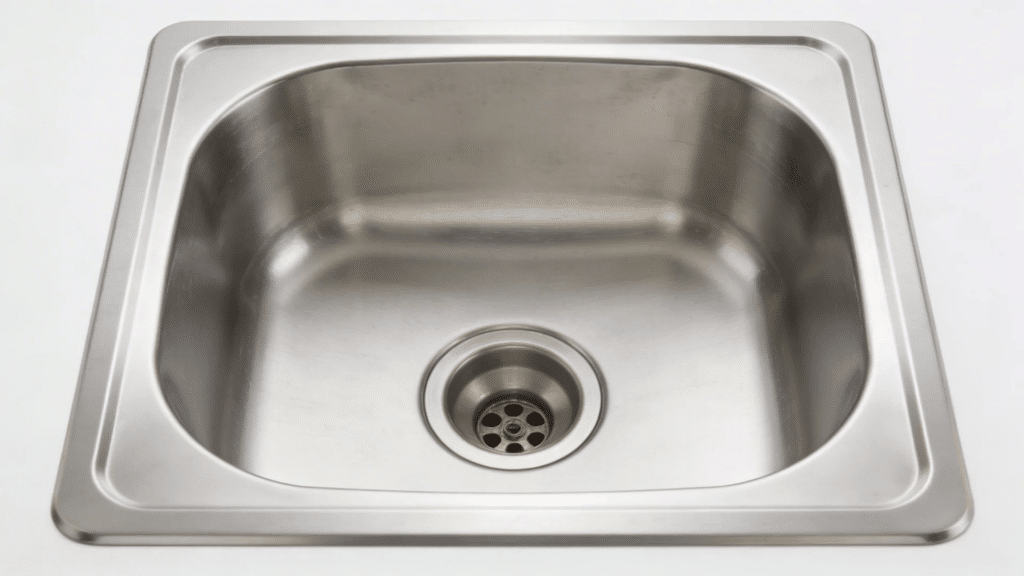
A single-bowl sink is a simple, practical option that offers a single large basin for washing dishes, pots, and pans without a divider.
It usually measures 24 to 33 inches wide and fits well in both small and medium kitchens. The open space makes it easier to handle large cookware and reduces clutter during cleaning.
This type works best for users who prefer a straightforward setup and need more space in a single continuous basin.
2. Double Bowl Sink
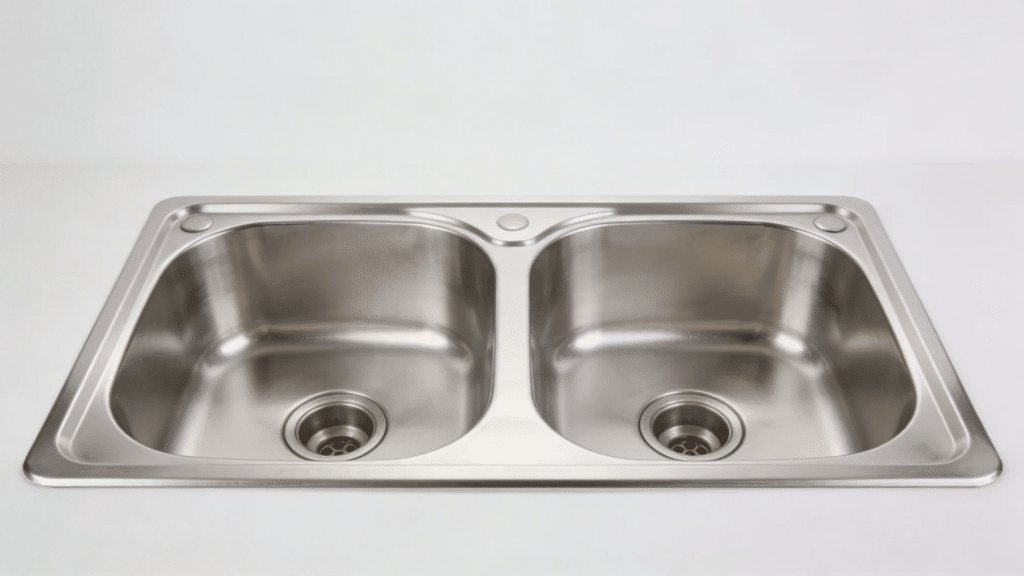
A double bowl sink features two separate sections, making it easier to wash and rinse dishes at the same time. These sinks typically range from 30 to 42 inches wide, depending on the layout and design.
They are a good fit for busy kitchens where multitasking is common.
One side can be used for washing, while the other is for drying or prepping, helping keep tasks organized and efficient. It also allows better separation of clean and dirty dishes during use.
3. Farmhouse Sink
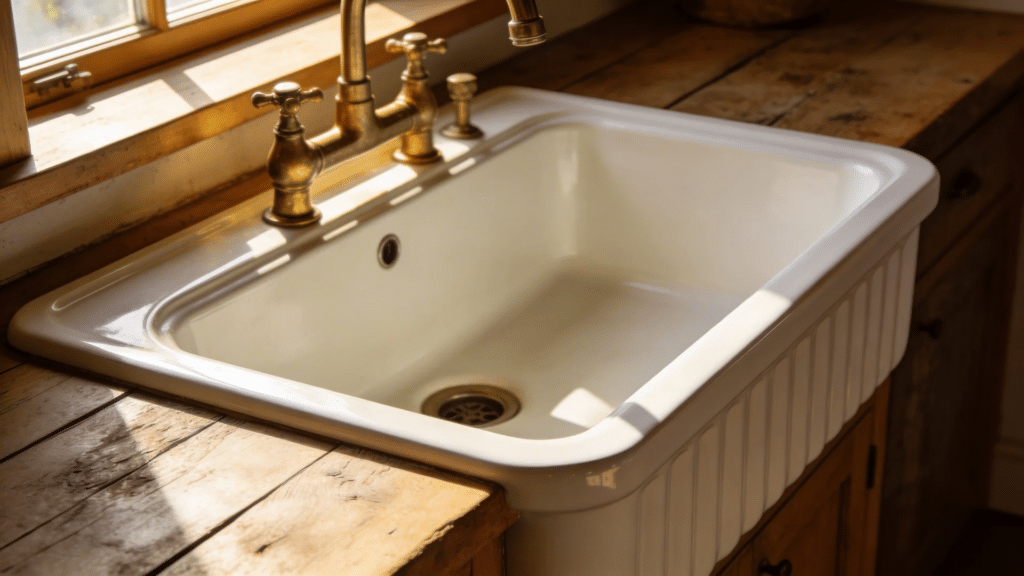
A farmhouse sink is known for its deep basin and front-facing design that slightly extends beyond the cabinet edge.
These sinks usually measure 30 to 36 inches wide and offer plenty of space for heavy-duty use. The extra depth makes it easier to wash large pots and baking trays without splashing.
This style adds a bold look to the kitchen while remaining highly functional for daily tasks.
4. Undermount Sink
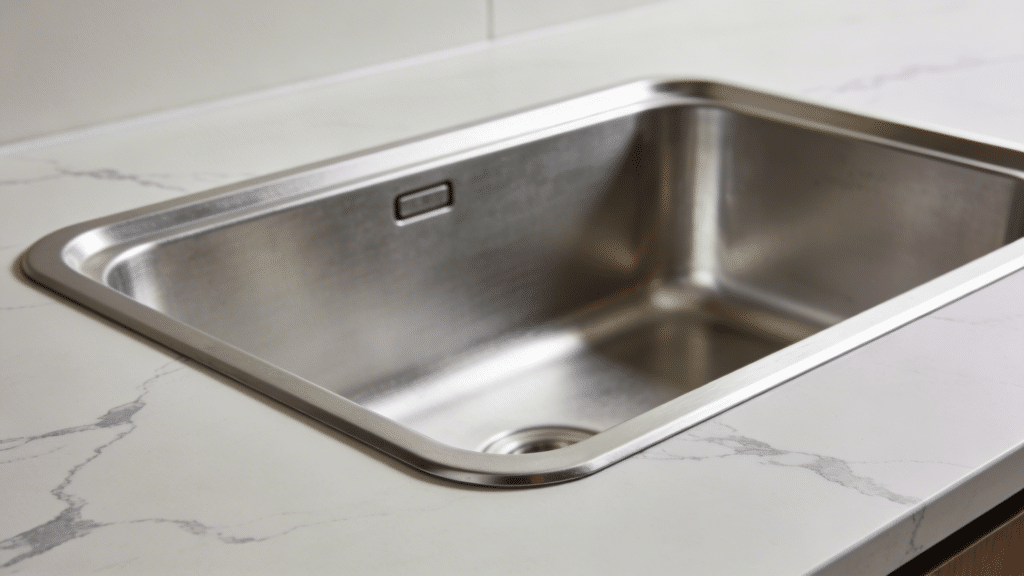
An undermount sink is installed beneath the countertop, creating a clean and seamless surface that is easy to maintain.
These sinks typically range from 24 to 33 inches wide and are popular in modern kitchen designs. Since there is no rim above the counter, wiping crumbs and water directly into the sink becomes simple.
This type works well for those who want a neat appearance along with practical everyday use. It is especially useful in kitchens that handle frequent cooking and large dish loads.
5. Bar Sink
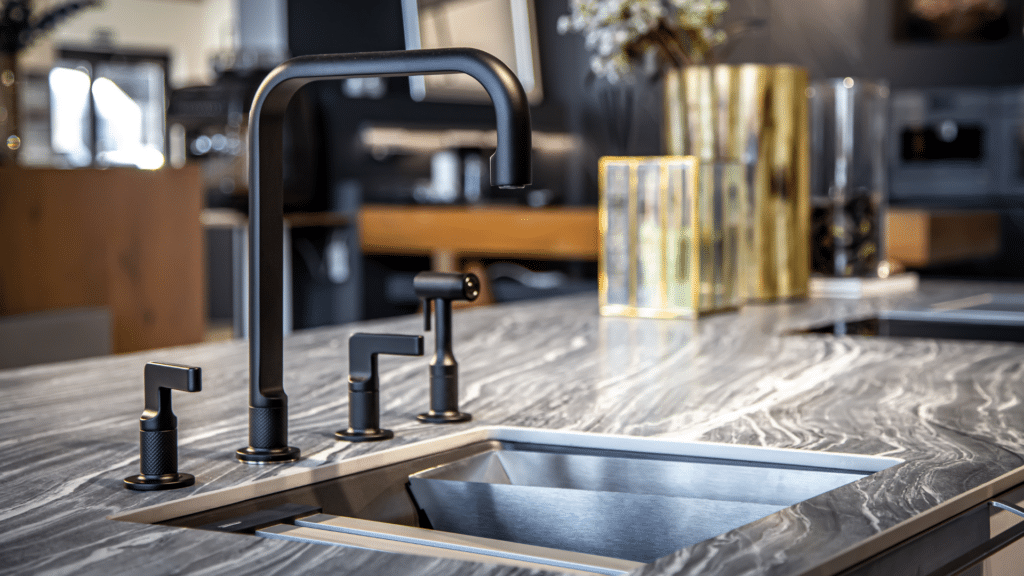
A bar sink is a smaller sink designed for compact areas or as a secondary sink in the kitchen. It typically ranges from 15 to 25 inches wide and fits well in tight spaces, such as corners or kitchen islands.
This type is useful for light tasks such as rinsing vegetables or preparing drinks.
It helps reduce crowding at the main sink and adds extra convenience without taking up too much space.
Mistakes to Avoid When Picking Sink Size
Choosing the wrong sink size can lead to daily discomfort and extra work in the kitchen. Small mistakes during selection can affect both function and overall kitchen flow.
- Picking a sink that is too large for the cabinet can create installation problems and require costly changes.
- Choosing a sink that is too small makes it hard to wash large pots and manage daily kitchen tasks.
- Ignoring the sink depth can lead to water splashing or discomfort while using it for long periods.
- Not measuring the countertop cutout properly before buying a replacement sink.
- Overlooking the plumbing space under the sink, which may limit the size you can install.
- Selecting a sink solely based on style, without considering daily use and comfort.
- Forgetting to leave enough clearance space for smooth installation and sealing.
- Not matching the sink size with the overall kitchen layout and available workspace.
Conclusion
Choosing the right sink size may seem like a small detail, but it can make a big difference in how your kitchen feels and works every day.
A well-sized sink helps you move through daily tasks with ease, while a poor fit can quickly become frustrating.
By now, the key sizes, types, and factors should feel clearer, making it easier to match a sink to your space and routine. Taking a little time to measure and think through your needs can save you from future hassle.
I believe the goal is simple. A sink should fit well, work smoothly, and support your daily use without getting in the way.
If you’ve recently chosen a kitchen sink or are planning to, share your experience or questions in the comments below. Your input can really help others make a better choice.
Frequently Asked Questions
What Is the Minimum Cabinet Size Needed for A Kitchen Sink?
Most sinks need a cabinet that is at least 3 inches wider than the sink itself to allow proper fitting and support.
Can a Larger Sink Be Installed in a Smaller Cabinet?
No, the sink must always fit within the cabinet size, or it will require major modifications to the base unit.
Are Deeper Sinks Always Better for Kitchens?
Not always, as very deep sinks can cause discomfort during long use and may not suit all users.
Do Sink Sizes Vary Based on Material?
Yes, materials like stainless steel or fireclay can slightly affect thickness and internal space.
Is It Easy to Replace a Sink with a Different Size?
It depends on the existing cutout and cabinet, as changing sizes may need adjustments to the countertop