

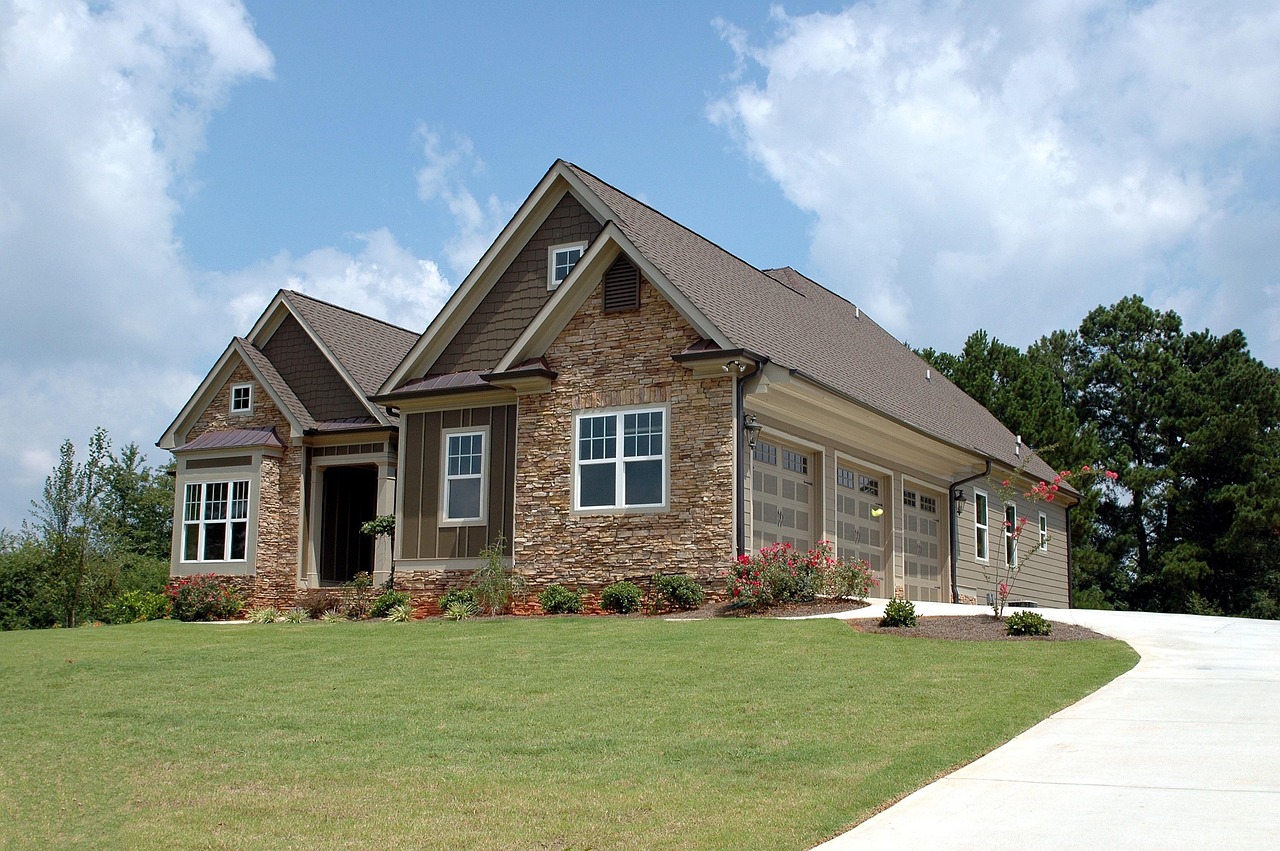
Owning a home is a long game. The value you keep comes from steady care, smart upgrades, and a plan for unexpected hits. Use these steps to protect your equity, lower risk, and sleep better at night.
Build A Maintenance Budget
Start with a yearly plan for routine care. A simple rule is to set aside a small percentage of your home’s value for upkeep, then track what you actually spend so you can adjust next year. Break big projects into smaller phases so they fit your cash flow.
What To Prioritize First
-
Roof inspections by professionals such as High Valley Roofing
- Gutter cleaning and downspout flushing
- Caulking around windows and doors
- HVAC filters and seasonal service
- Grading and drainage fixes away from the foundation
Lock In The Right Insurance Coverage
Your policy should match real replacement costs, not just what you paid for the house. Ask your agent to run updated rebuild numbers and to explain wind, hail, water backup, and ordinance or law coverage in plain terms.
A 2024 analysis by Insurify found average home insurance costs rose 8% in 2024, with another typical increase of about $261 expected in 2025, so reviewing coverage and deductibles each year is a smart move.
Choose The Right Roofing Partner
Your roof shields everything below it, so workmanship matters. If you see curled shingles, missing flashing, or granules building up in gutters, schedule a roof inspection with a trusted local pro like Distinctive Roofing to get options and pricing before small issues spread. Ask for photos, a written scope, and clear warranty terms so you know what is covered and for how long.
Do a quick vetting before you sign. Confirm the contractor’s license, local address, and proof of general liability and workers’ comp insurance. Ask for 2 or 3 recent references in your area and look at jobs that are at least a year old so you can see how the work has held up.
Get clarity on materials and methods. Your estimate should name the shingle line, underlayment type, ice and water shield locations, flashing metals, and ventilation approach. A good roofer explains how they will protect landscaping, handle tear off, manage nails and debris, and keep your attic dry during the project.
Fortify The Roof First
Modern storm patterns can push rain and wind into every weak spot, so start upgrades at the top. The Insurance Institute for Business and Home Safety recently updated its FORTIFIED construction standards to require tighter nailing patterns on roof decks and to use roof vents that pass specific tests to block wind-driven rain, which can help reduce damage in severe weather. Talk with your contractor about using fasteners and vents that meet these standards when you repair or replace the roof.
Keep Small Problems Small
Aim for short, seasonal checkups across the whole house. In spring, look for missing shingles, loose siding, and cracked caulk after winter storms. In the fall, clean gutters, trim branches away from the roof, and test sump pumps so they are ready for heavy rain.
Walk the exterior with a notepad and take phone photos as you go. Note anything that looks off, like soft wood at trim boards, lifted shingle edges, or stains on soffits. Set 3 quick fixes you can do this week, and 3 you will schedule with a pro.

Document And Deter Risk
Good records help you plan and protect value. Keep a simple home log with dates, contractors, costs, paint colors, and model numbers for appliances. Add photos of your roof, attic, and mechanicals after each service visit so you can spot changes over time.
Improve security while you are at it. Smart doorbell cameras, motion lights, and window sensors are low-cost and easy to manage from your phone. If you travel, set smart plugs to vary interior lights and ask a neighbor to bring in packages so your home never looks empty.
Plan For Extreme Weather
Walk your property after big storms to catch issues early. Check for lifted shingles, bent vents, and debris that might have bruised the roof surface. If you see signs of impact or leaks, call your roofer and your insurer the same day so you can align on next steps.
Think about long-term upgrades that cut risk. Higher impact-rated shingles, hurricane clips, sealed roof decks, and better attic ventilation can pay off by preventing costly damage. In some areas, meeting recognized resilience standards may help with insurance options.
A home stays strong through steady attention, not guesswork. Make a simple plan, keep good notes, and tackle the most important risks first. With the right habits and a trusted roofing partner, you protect your investment and the comfort inside your walls.