

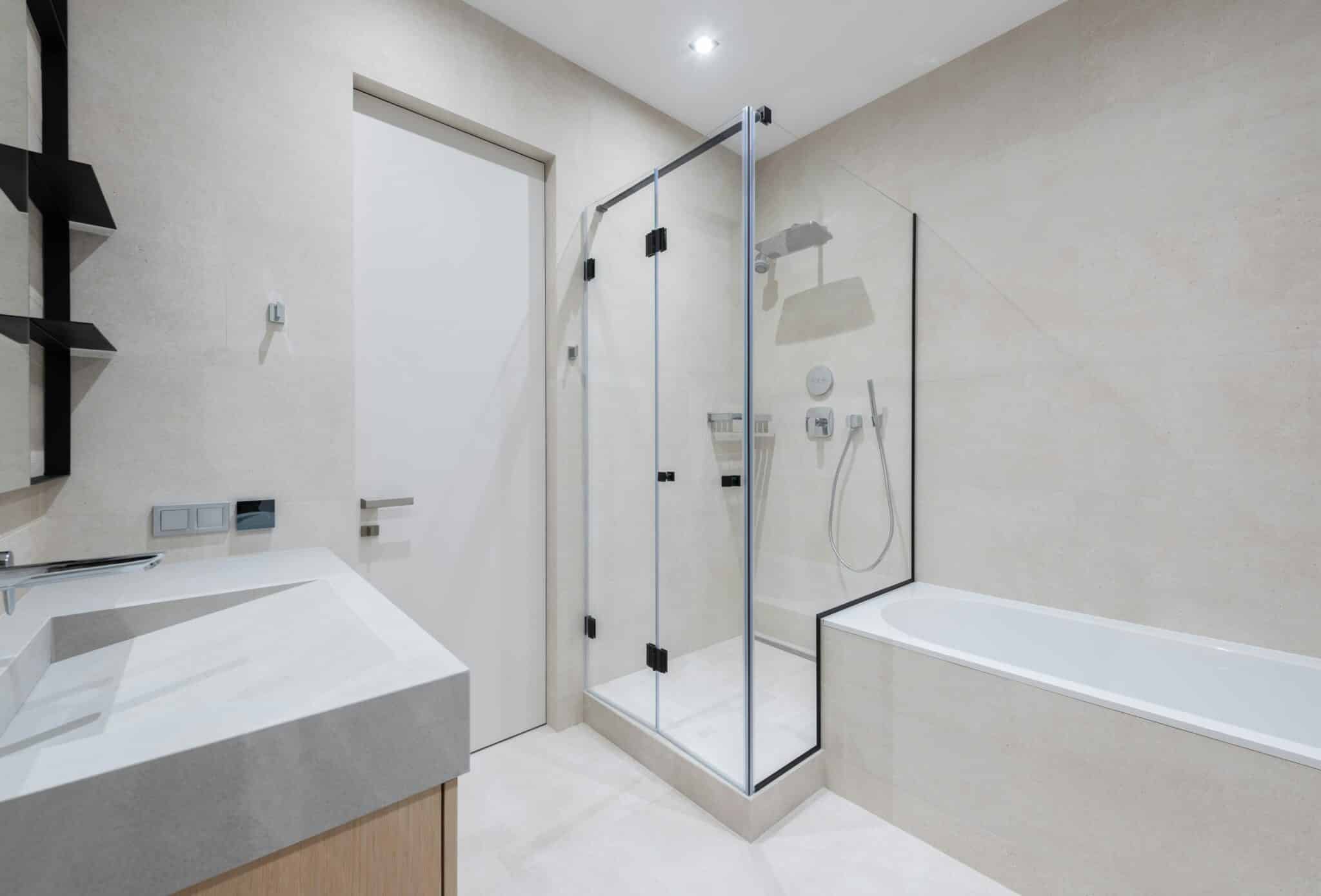
Whether you are looking to build or buy a new home or renovate an existing one, a certain question seems to come up in all scenarios. And what’s it about? The master bathroom, and specifically, whether a bathtub or a shower is the priority.
Historically, bathtubs were the thing, and it goes back over 100 years. But today? Things are changing. It seems most people prefer taking a shower over a bath. First, because showers tend to be more cost-effective than baths, and second, they’re just more convenient. Yet, how do you decide on what’s right for you? We’ve got some thoughts for you to ponder.
Bath vs. Shower: How Daily Habits Shape Your Decision
The best place to start is by thinking about your habits and who lives in or will be living in the home. Bathtubs are great when you have children. It’s easier to bathe them and let’s face it, tubs are fun to play in. So, if your home only has one bathroom and you have kids, suffice it to say that you need a bathtub.
But, if you have a master bathroom and at least one other bathroom with a tub or a shower, the choice really is yours on what you want to do. This is where your habits matter. Think about how you approach your day now. Do you take a shower in the morning before work or at night before bed? And if you are showering at night, do you ever replace that shower with a long hot soak in the tub? Or do you wish you could?
Think through these questions as you decide on your priority.
Why Showers are Preferred Over Bathtubs Today
The bath vs. shower debate reflects how people actually live today. Even though one widely cited survey is a few years old, its findings are still pretty true from our experience. More than half of respondents (57%), said they prefer showers, while just 32% chose baths.
Dig a little deeper, and the numbers become even more telling. An entirely different survey in the United Kingdom found that 40% of respondents said they never take a bath. Over half of people with access to a tub still prefer to shower. And 17% said they simply do not like baths.
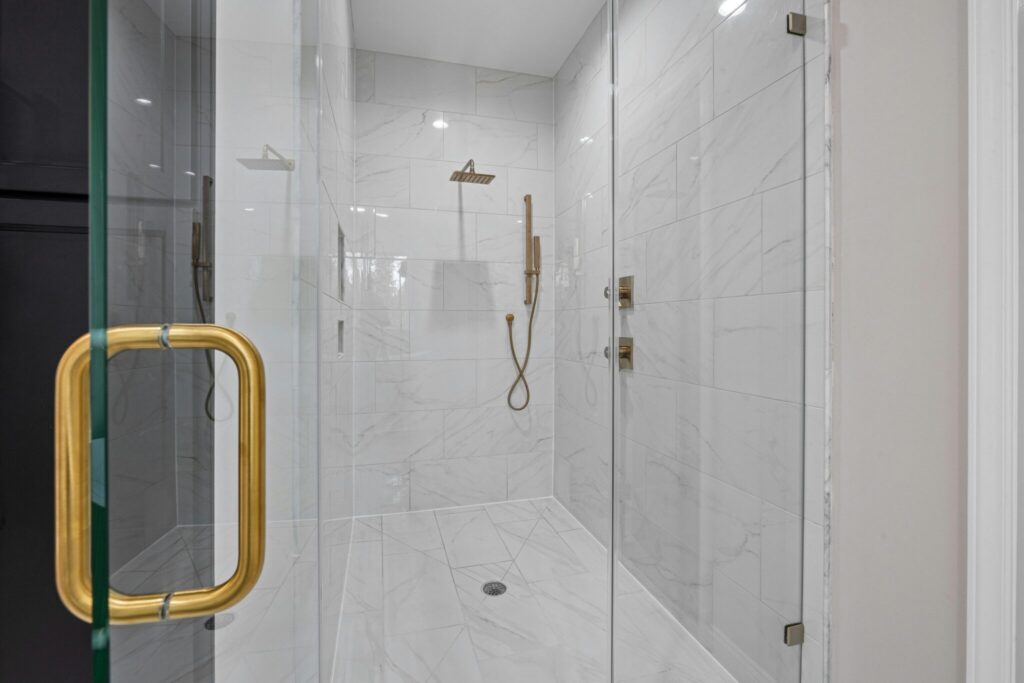
For many, a quick shower fits better into a busy routine. It is faster, often uses less water, and feels more practical for daily life. That shift is also visible in new-construction homes, where large walk-in showers are replacing traditional tub and shower combinations.
So ask yourself: if you have a tub, how often do you really use it?
Safety and Accessibility Matter More Than Ever
As no one has found that proverbial fountain of youth, we know one thing to be true: we’re all going to get older. And this often means that our mobility changes. Climbing in and out of a tub can be dangerous, not to mention intimidating, especially if there aren’t any strategically placed grab bars to hold on to.
High tub walls increase the risk of slips and falls, particularly in households with older adults or anyone recovering from injury. This is one reason walk-in showers have become so popular. Low-threshold entries, built-in seating, handheld showerheads, and properly installed grab bars can make daily routines safer and far more comfortable.
The Design Appeal of Walk-In Showers
Today’s homeowners love walk-in showers, and not just because of the convenience. Today’s showers are roomy, offer glass enclosures and tile options that match your design preferences. And you can even add shower nooks to store your shampoo, conditioner, razors, and other shower essentials.
Because they eliminate bulky tub walls and heavy curtains, walk-in showers can make smaller bathrooms feel more open and less crowded. The clean lines are not just about appearance. They also create a layout that feels practical and easier to move through each day.
What Happens During Tub to Shower Conversions
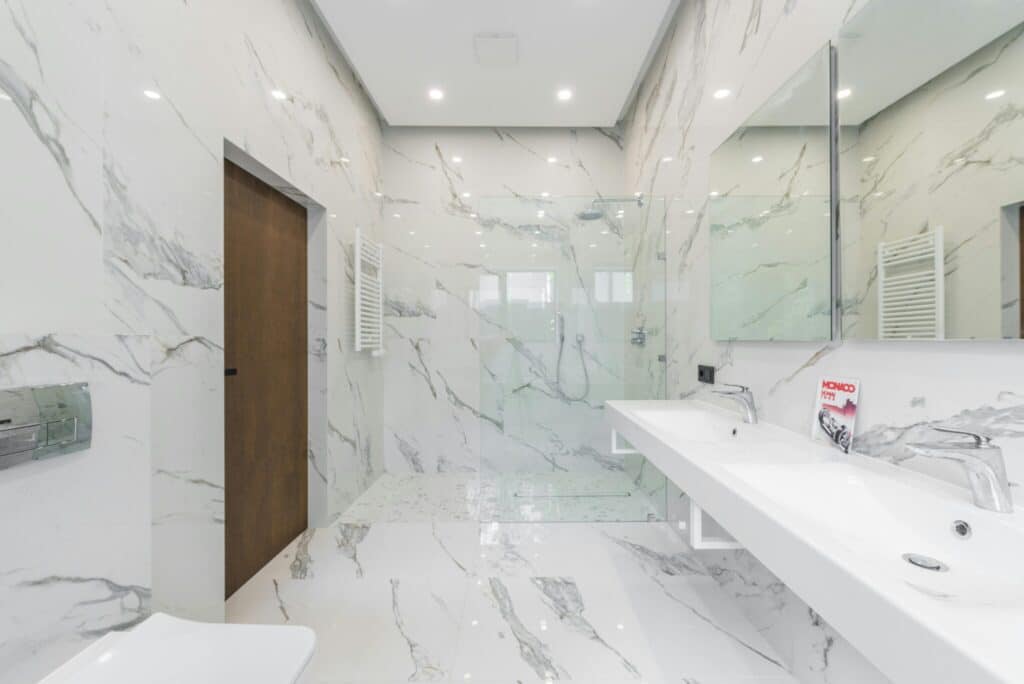
If your bathroom is large enough to accommodate both a tub and a separate walk-in shower, then all this concern is probably moot. But, if you have to choose one or the other, the chances are that taking the shower path will win.
Yet, what do you do if you have an existing home with a bath and shower combination? Or what if you only have a tub and want a shower? The answer is easier than you might realize. Tub-to-shower conversions are becoming increasingly popular in markets like Seattle, where homeowners want layouts that better reflect their daily routines.
So how does it work? It’s pretty simple, really. Bathroom tub to shower conversions begin with removing the existing tub. From there, plumbing and drain placement are evaluated and adjusted if needed. Proper waterproofing and updated wall systems are installed before fixtures and glass are added. Many projects can be completed in just a few days. Working with experienced remodelers helps keep the process organized and predictable from start to finish.
Resale Value
You probably know that a bathroom renovation can increase your home’s value. In fact, bathroom remodels consistently deliver some of the strongest returns of any home improvement project, with an average return on investment of about 72.7%. That makes updating this space more than just a cosmetic decision.
Certain upgrades tend to perform especially well. Bathroom additions, walk-in showers, bathtub refinishing, updated vanities and countertops, new flooring, and cabinetry are often linked to solid resale performance. Adding a walk-in shower alone can bring an estimated 54.6% return. For homeowners weighing tub-to-shower conversions, those numbers are worth considering.
Is a Tub-to-Shower Conversion Right for You?
Ultimately, it’s a personal decision on whether you want a tub or a bath. And regardless of whether you own a home that needs a renovation or you are building a new home and starting from scratch, your dream shower is absolutely possible. The key is to the right bathroom remodeler, particularly one who specializes in the wet spaces, to help you bring your vision to life.