

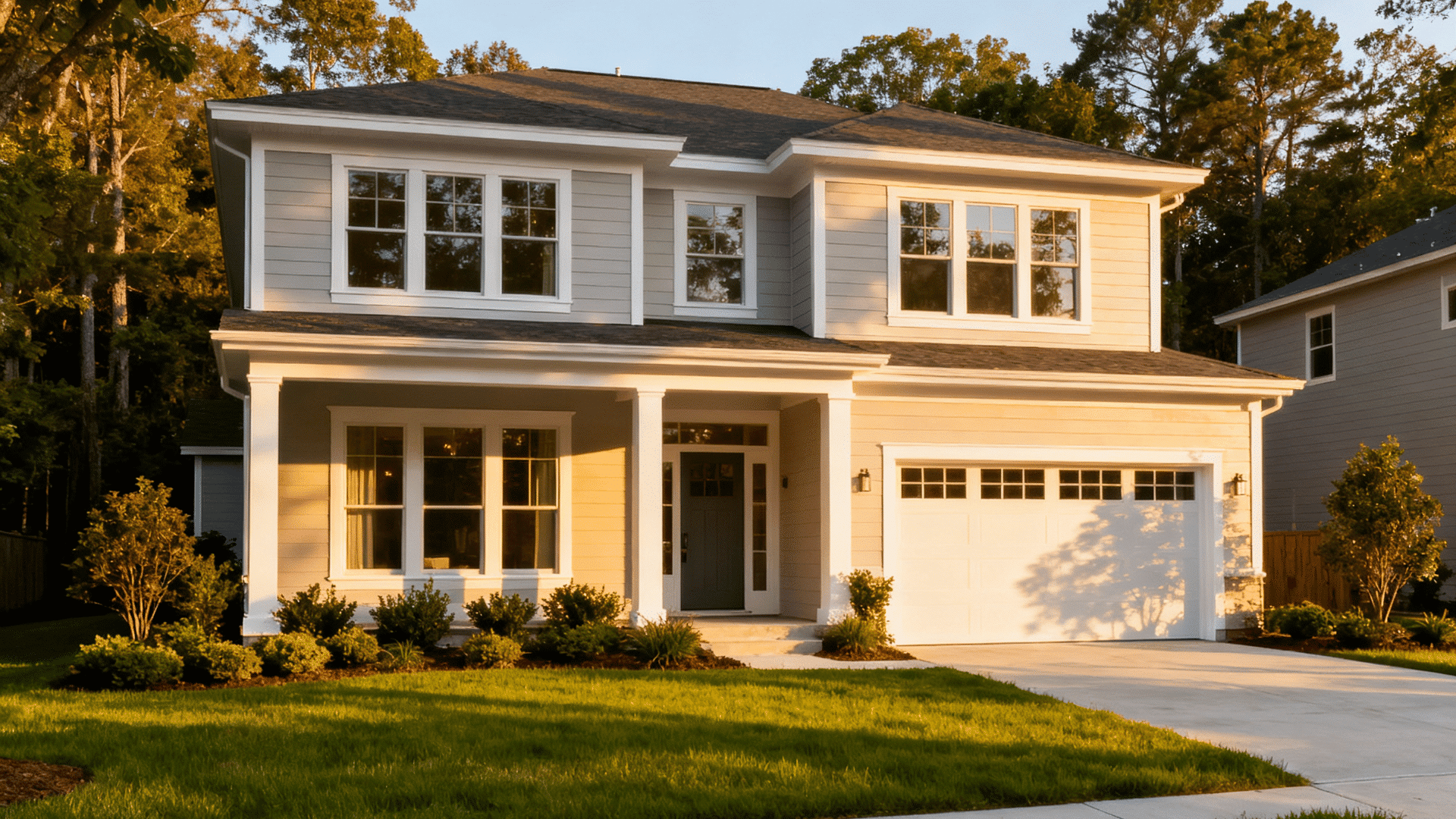
Staring at peeling paint and faded siding gets old fast. Homeowners know their 3,000-square-foot house needs a fresh coat, but the big question is: how much will it actually cost?
Painting estimates can swing wildly, and nobody wants to overpay or cut corners that’ll show up in a year.
The truth is, several factors determine the final price tag. Material quality, labor rates, prep work, and the home’s condition all play a role.
This guide breaks down the real numbers, what drives costs up or down, and where it makes sense to spend versus save. Anyone planning an exterior paint job deserves to know exactly what they’re paying for.
Average Cost to Paint a 3,000 Sq. Ft. House
Painting a 3,000 sq. ft. house exterior typically costs $6,000 to $15,000, depending on the home’s condition, number of stories, and paint type used.
Labor is the largest expense, often making up 70% of the total cost. Homes that require extensive prep work, such as scraping, sanding, or repairing damaged siding, will fall on the higher end.
The type of exterior material also affects pricing, with stucco and wood siding generally costing more to paint than vinyl or fiber cement.
Premium paints increase durability but add to the upfront cost. Regional labor rates, accessibility, and the complexity of the home’s design can also influence the final price.
Overall, budgeting within this range helps homeowners prepare for a professional exterior paint job that enhances curb appeal and protects the home from the elements
Cost Breakdown by Component
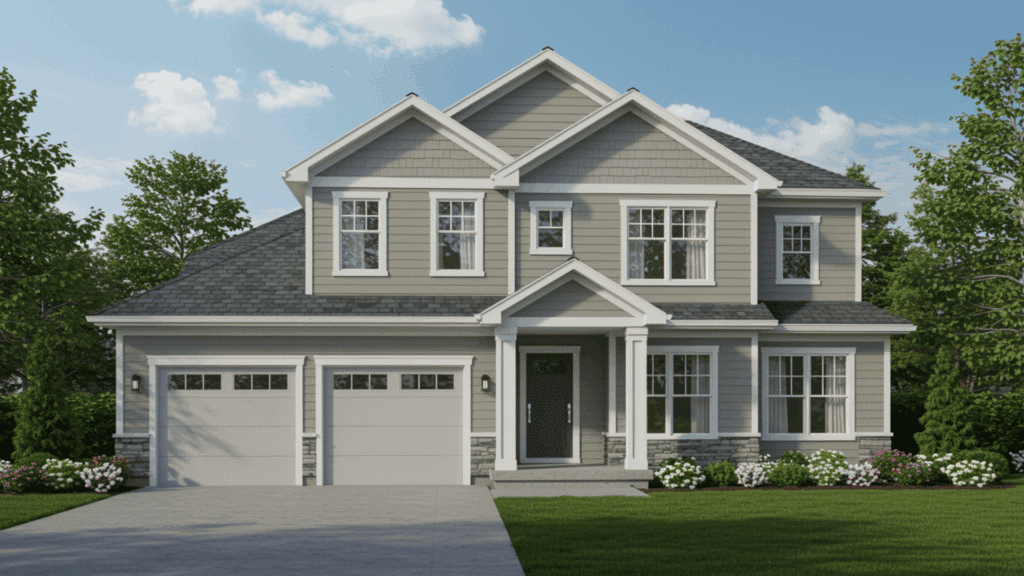
Several key components make up the total price of an exterior paint job, and understanding each one helps you see exactly where your money goes.
1. Labor Costs
Labor typically represents 70-85% of your total exterior painting budget, ranging from $25 to $100 per hour depending on your location and contractor expertise.
For a 3000 sq.ft. house, expect labor costs between $3,000 and $8,000. Professional painters factor in surface area, building height, architectural details, and project complexity.
When calculating rates. Experienced crews work more efficiently and deliver superior, longer-lasting finishes.
2. Paint & Materials
Quality exterior paint costs $30 to $80 per gallon, with premium brands offering better coverage and durability.
A 3000 sq.ft. house requires approximately 15-20 gallons, totaling $450 to $1,600 for paint alone. Primer adds another $200-$400.
High-quality paints resist fading, cracking, and weather damage better than budget options, potentially saving money long-term through extended lifespan.
3. Prep Work
Surface preparation is crucial for paint adhesion and longevity, costing $500 to $2,500 depending on your home’s condition.
This includes power washing ($200-$400), scraping peeling paint, filling cracks, caulking gaps, sanding rough areas, and priming bare wood or stains.
Homes with extensive damage, mold, or rot require additional repair work, significantly increasing costs. Proper preparation ensures professional results and prevents premature paint failure.
4. Equipment & Additional Supplies
Professional-grade equipment includes scaffolding, ladders, sprayers, brushes, rollers, drop cloths, tape, and safety gear, costing $300 to $800.
Multi-story homes require specialized equipment rentals, increasing expenses. Additional supplies like caulk, wood filler, sandpaper, and cleaning solutions add $100-$300.
Most professional contractors include equipment costs in their quotes, but DIYers must budget separately for purchasing or renting necessary tools and protective equipment.
Average Cost by Exterior Surface Type
Different exterior materials require varying levels of prep and paint, which is why the cost per square foot can differ significantly by surface type.
| Exterior Material | Avg. Cost per Sq. Ft. | Notes |
|---|---|---|
| Vinyl Siding | $1.00 – $2.50 | Easiest to paint; minimal prep required |
| Wood Siding | $2.00 – $4.50 | Higher prep needs; may require repairs |
| Stucco | $3.00 – $6.00 | Requires more paint and labor-intensive application |
| Brick or Masonry | $2.50 – $5.00 | Often needs primer; porous surface absorbs more paint |
| Fiber Cement (Hardie Board) | $2.00 – $4.00 | Durable surface; moderate prep and paint needs |
Extra Factors that Can Increase Your Painting Costs
Several hidden details can drive up the total price of your exterior paint job, especially when your home requires extra labor, repairs, or specialty materials.
- Multiple Stories or Hard-to-Reach Areas: Tall homes or tight spaces require extra equipment and labor, raising the overall price.
- Extensive Prep or Repairs: Issues like peeling paint, wood rot, or damaged siding add significant time and cost to the project.
- Changing to a Dramatically Different Color: Lightening or darkening the exterior often requires extra coats and more paint.
- Specialty or High-Performance Paints: Premium products last longer but cost more per gallon, increasing materials expenses.
- Complex Architectural Details: Intricate trim, shutters, columns, and decorative elements require precise painting and additional labor.
Regional Pricing High-Cost vs. Low-Cost States
Where you live has a big impact on painting costs, with labor rates and local demand causing prices to vary widely across regions.
| Region Type | Labor Rate (Avg.) | Typical Exterior Painting Cost | Key Reason for Price Difference |
|---|---|---|---|
| High-Cost States (West Coast, Northeast) | $40–$75/hr | $8,000–$15,000+ | Higher labor rates and cost of living |
| Mid-Cost States (Midwest, Mountain regions) | $30–$50/hr | $5,000–$10,000 | Moderate labor and material costs |
| Low-Cost States (South, rural areas) | $20–$35/hr | $4,000–$8,000 | Lower labor costs and contractor overhead |
Tips to Reduce Exterior Painting Costs
Cutting the cost of your exterior paint job is easier than you think. Small decisions before and during the project can save you hundreds without sacrificing quality.
- Schedule During the Off-Season: Painters often give better rates in early spring or late fall when demand is lower.
- Handle Simple Prep Work Yourself: Doing tasks like washing the exterior, removing loose paint, or trimming shrubs can reduce labor hours.
- Stick to a Similar Color: Choosing a shade close to your current exterior color cuts down on the amount of paint and primer needed.
- Bundle Multiple Projects: Painting trim, doors, or fences at the same time can lead to package discounts from contractors.
- Choose Quality Paint (But Not the Priciest): Mid-grade paints offer durability without the premium price tag of top-tier brands.
Conclusion
Now, you know the average cost to paint a 3000 sq ft. house exterior depends on multiple factors.
Don’t automatically choose the lowest bid. Quality workmanship and premium materials ensure lasting results that protect your home and enhance curb appeal for years to come.
Request detailed quotes from at least three licensed, insured painting contractors in your area. Compare their estimates, check references, review portfolios, and ask about warranties.
A beautiful, professionally painted exterior is within reach. Take the first step toward revitalizing your home today!