

Vinyl siding gets old. It cracks, fades, and stops doing its job. Homeowners notice these problems but often hesitate to act. Why? The cost feels like a mystery.
Replacing vinyl siding isn’t just about slapping up new panels. There are materials to consider, labor costs that vary, and hidden expenses that pop up.
Some homes need extensive prep work. Others have damage underneath the old siding that wasn’t visible before.
The price tag can swing wildly depending on home size, siding quality, and location. But understanding what drives these costs helps homeowners plan better and avoid surprises when contractors hand over their estimates.
Average Cost to Replace Vinyl Siding
Vinyl siding replacement costs depend on home size, material quality, labor rates, and project complexity, with prices varying significantly across different regions.
| Cost Category | Price Range |
|---|---|
| Average Total Cost | $7,000-$25,000 |
| Cost Per Square Foot | $3 – $12 |
| Low-End Project | $5,000 – $7,000 |
| High-End Project | $18,000 – $30,000+ |
| National Average | $11,000 – $12,500 |
Cost Breakdown of Replacing Vinyl Siding
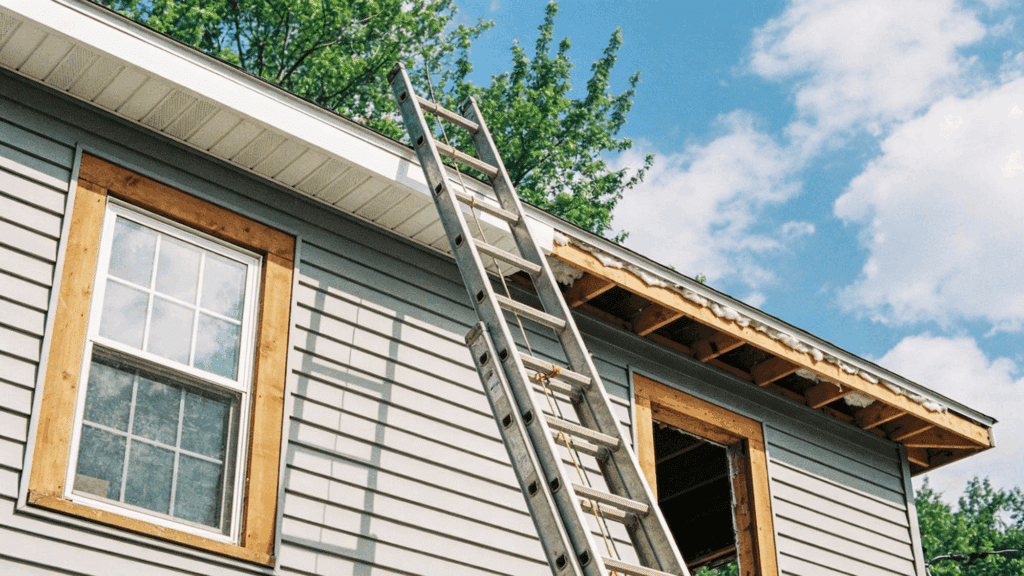
Breaking down replacement costs into materials, labor, and size-specific estimates helps homeowners understand where their money goes during vinyl siding projects.
1. Vinyl Siding Material Costs
Material quality dramatically affects the final price. Basic vinyl siding runs cheaper but may not last as long. Premium options cost more upfront yet offer better durability and curb appeal.
Material cost factors include:
- Standard vinyl: $1 – $3 per square foot
- Premium vinyl: $4 – $7 per square foot
- Designer styles: $8 – $12 per square foot
- Insulated backing adds $0.50 – $2 per square foot
- Color selection and texture impact pricing
2. Labor Cost
Contractors charge based on project scope and regional rates. Labor typically accounts for 50-60% of total costs. Complex installations with intricate trim work require more time and expertise.
Labor pricing breakdown:
- Average labor rate: $2 – $5 per square foot
- Removal of old siding: $0.50 – $1.50 per square foot
- Regional variations affect hourly rates significantly
- Multi-story homes cost 20-40% more
- Experienced contractors charge premium rates
3. Total Cost to Replace Vinyl Siding by Home Size
Home size directly determines material quantities and labor hours. Larger homes need more siding, scaffolding, and installation time, which drives up costs proportionally.
Cost estimates by square footage:
- 1,000 sq ft home: $3,000 – $12,000
- 1,500 sq ft home: $4,500 – $18,000
- 2,000 sq ft home: $6,000 – $24,000
- 2,500 sq ft home: $7,500 – $30,000
- 3,000+ sq ft home: $9,000 – $36,000+
Factors That Affect the Cost to Replace Vinyl Siding
Multiple variables influence vinyl siding replacement costs, from architectural features to geographic location, making each project unique in its pricing structure.
1. Layout Complexity: Homes with intricate designs cost more to build. Dormers, bay windows, and gables require precise cuts and extra labor. Simple rectangular homes are quickest and cheapest to complete.
2. Siding Thickness and Profile: Thicker vinyl siding offers better insulation and durability, but increases material costs. Profile styles like Dutch lap or shake patterns cost more than traditional horizontal panels due to manufacturing complexity.
3. Removal of Old Siding: Stripping existing siding adds $1,000 – $3,000 to project costs. Contractors must dispose of materials properly. Homes with multiple siding layers or asbestos require specialized removal, increasing expenses significantly.
4. Accessibility and Story Height: Single-story homes are easiest and cheapest to side. Two and three-story buildings need scaffolding and safety equipment, adding 20-50% to labor costs. Tight spaces increase installation difficulty and time.
5. Cost by Region: Labor and material prices vary nationwide. Urban areas typically charge more than rural locations. Coastal regions face higher costs due to demand. Midwest and Southern states generally offer lower rates than Northeast or West Coast markets.
Cost to Replace Vinyl Siding vs Other Siding Options
Comparing vinyl against alternative siding materials reveals significant price differences, helping homeowners choose options that match their budget and aesthetic preferences.
| Siding Type | Cost Per Sq Ft (Installed) | Lifespan | Maintenance |
|---|---|---|---|
| Vinyl Siding | $3 – $12 | 20-40 years | Low |
| Fiber Cement | $6 – $15 | 30-50 years | Moderate |
| Wood Siding | $8 – $20 | 20-40 years | High |
| Engineered Wood | $5 – $14 | 25-30 years | Moderate |
| Metal/Aluminum | $4 – $16 | 40-50 years | Low |
| Brick Veneer | $10 – $25 | 50+ years | Very Low |
| Stone Veneer | $15 – $35 | 50+ years | Very Low |
| Stucco | $6 – $18 | 50+ years | Low-Moderate |
How to Reduce the Cost to Replace Vinyl Siding
Smart planning and strategic decisions can significantly lower vinyl siding replacement expenses without sacrificing quality or compromising the project’s long-term durability.
- Get multiple quotes from at least three contractors to compare pricing and negotiate better rates.
- Schedule during off-season (late fall or winter) when contractors offer discounts due to lower demand.
- Handle prep work yourself by removing old fixtures, shutters, and downspouts before contractors arrive.
- Choose mid-grade materials that balance quality and cost instead of premium designer options.
- Avoid unnecessary upgrades like insulated backing if your home already has adequate wall insulation.
- Bundle with other projects like window replacement or roofing to negotiate package discounts with contractors.
DIY vs Professional Vinyl Siding Replacement Cost
Homeowners tempted by DIY savings should carefully weigh the trade-offs.
Installing vinyl siding yourself cuts labor costs by 50-60%, potentially saving $4,000 – $10,000 on typical projects. However, the work demands specialized tools, physical stamina, and technical knowledge.
Professional installers bring experience that prevents costly mistakes. They handle permits, ensure proper water barriers, and finish faster.
DIY errors like improper J-channel installation or inadequate flashing lead to water damage, costing thousands to repair.
Material-only costs run $1 – $7 per square foot, but homeowners need scaffolding, saws, and safety equipment.
Most tackle small sections successfully, yet full-home projects overwhelm beginners. Warranty coverage often requires professional installation, adding another consideration before choosing the DIY route.
Conclusion
Replacing vinyl siding represents a significant investment that pays off in curb appeal and protection. Homeowners armed with cost knowledge make smarter decisions. They compare quotes confidently, spot fair pricing, and avoid contractor overcharges.
Budget constraints don’t mean settling for poor quality. Mid-grade materials installed by reputable professionals deliver excellent value. Timing the project right and handling simple prep work stretches dollars further.
Every home presents unique challenges that affect final costs. Complex layouts cost more than simple designs.
Smart planning turns an intimidating expense into a manageable home improvement that protects the investment for decades ahead.