

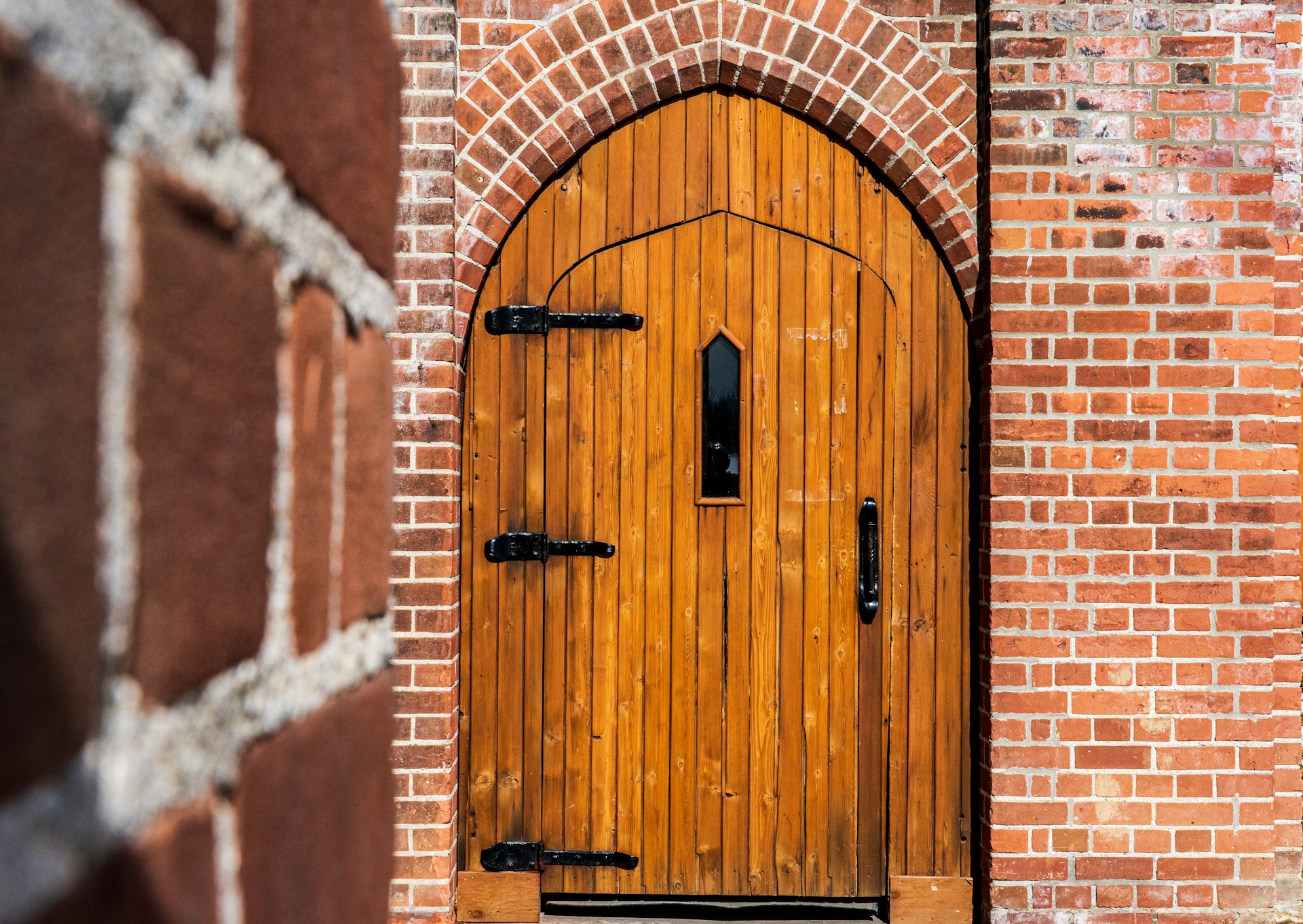
Exterior doors are among the hardest-working components of any home. They face direct exposure to temperature extremes, precipitation, wind, and UV radiation while simultaneously providing security, energy performance, and aesthetic continuity with the rest of the home’s exterior.
In a climate like Kansas City’s, where summer heat reaches triple digits and winter ice storms are a regular occurrence, the demands placed on exterior doors are substantial. Selecting the right door type and material for each application is not a minor decision.
The entry door is consistently cited in research as one of the highest-returning home improvement investments in terms of resale value. The average return on a mid-range steel entry door replacement is above 90 percent of installed cost in the Midwest region, according to the Remodeling Cost vs. Value report.
Few other home improvement categories deliver returns at this level, which makes entry door replacement both a functional and financial consideration for homeowners.
Types of Exterior Doors and Their Applications
Not every exterior door serves the same function, and the right choice depends on where the door is located, what it needs to withstand, and what the homeowner prioritizes in terms of performance versus aesthetics.
Entry doors are the primary front-facing doors of a home. They are the most visible doors on the property and therefore carry the greatest aesthetic weight. Entry doors must also provide the highest level of security and the best weatherproofing, since they represent the main point of access and exposure to prevailing weather. Material selection, locking hardware, and weatherstripping quality all matter more for entry doors than for any other door type.
Patio doors, which connect interior living spaces to outdoor areas, come in two primary configurations: sliding and French. Sliding patio doors are space-efficient and work well in areas where swing clearance is limited. French-style patio doors, which swing inward or outward on hinges, offer a more traditional aesthetic and can create a wider, more open connection between interior and exterior spaces. Both configurations are available in single-pane and insulated double-pane glass options, with insulated units providing substantially better energy performance.
Storm doors are installed in front of an existing entry door to provide an additional layer of weather protection and improve energy performance. In Kansas City’s climate, a quality storm door can meaningfully reduce air infiltration around an older entry door and extend its useful life by protecting the primary door’s surface from direct exposure to precipitation, UV, and temperature extremes. Storm doors are also effective for improving ventilation during mild weather by allowing the inner door to remain open while keeping the screen closed.
Materials That Stand Up to Kansas City Weather
Material selection is the most consequential decision in any door replacement project. Each material category offers a different balance of thermal performance, durability, maintenance requirements, and cost. Understanding these trade-offs helps homeowners choose a product that performs well in KC’s demanding climate over the long term.
Steel doors offer an outstanding combination of security, durability, and energy performance at a competitive price point. The steel skin is bonded to an insulating foam core that provides significantly better thermal resistance than a solid wood door.
Modern steel entry doors achieve R-values of R-5 to R-6, which represents a major improvement over wood doors at comparable price points. Steel doors resist warping, cracking, and splitting in ways that wood cannot, making them particularly well-suited to KC’s freeze-thaw cycling and humidity swings.
Fiberglass doors are the premium option in the residential market and offer the best combination of energy performance, durability, and aesthetic flexibility.
Fiberglass doors can be textured to closely replicate the grain pattern of wood while providing the dimensional stability and moisture resistance that wood lacks.
They achieve R-values comparable to or exceeding steel insulated doors and are highly resistant to denting, scratching, and the kinds of surface damage that steel doors can accumulate over time.
Homeowners seeking options for exterior doors Kansas City should evaluate the full cost of ownership rather than just the upfront price. A fiberglass door that requires no painting for twenty years may represent lower total cost than a wood door that needs repainting every five years in KC’s harsh exterior conditions.
Wood doors provide unmatched aesthetic warmth and the flexibility of custom design, and they remain a preferred option for architectural contexts where those qualities matter most.
However, wood requires consistent maintenance in Kansas City’s climate. Humidity-driven expansion and contraction can cause wood doors to stick seasonally, and any failure in the exterior finish allows moisture infiltration that leads to swelling, rot, and eventual failure. For homes where a wood aesthetic is strongly preferred, fiberglass with a wood-grain finish offers a practical compromise.
Energy Ratings and What They Mean for Your Home
Exterior doors carry energy performance ratings that help homeowners make informed comparisons between products. Understanding these ratings is useful when evaluating door options, particularly for front entry doors that may face challenging solar and wind exposure.
U-factor measures the rate of heat transfer through the door assembly, including any glass panels. Lower U-factor values indicate better insulating performance.
For a climate zone that includes both hot summers and cold winters, a U-factor at or below 0.25 is a reasonable target for an entry door. The insulating foam core in steel and fiberglass doors is the primary driver of U-factor performance.
Solar heat gain coefficient (SHGC) is relevant for doors with glass panels or sidelites. Doors with glass on south or west-facing exposures should carry lower SHGC ratings to limit solar heat gain during KC’s hot summers. Doors on north-facing or shaded exposures can carry higher SHGC ratings without concern.
Energy Star certification provides a useful shortcut for homeowners who do not want to compare technical specifications directly. Energy Star certified doors meet performance thresholds established for the applicable climate zone, providing assurance that the product meets a meaningful minimum performance standard for the KC region.
Security Features Worth Prioritizing
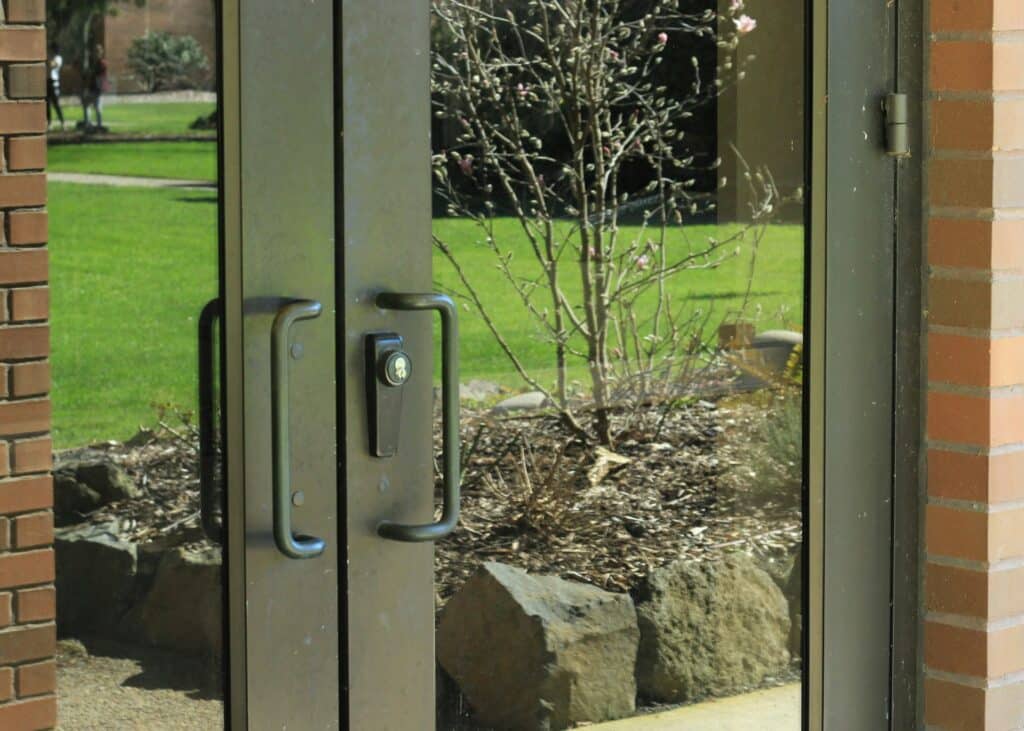
Exterior doors are a primary point of home security, and the hardware and construction details that support security performance deserve careful attention. The door itself is only one element of a secure entry point. The frame, the hinges, the lockset, and the strike plate together determine how well the assembly resists forced entry.
Security features to evaluate when selecting and installing exterior doors include:
- Deadbolt locksets rated ANSI Grade 1, which is the highest residential security rating
- Reinforced steel strike plates installed with screws long enough to penetrate the door frame and reach the structural framing behind it
- Three-hinge configurations on heavy doors to distribute load and resist frame deflection
- Door frame reinforcement products that wrap the frame in metal to prevent frame splitting under kick-in force
- Multi-point locking systems, which lock the door at multiple points along its height simultaneously, providing superior resistance to forced entry compared to single-point deadbolts
Glass panels and sidelites, while aesthetically valuable, represent a security consideration for entry doors located in exposed or higher-risk areas. Impact-resistant or laminated glass options provide substantially better resistance to forced entry through glass than standard tempered units.
Storm Doors: Practical Benefits in KC’s Climate
Storm doors are often an overlooked addition that can provide meaningful practical benefits in Kansas City’s climate. A well-fitted storm door with good weatherstripping reduces air infiltration around the primary entry door significantly, which is particularly valuable for homes with older wood entry doors that have experienced some seasonal movement and may no longer seal perfectly along their perimeter.
Storm doors also protect the primary door’s finish from direct weather exposure. In a climate where UV intensity, freeze-thaw cycling, and occasional hail are all factors, a storm door that absorbs the weather impact extends the finish life of a quality entry door.
For homeowners with wood or custom-painted entry doors, this protection can preserve the investment in the primary door for significantly longer.
Ventilating storm door models with retractable screens allow homeowners to convert the entry into a screened opening during mild weather, reducing cooling loads by allowing natural ventilation while keeping insects out. This feature is particularly practical during KC’s spring and fall shoulder seasons when outdoor temperatures are comfortable but insects are active.