

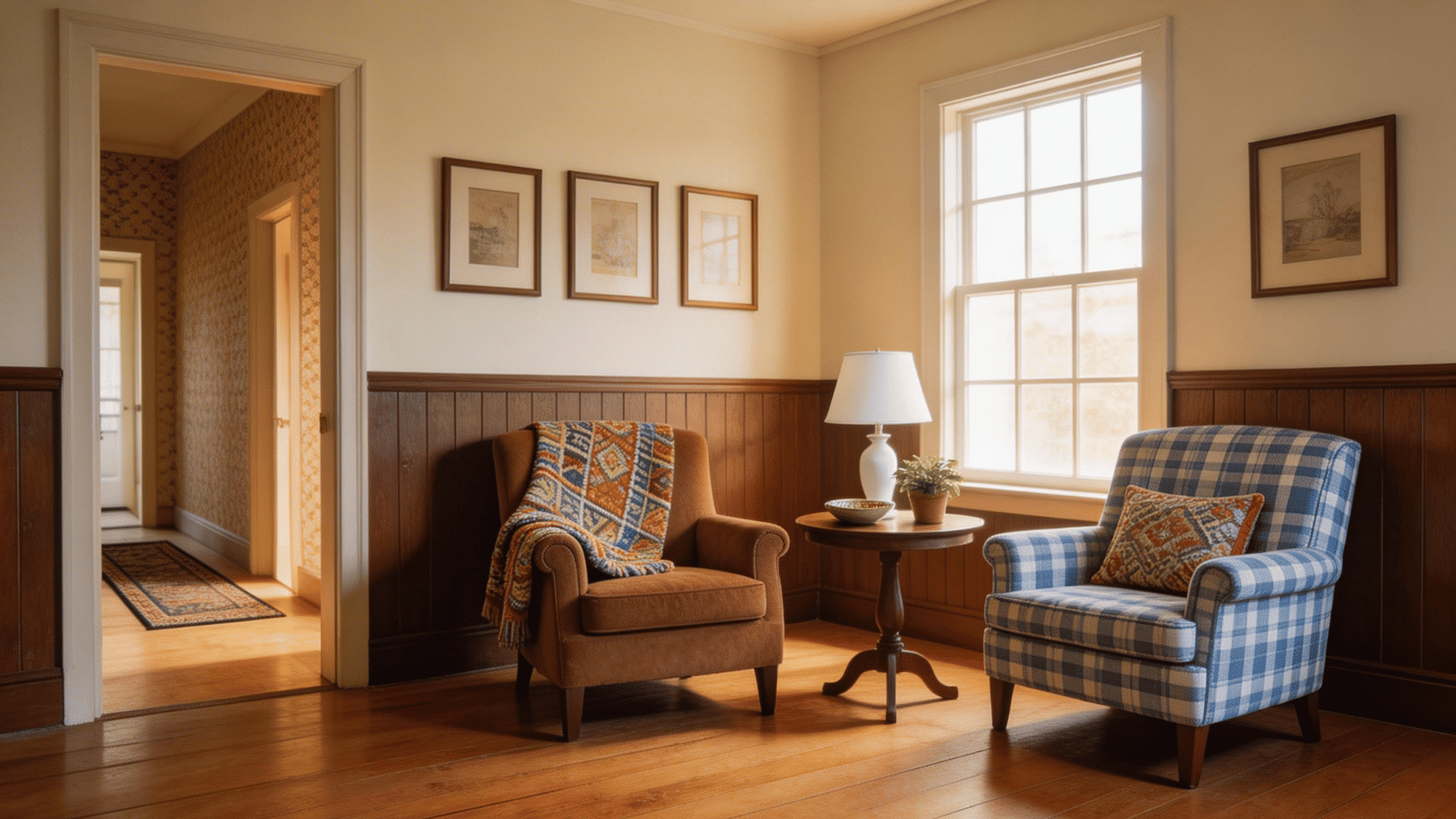
Most people walk into an old colonial home and feel something shift. The rooms tell stories. The layout makes you pause and think.
One room, in particular, tends to stop visitors cold. It sits close to the kitchen. It feels warm, lived-in, and oddly central to the whole house. Yet most people today have no idea what it was called or why it even existed.
It’s called a keeping room. And no, it’s not just a fancy name for a storage closet.
Colonial families used this space for something much more personal. Something that says a lot about how life actually worked back then. Read on to find out what a keeping room really was and why so many homeowners want one today.
What is a Keeping Room?
A keeping room is a space that sits right next to the kitchen.
In colonial times, it worked as the heart of the home. Families cooked, ate, worked, and rested; all in or near this one room.
The name comes from the idea of “keeping” the family together. It was warm because of its closeness to the kitchen hearth. People gathered there naturally.
Think of it as the colonial version of a modern open-plan living area. Simple. Practical. Always full of life.
The History of the Keeping Room
The keeping room has deep roots in early American colonial life. Back in the 17th and 18th centuries, homes were small, and heating was hard.
Fireplaces did all the heavy lifting. So families stayed close to the warmth.
The keeping room sat right next to or sometimes directly off the kitchen. That made it the warmest spot in the house during cold months.
Over time, it became more than just a warm corner. It turned into the main gathering space for the whole family. Meals, chores, conversations, and rest all happened here. It was simple living at its most real.
What was a Keeping Room Used For?
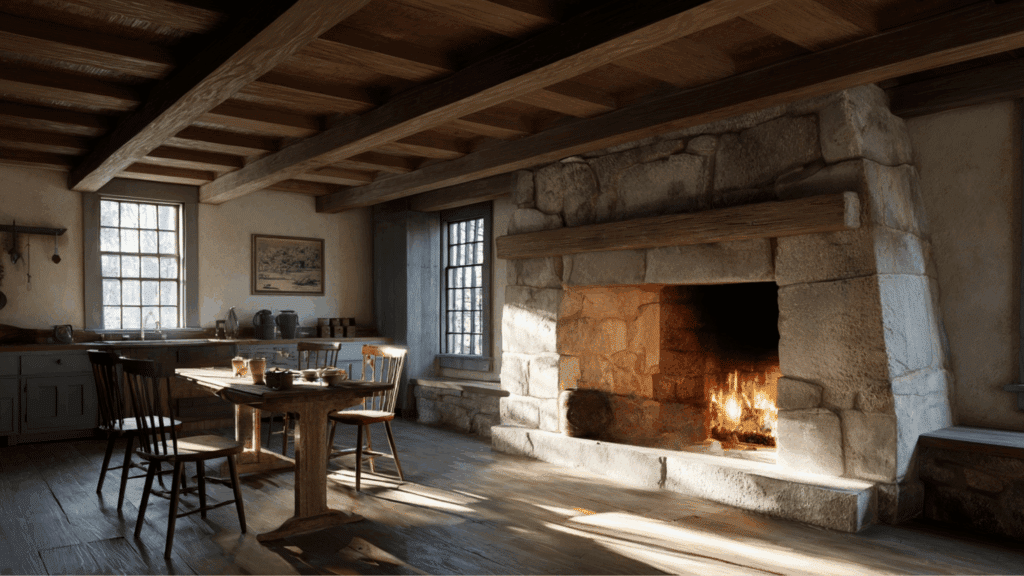
Colonial families used the keeping room for almost everything. It was their all-in-one space for daily life.
- Cooking and Food Prep: The keeping room sat close to the kitchen hearth. Families used it to prepare and sometimes finish meals.
- Family Gatherings: This was where the family came together. They talked, shared meals, and spent time with each other here.
- Sewing and Handiwork: Women often brought their sewing and mending into this room. The warmth made long hours of handiwork much more bearable.
- Childcare: Mothers kept young children close while doing daily tasks. The room made it easy to watch over kids safely.
- Sleeping in Winter: On the coldest nights, some families slept in the keeping room. It stayed warmer than the rest of the house.
Where is a Keeping Room Located in a House?
Location was everything when it came to the keeping room. In most colonial homes, it sat directly adjacent to the kitchen. Sometimes it was just a step away from the hearth.
This placement was not random. Heat from the kitchen fireplace spread naturally into the keeping room. That made it the most comfortable spot in the house during harsh winters.
In larger colonial homes, the keeping room often sat between the kitchen and the main living area. It acted as a middle ground — part work space, part family space.
Today, homes that feature a keeping room follow that same general layout. Close to the kitchen. Always centra
Traditional Keeping Room Features
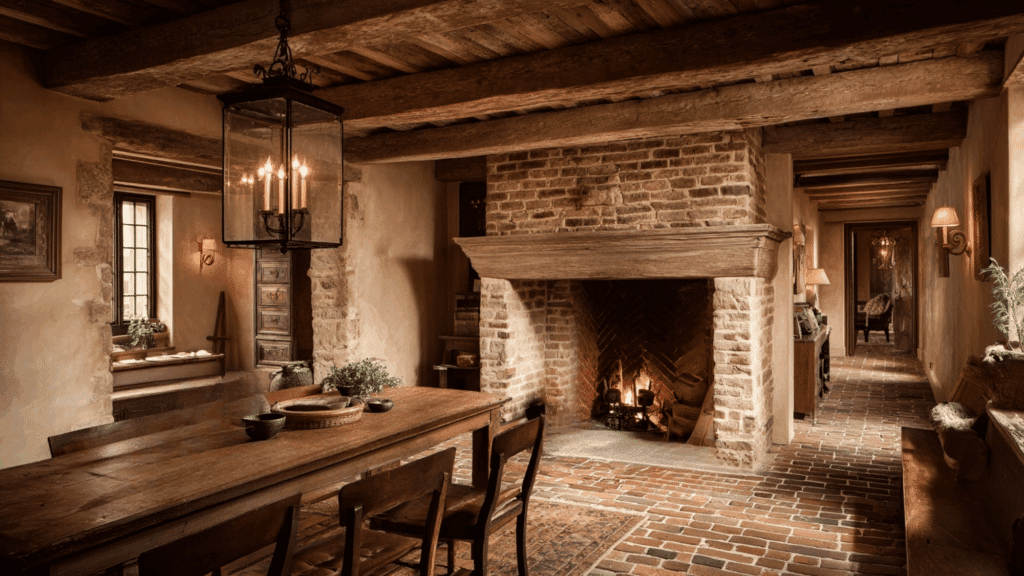
Traditional keeping rooms had a very distinct look and feel. Certain features made them stand out from the rest of the house.
1. A Large Central Fireplace
The fireplace was the soul of the keeping room. It provided heat, light, and a place to cook. In colonial times, life literally revolved around it.
Families huddled close on cold nights. The fireplace kept the room warm and functional all through the day.
2. Low Ceilings
Keeping rooms had low ceilings by design. Lower ceilings helped trap heat inside the room.
This kept the space warmer for longer. It was a practical choice that made a real difference during long, brutal winters in early colonial America.
3. Exposed Wooden Beams
Heavy wooden beams ran across the ceiling in most keeping rooms. They were structural and added a rustic character to the space.
Today, those same beams are considered a charming design feature. Many homeowners actually pay extra to get that same look in modern homes.
4. Simple, Sturdy Furniture
Keeping rooms were not decorated for show. The furniture was plain and built to last. Wooden chairs, long tables, and basic storage pieces filled the space.
Everything served a purpose. Nothing was there just to look good.
5. Stone or Brick Flooring
Hard flooring was common in keeping rooms. Stone and brick held up well under heavy daily use.
They were also easier to clean. Near the hearth, these materials helped protect the floor from heat, sparks, and ash from the fireplace.
Keeping Room vs Living Room vs Family Room
These three rooms often get mixed up. But each one has its own distinct purpose, history, and place in the home.
| Feature | Keeping Room | Living Room | Family Room |
|---|---|---|---|
| Origin | Colonial America, 17th century | Late 19th century | Mid-20th century |
| Primary Purpose | Daily family tasks and gathering near the hearth | Formal space for guests and entertaining | Casual relaxation and family time |
| Location in Home | Always adjacent to the kitchen | Usually at the front of the house | Typically near the back of the house |
| Atmosphere | Warm, rustic, and highly functional | Formal and well-decorated | Relaxed and comfortable |
| Fireplace | Always central and functional | Often decorative | Sometimes included |
| Furniture Style | Simple and sturdy | Elegant and formal | Casual and cozy |
| Who Used It | The whole family for everyday tasks | Guests and formal occasions | The immediate family |
| Modern Equivalent | Open-plan kitchen-living space | Formal sitting room | Everyday lounge area |
How to Design a Modern Keeping Room
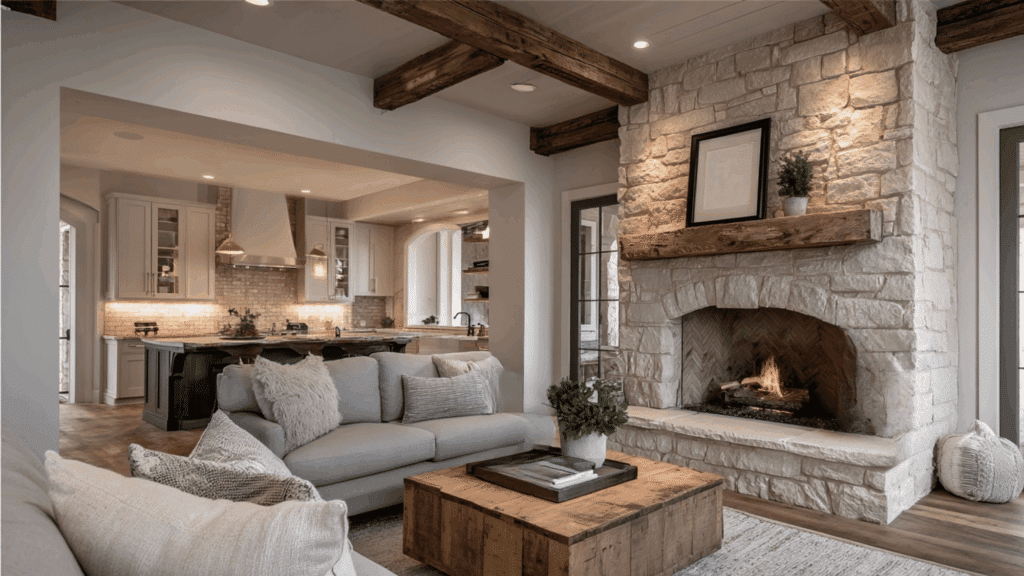
Bringing a keeping room into a modern home is easier than it sounds. These steps make the whole process straightforward.
1. Start with the Right Location: Place the keeping room directly next to the kitchen. That closeness is what makes it feel like a true keeping room.
2. Add a Fireplace or a Focal Point: A fireplace works best. It anchors the whole room. If that’s not possible, a large hearth-style feature wall does the job well.
3. Choose Warm, Natural Materials: Think wood, stone, and brick. These materials bring that rustic colonial feel into the space without looking outdated or over-styled.
4. Keep the Furniture Simple and Functional: Skip anything too fancy. Pick sturdy, comfortable pieces that invite people to sit, stay, and actually use the space daily.
5. Use Warm Lighting: Avoid harsh overhead lights. Soft, warm lighting makes the room feel cozy and welcoming. It also brings out the natural textures in the materials.
6. Keep It Open and Connected to the Kitchen: Do not close the space off with heavy walls or doors. The keeping room works best when it flows naturally into the kitchen area.
Is a Keeping Room Worth It in Modern Homes?
This is a question many homeowners ask before committing to the idea. And it is a fair one.
A keeping room adds real value both in terms of lifestyle and resale price. Real estate experts note that homes with keeping rooms tend to attract more buyers. It signals warmth, character, and thoughtful design.
Beyond market value, the day-to-day benefits are hard to ignore. Families spend more time together when the space next to the kitchen is comfortable and inviting. It pulls people in naturally.
For open-plan lovers, a keeping room offers something slightly different. It gives the kitchen area a defined gathering spot without closing anything off.
To Conclude
Keeping rooms have stood the test of time for a good reason. They were built around people, warmth, daily life, and togetherness.
Today, that need has not gone away. Families still want a space that feels connected, comfortable, and real. A keeping room delivers exactly that.
For anyone thinking about adding one to a modern home, the case is pretty clear. It adds character. It adds function. And it gives the kitchen area something a standard layout simply cannot be a true gathering spot.
So take a look at that space next to the kitchen. It might just be the most important room in the house.