

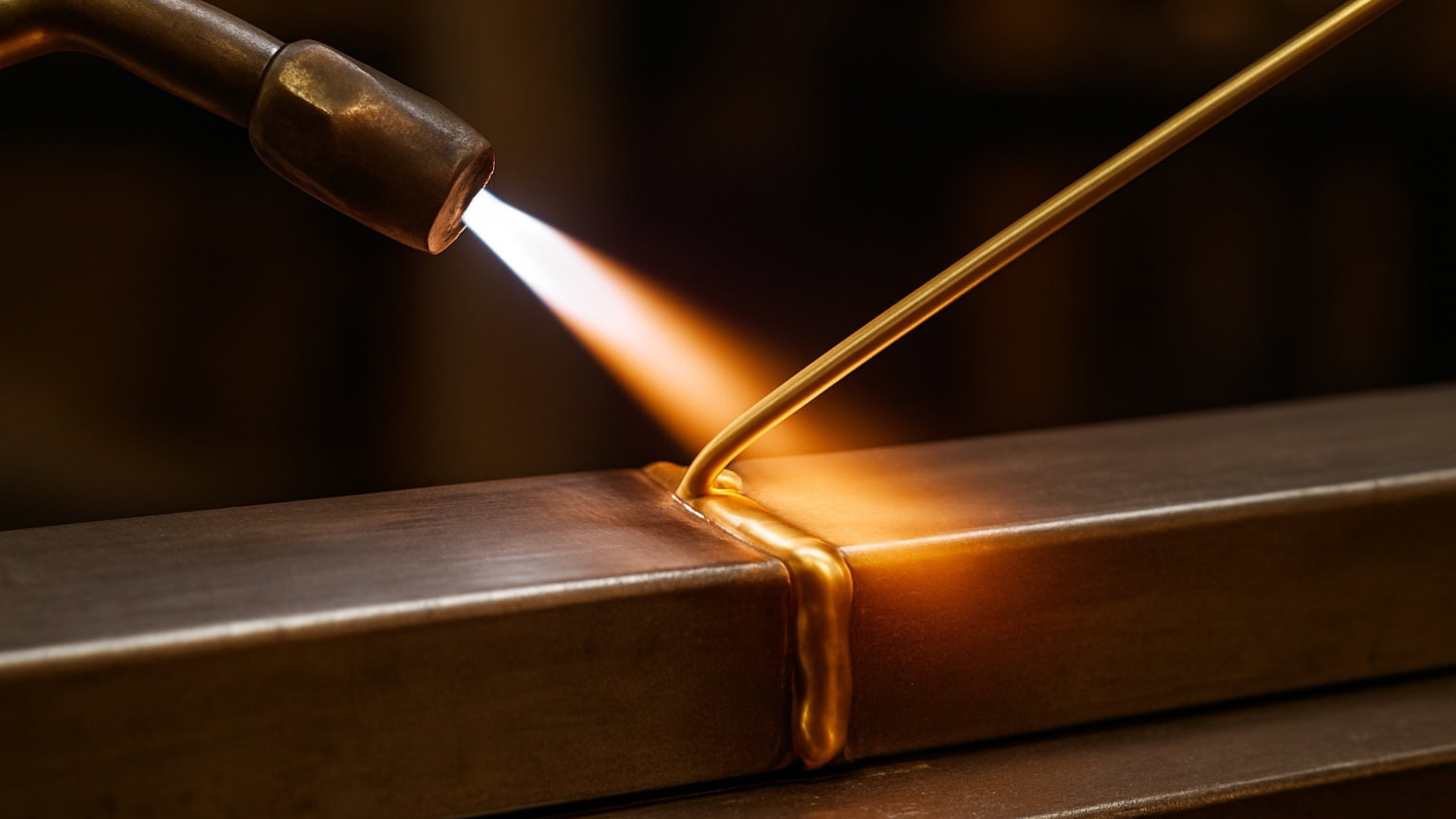
When I first learned about metal joining, I was surprised that metals can be bonded without melting them. That’s exactly what brazing does.
It joins two metal parts using a filler metal that melts and flows between them while the base metals stay solid. Because the temperature is lower than that of welding, the parts are less likely to warp or get damaged.
I often find brazing interesting because it works well for thin materials and even different types of metals.
In this blog, I will explain what brazing is, how the brazing process works, the main methods of brazing, and where it is commonly used.
I will also compare brazing with welding and soldering, so the differences are clear.
Basics of the Brazing Process
Brazing is a method of joining two metals by using a filler metal that melts at a lower temperature than the base metals.
The process starts by cleaning the surfaces of the base metals to ensure a strong bond. After preparing the surfaces, a filler metal is selected that has a melting point lower than the base metals.
Flux is also used to prevent oxidation during heating. The metals are then heated using a heat source, such as a torch, furnace, or induction coil, until the filler metal melts.
The molten filler metal flows into the joint by capillary action, filling the gap between the base metals.
Once the metals cool down, the filler metal solidifies, creating a strong, durable bond between the two base materials. This process provides a reliable way to join metals without damaging the base materials.
Key Features of Brazed Joints
Brazed joints offer strong, durable bonds with minimal distortion and heat damage. They are versatile, allowing for the joining of dissimilar metals and thin-walled parts.
- Strong, Durable Bond: Brazing creates a strong, durable joint, making it ideal for critical applications.
- Minimal Distortion: Because brazing operates at lower temperatures, it causes less thermal distortion than welding.
- Ability to Join Dissimilar Metals: Brazing allows the joining of different metals, including those that are difficult to weld.
- Smooth, Clean Joints: Brazed joints typically require little to no finishing, as they are clean and smooth after cooling.
- Versatility: Brazing can be used on a wide variety of materials, from thin sheets to complex components.
- Less Heat Damage: The base materials remain solid, preventing heat-related damage to the components.
- Effective for Thin-Walled Parts: Ideal for joining thin or delicate materials that could be damaged by high welding temperatures.
Common Brazing Methods
There are several brazing methods, each suitable for different materials and applications. The choice of method depends on factors like joint complexity, temperature requirements, and production volume.
1. Torch Brazing
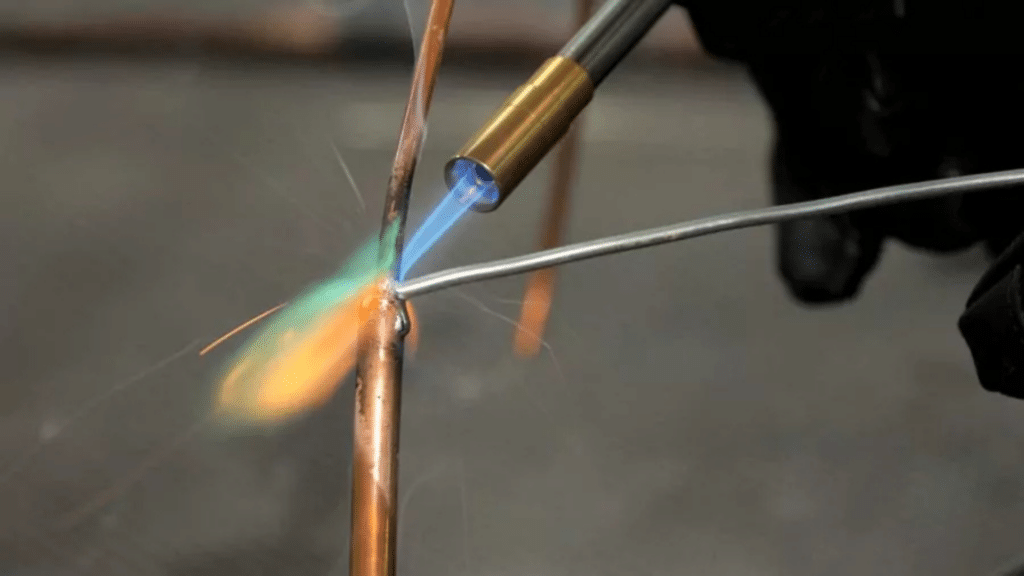
Torch brazing uses a handheld torch to heat the workpieces. The torch directs heat precisely to the joint, and the molten filler metal is applied by hand or fed into the joint.
This method is highly flexible, making it ideal for smaller, more intricate jobs. It’s also commonly used in repair work, where precision is necessary.
Although it requires skilled technicians, torch brazing is relatively cost-effective for small-scale applications.
2. Furnace Brazing
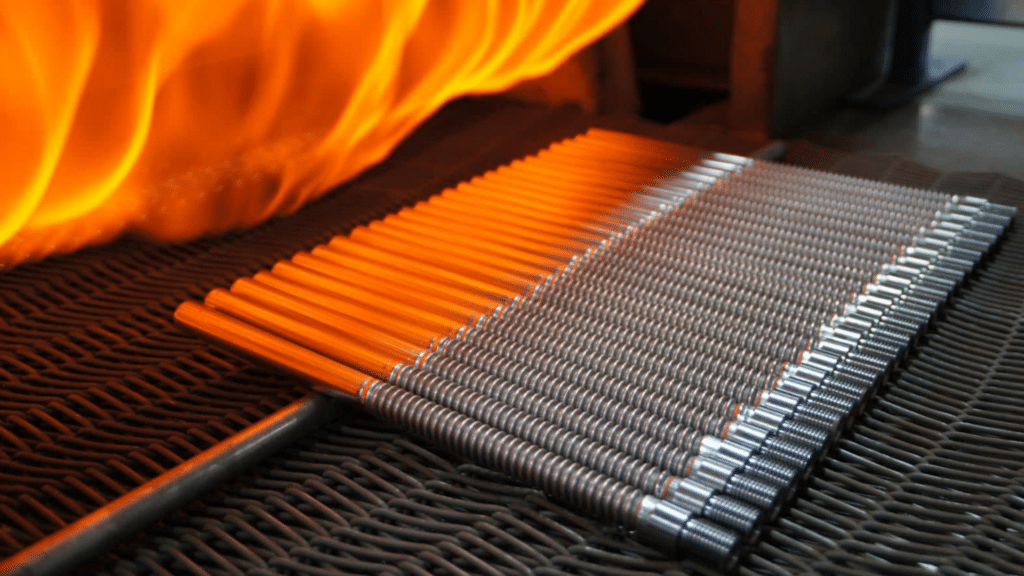
Furnace brazing involves placing the components into a furnace where they are heated to the required brazing temperature.
The process is fully automated, making it suitable for large-scale production runs. The workpieces are typically held together by fixtures or jigs, ensuring consistent, uniform heating.
Furnace brazing is particularly effective for joining complex parts with precise tolerances.
It is often used in automotive manufacturing, electronics, and aerospace industries due to its ability to handle high-volume, high-quality production.
3. Induction Brazing
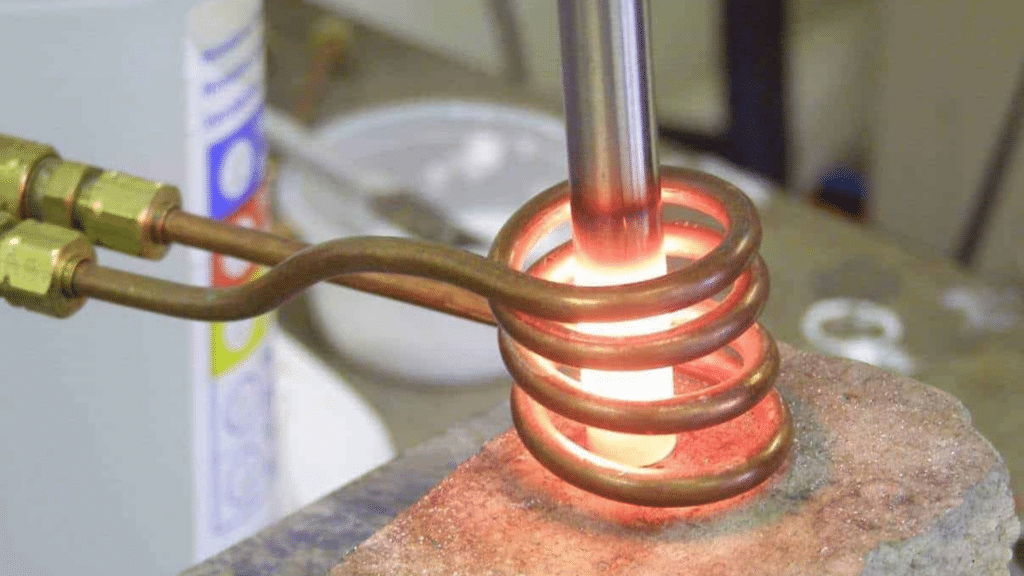
Induction brazing uses electromagnetic induction to heat the workpieces. A coil generates an electromagnetic field that heats the joint area without directly contacting the parts.
This method is highly efficient and provides precise control over heating. Induction brazing is well-suited for high-speed production lines and is commonly used in automotive and appliance manufacturing.
It’s known for its rapid heating and energy efficiency, making it ideal for the mass production of small components, where speed and consistency are key.
4. Vacuum Brazing
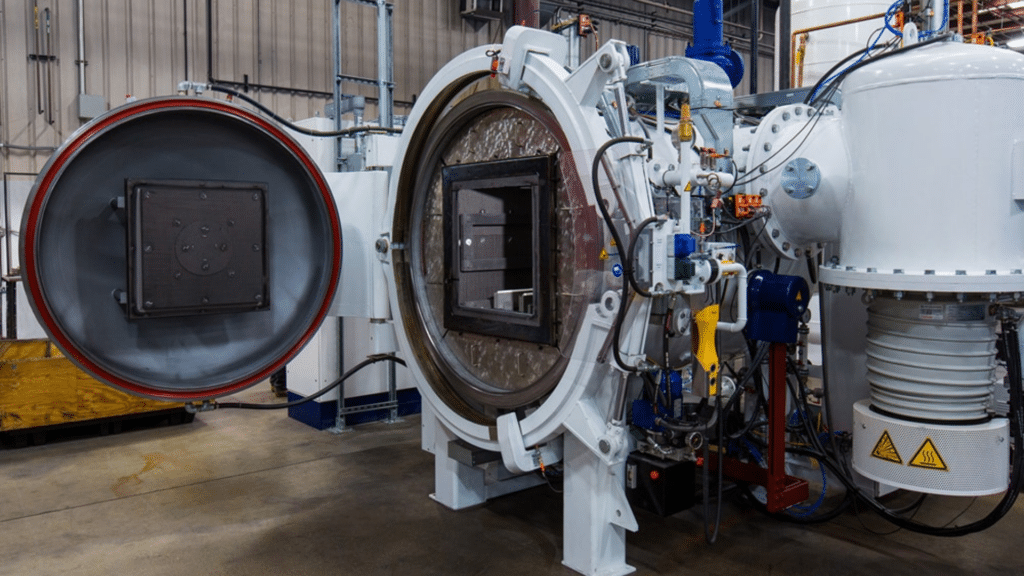
Vacuum brazing is performed in a vacuum chamber, which eliminates oxygen and other gases that could cause oxidation.
This method is ideal for high-performance applications that require the joints to have minimal contamination and high strength.
It is commonly used in industries like aerospace, where the parts must withstand extreme conditions. The vacuum environment ensures the filler metal flows smoothly into the joint, resulting in a cleaner, stronger bond.
While vacuum brazing is more expensive, it is unmatched in producing high-quality, reliable joints for critical applications.
Brazing Versus Other Joining Methods
Brazing, welding, and soldering are all popular metal-joining methods, each with its own advantages and suitable applications. Understanding the differences helps in choosing the right method for a given task.
| Feature | Brazing | Welding | Soldering |
|---|---|---|---|
| Process Temperature | Low temperature (450-900°C) | High temperature (1,300-1,800°C) | Low temperature (180-450°C) |
| Base Metal | Base metals remain solid | Base metals melt | Base metals remain solid |
| Joint Strength | Strong, but lower than welding | Very strong, suitable for heavy-duty | Weaker, suitable for light work |
| Materials Joined | Can join dissimilar metals | Typically similar metals | Typically low-melting-point metals |
| Heat Distortion | Minimal due to lower temperatures | Can cause significant distortion | Minimal, as temperatures are lower |
| Applications | Automotive, HVAC, aerospace, electronics | Structural and heavy machinery | Electronics, plumbing, electrical |
| Ease of Use | Requires skill but is manageable | Requires advanced skill | Simple, suitable for DIY projects |
Practical Applications of Brazing
Brazing is used across various industries for its versatility and ability to join dissimilar metals. Here are some common areas where brazing plays a key role.
-
Automotive Industry: Brazing is used to join heat exchangers, radiators, and other critical components in vehicles. The process ensures strong, durable joints that can withstand high temperatures and vibrations.
-
Aerospace: In aerospace, brazing is vital for assembling lightweight, high-performance components, such as turbine blades and exhaust systems. The process provides strong bonds that can endure extreme conditions.
-
HVAC Systems: Brazing is commonly used to join copper tubing in HVAC systems, ensuring tight, leak-free joints that can handle pressure changes and temperature variations.
-
Electronics Manufacturing: Brazing is used in the production of electronic components, such as heat sinks and circuit boards. It provides precise, reliable joints for delicate parts that require thermal management.
-
Plumbing: Plumbing systems often rely on brazed joints to connect pipes and fittings. This method ensures leak-proof seals that can last for years under high pressure.
-
Jewelry Making: Brazing is used in jewelry production to bond different metals, such as gold, silver, and platinum. The process allows for intricate designs while maintaining strength and durability.
-
Medical Devices: In the medical field, brazing is used to join components of medical devices, ensuring safe and reliable performance in life-saving equipment.
Advantages and Limitations
Brazing offers several benefits but also has a few drawbacks. Here’s a quick comparison of its advantages and limitations to help you decide if it’s the right method for your project.
| Advantages | Limitations |
|---|---|
| Brazing creates a reliable, long-lasting bond. | Joints may not be as strong as those made by welding, especially for heavy-duty applications. |
| Brazing operates at lower temperatures, reducing the risk of damaging the base material. | Surface preparation is crucial, as dirt, oil, or oxidation can weaken the joint. |
| It’s effective for joining metals that can’t be welded together, like copper to steel. | Brazing requires specific tools and expertise, which may be costly for small projects. |
| Used across various industries, from automotive to electronics, for a wide range of materials. | The initial cost of equipment can be higher than for other joining methods, such as soldering. |
| The lower temperatures used minimize the chances of warping or distortion. | Not ideal for joints that will undergo extreme stress or high mechanical loads. |
Wrapping Up
As we reach the end of this guide, I hope the basics of brazing now feel much clearer. From how the process works to the different methods and real-world uses, brazing plays an important role in many industries.
I find it interesting because it allows metals to be joined with less heat, which helps protect delicate parts and thin materials.
While it may not replace welding for very heavy work, it still offers a reliable way to create clean and durable joints.
If you are working with metals or learning about fabrication, understanding brazing can be very useful. If this guide helped you, feel free to share it or check out our other articles for more simple metalworking tips.
Frequently Asked Questions
How Does Brazing Compare to Soldering in Terms of Strength?
Brazing generally produces stronger joints than soldering, thanks to the higher temperatures used and the properties of the filler metal.
What Materials Are Best Suited for Brazing?
Brazing works well for a wide range of materials, including copper, brass, aluminum, and steel. It is especially useful for joining dissimilar metals that might be challenging to weld, such as copper to steel.
Can Brazing Be Used for Thin-Walled Materials?
Yes, brazing is an excellent choice for thin-walled materials. It creates strong, reliable joints without the risk of warping or distortion, which is a common issue with welding thin materials.
Is Brazing Safe for High-Temperature Environments?
Brazing can be used for high-temperature applications, depending on the chosen filler material. Many brazed joints can withstand temperatures up to 900°C, making them suitable for industries such as automotive and aerospace.