

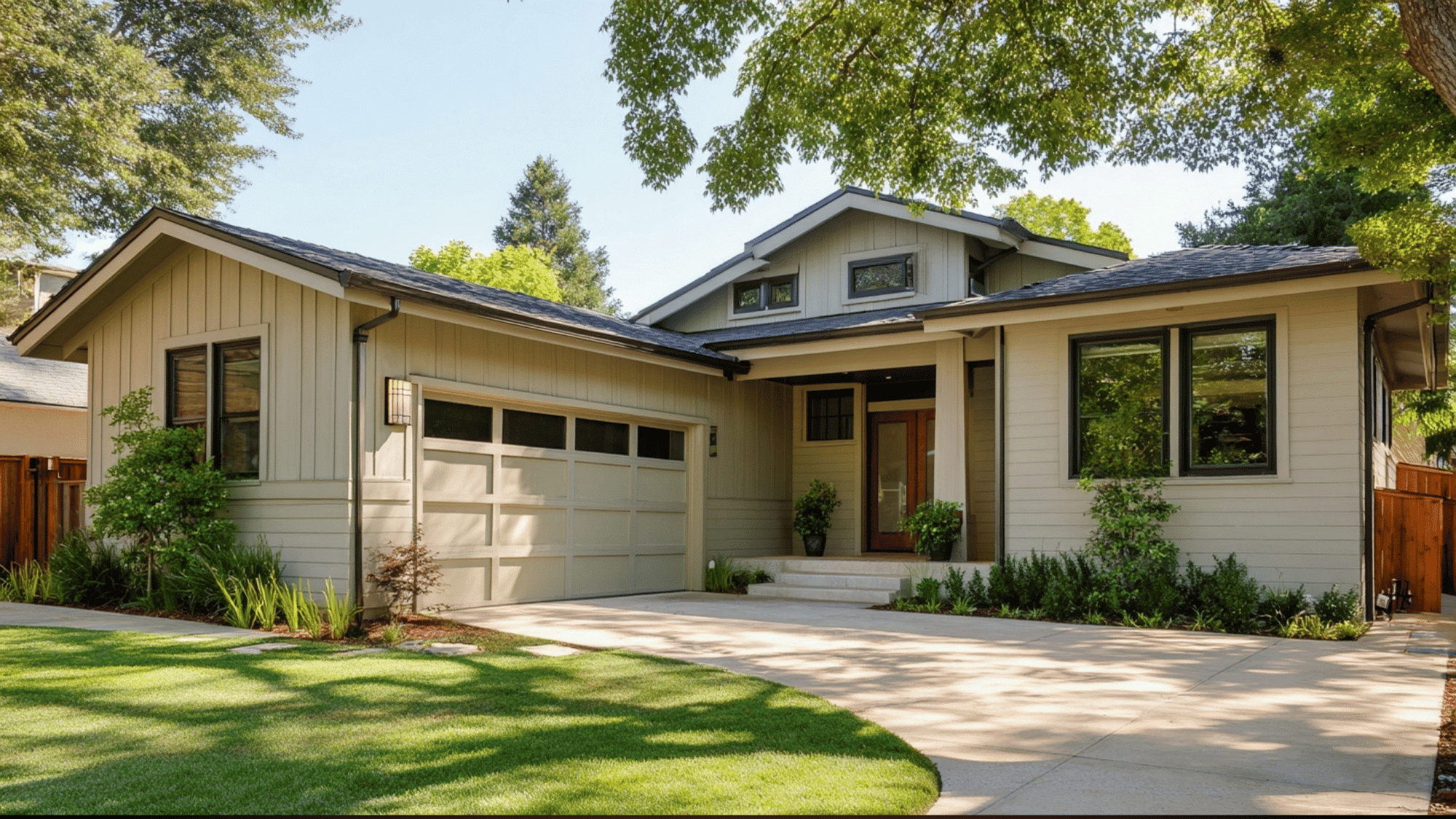
Choosing the right siding for a house can feel overwhelming. There are so many materials, styles, and price points to consider.
Homeowners want something that looks great, lasts long, and fits their budget. But with new options hitting the market in 2026, the choices have only gotten more complex.
Some materials promise energy savings. Others boast low maintenance. A few claim to be eco-friendly. So which one actually delivers the best value? The answer isn’t always straightforward.
It depends on climate, budget, and personal priorities. This blog breaks down the top siding options and helps narrow down the best fit for any home.
How to Choose the Best Siding for Your House
Selecting the right siding requires balancing aesthetics, durability, budget, and climate needs. These key steps help homeowners evaluate options and make an informed decision that protects their investment.
1. Assess Your Climate: Different materials perform better in specific weather conditions, so consider local temperature extremes, humidity, and storm patterns.
2. Set a Realistic Budget: Factor in both upfront installation costs and long-term maintenance expenses to understand the true investment.
3. Evaluate Durability and Lifespan: Compare how long each siding material lasts and how well it resists damage from pests, rot, and impact.
4. Consider Maintenance Requirements: Some materials need regular painting and repairs, while others stay looking fresh with minimal upkeep.
5. Match Your Home’s Style: Choose siding that complements your home’s architecture and enhances curb appeal in your neighborhood.
6. Check Energy Efficiency: Look for insulated options that reduce heating and cooling costs while keeping your home comfortable year-round.
Types of House Siding Compared
Choosing the best siding for a house depends on budget, climate, durability, and maintenance needs. Below is an unbiased overview of popular siding types with clear pros and cons.
1. Vinyl Siding
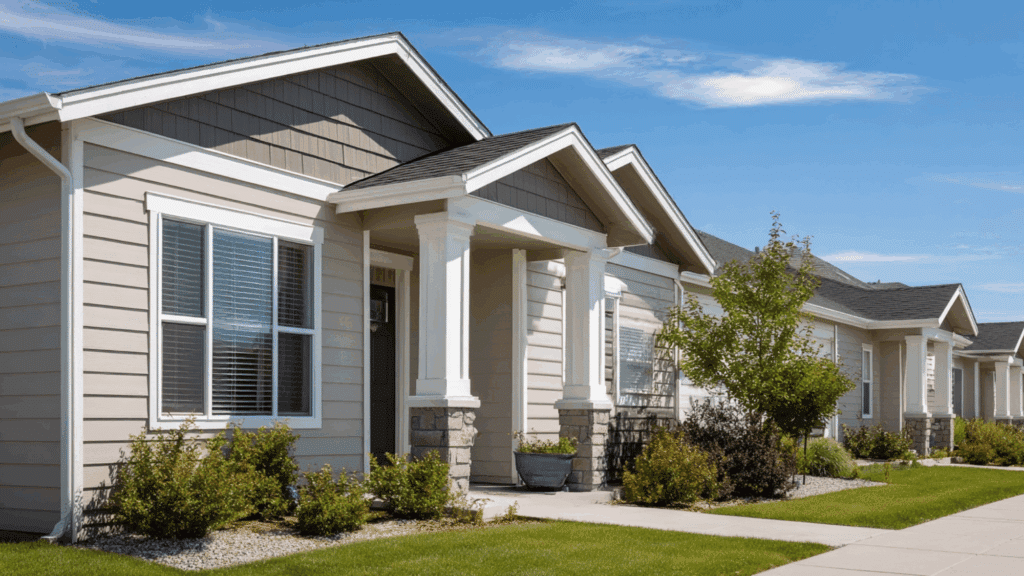
Vinyl siding is a cost-effective exterior option made from durable plastic panels. It offers a wide range of colors, resists moisture and pests, and requires minimal upkeep, though it may crack in extremely cold temperatures.
| Pros | Cons |
|---|---|
| Affordable installation | Can crack in extreme cold |
| Low maintenance | Not as premium-looking |
| Moisture-resistant | Color fading over decades |
| Wide color options | Less impact-resistant |
2. Fiber Cement Siding
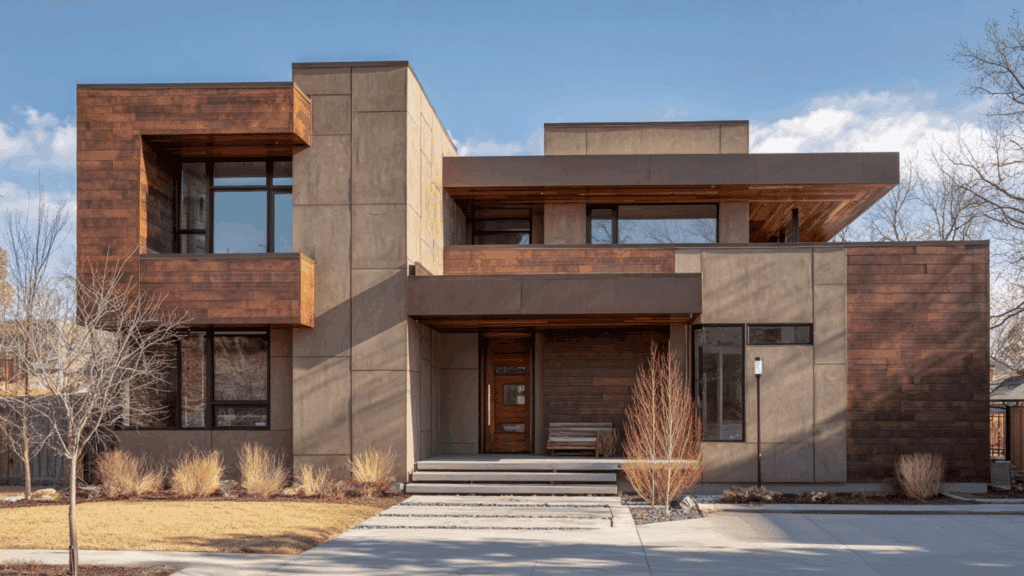
Fiber cement siding combines cement, sand, and cellulose fibers to create a strong, wood-like appearance. It is fire-resistant, pest-proof, and highly durable, but its heavy weight makes installation more labor-intensive and costly.
| Pros | Cons |
|---|---|
| Fire-resistant | Heavy to install |
| Pest and rot-resistant | Higher labor cost |
| Mimics wood well | Requires professional installation |
| Long lifespan | Higher upfront cost |
3. Wood Siding
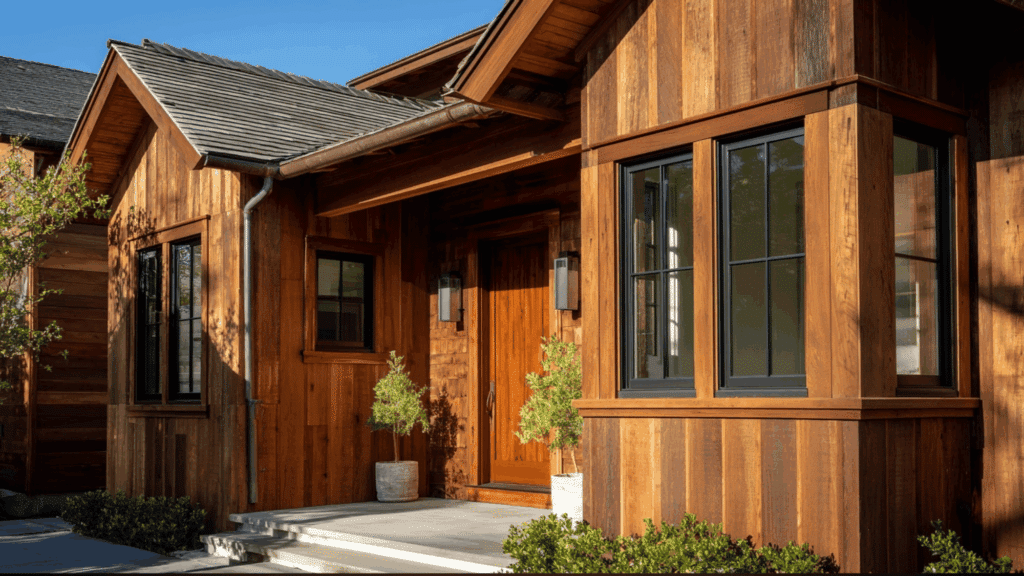
Wood siding offers natural beauty and strong insulation, commonly using cedar, pine, or redwood. It can be stained or painted for customization, but needs consistent maintenance to prevent rot, moisture damage, and insect infestations.
| Pros | Cons |
|---|---|
| Natural, timeless look | High maintenance |
| Good insulation | Susceptible to rot |
| Customizable finishes | Insect damage risk |
| Adds character | Shorter lifespan |
4. Metal Siding
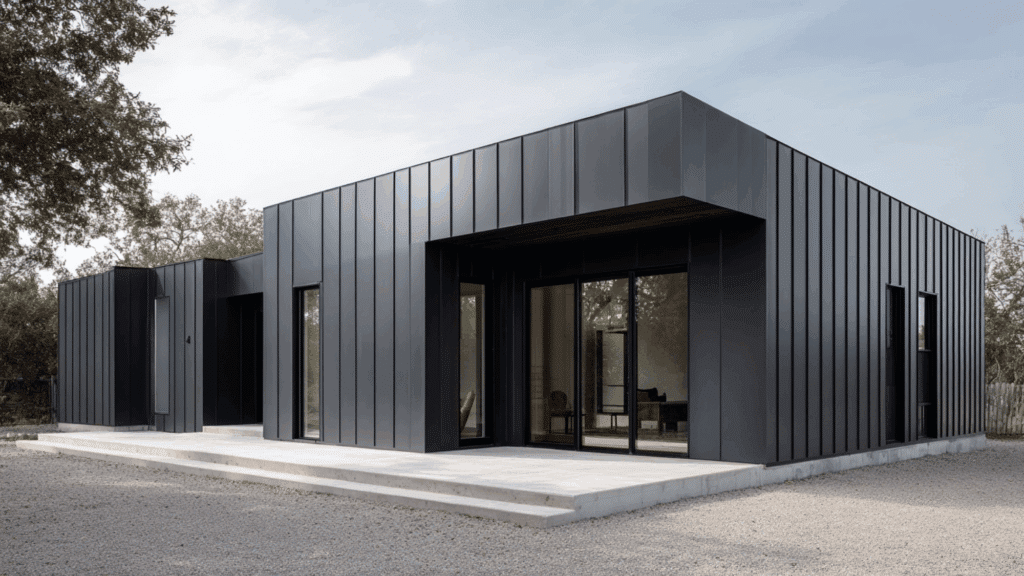
Metal siding, including aluminum, steel, and zinc, delivers a sleek, modern appearance with excellent weather resistance. It is recyclable and long-lasting, but may dent easily and produce more noise during heavy rain or storms.
| Pros | Cons |
|---|---|
| Long lifespan | Can dent easily |
| Weather-resistant | Noisy in storms |
| Recyclable material | Higher upfront cost |
| Modern aesthetic | Limited insulation |
5. Stucco
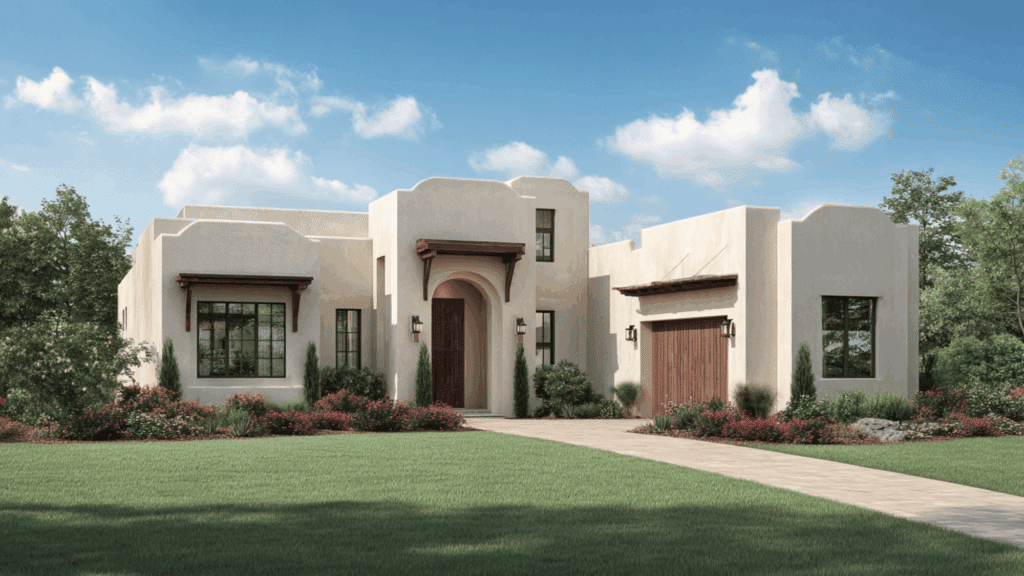
Stucco is a cement-based plaster applied seamlessly for a textured finish. It performs well in dry, warm climates and improves energy efficiency, but is prone to cracking in regions with frequent freeze-thaw cycles.
| Pros | Cons |
|---|---|
| Seamless appearance | Cracks in cold climates |
| Energy-efficient | Expensive repairs |
| Fire-resistant | Installation-sensitive |
| Long-lasting | Limited climate suitability |
6. Brick or Brick Veneer
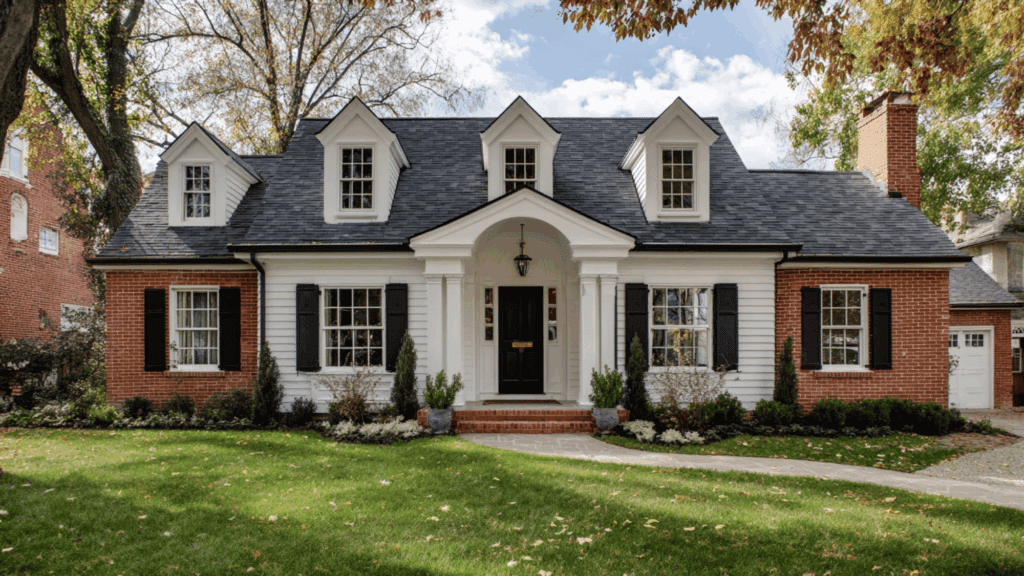
Brick siding provides a classic appearance with outstanding durability and insulation. It requires minimal maintenance and lasts decades, though it comes with higher material costs and labor-intensive installation requirements.
| Pros | Cons |
|---|---|
| Extremely durable | High installation cost |
| Low maintenance | Heavy material |
| Timeless appeal | Labor-intensive |
| Excellent insulation | Limited design flexibility |
7. Engineered Wood Siding
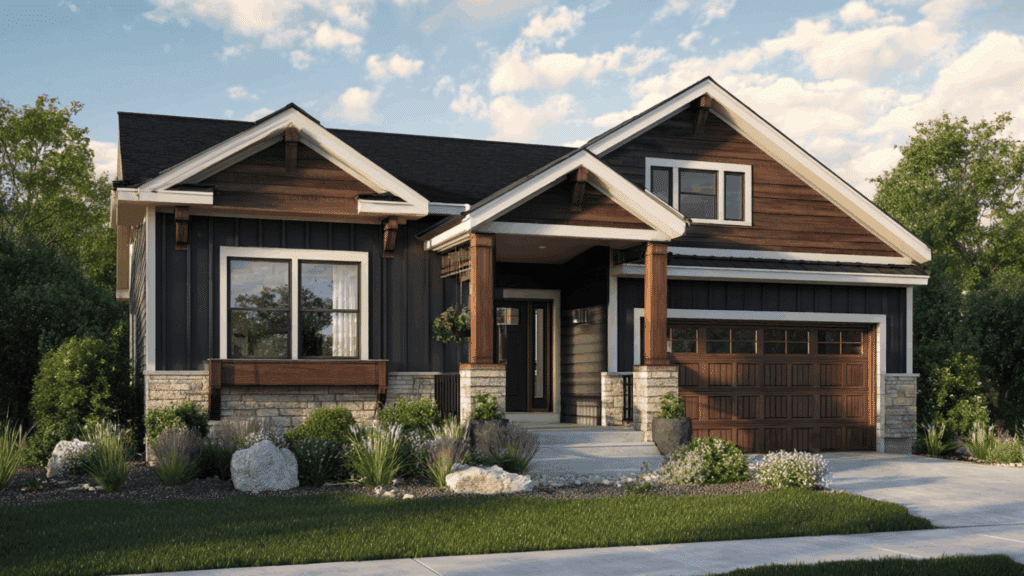
Engineered wood siding uses wood strands bonded with resins for added strength. It offers a wood-like appearance, strong impact resistance, and easier installation, though it is not completely fireproof like fiber cement.
| Pros | Cons |
|---|---|
| Impact-resistant | Not fully fireproof |
| Paintable finish | Moisture sensitivity if damaged |
| Easier installation | Shorter lifespan than brick |
| Wood appearance | Requires proper sealing |
8. Composite Siding
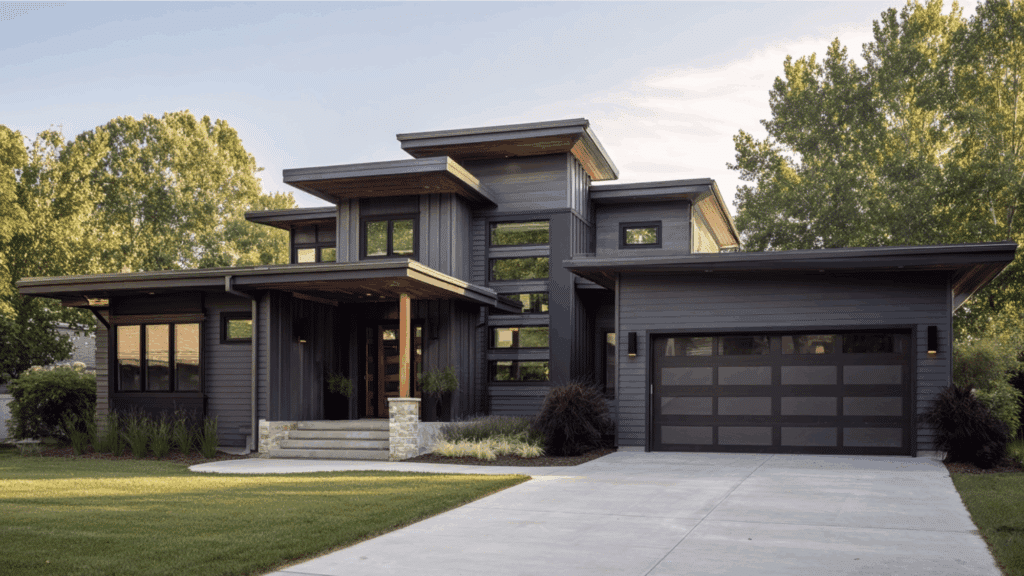
Composite siding blends polymers with minerals or rock for exceptional durability. It resists moisture, pests, and impact while often carrying lifetime warranties, but style options and color variety are more limited.
| Pros | Cons |
|---|---|
| Extremely durable | Limited style choices |
| Lifetime warranties | Higher upfront cost |
| Moisture-resistant | Fewer color options |
| Low maintenance | Heavier panels |
9. Asphalt or Asbestos Shingles
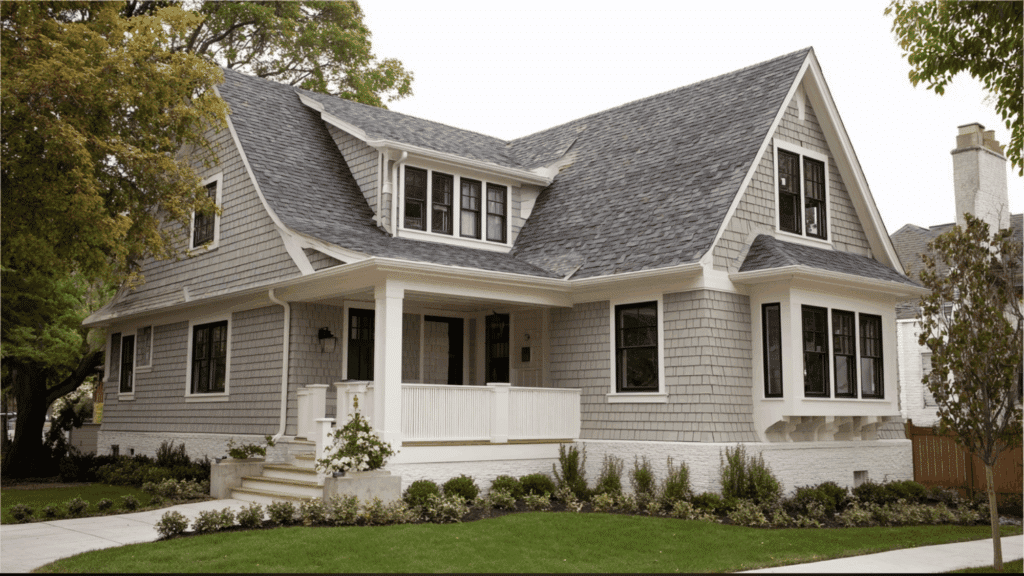
Once popular for budget-conscious homes, asphalt and asbestos shingles are now outdated. Asbestos options are phased out due to health risks, while asphalt versions offer limited durability and visual appeal.
| Pros | Cons |
|---|---|
| Low initial cost | Health concerns (asbestos) |
| Historical relevance | Outdated appearance |
| Lightweight | Short lifespan |
| Easy installation | Poor durability |
10. Hardboard / Fiberboard Siding
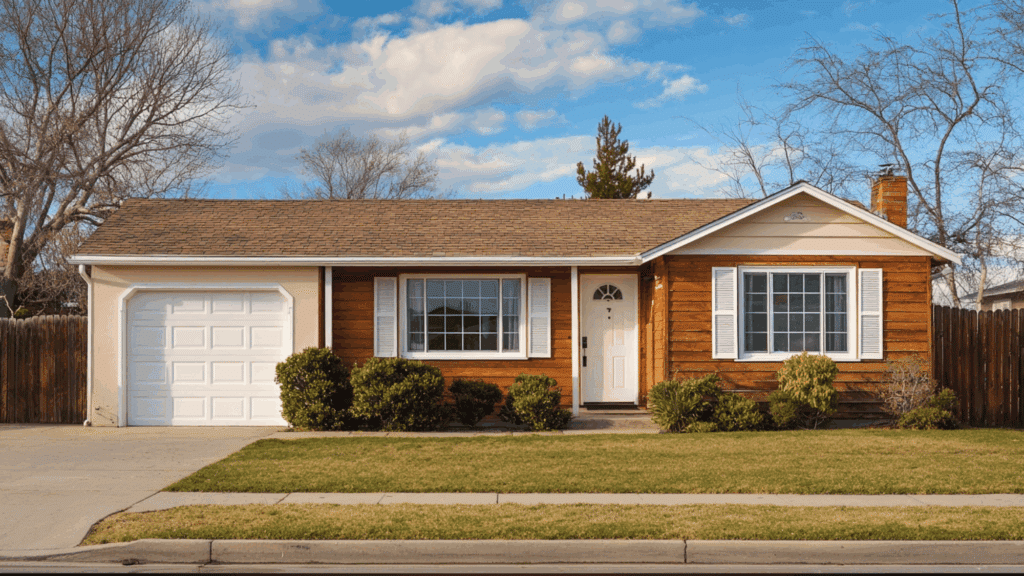
Hardboard siding is made from compressed wood fibers and resins. It is affordable and visually similar to wood but performs poorly in wet conditions, often swelling, rotting, or failing without careful maintenance.
| Pros | Cons |
|---|---|
| Budget-friendly | Swells with moisture |
| Wood-like look | High maintenance |
| Easy to paint | Short lifespan |
| Lightweight | Poor moisture resistance |
Cost Comparison of the Best House Siding Materials
Siding costs vary widely based on material choice. Here’s a breakdown of average installation prices per square foot for different options.
| Siding Material | Cost Per Sq Ft (Installed) | Lifespan |
|---|---|---|
| Vinyl Siding | $3 – $8 | 20-40 years |
| Fiber Cement | $6 – $12 | 30-50 years |
| Wood Siding | $8 – $15 | 15-30 years |
| Metal Siding | $7 – $14 | 40-60 years |
| Stucco | $6 – $9 | 50-80 years |
| Brick/Brick Veneer | $10 – $20 | 100+ years |
| Engineered Wood | $5 – $10 | 20-30 years |
| Composite Siding | $8 – $16 | 30-50 years |
| Hardboard | $3 – $6 | 10-20 years |
Note: Prices include material and labor costs. Regional differences, home size, and installation complexity can affect final pricing.
Common Mistakes Homeowners Make When Choosing Siding
Avoiding common siding mistakes saves money and headaches. Here are the most frequent errors homeowners make during the selection process.
- Choosing price over quality: Selecting the cheapest option often leads to costly repairs and premature replacement down the line.
- Ignoring climate compatibility: Installing materials unsuited for local weather conditions causes warping, cracking, and moisture damage over time.
- Skipping professional installation: DIY or inexperienced contractors can void warranties and create long-term structural issues that cost more to fix.
- Overlooking maintenance requirements: Underestimating the time and money needed for upkeep leads to neglected siding and reduced curb appeal.
- Not checking warranties: Failing to understand warranty coverage, transferability, and exclusions can leave homeowners unprotected against defects.
- Forgetting about resale value: Choosing trendy or neighborhood-mismatched siding can hurt home value when it’s time to sell.
To Conclude
The best siding for a house in 2026 boils down to what matters most for each homeowner. Budget-conscious buyers might lean toward vinyl, while those seeking longevity could choose brick or fiber cement.
Climate plays a huge role, too. What works in Florida might fail in Minnesota.
Don’t rush this decision. Take time to compare materials, get multiple quotes, and check installer credentials. Quality installation matters just as much as the material itself.
A well-chosen siding protects the home, boosts curb appeal, and pays off for decades. Make the choice that fits both current needs and future plans.