

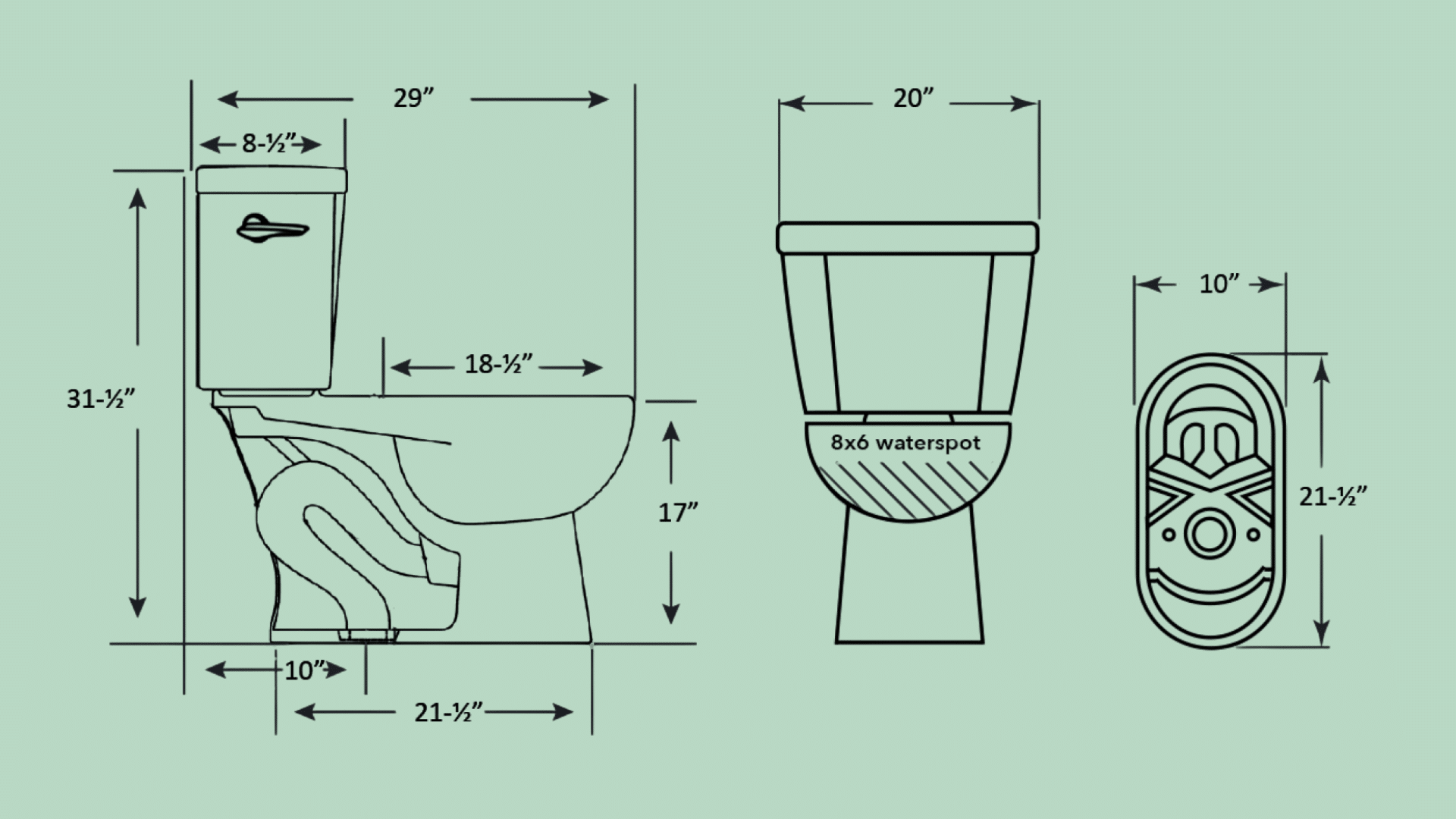
I’ve seen a lot of confusion around ADA toilet height, especially when accessibility comes into the picture. If you’re planning a bathroom update or checking code rules, you probably want clear answers.
ADA toilet height refers to the seat height range set by accessibility standards.
It exists to make sitting down and standing up easier for people of all ages and mobility levels. Comfort matters here, not just rules.
In this guide, I shared everything in simple terms so you know what to look for. You’ll learn the correct height range, total toilet dimensions, and other key requirements that affect comfort and daily use.
I also explain how ADA toilets compare to standard ones and where mistakes often happen.
By the end, you’ll know what measurements matter and how to choose a toilet that meets accessibility needs.
Understanding the Importance of ADA Toilet Requirements
ADA toilet standards exist to make bathrooms easier and safer for everyone to use.
These rules focus on people with limited mobility, seniors, and anyone who struggles with sitting down or standing up.
ADA toilet height plays a key role in meeting these needs. When a toilet meets ADA guidelines, it reduces strain on the knees and back and lowers the risk of slips or falls.
That matters in homes, workplaces, and public spaces. Proper toilet height helps users move with less effort and more control.
Clear spacing and support features also improve balance and comfort during daily use.
These standards are not just about meeting code. They support independence and dignity. A well-designed toilet setup makes daily routines feel normal instead of stressful.
By following ADA requirements, bathrooms become more practical, safer to use, and comfortable for a wide range of people, not just those with visible disabilities.
What Is the Ideal ADA Toilet Height for Accessibility?
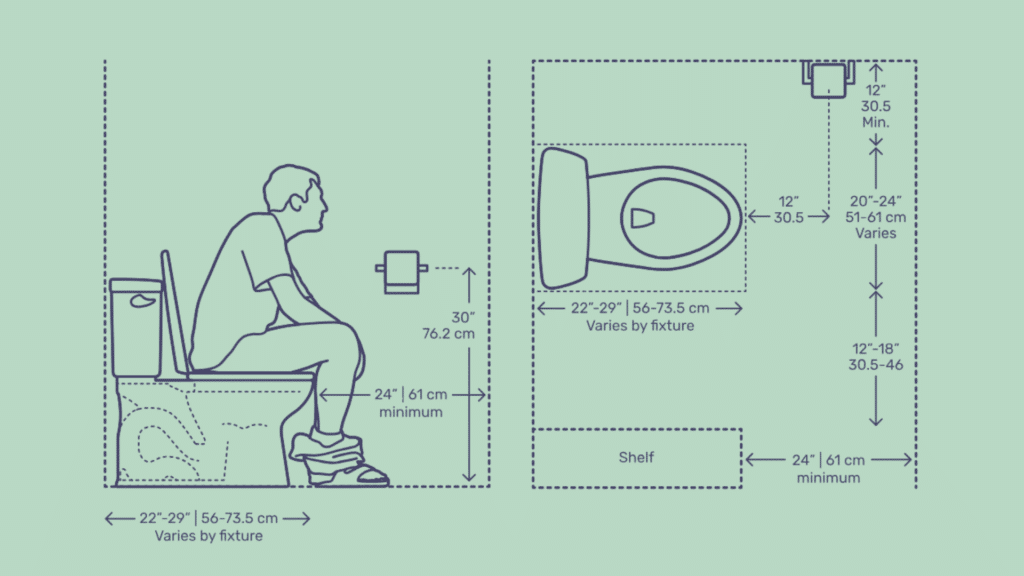
The ideal ADA toilet height is designed to make sitting down and standing up easier for most users.
According to ADA guidelines, the toilet seat height should fall between 17 and 19 inches from the floor.
This range includes the seat, not just the bowl. That height works well for people with limited mobility, joint pain, or balance issues.
It also helps wheelchair users transfer more safely. A toilet that sits too low can strain the knees and back, while one that is too high can feel unstable.
Proper height supports safety and comfort during daily use.
This standard applies to public restrooms and is often used in home bathrooms for added ease.
Choosing the right height helps reduce effort, improves balance, and makes the bathroom more usable for a wider range of people.
Standard ADA Toilet Dimensions You Should Know
ADA toilet standards include more than just height. ADA toilet height works together with other dimensions that focus on spacing, reach, and layout so the toilet is easy and safe to use in real life.
1. Toilet Depth and Projection
ADA guidelines limit how far a toilet can extend from the back wall. Floor-mounted toilets usually project up to 30 inches, while wall-mounted models are closer to 28 inches.
This depth helps users sit comfortably without leaning too far forward.
It also leaves enough room for safe movement in front of the toilet. When depth stays within limits, users can position mobility aids properly and maintain balance during transfers.
Proper projection also helps bathrooms feel less cramped and easier to navigate.
2. Required Clear Floor Space
ADA rules require clear floor space around the toilet so users can move freely. This space allows room for wheelchairs, walkers, or assisted movement.
A clear area also helps caregivers assist when needed.
Without enough space, turning or positioning becomes difficult and unsafe. The goal is to avoid tight layouts that limit movement.
Adequate clearance supports smooth entry, proper positioning, and safe exits.
In real-world use, this space makes daily bathroom routines less stressful and more practical.
3. Toilet Centerline Placement
The toilet centerline must sit a specific distance from the side wall to allow proper access.
ADA toilet height works with this spacing to ensure users can sit centered and reach support features easily. If the toilet is placed too close or too far, it affects balance and comfort.
Correct placement also helps with side transfers from wheelchairs.
In everyday use, proper centerline spacing keeps the toilet aligned with grab bars and open space. This small detail plays a big role in safety and ease of use.
4. Grab Bar Length and Positioning
ADA standards also define grab bar placement near the toilet. Bars must be long enough and placed where users can reach them without strain.
Proper spacing allows users to support their weight when sitting or standing.
If bars are too short or poorly placed, they lose their purpose. In real use, well-positioned grab bars improve balance and confidence.
They reduce fall risk and make daily bathroom use feel more secure and controlled.
ADA Toilet Height vs Standard Toilet Height
Choosing the right toilet height affects daily comfort, safety, and ease of use, especially in shared bathrooms or spaces where accessibility and movement support matter most.
| Feature | ADA Toilet | Standard Toilet |
| Seat Height Range | 17–19 inches from the floor | 14–16 inches from the floor |
| Ease of Sitting and Standing | Easier for most adults and seniors | Can feel low for tall or older users |
| Accessibility Support | Designed for mobility and balance | Not built for accessibility needs |
| Common Use Areas | Public bathrooms and accessible homes | Older homes and basic bathrooms |
| Comfort Level | Better support for knees and back | May strain joints over time |
| Space Requirements | Needs proper clearance around toilet | Works in tighter bathroom layouts |
| Best Fit For | Shared spaces or accessibility needs | Small bathrooms with limited space |
Other Essential ADA Toilet Accessibility Features
ADA toilet design includes several features that improve safety, reach, and ease of use. These details support daily comfort and help users move with more control.
1. Flush Control Placement
ADA guidelines require flush controls to be easy to reach and simple to use.
Controls should sit on the open side of the toilet, not between the tank and wall. This placement helps users activate the flush without twisting or leaning.
Controls must work with light pressure so people with limited hand strength can use them.
In daily use, proper placement reduces strain and makes the toilet easier to operate for a wide range of users.
2. Clear Approach and Transfer Space
An ADA-compliant toilet needs open space beside it for safe transfers.
This area allows users to move from a wheelchair or walker without obstacles.
Clear approach space also helps with balance and positioning. When this space is blocked, transfers become unsafe and stressful.
In real bathrooms, proper spacing supports smooth movement and reduces the risk of falls or injuries during daily use.
3. Seat Stability and Surface
The toilet seat must be stable and secure to prevent shifting during use. A loose seat can cause loss of balance or fear when sitting down.
ADA standards aim to support firm seating that stays in place.
Smooth surfaces also help with comfort and cleaning. In everyday use, a stable seat improves confidence and helps users feel safe using the toilet without added effort.
4. Door and Entry Access
Bathroom access matters as much as the toilet itself. ADA toilet height works best when door clearance allows enough space for safe entry and exit.
ADA guidelines require doors to open without blocking the clear floor space near the toilet.
Proper door clearance helps users move in and out smoothly. In real use, easy entry reduces frustration and supports independence for people using mobility aids.
Why ADA Toilet Height Improves Comfort?
ADA toilet height improves comfort by making daily bathroom use easier on the body. When the seat is higher, users do not have to bend as far to sit down or push as hard to stand up.
This helps reduce pressure on the knees, hips, and lower back.
Proper height supports better balance, especially for older adults or anyone with joint pain.
It also allows users to keep their feet flat on the floor, which adds stability. Less strain means more control during movement. Over time, this can help prevent soreness and fatigue.
In everyday use, the right height makes the bathroom feel more comfortable and less tiring.
It turns a simple routine into something that feels easier, safer, and more natural without extra effort.
Common ADA Toilet Height Mistakes to Avoid
Small measurement and setup errors can lead to comfort issues or failed inspections. Paying attention to details helps avoid problems later.
- Measuring bowl height instead of seat height, which leads to incorrect sizing
- Installing a toilet below or above the 17–19 inch ADA range
- Forgetting that the toilet seat adds to the total height
- Using a non-ADA seat that changes the final measurement
- Ignoring floor thickness changes after tile or flooring updates
- Placing the toilet too close to walls, limiting safe movement
- Skipping clearance checks for real-world use
- Not checking local code updates before installation
Conclusion
Choosing the right ADA toilet height is not just about following rules. It is about making daily bathroom use easier, safer, and more comfortable.
The right height reduces knee and back strain, while proper spacing supports balance and movement.
When all measurements work together, the toilet feels easier to use for everyone in the space.
Before buying or installing a toilet, take time to measure carefully and double-check ADA guidelines. Small details can make a big difference in comfort and long-term use.
If you are updating a bathroom or planning a new one, using these standards can help you avoid problems later.
I would love to hear your experience. Have you installed an ADA toilet or noticed the comfort difference? Share your thoughts in the comments below.