

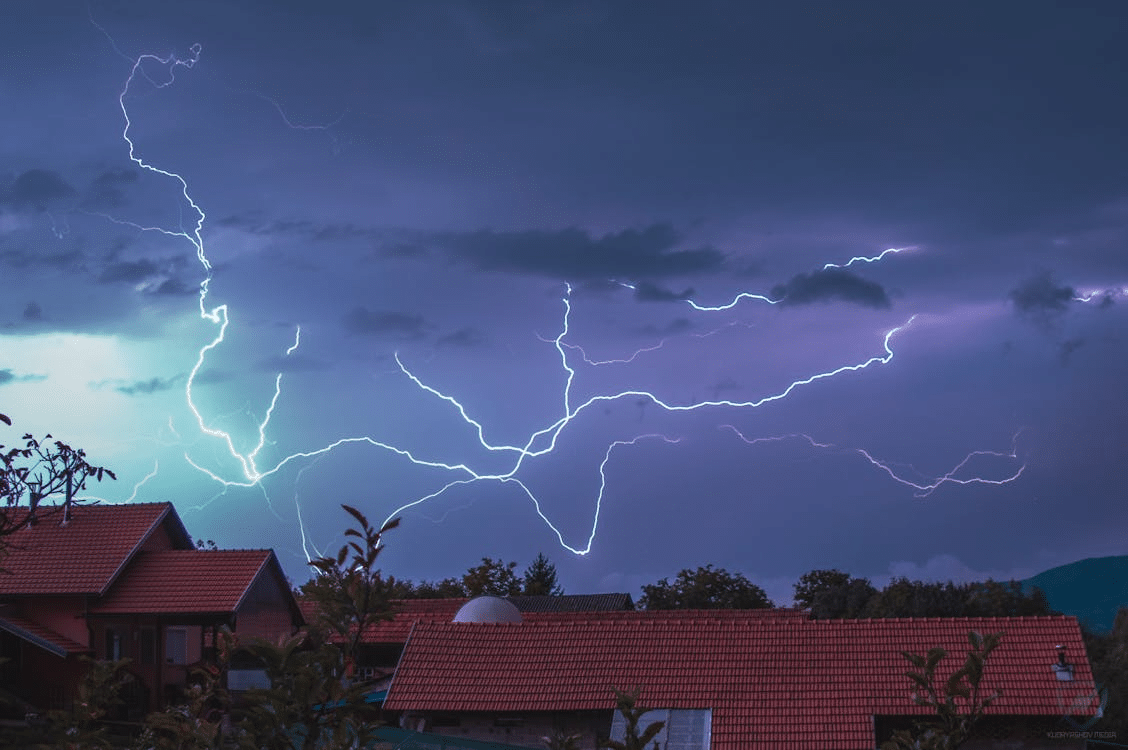
Maintaining a home is a full-time job as it is, but when you add frequent rain and strong winds, every problem feels bigger. Living in a stormy climate means you need to stay one step ahead to care for your home. It takes attention and lots and lots of patience. However, with the right care, your home can stay strong through the roughest weather. Here are 10 simple ways to protect your house when storms are part of everyday life.
Check Your Roof After Every Storm
After heavy rain or strong winds, you might find loose shingles or cracked flashing. Small leaks might go unnoticed until they cause water damage inside your home. Try to inspect your roof after every storm. Look for missing shingles and broken tiles. Keep an eye out for water pooling anywhere. Call up a trusted emergency roof repair service if you spot something urgent. Regular checks help you catch roofing issues early. It ensures your home stays dry and secure during the wet season.
Keep Gutters Clear
Gutters filled with leaves and other debris can’t direct water away from your home. When they overflow, they’ll send rainwater down your walls and near your foundation. That increases the risk of mold and structural damage in your house.
The solution is simple: Clean your gutters a few times a year. Use a sturdy ladder to get up, and rinse everything down with a hose. You could also install gutter guards to reduce how often you need to clean. By doing this, you keep your home’s foundation safe and stable.
Trim Trees Near Your Home
Falling branches are a common cause of storm damage. They can crack windows or injure anyone walking outside. Overgrown trees near your house can increase these risks, especially during storms that are extra windy.
Make it a habit to prune trees regularly. Remove dead or weak branches, especially if they hang over your roof or driveway. A professional arborist can safely handle large limbs. Properly pruned trees reduce the chance of storm damage. You protect your roof, siding, and all your outdoor spaces.
Seal Windows Regularly
Rain can sneak in through tiny gaps around window frames. This can cause drafts and water damage inside your home. Older houses in a wet climate often have shrinking seals that go unnoticed until a big storm hits.
Before the storm season, caulk windows that show gaps or deterioration. Remove old caulking, clean up the area, and apply a fresh bead around the frame. Use a hose to check for leaks. When your windows are well-sealed, rain and wind stay outside where they belong.
Secure Outdoor Furniture
Outdoor furniture can create a nice, cozy outdoor sanctuary in your backyard or garden. However, during storms, it can become dangerous debris. Unsecured tables and chairs can fly into windows. They can damage fences, and at worst, they can hurt someone outside.
To prevent this, move or anchor outdoor furniture before a storm approaches. Tie them down to keep them in place. Store small items like umbrellas in a shed. This ensures your outdoor space doesn’t become hazardous during a storm while reducing the risk of property damage.
Invest in Smart Leak Detectors
Small leaks can cause significant damage to your home before you even notice them. Storms can exacerbate these problems, especially near under sinks or in basements. Install smart leak detectors in water-prone areas. These devices alert your phone if water is detected, giving you more time to act. They let you catch issues early so you can minimize water damage. They save you from a ton of stress and costly repairs after a storm.
Use Surge Protectors for Appliances
Lighting strikes or power surges during storms can fry electronics and damage HVAC systems. The last thing you want is to be left without the essentials when the weather is bad. You also don’t want to be calling an emergency electrical service in the middle of a storm.
Plugging sensitive devices into surge protectors can help. These protectors safeguard appliances like computers and refrigerators against sudden spikes in voltage. They also prevent that domino effect that happens when one damaged device causes another to fail. They let you maintain comfort and functionality in your house, even during unpredictable weather.
Upgrade Those Garage Doors
Garage doors are one of the weakest points in a home when wind hits. A poorly installed or aging door can break or let water inside. That puts everything stored in the garage at risk. If you have older doors, consider hiring a professional garage door installation service to replace them.
Go for wind-rated models for extra strength. It protects your vehicles, stored belongings, and your home’s interior from water damage. It also reduces the chance of structural damage. You gain more confidence that your home’s vulnerable points can handle heavy weather.
Endnote
The habits above can help you stay ahead of impending trouble, keeping issues from growing during the stormy season. You’ll feel at ease, not overwhelmed, even when a storm is brewing. Bad weather can test your home, but it can’t break it when you’re well-prepared.