

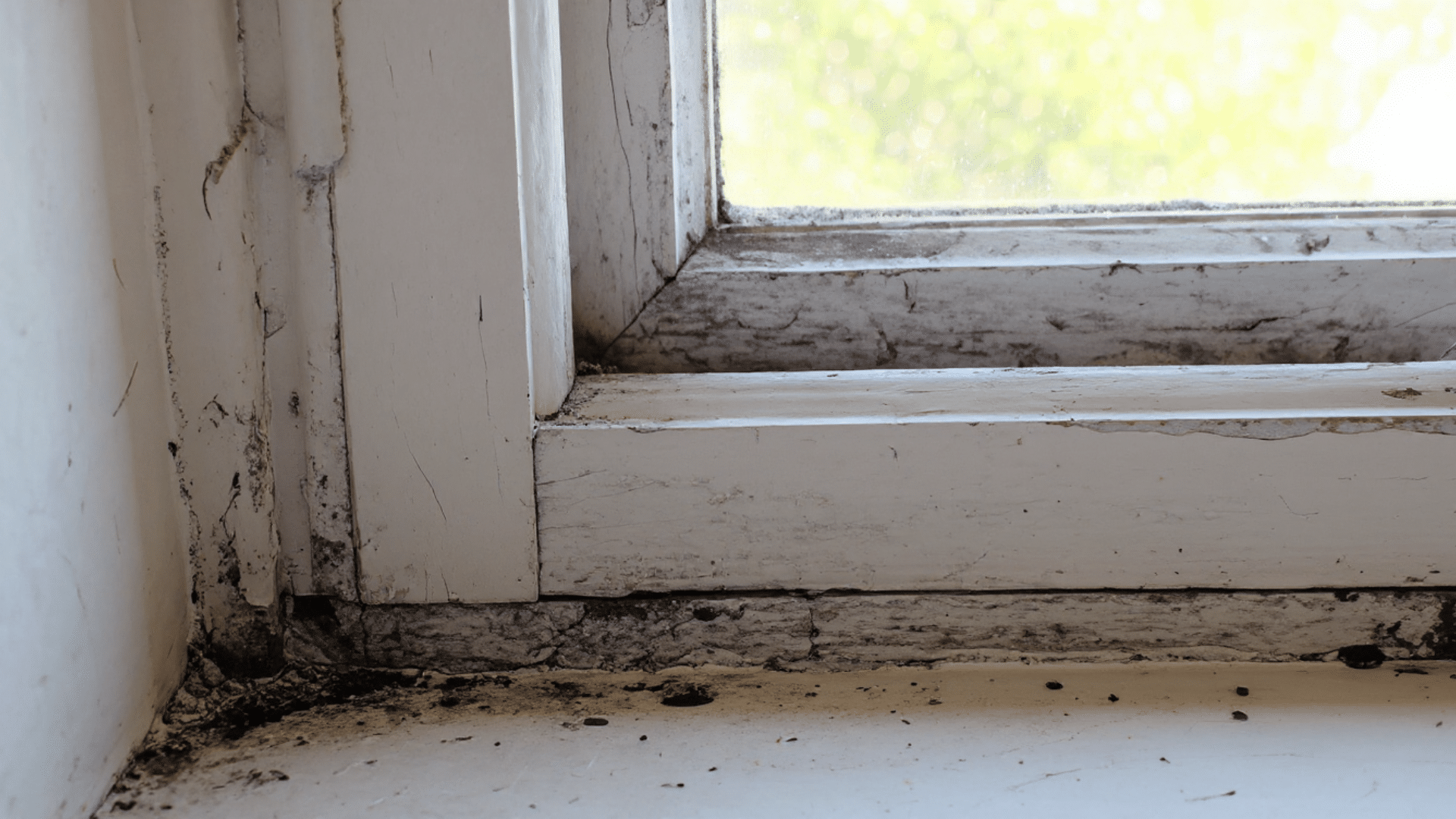
Mold on windows is a common problem in many homes. It often shows up as dark spots around the frame or glass.
Many people see it and feel unsure about what it means. Mold can look small, but it can still cause stress and make a space feel unclean.
This issue can occur in any season and often recurs. Understanding the simple reasons behind window mold can help people feel more in control.
With the proper steps, it is possible to keep windows clean and dry.
This blog provides clear information to help readers understand what causes mold and how to prevent it in simple ways.
What Makes Window Mold a Common Problem
Window mold is common because windows often deal with moisture, temperature changes, and still air.
When warm indoor air hits the cold window glass, it turns into water droplets. These droplets sit on the frame and sill, creating the perfect place for mold to grow.
Dust around the window also gives mold something to feed on. Everyday tasks like cooking, showering, and running heaters add even more moisture to the air.
Since windows are natural cold spots in any home, they collect moisture faster than other surfaces.
This mix of moisture and dust often makes window mold appear and spread quickly.
Common Causes of Mold on Windows
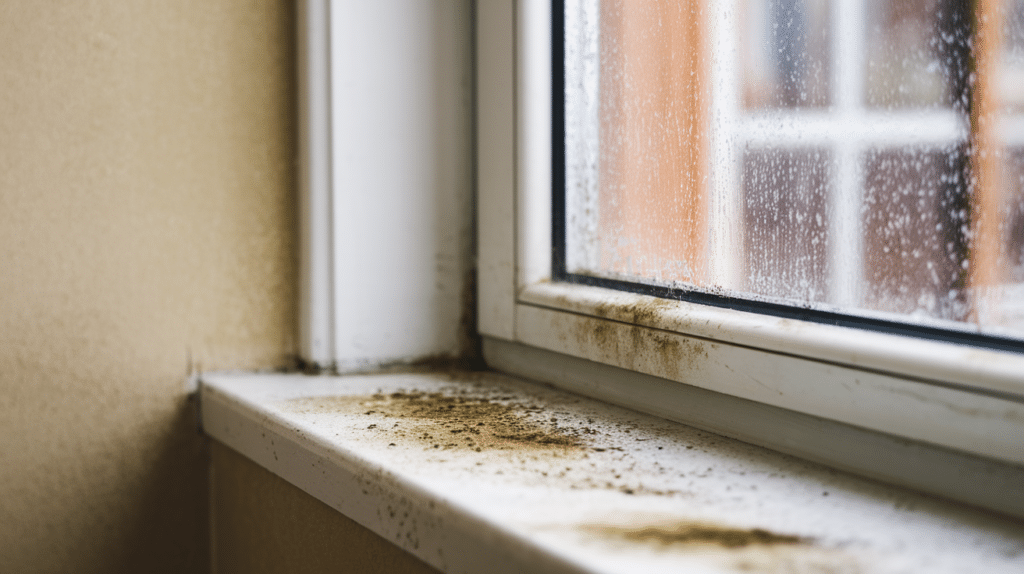
Mold on windows forms when moisture, dirt, and low airflow combine. Each cause plays a role in how fast mold appears and how hard it is to remove.
Condensation Buildup
Condensation happens when warm indoor air hits cold window glass. The water droplets that form sit on the frame and sill, creating damp spots. These wet areas become the perfect place for mold to grow.
High Indoor Humidity
High humidity adds extra moisture to the air. Activities like cooking, showering, and drying clothes inside raise humidity levels. When the air holds too much moisture, it settles on windows and increases the chance of mold forming.
Poor Ventilation
Poor airflow keeps moisture trapped near windows. When fresh air cannot move through the room, damp air stays in one place. This still, moist air creates ideal conditions for mold to settle and spread.
Leaking Windows
Leaking windows allow water to enter the home around the frame. Even small leaks can keep the area wet for long periods. This steady moisture gives mold exactly what it needs to grow and spread.
Dust and Dirt Build-Up
Dust collects on window sills and frames, giving mold something to feed on. When dust combines with moisture from condensation, mold grows much faster and spreads more easily across the window surface.
Cold Window Surfaces
Cold windows attract moisture when warm indoor air touches the glass. The colder the surface, the more water forms. These damp spots become a starting point for mold, especially during cooler months.
Blocked Heating Vents
When heating vents are blocked, warm air cannot reach the windows. This keeps the glass cold, which leads to more condensation. The extra moisture increases the chance of mold forming around the frame and sill.
How to Prevent Mold on Windows
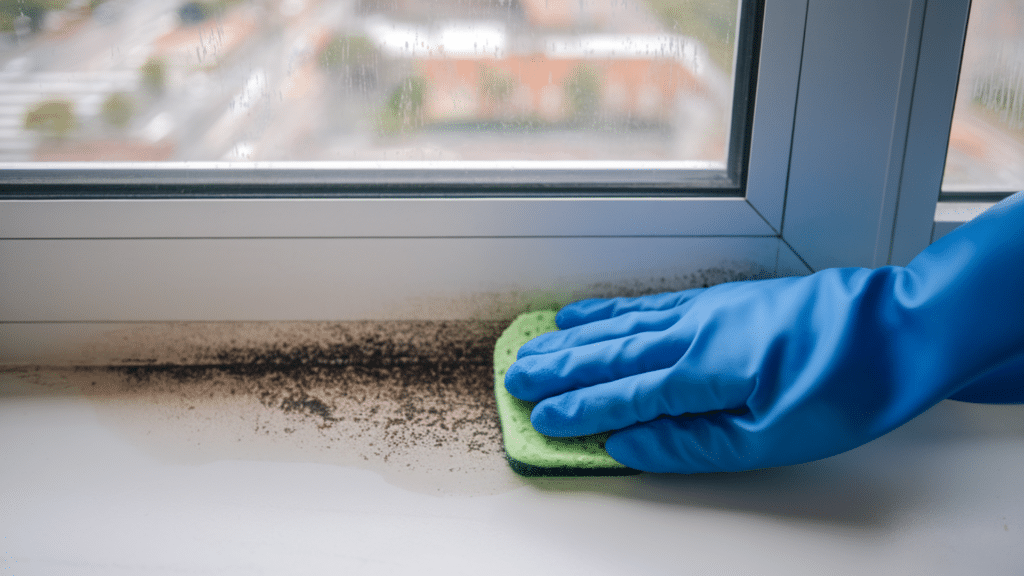
Prevention works best when people focus on moisture control. The steps below are simple and effective.
Reduce Indoor Humidity
Lowering indoor moisture makes a huge difference.
Easy Ways to Control Humidity
- Run exhaust fans during showers or cooking
- Keep the bathroom door open after hot showers
- Use a dehumidifier in damp rooms
- Keep indoor humidity around 30–50%
- Avoid drying clothes inside
- Cover fish tanks if possible
Why This Helps: Mold cannot grow without moisture. When humidity stays low, mold dries out and cannot survive.
Improve Ventilation
Good airflow removes damp air and replaces it with fresh air.
Ways to Improve Ventilation
- Open windows for a short time each day
- Use ceiling fans or small room fans
- Leave interior doors open
- Keep vents clear
- Move curtains away from windows
Tip: Even a few minutes of fresh air can lower humidity and prevent mold on windows.
Keep Windows Dry
Removing moisture before mold grows is key.
Simple Drying Habits
- Wipe condensation daily
- Keep a small towel near the window
- Open curtains in the morning to let sunlight in
- Use a squeegee to remove water
- Lift blinds to allow airflow around the window
Why This Works: Mold needs water to grow. If the window stays dry, mold will not have the conditions it needs.
Add Insulation
Better insulation helps keep windows warmer and reduces condensation.
Types of Insulation That Help
- Weatherstripping
- Plastic window film
- Thermal curtains
- Double-pane windows
- Window inserts
Benefits: Warmer windows mean less moisture, which lowers mold growth.
Fix Window Leaks
Leaks must be repaired as soon as possible.
How to Spot Leaks
- Water stains
- Bubbling paint
- Soft window frames
- Dripping water during rain
- Mold at the bottom corners
Easy Fixes
- Add fresh caulk
- Replace damaged seals
- Check the flashing
- Repair or replace old windows
Stopping leaks removes a hidden moisture source that feeds mold on windows.
Clean Windows Regularly
Cleaning prevents dust from becoming food for mold.
Cleaning Tips
- Use warm water and mild soap
- Wipe both the glass and the frame
- Clean the tracks with a small brush
- Use vinegar to wipe surfaces if mold starts forming
- Dry the surface after cleaning
How Often to Clean: Weekly or every two weeks is usually enough for most homes.
Move Furniture Away From Windows
Furniture placed too close blocks airflow. This can trap moisture, creating mold.
What to Avoid
- Beds pressed against windows
- Large cabinets blocking vents
- Heavy drapes that cover the whole window
Better airflow keeps the area dry and reduces mold.
Seasonal Mold Problems
Mold on windows can appear at any time of year, but some seasons create conditions that make it grow faster or spread more easily.
| Season | Why Mold Is More Common | What Usually Happens |
|---|---|---|
| Winter | Cold windows cause heavy condensation. Indoor heating raises humidity. | Mold forms on glass edges, sills, and frames because the surface stays wet. |
| Spring | Rising outdoor humidity and more pollen in the air. | Dust and pollen build up on windows, giving mold more to feed on. |
| Summer | Hot, humid weather increases indoor moisture. Air conditioning cools windows. | Condensation forms when cool air meets warm, humid air, leading to mold growth. |
| Fall | Rain, storms, and temperature changes raise moisture around windows. | Leaks and damp frames can cause mold to appear, especially near corners and seals. |
Long-Term Solutions for Preventing Window Mold
These steps focus on improving airflow, reducing moisture, and upgrading parts of the home that affect window conditions.
- Use a dehumidifier: Lowering indoor moisture makes window mold much less likely.
- Install thermal curtains: These help keep the window surface warmer and reduce damp spots.
- Keep heating vents open: Warm air must reach the windows to limit condensation.
- Repair leaks and seals: Fixing damaged caulk or frames stops water from entering the window area.
- Monitor indoor humidity: Keeping levels between 30–50% helps prevent mold year-round.
Conclusion
Mold on windows can feel like a small annoyance at first, but it often signals that the space needs better care.
Paying attention to moisture, airflow, and window conditions helps keep the home more comfortable over time.
A clean window area also supports a healthier living space and reduces extra cleaning work later.
Window care does not have to be complicated. Small, steady habits will keep the area in good shape throughout the year.
If you found this guide helpful, take a moment to read more of our home care tips and keep improving your space.