

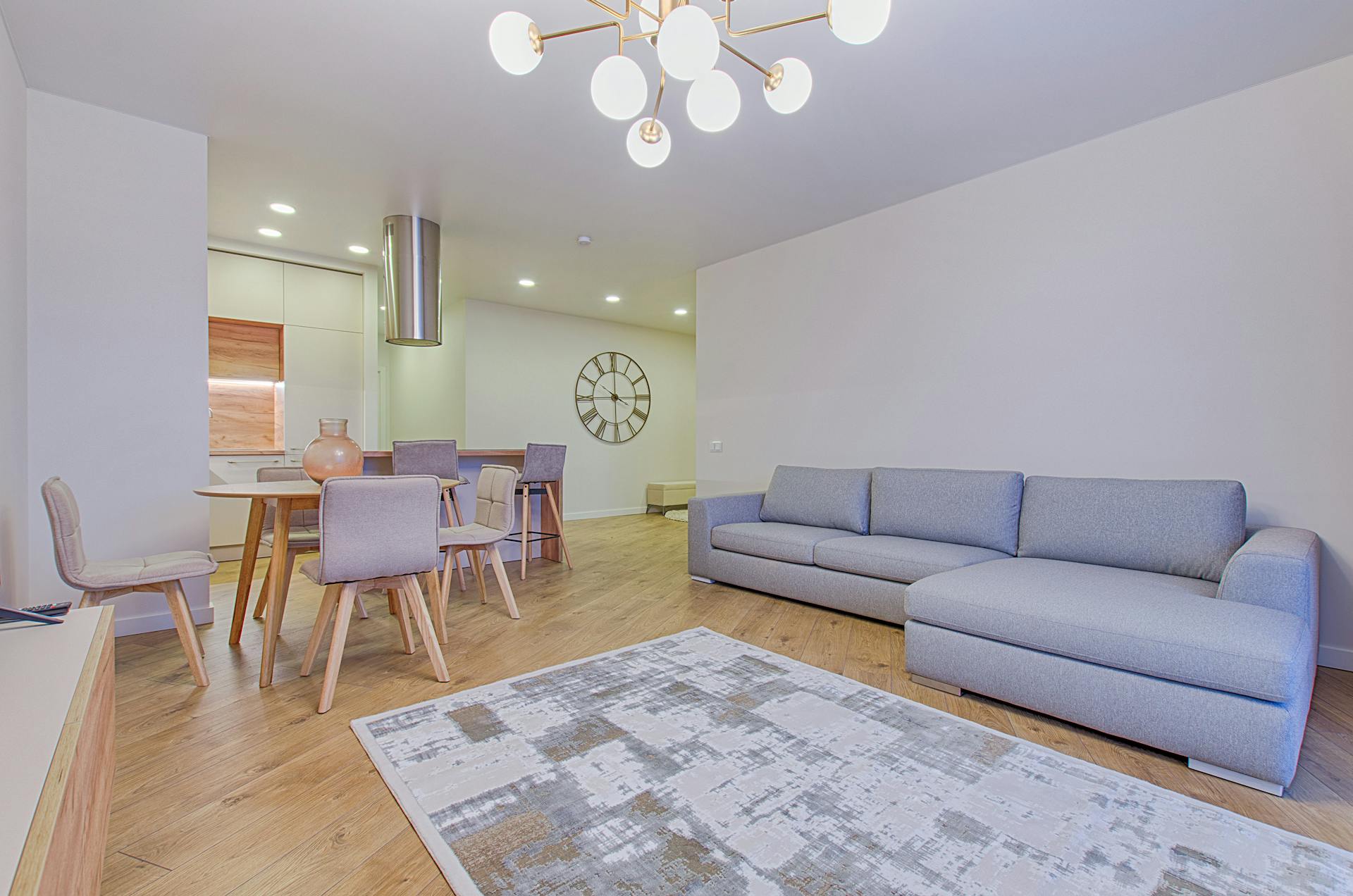
Your home can feel lived in and loved, then one morning you look around and something feels a little flat. Not bad, just ready for a change. The nice thing is that most homes don’t need a full renovation to feel refreshed.
Sometimes it’s a matter of redirecting your eye, steering energy where it feels more intentional, and giving the spaces you already enjoy a bit of momentum. A smart update has a way of reminding you that your house still has range, and you don’t need a construction crew in the driveway to get there.
Introduction To Subtle Home Elevation
There’s a particular kind of confidence that comes from refining a space you already know well. Instead of tearing rooms apart, you experiment with direction, texture, or lighting until everything clicks. This approach respects your routine and still delivers that lift you’ve been craving.
Homes age with us, and a thoughtful edit tends to land better than a dramatic overhaul. It keeps the baseline steady while still carving out something fresh to look at every day.
Why Lighting Determines A Room’s Mood
Lighting carries more influence than most people realize, and it usually becomes obvious the moment a room suddenly feels softer or more grounded for no apparent reason. That shift almost always traces back to how the light behaves.
Swapping in warmer bulbs or adjusting fixture placement changes how each surface reads, and you often discover details you forgot were there. When people talk about comfort, they’re often describing how the light wraps around them.
A small investment does the heavy lifting here, and if you’ve ever wondered why your living room feels a little tired at dusk, consider whether your lights are working with you.
Homes benefit from lighting that’s layered instead of static, and once you find a rhythm that blends brightness with calm, the rest of the room loosens up.
Some homeowners use this moment to think through backup power too, since lighting becomes the first thing you miss during outages. It’s where a whole house generator offers peace of mind. People often focus on obvious issues like food in the fridge, but keeping the lighting consistent keeps routines intact. It means your home still feels like your home, even during a storm.
How Textures Add Warmth Without Adding Clutter

Texture changes the emotional temperature of a room. A bare space can look sharp but still feel unfinished, while layered textiles can soften even a minimalist layout. It isn’t about piling on more stuff, it’s about mixing surfaces so the room feels dimensional.
Rough and refined surfaces side by side tend to read as grounded. When the texture sits flat, the room can fall a little silent. Try watching how woven fibers, matte ceramics, or natural woods shift under different lights. You’ll notice that texture behaves like a supporting actor, steady and subtle, but shaping the entire mood.
Where Color Updates Make The Biggest Impact
Color carries personality, but the trick is not treating it like a big announcement. Soft color shifts can have more impact than bold ones if they’re chosen intentionally.
A room with warm neutrals feels calm but never blank. A deeper shade on a single surface can underline architectural lines you’ve stopped seeing because you walk past them every day.
The goal isn’t to chase trends. It’s to help the room feel rhythmic and alive. When color has a presence but doesn’t shout, it becomes easier to trust your instincts about what belongs around it.
Practical Benefits Of Smart Outdoor Improvements
Outdoor areas carry so much potential, but they’re often the last to get attention. These spaces shape your first impression every time you come home. They’re also the backdrop for the small rituals that make your property feel personal, from quiet morning coffee to late summer evenings when the air finally cools.
Small changes like planters with height variation or understated path lighting can pull the yard together with very little effort. The real magic shows up when everything outside feels intentional, even when it’s simple.
This is where thoughtful outdoor upgrades come into play. People tend to assume these projects require big structural work, but most homes respond well to scaled back adjustments that respect the layout you already have. A better defined seating area or a few architectural plants can shift the tone of the whole yard. These kinds of updates blur the line between indoors and outdoors so your home feels more cohesive from every angle.
The Quiet Power Of Editing What You Already Own
A home feels more organic when it evolves instead of resets. Editing is a discipline that often gets overlooked because it feels too easy to be effective, yet it’s one of the most reliable ways to change your space without overspending.
When you remove what you no longer connect with, the things you do love finally get room to breathe. You start noticing the character that was lost in the noise. Editing helps each room claim its identity while still belonging to the home as a whole. It doesn’t ask you to be a minimalist, it just asks you to be intentional.
A Fresh Perspective On What Makes A Home Feel New
The most satisfying updates tend to come from observing how you actually live rather than planning an idealized version of your space. Notice how you move through rooms, where you set things down, and what areas you return to without thinking. Homes always tell you what they need if you pay attention.
When you make changes that support daily habits, every upgrade lands with more ease and less guesswork. That natural alignment is what makes a home feel renewed, not the scale of the project.
Refreshing a home isn’t a test of how much you can change. It’s an exercise in noticing what still works and nudging the rest into better alignment. A few thoughtful shifts help your home feel like a place with a heartbeat again. When a space supports your moments without demanding all your time, you know you’ve done it right.