

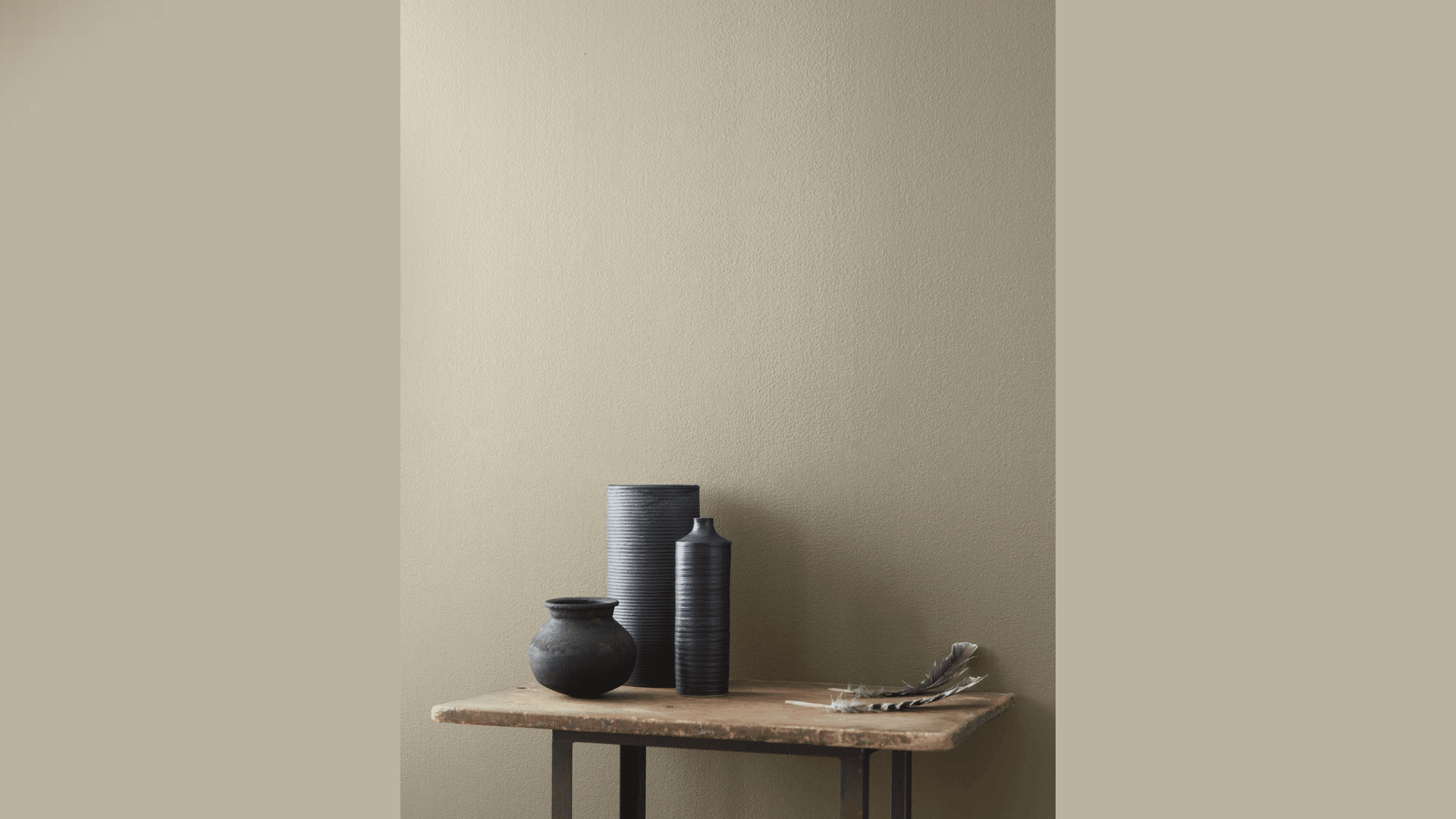
Choosing a paint color can feel tricky, and it’s easy to get confused with Benjamin Moore’s huge collection. And with all those choices, one shade that stands out for its calm feel and easy style is Pashmina.
If you’re searching for a warm neutral that feels calm but still has depth, Pashmina is one you should look at closely.
In this review, I’ll walk you through its tone, how it acts in different lighting, and what makes it stand out from other popular neutrals.
You’ll also see how it compares to other colors, which finishes work best, and where it fits in today’s styles.
By the end, you’ll know if Pashmina is a color you want to test in your own home and how it might work in your rooms.
Color and Product Overview of Pashmina
Pashmina is a warm neutral from Benjamin Moore that sits between taupe and greige, giving it a soft, balanced look.
The brand classifies it as part of its Affinity collection, which includes colors made to work well together. Pashmina is a mid-tone shade, so it has more depth than many light neutrals but still feels easy to use.
It sits in the neutral spectrum as a color that isn’t too gray or too brown, making it a steady choice for living rooms, bedrooms, and other everyday spaces.
You won’t see sharp shifts in its appearance, but you will notice a gentle warmth that makes rooms feel settled.
It works well when you want a neutral that has presence without feeling heavy. Pashmina gives you a grounded look while staying simple enough to use in many homes.
LRV and Technical Specifications of Benjamin Moore’s Pashmina
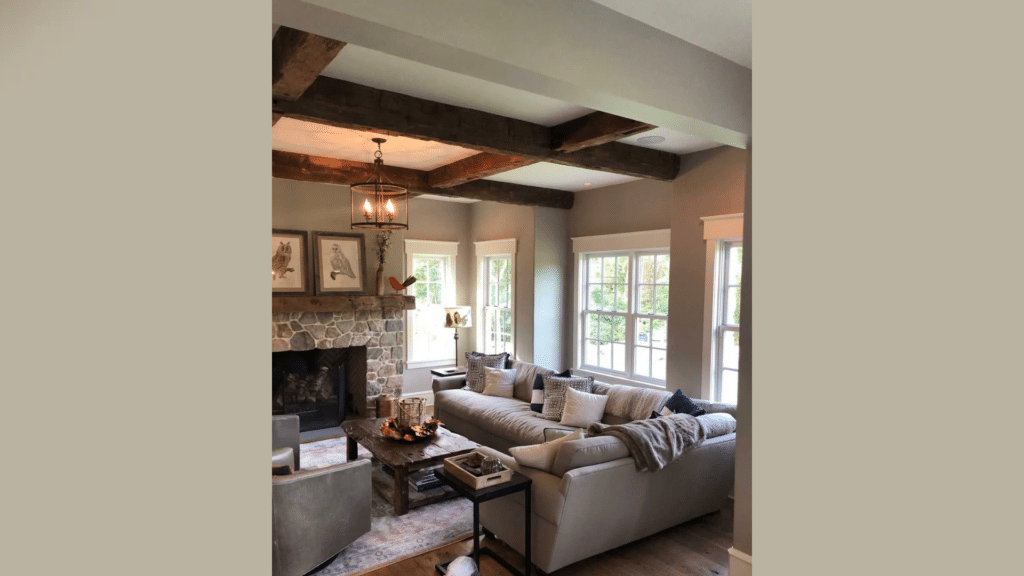
LRV, or Light Reflectance Value, shows how much light a paint color reflects on a scale from 0 to 100.
A higher number means a brighter color. Pashmina has an LRV of 44, which places it in the mid-range.
This means it won’t brighten a room the way a light gray or off-white would, but it also won’t make a space feel dark unless the room already lacks natural light.
Its depth gives it a steady look, and it holds its color well even as lighting changes. In bright rooms, Pashmina looks soft and warm. In dim rooms, it settles into a slightly deeper tone.
Its LRV makes it a good choice when you want a neutral that shows some body without overwhelming the space.
This balance is why many homeowners find it easy to work with.
Key Features that Define Pashmina by Benjamin Moore
Pashmina has a steady mix of warmth and depth that makes it easy to use in many homes. It sits in the middle of the neutral range, giving rooms a soft look that doesn’t feel flat or too bold.
1. Warmth and Depth
Pashmina brings a warm base with enough depth to give rooms a settled and steady look.
It doesn’t wash out in bright light, and it doesn’t feel too heavy in darker rooms. This balance helps the color stay clear and calm throughout the day.
You can use it in living rooms, bedrooms, hallways, or even open layouts where you want a warm tone that doesn’t overwhelm the space.
It’s a shade that feels safe but still has character.
2. More Refined than Common Taupes or Greiges
Pashmina feels more refined because it avoids the strong undertones that many taupes and greiges show.
Some neutrals shift toward yellow, pink, or green, but Pashmina stays more controlled. This gives it a smoother and cleaner look on the wall.
Its depth also helps it feel more intentional, making rooms look more put-together without much effort.
You get a grounded neutral that feels simple and steady, which is why many people like it for main living areas and long-term use.
3. How It Works with Different Decor Styles
Pashmina works well with many decor styles because it sits comfortably in the background.
It pairs easily with warm woods, black metal accents, soft fabrics, and simple trim colors. It can support modern, farmhouse, Scandinavian, and traditional spaces without feeling out of place.
This flexibility makes it a good choice for whole-home color plans.
If you have mixed furniture or changing decor, Pashmina adjusts smoothly and gives you a stable base to build on.
Undertones and Lighting Behavior
Pashmina has soft brown and gray undertones that give it a warm but steady look. It doesn’t lean heavily toward one direction, which helps it stay easy to work with.
In natural light, Pashmina can look lighter and a bit warmer, especially in south-facing rooms.
In north-facing rooms, it may look slightly cooler but still balanced.
Under artificial light, warm bulbs bring out more of its brown side, while cooler bulbs make the gray tones show a little more.
These shifts are gentle, not dramatic, but they matter when choosing where to use them.
Pashmina works best when you test it in morning and evening light so you can see how it behaves in your home. This helps you understand how the color reacts before you commit to painting a full room.
How Pashmina Compares to Similar Colors?
These comparisons help you see how Pashmina fits beside other well-known neutrals. This makes it easier to understand which shade works best for your space.
| Color Compared | Key Differences | When Pashmina Is the Better Choice |
| Revere Pewter (HC-172) | Revere Pewter is lighter with a cooler feel. It leans more gray. | Choose Pashmina when you want a warmer, deeper neutral that feels more settled. |
| Edgecomb Gray (HC-173) | Edgecomb Gray is softer and brighter. It reflects more light. | Pick Pashmina if you need a color with more depth and a stronger presence on the wall. |
| Paleo Taupe (2107-50) | Paleo Taupe leans more brown and can look heavier. | Go with Pashmina when you want warmth without the room feeling weighed down. |
| Balboa Mist (OC-27) | Balboa Mist is lighter and cooler with slight purple hints. | Use Pashmina if you prefer a warm, steady neutral that avoids cool shifts. |
Mistakes to Avoid when Using Pashmina
These quick tips help you get better results and prevent issues that can change how the color looks in your home.
- Skipping sample tests in different lighting, which can make the color feel warmer or cooler than expected.
- Pairing it with whites that have strong yellow or pink tones can make Pashmina look muddy.
- Using high-gloss finishes on large walls creates glare and makes the color look uneven.
- Painting it in very low-light rooms without checking depth first, because it may look heavier in dark corners.
- Mixing it with decor that has clashing undertones, especially cool grays or icy blues.
- Forgetting to compare it against your flooring, since warm wood floors pull more brown and cool tile may bring out more gray.
What People Say About Using Pashmina?
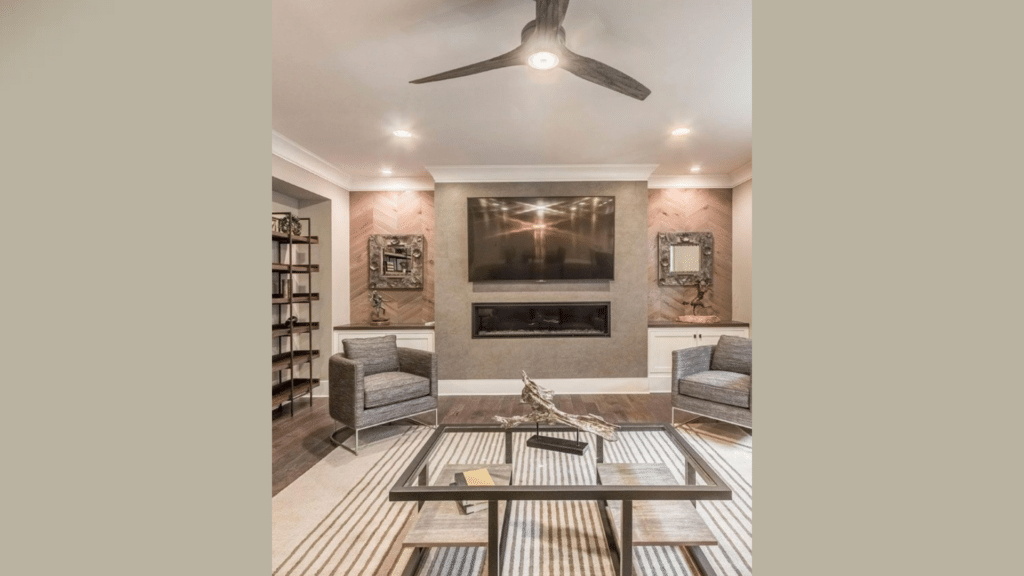
Many homeowners look at Pashmina when they want a warm, earthy neutral that feels grounded without looking dated.
In a recent Reddit discussion, people comparing greige and taupe shades said they wanted something warmer than “millennial gray” but still simple enough for older homes.
Pashmina came up often because it adds warmth without going too brown.
Some mentioned worrying it might be too dark, but others liked its depth, especially in homes with a lot of white they wanted to soften.
Users also compared it to colors like Smokey Taupe, Stone Hearth, Accessible Beige, and Bungalow Beige. The common theme was wanting a color that feels designed, not builder-basic.
Testing Pashmina in different light was a key tip, since its mix of gray and brown shifts slightly through the day.
Conclusion
Pashmina is a steady, warm neutral that gives you a grounded look without feeling too dark or too plain.
It works well in many homes because it stays calm in most lighting and pairs easily with different styles and materials.
Its depth, simple undertones, and easy flexibility make it a shade you can trust in main living areas or rooms where you want a warm, settled feel.
If you’re still unsure, start with samples and test them throughout the day to see how the color behaves in your space.
Once you try it, you’ll get a clearer sense of whether it’s the right fit for your home.
If you’ve used Pashmina before, share your experience in the comments below. Your input can help others decide with more confidence.