

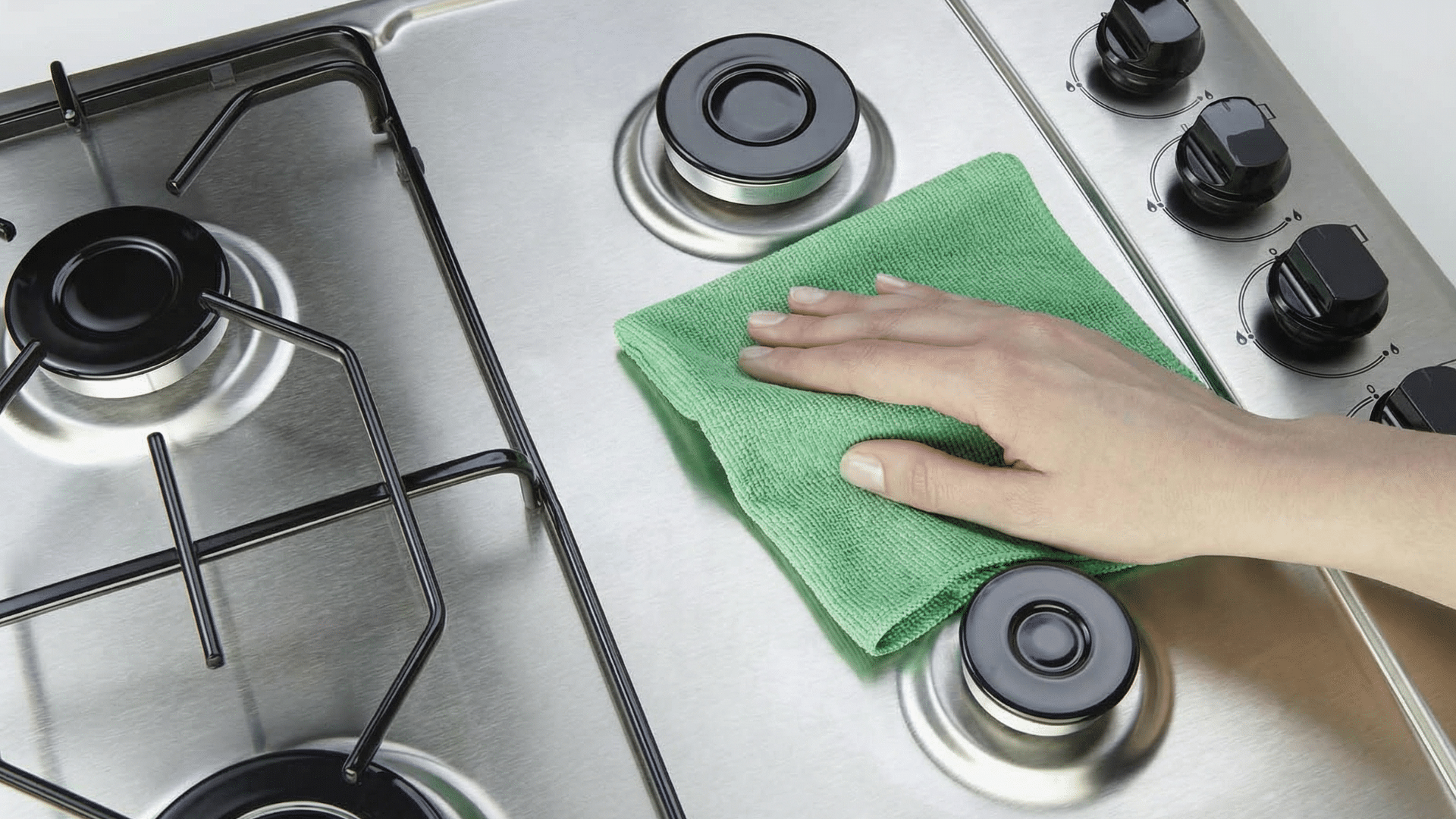
Scratches on stainless steel can make a clean surface look worn and faded. These marks often come from daily use, cleaning tools, or sliding objects across the metal.
Over time, even light scratches can stand out and change the overall look. Stainless steel is strong, but it still needs proper care.
The good news is that scratches are not always permanent. With the right approach, the surface can improve without major effort.
This guide focuses on practical methods that are easy to follow at home. Careful steps can help restore a smooth appearance and improve the shine again.
What Causes Stainless Steel Scratches?
Before learning how to fix them, it helps to know how stainless steel scratches form. Here are some common causes:
- Using steel wool or harsh scrubbers
- Dragging sharp or rough objects across the surface
- Wiping with dirty cloths that have grit or sand
- Cleaning with powders or strong chemicals
- Washing without drying, which leaves water spots and marks
Knowing the cause helps prevent future damage once you fix the current scratches.
Types of Scratches on Stainless Steel
Scratches on stainless steel can vary by depth and how they were made. Understanding the type helps you choose the right way to fix them.
| Scratch Type | What It Looks Like | Common Causes | Fix Level |
|---|---|---|---|
| Light | Very thin lines on the surface; not deep | Wiping with rough cloths or paper towels | Easy to fix |
| Medium | Visible marks that can be felt with a finger | Utensils, pots, and rough cleaning tools | Takes more effort |
| Deep | Cuts into the metal; often sharp or wide marks | Dropping heavy items, deep scrapes, or strong abrasives | Hard to fix; may need pro help |
Tools and Supplies You May Need
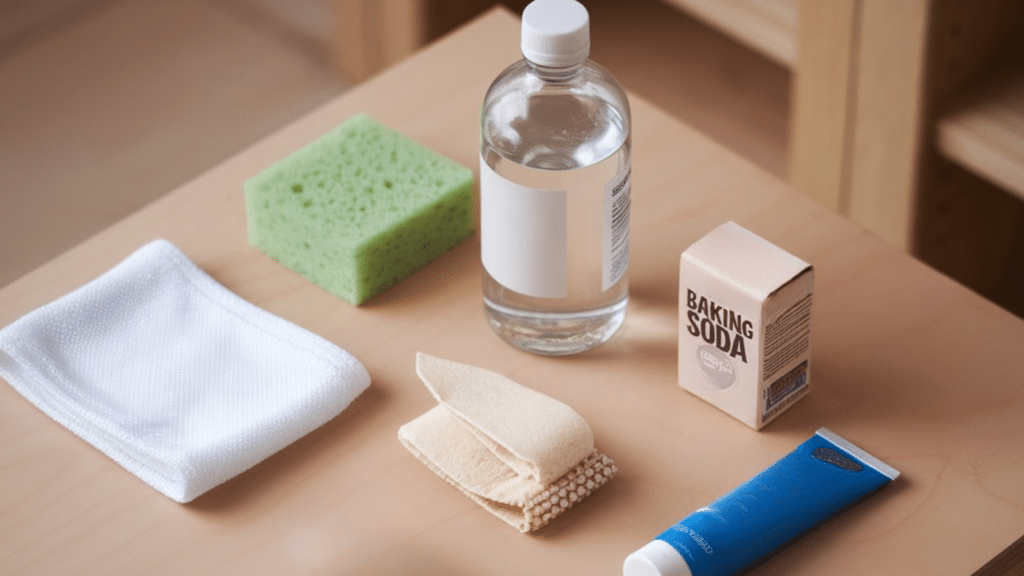
- Microfiber cloths
- Soft sponge
- Baking soda
- Vinegar
- Olive oil or mineral oil
- Non-abrasive cleaner
- Commercial scratch remover
- Toothpaste (non-gel, plain)
- Sandpaper or sanding pad (fine grit, like 400–600)
- Water
Note: Always check your product’s manual before using any cleaner. Some stainless steel finishes are more delicate than others.
How to Fix Light Stainless Steel Scratches
Light scratches are typical and easy to treat at home. You don’t need strong tools or harsh products. With a few gentle methods, you can make the surface look smooth and clean again.
1. Using Baking Soda Paste

Baking soda is gentle but helpful for removing light marks.
Steps:
- Mix 1 tablespoon of baking soda with a bit of water to form a paste.
- Apply the paste to the scratch using a soft cloth.
- Rub gently in the direction of the grain.
- Wipe off with a damp cloth.
- Dry with a clean towel.
This method is safe and works well on sinks and appliances.
2. Using Toothpaste
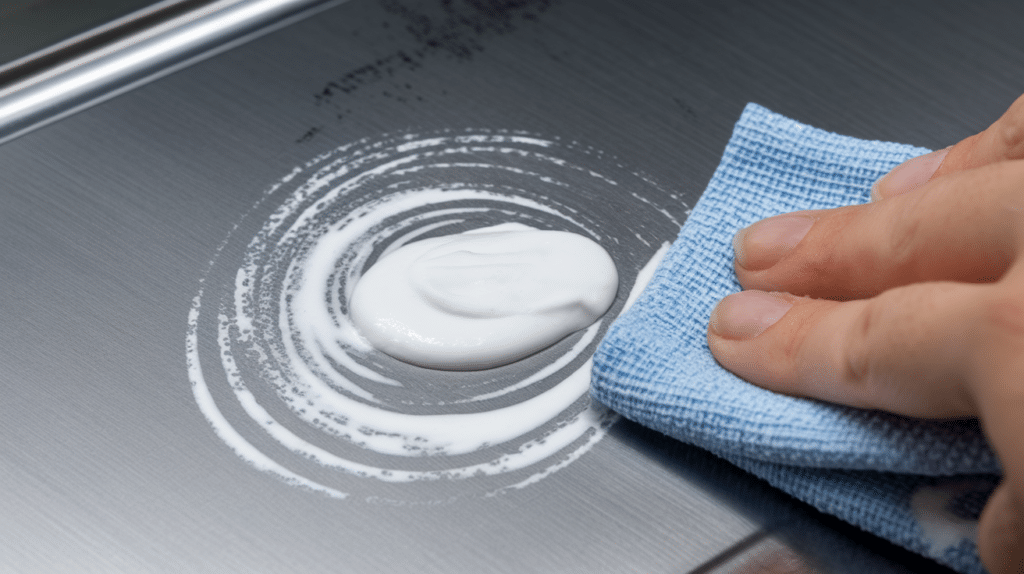
Plain white toothpaste is also slightly abrasive and can work on light scratches.
Steps:
- Put a small amount of toothpaste on a soft cloth.
- Rub it along the grain over the scratch.
- Wipe with a damp cloth.
- Dry the area.
You may need to repeat this once or twice.
3. Vinegar and Oil Method
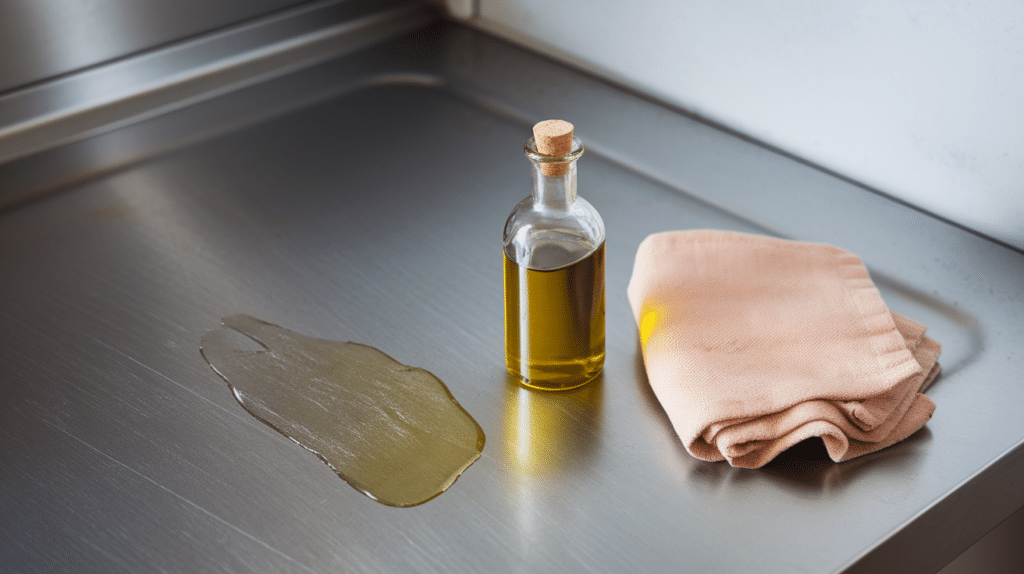
This method does not remove scratches but makes them less visible.
Steps:
- Spray white vinegar onto the area.
- Wipe it clean with a soft cloth.
- Add a few drops of olive oil or mineral oil.
- Buff the area along the grain.
This method helps make light scratches blend in with the rest of the metal.
How to Fix Medium Stainless Steel Scratches
For deeper marks, a bit more work is needed. Always test a small area first.
1. Non-Abrasive Cleaner and Cloth
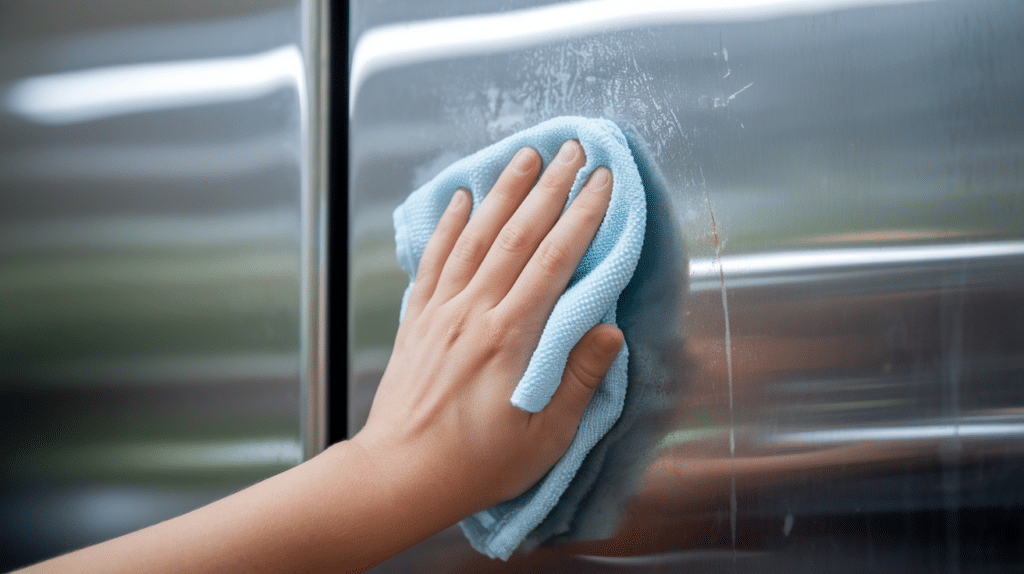
Some products are made just for stainless steel scratches.
Steps:
- Use a cleaner marked “non-abrasive” or “for stainless steel.”
- Apply it to a microfiber cloth.
- Rub along the grain.
- Wipe away extra product with a clean cloth.
2. Commercial Scratch Remover Kit

You can find kits online or in stores made just for this task.
Steps:
- Follow the kit instructions carefully.
- Use the pads or cloths in the direction of the grain.
- Wipe clean between steps.
Some kits come with different levels of pads for light, medium, and deep scratches.
How to Reduce Deep Stainless Steel Scratches
You may not be able to remove deep scratches entirely at home, but you can make them less visible.
1. Using Fine Sandpaper
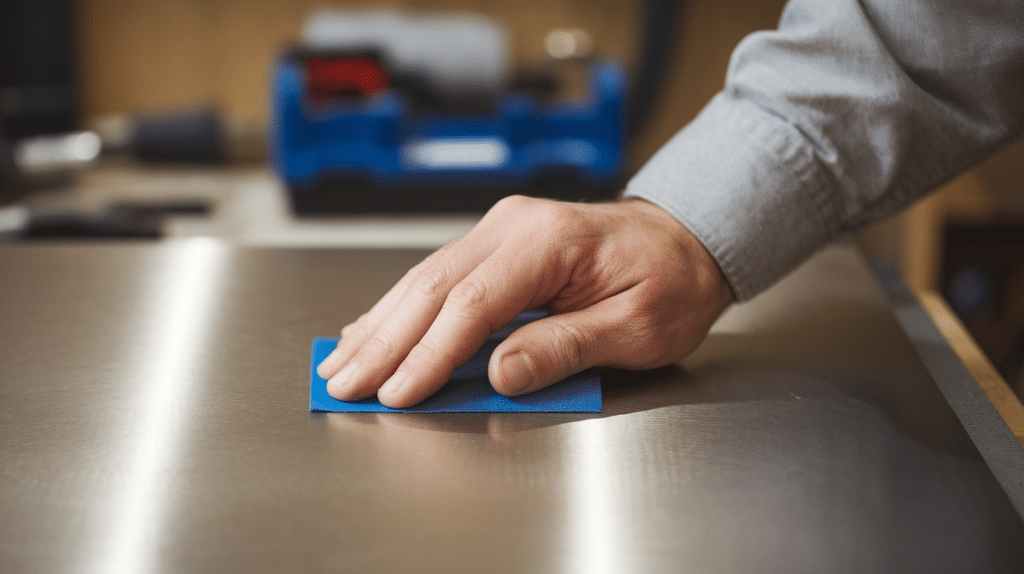
This method needs care. Use only on brushed stainless steel, not shiny finishes.
Steps:
- Use fine-grit sandpaper (400 to 600).
- Wrap the paper around a soft sponge for control.
- Lightly sand with the grain only.
- Check often to avoid overdoing it.
- Clean with a damp cloth and dry well.
Warning: This can change the surface look if done too hard. Always test a small area first.
How to Protect Stainless Steel After Scratch Removal
After removing scratches, it’s important to keep your stainless steel protected. Always use a soft cloth or sponge for cleaning, never rough scrubbers.
Wipe in the direction of the grain to avoid new marks. Avoid strong cleaners like bleach or powder scrub, as they can damage the surface.
Use mild soap and warm water instead. Dry the surface after cleaning to prevent water spots. Every now and then, rub a small amount of olive oil or stainless steel polish onto the surface.
This keeps it shiny and helps hide minor marks. Taking these steps can help keep stainless steel looking smooth and clean for longer.
When to Call a Pro
If the scratch is:
- Very deep
- Covers a large area
- On a costly appliance
- In a hard-to-reach spot
Then it may be best to call a professional. They can use special tools to refinish the metal safely.
To Conclude
Fixing stainless steel scratches doesn’t have to be hard. With the right method and a little care, surfaces can look better again.
From using baking soda to store-bought kits, there’s a solution for almost every mark. What matters most is using the right tools and following the grain.
After cleaning up the damage, it’s just as essential to protect the surface moving forward. Small habits like wiping with soft cloths and using gentle cleaners can go a long way.
Ready to get started? Try one of these easy methods today and see the difference for yourself. For more home tips, browse our latest DIY posts.
Frequently Asked Questions
Will Scratches on Stainless Steel Go Away on Their Own?
No. Scratches will stay unless removed or hidden. Regular cleaning can prevent more marks from forming.
Is it Safe to Use a Scratch Remover on All Stainless Steel?
Not always. Some stainless steel surfaces have a glossy or coated finish. Always test a small spot first or check the manual.
How Do I Know Which Way the Grain Goes?
Look closely under good light. You’ll see faint lines running in one direction. That’s the grain. Rub and clean along these lines only.