

]
Adding a room to a house is a big decision. It’s one of those projects that can change how a family lives and uses their space.
But before anyone starts knocking down walls or calling contractors, there’s one question that needs an answer: what’s this going to cost?
The price tag varies quite a bit. Location matters. The type of room matters. And the materials chosen make a difference, too. Some homeowners spend a modest amount, while others invest significantly more.
This blog breaks down the factors that influence the final bill and helps readers understand what to expect when planning a room addition.
What is the Average Cost of a Room Addition?
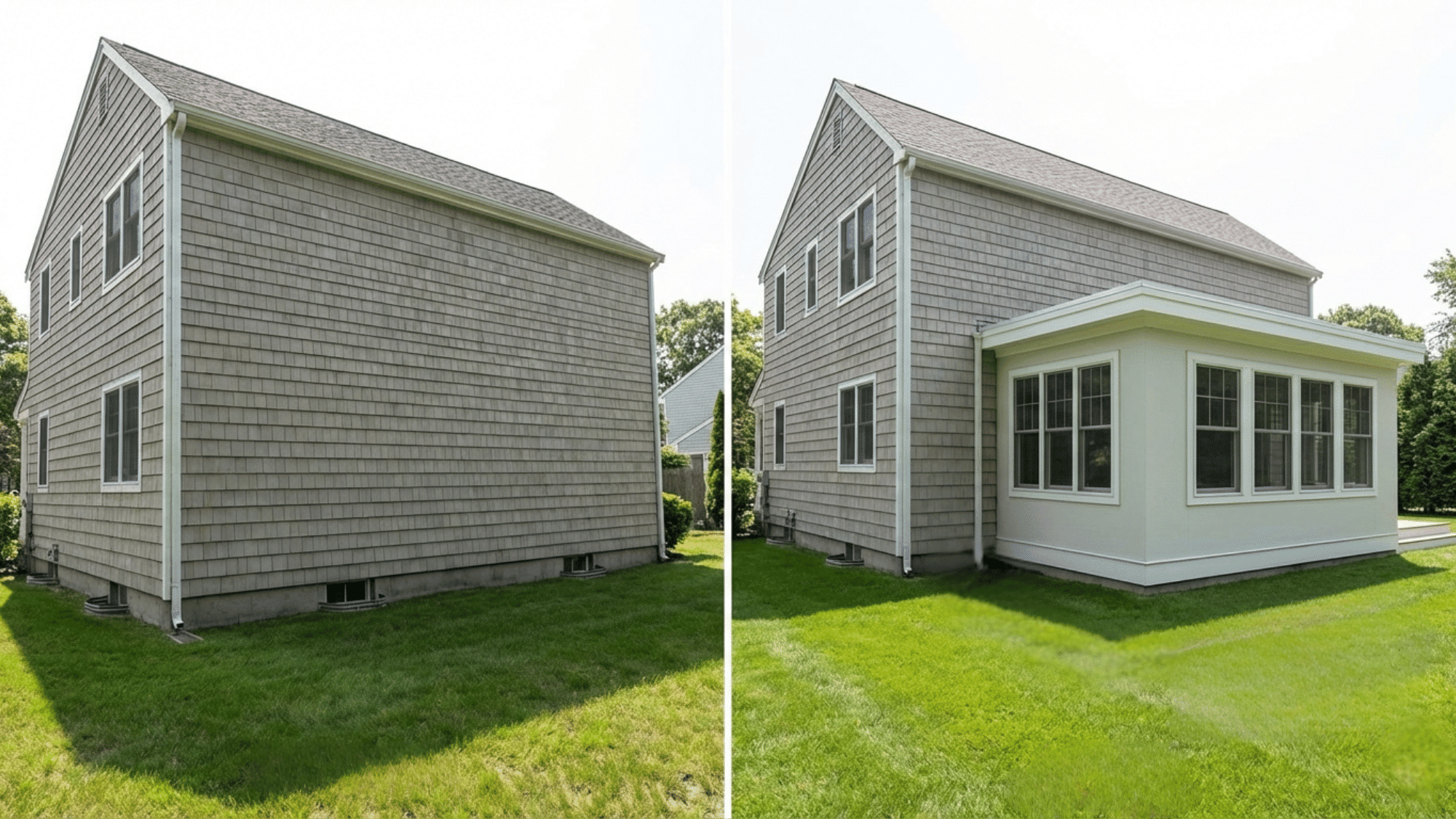
A room addition means building extra space onto an existing house. It’s not just a renovation; it’s actual new construction that expands the home’s footprint or adds a level.
The most common types include bedroom additions, bathroom expansions, sunrooms, family rooms, and home office spaces. Some people add a second story, while others build out from the main floor.
On average, homeowners spend between $22,500 and $74,000 for a room addition.
Most projects fall around $48,000. The final cost depends on size, materials, labor rates, and how fancy the finishes are. A basic bedroom costs less than a luxury bathroom with heated floors.
Cost Factors for Adding a Room
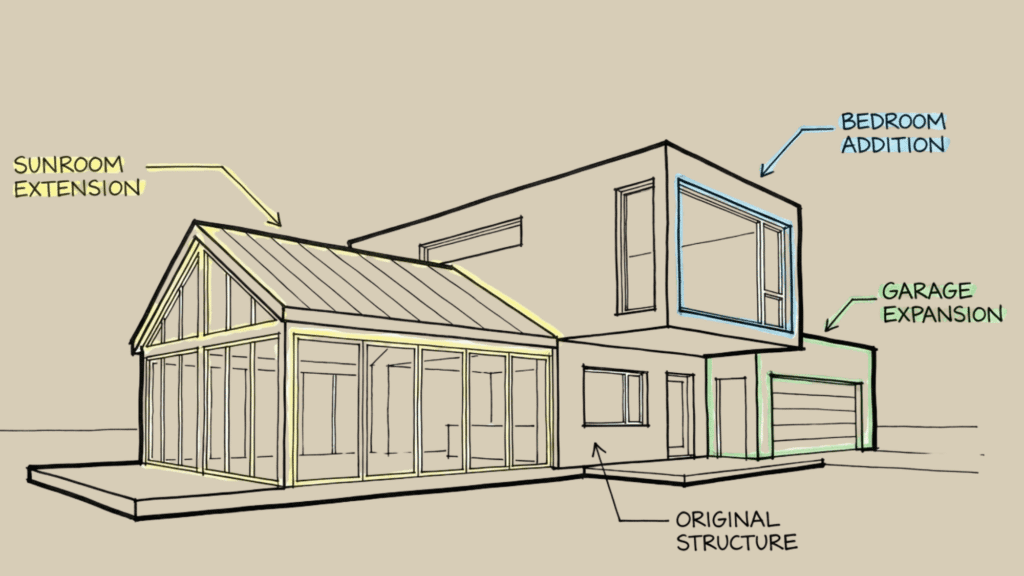
Several elements influence the total price of a room addition. Understanding these factors helps homeowners budget accurately and make informed decisions about their projects. Here’s what affects the bottom line.
1. Room Size
The square footage is the biggest cost driver. Contractors typically charge between $80 and $200 per square foot.
A small 12×12 bedroom costs far less than a 20×20 master suite. Larger rooms need more materials, more labor hours, and more time to complete.
The foundation, framing, drywall, flooring, and finishing all increase proportionally with size.
2. Room Type
Different rooms have different requirements. A basic bedroom is the most affordable option.
Bathrooms cost more because they need plumbing, ventilation, and waterproofing. Kitchens are the priciest due to electrical work, gas lines, appliances, and cabinetry.
Sunrooms fall somewhere in the middle, depending on whether they’re three-season or four-season structures with climate control.
3. Foundation Type
The foundation determines structural integrity and cost. A concrete slab is the cheapest option, running $4 to $7 per square foot. Crawl spaces cost $7 to $14 per square foot.
Full basements are the most expensive at $10 to $25 per square foot. Soil conditions and local building codes also affect foundation choices and prices.
4. Labor Costs
Labor typically accounts for 30% to 50% of the total budget. Rates vary by location and contractor experience.
Urban areas have higher labor costs than rural regions. General contractors charge $50 to $150 per hour. Specialized trades like electricians and plumbers command premium rates.
Getting multiple quotes helps homeowners find competitive pricing.
5. Materials and Finishes
Material choices dramatically impact the budget. Standard drywall, laminate flooring, and basic fixtures keep costs down.
Hardwood floors, custom cabinetry, and designer tiles push expenses higher.
Energy-efficient windows cost more upfront but save money long-term. The gap between budget and luxury finishes can add thousands to the project.
6. Permits and Inspections
Most municipalities require building permits for room additions.
Permit fees range from $500 to $2,000, depending on project scope and location. Inspections happen at various stages: foundation, framing, electrical, plumbing, and final walkthrough.
Some areas have strict zoning laws that limit what can be built. Skipping permits risks fines and complications when selling the house.
Roomwise Cost Breakdown of Addition
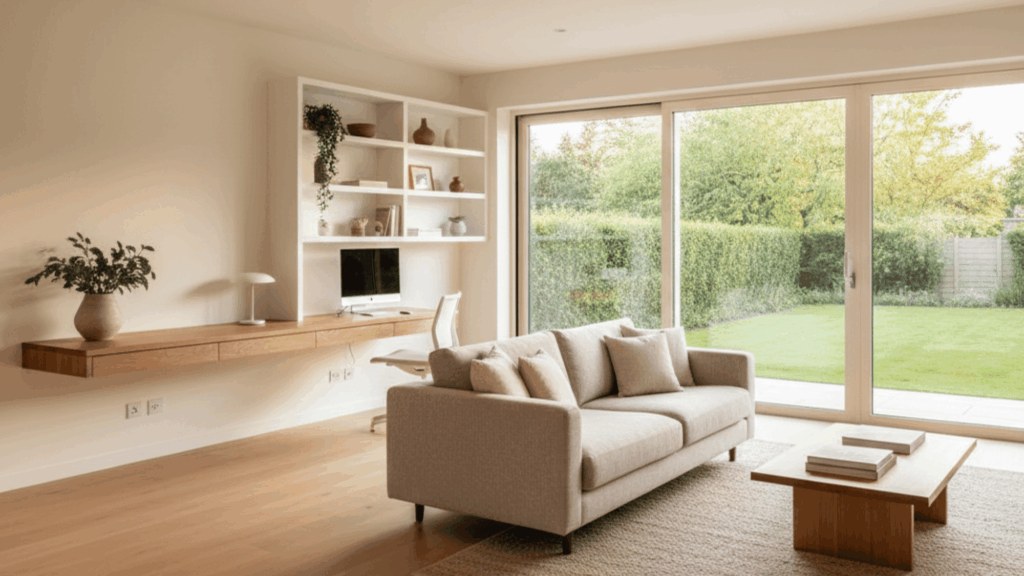
Different rooms come with different price tags. Here’s what homeowners can expect to pay based on the type of space they’re adding.
1. Bedroom Addition
Adding a bedroom typically costs $20,000 to $50,000. Basic bedrooms need framing, insulation, drywall, flooring, windows, and electrical outlets.
Master suites with walk-in closets and en-suite bathrooms push costs toward the higher end. Location and square footage make the biggest difference in final pricing.
2. Bathroom Addition
Bathroom additions range from $25,000 to $90,000. Half-baths are cheaper than full bathrooms.
Plumbing installation, waterproofing, ventilation fans, and fixture quality affect the budget. Luxury features like heated floors, soaking tubs, and custom tile work increase expenses significantly. Connecting to existing plumbing lines helps control costs.
3. Kitchen Addition
Kitchen additions are among the priciest, costing $50,000 to $150,000 or more. They require extensive plumbing, electrical work, gas lines, and ventilation systems.
Cabinetry, countertops, appliances, and flooring add up quickly. High-end finishes and custom designs push the budget even higher.
Second kitchens or kitchenettes cost less than full-scale installations.
3. Sunroom Addition
Sunrooms cost between $15,000 and $80,000. Three-season sunrooms without heating or cooling are more affordable.
Four-season rooms with climate control cost considerably more. Windows dominate the expense; large glass panels and energy-efficient glazing aren’t cheap.
Flooring choices and whether the room connects to existing HVAC systems also impact pricing.
4. Family Room or Living Room Addition
Family room additions run $30,000 to $100,000. These spaces need proper insulation, heating, and cooling integration. Built-in features like entertainment centers or fireplaces add to costs.
Open-concept designs that flow into existing spaces may require structural modifications. Vaulted ceilings and large windows increase both construction complexity and expense.
5. Home Office Addition
Home office additions cost $20,000 to $60,000. They need adequate electrical outlets, internet connections, and good lighting. Soundproofing adds expense but improves functionality.
Built-in shelving, desk areas, and storage solutions can increase costs.
Smaller offices on the lower end of square footage keep budgets manageable while still providing dedicated workspace.
6. Garage Conversion
Converting an existing garage costs $10,000 to $30,000, less than building from scratch. The structure already exists, saving foundation and framing expenses.
Projects need insulation, drywall, flooring, heating, and cooling.
Adding windows and proper doors improves livability. Losing parking space is the main tradeoff, but the cost savings make conversions an attractive option.
DIY Room Addition Costs vs. Hiring Contractors
Some homeowners consider tackling a room addition themselves to save money. While DIY projects can cut labor costs by 30% to 50%, they’re not always the smart choice for something this complex.
A professional contractor brings expertise, proper tools, and knowledge of building codes. They handle permits, inspections, and coordinate different trades like electricians and plumbers.
Most importantly, they carry insurance that protects homeowners if something goes wrong. The work gets done faster and meets safety standards.
DIY room additions work best for people with serious construction experience.
Small projects like converting existing space are more manageable than building from scratch. But structural work, electrical systems, and plumbing really need professional hands.
Mistakes cost more to fix than hiring experts from the start.
Most homeowners find a middle ground; hiring contractors for technical work while handling simpler tasks like painting or installing fixtures themselves. This approach saves money without compromising quality or safety.
Getting quotes from multiple contractors helps find fair pricing while ensuring the job gets done right.
Unseen Room Addition Expenses & How to Budget Wisely
Beyond the obvious construction costs, room additions come with hidden expenses that catch homeowners off guard. Planning for these extras and budgeting smartly prevents financial surprises during the project.
- Add 10% to 20% to the budget as a contingency fund for unexpected issues like structural problems or code upgrades.
- Factor in temporary living expenses if the construction disrupts kitchen or bathroom access during the project.
- Budget for landscaping repairs since heavy equipment and construction activity damage lawns, plants, and hardscaping.
- Include costs for upgrading electrical panels or HVAC systems to handle the additional room’s demands.
- Plan for increased property taxes since the added square footage raises the home’s assessed value.
- Account for furniture, window treatments, and decor needed to make the new space functional and livable.
To Conclude
Room additions aren’t cheap, but they’re often worth the investment. They solve space problems without the hassle of moving. Families get the extra room they need while staying in neighborhoods they love.
The key is planning ahead. Know what the project costs before breaking ground. Budget for the obvious expenses and the hidden ones, too.
Get multiple contractor quotes. Don’t cut corners on permits or quality materials; those decisions come back to haunt homeowners later.
A well-executed room addition increases property value and improves daily life. It’s a significant project, sure, but with proper planning and realistic budgeting, it transforms a house into precisely what a family needs.