


Homeowners often hear about egress windows when planning a basement or bedroom remodel. These windows are not just for light or air.
They play a big role in home safety. In an emergency, they give people a way out and help rescue teams get in. That’s why building codes have rules about them.
Figuring out the correct size can be tricky at first. It’s not always clear what the rules mean. This guide will help clear up the basics.
It explains why egress windows matter and what the rules usually require. Knowing this information can help homeowners stay safe and meet the rules during home projects.
What is an Egress Window and Why is it Important?
An egress window is a window that gives people a safe way to exit a room during an emergency. It also helps rescue workers get inside if needed.
These windows are usually found in bedrooms and finished basements. The word “egress” means “exit,” so an egress window is meant to be a way out.
They are more than just a source of light and air. In many places, egress windows are required by law.
Building codes set size and safety rules to make sure they work during a fire or flood. Without one, a room may not pass inspection. This can affect safety, home sales, or renovation plans. Their main job is to save lives.
Where are Egress Windows Required?
Not every window must be an egress window. But certain rooms must have them. Here are the common areas where egress windows are required:
- Basements with finished living space
- Bedrooms in basements or above ground
- Rooms used for sleeping or living
If a room is used as a bedroom, even if it’s in the basement, it must have a window that meets egress window size rules. If you are remodeling a cellar and adding a bedroom, you will likely need to install one.
Minimum Egress Window Size Requirements
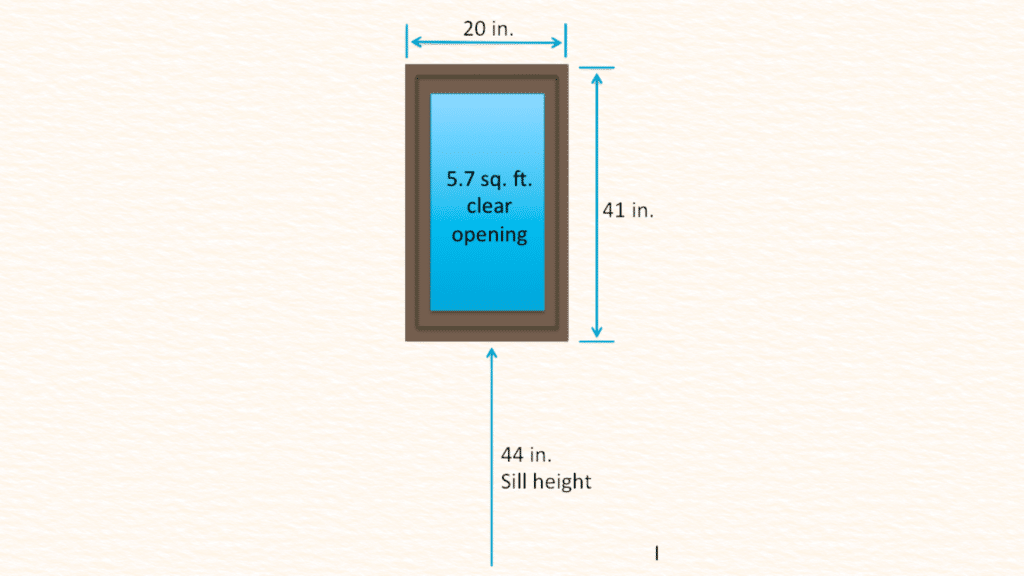
To follow building codes, an egress window must meet several size rules that make it safe and easy to use during an emergency. Here are the main measurements to know:
Minimum opening width: 20 inches
Minimum opening height: 24 inches
Minimum clear opening area:
- 5.7 square feet for upper floors
- 5.0 square feet for ground floors or basements
Maximum sill height from the floor: 44 inches
These size rules are meant to ensure that a person can fit through the window and escape quickly. Just having the minimum width or height alone isn’t enough.
For example, a window that is 20 inches wide and 24 inches high only gives about 3.3 square feet of space, well below the required opening area. To meet the whole area rule, the window usually needs to be wider or taller than the minimum.
The clear opening is the usable space when the window is fully open. That’s what matters, not the size of the glass or frame.
The sill height must also be low enough (no more than 44 inches from the floor) so someone can reach the window and climb out without help.
Common Egress Window Sizes
The following window sizes are commonly used for egress, though the final approval depends on the usable opening.
- Casement Window: 24″ wide x 41″ high
- Sliding Window: 48″ wide x 36″ high
- Double-Hung Window: 30″ wide x 60″ high
The actual clear opening depends on how much of the window opens. That’s why not all windows of the same size meet code.
Types of Egress Windows
Not all windows work well for emergency exits. The way a window opens plays a big role in whether it meets egress window size rules. Below are the most common types of egress windows, with clear details on how each one works.
Casement Windows
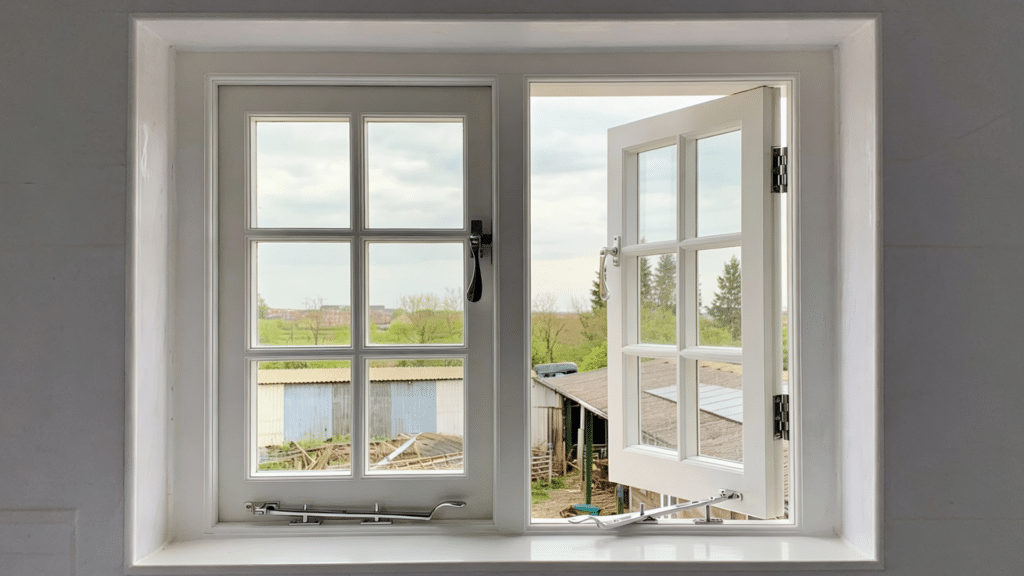
Casement windows open outward like a door, usually with a hand crank. Because the entire window opens, they often provide a large and clear exit space.
This makes them one of the best choices for meeting egress window size rules. They are very popular in basements where wall space is limited.
Even a smaller casement window can meet code because nothing blocks the opening when it is open. They are also easy to use in an emergency.
Double-Hung Windows
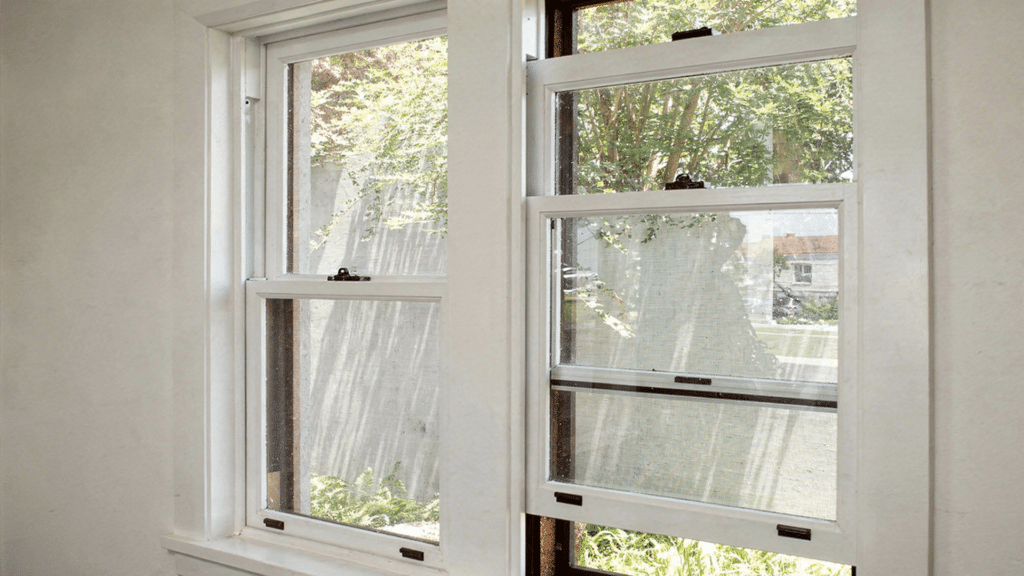
Double-hung windows have two sections that slide up and down. Only one half of the window opens at a time, which limits the clear opening space.
Because of this, many double-hung windows do not meet egress window size rules unless they are very tall. These windows are common in bedrooms on upper floors.
Homeowners must be careful when choosing this type and should always measure the clear opening, not the full window size.
Sliding Windows
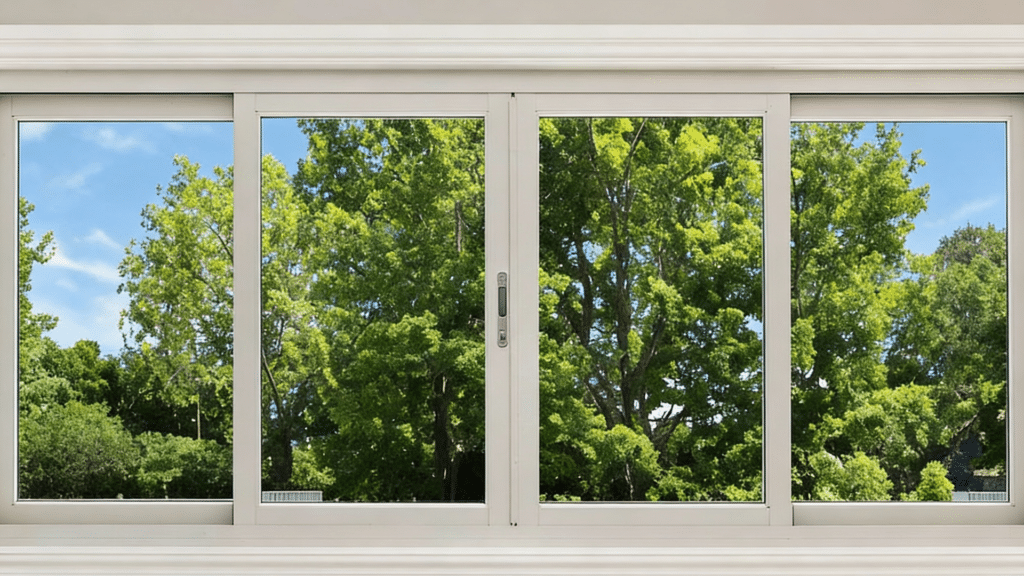
Sliding windows open by moving one panel sideways. Like double-hung windows, only part of the window opens, which reduces the usable exit space.
To meet egress rules, sliding windows usually need to be wider than other window types. They are easy to operate and are often used in basements or ground-level rooms.
The key is making sure the open section is wide enough for a person to pass through safely.
Awning Windows
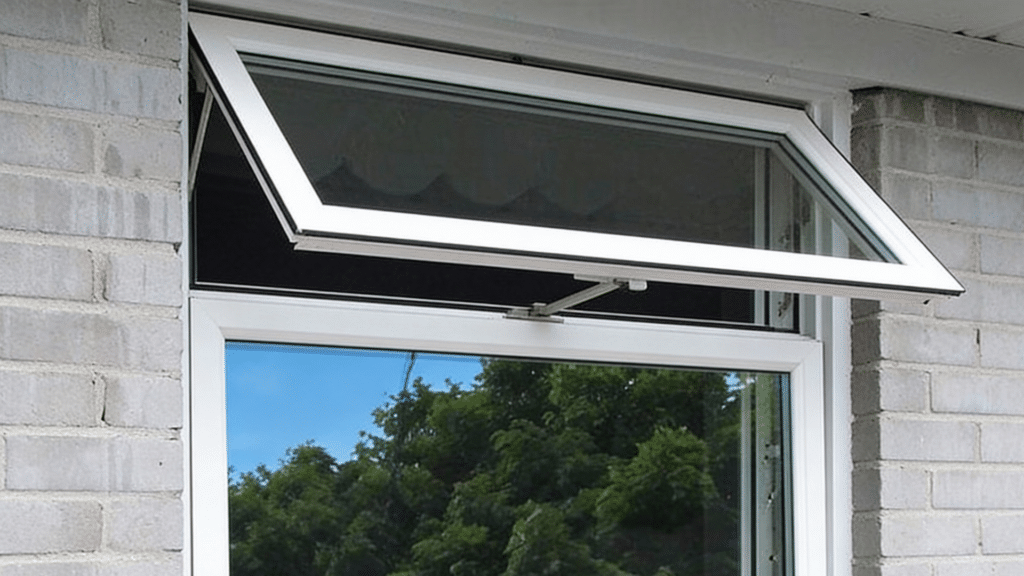
Awning windows open outward from the bottom and are hinged at the top. While they are good for airflow, they usually do not work as egress windows.
When open, the glass panel blocks part of the exit path, making it hard or unsafe to climb out.
Because of this, most building codes do not allow awning windows to be used for egress. They are better suited for bathrooms or other non-living spaces.
Egress Windows in Basements
Basement windows must follow the same egress rules. But they also need something extra, a window well.
A window well is a small space dug around the basement window. It keeps dirt away and lets light in. For egress, it must meet these size rules:
- Minimum projection from window: 36 inches
- Minimum width: 36 inches
- Must allow the window to open fully
Window Well Ladder Requirement
If the window well is deeper than 44 inches, it must have a built-in ladder or steps. This ladder:
- Must be at least 12 inches wide
- Cannot block the window
- Must be easy to use
This helps people climb out safely during an emergency.
Egress Window Size and Local Building Codes
Egress window size rules come from the International Residential Code (IRC), which many states and cities use as a base.
These rules cover opening width, height, clear area, and sill height. The IRC is updated every few years, so it’s a good idea to check the latest version before starting any project.
However, local rules may vary. Some areas add extra safety requirements or make exceptions based on climate, housing type, or building age. For example:
- California and New York usually follow the latest IRC closely
- Chicago has stricter rules for multi-family homes
- Denver offers detailed guides for basement egress standards
Always contact your local building office to make sure your window plans meet the code in your area.
Tips for Choosing the Right Egress Window
Picking the right egress window is not just about size; it’s also about safety, function, and code compliance. Here are some simple tips to help you make the right choice:
- Check your local code first: Rules can vary by city or state, so always verify what’s required in your area.
- Make sure the window type allows full opening: The window must open wide enough for a person to fit through.
- Measure the clear opening area, not just the frame: Only the open space counts toward meeting code.
- If installing in a basement, plan for a window well and ladder: These are required for below-ground egress.
- Choose a style that fits your room: Casement windows are a good fit for tight basement spaces.
- Hire a licensed contractor for cutting concrete walls: Basement installs often require cutting into the foundation, which a pro should do.
To Conclude
Adding an egress window isn’t just about following rules; it’s about smart planning. It affects how your space feels, how it functions, and how it passes inspection.
A window that meets code can also bring in more light and make a basement room feel more like part of the home. But size and style both matter, especially when space is tight.
Knowing the basics helps you make better choices before calling a contractor or buying materials.
With the right window in place, your room can be safe, legal, and comfortable. Still unsure about your next step? Talk to a building expert or permit office before starting your project.