

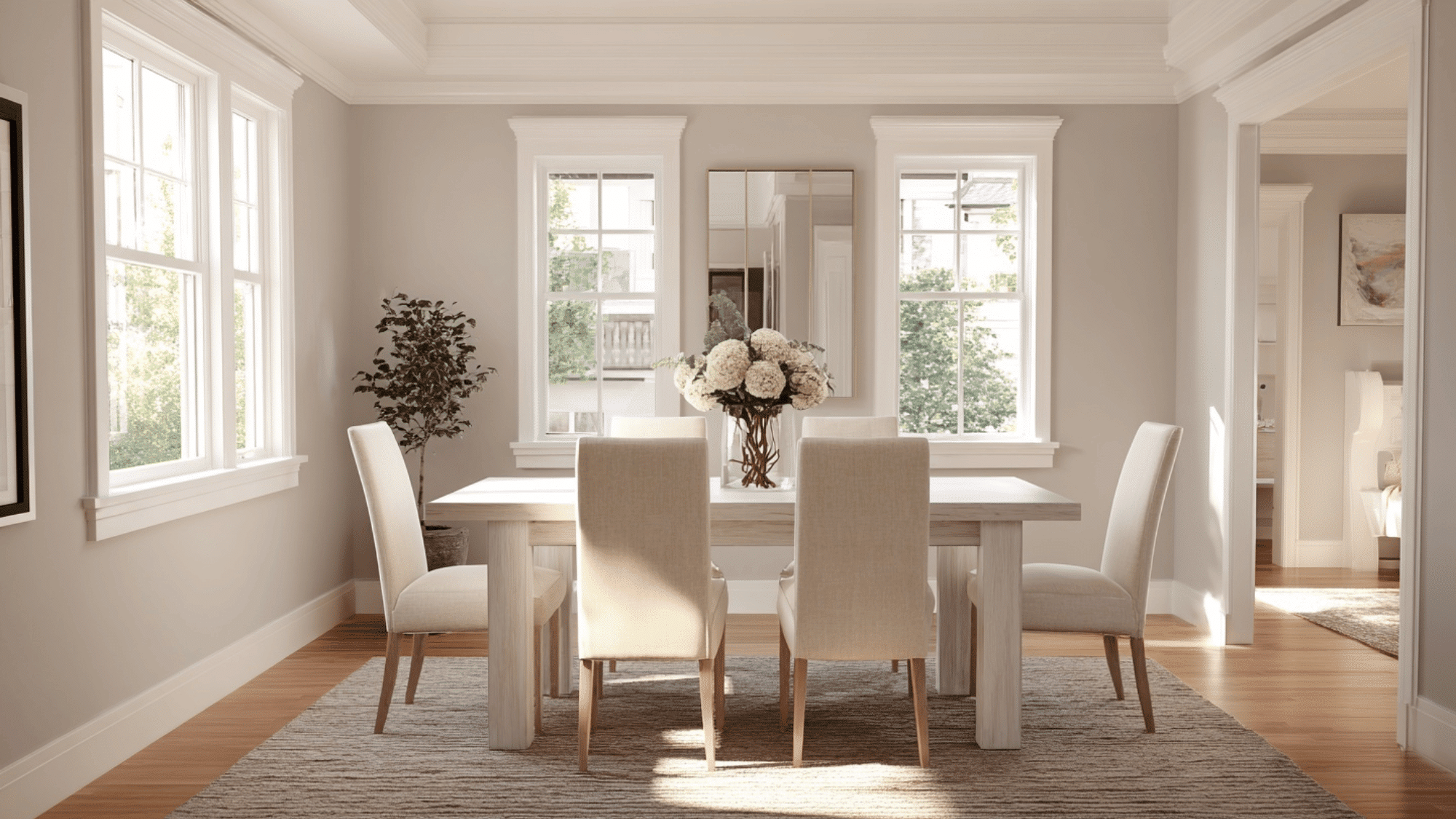
Ever tried squeezing a dining table into a space that didn’t work? Or maybe you’ve dealt with a coffee table that felt way too big for your living room.
Tables come in all shapes and sizes, but picking the right one isn’t always easy. The thing is, there are standard dimensions that can make life a whole lot simpler.
Getting these measurements right means your space feels balanced, functional, and actually comfortable to use.
No more awkward gaps or cramped corners. This blog breaks down the typical sizes for different table types so you can make wise choices for your home.
How to Measure Your Space for a Perfect Table Fit
Before shopping for any table, measuring the space is the first step. It sounds basic, but skipping this part leads to costly mistakes.
Start by measuring the room’s length and width where the table will go. Then factor in clearance space.
People need room to walk around, pull out chairs, and move comfortably. A good rule is to leave at least 36 inches of clearance on all sides for dining tables.
For coffee tables, 18 inches from the sofa works well. Grab a measuring tape, jot down the numbers, and keep them handy while shopping. It saves headaches later.
Standard Dining Table Dimensions
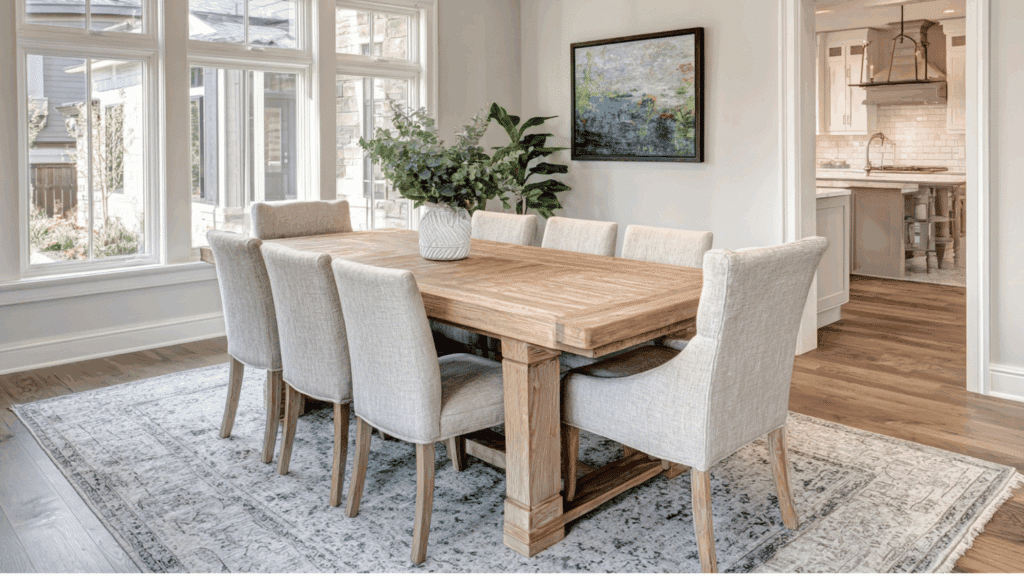
Dining tables are the heart of any eating area. Their size depends on how many people need seating and the room’s layout. Here are the standard dimensions to consider:
1. Rectangular Tables:
- 4-seater: 48″ L x 30″ W
- 6-seater: 72″ L x 36″ W
- 8-seater: 96″ L x 40″ W
- 10-seater: 120″ L x 42″ W
2. Square Tables:
- 2-seater: 30″ x 30″
- 4-seater: 36″ x 36″
- 8-seater: 60″ x 60″
3. Round Tables:
- 4-seater: 36″-48″ diameter
- 6-seater: 54″-60″ diameter
- 8-seater: 72″ diameter
Standard Height: 28″-30″ from floor to tabletop
Essential Home Table Dimensions Beyond Dining
Dining tables aren’t the only ones that matter. Homes need various table types, each with specific size standards for different spaces and purposes.
Picnic Table Dimensions for Outdoor Use
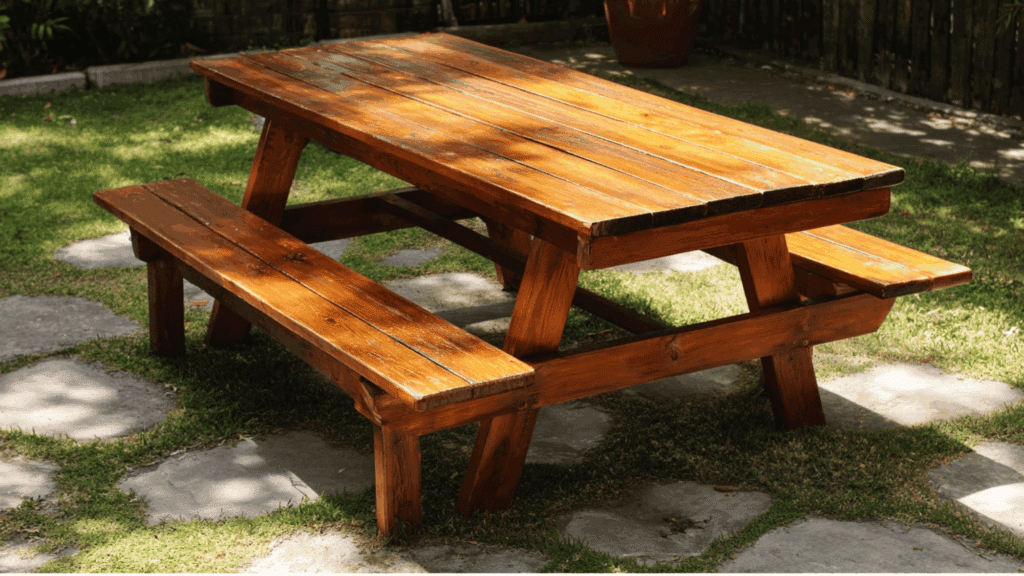
Picnic tables bring outdoor dining to backyards and patios. They’re built sturdy for weather and group gatherings. Most feature attached benches, making them space-efficient. Standard sizes accommodate families comfortably while fitting typical outdoor areas.
1. Rectangular Picnic Tables:
- 6-seater: 72″ L x 30″ W x 30″ H
- 8-seater: 96″ L x 30″ W x 30″ H
2. Bench Width: 9″-12″ wide
3. Bench Height: 17″-18″ from ground
4. Clearance Between Table and Bench: 12″-15″
5. Round Picnic Tables: 8-seater: 64″ diameter x 30″ H
Conference Table Dimensions by Room Size
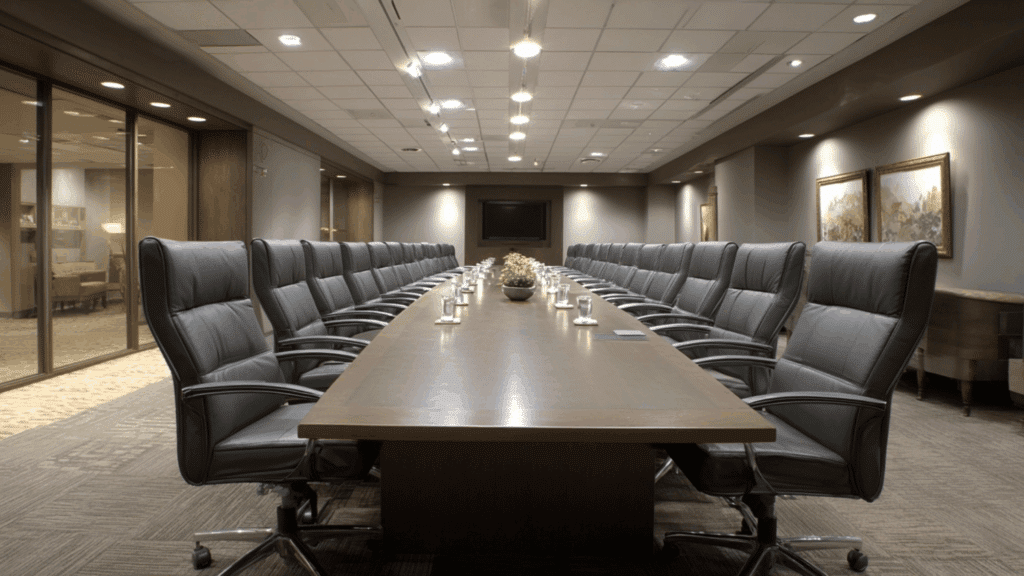
Conference tables anchor meeting spaces and require proper sizing for room capacity. The table should allow comfortable seating without crowding the room. Consider presentation equipment and walking space when choosing dimensions.
1. Small Meeting Rooms (6-8 people): 96″ L x 42″ W x 29″ H
2. Medium Conference Rooms (8-10 people): 120″ L x 48″ W x 29″ H
3. Large Boardrooms (12-14 people): 168″ L x 54″ W x 29″ H
4. Extra Large (16-20 people): 240″ L x 54″ W x 29″ H
5. Per Person Space: 30″ wide minimum
6. Room Clearance: 42″-48″ from table edge to wall
Coffee Table Dimensions for Living Rooms
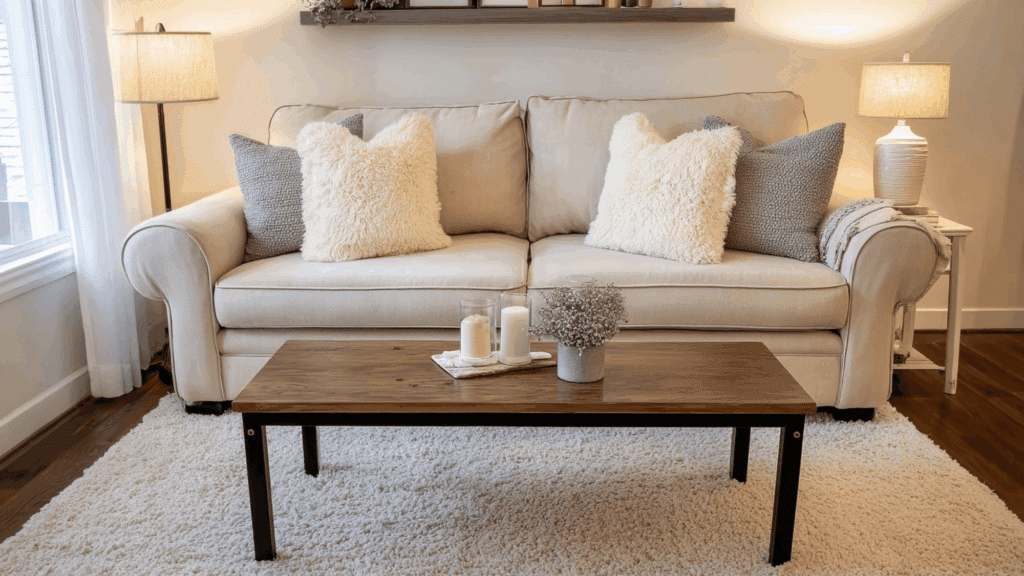
Coffee tables sit at the center of living room layouts. They need to balance accessibility with traffic flow. Height matters too; the table should align comfortably with the sofa seat height for easy reach.
1. Rectangular Coffee Tables:
- Small: 36″ L x 20″ W
- Medium: 48″ L x 24″ W
- Large: 60″ L x 30″ W
2. Square Coffee Tables:
- 30″ x 30″
- 36″ x 36″
- 40″ x 40″
3. Round Coffee Tables:
- 30″-36″ diameter
- 40″-48″ diameter (large rooms)
4. Standard Height: 16″-18″ H
5. Distance from Sofa: 14″-18″
Console Table Dimensions Behind Sofas

Console tables work behind sofas or along walls, providing surface space without taking up floor area. They’re perfect for displaying decor, lamps, or storing everyday items within reach.
1. Length: 48″-72″ (match or slightly shorter than sofa)
2. Width (Depth): 12″-18″
3. Height: 30″-36″ (should match or sit slightly below sofa back)
4. Behind Sofa Placement:
- Gap between sofa and console: 3″-6″
- Total space needed: 15″-24″ behind sofa
5. Against Wall (Entryway):
- 30″-32″ H for standard use
- 36″ H for taller applications
End Table Dimensions Next to Armchairs
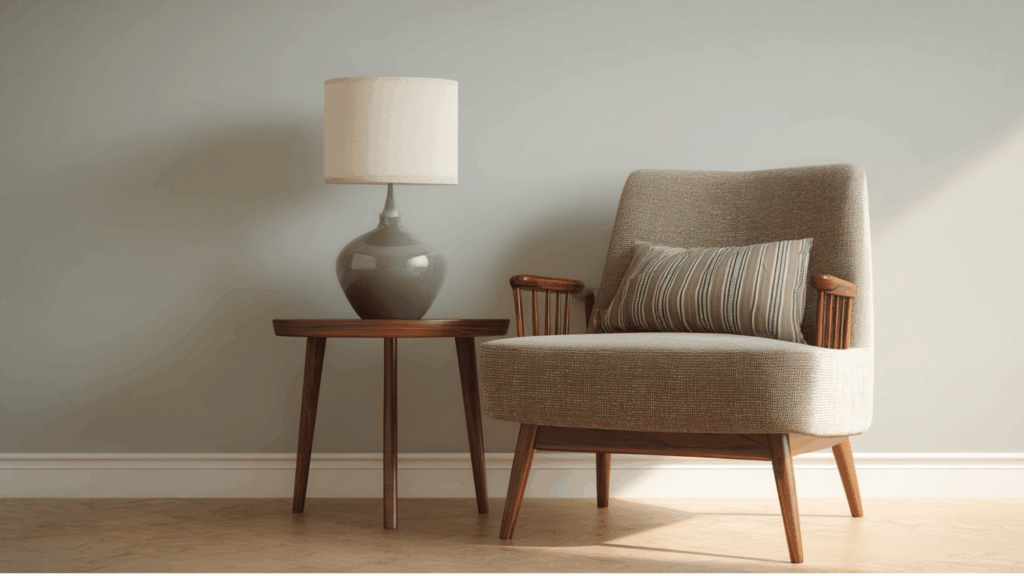
End tables provide convenient surfaces beside seating. They hold drinks, books, and lighting. Proper height keeps items within easy reach without looking awkward next to furniture.
1. Square End Tables:
- 18″ x 18″
- 20″ x 20″
- 24″ x 24″
2. Rectangular End Tables:
- 22″ L x 18″ W
- 24″ L x 20″ W
3. Round End Tables: 18″-24″ diameter
4. Standard Height: 24″-27″ H (should match or sit 1″-2″ below arm height)
5. Distance from Seating: 3″-6″ gap
Bistro Table Dimensions for Small Kitchens
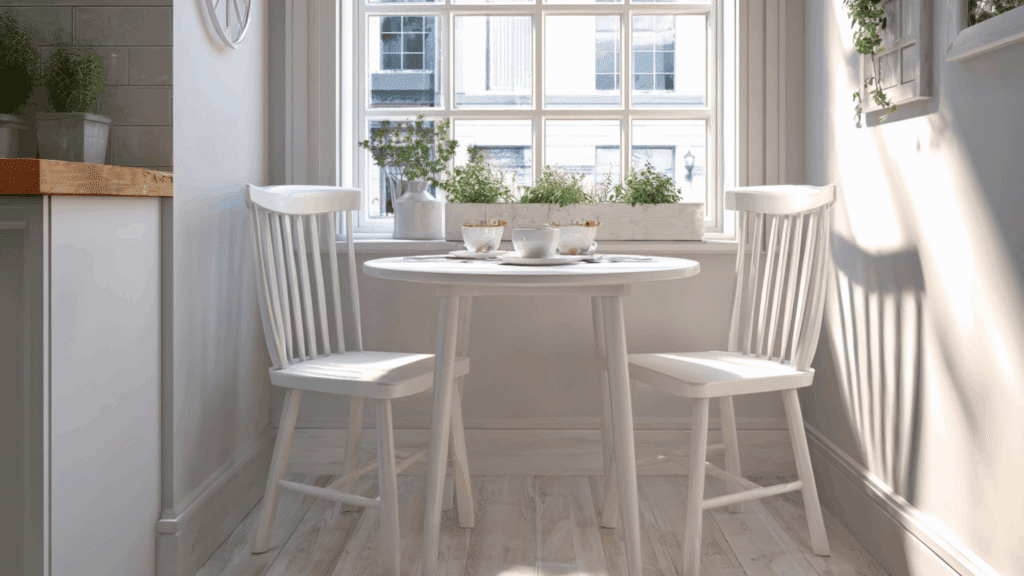
Bistro tables fit tight spaces like small kitchens, breakfast nooks, or apartments. They offer dining spots without overwhelming the room. Their compact size makes them ideal for two-person meals or morning coffee.
1. Round Bistro Tables:
- 2-seater: 24″-30″ diameter
- Compact: 20″ diameter
2. Square Bistro Tables:
- 24″ x 24″
- 30″ x 30″
3. Rectangular (Bar-Style): 36″ L x 18″ W
4. Standard Height:
- Counter height: 36″ H
- Bar height: 40″-42″ H
- Standard dining: 28″-30″ H
5. Space Needed Per Person: 24″ minimum
Table Placement Tips for Optimal Room Flow
Placing tables correctly affects how a room functions and feels. Smart positioning creates smooth traffic patterns, prevents bottlenecks, and makes spaces more comfortable to use.
- Leave at least 36 inches of clearance around dining tables so chairs can pull out easily and people can walk by comfortably.
- Position coffee tables 14-18 inches from sofas; close enough to reach but far enough to avoid bumping knees.
- Center dining tables under light fixtures or chandeliers, keeping the fixture 30-36 inches above the table surface.
- Place end tables within arm’s reach of seating, but maintain a 3-6 inch gap to prevent furniture from looking crowded together.
- Keep high-traffic pathways at least 42 inches wide between furniture pieces to allow smooth movement through the room.
To Conclude
Getting table dimensions right makes all the difference between a room that works and one that doesn’t.
Standard measurements exist for a reason; they’ve been tested over time and fit most spaces well. But remember, these are guidelines, not strict rules.
Every home has its own quirks and needs. A smaller apartment might need scaled-down versions, while open-plan spaces can handle larger pieces.
Take the time to plan appropriately. Your furniture should serve you, not the other way around. With these standard dimensions as your starting point, finding the perfect table for any room becomes much easier.