

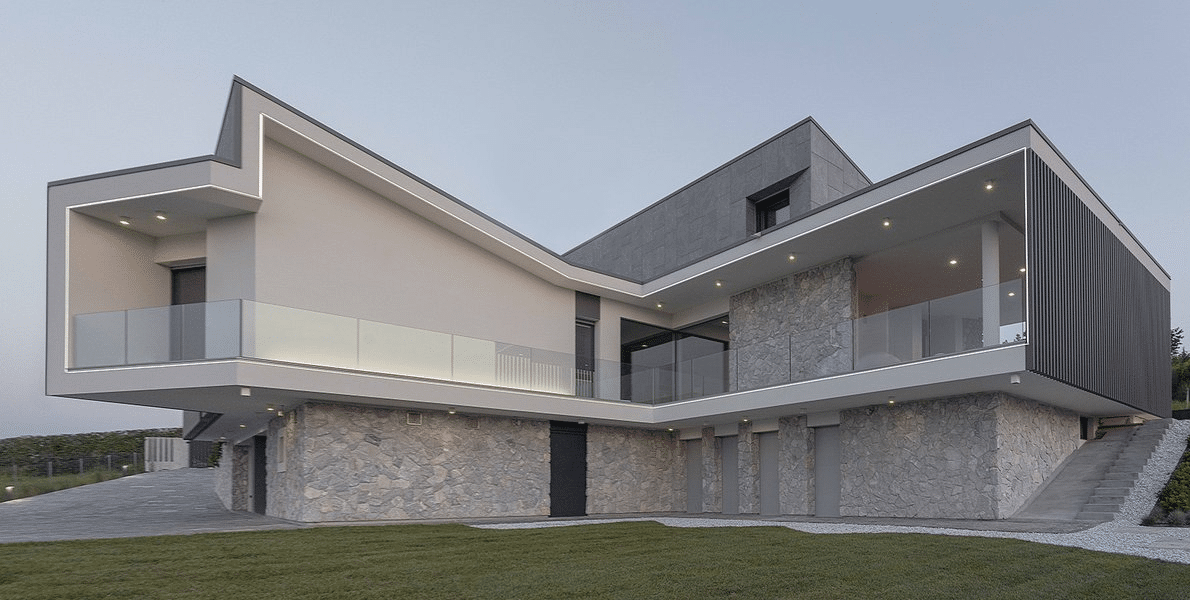
A curious shift is happening in British homes. After decades of embracing synthetic finishes and mass-produced fittings, homeowners are quietly rebelling—choosing oak over laminate, linen over polyester, and timber over uPVC. This isn’t nostalgia dressed up as trend. It’s a considered response to houses that look identical and materials that age poorly.
The appetite for natural materials has moved from niche eco-builds to mainstream renovations. And the reasons go deeper than aesthetics.
The Psychology of Living with Real Materials
There’s something estate agents struggle to capture in listings: how a home feels. Research from the University of British Columbia found that exposure to natural materials—wood grain, stone texture, plant fibres—reduces stress responses and improves cognitive focus. Participants in wood-rich environments showed lower blood pressure and reported feeling calmer than those in rooms dominated by plastics and synthetics.
This biophilic effect explains why a kitchen with solid timber worktops feels different from one clad in vinyl wrap, even when the colour palette matches. Our nervous systems aren’t fooled by surfaces pretending to be something they’re not.
For homeowners investing in long-term comfort rather than quick flips, this matters. A bedroom with natural plaster walls, wool carpet, and wooden window frames creates a fundamentally different living experience from one finished entirely in manufactured materials—regardless of how much either costs.
Sustainability Credentials That Actually Hold Up
The environmental case for natural materials has strengthened considerably. Timber, properly sourced, acts as a carbon store throughout its lifespan. A hardwood window frame locks away CO₂ for decades, while its uPVC equivalent releases emissions during manufacture and creates disposal headaches at end of life.
FSC and PEFC certification schemes have matured, making it straightforward to verify that wood products come from responsibly managed forests. British suppliers increasingly offer full chain-of-custody documentation, removing guesswork from ethical purchasing decisions.
The lifecycle argument proves particularly compelling for major building elements. Windows, doors, and structural timbers represent significant material choices that homeowners live with for twenty to forty years. Opting for specialist timber window suppliers like https://www.timberwindows-direct.co.uk/ rather than plastic alternatives means choosing components that can be repaired, restored, and eventually recycled—rather than replaced wholesale when fashions change or seals fail.
Natural stone, reclaimed brick, and lime-based renders follow similar logic. These materials weather and age rather than degrade, developing character that synthetic alternatives cannot replicate.
Performance Meets Craftsmanship
A persistent myth suggests natural materials sacrifice performance for appearance. Modern reality tells a different story.
Contemporary timber windows achieve U-values of 1.2 W/m²K or better, comfortably exceeding Part L Building Regulations requirements. Double and triple glazing options match or surpass the thermal efficiency of plastic frames, while offering superior acoustic insulation—a genuine advantage for homes near busy roads.
The craftsmanship element matters too. Bespoke timber joinery can accommodate non-standard openings, period proportions, and conservation area requirements that off-the-shelf uPVC simply cannot address. For owners of Victorian terraces, Edwardian semis, or listed properties, this flexibility proves essential rather than optional.
Natural stone and clay tiles demonstrate comparable durability advantages. A slate roof outlasts concrete alternatives by generations. Terracotta floor tiles installed in the 1920s still grace British kitchens today, while vinyl flooring from 2015 already shows wear patterns.
Practical Considerations for Real Homes
Embracing natural materials doesn’t require wholesale renovation or unlimited budgets. Strategic choices in high-impact areas deliver disproportionate results.
Windows and doors represent the intersection of interior and exterior, touching both the look and feel of daily living. Replacing plastic frames with timber—particularly in period properties—transforms kerb appeal while improving thermal comfort. The investment typically adds value at resale, with estate agents noting that quality timber joinery signals overall property care to prospective buyers.
Flooring choices affect every room. Solid wood or engineered timber floors, natural stone in kitchens and bathrooms, or wool carpets in bedrooms create a material foundation that synthetic alternatives struggle to match. These surfaces improve with age rather than against it.
Wall finishes often get overlooked. Lime plaster, clay paints, and natural wallpapers regulate humidity and avoid the off-gassing associated with vinyl and synthetic coatings. In bedrooms particularly, breathable wall finishes contribute to better air quality and sleep.
Kitchen and bathroom fittings in solid timber, natural stone, or ceramic represent longer-term investments than laminate and acrylic equivalents. The patina that develops on an oak worktop or marble splashback tells the story of family meals and morning routines—marks that plastic surfaces only accumulate as damage.
The Cost Equation, Honestly Assessed
Natural materials often carry higher upfront costs. This deserves honest acknowledgment rather than glossing over.
However, the comparison shifts when considered across realistic ownership periods. Timber windows maintained with occasional repainting last fifty years or more; uPVC typically requires full replacement after twenty-five. Solid wood flooring can be sanded and refinished multiple times; laminate offers no second chances.
For homeowners planning to stay put—or creating homes they hope children might inherit—the arithmetic favours quality natural materials. For those prioritising minimal maintenance or expecting to sell within five years, synthetic options may genuinely suit better.
The middle ground often involves mixing materials strategically: timber windows at the front elevation where they contribute most to character, with simpler solutions elsewhere. Natural stone in the entrance hall, engineered alternatives in utility areas. Wool carpet in the master bedroom, synthetic in children’s rooms that face harder wear.
A Shift Worth Watching
The movement toward natural materials reflects something broader than interior design trends. Rising awareness of embodied carbon, growing scepticism toward disposable consumption, and renewed appreciation for craft skills all play their part.
British manufacturers and suppliers have responded. Domestic timber window production has grown steadily, with workshops offering made-to-measure options that were once the preserve of specialist restoration projects—you can explore options here. Stone quarries report increased demand from residential customers rather than just commercial developments. Traditional lime and clay product suppliers have expanded ranges and improved availability.
For homeowners considering renovation or new build projects, the timing works in favour of natural material choices. Supply chains have matured, performance standards are well-documented, and the design mainstream has caught up with what thoughtful renovators understood all along: that materials matter, and that our homes deserve better than the cheapest synthetic alternatives.
The question isn’t whether natural materials suit modern living. It’s whether we’re willing to invest in homes that will still feel right in thirty years—and still stand proud in fifty.