

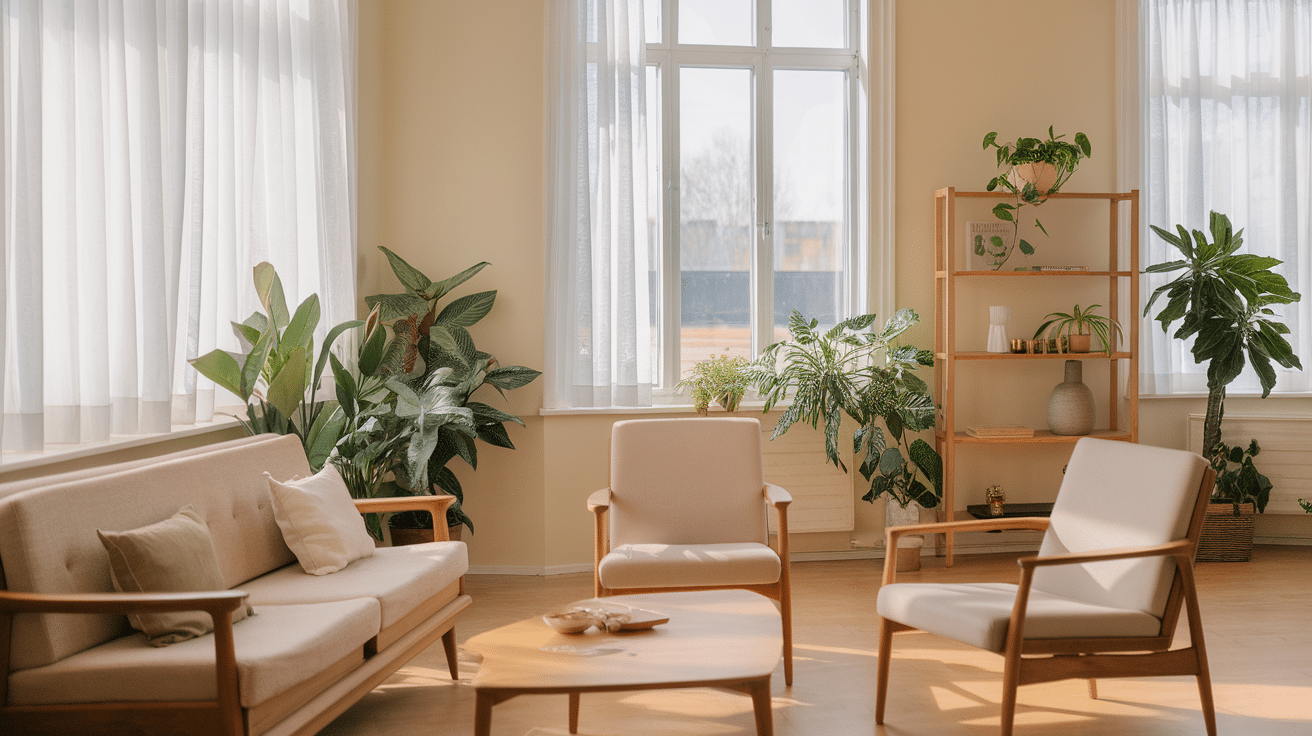
People often feel better when they are close to nature. A walk in the park, sunlight through a window, or the sound of water can calm the mind.
But what if those things could be part of your home or workspace? That’s where biophilic interior design comes in.
This design idea uses natural elements to create warm, peaceful places inside. More homes and buildings now use this design to help people feel more relaxed and healthy.
This blog will explain the meaning of biophilic design and why it’s becoming more popular in modern spaces.
What is Biophilic Interior Design?
The word “biophilic” means a love for nature and life. It comes from “bio,” meaning life, and “philic,” meaning love.
The idea behind it is simple: people feel better when they are close to nature. They may feel calmer, happier, and more focused.
Biophilic interior design is a way of making indoor spaces feel more natural.
It brings parts of the outside world, like sunlight, plants, wood, and fresh air, into homes, offices, and buildings. This design helps people feel connected to nature, even when they’re indoors.
It helps lower stress, improve sleep, and even boost memory. A home or office with plants and natural light can make people feel more awake and peaceful.
Key Features of Biophilic Interior Design
To create a space that feels more natural and calm, biophilic design uses certain features. Below are the key parts often found in this style.
1. Natural Light
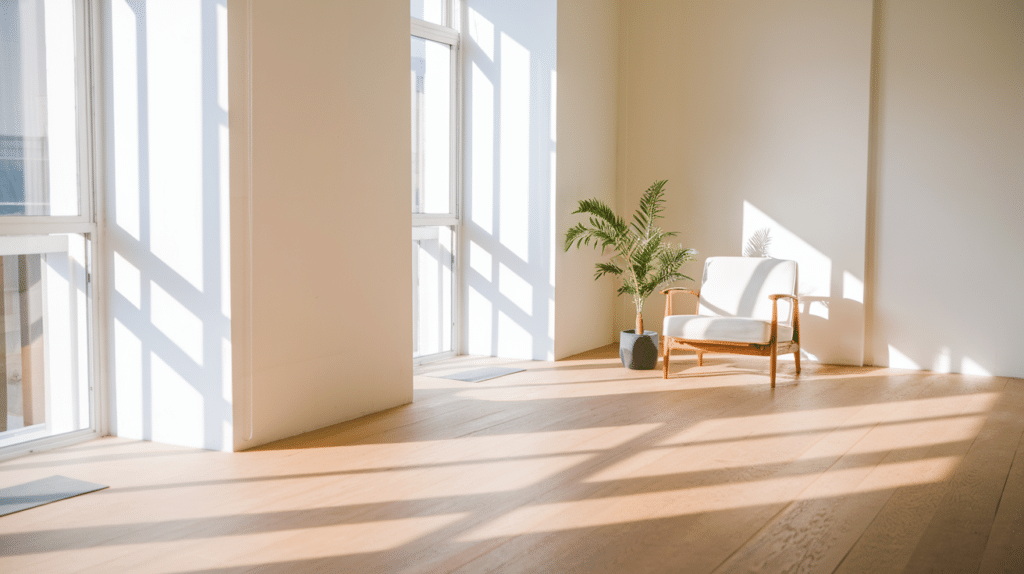
Windows, skylights, and open spaces are used to let sunlight in. Natural light helps keep the body’s clock (circadian rhythm) in balance.
It also boosts mood and makes spaces feel brighter and more open. Sunlight can make a room feel alive and warm without extra lighting.
2. Indoor Plants
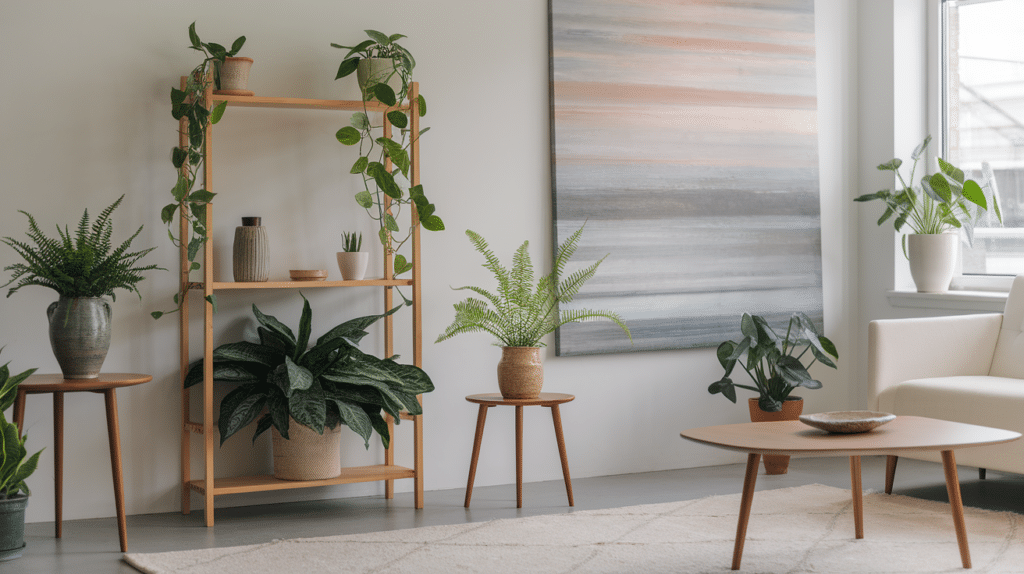
Plants are one of the easiest ways to bring nature indoors. They clean the air, add color, and help people feel calm.
Some plants also bring a soft scent or texture to a room. Popular choices include pothos, spider plants, and ferns, which are easy to care for.
3. Natural Materials
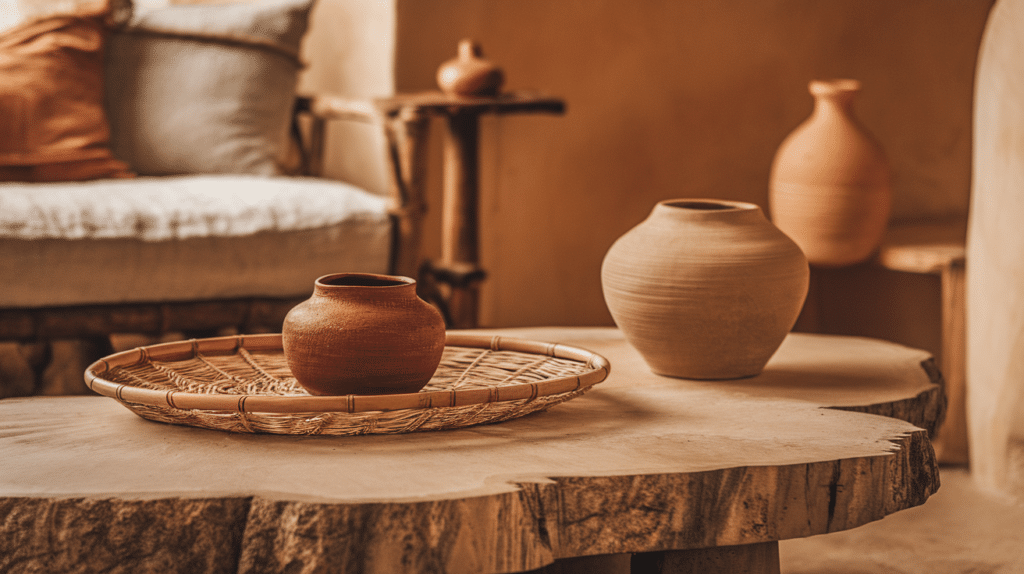
Materials like wood, stone, bamboo, and clay are often used. They have a warm, earthy look and feel.
These materials also age naturally and often feel better to the touch than plastic or metal. They help a space feel grounded and more connected to the earth.
4. Water Features
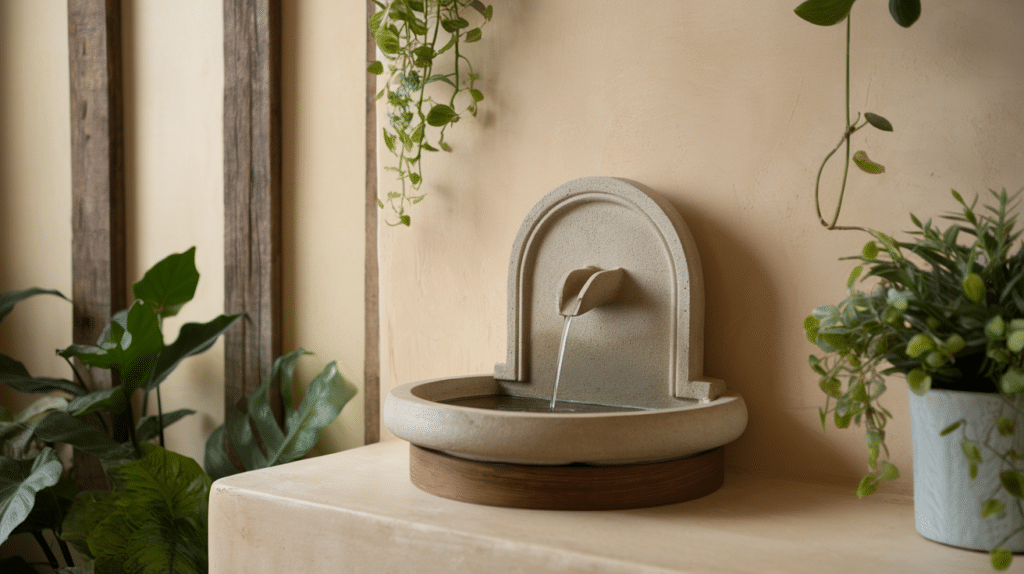
Some designs include small fountains or water walls. The sound of flowing water is soothing and can reduce stress.
Even a tabletop water bowl or a small indoor pond can create a calm and relaxing vibe. Water adds movement and sound, both key parts of nature.
5. Nature-Inspired Colors
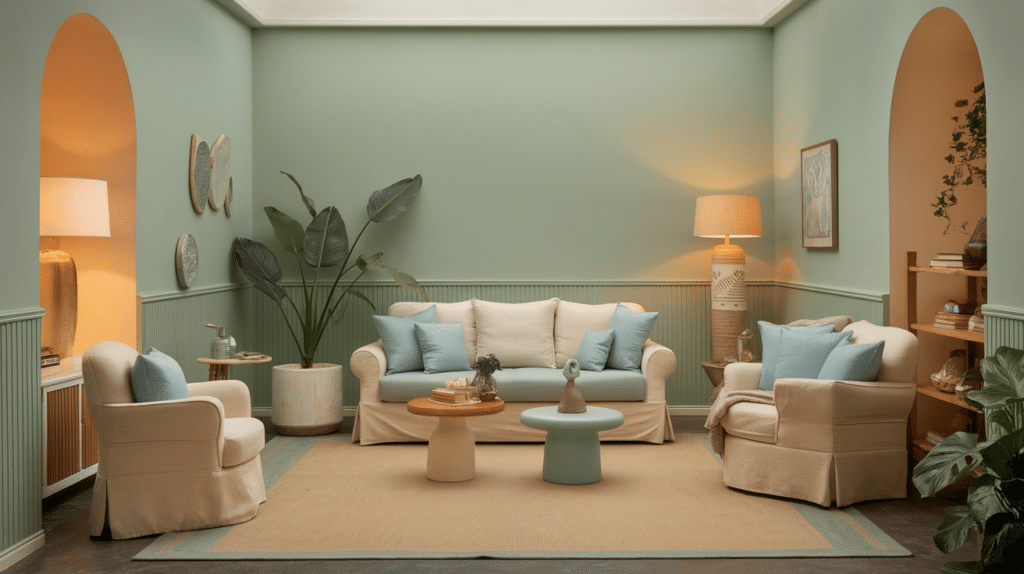
Colors like green, brown, beige, and blue are used. These shades remind people of forests, soil, and sky.
Soft, earthy colors can make a space feel calm and safe. These tones also pair well with natural textures like wood, stone, and woven fabrics.
6. Views of Nature
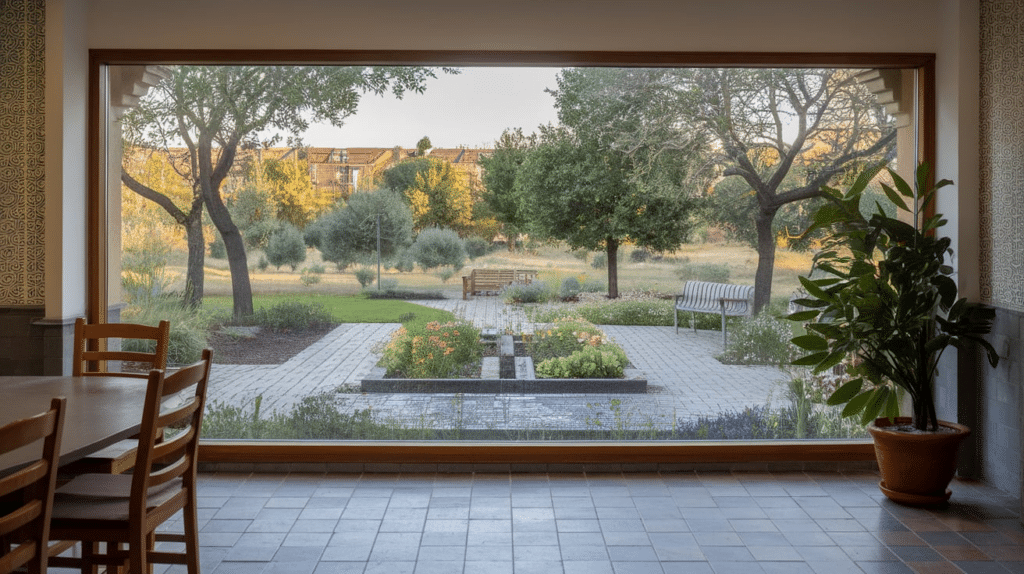
If a window has a view of trees, plants, or a garden, it is part of biophilic design. Even art that shows nature scenes can help.
People feel more at ease when they can see trees, flowers, or open sky. It gives a sense of space and peace.
7. Natural Shapes and Patterns
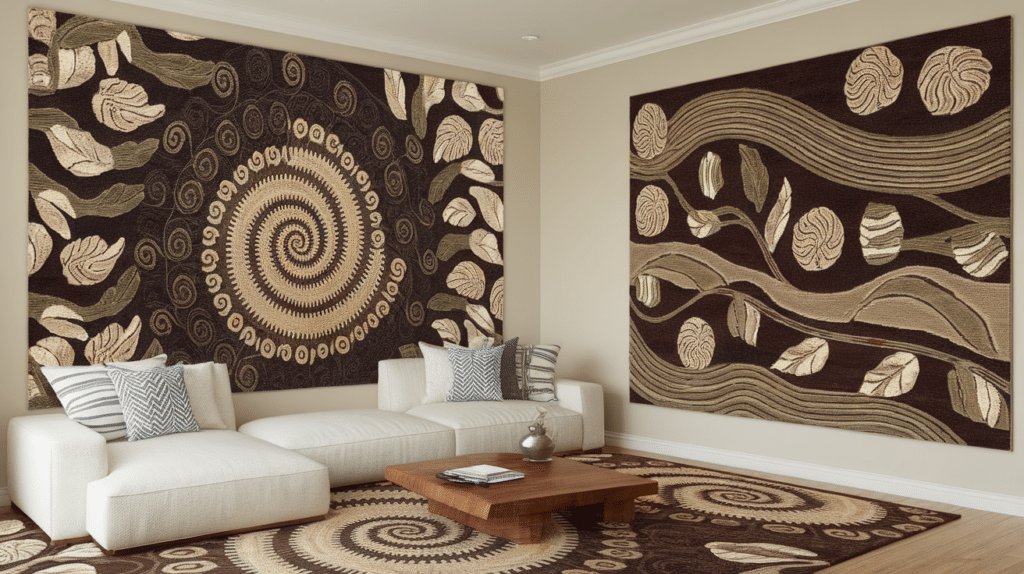
Designers use shapes found in nature, like curves and spirals. These shapes feel softer and more welcoming than sharp corners.
Wavy lines, leaf patterns, or designs that copy the look of wood rings or water ripples are great examples. They make spaces feel more relaxed.
Benefits of Biophilic Interior Design
Biophilic design offers many health and emotional benefits. Here are some of the most important ones:
- Better Mood: Being around nature or natural items can make people feel happier. Rooms with plants and sunlight often feel more joyful.
- Less Stress: Studies show that nature can lower stress levels. Just looking at plants or hearing water can help people feel calm.
- Improved Focus: Natural light and fresh air help people think more clearly. This is great for students, workers, and anyone who needs to concentrate.
- Higher Productivity: Offices with biophilic design often have more focused and productive workers. They feel less tired and more motivated.
- Cleaner Air: Plants help clean the air by removing toxins. This can reduce headaches, coughing, and other problems caused by poor indoor air.
- Better Sleep: Natural light during the day helps people sleep better at night. Rooms that follow this design often help the body rest well.
Where and How to Use Biophilic Interior Design at Home
Biophilic interior design can be used in almost any space. It works well in homes, offices, schools, hospitals, restaurants, and even libraries. But you don’t need to change everything or spend a lot of money.
Living Room
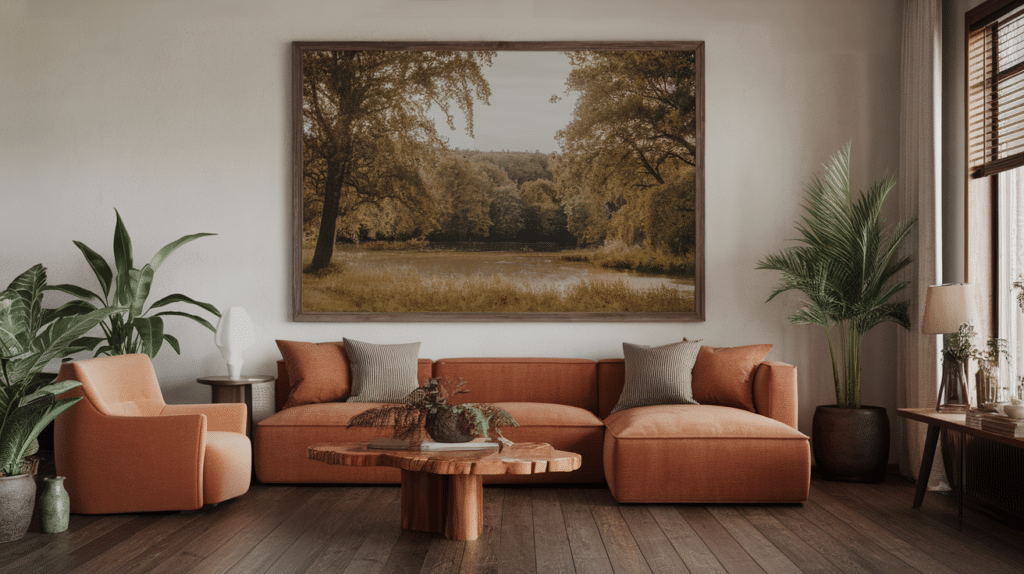
The living room is a perfect place to start.
- Add houseplants like pothos or snake plants to corners, shelves, or near the TV.
- Let in natural light by opening curtains during the day.
- Use wooden furniture like a coffee table or bookshelf.
- Hang art that shows nature scenes like forests or mountains.
- Choose soft, earthy colors for rugs, pillows, or wall paint.
These touches can turn your living room into a warm, restful space for relaxing or gathering.
Bedroom

A peaceful bedroom supports better sleep and calm mornings.
- Place a small plant like a peace lily on a nightstand or window.
- Use natural scents like lavender or cedar in candles or oil diffusers.
- Pick light green, brown, or soft blue colors for bedding and walls.
- Let fresh air in by cracking the window when the weather is nice.
- Choose fabric like cotton or linen to make the space feel soft and natural.
These simple choices can make your bedroom feel like a quiet escape.
Kitchen and Dining Area
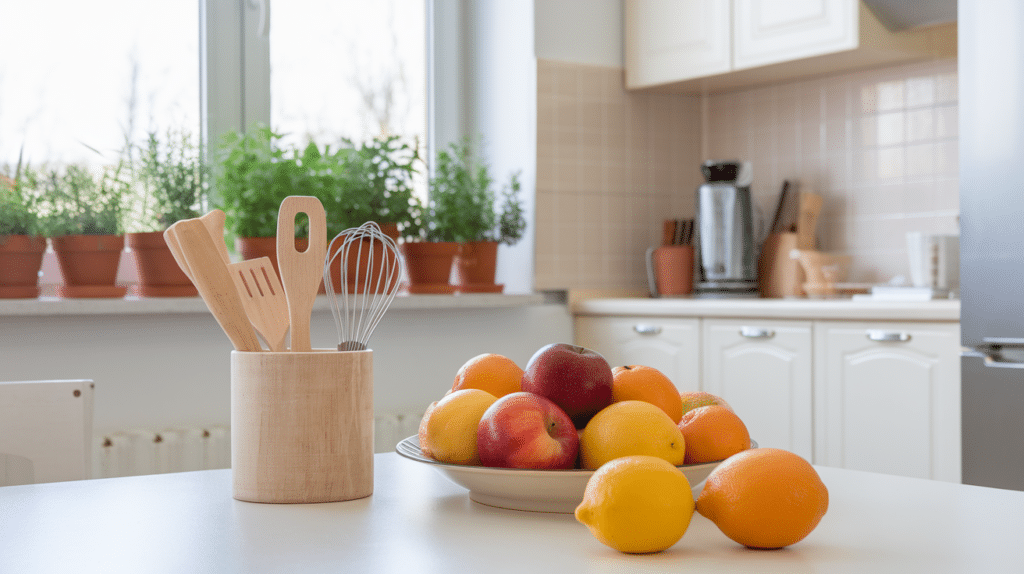
The kitchen is often full of hard surfaces, but you can still add nature.
- Grow herbs like basil or mint in small pots on the windowsill.
- Use wooden bowls, spoons, or trays for a natural touch.
- Open the windows while cooking to let fresh air in.
- Decorate with fruit or plants like a bowl of lemons or a small fern.
- Use soft lighting like warm bulbs or natural light when possible.
Biophilic design in the kitchen makes it feel fresh and alive.
Bathroom
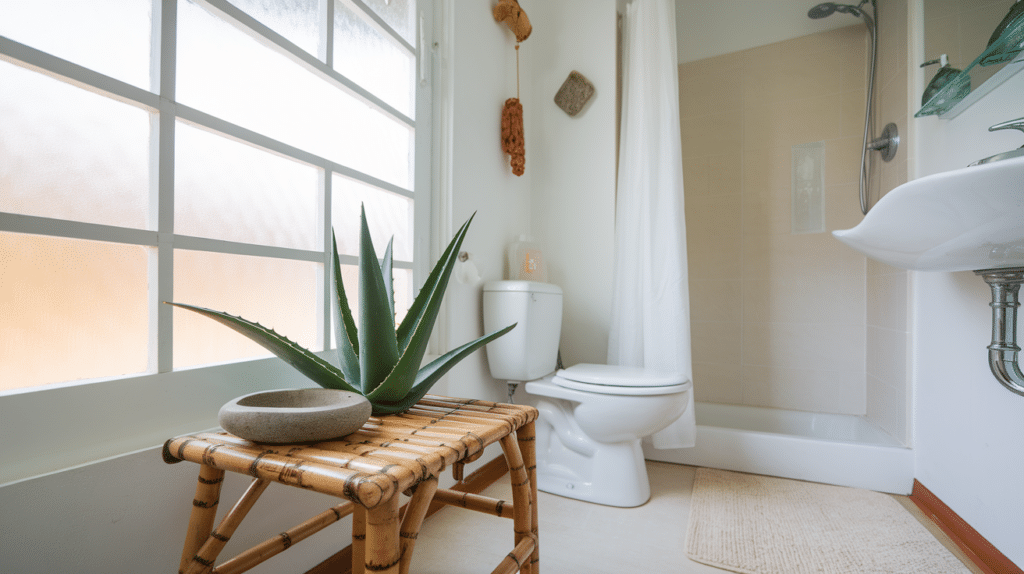
Even small bathrooms can feel relaxing with a few changes.
- Add moisture-loving plants like aloe or bamboo.
- Use wooden or stone details, such as a soap dish or stool.
- Hang nature-inspired art, like beach or forest scenes.
- Use scents like eucalyptus or citrus to bring in natural smells.
- Let light in through frosted windows or skylights.
These ideas help turn a plain bathroom into a spa-like space.
Children’s Room or Study Area
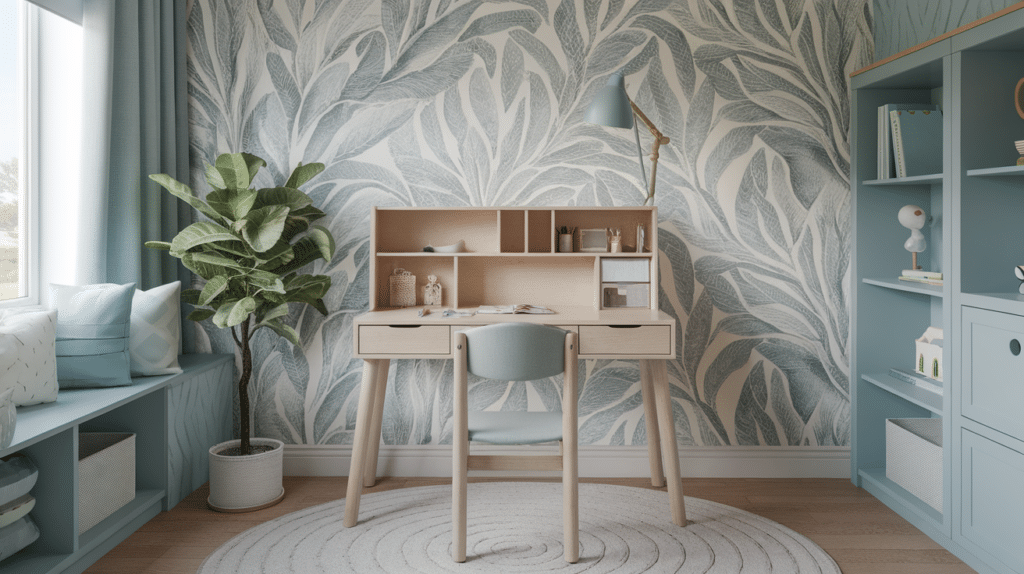
Biophilic design can help kids feel calm and focused.
- Add bright green plants or leafy wallpaper.
- Use animal or nature-themed art for fun and learning.
- Choose natural wood furniture for desks or shelves.
- Use soft, natural colors like sky blue or light green.
- Let in sunlight to brighten the space and lift their mood.
This helps kids stay connected to nature and feel safe in their space.
Home Office
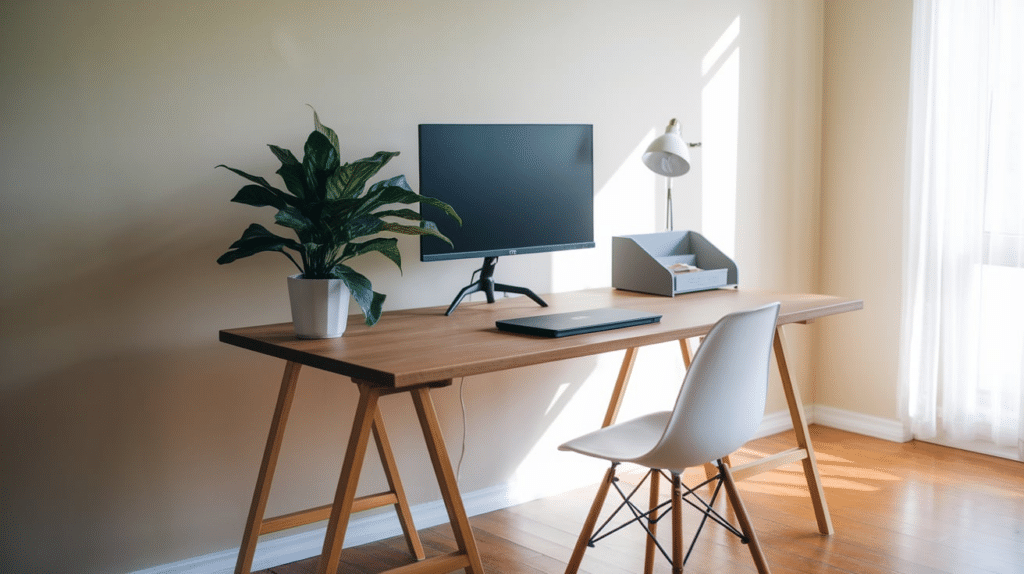
A biophilic home office can reduce stress and boost work focus.
- Place a plant near your screen or on your desk.
- Face your desk toward a window, if possible, to enjoy natural views.
- Use wooden desk items like trays or organizers.
- Keep windows open for fresh air and daylight.
- Add calming colors like beige, light green, or soft gray to walls or décor.
Even small changes in your workspace can make a big difference in how you feel and work.
Biophilic Design vs. Eco-Friendly Design
Biophilic design and eco-friendly design are not the same, but they can work well together. The table below shows how they are different and how they help in different ways:
| Feature | Biophilic Design | Eco-Friendly Design |
|---|---|---|
| Main Focus | Connect people with nature | Protect the environment and save resources |
| Key Elements | Plants, natural light, colors, textures, and views of nature | Energy-saving lights, recycled materials, and low waste |
| Goal | Improve mood, health, and comfort | Reduce harm to the planet |
| Examples | Indoor plants, sunlight, water features, nature art | Solar panels, LED lights, bamboo floors, reused wood |
| How It Feels | Warm, calm, peaceful | Clean, efficient, responsible |
| Design Style | Looks and feels close to nature | Uses smart choices to lower energy and waste |
| Used In | Homes, schools, offices, hospitals | Any space looking to cut energy or use safer materials |
| Good For | Mental well-being and comfort | Lower bills and a healthier planet |
Common Biophilic Design Mistakes to Avoid
While trying this style, it’s easy to make a few mistakes. Here are some to watch out for:
- Using Fake Plants Only: Fake plants may look real, but they don’t clean the air or change with time. Try to use real plants when possible.
- Too Much Clutter: Natural design is simple and peaceful. Avoid too many items in one space.
- Lack of Light: If a room is too dark, even with plants, it won’t feel alive. Make sure there’s light during the day.
- Ignoring Maintenance: Plants need care. Choose low-maintenance ones if you are busy, but don’t skip watering and pruning.
Wrapping Up
Biophilic interior design isn’t about rules; it’s about how a space makes you feel. Some rooms feel cold and lifeless, while others feel warm and inviting.
Often, the difference is nature. A well-designed space can lift your mood without saying a word. It can calm your thoughts, even on a busy day.
This design style is a quiet reminder that people still need light, air, and green things around them. It’s not decoration, it’s connection.
Don’t wait for the perfect setup. Start small, stay curious, and let nature shape your space in its own way. Try one change today, and feel the difference tomorrow.