

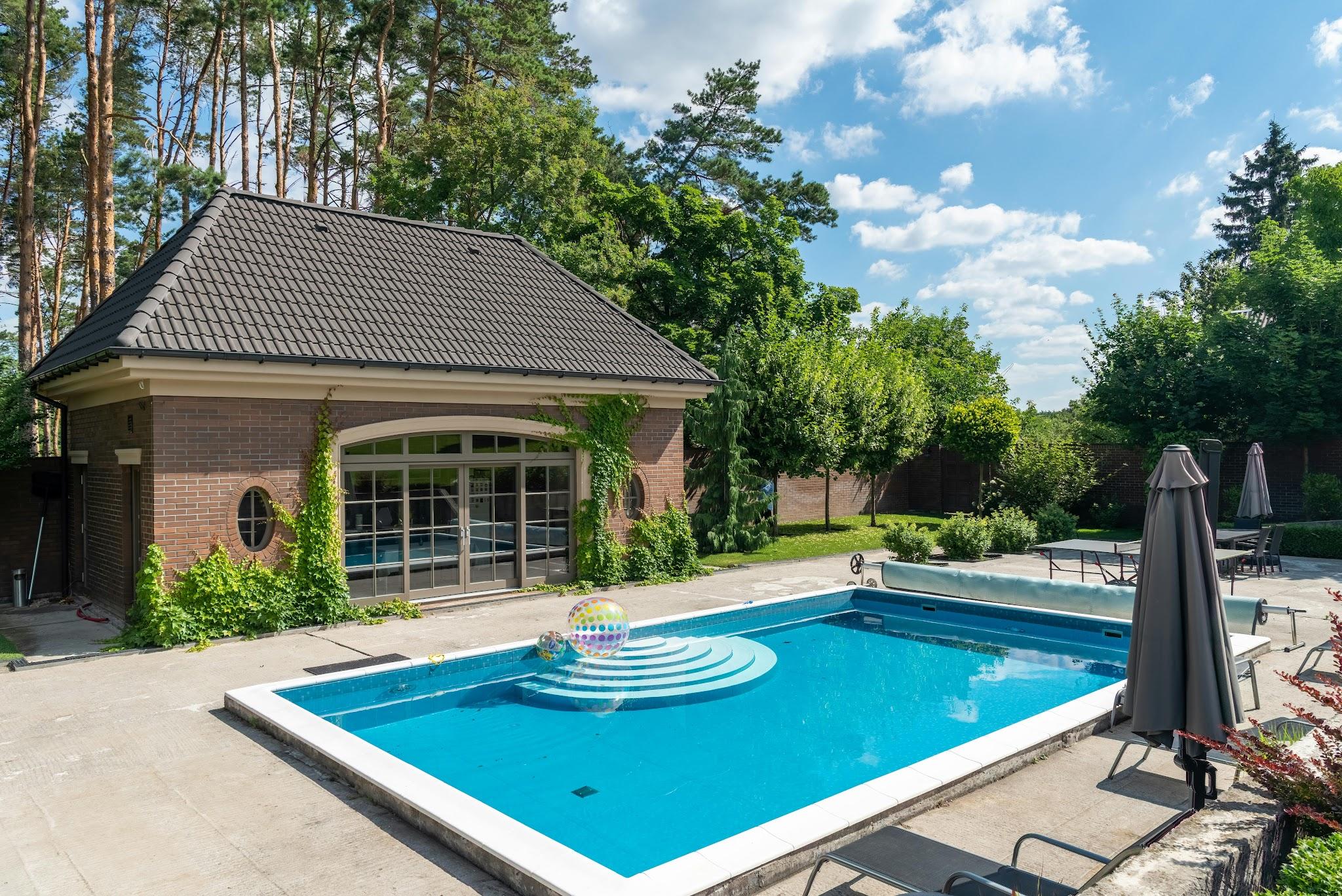
Planning outdoor improvements goes beyond aesthetics. Homeowners must balance style, functionality, and long-term value, making careful decisions to ensure investments enhance lifestyle and property appeal. Without proper planning, projects can result in unexpected costs or disappointing outcomes.
Outdoor spaces combine personal taste with practicality. From gardens to patios and pools, every addition influences how homeowners use their property. Considering budget, climate, and layout beforehand helps create spaces that are attractive, functional, and lasting.
Assessing Budget and Costs
Budgeting plays a critical role in outdoor projects. Homeowners often begin by determining how much they can realistically spend. Setting a clear budget helps prioritize features and prevent overspending. Unexpected costs can arise if planning is incomplete, so factoring in contingency funds is wise.
Cost considerations extend beyond initial installation. Maintenance, seasonal upkeep, and long-term durability affect expenses. Materials such as natural stone, wood, or synthetic alternatives vary significantly in price and lifespan. Evaluating these factors early allows homeowners to make informed decisions that align with financial goals.
Financial planning involves comparing DIY approaches with professional services. While DIY work may save money upfront, certain tasks are best handled by experts. Homeowners often weigh immediate savings against long-term reliability.
Understanding Property Layout
A property’s layout influences the design of outdoor improvements. Space limitations, slope, soil quality, and existing structures dictate what is feasible. Homeowners often study these elements to maximize functionality and flow. Proper assessment prevents costly adjustments during construction.
Access points, sun exposure, and privacy are key considerations. For example, a shaded corner might suit a lounge area or vegetable garden, while sunny spots are ideal for patios or pools. Understanding these variables ensures that each improvement is practical and enjoyable.
Topography affects drainage and irrigation planning. Water runoff can impact landscape health and structural stability. Addressing these issues early reduces maintenance challenges and preserves the integrity of new installations.
Choosing the Right Features
Homeowners frequently consider which features will meet their lifestyle needs. Common additions include patios, decks, outdoor kitchens, fire pits, and water features. The choice depends on how the space will be used and the desired ambiance.
Durability and material choice are closely linked to feature selection. Certain decking materials resist weathering better than others. Evaluating material performance ensures features remain attractive and functional.
Integration with existing landscaping is another key factor. Features should complement the home’s architecture and outdoor environment. Harmonizing design elements creates a cohesive space that enhances property value.
Planning for Professional Assistance
Many projects require expert guidance to achieve the best results. Hiring professionals can save time, ensure quality, and prevent mistakes. Services range from landscaping design to specialized tasks like pool installation. A reliable provider helps homeowners navigate complex permits and construction regulations.
For homeowners considering water features or pools, working with a specialist is often crucial. A professional pool installation guarantees structural integrity, proper filtration, and compliance with safety standards. Expertise reduces the risk of costly errors and ensures long-lasting enjoyment.
Professional input aids in design optimization. Experts can suggest improvements homeowners might overlook, such as lighting, drainage, or planting schemes. Their knowledge contributes to functionality and visual appeal.
Evaluating Maintenance Requirements
Maintenance is a critical consideration for outdoor improvements. Homeowners often assess how much time, effort, and cost will be required to maintain new features. Low-maintenance options appeal to those with busy schedules or limited gardening experience.
Different materials and plants require varying levels of care. Hardscaping elements like stone or composite decking need minimal upkeep compared to wooden structures. Selecting native plants reduces watering and pruning demands.
Understanding maintenance needs helps avoid projects that become burdensome. A well-planned outdoor space balances enjoyment with manageable upkeep, preserving aesthetics and convenience.
Considering Long-Term Value
Outdoor improvements can increase a home’s resale value when planned wisely. Homeowners often consider which features will appeal to future buyers. Functional, well-designed spaces tend to generate higher interest and property value.
Durable, high-quality installations provide long-term benefits. Features that withstand weather and aging continue to enhance the home. Making strategic choices ensures that investments pay off beyond immediate enjoyment.
Planning for future adaptability is another aspect of long-term value. Flexible designs allow homeowners to modify or expand outdoor areas as needs change. This foresight protects against obsolescence and maximizes the utility of each improvement.
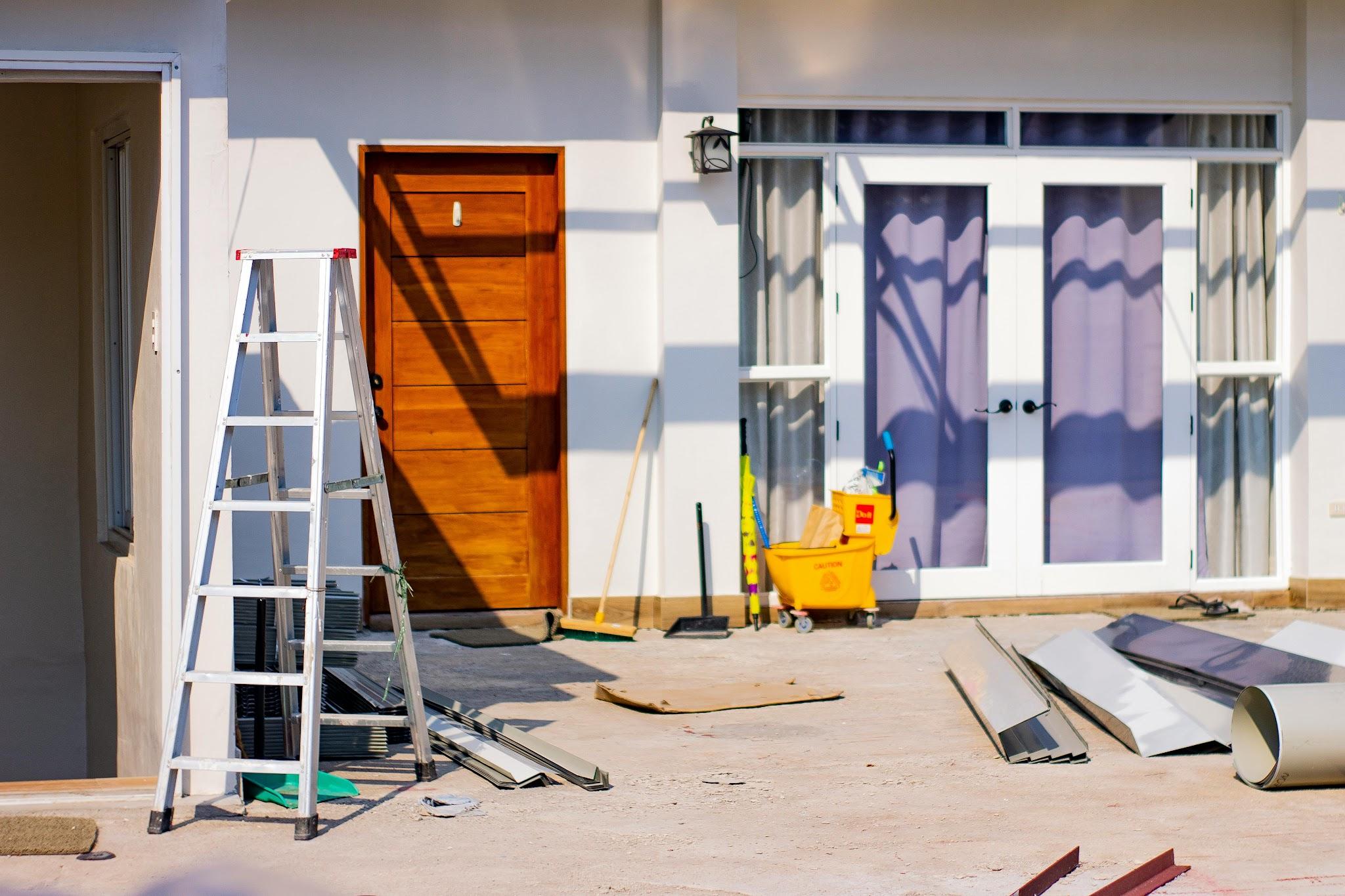
Outdoor improvements give homeowners the opportunity to enhance their property, creating functional and attractive living spaces. Planning carefully around budget, layout, features, professional support, maintenance, and long-term value ensures projects align with lifestyle needs and investment goals.
Thoughtful decisions help homeowners enjoy spaces that are safe, practical, and visually appealing. Whether small upgrades or major installations, a well-planned approach results in outdoor areas that can be appreciated and enjoyed for years.