

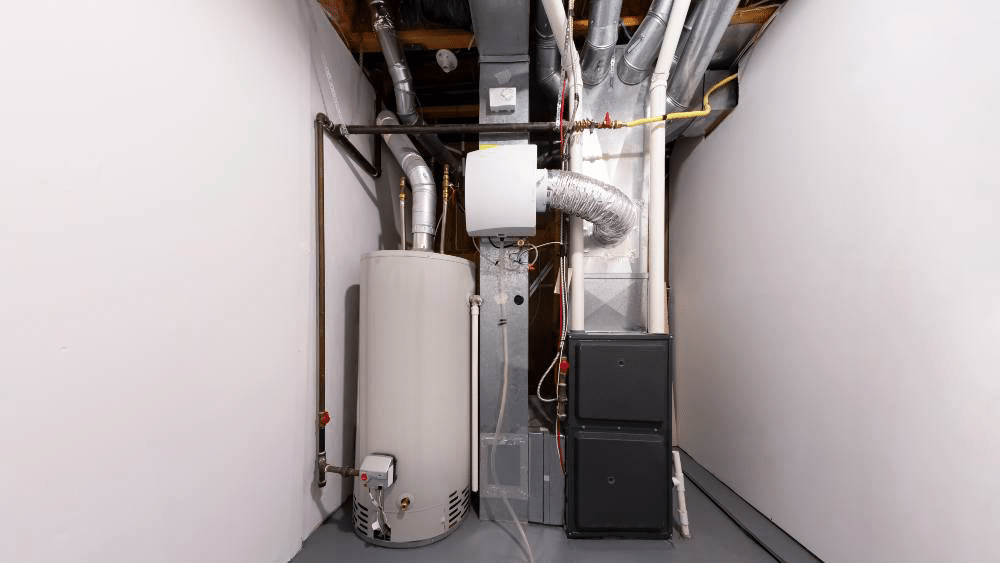
An efficient heating system is very important in maintaining warmth in your home during the cold seasons. Like any machinery in the house, heating systems are also prone to faults. Although maintenance can be done to avoid many faults in heating systems, some faults are just inevitable.
It is important to be aware of typical faults in heating systems and the appropriate methods of troubleshooting in order to save money, time, and energy.
In this article, we shall enlist the top 10 faults in heating systems repairs along with tips on how to solve these faults effectively.
1. Dirty or Clogged Air Filters
One of the main reasons that can make a heating system inefficient can be attributed to a clogged or dirty air filter. An air filter holds dust and other particles that prevent them from entering the heating system. With time, the air filter can become clogged due to the build-up of these particles.
How to Fix:
- Find the air filter in your heating system, probably near the blower.
- Take away the former filter and examine for filth and debris present.
- Replace it with another filter that has the same size and type.
- The filter may need to be changed every 1-3 months.
2. Thermostat Malfunctions
A faulty thermostat could make your heating system turn on and off at the wrong times or even not provide the set temperatures. If the batteries are depleted, settings are incorrect, or the device is faulty, a malfunction could occur.
How to Fix:
- Check and replace batteries if needed.
- Make sure the temperature setting on the thermostat is in ‘heat’ and the temperature should be higher compared to the room temperature.
- If the problem persists, the only solution may be to calibrate or replace the thermostat.
3. Pilot Light or Ignition Problems
For gas-heated appliances, having a pilot light or an igniter is paramount. Without the pilot light or the igniter, an appliance will not be able to create heat. Some reasons for this could include dirt accumulation, thermocouple problems, or gas problems.
How to Fix:
- Check the pilot light to see if it is lit. If not, look at the manufacturer’s instructions to see how to relight the pilot.
- Clean the pilot assembly and ignition components.
- If the thermocouple is damaged, replace it.
- For recurring issues, call a certified technician.
4. Frequent Cycling
Heating systems repairs should operate for extended periods of time and turn off and on periodically. However, if a system frequently switches on and off, it may point to an issue regarding its size in relation to the space, airflow obstruction, and a potential malfunction of the thermostat.
How to Fix:
- Change or clean the air filters.
- Make sure the vents are open.
- Check that thermostats are located out of direct heat that could give inaccurate temperature measurements.
- If the problem persists, have a professional evaluate the size and efficiency of furnaces.
5. No Heat or Insufficient Heat
There could be several reasons attributed to a heating system failing to produce heat altogether or producing low heat; these may include faulty burners, blocked vents, along with faulty parts such as the blower motor.
How to Fix:
- The ducts and vents must be inspected for obstructions.
- Clean burner registers. Clean flame sensors.
- Make sure the pilot light is on or the ignition system is functioning.
- For major component breakdowns, find a qualified HVAC professional.
6. Strange Noises
Less common noises include banging, clanking, rattling, or squeaking, which all signal your heating device to be in need of repair. These may be the result of loose components, belts, or motors.
How to Fix:
- Tighten loose panels and screws.
- Check for worn-out belts or bearings.
- If called for, lubricate moving parts.
- With chronic noise, professional evaluation may be necessary to provide a means of mitigating against further effects, such as property damage.
7. Blower Motor Issues
Uncommon noises such as banging, clanking, rattling, or squeaking mean that your heating apparatus requires repair. These sounds can be caused by loose components, belts, or motors.
How to Fix:
- Close up loose panels and screws.
- Check for worn belts or bearings.
- Lubricate any moving parts if indicated in the instructions.
- With chronic noise, professional evaluation is often required to mitigate against additional effects, such as damage to property.
8. Water Leaks (For Boilers and Hydronic Systems)
If you have a boiler or hydronic heating system repaired, a few simple leaks can drain the efficiency from the system and even cause damage to the equipment. The most common places for leaks to happen are either directly in the pipes, in the valves, or at the pressure relief valve.
How to Fix:
- Check the system for obvious leaks.
- Tighten loose fittings and replace faulty valves.
- Now check the pressure. Adjust it according to the manufacturer’s recommendation.
- For persistent leaks, it is recommended to contact a licensed plumber or heating technician.
9. Faulty Heat Exchanger
The heat exchanger is an essential part of the stove that facilitates the transfer of heat energy from the burner to the air. The cracks and corrosion in the heat exchanger may result in carbon monoxide emission, which is a risk to users and a major concern in terms of stove safety.
How To Fix
- Examine the heat exchanger for any visible damage (normally requires expert inspection).
- Replace the heat exchanger in case cracks or corrosion are found.
- Never try a home repair on a cracked heat exchanger because it could be dangerous.
10. Pilot Safety or Limit Switch Problems
Contemporary heating systems come equipped with safety switches that can prevent overheating and gas leaks. If such safety switches fail, your system may malfunction and fail to function.
How to Fix:
- Check the connections of the safety switch and reset it if necessary.
- Replace defective switches.
- Safety rules should always be followed, and if in doubt, a certified HVAC professional should be consulted.
Tips for Preventing Heating System Repairs
It is always better to prevent problems from arising rather than deal with them after the fact. Below are some tips for keeping your heating system running in good condition:
- Regular Maintenance: Check and do yearly inspections with a licensed HVAC professional.
- Replace Filters Often: The air filters will provide air with no issues.
- Monitor Thermostat: Try not to have drastic temperature changes.
- Keep Vents Clean and Unblocked: Ensure proper ventilation for your home.
- Check for unusual sounds or odor: This may help one avoid massive repairs in the future.
Conclusion
Repair services for a heating system are often required, but most problems can be prevented by maintaining the system. Dirt buildup in the filtration system, heat exchanger failure, and many more are the top 10 most common problems associated with heating systems.
It is important to be aware of them so that, when faced with minor problems, homeowners can take necessary measures to prevent them from turning into more serious issues.
Proper spending now will result in your having a warm, safe, and cool dwelling throughout the cold seasons.