

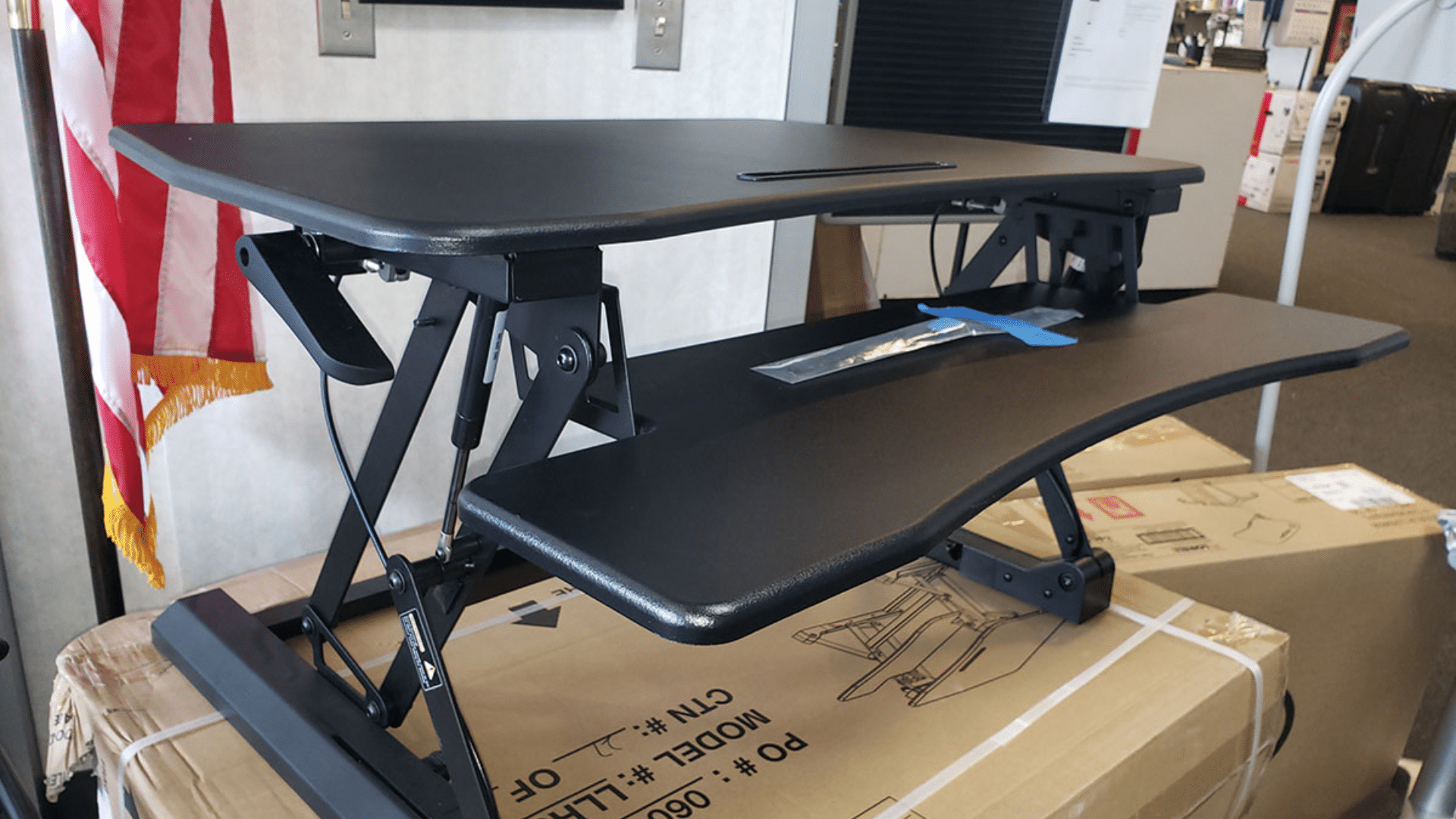
More people are spending long hours at a desk than ever before. Sitting all day can feel stiff and tiring, so many workers start looking for simple ways to change how they work.
That is where desk risers come in. If you have ever asked what a riser desk is, this guide will give you a clear answer.
In this article, you will learn what a riser desk is and how it works in everyday use.
I will share the main benefits, the different types you can buy, and common ways people use them at home or in offices.
You will also see how riser desks compare to electric standing desks in terms of cost, space, and flexibility.
By the end, you should have a better idea of which option fits your work style and setup best.
What Is a Riser Desk?
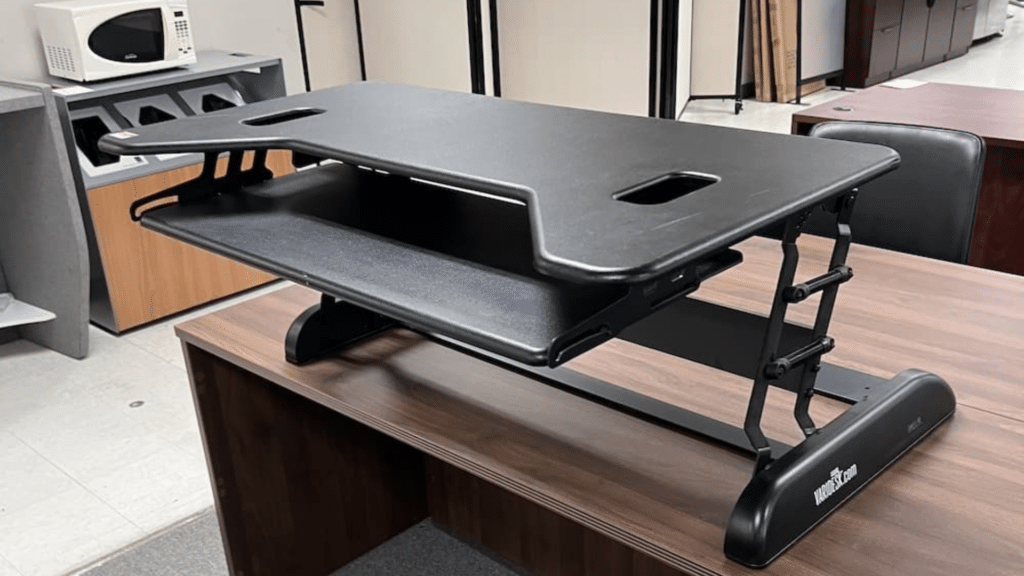
A riser desk is a simple add-on that sits on top of your regular desk and lifts your work surface higher.
Instead of replacing your desk, you place the riser on it and set your monitor, keyboard, and mouse on top. This lets you switch between sitting and standing without changing your whole setup.
Most riser desks adjust in height, so you can raise or lower them based on how you want to work.
Some move by hand, while others use a small lift system. The main purpose is comfort and flexibility during long work hours.
A riser desk saves space and costs less than a full standing desk. It works well for home offices, shared desks, and small rooms where changing furniture is not easy.
Many people choose this option for quick posture relief during the workday at home.
How a Riser Desk Works?
A riser desk works by lifting your work surface to a higher level so you can stand while working. It sits on top of a regular desk and moves up or down as needed.
Manual riser desks use a handle or locking system that you adjust by hand.
You lift the surface, lock it in place, and lower it the same way. Gas spring riser desks use pressure to help the desk move smoothly.
You press a lever, and the surface rises or lowers with less effort. Electric riser desks use a small motor and buttons.
You press a button, and the desk adjusts on its own. Each type does the same job but with different levels of ease and cost.
The goal is to let you change positions during the day without moving your main desk.
Key Benefits of Using a Riser Desk
A riser desk offers simple ways to improve how you work each day. It helps with comfort, supports better posture, and fits easily into most workspaces.
1. Improved Comfort During Long Work Hours
Using a riser desk helps reduce the strain that comes from sitting in one position for too long.
It lets you change between sitting and standing, which can ease pressure on your back and legs. Small movements throughout the day can make work feel less tiring.
Over time, this flexibility helps you stay more comfortable without changing your entire desk setup.
Many people find it easier to focus when their body feels less stiff during long hours.
2. Better Posture Support
A riser desk helps position your screen and keyboard at a more natural height.
This can reduce slouching and neck bending during work. When your screen sits closer to eye level, your shoulders and neck stay more relaxed.
Over time, this can help build better work habits.
While it is not a cure-all, it supports a healthier desk posture with minimal effort or setup changes.
3. Easy Flexibility for Daily Use
One of the biggest benefits is how easy it is to adjust a riser desk. You can raise or lower it based on how you feel throughout the day.
Some people stand for short tasks and sit for longer ones. This mix keeps your work routine flexible. You do not need to commit to standing all day.
The ability to change positions helps match your energy and comfort levels.
4. Saves Space in Small Work Areas
Riser desks sit on top of your existing desk, so they do not take up extra floor space.
This makes them a good choice for small rooms, shared desks, or home offices. You keep your current furniture and add height only where needed.
When not in use, the riser stays in place without crowding the room. This simple setup works well where space is limited.
5. Budget-Friendly Alternative
Compared to full standing desks, riser desks usually cost much less. You get the benefit of height adjustment without replacing your desk.
This makes them a practical option for people who want change without a big spend.
They also work well for testing standing work habits before investing in larger furniture. For many users, this balance of cost and function makes sense.
Riser Desk vs Standing Desk: Key Differences at a Glance
Both options support a more flexible way to work, but they differ in how they fit into daily routines and workspaces. The right choice depends on space, budget, and how often you switch positions.
| Feature | Riser Desk | Electric Standing Desk |
| Setup | Sits on top of an existing desk | Replaces the entire desk |
| Cost | Lower cost and budget-friendly | Higher cost in most cases |
| Space Needs | Uses very little extra space | Needs more floor space |
| Flexibility | Easy to move or remove | Fixed once set up |
| Adjustment | Manual, gas spring, or electric | Mostly electric |
| Best For | Small rooms and shared workspaces | Dedicated home or office setups |
Types of Riser Desks You Can Buy
Riser desks come in several styles to match different needs and budgets. Below are common types and who they work best for.
1. Fixed Riser Desks
Fixed riser desks stay at one height once installed. They do not move up or down. These are best for people who want a dedicated standing position without adjusting often.
If you know the height that works for you, a fixed model can be simple and sturdy.
They are often lighter and cost less than adjustable options. This type fits well in small workspaces or shared desks where one person uses the setup most of the time.
2. Adjustable Riser Desks
Adjustable riser desks let you change height manually. You lift or lower the surface and lock it in place.
This type suits people who switch between sitting and standing during the day. It gives more choice than fixed options and still stays cost-friendly.
Adjustable riser desks work well for home offices where one user wants flexibility without paying for electric features.
3. Manual Riser Desks
Manual riser desks use a simple handle or lever system. You press or pull the lever to lift or lower the desk.
These are ideal for users who want smooth, easy adjustments without motors.
Manual riser desks are usually mid-range in cost and work well in shared spaces where height may change often. They offer a good balance of ease and price.
4. Electric Riser Desks
Electric riser desks use a motor to change height at the push of a button. They are easiest to adjust and great for frequent changes.
This type works best for people who stand and sit many times daily.
While they cost more, the convenience can be worth it for some users. Electric riser desks also fit well in dedicated home offices where comfort and ease are priorities.
Who Should Use a Riser Desk?
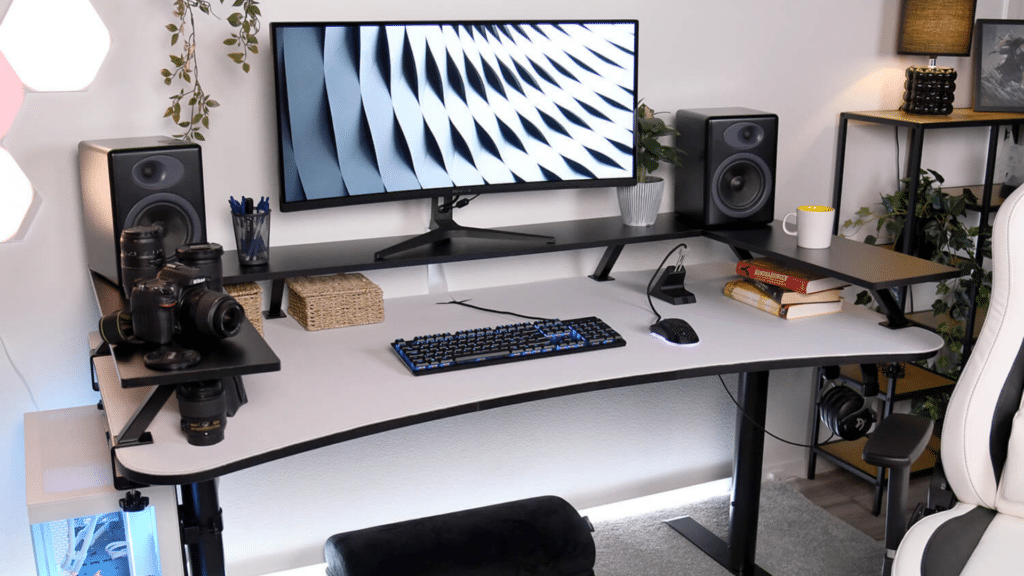
A riser desk works well for many types of users. Home workers often choose it because it fits on an existing desk and needs little space.
Office users like it because the setup is quick and does not require moving furniture.
Shared desk setups benefit the most since different users can adjust the height during the day.
A riser desk makes sense when you want flexibility without replacing your whole desk. It is a smart option for renters or anyone who cannot make permanent changes.
If your space is small or your budget is limited, a riser desk offers a simple upgrade.
It works best for people who switch between sitting and standing but do not need a full desk replacement. For short work sessions or mixed use, this option stays practical and easy to manage.
Things to Consider Before Buying a Riser Desk
Before you buy, think about key factors that affect how well your riser desk will fit your space and work style.
- Desk Size: Make sure the riser fits on your current desk. Measure width and depth so it does not hang over the edges.
- Weight Limit: Check how much weight the riser can hold. This matters if you use heavy monitors or multiple devices.
- Height Range: Look at how high and low the riser goes. It should match your standing and sitting build.
- Ease of Use: Consider how simple it is to adjust, manual, gas spring, or electric. Choose what feels smooth to you.
- Workspace Comfort: Think about where cables, keyboard, and mouse will sit after setup. Comfort makes work easier.
- Budget Planning: Decide how much you want to spend. Riser desks vary in price by type and features.
Are Riser Desks Worth It?
Riser desks can be a good choice for many people, but they are not perfect for every setup.
On the plus side, they are usually cheaper than full standing desks and save space because they sit on top of what you already have.
They help you switch between sitting and standing, which may ease stiffness and improve how you feel during long work hours. They also work well in small rooms or shared spaces.
On the downside, some riser desks have limited height range or weight capacity, so very tall users or heavy monitors may not fit well.
Electric models cost more, and manual ones take effort to adjust.
Whether a riser desk is worth it depends on how often you change positions, how much room you have, and your budget. For simple work needs, they often make sense; for heavy use, a full desk might be better.
Conclusion
Choosing the right desk setup comes down to how you work each day. A riser desk gives you a simple way to add movement, improve comfort, and avoid replacing your entire desk.
It fits well in small spaces, works with tight budgets, and offers flexibility for sitting and standing when you need it.
While it may not suit every workspace, it covers the basics for many home and office users.
Before deciding, think about your room size, how long you work, and how often you change positions. The best option is the one that feels easy to use and supports your routine without stress.
If you already use a riser desk or are thinking about getting one, share your experience in the comments below.
Your input could help others make a smarter choice.