

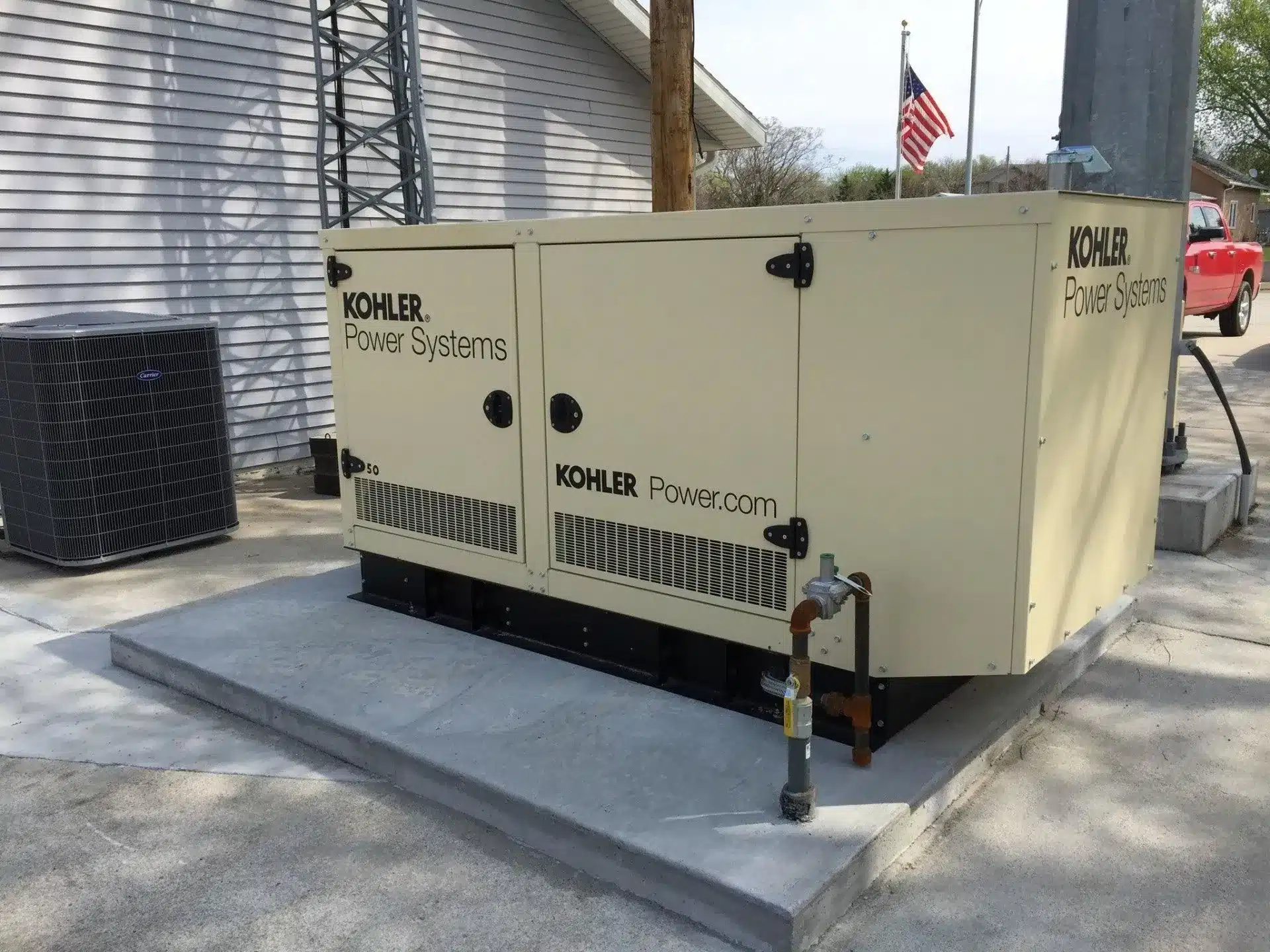
Cold temperatures place extra strain on engines, batteries, and fuel systems, making winterization a crucial step for anyone relying on backup power. Homeowners who use home generators in colder climates know that outages are more likely during winter storms, so preparation is an easy way to ensure dependable performance when it matters most.
Winterization protects critical components from freezing, supports smoother startup, and reduces the risk of unexpected shutdowns. Whether a generator is used for whole-home backup or essential circuits, proper preparation and options like cold-weather accessories allow the system to function consistently in challenging conditions, such as temperatures under 32 degrees Fahrenheit.
Taking the time to winterize before temperatures drop helps maintain reliability throughout the coldest months.
1. Evaluate the Fuel System for Seasonal Demands
Fuel behaves differently in cold weather, making it essential to assess the generator’s fuel setup before winter arrives. For standby units connected to natural gas lines, guaranteeing stable fuel flow and checking for potential blockages helps maintain uninterrupted operation.
Homes using liquid propane should verify that the tank is properly filled, positioned correctly, and accessible throughout the winter. Because propane pressure can fluctuate in lower temperatures, keeping the tank in an open location allows for consistent delivery during cold spells.
Standby generators that run on natural gas or liquid propane offer flexible options for winter readiness. A professional installer can determine whether the current fuel configuration supports reliable operation during severe weather. Preparing the fuel system in advance reduces the risk of power loss during storms and ensures the generator has the resources needed for extended outages.
2. Protect the Battery and Electrical Components
Batteries lose strength in cold temperatures, making them one of the most vulnerable generator components during winter. A weakened battery may cause delayed startups or fail entirely when an outage occurs. Inspecting battery condition, verifying voltage levels, and ensuring secure connections all contribute to dependable performance. Cold-weather accessories such as battery heaters help maintain internal temperature, supporting reliable ignition even in freezing conditions.
Many generator manufacturers offer cold-weather accessories (including battery warmers and engine block heaters) that help protect electrical components and maintain optimal operating temperatures. Shielding electrical connections from snow, ice, and moisture further supports consistent performance. With proper winter preparation, the generator can respond quickly and effectively during cold-weather outages.
3. Allow for Proper Airflow and Ventilation
Generators require unobstructed airflow to prevent overheating and maintain safe operation. Snowdrifts, ice buildup, and windblown debris can block vents or restrict circulation during winter storms. Clearing the area around the generator and maintaining sufficient space for ventilation helps support safe, continuous performance throughout the season.
Adequate clearance also prevents moisture buildup around sensitive components. A certified installer can help determine ideal generator placement to support ventilation, weather protection, and local code compliance.
For homes in snowy climates, keeping the generator free of snow and ice ensures proper airflow and reduces strain on internal systems. Maintaining ventilation can also help prevent exhaust issues and support safe operation during prolonged winter use.
4. Check Oil Viscosity and Cold-Weather Performance
Oil thickens in cold temperatures, which affects how efficiently a generator starts and runs. Making sure the generator uses oil suitable for winter conditions enhances engine performance and reduces unnecessary wear.
Reviewing oil levels and completing timely oil changes strengthen winter reliability, and tools like an oil pan heater kit can help facilitate cold-weather starting while reducing engine wear. Manufacturer-recommended cold-weather oils maintain proper lubrication and smoother operation during freezing temperatures.
While many generators are engineered to handle extreme conditions, proper oil maintenance is essential. Professional installers or service technicians can recommend the appropriate oil type based on regional climate and the generator’s specifications. Preparing the lubrication system before winter facilitates smoother startups and consistent power output when temperatures drop.
5. Test Run the Generator Before the First Freeze
Running the generator before winter begins confirms that all systems are functioning correctly. This test run can reveal unusual noises, error messages, or performance inconsistencies that require attention. It also verifies that the generator transitions smoothly between utility power and backup power. Identifying and addressing issues early ensures the system is ready for unpredictable winter outages.
A seasonal inspection from a certified technician can further confirm system readiness. This service checks components, identifies maintenance needs, and ensures the generator responds correctly under load. A proactive test run helps prevent unexpected failures and supports reliable performance throughout the cold months.
Reliable Power Through the Winter Months
Winterizing a generator is essential so you have dependable backup power during the coldest months of the year. From evaluating the fuel system and protecting the battery to clearing airflow pathways and choosing the right oil, each step strengthens winter reliability.
When a generator is properly prepared for freezing temperatures, it delivers consistent performance during winter storms and unexpected outages. Thorough winter preparation provides peace of mind and helps make sure the home remains protected throughout the season.