

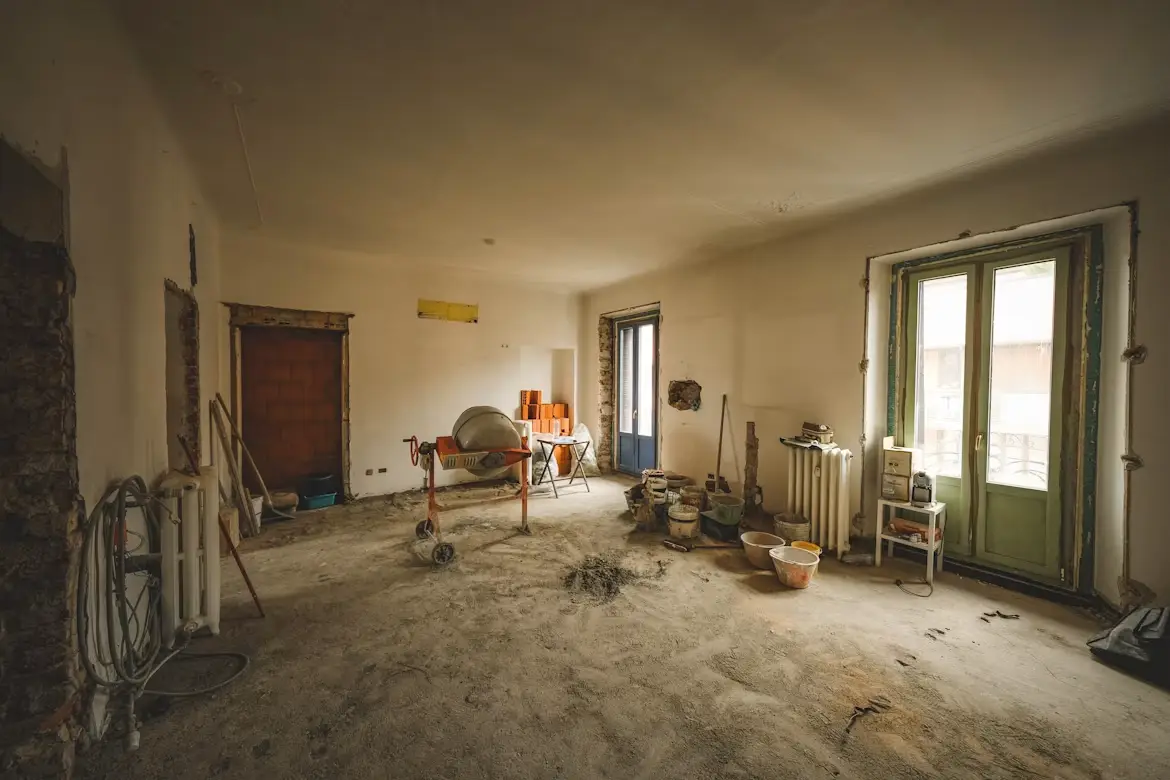
When renovating your home, your primary focus may be on the aesthetic and general appeal of the visible components in different rooms. You may want kitchen countertops that look fresh and sleek, as well as modern, luxurious finishes for floors or faucets.
However, achieving a desired visible appearance can sometimes require interfering with other systems, such as the plumbing system. That’s why every renovation project should be well thought-out if you wish to protect existing systems underneath the surface. Here are the top five home renovation mistakes that you should avoid in your next renovation project for a successful outcome.
Ignoring Professional Help Until it’s Too Late
Some home renovations may seem like simple DIY projects you can complete quickly to save money. However, these problems can sometimes be elusive, hiding bigger challenges than what the eyes can see. Inviting a professional early in the process can help determine the root cause of the problem and diagnose effective solutions before you start.
Even if you’re renovating by yourself, ensure you get a professional inspection so nothing is left unresolved. Choose a licensed, local renovation plumber, such as a plumber Richmond VA, to help you inspect the plumbing condition before renovation begins.
Some states or local governments require a plumbing inspection before renovation projects begin to reduce the risk of leaks, failed inspections, and future repairs. Getting a professional involved early in the process would help solve your plumbing problems effectively, saving you time and money, and keeping things in good standing with the authorities.
Ignoring Water Pressure Issues
If you’re installing faucets or appliances and notice issues with the water pressure, it’s important to stop and fix the problem before proceeding. High or low water pressure can damage your fixtures or pipes, leading to further problems and higher costs. When pressure is too high, you may experience leaks in your pipes and fixtures, while a lower pressure can lead to poor performance of your appliances and faucets.
The best way to manage water pressure issues during a renovation is to test your home’s water pressure right before you start. If the pressure exceeds 60 psi, install a Pressure Reducing Valve (PRV) to keep the pressure within the desired range. Low water pressure issues can be resolved, depending on whether the problem affects a single fixture or the entire house. While you can test your home’s water pressure yourself, hiring a professional plumber to assess the situation can help you manage it safely and accurately.
Failing to Plan for Plumbing Relocations
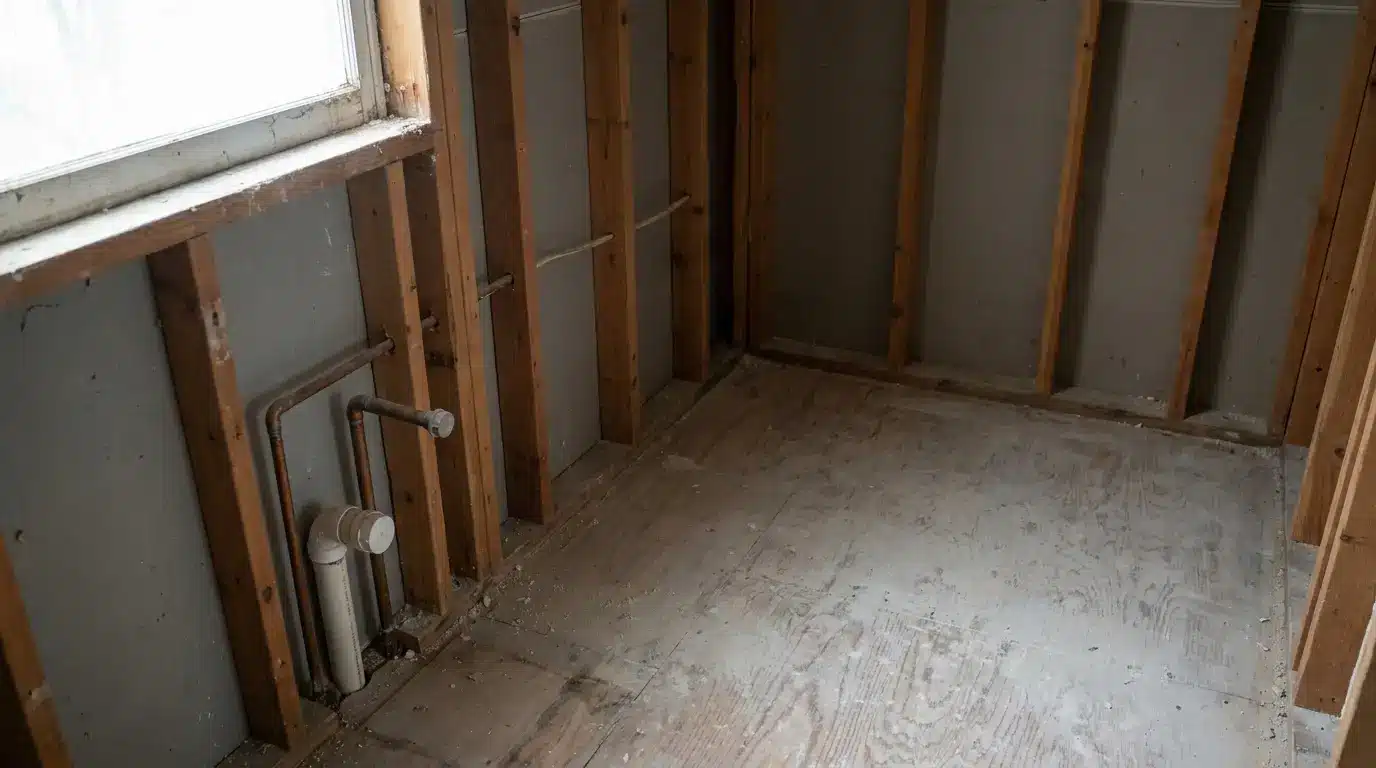
When handling other renovation projects that directly intersect with plumbing lines or fixtures, you’ll need to remove some plumbing fixtures and return them after the work is finished. While many homeowners are aware they’ll remove specific plumbing fixtures during renovation, only a few remember to plan for their relocation in advance.
Poor planning can lead to misplaced important components, incorrect fixture placement, and poor connections, resulting in bumpy drainage, leaks, and other persistent plumbing problems. If you’re inexperienced in handling plumbing projects, you should hire a licensed plumber early to help with the planning. They’ll ensure all your plumbing modifications are done right by first assessing the space, then providing the correct piping dimensions, and ensuring each fixture functions efficiently in its position.
Using Cheap Plumbing Fixtures
While there’s nothing wrong with saving costs on renovation projects, focusing only on the price of materials instead of quality can harm your project’s success. Budget plumbing fixtures look appealing when you’re shopping for renovation materials, but low-quality mixers, valves, or taps can wear out fast. You may end up with noisy pipes, drips, and stiff handles that need more frequent maintenance than expected.
It’s better to delay a non-emergency renovation project until there’s sufficient budget to complete it, rather than opting for cheaper, low-quality materials that will fail sooner. You can also divide the project into smaller, affordable segments to ensure high-quality work with available resources.
Not Accounting for Future Plumbing Requirements
Whether it’s a piping project or a bathroom floor renovation, many homeowners focus only on the immediate needs. They primarily focus on achieving an appealing outcome where pipework is boxed, connections are buried, and cisterns are concealed. That work could look appealing now, but would mean turning a simple repair into a major task later.
It’s important to first check the local building codes and regulations before starting any plumbing work so you can execute each project as directed by the local authorities. Some plumbing renovations may require permits and must meet some legal standards to ensure safety and efficient modifications. A qualified plumber can help navigate these challenges to avoid complications in future plumbing works.
Accomplishing an aesthetically appealing renovation is nothing if plumbing problems begin to appear a few months after the project is completed. By avoiding the above renovation mistakes, you can keep your plumbing system safe and enjoy a successful project completion for a long time. Ensure you work with expert contractors at every stage of your projects to achieve optimal outcomes.