

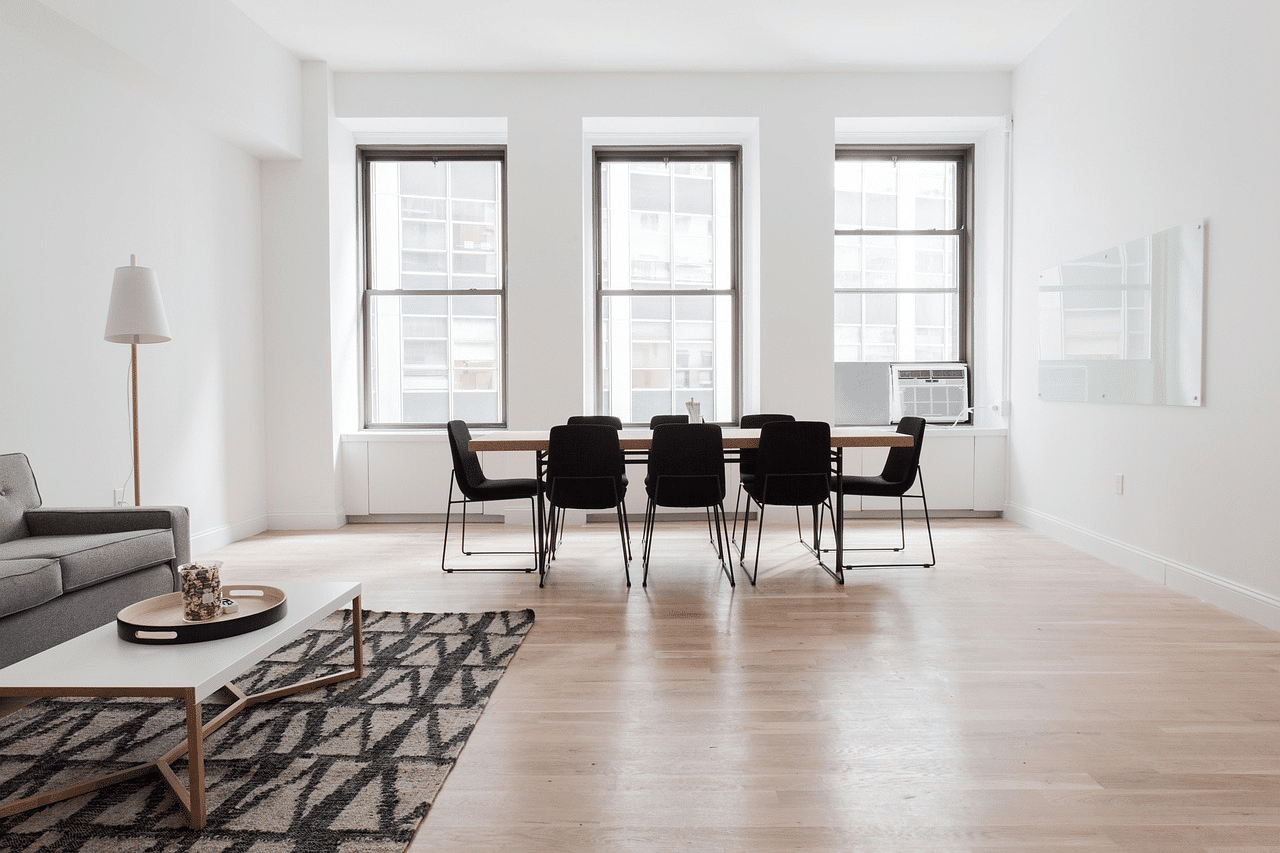
Small spaces get a bad reputation. People hear about a small apartment or compact home and instantly think cramped, cluttered, and limiting. However, small spaces can feel more intentional, more calming, and often more stylish than large homes if they’re designed the right way. Minimalism is about owning what matters, arranging it with purpose, and letting your space breathe. Here’s how to make a small space feel significantly bigger using smart, modern minimalist design principles.
Design Around Light, Not Furniture
Light should be the main character of a minimalist space, especially natural light. The more visible and uninterrupted it is, the larger a space feels. Heavy curtains, bulky blinds, and dark window frames visually shrink a room. Instead, opt for sheer curtains, roller blinds, or even no window treatment at all if privacy allows.
Artificial lighting matters just as much. Instead of one central ceiling light, layer your lighting with soft ambient lighting, task lighting such as reading lamps, and under-cabinet lights and subtle accent lighting. This creates depth, which further creates the perception of space.
Use Fewer Colors Intentionally
The human eye reads visual complexity as clutter. The more colors that are fighting for attention, the smaller a room feels. Limiting your palette to two or three main tones helps everything feel cohesive and expansive.
Light neutrals such as warm whites, soft greys, beige, and sand tones, and muted earth colors work best. However, contrast is still important. A completely flat white space can feel sterile and actually smaller because nothing stands out. Introduce one dark accent, like a charcoal chair, black metal frame, or deep wood shelf. It creates visual anchors that make the room feel structured instead of boxed in.
Let Furniture Do More Than One Job
In small homes, every piece of furniture should earn its place. Minimalist design loves multifunctional furniture because it reduces visual noise and physical clutter simultaneously. Think of beds with built-in storage, ottomans that open up, dining tables that fold into walls, sofas that convert into guest beds, and coffee tables with hidden compartments.
Beyond functionality, there’s a visual rule: the lighter it looks, the bigger the room feels, whereas heavy, chunky furniture kills space instantly. This means incorporating furniture with slim legs, open bases, glass or acrylic surfaces, and low profiles. These allow light and sightlines to pass through, which keeps the room from feeling blocked.
Downsize What You Own
You can’t design a spacious small home if you’re dragging in the contents of a three-bedroom house. Downsizing is a mindset that’s especially important during a move. Careful item selection and thoughtful transport matter more than ever.
When you’re relocating into a small space, using professional movers like OC Moving Services helps ensure only what truly belongs in your new lifestyle makes the journey, rather than bringing old clutter into your new home.
Mirrors, Glass, and Visual Illusions
Mirrors reflect space and multiply light. A large mirror opposite a window can make a room feel almost twice as big. However, ensure that you avoid decorative, fragmented mirrors. For one large mirror, full-ring panels, and mirrored closet doors.
Glass tables, partitions, and doors maintain separation without blocking visibility. You still get structure, but no visual heaviness. Another underrated tip is continuous flooring. Using the same flooring across rooms without transitions creates the illusion of one long, uninterrupted space. No visual breaks means no mental boundaries.
Storage Should Be Invisible
Storage is essential in small spaces. The goal is to hide functionality inside design. That means built-in cabinets instead of freestanding shelves, flush wardrobes instead of bulky dressers, under-bed drawers, and floor-to-ceiling storage instead of short units.
Vertical space can also help. Most small homes waste wall height, and going upwards keeps your footprint lean while increasing capacity. When you do need open storage, aim to store matching containers, neutral baskets, and minimal objects with space between them.
Negative Space Is a Design Tool
Empty space, also called negative space, is what makes everything else feel intentional. It gives you places to rest, creates rhythm, and prevents visual overload. Instead of filling every wall, leave one wall mostly bare, let the floor show, and resist adding decor just because a spot feels empty.
Define Zones Without Building Walls
Small spaces feel larger when each area has a clear purpose. Instead of adding walls, use rugs, lighting, and smart furniture placement to create subtle boundaries. A rug can anchor a living area, while focused lighting defines work or dining zones. These soft divisions maintain openness while making the home feel organized, intentional, and easier to lie in.
Endnote
The idea that you need more space to live well is mostly cultural. Minimalist design isn’t about deprivation. It’s about choosing quality over quantity and designing a home that works with your life.