

Starting a homestead can feel like a big step. For beginners, it may seem hard to know what to do first.
Homesteading means doing more things for yourself, like growing food or caring for animals. It takes time, work, and planning.
Many people want a simpler life and more control over what they eat and use.
This blog shares advice to help new homesteaders begin with confidence. It focuses on real problems and how others solved them.
With the right steps and support, anyone can learn how to start homesteading, even without experience.
Why Do People Start Homesteading?
People start homesteading to take control of their food, time, and daily needs. Growing vegetables, raising animals, and cooking from scratch can bring a strong sense of purpose.
Homesteading often begins with small steps, such as planting a garden or learning to store food.
The lifestyle reduces waste, lowers costs, and limits the need for store-bought items. It also allows for more time at home, more hands-on work, and less stress from fast-paced living.
Families use it to build life skills and work together toward shared goals. Homesteading can lead to a slower, more rewarding life that feels grounded, useful, and connected to the land.
Simple Ways to Start Homesteading
Many beginners feel nervous at first. That’s normal. Starting small is the best way to learn. You don’t need to know everything or do it all at once. Below are steps, ideas, and real-life advice that will help anyone start homesteading.
Start by Learning the Basics
Before doing anything, it helps to read, watch videos, or listen to others who homestead. Books, blogs, podcasts, and YouTube channels are great tools. Look for people who share what worked for them and what didn’t.
Simple topics to begin with:
- How to grow vegetables
- How to keep backyard chickens
- How to can or dry food
- Basic tools for beginners
- How to make a small compost pile
Learning from others will help avoid common mistakes. Many people online share real stories and lessons from their own homesteading journey.
Choose What You Can Do Right Now
You don’t need acres of land or a barn. You can start homesteading in a small yard, on a balcony, or even inside your home.
Here are simple ways to begin:
- Grow herbs in pots
- Plant tomatoes in containers
- Start a worm bin for compost
- Make bread at home
- Try sewing, mending, or knitting
- Cook more meals from scratch
Pick one or two things to try. After a few months, add more. This way, you won’t feel overwhelmed.
Make a Plan That Fits Your Life
Planning helps everything feel easier. Think about what you want to try, how much time you have, and how much space you can use.
Ask yourself:
- How much time can I spend each week?
- How much money can I spend on supplies?
- What skills do I want to learn first?
- Can I do this alone, or will my family help?
Keep it simple at first. A few garden beds or a small chicken coop may be enough for your first year. You can grow as you learn.
Stay Organized and Keep Notes
Write down what you plant, what you build, and what you learn. This helps in the future. You can keep a notebook, use a wall chart, or even a simple phone app.
Things to track:
- Planting dates and harvest times
- Animal care schedules
- Weather notes and garden changes
- How much food did you preserved
- What tools or supplies do you still need
Keeping records helps make the next year easier. You can look back and see what worked well.
Involve Family or Friends
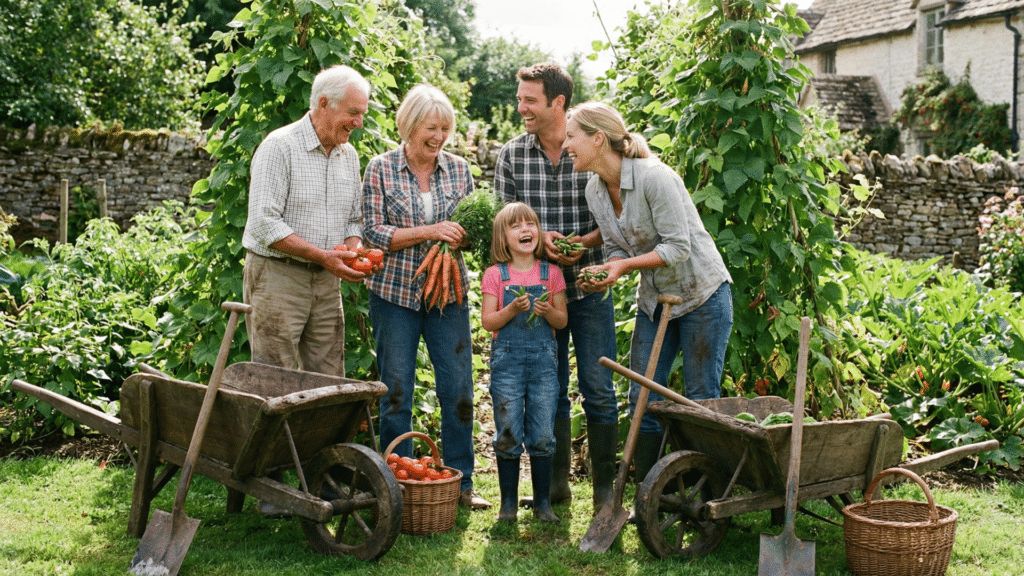
Homesteading is easier when others help. Family members can take on small tasks. Kids can help water plants or collect eggs. Friends might enjoy trading goods or skills with you.
Working together builds community and makes the work more fun.
Ideas:
- Have a harvest day where everyone helps pick
- Trade baked goods for extra vegetables
- Teach each other new skills
- Share tools to cut costs
No one has to do this alone. Many homesteaders build strong friendships and support networks over time.
Learn from Other People
Many beginners say they learned the most from talking to others. Local homesteading groups, online forums, or nearby farms can be great places to ask questions.
Some advice from the homesteading community:
- “Start small. I planted too much my first year and got overwhelmed.”
- “I built a coop before I even knew how to care for chickens. Learn first.”
- “Don’t feel like you have to be perfect. Try one new skill at a time.”
You’ll find that many homesteaders are happy to share tips and stories. These real-life experiences can help you avoid stress and enjoy the process
Keep Learning as You Grow
Homesteading is not something you finish. It’s a way of living that changes with the seasons and years. Keep learning new skills, trying new things, and adjusting your plans.
Ideas to grow your knowledge:
- Take free online courses
- Visit farmers’ markets or homestead fairs
- Watch how others care for goats, bees, or gardens
- Read one new book each season
- Try building a small shed or solar setup
The more you learn, the more confident you’ll feel. And each step helps you live a little more simply and freely.
What Tools Do Beginners Need?
| Tool | Use |
|---|---|
| Gardening gloves | Protect hands while digging, planting, or pulling weeds |
| Hand trowel | Helps dig small holes and move soil easily |
| Watering can or hose | Needed for daily watering of plants and garden beds |
| Buckets | Useful for carrying water, compost, soil, or feed |
| Shovel | Good for digging larger holes and moving heavy soil |
| Rake | Clears leaves, levels soil, and helps with cleanup |
| Pruners or scissors | Trims plants, herbs, or small branches |
| Food storage jars | Used for canning, storing dried herbs, or preserving goods |
| Basic kitchen tools | Helps with cooking, baking, and preserving food |
| Compost bin or container | Collects food scraps and garden waste for making natural compost |
| Chicken feeder and waterer | Needed if raising chickens for clean feeding and water supply |
| Notebook or planner | Keeps track of planting dates, animal care, and progress |
Common First Homesteading Projects
Starting with small, manageable projects helps beginners build skills and confidence. These early steps are simple yet useful, laying a strong foundation for future homesteading work.
Gardening
Growing food at home is one of the easiest ways to begin.
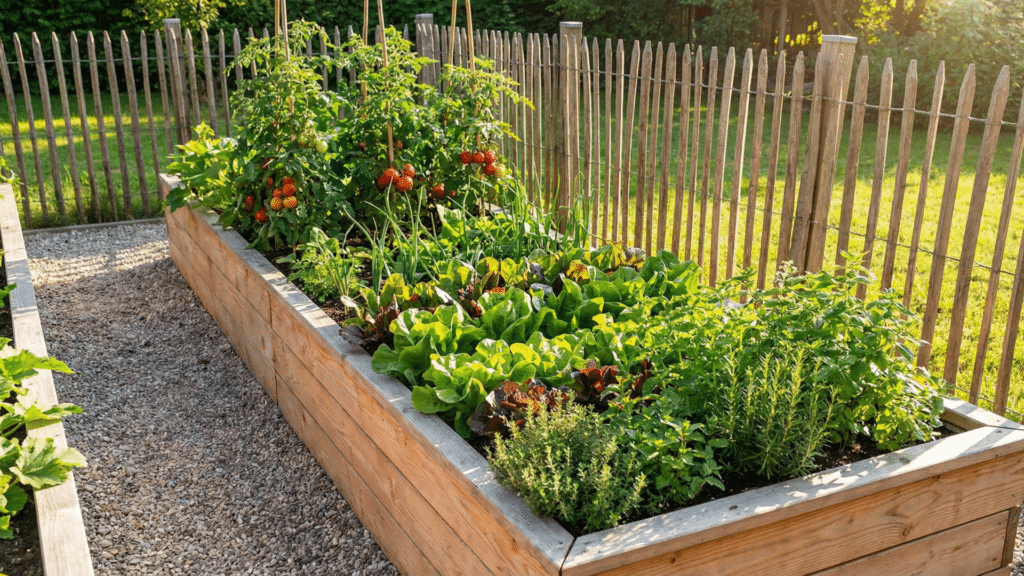
- Start with beginner-friendly crops like lettuce, radishes, green beans, or zucchini
- Use containers or pots if ground space is limited
- Focus on just a few plants to avoid feeling overwhelmed
Raising Chickens
Keeping chickens is a common first step in animal care.
- Check local rules and zoning laws before buying chickens
- Begin with 3 to 4 hens for a steady supply of eggs
- Learn as you go, daily care is simple but important
Canning and Preserving
Food preservation helps reduce waste and prepare for future meals.
- Try canning vegetables, making jam, or pickling simple items
- Experiment with dehydrating fruits or freezing herbs
- Preserving food stretches your harvest and saves money
Making Homemade Products
Handmade goods are practical and support a more self-reliant lifestyle.
- Start with basic recipes for soap, candles, or natural cleaners
- Use easy-to-find, non-toxic ingredients
- Homemade products can be used at home or given as gifts
Easy Budget Tips for New Homesteaders
A limited budget shouldn’t stop anyone from starting a homestead. The key is to focus on what you can do with what you already have.
- Repurpose everyday items. Use empty buckets, food containers, and jars for planting or storage. No need for fancy gear when simple tools work just as well.
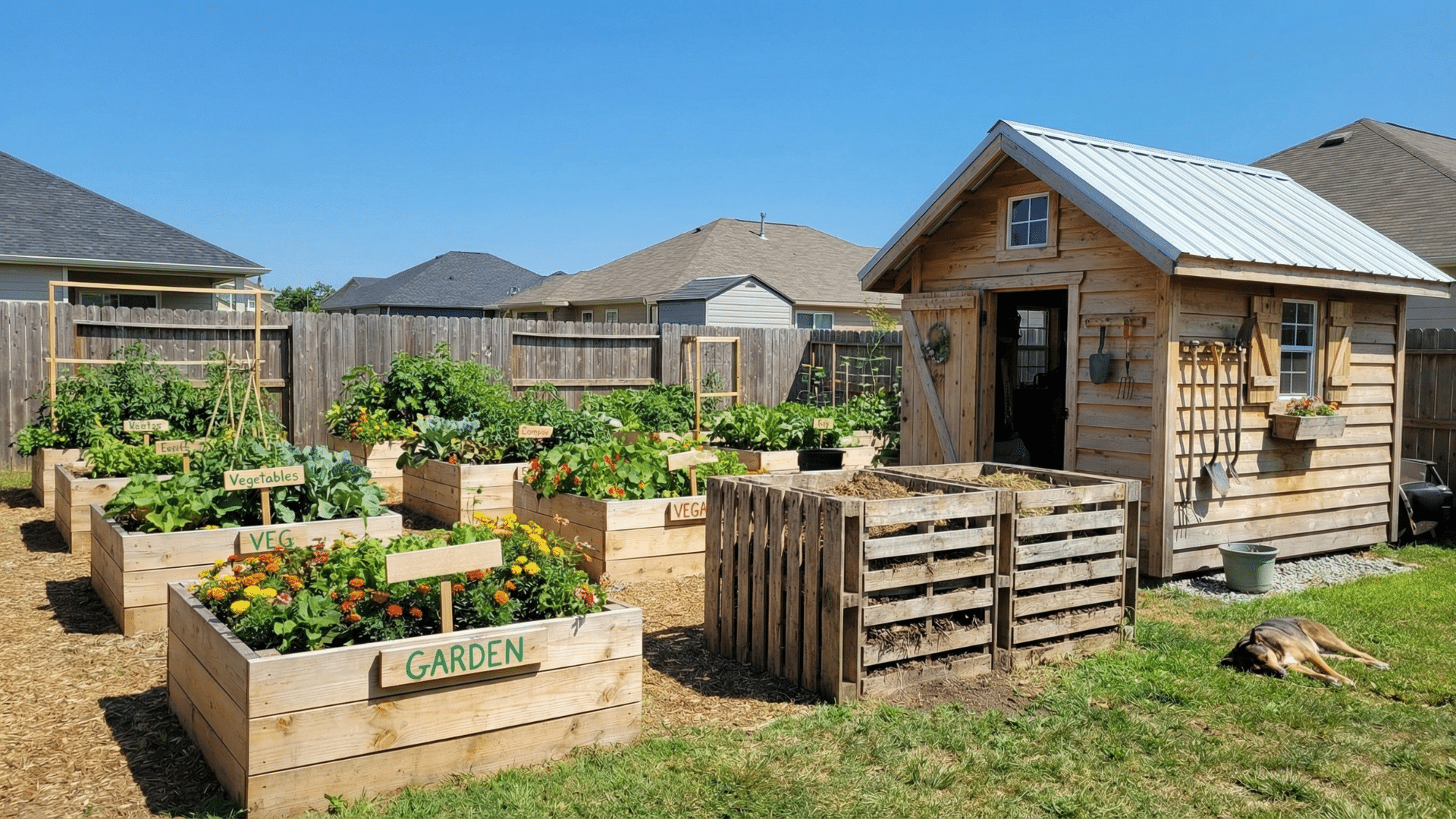
- Build with scrap materials. Old wood, bricks, or pallets can be turned into garden beds or compost bins. Look for free leftovers from construction sites or neighbors.
- Source seeds for free. Swap with local gardeners, join community seed banks, or save seeds from store-bought produce.
- Make your own compost. Turn food waste and garden scraps into nutrient-rich soil instead of buying fertilizer.
- Learn before you spend. Try free online guides or watch trusted DIY tutorials to avoid buying things you might not need.
Start small, stay resourceful, and let your knowledge guide future investments. As your homestead grows, you’ll know where to put your money to good use.
The Bottom Line
Starting a homestead is less about having the perfect setup and more about building habits that support a simpler life.
It’s a learning process shaped by small wins, daily effort, and the ability to adapt. Each skill you gain makes the next step easier. You don’t have to rush or do it all.
Focus on what matters most to you. Pay attention to what works. Homesteading grows over time, just like the garden you may plant.
If you’ve been thinking about it, now is a good time to begin. Pick one thing and try it. That first step is what turns ideas into real change.