

Looking around at today’s homes, it’s easy to spot something interesting. While modern minimalism has its fans, many spaces still lean on time-tested design choices.
The kind that grandparents might recognize. Yet these aren’t outdated relics gathering dust.
Some design elements refuse to fade, no matter how many trends come and go. They show up in new builds and renovated spaces alike. They create rooms that feel both polished and lived-in.
What makes certain traditional styles stick around while others disappear? The answer lies in understanding which elements have earned their staying power through decades of real-world living.
What is Traditional Interior Design?
Traditional interior design draws from European styles that peaked during the 18th and 19th centuries. Think English manor houses and French chateaux.
The look centers on symmetry, rich wood finishes, and carefully chosen details that create a sense of established elegance.
Rooms typically feature matched furniture pairs, crown molding, and layered textiles. Colors lean toward warm neutrals with deeper accent shades. Furniture often shows curved lines and ornate carvings rather than stark angles.
It’s not about stuffiness or formality alone. Traditional design creates spaces that feel anchored and substantial.
Each piece seems chosen to last generations, not just seasons. The style values quality materials and craftsmanship over fleeting trends.
Key Characteristics of Traditional Interior Design Style
Traditional design follows recognizable patterns that create cohesive, timeless rooms. These core elements work together to establish the classic look people associate with enduring elegance.
- Symmetrical Layouts: Furniture and decor mirror across a central axis. Matching lamps flank sofas and paired chairs face each other. This balance creates visual calm and order throughout the space.
- Rich Wood Tones: Cherry, mahogany, and walnut appear in furniture and trim. These darker woods add warmth and weight. They age beautifully, developing character rather than looking worn over time.
- Layered Textiles: Multiple fabric types create depth and comfort. Drapes, throw pillows, upholstery, and rugs combine various textures. Patterns like damask, toile, and florals add visual interest without overwhelming.
- Ornate Details: Crown molding, wainscoting, and carved furniture legs showcase craftsmanship. These decorative touches aren’t minimal. They demonstrate attention to detail and add architectural interest to otherwise plain surfaces.
- Classic Color Palettes: Warm neutrals form the base: creams, beiges, soft golds. Accent colors include burgundy, navy, forest green, and rich browns. The palette feels grounded rather than bright or stark.
Traditional Interior Design Color Schemes That Never Go Out of Style
Certain color combinations have proven their worth across decades. These palettes create rooms that feel both current and timeless, adapting easily to changing accessories and personal touches.
1. Cream and Navy
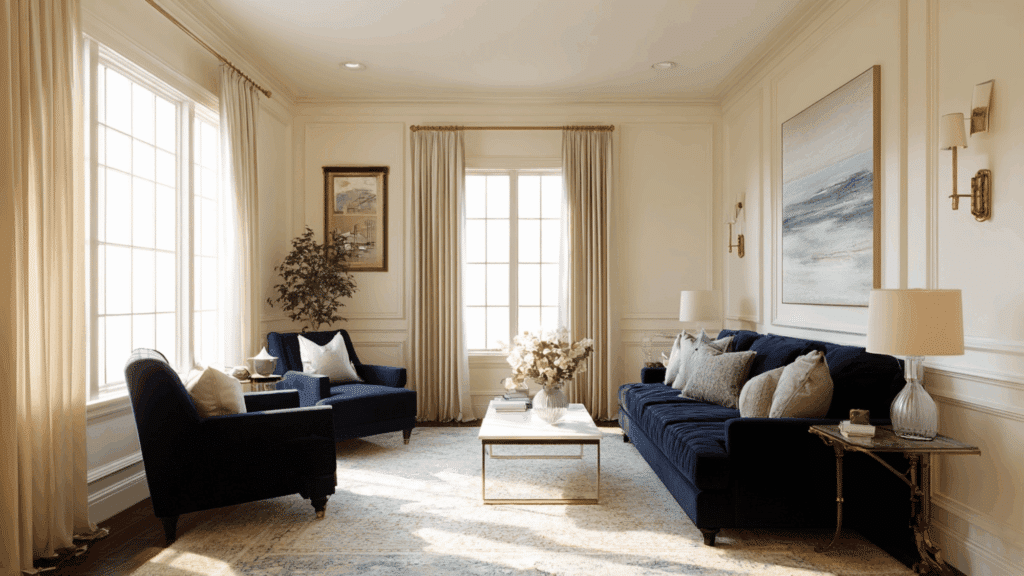
This pairing brings together soft warmth with grounded depth.
Cream walls provide a neutral backdrop that’s warmer than stark white. Navy appears in upholstery, window treatments, or accent furniture.
The contrast works in any room, from bedrooms to living spaces. It feels nautical without being themed, classic without seeming dated. Add brass or gold hardware to enhance the richness.
2. Beige and Burgundy
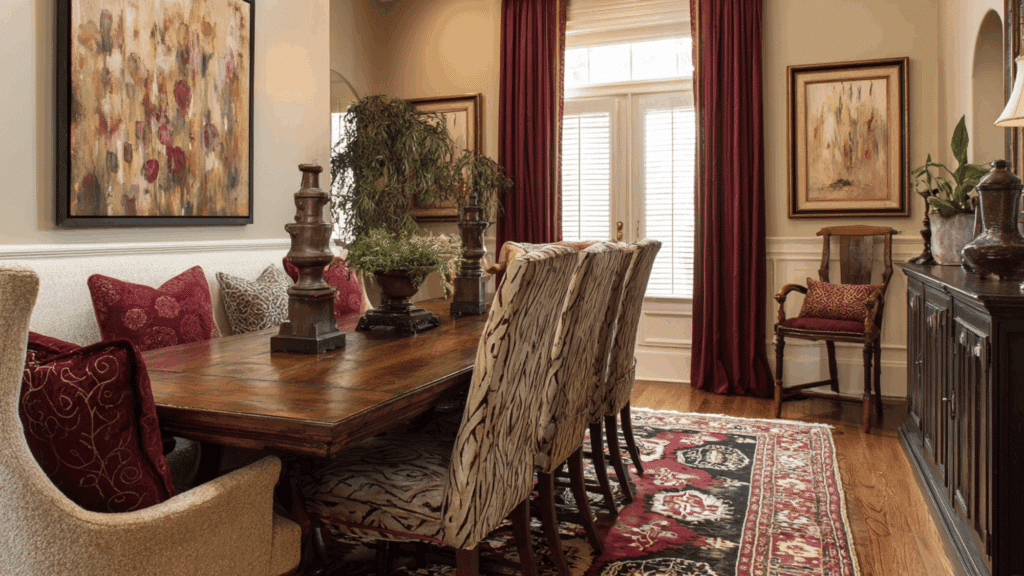
Beige creates a versatile foundation that pairs beautifully with burgundy’s richness. The wine-red shade adds refinement without overwhelming.
Use burgundy in smaller doses through pillows, curtains, or area rugs. This combination works particularly well in dining rooms and studies.
It evokes warmth and tradition while staying approachable. Wood tones in medium to dark finishes complement both colors naturally.
3. Sage Green and Cream
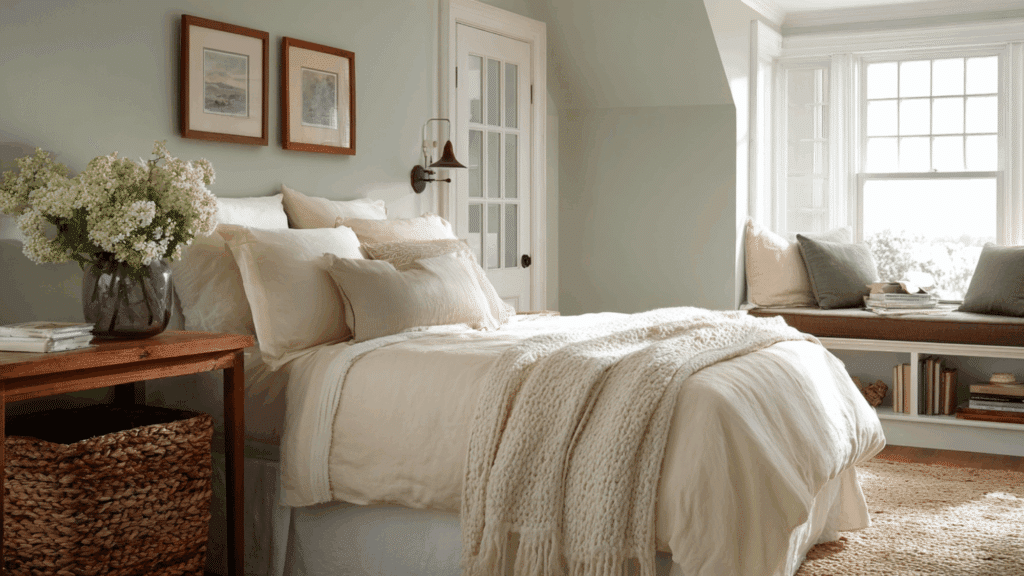
Sage brings subtle color without boldness. Paired with cream, it creates peaceful, livable spaces.
This combination suits bedrooms and bathrooms especially well. The green adds life while remaining neutral enough for long-term enjoyment. It works across seasons, feeling fresh in summer yet cozy in winter.
Darker wood accents and natural textures enhance the organic feel.
4. Taupe and Gold
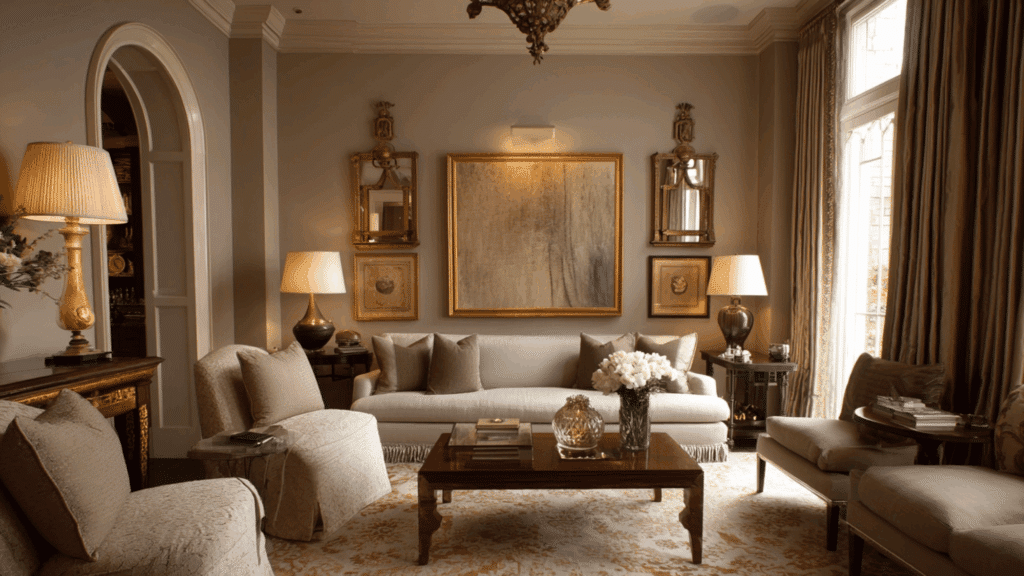
Taupe serves as a refined neutral that’s neither beige nor gray.
Gold accents through lighting, mirrors, or decorative objects add measured glamour. This palette creates elegant rooms without formality. It adapts well to both traditional and transitional spaces.
The warmth prevents rooms from feeling cold or sterile. Layer different taupe shades for depth and visual interest throughout.
5. Chocolate Brown and Ivory
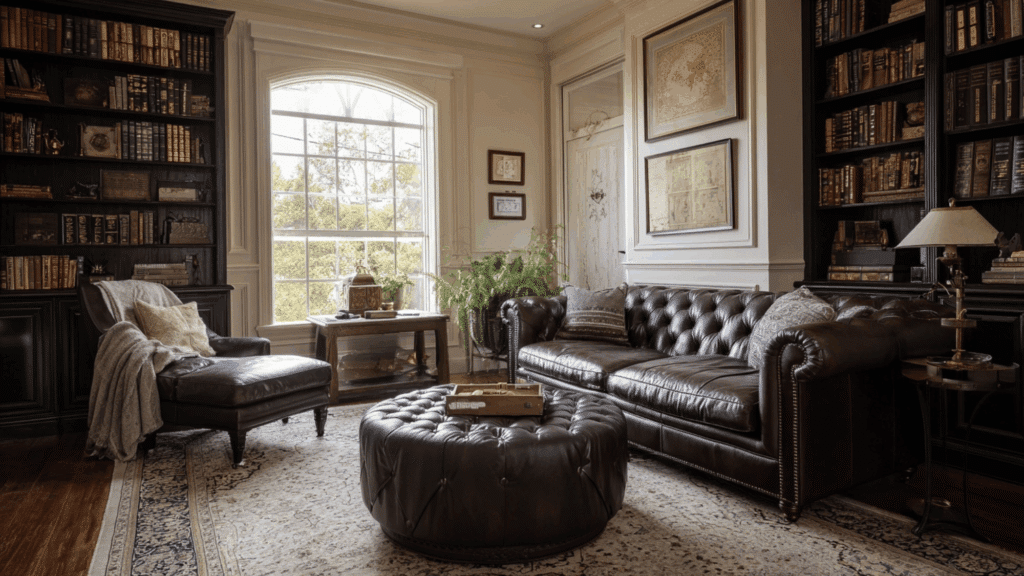
Deep brown grounds a space with substantial presence. Ivory lightens and balances the darkness, preventing heaviness. This combination works beautifully in libraries, home offices, and living rooms.
Rich leather furniture complements the palette perfectly.
Add layered lighting to prevent darker browns from making spaces feel closed in. Natural materials like wood and stone enhance the earthy quality.
6. Dusty Blue and Warm White
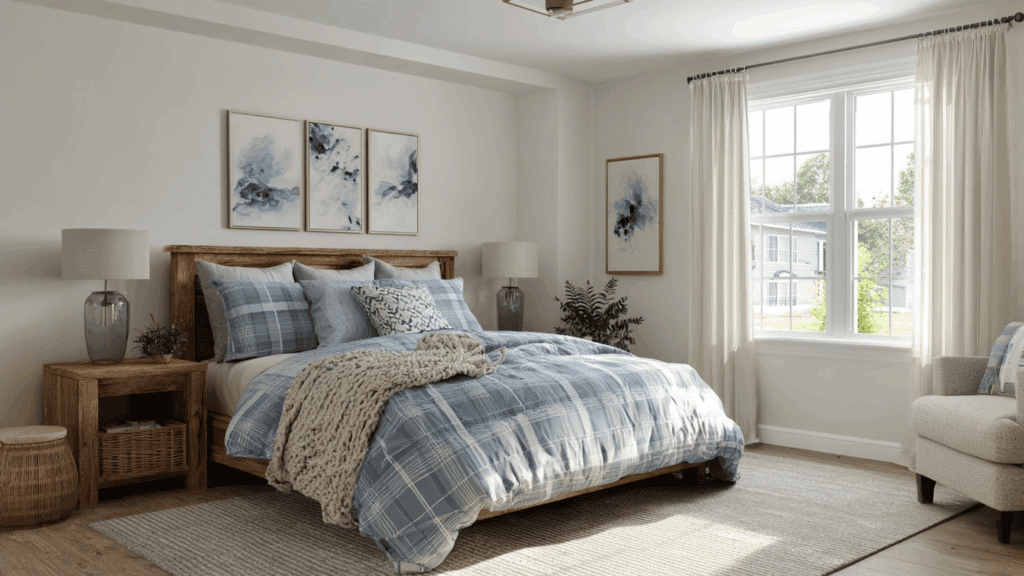
Dusty blue offers color with restraint. It’s softer than navy, more interesting than gray.
Warm white keeps spaces feeling open and airy. This pairing suits bedrooms, bathrooms, and casual living areas. It feels traditional yet relaxed, avoiding stuffiness.
The combination works year-round and pairs well with both silver and brass finishes.
7. Forest Green and Camel
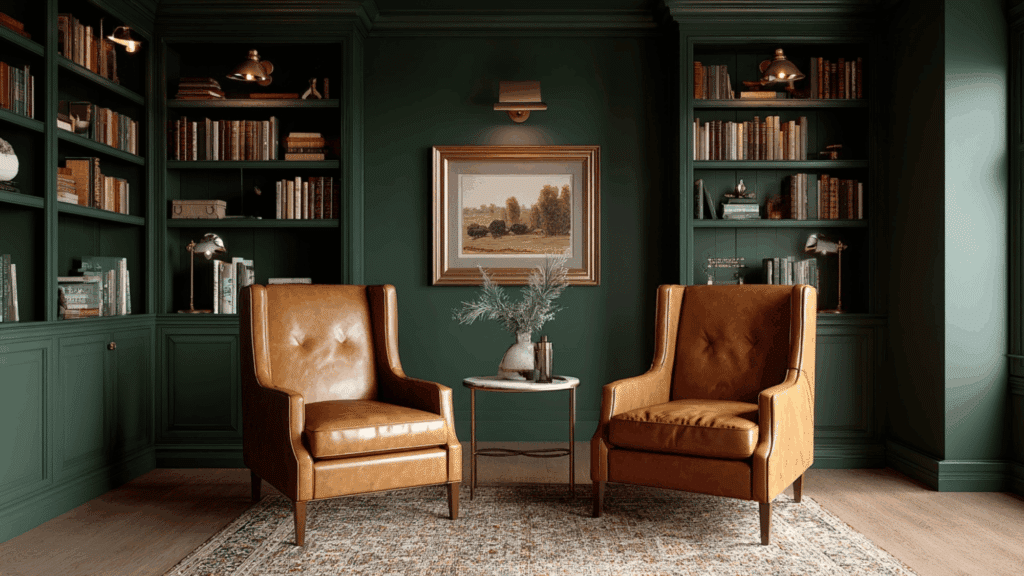
Forest green delivers richness and depth. Camel tones warm the palette and prevent it from feeling too serious. This combination is particularly suitable for studies, dining rooms, and traditional living spaces.
Leather furniture in camel or tan complements the green beautifully.
The palette evokes English country homes and established libraries. Wood paneling or bookshelves enhance the classic, refined atmosphere.
Furniture and Décor Elements Used in Traditional Interior Design
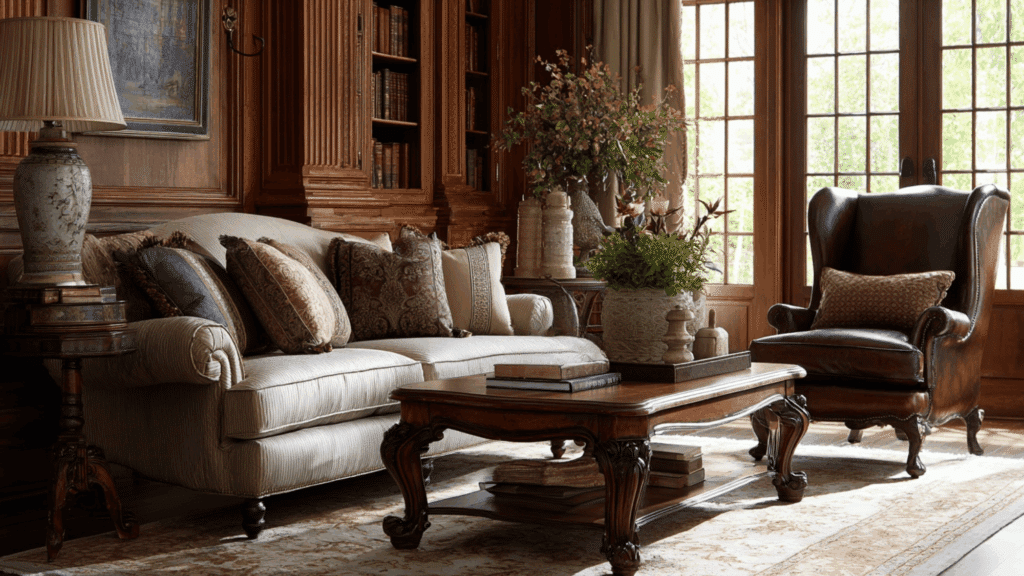
Traditional furniture prioritizes quality construction and classic silhouettes over contemporary experimentation.
Pieces often feature substantial proportions with carved details, turned legs, and rich upholstery. Wood furniture showcases visible grain and deep finishes rather than painted surfaces.
Seating includes rolled-arm sofas, wingback chairs, and button-tufted ottomans. Case goods, such as dressers and cabinets, feature decorative hardware and paneled drawer fronts.
Tables often have cabriole legs or pedestal bases instead of simple straight supports.
Décor elements layer onto this foundation thoughtfully. Framed artwork, table lamps with fabric shades, decorative mirrors, and porcelain accessories complete rooms. Each piece appears carefully selected rather than randomly gathered.
The overall effect feels curated and intentional, creating spaces with weight and presence.
Traditional Interior Design vs Modern Styles
Traditional and modern design represent opposing philosophies. Understanding their core differences helps clarify why certain spaces feel distinctly one way or another.
| Aspect | Traditional Design | Modern Design |
|---|---|---|
| Color Palette | Warm neutrals, rich accent colors | Cool neutrals, black, white, bold primaries |
| Furniture Lines | Curved, ornate, carved details | Clean, straight, minimal embellishment |
| Materials | Dark woods, heavy fabrics, brass | Metal, glass, light woods, leather |
| Layout | Symmetrical arrangements | Asymmetrical, open flow |
| Patterns | Florals, damask, toile, stripes | Geometric, abstract, or none |
| Decorative Elements | Layered accessories, artwork, collectibles | Minimal decor, statement pieces only |
| Architectural Details | Crown molding, wainscoting, trim work | Flat surfaces, clean edges |
| Overall Feel | Warm, layered, established | Sleek, streamlined, uncluttered |
Common Mistakes to Avoid in Traditional Interior Design
Traditional design can veer into problems when certain principles are ignored or taken too far. Avoiding these common missteps keeps spaces feeling classic rather than outdated.
- Overdoing the formality: Too many ornate pieces create stuffy, untouchable rooms that feel more like museums than homes people actually live in.
- Ignoring scale and proportion: Massive furniture in small rooms or tiny pieces in large spaces throws off the balance that traditional design requires.
- Matching everything too perfectly: Overly coordinated rooms look staged and lifeless; traditional spaces need some variation to feel authentic and collected over time.
- Skipping adequate lighting: Dark woods and rich colors need proper illumination; relying on a single overhead fixture makes rooms feel cave-like and oppressive.
- Cluttering with too many accessories: Layering doesn’t mean cramming every surface with objects; overcrowded spaces lose the elegance traditional design aims to achieve.
The Bottom Line
Traditional design continues thriving because it solves real problems. Rooms need structure, furniture should last, and homes benefit from thoughtful color choices. These aren’t revolutionary ideas, just proven ones.
The key lies in adaptation rather than rigid replication. Take the symmetry, skip the excessive formality. Use the rich colors, but balance them with breathing room.
Appreciate quality craftsmanship without turning spaces into untouchable showrooms.
What worked in European estates translates surprisingly well to modern living. They make daily life feel a bit more settled and intentional. That’s worth keeping around.