

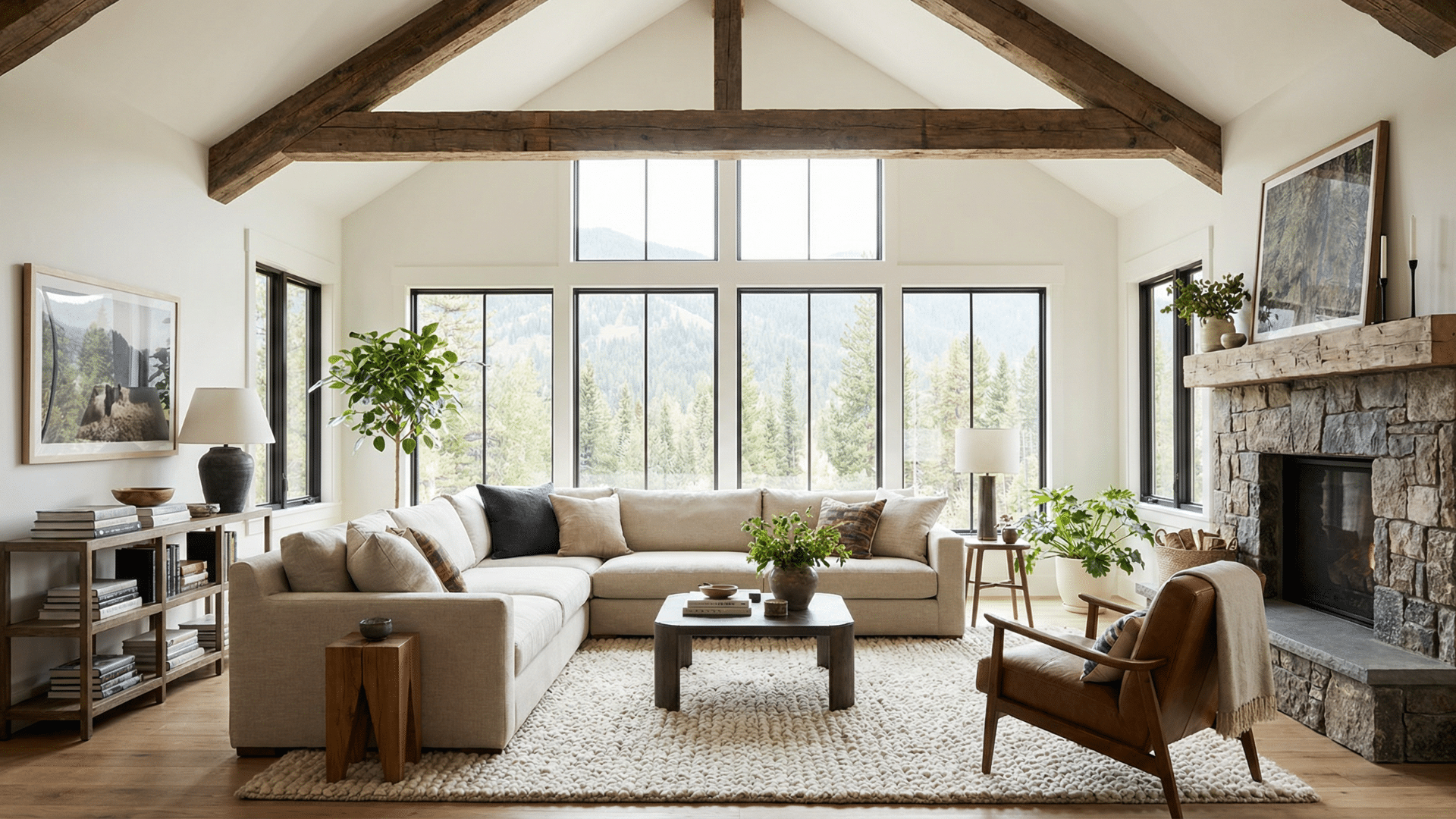
A vaulted ceiling changes the way a room looks and feels. It lifts the ceiling higher than usual, making the space feel open and bright.
Many homes use this feature to add style and a sense of size. It can make even a small room feel larger and more inviting.
While it may seem fancy at first, the concept is easy to understand. The shape, height, and design all work together to create a bold effect.
People often choose this ceiling type for both beauty and function. Before adding one to a home, it’s important to know what it really means. This blog offers a simple look at the meaning and features.
What is a Vaulted Ceiling?
A vaulted ceiling is a ceiling that rises higher than a flat ceiling. Instead of staying level across the top of the room, it angles or curves upward.
This creates more space above and makes the room feel bigger, brighter, and more open. It often follows the shape of the roof instead of sitting flat on top of the walls.
It does not have to be fancy or extreme. As long as it slopes, curves, or rises above the standard ceiling line, it can be called vaulted.
This style has been used for centuries. Long ago, vaulted ceilings were built in churches and castles using stone or brick. Today, they are made with wood, drywall, and other modern materials.
They are common in living rooms, bedrooms, kitchens, and entryways, and come in many styles, some tall and sloped, others arched or curved.
How High is a Vaulted Ceiling?
Vaulted ceilings are always taller than standard flat ceilings, but the exact height can vary depending on the design and roof shape. Here’s a quick comparison:
| Ceiling Type | Typical Height Range | Notes |
|---|---|---|
| Standard Flat Ceiling | 8 to 9 feet | Common in most homes with flat ceilings |
| Low Vaulted Ceiling | 10 to 12 feet | Adds some height without being overly dramatic |
| Average Vaulted Ceiling | 12 to 16 feet | Common height range in most modern vaulted designs |
| Tall Vaulted Ceiling | 17 to 25 feet (or more) | Found in large rooms or custom homes with steep roofs |
Types of Vaulted Ceilings
There are many styles of vaulted ceilings. Each type gives a room a different look and feel. Below are the most common vaulted ceiling types, along with where they work best.
1. Cathedral Ceiling
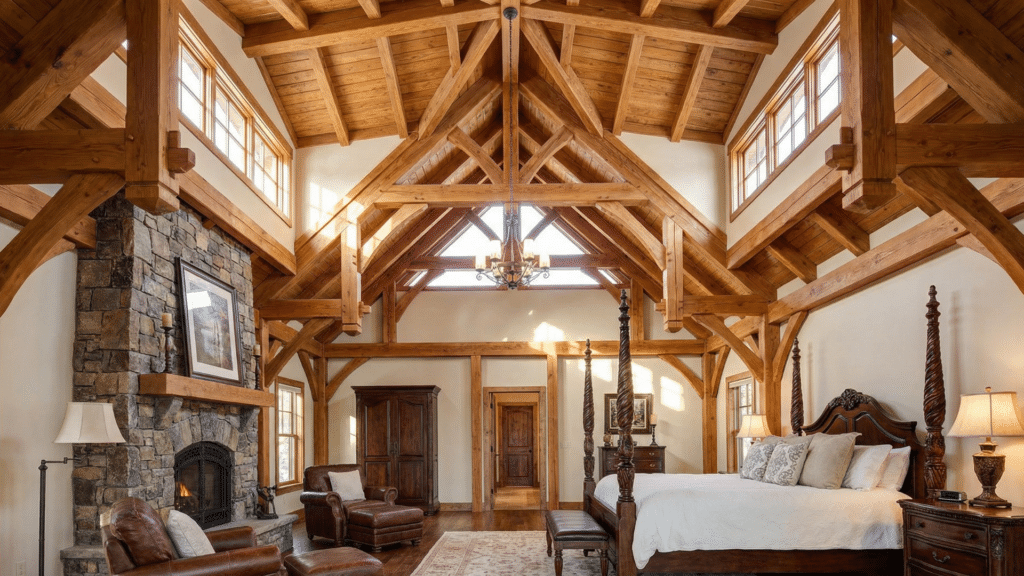
A cathedral ceiling has two sloped sides that meet at the peak. This peak is often centered, just like the roof above. It creates a tall, open space and draws the eye upward. This design is inspired by old churches, which is how it got its name.
- Look: Sharp peak in the center, high triangle shape
- Feel: Tall, grand, and open
- Best for: Living rooms, master bedrooms, open-concept spaces
- Extra Tip: Works well with exposed beams or tall windows for added light
2. Barrel Vault Ceiling
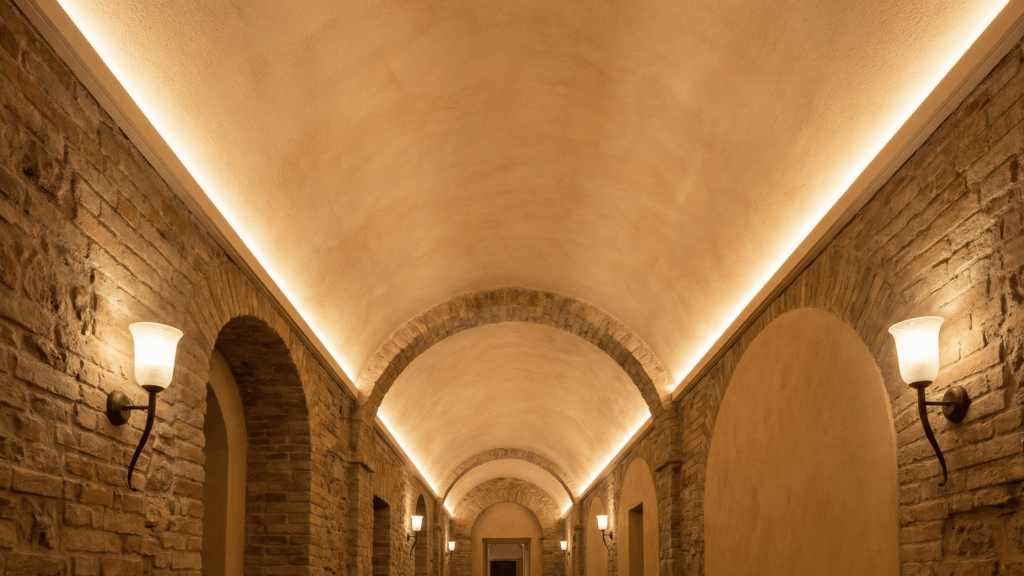
A barrel vault ceiling looks like a long half-circle or the inside of a barrel. The arch runs the full length of the room, creating a soft, rounded shape. It gives the space a calm and smooth feel and often adds a classic touch.
- Look: One smooth, rounded arch across the room
- Feel: Cozy, flowing, and elegant
- Best for: Long hallways, entryways, bathrooms
- Extra Tip: Add soft lighting along the curve to highlight its shape
3. Cove Vault Ceiling
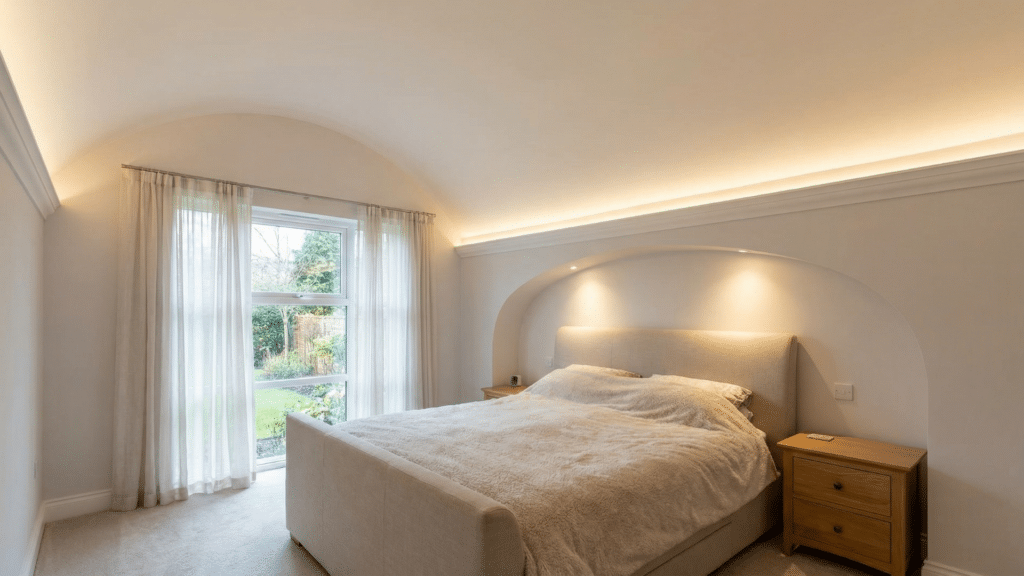
A cove vault starts with flat walls, but instead of a sharp corner at the ceiling, it gently curves upward. It has a soft bend where the wall meets the ceiling. This style adds a smooth transition that feels relaxing and polished.
- Look: Gentle curve from wall to ceiling, no sharp angles
- Feel: Calm, soft, and graceful
- Best for: Bedrooms, dining rooms, home libraries, quiet zones
- Extra Tip: Looks great with hidden LED lights in the curve
4. Groin Vault Ceiling
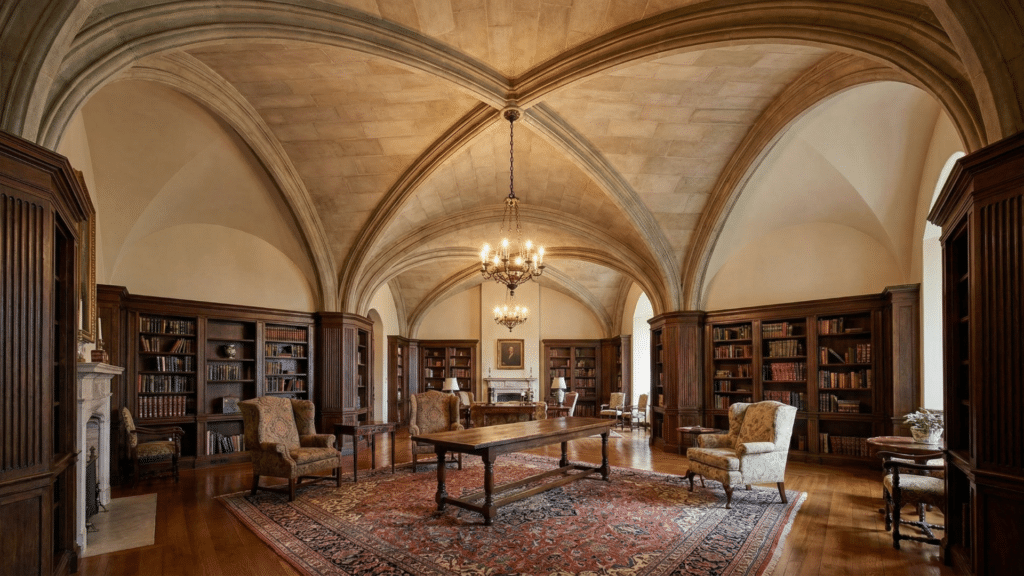
This ceiling is formed by joining two barrel vaults at right angles. The place where they meet forms X-like patterns across the ceiling. It’s more detailed and creates a bold, geometric look. It also adds strong lines and curves at once.
- Look: Two curved vaults crossing to form a square or X shape
- Feel: Bold, rich, and structured
- Best for: Large rooms, formal dining areas, foyers
- Extra Tip: Use in rooms with columns or archways for a classic look
5. Rib Vault Ceiling
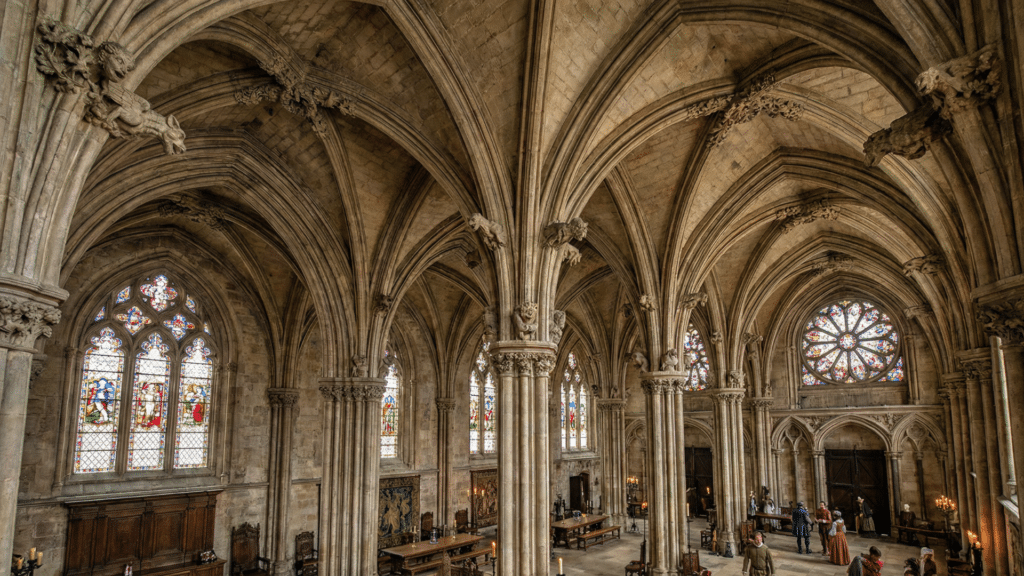
A rib vault is often seen in old castles and churches. It has ribs or beams that cross under the curves of the ceiling. These ribs support the ceiling but also act as decoration. They create a fancy, web-like pattern.
- Look: Curved ceiling with decorative rib lines
- Feel: Historic, detailed, and dramatic
- Best for: Classic buildings, museums, or high-end homes
- Extra Tip: Add contrast by painting the ribs a different color
6. Domed Ceiling
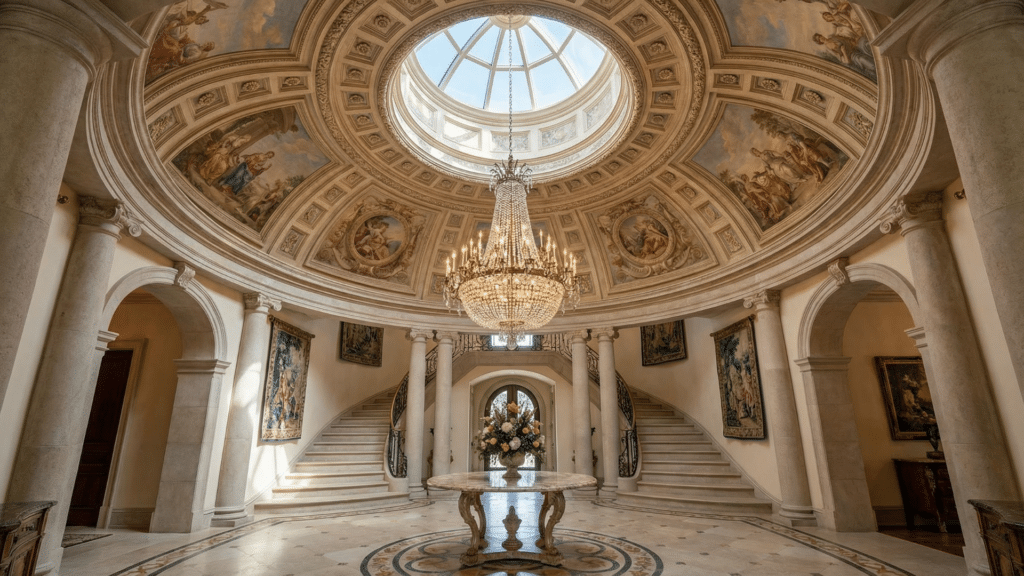
A domed ceiling is shaped like a bowl or dome and often sits in the center of a room. It curves up from all sides to form a round top. Though small, it conveys a strong sense of height and elegance.
- Look: Round ceiling rising to a smooth central point
- Feel: Decorative, eye-catching, and airy
- Best for: Entryways, reading nooks, home offices, or bathrooms
- Extra Tip: Add a chandelier or skylight in the center for extra impact
Pros and Cons of Vaulted Ceilings
Vaulted ceilings can add beauty and space to a room, but they also come with some challenges. Here’s a quick look at the pros and cons:
| Pros | Cons |
|---|---|
| Makes rooms feel larger and more open | Harder to heat and cool |
| Brings in more natural light | Can increase energy bills |
| Adds style and visual interest | May cost more to build or remodel |
| Can raise home value | Harder to clean or maintain |
| Works well with large windows or beams | Lighting and fan placement can be tricky |
Common Materials Used for Vaulted Ceilings
Vaulted ceilings are constructed using a mix of structural and finish materials. The support materials hold the ceiling up, while the finish materials give it the final look and style.
Structural Materials (For Support)
These materials form the framework that shapes and holds the vaulted ceiling:
- Wood framing: Common and cost-effective; used in most standard homes.
- Engineered trusses: Pre-built wooden frames that support both ceiling and roof.
- Rafters: Long, angled beams that follow the slope of the roof.
- Steel beams: Used in larger or modern homes when extra support is needed.
Finish Materials (For Appearance)
These materials are added over the structure to complete the ceiling’s look:
- Drywall: Smooth and simple, often painted for a clean finish.
- Wood planks: Adds warmth and character; good for rustic or farmhouse styles.
- Shiplap: Horizontal boards with visible lines for a neat, modern look.
- Tongue-and-groove boards: Interlocking wood panels for a traditional finish.
- Exposed beams: Structural or decorative beams left visible for added style.
- Paint or stain: Used to add color or bring out the natural texture of the surface.
Why Do People Choose Vaulted Ceilings?
People often choose vaulted ceilings because they make rooms feel bigger, brighter, and more open. The extra height adds space without increasing the floor area, making the room feel less crowded.
Vaulted ceilings also allow for larger windows or skylights, bringing in more natural light throughout the day.
They can also improve airflow, since warm air rises and moves away from the living space below, making rooms feel cooler.
In terms of style, vaulted ceilings add charm and help a room stand out. Many homeowners also feel that this feature adds value to their home by making it feel more modern and inviting.
To Conclude
Vaulted ceilings aren’t just about looks; they change how a space feels and functions. They bring a different kind of shape to a room and can turn an ordinary ceiling into something special.
Choosing one depends on your goals for the space. It helps to understand the meaning, features, and design options before making a decision.
A well-planned ceiling can improve how a room works and feels every day.
Want to learn more about ceiling designs that match your space and style? Explore our other ceiling style guides to find the best fit for your home.