

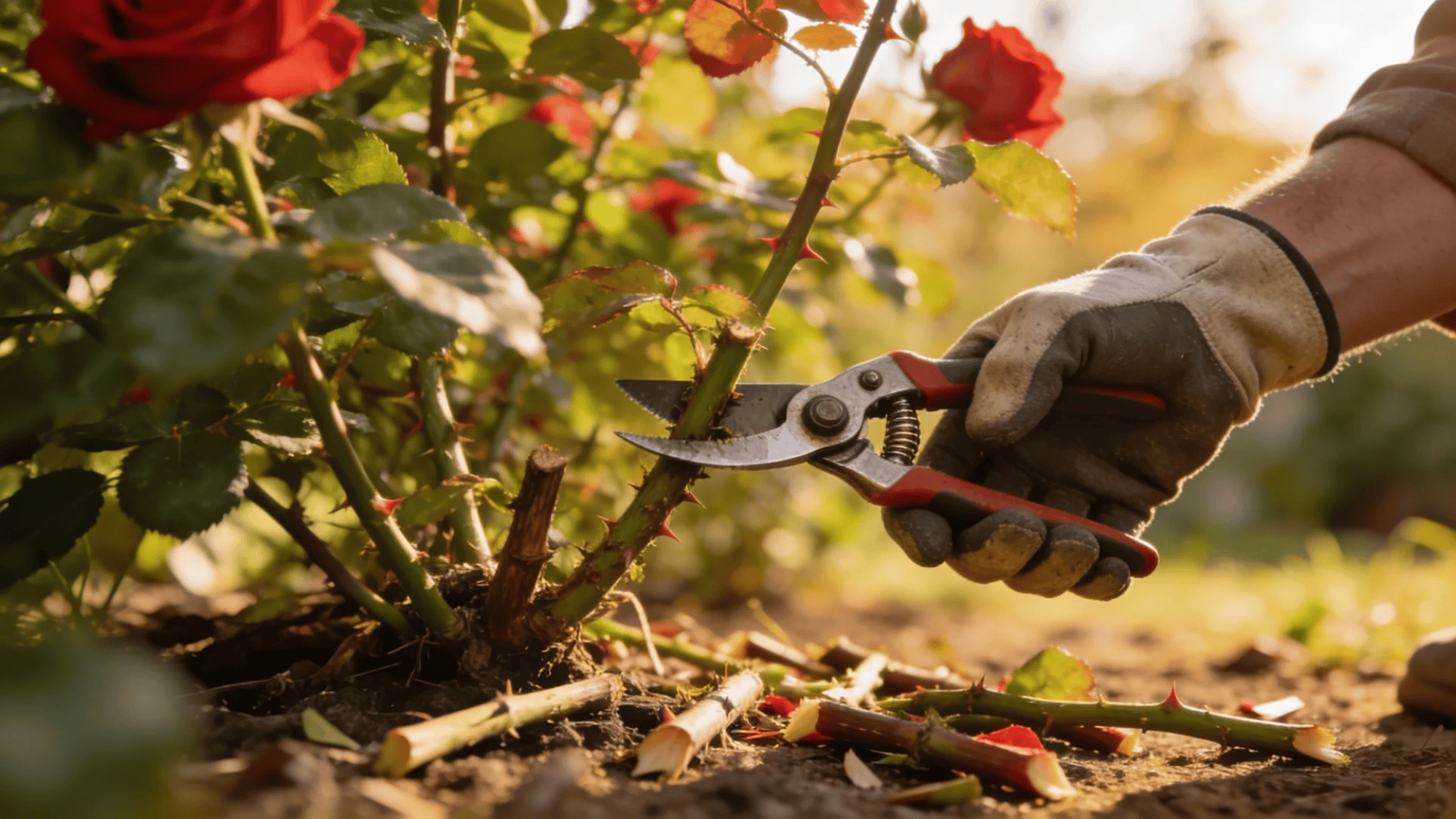
Healthy rose bushes don’t happen by accident. They need regular trimming to stay strong, look good, and keep producing flowers season after season.
I’ve been gardening for years, and roses are among the most common topics I’m asked about. The number one question is always the same: how do I trim them without making things worse?
The good news is that learning how to trim rose bushes is much simpler than most people think. You don’t need special skills or expensive tools. You just need to know what to cut, where to cut it, and when.
This guide walks you through everything step by step. You’ll learn the right tools to use, the correct cutting technique, how to trim by season, and the most common mistakes to avoid.
By the end, you’ll feel confident picking up those shears.
What is Pruning and Trimming of Rose Bushes?
Pruning and trimming sound the same, but they are actually a little different. Trimming is the quick, light work of snipping off dead flowers or a few untidy stems to keep the bush looking tidy.
Pruning goes deeper. It means cutting back old, weak, or damaged growth so the plant can put its energy into producing strong new stems and better blooms.
Without pruning, rose bushes become dense, tangled, and weak over time. Old wood stops producing flowers and takes energy away from healthy new growth.
A good prune once or twice a year keeps the whole plant working at its best. The process doesn’t have to be complicated.
Once you understand what to remove and why, it becomes a simple and satisfying part of caring for your garden.
Benefits:
- Removing old, weak stems prompts the plant to produce more flowers on healthy new growth.
- Regular pruning keeps the bush looking neat, open, and well-balanced throughout the growing season.
- Cutting away crowded branches improves airflow, which reduces the risk of fungal diseases taking hold
What Tools Do You Need to Trim Rose Bushes?
Having the right tools before you start makes the whole process faster, cleaner, and much safer for both you and your plants. Here is everything you need to have ready before you make your first cut.
How to Prune Rose Bushes?
Trimming rose bushes is easier than it looks when you follow the right steps in the right order. Here is exactly what to do, from identifying your rose type to feeding the plant after the final cut.
Step 1: Identify Your Rose Type

Before you make a single cut, take a moment to figure out what type of rose bush you have. Hybrid tea roses produce one large bloom per stem and can handle a harder prune.
Floribunda roses grow flowers in clusters and need a slightly lighter hand. Knowing your rose type helps you decide how much to cut and where to focus your attention.
Getting this step right from the start sets you up for much better results throughout the rest of the pruning process.
Step 2: Choose the Right Time
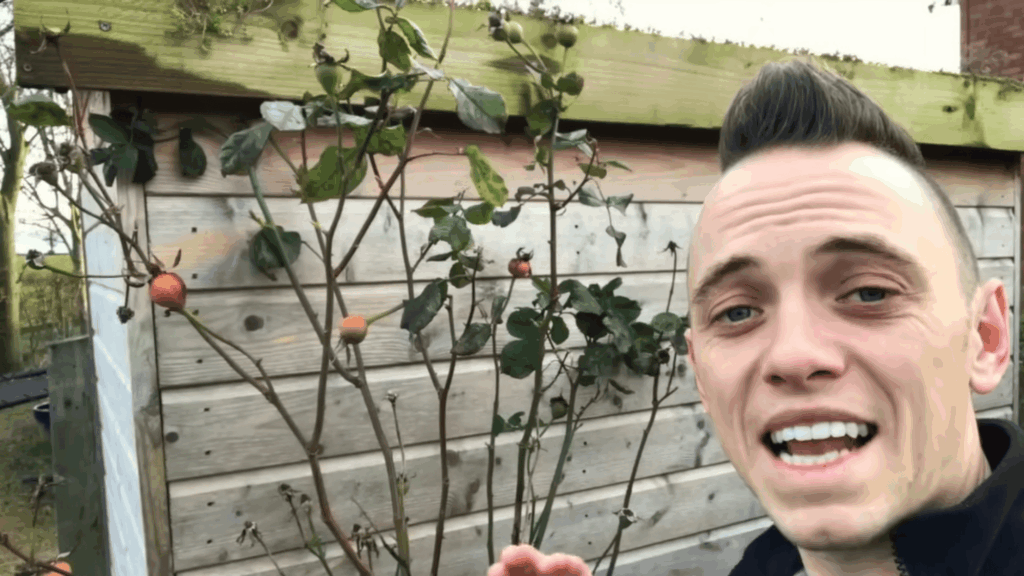
The best time to do a main prune is in late winter or early spring, just before the plant starts putting out new growth. Look for the first signs of small red buds appearing on the canes as your signal to begin.
Pruning at the right time gives the plant the best chance to recover quickly and put its energy straight into producing strong new stems and flowers.
Pruning too early in winter or too late in spring can reduce the plant’s response.
Step 3: Remove Dead Wood
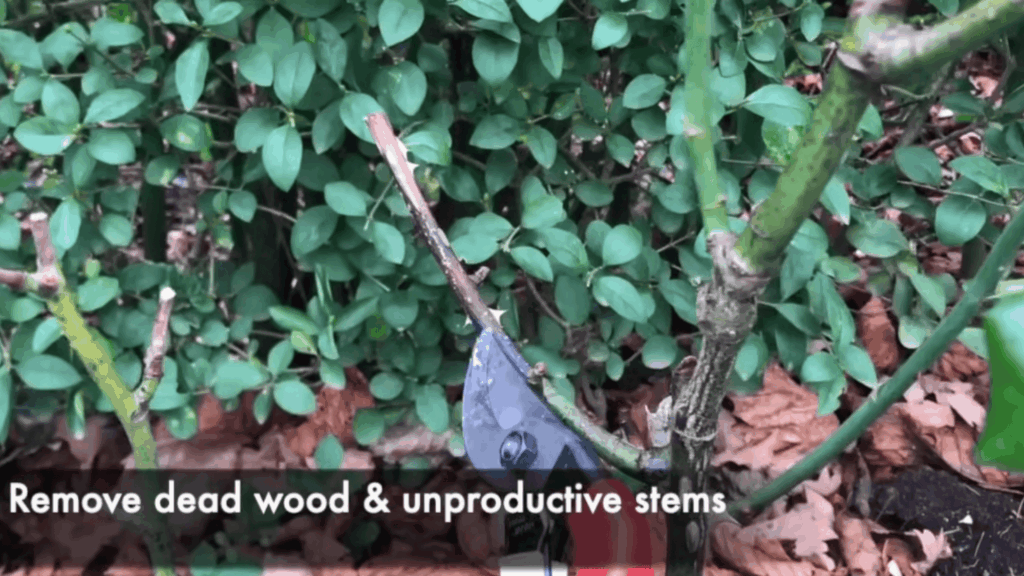
Start every pruning session by removing all dead, dark, and brittle canes first. Dead wood is easy to spot because it looks brown or black instead of green and feels dry and hollow when you bend it.
Cut these canes all the way back to the base of the plant at a clean angle. Leaving dead wood on the plant wastes energy and creates entry points for disease.
Removing it first also makes the rest of the pruning process much easier and cleaner to manage.
Step 4: Prune to Outward-Facing Buds
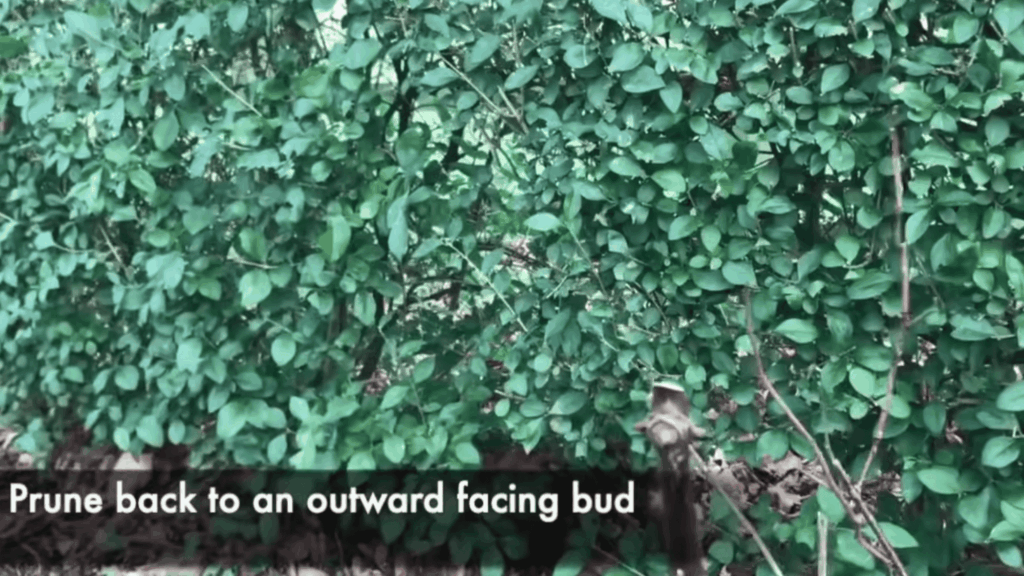
When making your cuts, always cut just above a bud facing outward, away from the center of the plant. This guides new growth outward, keeping the bush open and well-shaped.
Cut at a 45-degree angle, about a quarter of an inch above the bud, with the slope facing away from it for healthy plant growth.
This allows rainwater to run off cleanly rather than sitting on the cut, which can cause rot or disease to develop on the stem.
Step 5: Remove Crossing Stems
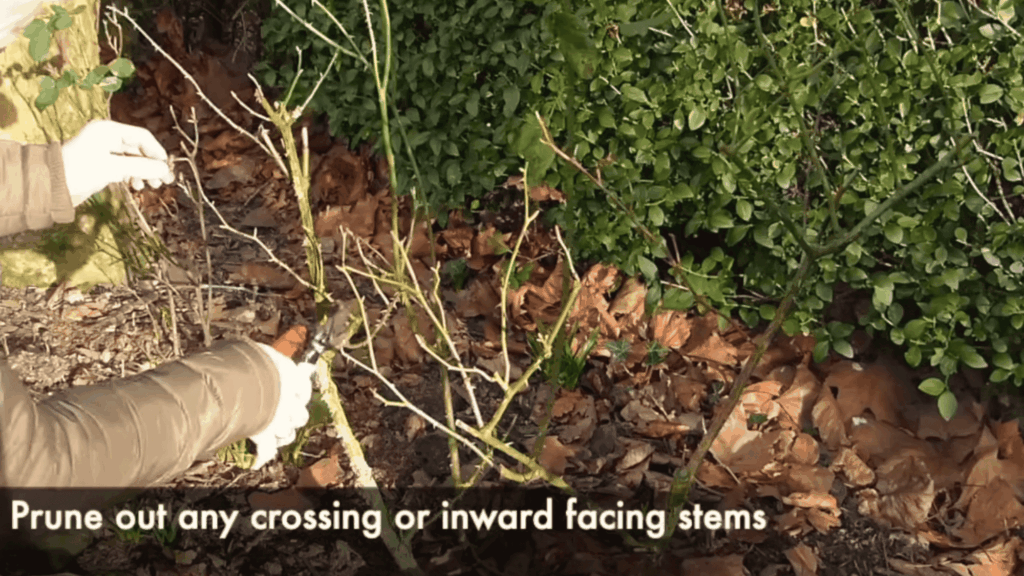
Look inside the bush for any canes that cross over each other or grow inward toward the centre of the plant. These crossing stems rub against each other as the plant grows, causing damage and creating open wounds where disease can enter.
They also block light and reduce airflow through the middle of the bush. Cut them back to their point of origin or to a healthy outward-facing bud.
Removing crossing growth is one of the most effective things you can do to keep your rose bush healthy.
Step 6: Reduce Overall Height
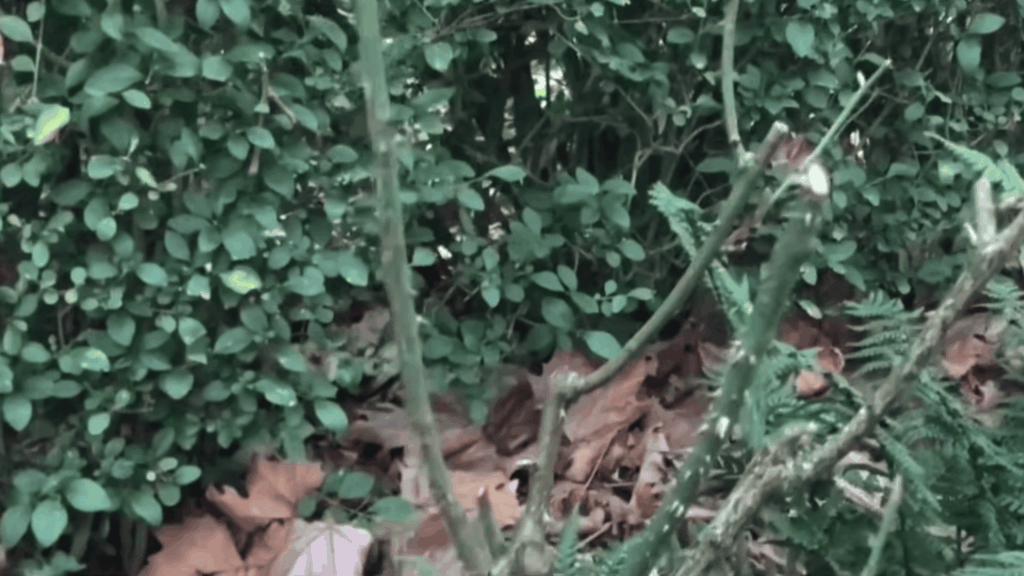
Once you have removed all dead, damaged, and crossing stems, step back and assess the overall height and shape of the bush. Trim the remaining healthy canes back by about one-third of their total length.
This reduction encourages the plant to push out strong new growth from lower down rather than continuing to extend from the same old tips.
For most rose types, leaving canes at around 12 to 18 inches after pruning gives the plant a solid base to grow from in the season ahead.
Step 7: Handle Very Old or Damaged Roses
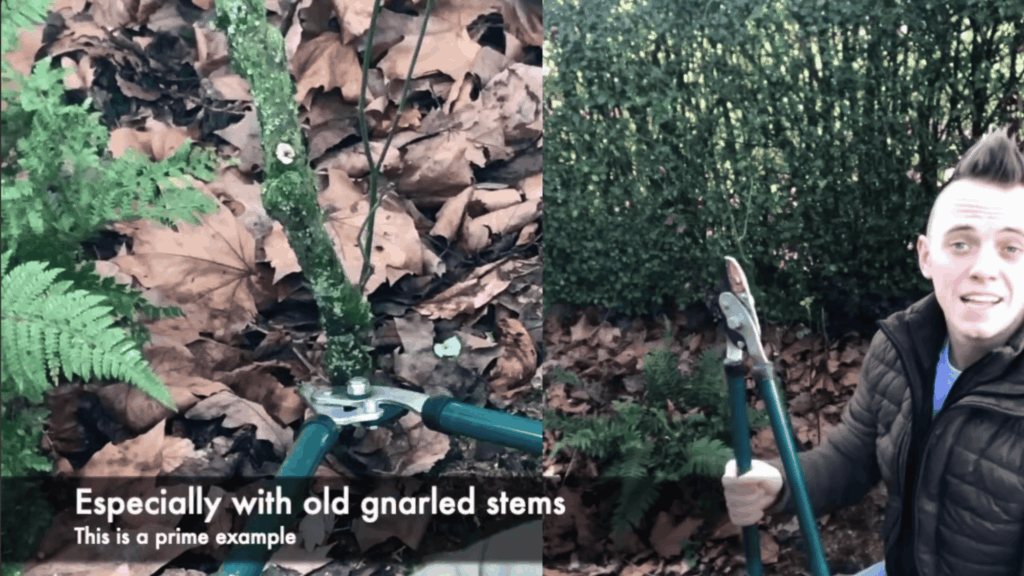
If your rose bush has been neglected for several years and most of the canes look old, woody, and unproductive, a hard rejuvenation prune may be needed.
Cut the entire plant back close to ground level, leaving just a few short stubs about four to six inches tall. This feels drastic, but most established rose bushes respond very well to this treatment.
New healthy canes will grow back from the base within a few weeks, giving the plant a fresh start and much better blooms going forward.
Step 8: Feed After Pruning
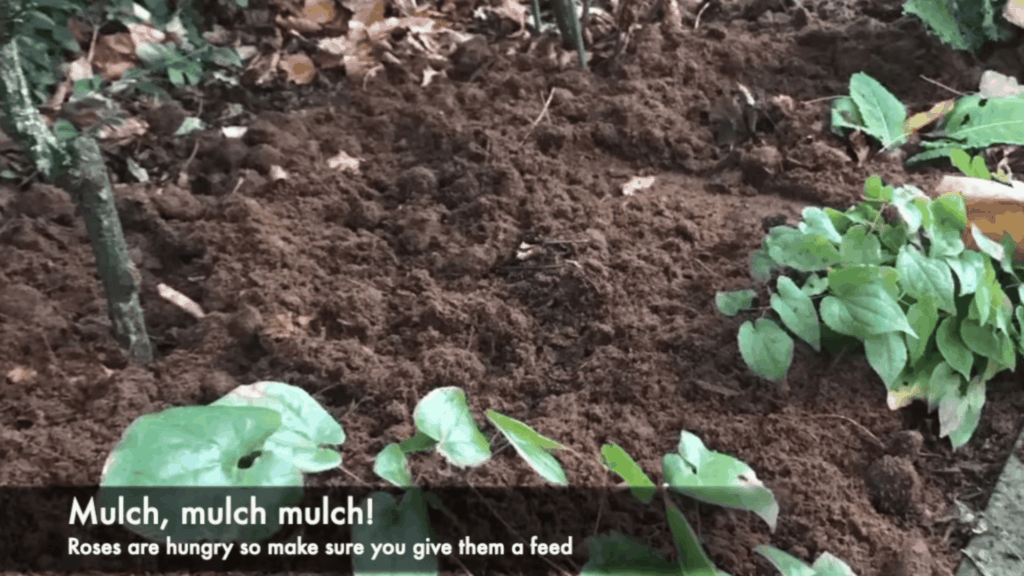
Once you finish pruning, give your rose bush a boost by feeding it right away. Spread a layer of well-rotted compost or aged manure around the base of the plant, keeping it a few inches away from the canes to avoid rot.
A balanced rose fertilizer also works well at this stage. Feeding straight after pruning gives the plant the nutrients it needs to push out strong new growth quickly.
Water the plant well after feeding to help the nutrients reach the roots where they are needed most.
This tutorial is based on a helpful video by Garden Ninja: Lee Burkhill. You can check out the original video on their YouTube channel here or watch it below.
When Is the Best Time to Prune Rose Bushes?
Timing your pruning correctly makes a big difference in how well your rose bushes grow and bloom. Most people only prune in spring, but a little attention in summer and fall goes a long way, too.
Each season has its own role to play in keeping your rose bushes strong and productive. Here is a simple breakdown of what to do in each season:
| Season | What to Do | Why It Matters |
|---|---|---|
| Spring | Main pruning season: cut back old canes, remove dead wood, and shape the plant | Encourages strong new growth and sets the plant up for a full bloom season |
| Summer | Light maintenance trimming, remove spent flowers, and any weak or crossing stems | Keeps the plant tidy and encourages a second round of blooms |
| Fall | Cut back long canes slightly to prevent wind damage, but avoid heavy pruning | Heavy pruning in the fall can stimulate new growth that gets damaged by frost |
| Winter | Leave the plant alone in most climates, focus on mulching and protection | The plant is resting and does not need cutting during this dormant period |
Follow this seasonal routine consistently, and your rose bushes will stay healthy, well-shaped, and full of blooms year after year. A little effort in the right season saves a lot of work later on.
How to Prune Rose Bushes for Different Types?
Not all rose bushes are pruned the same way. The type of rose you have determines how much to cut and when to cut it. Here is a simple guide for the four most common types.
1. Hybrid Tea Roses
Hybrid tea roses are the classic long-stemmed roses most people picture when they think of a rose garden. They need the most attention when it comes to pruning and respond best to a hard cut in early spring.
Removing old, weak, and crossing canes pushes the plant to produce the strong stems and large blooms it is known for.
Without regular pruning, hybrid tea roses become woody, unproductive, and far less impressive over time.
How to Prune Hybrid Tea Roses:
- Wait until early spring when small red buds start appearing on the canes.
- Remove all dead, dark, and damaged canes down to the base first.
- Cut back remaining healthy canes by one-third to half their total height.
- Always cut at a 45-degree angle just above an outward-facing bud.
- Leave three to five strong, healthy canes pointing outward for best results.
2. Climbing Roses
Climbing roses need a lighter touch than most other types. Unlike hybrid tea roses, they bloom on older wood, so cutting them back hard removes the very growth that produces flowers.
The best approach is to leave the main canes intact and only remove what is dead, damaged, or completely unproductive.
After the main flowering period, trim back side shoots to encourage more blooms the following season. Regular tying and shaping keep the plant growing in the right direction.
How to Prune Climbing Roses:
- In early spring, remove only dead, damaged, or very old unproductive canes.
- Leave the main structural canes intact, as these are where the flowers grow.
- After flowering, cut back side shoots to about two or three buds from the main cane.
- Tie the new canes to their support structure as they grow throughout the season.
- Avoid hard pruning as this removes the older wood that produces the most blooms.
3. Shrub Roses
Shrub roses are the easiest type to prune and the most forgiving if you get them slightly wrong. They are tough, resilient plants that respond well to regular light pruning throughout the growing season.
In spring, a simple tidy-up and light cutback is all they need to stay healthy and productive. Removing spent flowers regularly through summer keeps the plant blooming continuously.
If you are new to pruning roses, shrub roses are the best place to start building your confidence.
How to Prune Shrub Roses:
- In spring, start by removing all dead, diseased, and crossing branches first.
- Trim the remaining healthy canes back by about one-third of their total height.
- Cut at a 45-degree angle just above an outward-facing bud for the cleanest result.
- Remove spent flowers throughout the summer as soon as they start to fade.
- Give the plant a light tidy-up trim again in late summer to encourage a second flush of blooms.
4. Miniature Roses
Miniature roses follow the same basic pruning rules as larger roses, but on a much smaller scale. They are compact and tidy by nature, so they don’t need much heavy shaping throughout the year.
The key is keeping dead growth cleared away regularly and trimming lightly in spring to encourage fresh new stems.
Using the right size tools makes a big difference with these small plants, as full-sized shears can easily damage the delicate canes if you are not careful.
How to Prune Miniature Roses:
- In spring, trim the entire plant back by about one-third of its total height.
- Remove all dead, weak, or crossing stems using small, sharp scissors for precision.
- Cut at a 45-degree angle just above an outward-facing bud as you would with larger roses.
- Remove spent flowers regularly throughout the growing season to keep blooms coming.
- Do a light tidy-up trim in late summer to keep the plant neat and encourage a final flush of flowers.
Common Mistakes to Avoid When Trimming Roses
Even experienced gardeners make mistakes when pruning roses. Here are the most common ones to watch out for, along with how to avoid them before they cause real damage to your plants.
- Cutting Too Much: Over-pruning stresses the plant, so never remove more than one-third of the total growth at once.
- Cutting Too Little: Leaving old, weak wood drains energy from new growth, so be confident and cut anything unproductive.
- Ignoring Plant Shape: Always aim for an open, outward-facing shape that allows light and air to reach the centre of the bush.
- Using Dull Tools: Blunt shears crush stems instead of cutting cleanly, so sharpen and clean your tools before every pruning session.
- Pruning at the Wrong Time: Pruning too late in the fall can trigger new growth that frost will damage, so always wait for the right season.
- Leaving Stubs Behind: Cutting too far above a bud leaves dead stubs that rot and spread disease, so always cut at a clean 45-degree angle.
Signs Your Rose Bush Needs Trimming
Sometimes your rose bush will tell you it needs attention before you even check the calendar. You just have to know what to look for.
If the stems look crowded and tangled, that’s a clear sign the plant needs to be opened up. Dense growth blocks light and air, which leads to weak stems and fewer blooms.
Dead or brown canes that don’t produce any leaves or flowers are another obvious sign. These need to come off as soon as you spot them.
If your rose bush is producing lots of leaves but very few flowers, old wood is likely the problem. A good prune removes that old growth and pushes the plant to focus its energy on blooming again.
Bottom Line
Trimming rose bushes doesn’t have to feel complicated or stressful. Once you understand the basics, it becomes one of the most satisfying things you can do in your garden.
Start with the right tools, remove dead and crossing growth first, and always cut at a clean angle above an outward-facing bud. Follow the seasonal routine, know your rose type, and feed the plant after every prune.
Do these things consistently, and your rose bushes will reward you with stronger stems, better shape, and far more blooms season after season.
You don’t need to get it perfect every time. Roses are tougher than they look and bounce back quickly from most mistakes.
Check out our full guide on the best fertilizers for rose bushes to give your plant the best start after every pruning.
Which part of pruning do you find most challenging? Drop your question or tip in the comments below!