

I started learning about sustainable interior design when I wanted a home that felt better to live in without wasting money or resources.
It was more about making smarter choices with materials, furniture, and daily habits. Even small changes can improve how a space feels and works over time.
In this article, you will learn what sustainable design means , explain the 5 R’s, key elements like materials and energy use, and how better planning can reduce waste. You will also see real examples and easy tips that can help you start without a big budget.
You will also find ways to use less energy, choose safer materials, and keep your space more organized. These changes can help save money over time and make your home feel more balanced.
If you want a home that feels balanced and works well over time, this guide will help you take the first step.
What Is Sustainable Interior Design?
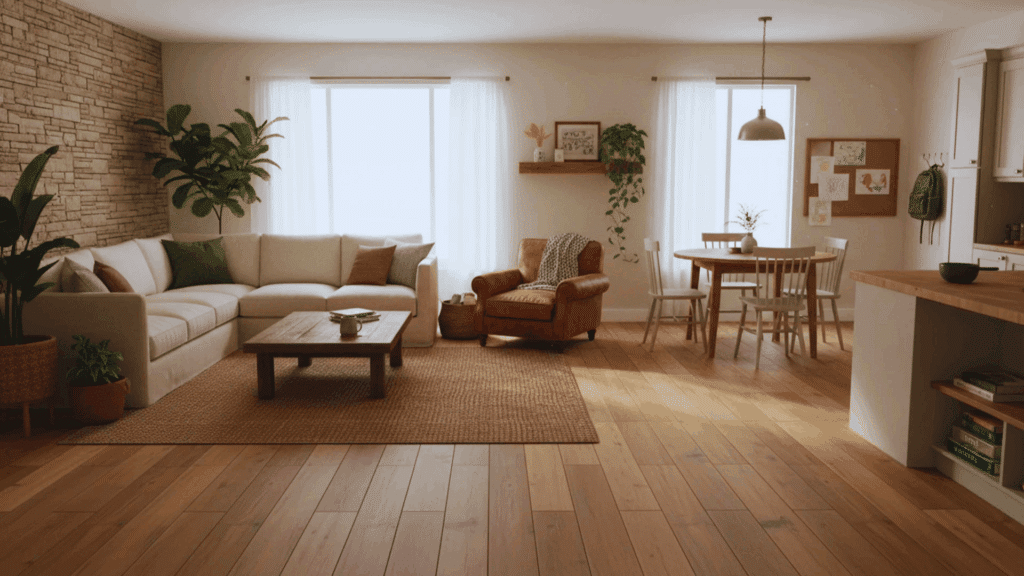
Sustainable interior design means creating a space that benefits both people and the environment.
It focuses on using materials that last longer, create less waste, and are safer for your health. This can include wood from trusted sources, recycled items, or natural fabrics that do not release harmful chemicals.
This also means choosing furniture and finishes that remain useful for years rather than requiring frequent replacement.
It also looks at how a space works day to day. Good design uses natural light, proper airflow, and energy-saving choices to reduce power use and lower bills.
It is not about following trends. It is about making smart, long-term choices that support comfort and reduce harm.
In clear terms, it is about building a home that feels good to live in while also lowering its impact on the planet.
What are the 5 R’s of sustainability?
These principles help create spaces that use fewer resources and produce less waste. They support smarter design choices that improve both comfort and long-term use.
- Refuse: Skip items that are not needed in a space. Avoid trendy decor that may not last long. This helps reduce clutter and limits waste from frequent replacements.
- Reduce: Plan designs that use less material and energy. Choose simple layouts and avoid over-decorating. This keeps the space clean and lowers resource use.
- Reuse: Use furniture and decor that are already available. Old pieces can still work well with small updates. This reduces the need to buy new items.
- Repurpose: Give old furniture a new use or look. For example, repainting or changing function can extend its life. This adds value without creating waste.
- Recycle: Use materials made from recycled content when possible. Properly dispose of unwanted items through recycling. This helps reduce landfill waste and supports material reuse.
Core Elements of Sustainable Interior Design
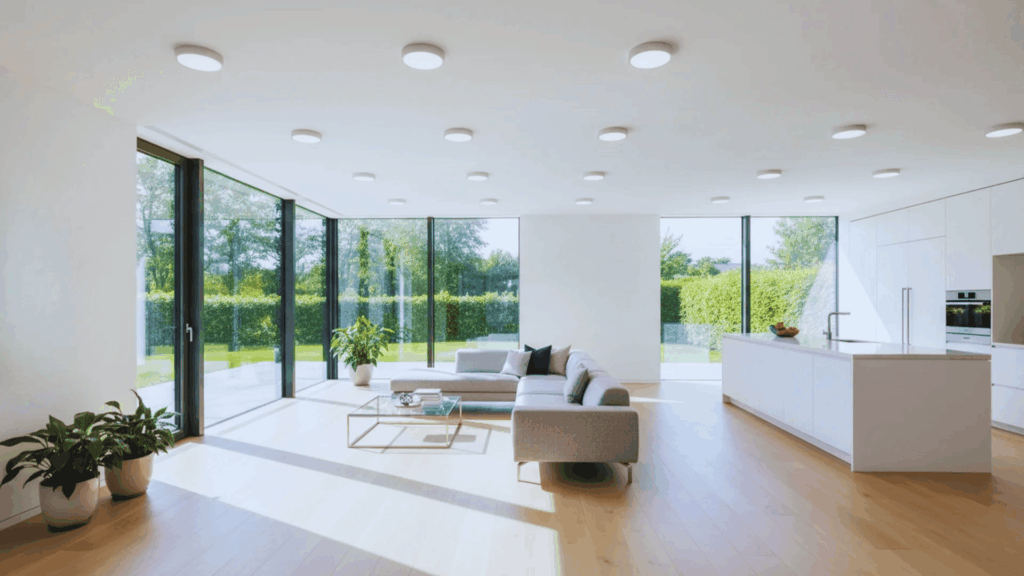
These elements help shape a space that works well every day. They support a better quality of life by reducing waste and lowering energy use.
1. Eco-Friendly Materials
Using eco-friendly materials helps reduce waste and keeps indoor spaces safer. Long-lasting options reduce the need for frequent replacements, which saves both money and resources.
Reclaimed wood is a strong and practical choice because it gives old materials a second life. Bamboo grows quickly and works well for floors and furniture.
Natural fabrics like cotton and linen are softer and contain fewer chemicals. These materials also help lower indoor pollution levels.
Choosing better materials supports a healthier home environment and reduces the impact on the environment without major changes.
2. Energy-Efficient Design
A well-planned home layout can lower energy use while keeping the space comfortable. Natural light reduces the need for artificial lighting during the day, which helps save electricity.
LED bulbs use less power and last longer than standard lighting options. Proper insulation helps keep indoor temperatures stable in both hot and cold seasons.
Sealed doors and windows prevent energy loss and improve comfort. Simple design choices like these help reduce daily costs and improve efficiency.
An energy-smart setup supports long-term savings while creating a more balanced and comfortable living environment.
3. Waste Reduction Practices
Reducing waste begins with simple and mindful habits at home. Reusing items instead of discarding them too soon helps lower overall waste.
Repairing broken objects extends their life and reduces the need to buy new ones. Second-hand furniture and decor offer a practical way to reuse items while saving money.
Careful planning before making purchases helps avoid unnecessary spending. Small actions like using refillable containers and donating unused items can make a clear difference.
These practices support a cleaner home and reduce the amount of waste sent to landfills over time.
4. Indoor Air Quality Focus
Maintaining clean indoor air is important for a healthy living space. Low-chemical paints and safe materials reduce the presence of harmful fumes indoors.
Proper ventilation helps remove moisture, odors, and indoor pollutants from the air.
Opening windows allows fresh air to circulate, naturally improving airflow. Ventilation systems in kitchens and bathrooms help control humidity levels.
Choosing products with fewer chemicals also supports better air quality. These steps help create a fresher and safer indoor environment.
Eco-Design vs Sustainable Interior Design
Both approaches help reduce environmental impact in different ways. They shows how materials and spaces are planned for better long-term results.
| Aspect | Eco-Design | Sustainable Interior Design |
|---|---|---|
| Core Focus | Focus on reducing harm from products and materials | Focus on creating a safe, healthy, and efficient space |
| Scale | Works at product level like furniture or materials | Covers the whole interior space and layout |
| Objective | Reduce waste, pollution, and resource use | Improve comfort, save energy, and support long-term use |
| Environmental Scope | Focus on materials, energy use, and waste from products | Includes energy, water, waste, and overall space performance |
| Health Aspect | Focus on using low-toxic materials | Focus on air quality, comfort, and user well-being |
| Time Focus | Short to medium term impact | Long-term use, durability, and flexibility |
| Common Methods | Use recycled materials, low-VOC paints, simple design | Use natural light, good airflow, efficient systems, and strong materials |
| Cost View | Saves cost by using fewer materials | Saves cost over time with energy efficiency and durability |
Benefits of Sustainable Interior Design
These benefits show how better design choices improve daily living and also help reduce long-term costs and environmental impact.
- Lower Energy Costs: Energy-saving lighting, appliances, and layouts help reduce electricity use, resulting in lower monthly bills over time.
- Healthier Living Space: Safe materials, better airflow, and low-chemical finishes improve indoor air quality and support better health.
- Less Waste Creation: Reusing materials and buying only what is needed helps reduce waste and keeps the space more organized.
- Long-Lasting Materials: Durable materials reduce the need for frequent replacements, saving money and effort in the long run.
- Better Use of Natural Resources: Using natural light and eco-friendly materials helps reduce pressure on limited resources.
- Higher Property Value: Homes designed with sustainable features often attract more buyers and can have better resale value.
What are examples of sustainable design?
The Bullitt Center in Seattle stands as a strong example of sustainable design in modern buildings. It is designed to run efficiently while keeping environmental impact very low.
The building generates its own electricity from solar panels installed on the roof, helping reduce dependence on external energy sources.
It also collects rainwater and treats it for daily use, lowering the demand on city water systems. Composting toilets are used to manage waste in a cleaner and more efficient way.
Natural light plays a major role in the design, reducing the need for artificial lighting during the day.
The building also uses safe materials and promotes clean indoor air, creating a healthier, more efficient workspace for everyday use.
Tips to Start a Sustainable Interior Project
Getting started does not need big changes or a large budget. Small, smart steps can lead to better results over time.
- Plan Your Space First: Take time to review your current layout and understand what needs improvement. This helps avoid unnecessary changes and keeps your design more practical and organized from the start.
- Buy Only What You Need: Focus on items that have a clear purpose in your space. Avoid impulse buying, as extra items can lead to clutter and unnecessary waste over time.
- Choose Natural Materials: Wood, cotton, and stone are safer for indoor use and tend to last longer. They also reduce the use of harmful chemicals in your home.
- Upgrade Lighting Slowly: Replace old bulbs with LED lights step by step. This reduces energy use and spreads out the cost instead of doing everything at once.
- Reuse and Repurpose Items: Old furniture or decor can often be repaired or repurposed. This helps reduce waste and saves money while keeping your space functional.
Conclusion
Sustainable interior design is about making smart choices that support your space in the long run.
It is not about doing everything at once, but about taking simple steps that improve comfort, reduce waste, and save energy over time.
Even small updates, like better lighting or reusing furniture, can create a noticeable difference in how your space looks and feels every day. What matters most is staying practical and making choices that fit your lifestyle.
Start small, stay consistent, and build from there. Over time, these efforts can lead to a space that feels more balanced and easier to manage.
If you have already made changes or are thinking about starting, share your experience in the comments below. Your experience can help others take their first step.