

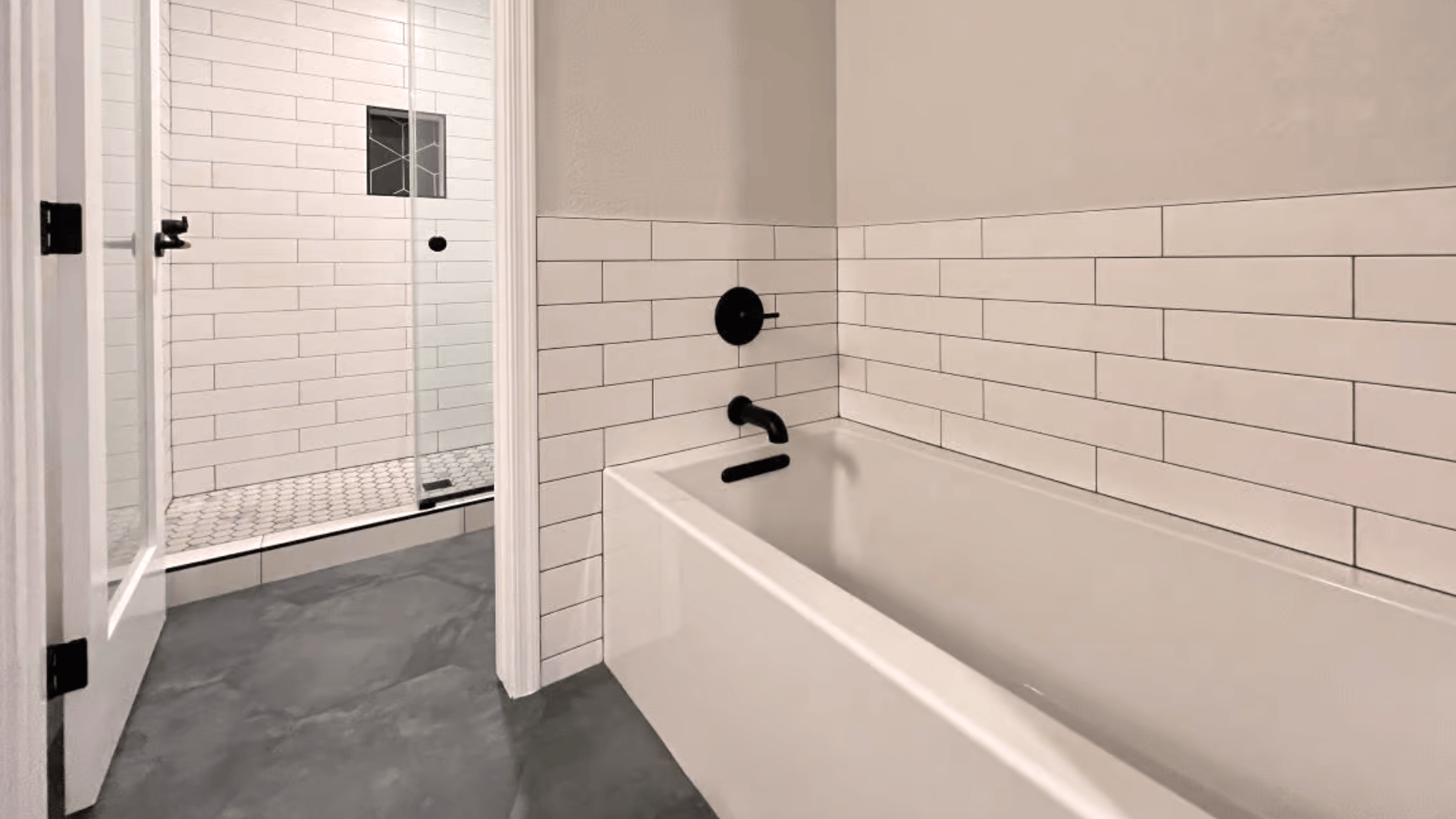
I often see people confused when picking the right bathtub for their home. There are many styles, and it is not always clear which one fits your space, layout, and budget.
Some tubs look good but don’t fit small bathrooms, while others are easy to install but less stylish.
If you are trying to understand what an alcove bathtub is, this guide will make it simple for you.
In this post, I will share what an alcove tub is and why it is one of the most common choices in modern homes. You’ll also learn how it fits in a three-wall space and why people prefer it for daily use.
You’ll also see how it compares to drop-in and freestanding tubs, including size, cost, and reviews.
By the end, you will know if an alcove tub is the right choice for your bathroom and how to pick the best option with confidence.
What Is an Alcove Tub and How It Looks?
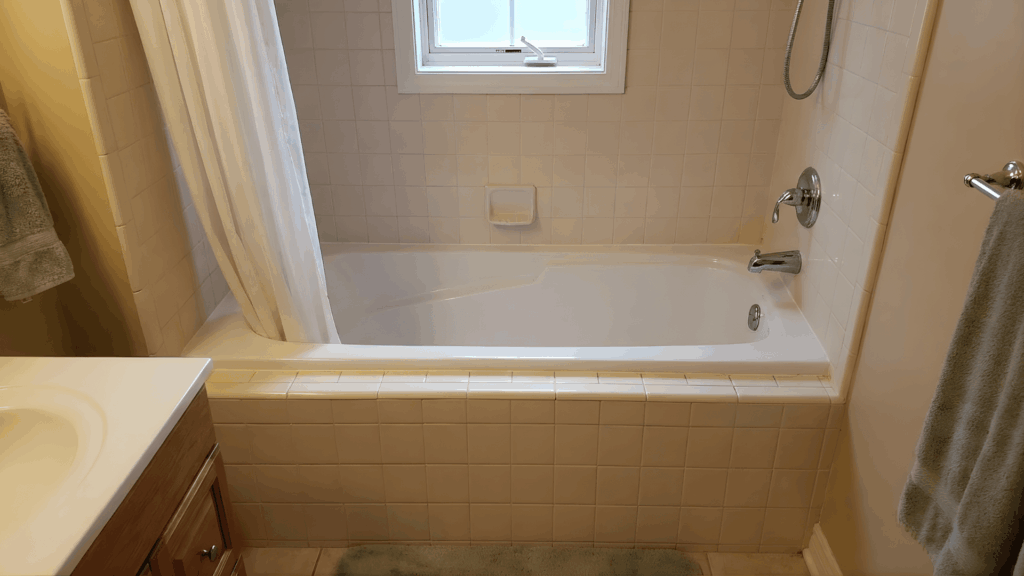
An alcove tub is a bathtub that fits between three walls, with one open side for entry. This design helps save space and works well in small to medium bathrooms.
I often see it used in homes where the layout needs to stay simple and practical.
The tub usually has a flat front panel, which gives it a clean and straight look. Most alcove tubs are built with a shower above them, making them a common choice for daily use.
The sides and back are fixed against walls, so it feels secure and easy to install.
You can find them in different sizes and materials, but the overall shape stays simple. It looks neat, fits tight spaces, and keeps the bathroom layout easy to manage.
Alcove Tub vs. Drop-In vs. Freestanding Tub: Which Is Better?
Choosing the right tub depends on space, budget, and how the bathroom is used. Each type has clear differences in setup, cost, and daily use.
| Feature | Alcove Tub | Drop-In Tub | Freestanding Tub |
| Installation | Fits between 3 walls | Installed inside a deck or frame | Stands alone anywhere |
| Space Needed | Best for small bathrooms | Needs more space for the deck | Needs open floor space |
| Cost | Most affordable | Mid to high cost | Usually most expensive |
| Design Look | Simple and built-in | Custom and modern | Stylish and bold |
| Maintenance | Easy to clean | Harder due to the deck edges | Easy around, but floor cleaning is needed |
| Best For | Small homes, daily use | Custom bathrooms | Large, luxury bathrooms |
| Water Depth | Standard depth | Often deeper | Can be deeper and more relaxing |
| Weight Support | Standard flooring | Needs strong support | May need floor check |
Pros of Alcove Bathtubs
Alcove tubs are a common choice in many homes because they are simple, practical, and easy to use. They offer clear benefits over drop-in and freestanding tubs, especially for daily use.
1. Budget-Friendly Option
Alcove tubs are among the most affordable bathtub options.
Compared to drop-in tubs, they do not require extra framing, decking, or custom work, which keeps installation costs low.
They are also much cheaper than freestanding tubs, which often come with higher material and plumbing costs.
This makes alcove tubs a smart choice for homeowners who want a reliable bathtub without spending extra money on design or complex installation features.
2. Saves Space
Alcove tubs are designed to fit between three walls, helping save space in smaller bathrooms. Compared to drop-in tubs that need additional room for a deck or surround, alcove tubs use less floor area.
They also take up far less space than freestanding tubs, which require open space around them.
This makes alcove tubs ideal for compact layouts where space is limited and efficient use of the bathroom is important.
3. Easy Installation
Installing an alcove tub is much simpler than installing other types of bathtubs. Drop-in tubs require building a frame or deck, which adds time and effort to the process.
Freestanding tubs may need special plumbing placement and floor support. In comparison, alcove tubs fit directly into a prepared wall space, making installation faster and easier.
This reduces labor costs, making them a great option for quick bathroom renovations or standard home setups.
4. Works Well with Showers
Alcove tubs are the best choice for combined tub-and-shower setups.
Unlike drop-in tubs, which are not designed for regular shower use, alcove tubs are easily supported by wall-mounted shower systems.
Freestanding tubs also do not work well with standard showers and often need special fittings.
This makes alcove tubs more practical for everyday use, especially in homes where both bathing and showering need to happen in the same space.
5. Low Maintenance
Alcove tubs are easier to clean and maintain compared to other bathtub types.
Drop-in tubs often have edges and surfaces around them where dirt and water can collect, making cleaning more difficult.
Freestanding tubs require cleaning around the base and floor area, which can take extra time.
In contrast, alcove tubs have fewer exposed sides and tighter spaces, which helps reduce cleaning effort and keeps maintenance simple for regular use.
6. Good for Daily Use
Alcove tubs are built for everyday use and regular routines.
Compared to freestanding tubs, which are often used more for relaxation and style, alcove tubs focus on practical use.
Drop-in tubs can also be comfortable, but they are usually part of larger and more custom bathroom designs.
Alcove tubs offer a balanced option that supports daily bathing needs, making them a reliable choice for families and busy households.
7. Fits Standard Layouts
Most bathrooms are designed to accommodate alcove tubs, making them easy to install without major changes.
Drop-in tubs often require custom layouts and extra planning, while freestanding tubs need open space and different plumbing setups.
Alcove tubs fit into common bathroom designs, allowing for quick installation.
This makes them a convenient choice for both new homes and remodels, where keeping the layout simple is important.
Cons of Alcove Bathtubs
Alcove tubs are practical, but they also have some limitations compared to other bathtub types. Understanding these drawbacks helps in making a better choice based on space, style, and comfort needs.
1. Basic Design
Alcove tubs have a simple, built-in look that may not stand out in modern bathroom designs.
Compared to freestanding tubs, which are often used as a visual centerpiece, alcove tubs look more plain and standard.
Drop-in tubs also offer a more custom and refined appearance with surrounding decks.
This makes alcove tubs less appealing for homeowners who want a more stylish or high-end bathroom setup.
2. Limited Placement
Alcove tubs must be installed between three walls, which limits where they can be placed. In comparison, freestanding tubs can be placed almost anywhere in the bathroom, offering greater layout flexibility.
Drop-in tubs also allow flexible placement since they are installed within a custom-built deck.
This fixed placement makes alcove tubs less suitable for large bathrooms where open layouts and creative designs are preferred.
3. Less Customization
Alcove tubs offer fewer design options compared to other types.
Drop-in tubs allow different shapes, sizes, and deck styles, giving more control over the final look.
Freestanding tubs also come in many styles, from modern to classic designs. In contrast, alcove tubs are usually limited to standard rectangular shapes with fewer variations.
This makes them less ideal for homeowners who want a personalized or custom bathroom design.
4. Standard Soaking Depth
Most alcove tubs have a standard depth that may not provide a deep-soaking experience.
Compared to drop-in tubs, which can be deeper, and freestanding tubs, which often offer better soaking comfort, alcove tubs may feel less relaxing.
This can be a drawback for users who prefer long, comfortable baths.
The focus on practicality over comfort makes alcove tubs less suitable for spa-like bathroom setups.
5. Lower Style Value
Alcove tubs are built mainly for function rather than style.
Freestanding tubs are often used to add a strong visual element to the bathroom, while drop-in tubs can enhance design with custom surrounds.
Alcove tubs, on the other hand, are more common in basic layouts and do not add much visual impact.
This makes them less appealing for modern or luxury bathroom designs where appearance plays a bigger role.
6. Fixed Structure
Once installed, an alcove tub cannot be moved or repositioned easily.
Freestanding tubs offer greater flexibility, as they can be relocated if needed. Drop-in tubs, while also fixed, can be redesigned by changing the surrounding deck.
Alcove tubs are built into the wall structure, making any changes more difficult and costly.
This lack of flexibility can be a limitation for homeowners who may want to update their bathroom layout later.
How Much Does an Alcove Tub Cost?
Bathtub cost depends on type, material, and installation. Alcove tubs are usually more affordable, while drop-in and freestanding tubs cost more due to design and setup.
| Tub Type | Tub Price (Only) | Installation Cost | Total Cost Range | Cost Level |
| Alcove Tub | $200 – $800 | $1,000 – $3,000 | $800 – $3,500+ | Lowest |
| Drop-In Tub | $300 – $3,000+ | $1,500 – $4,000+ | $2,000 – $7,000+ | Medium |
| Freestanding Tub | $1,000 – $10,000+ | $2,000 – $5,000+ | $3,000 – $15,000+ | Highest |
Things to Check Before Buying an Alcove Tub
Buying the right alcove tub depends on space, comfort, and how it will be used daily. Checking a few key points can help avoid mistakes and ensure a better fit for the bathroom.
- Size and Fit: Check your bathroom space before buying. Measure the width, length, and height to make sure the tub fits between three walls without issues.
- Material Type: Look at what the tub is made of, like acrylic, fiberglass, or cast iron. Each option affects weight, durability, and price.
- Weight and Support: Some tubs are heavier and may need extra floor support. This is important if you are replacing an old tub or installing it on an upper floor.
- Drain Position: Check if the drain is on the left or right side. It should match your existing plumbing to avoid extra work.
- Installation Needs: See if the tub needs a simple setup or extra framing. Some designs may take more time and cost to install.
- Comfort and Depth: Look at the soaking depth and shape. A deeper tub can feel more comfortable for daily use.
- Maintenance: Choose a surface that is easy to clean and does not stain or scratch easily over time.
- Budget Range: Set a budget that includes both the tub and installation. This helps you avoid overspending later.
Standard Alcove Tub Size and Space Needed
Alcove tubs come in standard sizes, making them easy to fit. The right size helps avoid issues and makes installation easier.
The most common alcove tub size is 60 inches long, 30 to 32 inches wide, and 14 to 16 inches high.
This size works in most homes and fits standard wall spacing. Smaller tubs around 54 inches are used in tight spaces, while larger ones can reach 66 or 72 inches for extra comfort.
These options help match different bathroom layouts without major changes.
For space, an alcove tub needs a three-wall area that matches the tub length, usually around 5 feet.
There should also be at least 21 to 30 inches of open space in front for easy movement. This setup fits well in a standard 5-by-8 bathroom, making alcove tubs a practical and easy-to-install choice.
Who Should Choose an Alcove Bathtub?
This type works best when space and daily use matter most. It suits people who want a simple setup without extra design work.
- Small Bathroom Owners: If your bathroom has limited space, an alcove tub fits well between three walls and keeps the layout neat and easy to manage.
- Families with Daily Use Needs: Homes with kids or regular use benefit from this tub since it often works with a shower and handles daily routines well.
- Budget-Conscious Buyers: If you want a cost-friendly option, alcove tubs are usually more affordable than other types and easier to install.
- People Replacing Old Tubs: If you are swapping out an existing tub, this style often matches standard sizes, making the process quicker and simpler.
- First-Time Homeowners: Those setting up a basic bathroom may find this option easy to plan, install, and maintain without extra effort.
- Rental Property Owners: This tub works well for rentals since it is practical, durable, and simple to maintain over time.
Conclusion
Finding the right bathtub becomes much easier once the main differences are clear. An alcove tub works well for most homes because it fits standard spaces, costs less, and supports daily use without extra effort.
While it may not have the same design appeal as freestanding or drop-in tubs, it offers strong value where it matters most.
The size, cost, and setup details shared above can help make a more confident, practical decision.
The focus should always be on what fits the space and how the tub will be used every day.
If you have personal experience with alcove tubs or other types, sharing it in the comments can be helpful. Feedback often makes the choice easier for others.
Frequently Asked Questions
What Material Is Best for an Alcove Tub?
Acrylic is the most common, while cast iron is more durable but heavier.
Is an Alcove Tub Good for Seniors?
It can work well with added safety features such as grab bars.
Can You Add Doors to an Alcove Tub?
Yes, glass or sliding doors can be installed for shower use.
Are Alcove Tubs Good for Resale Value?
They are practical and expected, which helps resale but adds less visual appeal.