

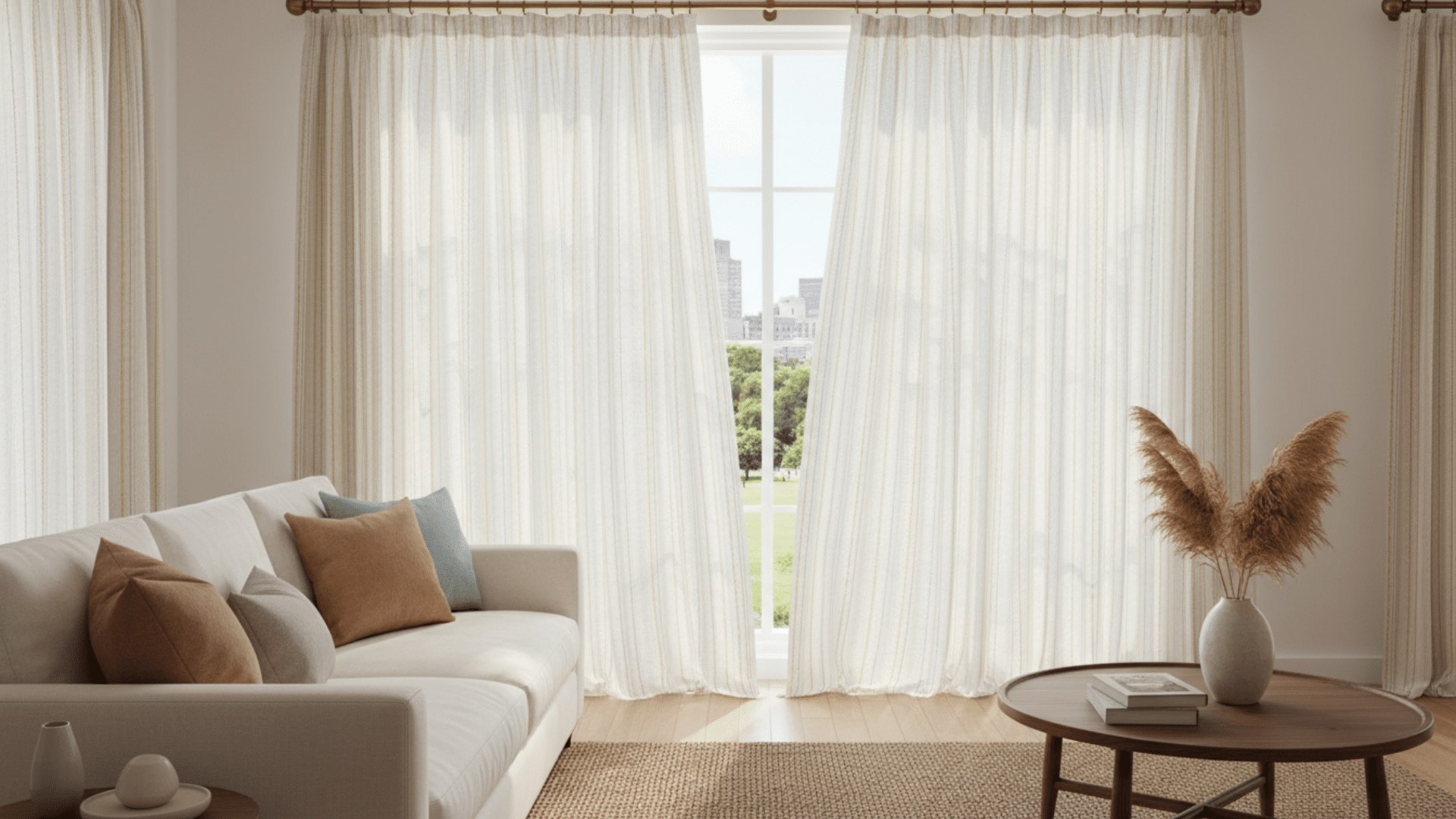
Choosing curtains for a living room can feel harder than it should be. I’ve seen many people pick something that looks nice in the store, but once it’s up, it just doesn’t feel right.
That’s because curtains do more than cover windows; they change how your whole room looks and feels.
In this guide, I’ll walk you through everything in a simple way. We’ll start by figuring out what you actually need your curtains to do, whether it’s privacy, light control, or just style.
Then I’ll help you choose the right size, fabric, and colors so your space feels balanced. I’ll also explain different heading styles, types of curtains, and easy hanging tips that make a big difference.
By the end, you’ll know exactly how to pick and hang curtains that make your living room feel complete and comfortable.
What Do You Need Your Curtains to Do?
Before you look at a single fabric swatch or color palette, get clear on the job these curtains need to do.
This is the step most people skip, and it’s the reason so many living rooms end up with curtains that look fine but feel slightly wrong.
In my experience working with clients across very different spaces, from sun-drenched south-facing flats to dim street-level apartments, the main problems always traced back to choosing style before function.
Here’s a quick framework to get you oriented:
| Your Primary Need | Best Curtain Direction |
|---|---|
| Privacy from the street or neighbors | Lined curtains or thick fabrics; avoid sheers alone |
| Block afternoon glare or sunlight | Blackout or thermal curtains; consider UV-resistant lining |
| Maximize natural light | Sheer or semi-sheer panels; light, pale fabrics |
| Add warmth and reduce heat loss in winter | Thermal-lined or heavy velvet curtains |
| Pure style and visual interest | Focus on color, pattern, and heading style |
| Flexibility (family room, multi-use space) | Layered sheer and blackout panels on a double rod |
Find the Right Curtain Size
Getting the curtain size right is the most important step if you want your living room to look neat and well-styled. Start by carefully measuring your window’s width and height.
A good rule is to choose curtains that are two to two-and-a-half times the width of your window for a full, gathered look. If you want a more dramatic, luxurious effect, go up to three times the width.
Anything narrower will look flat and underwhelming, especially when the curtains are drawn.
For length, floor-length curtains usually look best and give a clean, polished feel. You can let them just touch the floor or slightly hover above it.
Avoid curtains that are too short, as they can make the room feel unfinished. The right size instantly makes your space look bigger and more balanced.
Always measure from the curtain rod (not the window frame) to the floor. Account for any rings or hooks, which typically add 1 to 2 inches.
Custom-length curtains are worth considering for extra-tall windows, as standard lengths (63″, 84″, 96″, 108″) may not cover the full drop cleanly.
Choose the Right Fabric for Function & Style
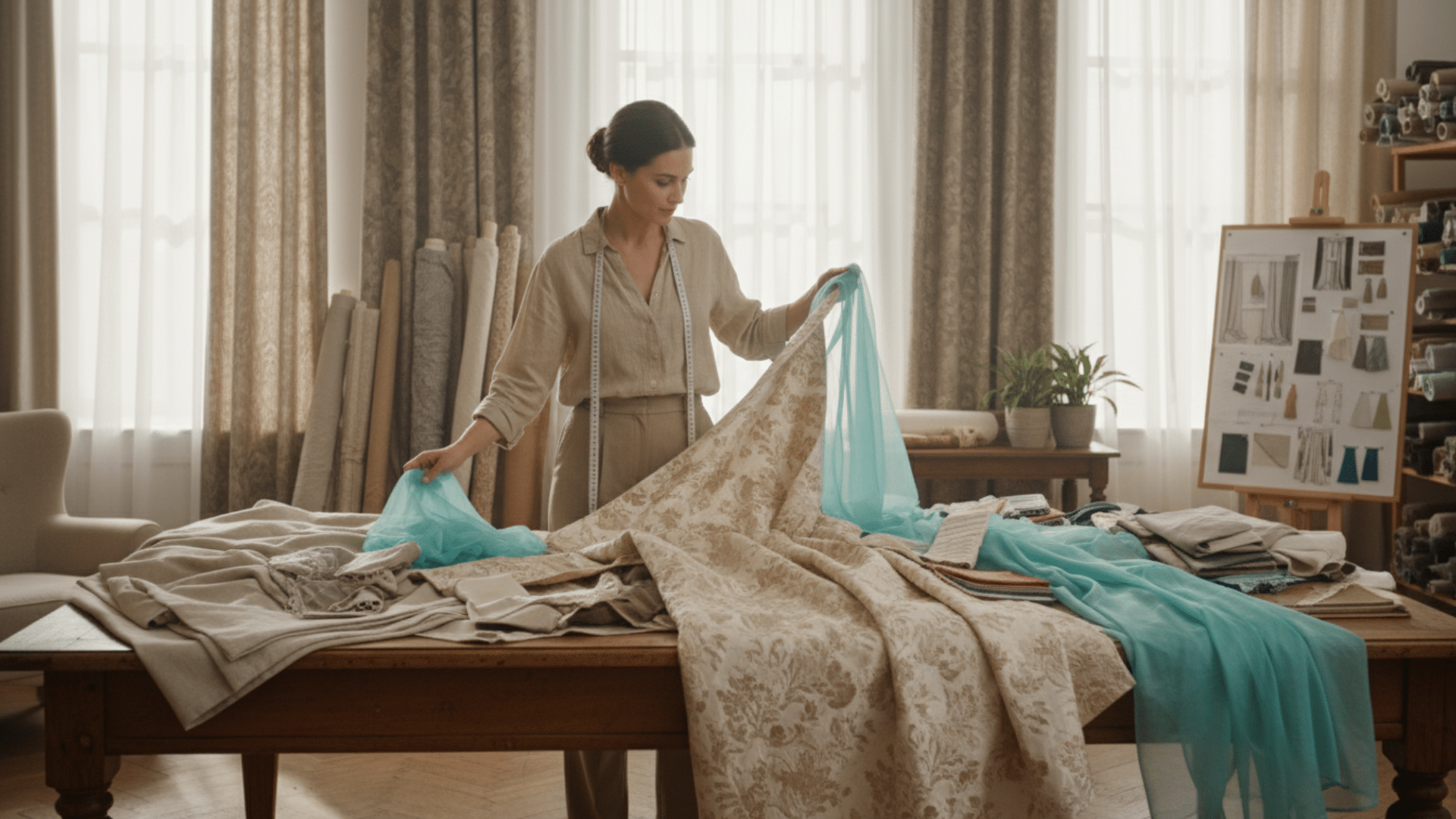
The fabric you pick affects how your curtains look, feel, and work in your living room. It controls light, privacy, and the overall vibe of your space.
- Lightweight Fabrics (Sheer, Cotton, Linen): Let in natural light and create a soft, airy feel. Great for bright, casual spaces.
- Medium Fabrics (Polyester Blends): Offer a balance of light and privacy. Easy to maintain and suitable for everyday use.
- Heavy Fabrics (Velvet, Thick Drapes): Block light and add warmth. Ideal for a cozy, formal look.
- Sunlight Consideration: Choose fade-resistant fabrics if your room gets strong sunlight.
- Room Style Match: Pick fabric that complements your decor—light for modern spaces, heavier for classic interiors.
Curtain Heading Styles
The heading is how the curtain attaches to the rod, and it determines the overall silhouette of the window. It’s one of the most overlooked decisions in curtain shopping, yet it shapes the entire look of your living room window.
| Heading Style | Look and Feel | Best For |
|---|---|---|
| Eyelet / Grommet | Clean, contemporary ripple folds | Modern and minimalist living rooms |
| Pinch Pleat | Structured, formal drape with even pleats | Traditional, classic, or formal interiors |
| Rod Pocket | Gathered, casual feel; rod runs through a sleeve | Cottage, bohemian, or relaxed styles |
| Tab Top | Relaxed, informal loops visible at the top | Casual or Scandinavian-inspired spaces |
| Wave / S-fold | Smooth, continuous wave; very tailored | Contemporary or high-end residential spaces |
In more formal client projects, pinch pleat drapes in silk or velvet have consistently delivered the most polished result. For family rooms where ease of use matters, eyelet curtains on a smooth rod are far more practical.
Avoid rod pocket headings on heavy fabrics; the weight makes them difficult to draw and they tend to bunch unevenly over time.
Patterns vs Solid Curtains
Choosing between patterned and solid curtains depends on how much visual interest your living room already has. The right choice can either balance the space or make it stand out.
| Type | Best For | Look & Feel | When to Choose |
|---|---|---|---|
| Solid Curtains | Minimal, modern, or busy rooms | Clean, simple, and timeless | When your room already has bold furniture or decor |
| Patterned Curtains | Neutral or plain rooms | Adds personality and visual interest | When you want curtains to be a focal point |
| Subtle Patterns | Elegant and balanced spaces | Soft detail without overwhelming | When you want a refined, polished look |
| Bold Patterns | Statement interiors | Eye-catching and dramatic | When you want to add energy and style to the room |
Pick Colors that Improve Your Living Room
Choosing the right curtain color can instantly change the mood of your living room. Start by looking at your wall color, furniture, and overall theme.
If you want a calm and open feel, go for light shades like white, beige, or soft pastels. These colors reflect light, making the room look bigger.
For a cozy and bold look, darker shades like navy, grey, or deep green work well. You can also choose curtains that match your sofa or rug to create a balanced look.
If your room feels plain, patterned curtains can add interest without needing extra decor. The key is to pick colors that blend well while still adding a touch of personality to your space.
Professional Curtain Hanging Tips
How you hang your curtains can make a big difference in how your living room looks. Small adjustments can make your space feel taller, wider, and more polished.
1. Hang Curtains Higher Than the Window
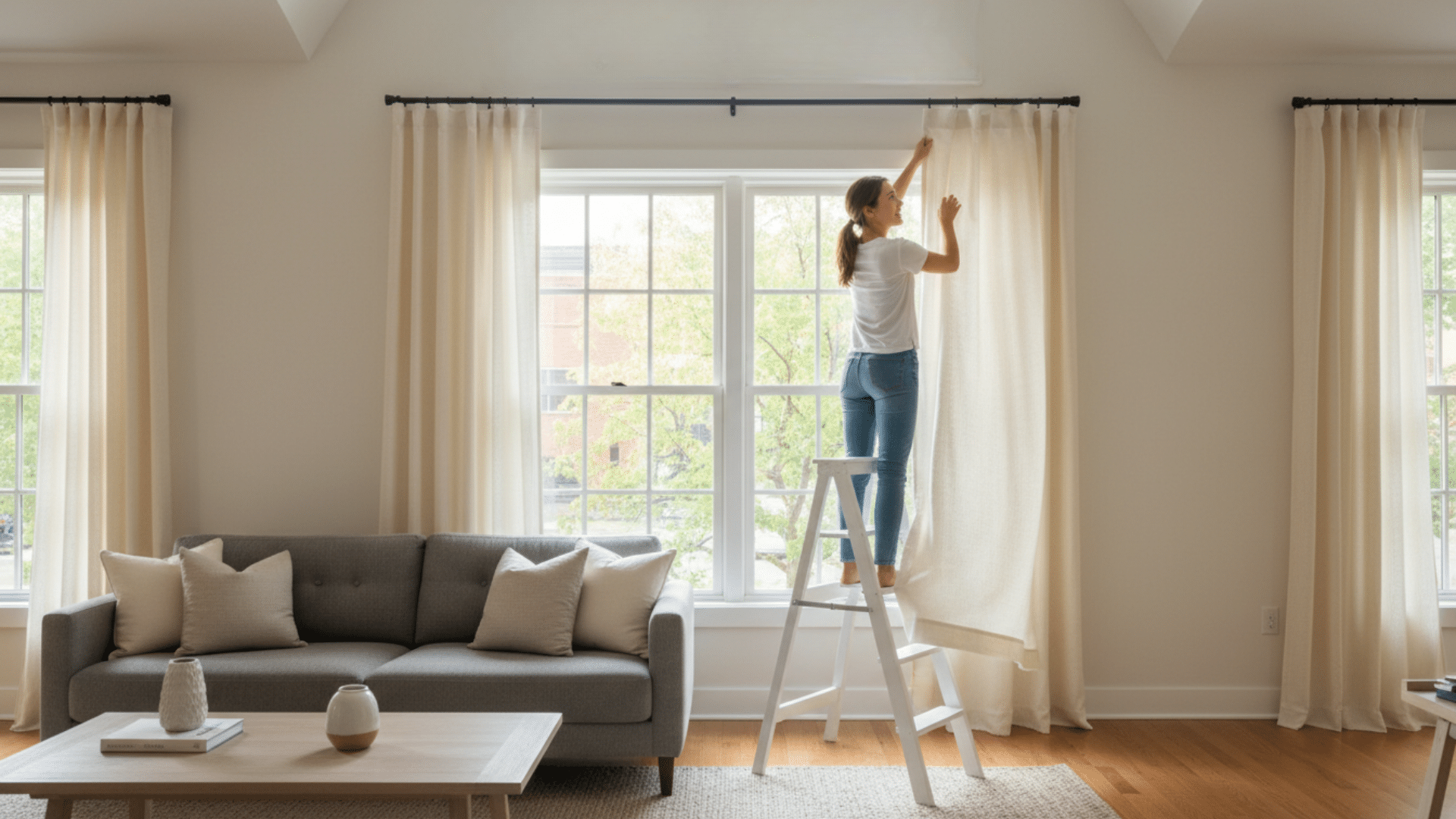
One of the easiest ways to make your living room look taller is by hanging curtains higher than the window frame.
Instead of placing the rod right above the window, install it about 4 to 12 inches higher. This draws the eye upward, creating the illusion of higher ceilings.
It also allows more natural light to enter when the curtains are open.
This simple trick is widely used in interior design to give rooms a more spacious and elegant feel without changing anything else.
2. Extend Curtain Rod Beyond Window Width

Do not limit your curtain rod to just the width of your window. Extend it several inches on both sides, usually 6 to 12 inches beyond the frame.
This makes your window appear larger and allows curtains to fully open without blocking light. It also gives a fuller, more balanced look when the curtains are closed.
This technique works especially well in small living rooms, as it creates a wider visual effect, helping the space feel more open and less cramped.
3. Ensure Curtains Touch or Slightly Hover Above the Floor
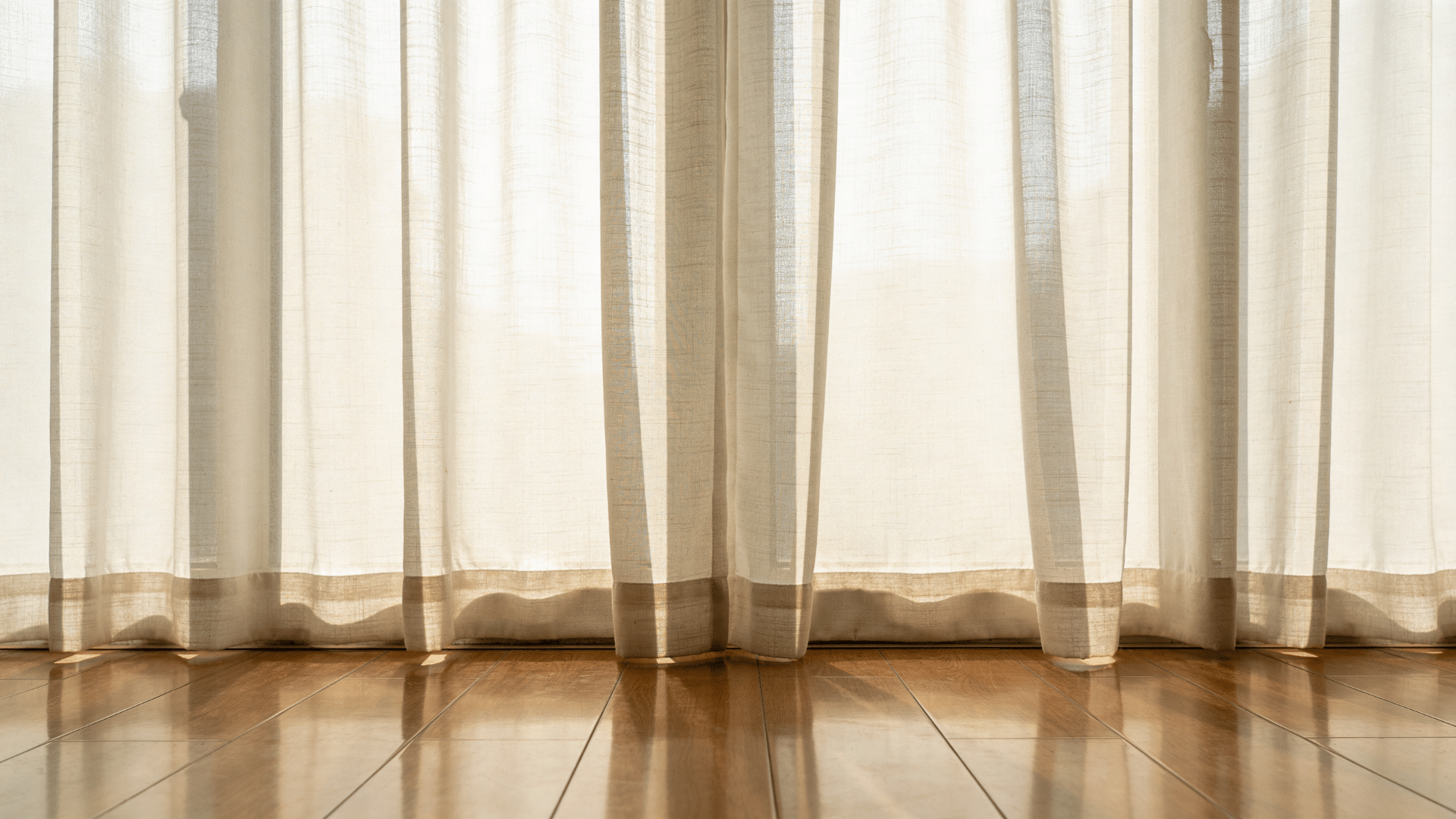
Curtain length plays a big role in how finished your living room looks. Curtains should either just touch the floor or hover slightly above it for a clean, modern style.
Avoid curtains that stop too short, as they can make the space look awkward and incomplete. If you prefer a more classic or luxurious feel, you can allow a slight “puddle” on the floor.
Getting the length right adds a polished, intentional look that instantly upgrades your space.
4. Use Strong and Stylish Hardware
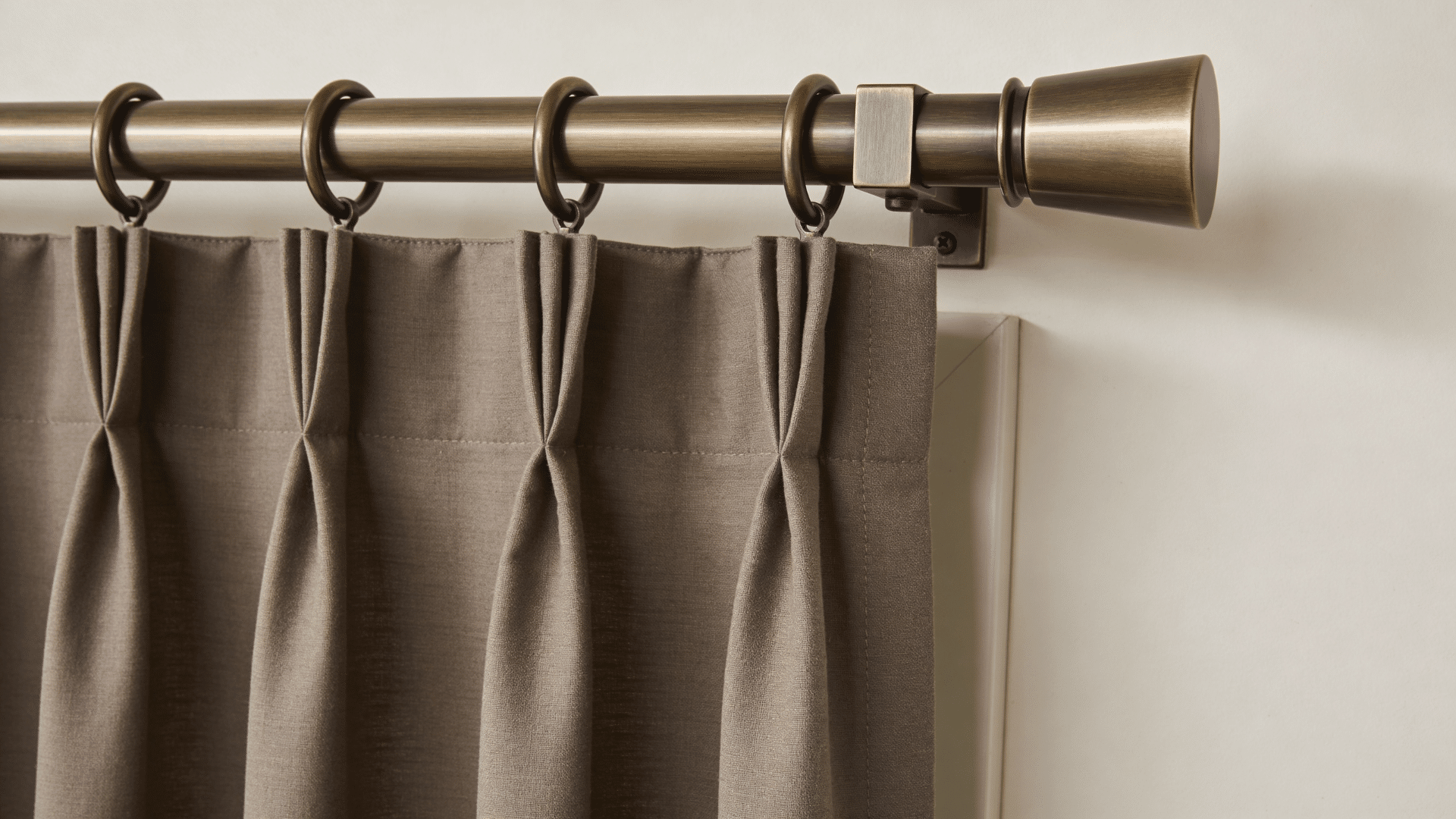
Curtain rods and brackets are not just functional; they also add to the overall style of your room.
Choose sturdy hardware that can support the weight of your curtains, especially if you are using heavier fabrics. Weak rods can bend over time, ruining the look.
Match the finish of your hardware to the other metal accents in your room.
Matte black pairs well with contemporary or industrial spaces; brushed brass works for warmer, eclectic interiors; satin nickel reads as clean and versatile in most modern homes.
Mixing finishes across a room rarely works, so pick one and commit to it.
5. Layer Curtains for a Designer Look
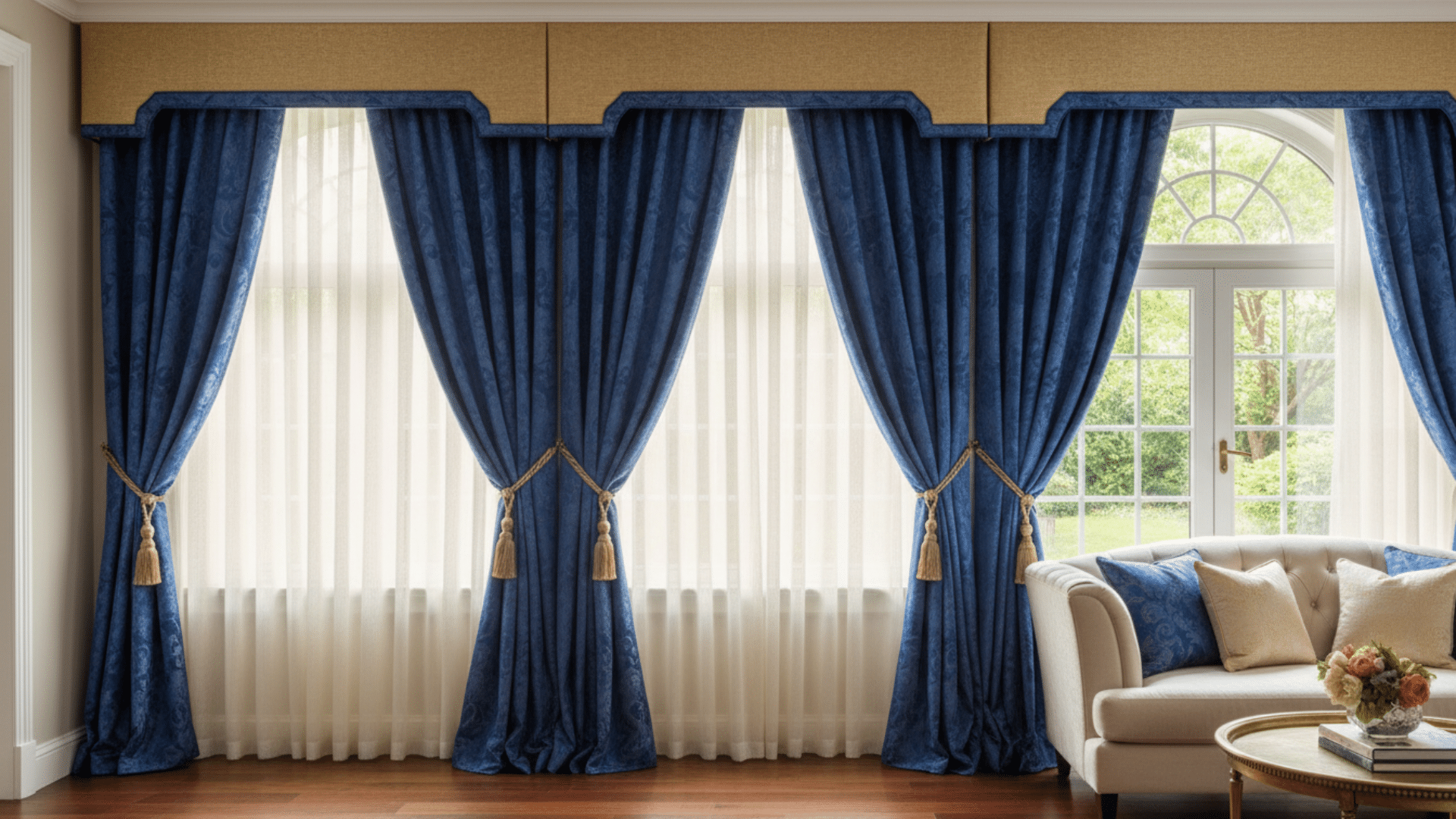
Layering curtains is a simple way to make your living room feel more refined. Combine sheer curtains with heavier drapes to get both light control and privacy.
During the day, you can let light filter through the sheer layer, and at night, close the thicker curtains for comfort.
This layered look adds depth and texture to your space, making it feel more thoughtfully designed. It is a popular trick used in well-styled homes to create a soft and inviting atmosphere.
Types of Curtains for Living Rooms
Different curtain types offer different levels of light control, privacy, and style. Choosing the right type helps you match both function and design.
| Curtain Type | Description |
|---|---|
| Sheer Curtains | Light and airy, allowing natural light to pass through while adding a soft, elegant feel. |
| Blackout Curtains | Block most light and provide strong privacy, ideal for bright living rooms. |
| Thermal Curtains | Help maintain room temperature by keeping heat in during winter and out during summer. |
| Layered Curtains | Combine sheer and thick curtains for flexible light control and privacy. |
| Patterned Curtains | Add personality and work well as a focal point in simple or neutral spaces. |
| Solid Curtains | Provide a clean, simple look that easily blends with most decor styles. |
Common Mistakes to Avoid
Even small curtain mistakes can make your living room look unbalanced or unfinished. Avoid these common errors to keep your space looking clean and well-designed.
- Hanging Curtains Too Low: Placing the rod right above the window makes ceilings look shorter. Always hang higher for a better visual effect.
- Choosing Curtains That Are Too Short: Short curtains break the flow of the room and look awkward. Aim for floor-length for a polished finish.
- Not Considering Curtain Fullness: Narrow panels can look flat and cheap. Use wider curtains for a fuller, richer appearance.
- Ignoring Natural Light Needs: Picking very heavy fabrics can block too much light. Match the fabric to the amount of light you want.
- Mismatching Colors and Style: Curtains that clash with furniture or walls can disrupt the room’s look. Always coordinate with your decor.
Final Thoughts
Choosing the right curtains for your living room does not have to be complicated. When you focus on the basics like size, fabric, color, and proper hanging, everything starts to come together easily.
The right curtains can make your space feel brighter, bigger, and more comfortable without needing a full makeover.
Always remember that both selection and placement matter. Even simple curtains can look high-end when hung correctly and styled with care.
Take your time to measure properly, match your room’s style, and use a few professional tips to guide your decisions.
You can create a living room that feels balanced, welcoming, and visually pleasing every day.