

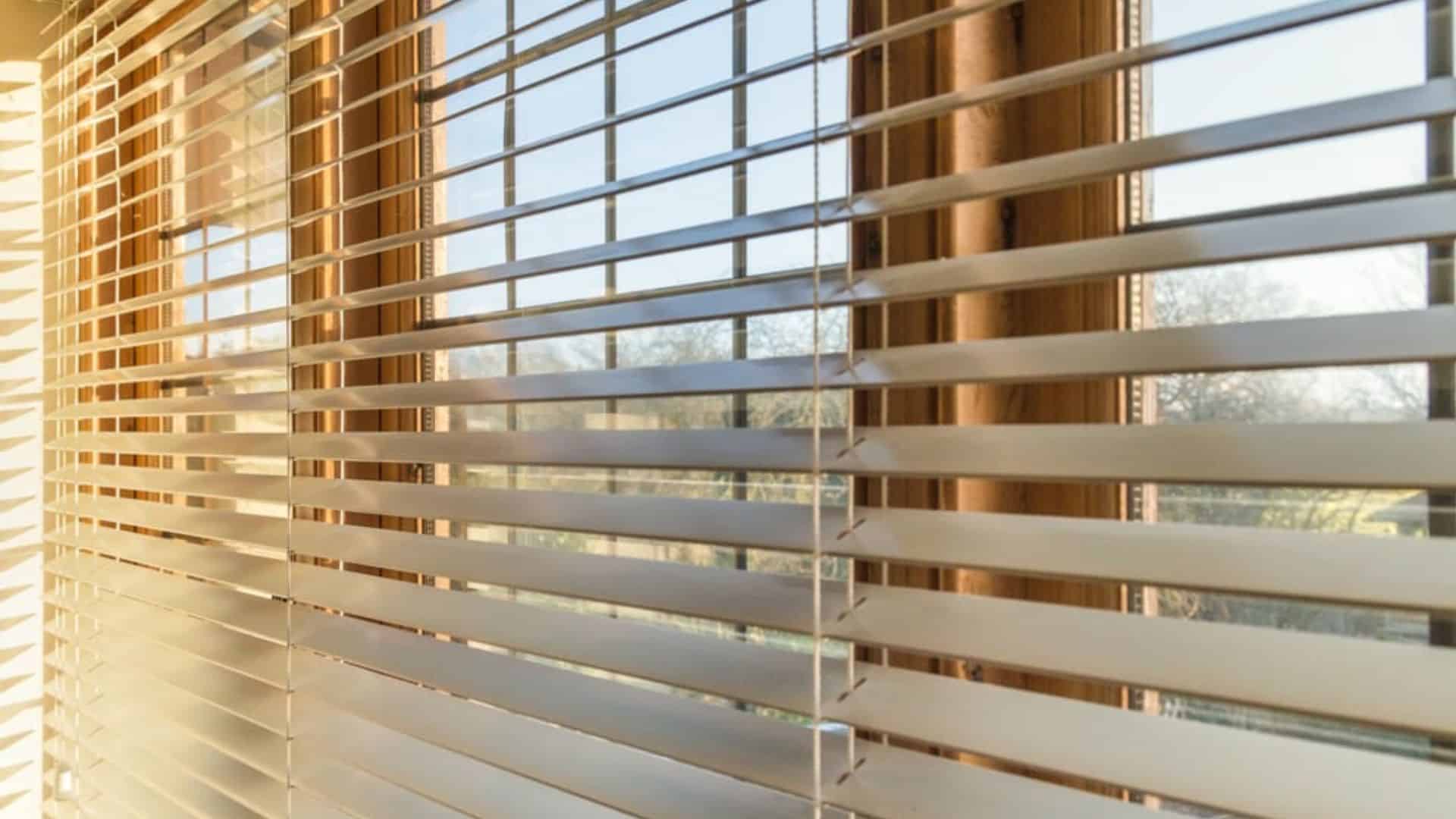
When I first tried to choose window coverings for my home, I quickly noticed how many options there were. Two of the most common choices were shutters and blinds.
At first, they looked similar, but the differences became apparent once I looked more closely.
In this guide on shutters vs blinds, I will walk you through what sets them apart. You will learn how each option works, how they look in a room, and which one may fit your home better.
I will tell you the difference between blinds, shades, and shutters. I will also discuss cost, since many people want to know how much plantation shutters typically cost.
By the end of this article, you will have a clear idea of the main differences, the pros and cons of each option, and how to decide which one works best for your space and budget. This will help you choose with confidence.
What to Consider Before Choosing Shutters or Blinds
Before deciding between shutters and blinds, there are a few important factors to consider that can help you make the best choice for your home.
Think about how each option fits your space, lifestyle, and budget. Here are some things to keep in mind:
- Window Size and Shape: Shutters are custom-made for unique windows; blinds fit standard sizes and are easier to adjust.
- Long-Term Investment: Shutters are pricier but last longer; blinds are affordable and easy to replace.
- Maintenance Requirements: Shutters are low-maintenance; blinds need more cleaning due to dust buildup on thinner slats.
- Aesthetic Preferences: Shutters offer a classic, built-in look; blinds provide more color and design flexibility.
- Light Control and Privacy: Shutters offer consistent light filtering; blinds may have gaps that allow more light and reduce privacy.
- Energy Efficiency: Shutters provide better insulation, blocking drafts; blinds help but offer less protection against temperature changes.
Taking the time to evaluate these factors will help you choose the best window covering for your home and lifestyle.
What Are Window Shutters?
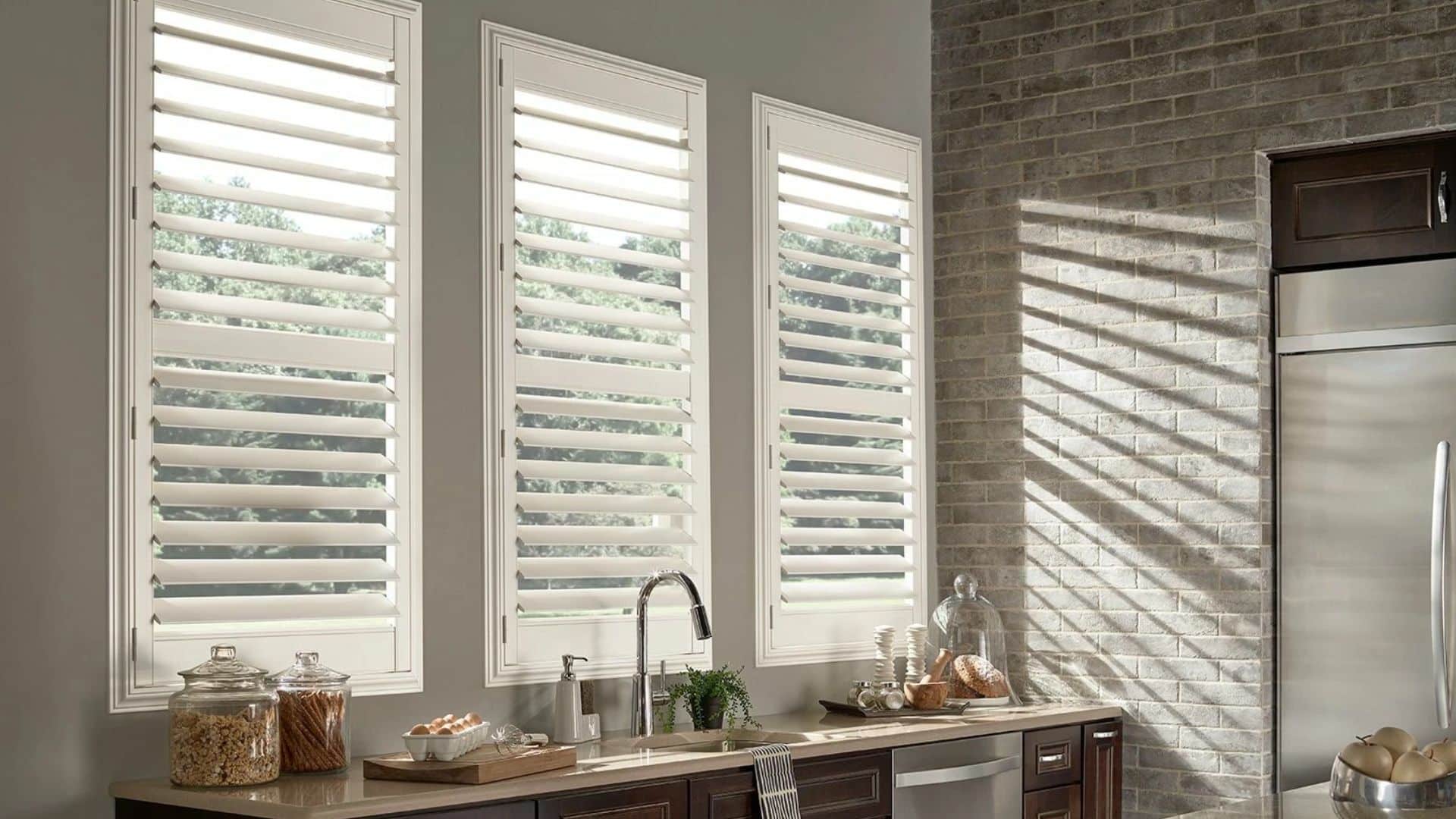
Window shutters are solid window coverings that attach directly to the window frame. They open and close on hinges and have adjustable slats, called louvers, that help control light and privacy.
By tilting the louvers, you can let in sunlight while still keeping your room private.
Shutters come in several materials. The most common ones are natural wood, composite wood, and vinyl. Wood shutters often give a warm, classic look, while composite and vinyl options are more moisture- and wear-resistant.
Many homeowners choose shutters because they are strong and long-lasting. They also give a clean, built-in look that fits many home styles.
Since they attach to the window frame, shutters stay in place and are easy to adjust for daily light control.
What Are Window Blinds?
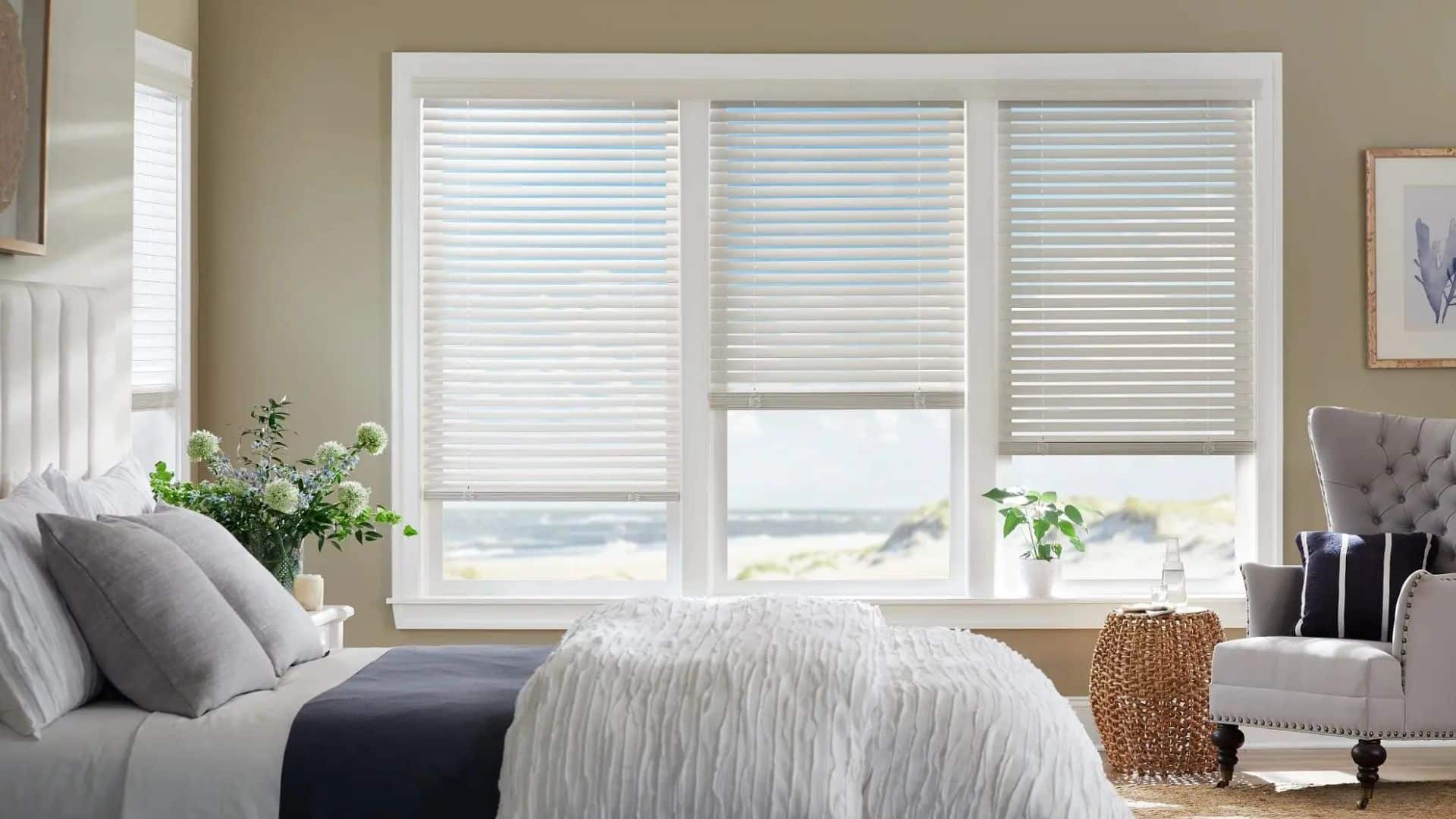
Window blinds are window coverings made of long slats or a single piece of material that covers a window. They usually hang inside or above the window frame and can be raised, lowered, or tilted to manage light.
Most blinds use a cord, wand, or small control system to adjust their position.
The slats in blinds can tilt open or closed. When the slats are open, sunlight enters the room while still giving some privacy. When closed, they block most of the light and make it harder for people outside to see inside.
Blinds come in many materials, including wood, faux wood, aluminum, plastic, and fabric.
Because they come in many styles and prices, blinds are a common choice for bedrooms, living rooms, offices, and other spaces where light control and privacy matter.
Shutters vs Blinds: Key Differences
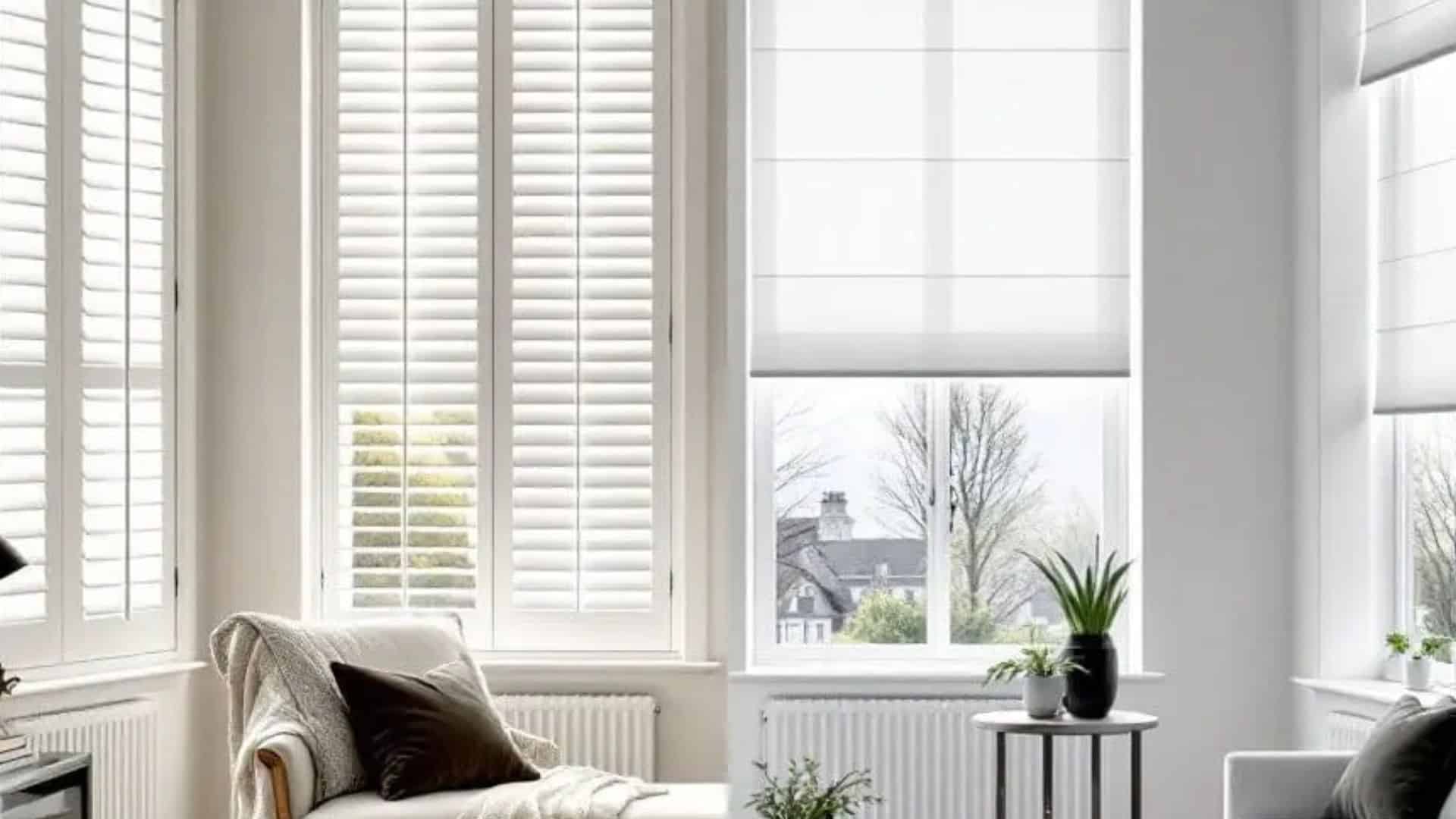
Shutters and blinds both cover windows, but they work in different ways. Shutters attach to the window frame and open like small doors.
Blinds hang in front of the window and move with cords or a wand. These design and function differences affect how they look, how long they last, and how easy they are to maintain.
1. Design and Appearance
Shutters give a built-in look because they attach directly to the window frame. They often make a room look neat and structured. Many homes use them as a long-term design feature.
Blinds sit inside or above the window and hang down to cover the glass. They offer many colors and styles, so they are easy to match with different rooms.
2. Light Control and Privacy
Both options help manage sunlight and privacy.
Shutters use wide louvers that tilt to let light in while still blocking direct views from outside.
Blinds use thinner slats that also tilt open or closed. They can block light well, but small gaps between the slats may allow a bit more light through.
3. Durability and Lifespan
Shutters usually last longer because they are made with stronger materials and fixed frames. Many plantation shutters can last for decades with normal use.
Blinds tend to have a shorter lifespan. The slats and cords can bend, break, or wear out over time, especially with frequent use.
4. Cleaning and Maintenance
Shutters are easy to clean since the louvers are wider and more stable. Most of the time, wiping them with a cloth or duster is enough.
Blinds can collect more dust because they have many thin slats. Cleaning them may take longer since each slat often needs to be wiped.
5. Installation and Fit
Shutters are usually custom-made to match the size of a window. Because of this, they often need professional installation.
Blinds are easier to install and often come in ready-made sizes. Many homeowners install them on their own without special tools.
Difference Between Blinds, Shades, and Shutters
Choosing the right window covering depends on your needs, from light control and privacy to durability and installation ease; each option has its unique benefits.
| Feature | Blinds | Shades | Shutters |
|---|---|---|---|
| Design & Light Control | Slats that tilt; offers adjustable light control with small gaps | Continuous fabric that rolls or slides for light control | Hinged panels with adjustable louvers for steady light filtering |
| Privacy & Durability | Provides some privacy; shorter lifespan, slats can wear out | Offers good privacy; depends on material, may fade | Excellent privacy; long-lasting and durable |
| Maintenance & Installation | Requires regular cleaning; can be DIY or professional install | Easy to maintain; often DIY | Low maintenance; custom fit, requires professional installation |
| Cost & Energy Efficiency | Affordable, some insulation | Affordable, good insulation (especially cellular shades) | Higher cost, superior insulation |
Plantation Shutters vs Blinds Cost Comparison
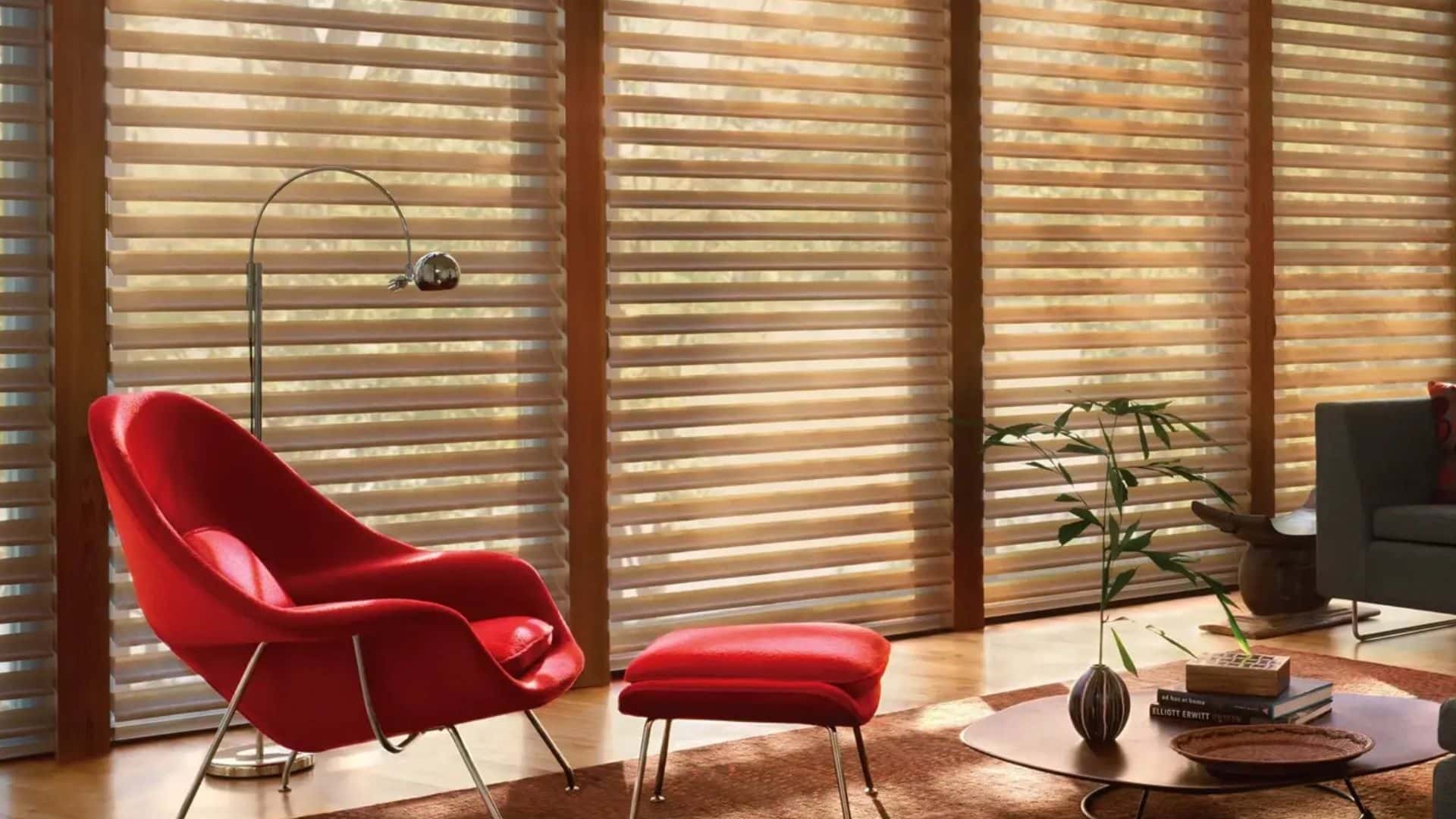
Cost is one of the biggest differences when comparing shutters and blinds. Plantation shutters are usually more expensive because they are custom-built and installed directly on the window frame.
Blinds are generally more affordable and come in many ready-made options. The final price depends on the material, window size, and installation method you choose.
How Much Are Plantation Shutters?
Plantation shutters usually cost more because they are built to fit each window. Materials such as wood, composite, or vinyl also affect the price.
Most homeowners pay about $100 to $650 per window for materials , while the installed cost can range from about $150 to $800 per window, depending on size and installation fees.
Custom hardwood shutters tend to cost the most, while vinyl or composite shutters are usually more budget-friendly.
Average Cost of Blinds
Blinds are normally cheaper than shutters because they are easier to produce and install. Basic blinds made from plastic or aluminum are the least expensive options.
In many cases, standard blinds can cost about $20 to $200 per window , depending on the material and style. Faux wood or premium blinds may cost more, but they are still usually less expensive than plantation shutters.
Because of the lower price and simple installation, blinds remain a common choice for homeowners who want an affordable window covering.
Prices can vary based on material, size, installation, and your location.
Shutters vs Blinds: Which One Is Better for Your Home?
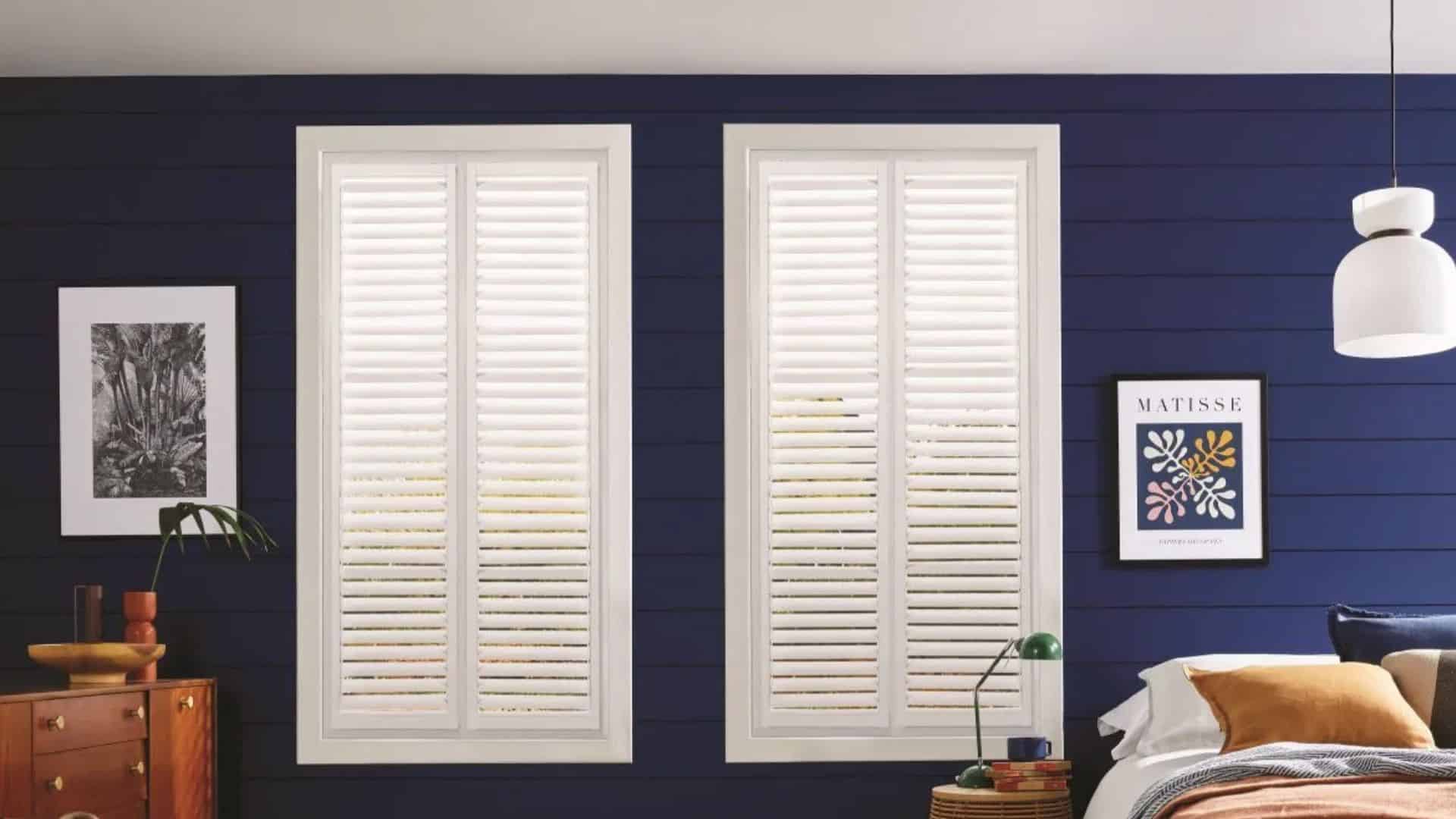
Choosing between shutters and blinds depends on your budget, how long you plan to stay in the home, and the look you want for your space.
Both options work well for light control and privacy, but each one fits different needs and priorities.
- Best Choice for Budget: Blinds are usually the more affordable option for most homes.
Many ready-made blinds cost much less than custom shutters. - Best Choice for Long-Term Value: Shutters often last longer because they use stronger materials and a fixed frame. Many plantation shutters stay in good condition for decades.
- Best Choice for Style and Home Design: Shutters give a built-in look that works well with many home styles. Blinds offer more colors and styles to match different rooms.
- Best Choice for Easy Installation: Blinds are usually easier and faster to install in most homes. Many homeowners install them without professional help.
- Best Choice for Light Control: Both shutters and blinds help manage sunlight in a room.
Shutters often provide steadier light control with wider louvers.
Wrapping Up
Choosing between shutters and blinds often comes down to what matters most in your home. If you want a lower upfront cost and simple installation, blinds may be the better option.
They are easy to replace and come in many styles. If long life and a built-in look are more important to you, shutters can be a strong choice.
Many homeowners prefer plantation shutters because they last for years and add a clean finish to a room.
Consider your budget, window size, and how long you plan to stay in your home. These small details can help you decide which option fits your space best.
Now I would like to hear from you. Have you used shutters or blinds in your home? Share your experience or thoughts in the comments below so others can learn from it too.