

Close Menu
    What's Hot

    Smart Home Ambiance for Home Cinemas: Interactive Lighting, Zero Gravity Seating, and Tech-Infused Comfort

    June 13, 2026

    LED Recessed Lighting: What Homeowners and Electricians Should Know

    June 13, 2026

    The Architecture Behind Bluewaters Island

    June 13, 2026

    The Kitchen Storage Overhaul You’ve Been Putting Off (And Why It’s Easier Than You Think)

    June 12, 2026

    7 Signs You Need Temporary Storage Before Starting a Renovation

    June 10, 2026

    Ancient Egypt’s Influence on Modern Homes and Restaurants

    June 10, 2026
    Facebook Instagram
    Facebook Instagram
    Opple House
    • Home Decor
    • Interior Design
    • Home Improvement
    • DIY & Crafts
    • Gardening
    • Real Estate
    Opple House
    Home » Blog » Aligning House Size With Block Dimensions
    Real Estate

    Aligning House Size With Block Dimensions

    Michael GreenBy Michael GreenMay 25, 20264 Mins Read
    Facebook Twitter Pinterest LinkedIn WhatsApp Reddit Tumblr Email
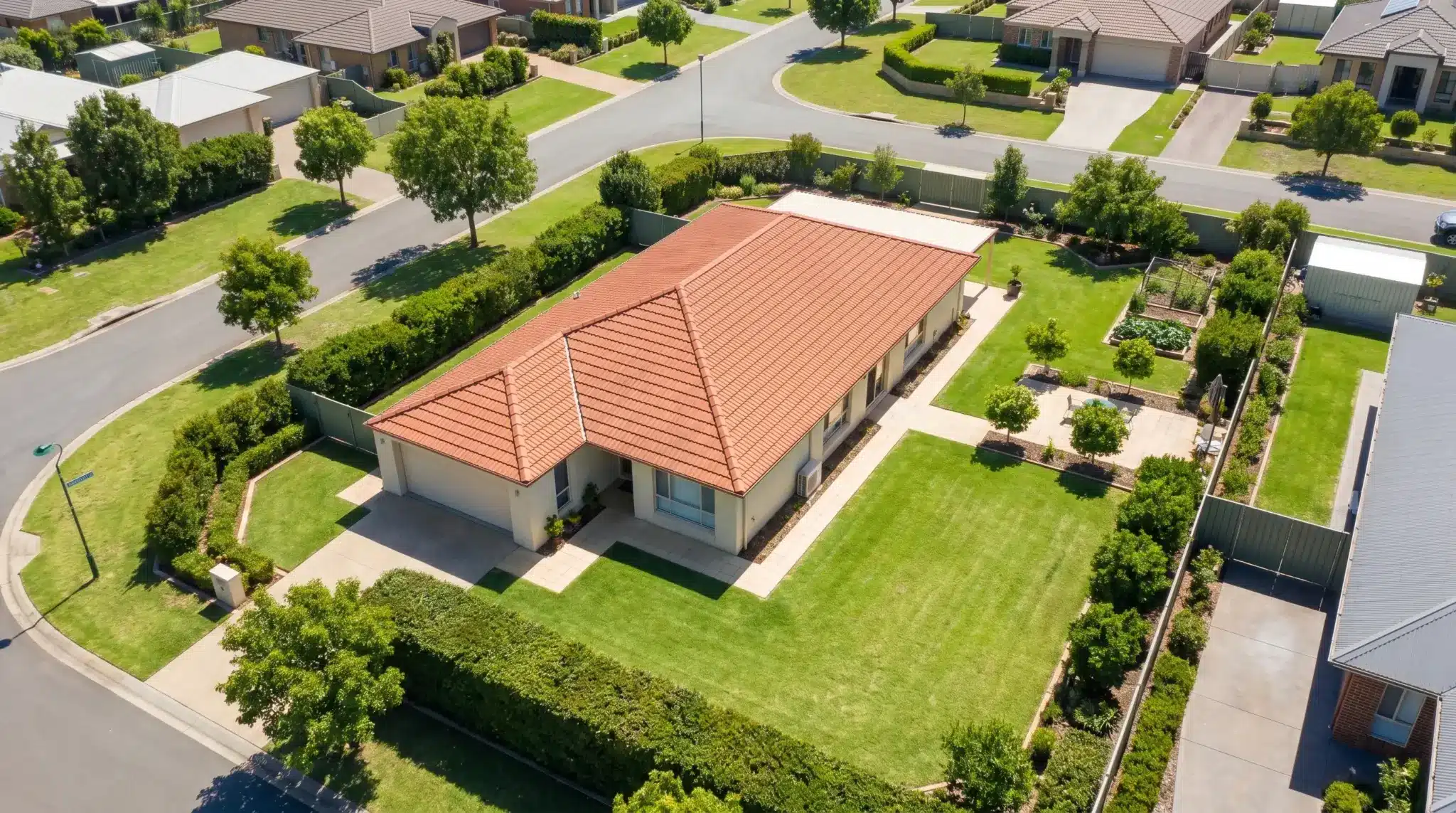
    Aerial view of suburban house with terracotta roof and green lawn in residential neighborhood
    Share
    Facebook Twitter LinkedIn Pinterest Email

    Aligning house size with block dimensions means choosing a home that fits the land physically, functionally and proportionally. It is not simply a matter of checking whether the house can sit inside the boundary lines. The width, depth, slope and usable building area of the block all affect how large the home should be, where it should sit and how much space should remain around it.

    Block Dimensions Set the Buildable Area

    The size of the block does not always reflect the amount of land available for the house itself. Setbacks, easements, driveway placement and council controls reduce the actual building envelope, which is the part of the block where the home can be built.

    House size should be assessed against the usable area, not just the total square metres. Buyers often compare floor plans with input from builders, designers, surveyors and providers such as Neptune Homes house and land building experts to clarify whether a proposed home size suits the true buildable space before the design becomes too costly or difficult to adjust.

    Block Width Controls the Home’s Frontage

    The width of the block determines how broad the home can be across the front. It affects garage placement, entry position, room layout and side access. A home that is too wide for the frontage may leave limited side clearance or create a cramped street-facing elevation.

    On narrower blocks, a smaller footprint or double-storey design may be more suitable. It allows the home to retain enough internal space while reducing how much land is used across the width. On wider blocks, a larger single-storey design may work well, provided it still leaves practical access around the home.

    See also  Property Easement: What It Is and How It Affects You

    Block Depth Controls the Home’s Length

    Block depth affects how far the home can extend from front to back. A long home on a shallow block can reduce backyard space, limit outdoor entertaining areas and make the rear of the property feel compressed. Even when the design fits technically, it may not leave enough usable space beyond the house.

    A deeper block gives more flexibility for larger living areas, rear bedrooms, alfresco spaces and future outdoor additions. However, the house still needs to be scaled carefully so it does not dominate the site. Good alignment means the home uses the depth efficiently while preserving space for light, ventilation and outdoor movement.

    House Size Must Suit the Block Shape

    Grid-like layout of green land plots with dirt paths in rural area

    Two blocks with the same land area can require very different house sizes. A rectangular block, corner block, battle-axe block or irregular-shaped block will each influence how a house can be positioned. The shape can affect driveway access, private open space, side setbacks and room orientation.

    Proportion matters here. A large home may suit a regular, wide block but feel forced on an angled or narrow block. A smaller or custom layout may achieve better use of space because it follows the shape of the land rather than working against it.

    Slope Can Reduce Practical Space

    A sloping block can change how much of the land is practical for building. Steeper sites may need retaining walls, split levels, additional drainage, more complex foundations or site grading to create safe, usable building conditions. These requirements can affect the most suitable house size because more of the budget and space may need to go into making the site buildable.

    See also  5 Best Land Investment Companies in the U.S. Right Now

    A home that suits a flat block may not suit a sloping one with the same dimensions. Aligning house size with the block means considering how the design will sit on the land, how levels will connect and whether the finished home will still feel comfortable and accessible.

    Outdoor Space Must Stay Proportional

    A house should not consume so much of the block that outdoor areas become an afterthought. Families often need space for children, pets, entertaining, gardens, storage or future upgrades. If the home is oversized for the block, these areas can become too small to use properly.

    The goal is to balance internal floor area with external function. A slightly smaller home that leaves a practical backyard, wider side access or better natural light may provide a better result than a larger home that fills the block too tightly.

    The Right Fit Comes From Proportion

    Aligning house size with block dimensions is about proportion, not maximum floor area. The best result comes when the home’s width, length, height and footprint respond to the land’s actual buildable space. When the house and block are planned together, the finished home is easier to live in, better positioned on the site and more likely to support the household’s needs over time.

    Related posts:

    1. Jimmy Swaggart’s Home : A Complete Tour of the Minister’s Private Estate
    2. A Glimpse into Stephen A. Smith’s Home and Properties
    3. What’s the Easiest Way to Get Cash for Your Florida Property Fast?
    4. Condo vs Apartment: What’s the Real Difference?
    Share. Facebook Twitter Pinterest LinkedIn WhatsApp Reddit Tumblr Email
    Michael Green
    Michael Green
    • Website

    Michael Green is a seasoned real estate expert with over fifteen years of experience in the industry. Holding a Real Estate Management degree from the University of Wisconsin-Madison, Michael has a profound understanding of market trends, property investment, and housing regulations. His expertise has guided countless individuals through the complexities of buying, selling, and managing property, making him a trusted advisor in the field. Michael's insights are regularly featured in leading real estate publications, and he is a sought-after speaker at national real estate conferences. His practical advice and in-depth analyses empower readers and clients alike to make informed decisions in the dynamic world of real estate.

    Related Posts

    Real Estate May 31, 2026

    Joe Biden’s House: Where He Lives and Property Details

    Real Estate May 10, 2026

    What is Earnest Money and How Much Do You Need?

    Real Estate May 4, 2026

    What is the True Cost of Selling a House? Explained Simply

    Real Estate May 4, 2026

    Property Easement: What It Is and How It Affects You

    Real Estate May 4, 2026

    What Is a Townhouse? Definition, Types & Costs

    Real Estate May 4, 2026

    What Is Commercial Real Estate? Types and How It Works

    Leave A Reply Cancel Reply

    Don't Miss
    Home Decor June 13, 2026

    Smart Home Ambiance for Home Cinemas: Interactive Lighting, Zero Gravity Seating, and Tech-Infused Comfort

    A premium home cinema feels best when lighting, seating, climate, and controls work as one…

    LED Recessed Lighting: What Homeowners and Electricians Should Know

    June 13, 2026

    The Architecture Behind Bluewaters Island

    June 13, 2026

    The Kitchen Storage Overhaul You’ve Been Putting Off (And Why It’s Easier Than You Think)

    June 12, 2026
    Stay In Touch
    • Facebook
    • Instagram
    About Us
    About Us

    We strive to provide high-quality, stylish home decor pieces to help you create the perfect look for your unique space. Our blog offers helpful tips and tricks to bring your dream home to life!

    Email Us: sophia@opplehouse.com

    Our Picks

    Smart Home Ambiance for Home Cinemas: Interactive Lighting, Zero Gravity Seating, and Tech-Infused Comfort

    June 13, 2026

    LED Recessed Lighting: What Homeowners and Electricians Should Know

    June 13, 2026

    The Architecture Behind Bluewaters Island

    June 13, 2026

    Design Secrets Delivered to Your Inbox!

    Join 10,000+ home enthusiasts who receive weekly inspiration, DIY guides, and exclusive decor tips. Plus, get a free e-book

    Facebook Instagram
    • About Us
    • Contact Us
    • Privacy Policy
    © 2026 OppleHouse.

    Type above and press Enter to search. Press Esc to cancel.