

Close Menu
    What's Hot

    The Parking Spot Clause: What EV Chargers, Guest Vehicles, and Assigned Spaces Mean for Renters

    October 16, 2026

    How to Reduce Household Dust and Improve Indoor Air Quality

    October 16, 2026

    How to Choose the Best Office Chair for Lower Back Pain

    October 12, 2026

    Are You Underselling Your Home? Here’s How to Avoid It

    October 9, 2026

    Antiques Worth Displaying: Five Collectibles That Deserve a Place in Your Home

    October 7, 2026

    How to Choose the Right Fridge Slide for Your 4WD Setup

    October 5, 2026
    Facebook Instagram
    Facebook Instagram
    Opple House
    • Home Decor
    • Interior Design
    • Home Improvement
    • DIY & Crafts
    • Gardening
    • Real Estate
    Opple House
    Home » Blog » The Parking Spot Clause: What EV Chargers, Guest Vehicles, and Assigned Spaces Mean for Renters
    Real Estate

    The Parking Spot Clause: What EV Chargers, Guest Vehicles, and Assigned Spaces Mean for Renters

    Michael GreenBy Michael GreenOctober 16, 20264 Mins Read
    Facebook Twitter Pinterest LinkedIn WhatsApp Reddit Tumblr Email
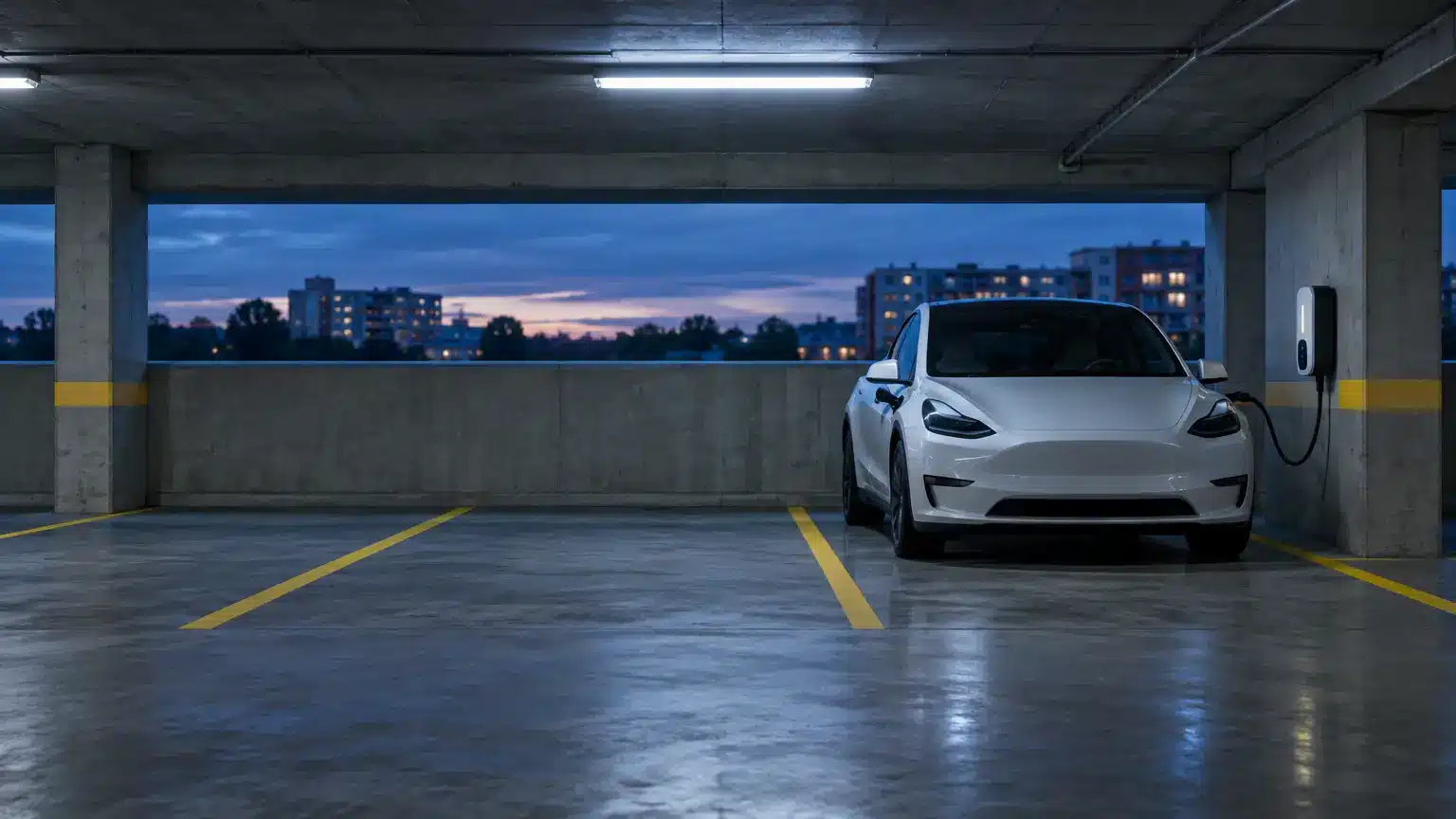
    White electric car charging in a dimly lit parking garage at dusk
    Share
    Facebook Twitter LinkedIn Pinterest Email

    Most renters assume that once a lease says “assigned parking,” the space belongs to them. The spot is licensed, not owned, and the terms of that license are changing faster than most leases can keep up with.

    Electric vehicles need power, guests need somewhere to land, and delivery drivers need thirty seconds at the curb. Every one of those needs runs through a few short paragraphs buried near the back of the rental agreement.

    The parking clause used to be boilerplate. Now it’s one of the more contested pieces of the lease, and the friction is showing up in small, expensive ways for both sides.

    The Problem Sits in a Clause Nobody Reads

    Parking language in a standard lease was written for a world where a household had one or two gas cars and a visitor showed up for dinner on the weekend. Now, a household might run an EV that needs to plug in overnight, a second car that only drives on weekends, a rideshare account that spins up a stranger’s sedan at the curb three times a week, and a steady rotation of grocery and package deliveries.

    None of that shows up in the clause. What shows up is a sentence or two about assigned spaces, a line about guest parking being available “as marked,” and a towing policy that references a company nobody has heard of. When a dispute starts, that thin paragraph is the whole rulebook. It’s why smart operators, including firms that handle residential property management, spend real time rewriting parking terms before a building fills up rather than after the first tow.

    Why “Just Add More Rules” Doesn’t Fix It

    The obvious response is to bolt on more language. A longer parking addendum. Tighter guest limits, a vehicle registry, and a stricter towing schedule.

    See also  Investing in More Than Real Estate: Misha Ezratti’s Vision for Community Growth

    On paper it feels like control. In practice, it creates three predictable problems.

    • Rules that ignore the vehicle mix. A guest-parking cap of two vehicles per week made sense before ridesharing, home health aides, and same-day grocery drop-offs were routine. Cap the wrong number and you’ve criminalized normal life.
    • Rules the landlord can’t enforce. Registering every plate sounds tidy until a tenant buys a new car and forgets to update the list. Enforcement that depends on a manager walking the lot twice a day quietly stops happening by month three.
    • Rules that collide with the law. Towing statutes, disability accommodation requirements, and state right-to-charge laws all constrain what a lease can do. A clause that ignores them is a lawsuit waiting for a slow week.

    Tenants don’t own assigned spaces, but the lease that grants them use has to spell out guest rules, fees, towing, and accessibility, or the landlord is the one exposed when something goes sideways.

    What About the EV Chargers?
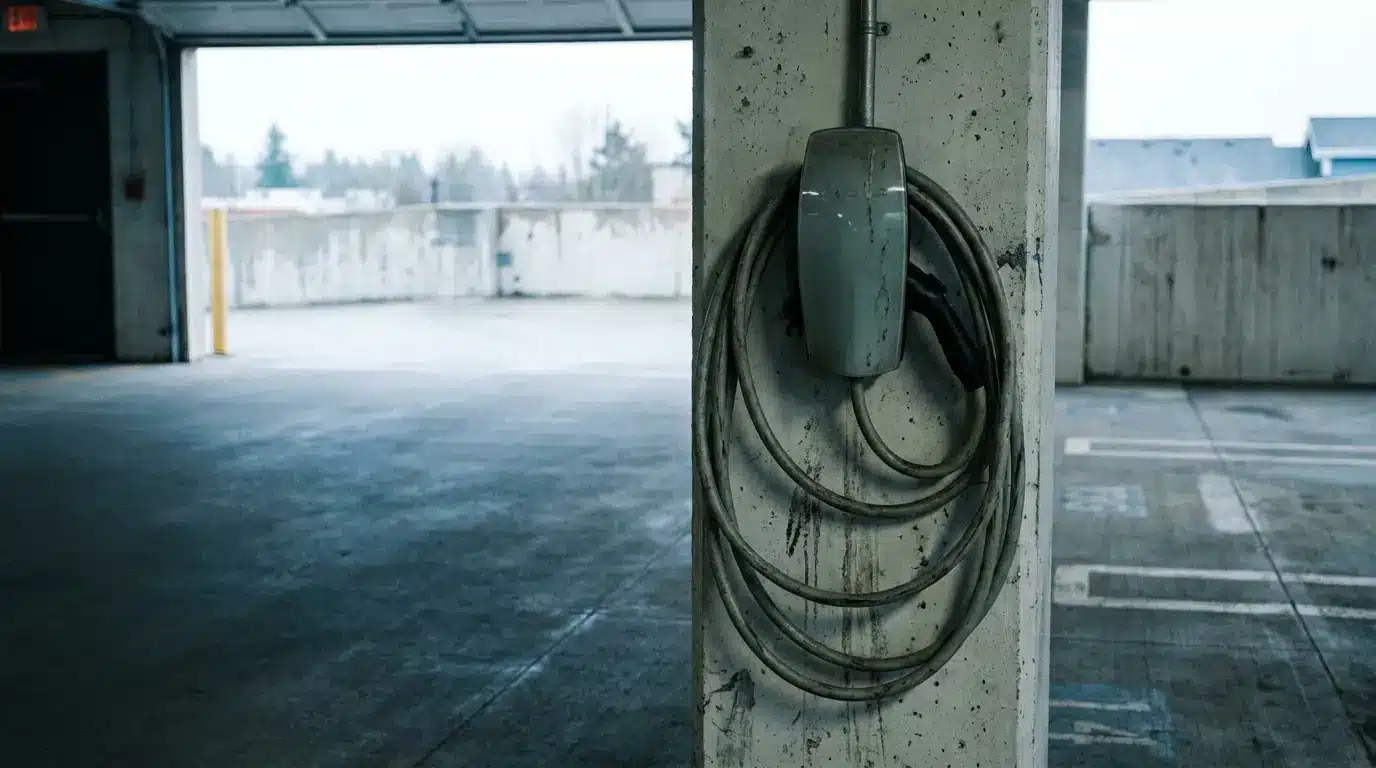
    Coiled charging cable hanging on concrete pillar in empty parking garage

    The charger question is where the parking clause stops being a nuisance and starts being a capital decision. A tenant with an EV isn’t asking for a parking preference. They’re asking for an electrical circuit, permanent conduit, and a spot they can rely on for the length of the lease.

    Several states now require landlords to approve reasonable tenant requests to install a charger in a designated space, subject to code, insurance, and cost conditions. The federal AFDC summary lays out how those approvals work and who pays for what. Ignoring the trend doesn’t pause it.

    Renters shopping for EV-friendly buildings notice which ones have thought this through, and which ones are pretending the question isn’t on the table.

    See also  Master the Duffel Bag Size Limit TSA: Fly Stress-Free in 2026!

    Write the Clause for the Building You Actually Have

    A parking clause that holds up does a few boring things well.

    • Name the space. Assign it by number, note whether it’s exclusive or shared, and say what happens if the building has to reassign for construction or accessibility. Vague language here is where most disputes start.
    • Define “guest”. Set a realistic time limit, a way to register a visitor, and a policy for rideshares and deliveries that doesn’t pretend they’re the same thing as a house guest.
    • Address charging up front. Say whether tenants can install a charger, who pays for the install, who owns the fixture at move-out, and how electricity is metered. Silence on this now usually invites a fight later.
    • Publish the tow rules. Name the tow company, the signage, the notice period, and the appeal path. Most jurisdictions require some version of this in writing at signing anyway.

    None of this is unusual. It’s the same practice good operators already apply to pet policies and maintenance requests, applied to the piece of the property everyone uses every day. A lease that treats parking as a serious clause, not a footnote, ages well as vehicles, guests, and power draw keep changing underneath it.

    Related posts:

    1. 5 Signs You’re Ready to Buy a Rental Property
    2. How to Structure Complex Real Estate Deals Without Losing the Human Element
    3. Investing in More Than Real Estate: Misha Ezratti’s Vision for Community Growth
    4. What Makes a Commercial Property Actually Sellable in Today’s Market
    pp
    Share. Facebook Twitter Pinterest LinkedIn WhatsApp Reddit Tumblr Email
    Michael Green
    Michael Green
    • Website

    Michael Green is a seasoned real estate expert with over fifteen years of experience in the industry. Holding a Real Estate Management degree from the University of Wisconsin-Madison, Michael has a profound understanding of market trends, property investment, and housing regulations. His expertise has guided countless individuals through the complexities of buying, selling, and managing property, making him a trusted advisor in the field. Michael's insights are regularly featured in leading real estate publications, and he is a sought-after speaker at national real estate conferences. His practical advice and in-depth analyses empower readers and clients alike to make informed decisions in the dynamic world of real estate.

    Related Posts

    Home Office and Guest Room Design October 12, 2026

    How to Choose the Best Office Chair for Lower Back Pain

    Real Estate October 9, 2026

    Are You Underselling Your Home? Here’s How to Avoid It

    Home Decor October 7, 2026

    Antiques Worth Displaying: Five Collectibles That Deserve a Place in Your Home

    Lifestyle October 1, 2026

    Luxury Wardrobe Design: Why Hardware, Doors, and Finishes Define the Whole Project

    Real Estate August 11, 2026

    What Is a Short Sale in Real Estate and How It Works

    Real Estate August 8, 2026

    What Does Under Contract Mean in Real Estate? Explained

    Leave A Reply Cancel Reply

    Don't Miss
    Real Estate October 16, 2026

    The Parking Spot Clause: What EV Chargers, Guest Vehicles, and Assigned Spaces Mean for Renters

    Most renters assume that once a lease says “assigned parking,” the space belongs to them.…

    How to Reduce Household Dust and Improve Indoor Air Quality

    October 16, 2026

    How to Choose the Best Office Chair for Lower Back Pain

    October 12, 2026

    Are You Underselling Your Home? Here’s How to Avoid It

    October 9, 2026
    Stay In Touch
    • Facebook
    • Instagram
    About Us
    About Us

    We strive to provide high-quality, stylish home decor pieces to help you create the perfect look for your unique space. Our blog offers helpful tips and tricks to bring your dream home to life!

    Email Us: sophia@opplehouse.com

    Our Picks

    The Parking Spot Clause: What EV Chargers, Guest Vehicles, and Assigned Spaces Mean for Renters

    October 16, 2026

    How to Reduce Household Dust and Improve Indoor Air Quality

    October 16, 2026

    How to Choose the Best Office Chair for Lower Back Pain

    October 12, 2026

    Design Secrets Delivered to Your Inbox!

    Join 10,000+ home enthusiasts who receive weekly inspiration, DIY guides, and exclusive decor tips. Plus, get a free e-book

    Facebook Instagram
    • About Us
    • Contact Us
    • Privacy Policy
    © 2026 OppleHouse.

    Type above and press Enter to search. Press Esc to cancel.