

Close Menu
    What's Hot

    How to Choose the Best Window Cleaning Services for Your Home

    August 4, 2026

    Square Foot Gardening: Easy Steps, Spacing and Layout

    August 4, 2026

    How to Get Old Oil Stains Out of Concrete

    August 4, 2026

    How to Remove Paint From Clothes Safely

    August 4, 2026

    Housing Market Forecast 2026: Prices, Rate and Trends

    August 4, 2026

    How Long Does a Mattress Last Before Replacement?

    August 4, 2026
    Facebook Instagram
    Facebook Instagram
    Opple House
    • Home Decor
    • Interior Design
    • Home Improvement
    • DIY & Crafts
    • Gardening
    • Real Estate
    Opple House
    Home » Blog » Housing Market Forecast 2026: Prices, Rate and Trends
    Real Estate

    Housing Market Forecast 2026: Prices, Rate and Trends

    Michael GreenBy Michael GreenAugust 4, 20268 Mins Read
    Facebook Twitter Pinterest LinkedIn WhatsApp Reddit Tumblr Email
    housing-market-forecast-what-buyers-should-know
    Share
    Facebook Twitter LinkedIn Pinterest Email

    The 2026 housing market remains difficult to read. Home prices are slowing, yet mortgage rates keep monthly payments high.

    Inventory has improved in some regions, giving buyers more choices and stronger negotiating power. However, supply remains limited across parts of the Northeast and Midwest.

    The latest housing market forecast points to modest price growth, slightly lower rates, and a gradual rise in sales. Local conditions will still shape your decision.

    Here is what buyers and sellers should expect through the rest of 2026.

    Where the Housing Market Stands Today

    The last year and a half-reset expectation for anyone shopping for a home. Prices grew far slower in 2025 than during the pandemic run-up. In several regions, they actually slipped.

    Mortgage rates spent most of 2025 bouncing between 6% and 7%. That’s a steep jump from the 3% rates many current homeowners still hold from 2020 and 2021.

    Rates eased slightly late in 2025, dipping into the low 6% range for a stretch. That gave buyer activity a small lift. It wasn’t enough to close the affordability gap.

    Inventory told its own story. Homes for sale increased compared to the scarce years of 2022 through 2024. Supply is still thin against pre-pandemic norms in many metro areas.

    Homeowners sitting on ultra-low mortgage rates have been reluctant to sell. Trading a 3% rate for something near 6% or 7% adds hundreds to a monthly payment.

    Economists call this the “lock-in effect,” and it’s kept listings scarce even as buyer urgency cooled.

    The result is a standoff where neither side holds much leverage. Sellers can’t count on the bidding wars of 2021.

    Buyers can’t count on prices falling fast enough to offset high borrowing costs. That standoff is the backdrop for everything else in this forecast.

    Housing Market Forecast: What’s Expected Next
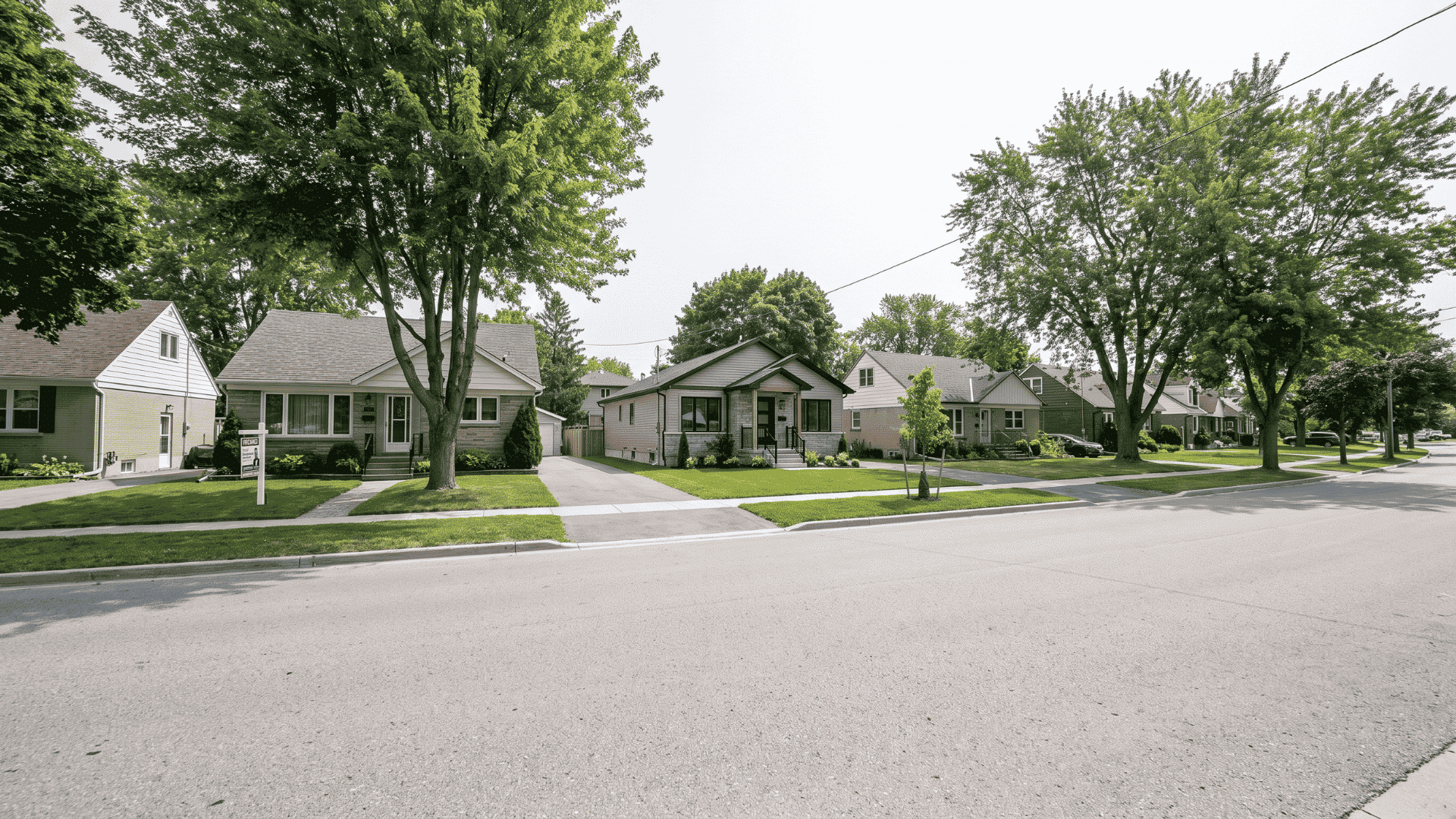
    Suburban homes representing modest price growth, improving sales, and steady housing inventory in 2026

    Major forecasters generally agree on the shape of 2026, even when their numbers differ. Here’s how the leading sources compare on price growth and mortgage rates:

    Source 2026 Price Forecast 2026 Rate Forecast
    Redfin +1.0% ~6.3% average
    Zillow +1.2% Low-to-mid 6% range
    Fannie Mae +1.3% ~5.9% by year-end
    Realtor.com +2.2% ~6.3% average

    None of the major forecasters expect a nationwide price decline in 2026. Certain overheated markets are a different story, covered later in this guide. On sales volume, the outlook has cooled a bit from earlier in the year:

    • Fannie Mae: trimmed its home-sales outlook to roughly 7.3% growth, down from an earlier call near 9%
    • NAR (Lawrence Yun): now expects existing-home sales to grow around 4%, down from an earlier 14% call
    See also  Inside Justin Bieber’s Houses and Mansions

    Put it together, and 2026 looks like a year of small, steady gains, not a dramatic shift in either direction.

    Treat any single forecast number as a rough midpoint, not a guarantee. Even the experts revise these figures every few months.

    Why the Market Is Moving This Way

    A handful of forces are behind this slow, grinding market and they don’t all point the same way:

    Supply constraints: Builders are expected to start around 1.3 million homes in 2026, matching last year’s pace. That’s still short of what fast-growing regions need.

    The bigger constraint is existing homes. By the end of 2025, about 21% of outstanding mortgages carried rates of 6% or higher.

    That’s nearly matching the share still below 3%. Selling means giving up that old rate, so many owners are staying put instead.

    Demand-side factors: Wage growth has quietly started outpacing home price growth. That hasn’t happened consistently since the years right after the Great Recession.

    Millennials and older Gen Z buyers make up most of current demand. Many are entering their prime home-buying years as migration reshapes which regions see the most competition.

    Affordability squeeze: Homes cost more relative to income than a decade ago, and borrowing costs widen that gap further.

    A small price gain paired with rates over 6% keeps monthly payments high, even when values aren’t spiking.

    The lock-in effect is finally starting to loosen as more owners buy, refinance, or relocate at today’s rates.

    Mortgage rates deserve their own closer look next, since they’re the biggest lever affecting what buyers can afford.

    Mortgage Rate Outlook: What Rates Mean for You

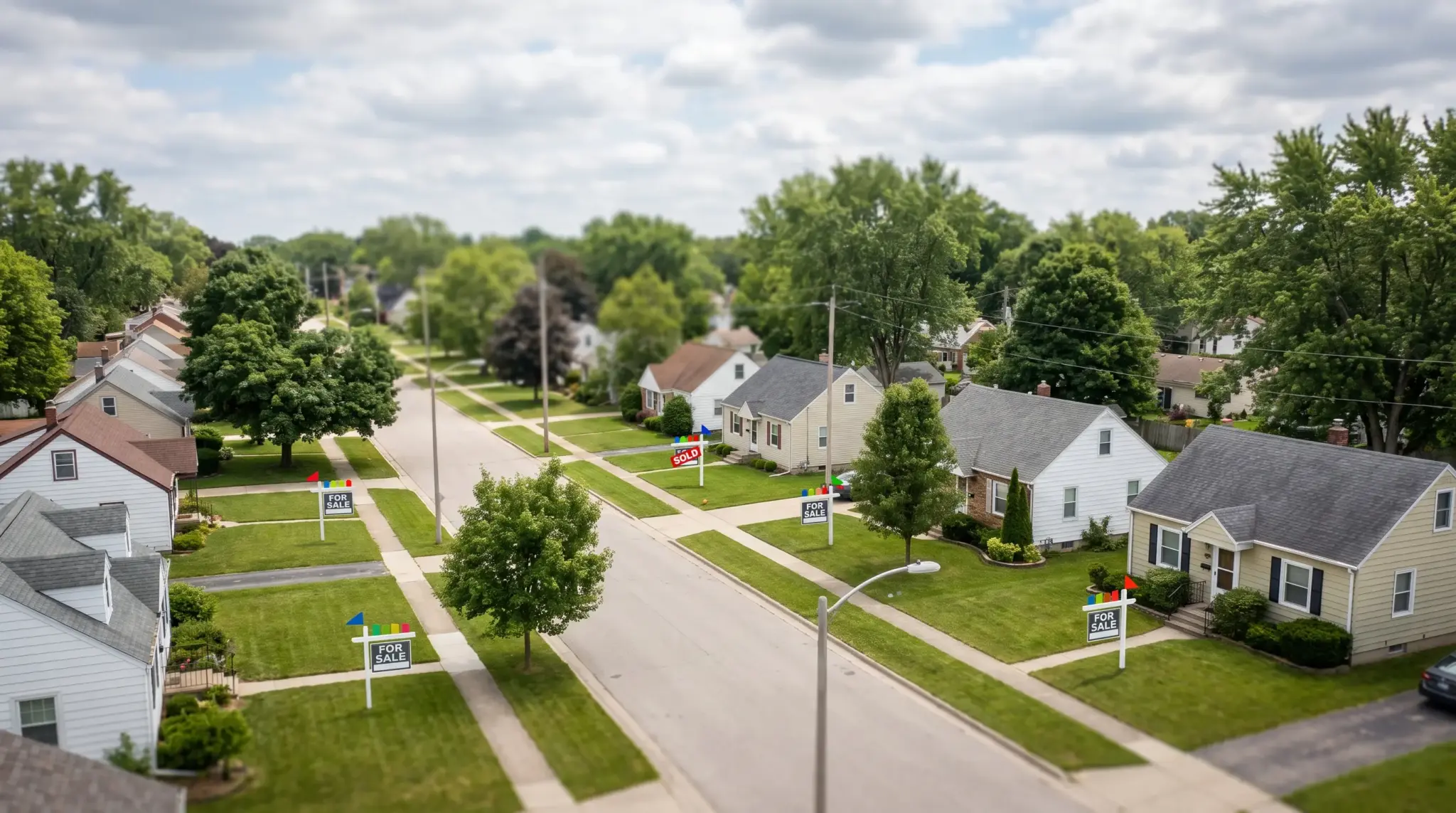
    House model, calculator, and loan documents representing mortgage rates and monthly payments

    As of late July 2026, the average 30-year fixed mortgage rate sits at 6.58%. That’s its highest level since August 2025, according to Freddie Mac’s weekly survey.

    Rising oil prices tied to Middle East tensions pushed rates up over the summer. It’s a reminder that the path lower rarely moves in a straight line.

    Most 2026 forecasts still expect rates to drift down toward the mid-to-low 6% range by year-end.

    Small rate shifts matter more than they seem to at first. Here’s what a quarter-point move looks like on a $400,000 loan:

    Rate Monthly Principal & Interest
    6.75% $2,595
    6.50% $2,528
    6.25% $2,463

    That’s real money, but it’s not enough on its own to offset a market where prices are already high.

    Waiting for a lower rate can pay off, but only if prices don’t rise enough to erase the savings.

    See also  What is the True Cost of Selling a House? Explained Simply

    Getting pre-approved and knowing your real budget matters more than timing the exact bottom of the rate cycle.

    How the Forecast Differs by State and Region

    National averages hide a lot. Real estate is local, and 2026 is shaping up to be one of the more divided years in recent memory.

    Northeast
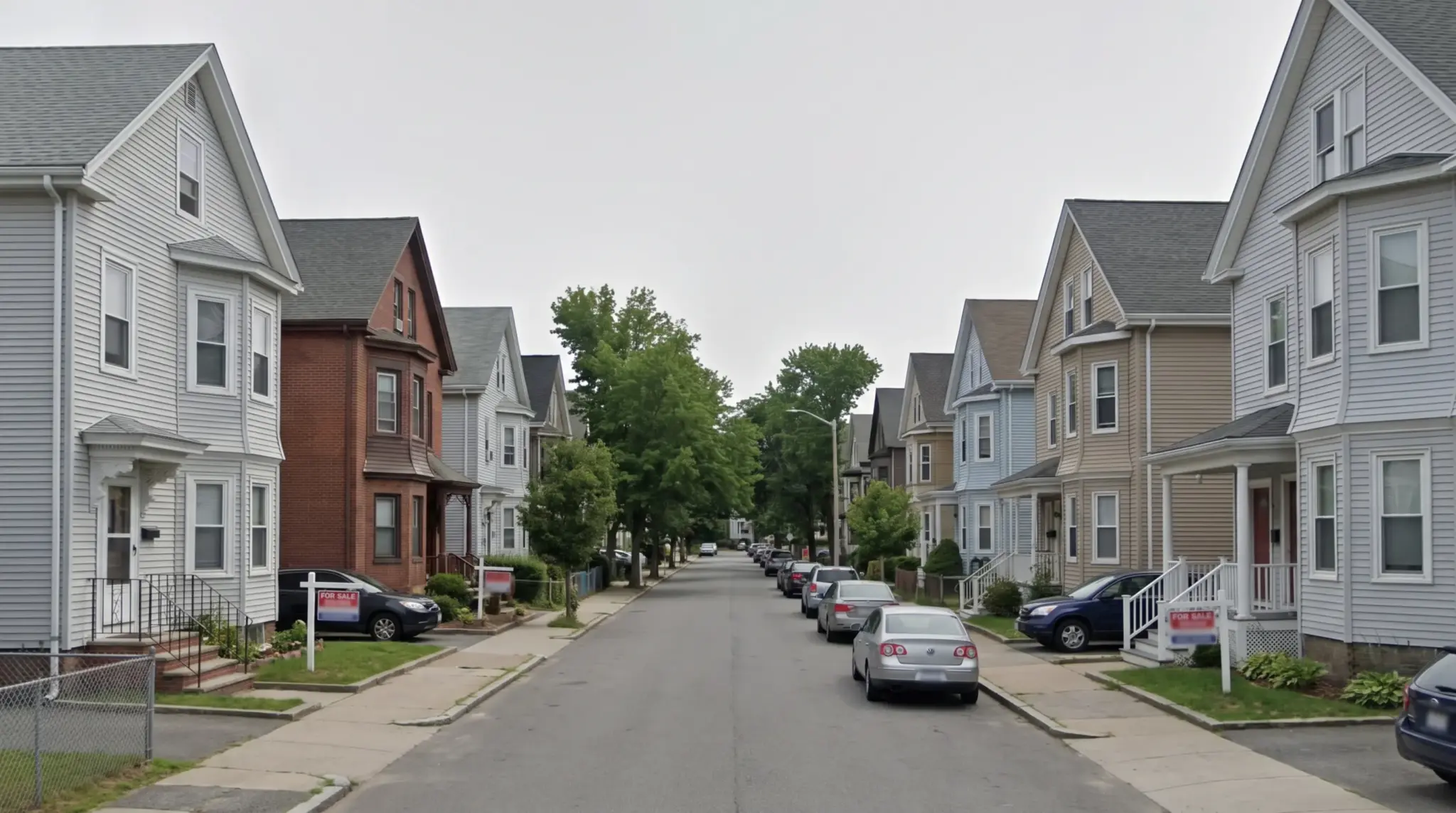
    Closely spaced Northeast homes representing limited inventory and strong buyer competition

    The Northeast is one of the tightest, most competitive regions right now. Limited inventory and steady job markets are keeping prices climbing in metros like Hartford, Connecticut, and Providence, Rhode Island.

    Buyers there still face real competition for listings.

    Midwest
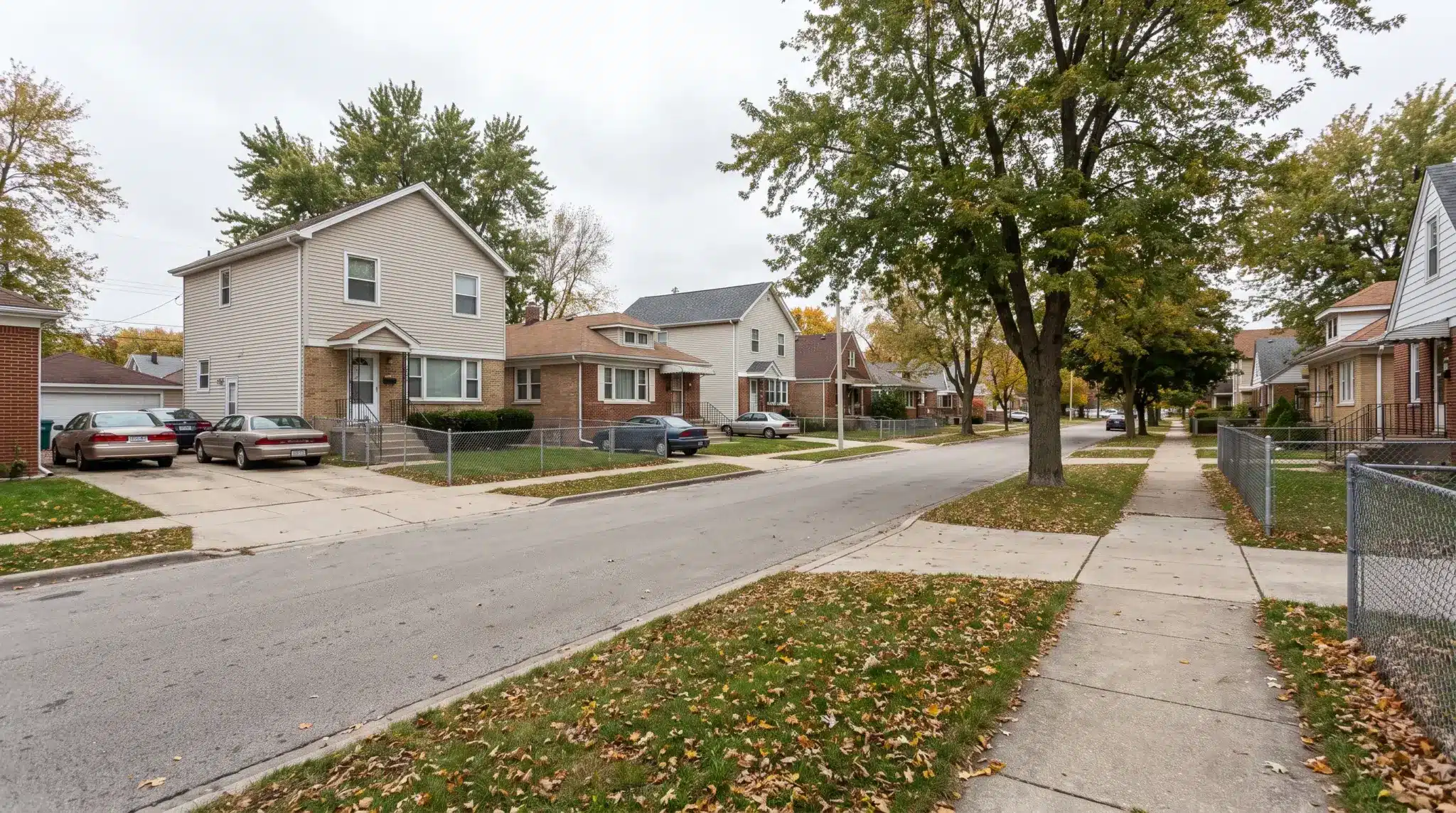
    Affordable detached homes in a Midwest neighborhood with yards and quiet streets

    The Midwest is having a moment. Cities like Cleveland, Minneapolis, and Rockford, Illinois are drawing buyers priced out of the coasts.

    Lower entry prices and manageable commutes are the draw. Rockford’s median home price sits far below the national figure, pulling in first-time buyers.

    Sun Belt
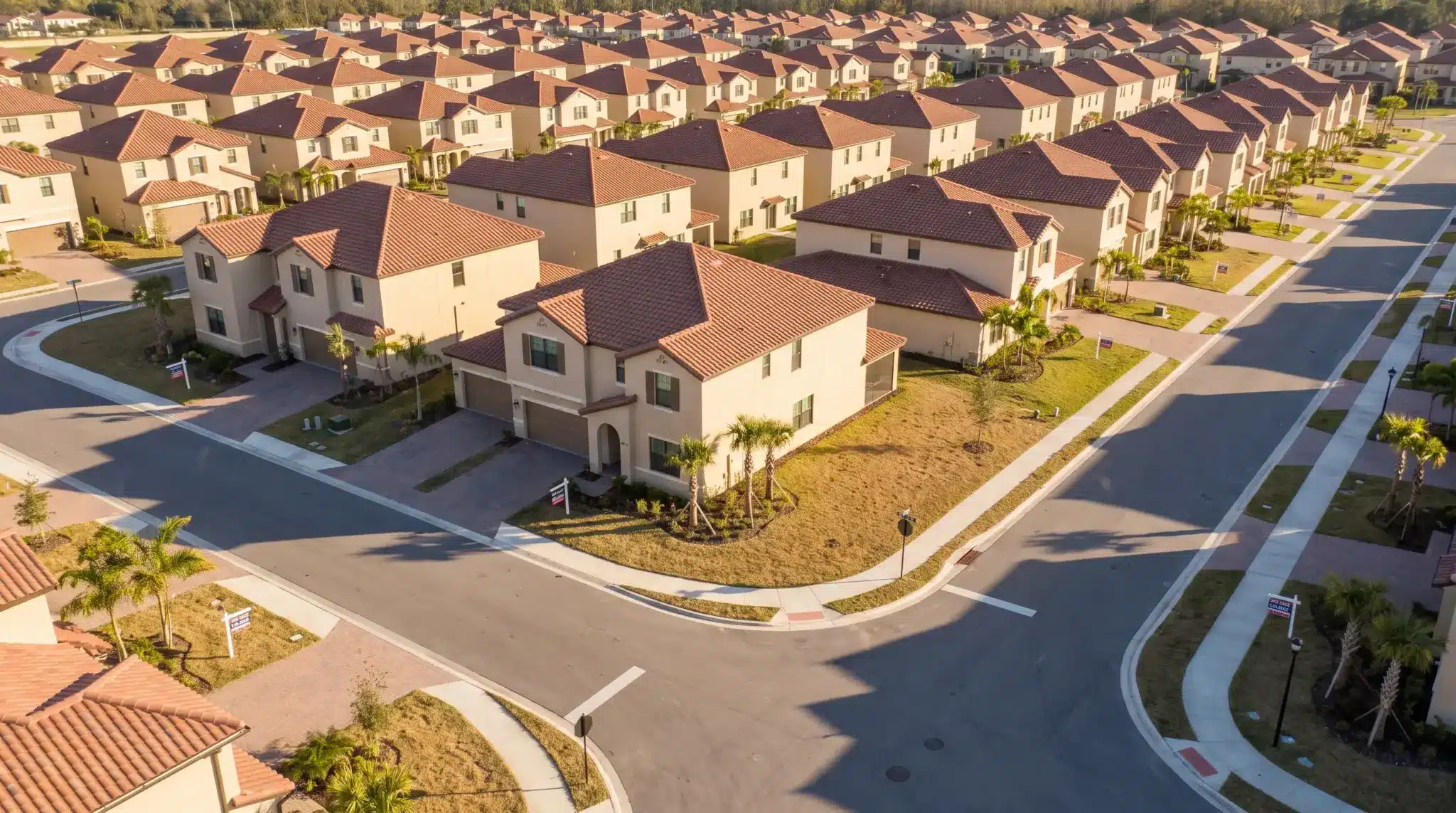
    New Sun Belt housing development showing increased supply across Florida and Texas markets

    The Sun Belt is cooling the fastest of any region. Florida markets like Cape Coral and Punta Gorda are seeing statewide values drop. Broad softness is also showing up across Texas metros, including Dallas and Austin.

    Years of overbuilding during the pandemic boom left these areas with more supply than current demand can absorb.

    West Coast

    Housing Market Forecast 2026: Prices, Rates, and Trends Introduction The 2026 housing market remains difficult to read. Home prices are slowing, yet mortgage rates keep monthly payments high. Inventory has improved in some regions, giving buyers more choices and stronger negotiating power. However, supply remains limited across parts of the Northeast and Midwest. The latest housing market forecast points to modest price growth, slightly lower rates, and a gradual rise in sales. Local conditions will still shape your decision. Here is what buyers and sellers should expect through the rest of 2026. Conclusion The 2026 housing market favors preparation over waiting for a dramatic change. Prices may grow slowly, while mortgage rates could remain above 6%. Buyers have more negotiating power in areas with rising inventory. Sellers still hold an advantage where listings remain scarce. I would focus less on national headlines and more on local prices, inventory, and days on market. Those numbers better reflect your position. Compare your options, set a realistic budget, and move when the numbers support your long-term plans. Frequently Asked Questions Will home prices go down in 2026? A nationwide price crash appears unlikely. Forecasters expect modest national growth, although some Sun Belt and Western markets may experience local declines. Is 2026 a good time to buy a house? It may be suitable if your income is stable and you plan to stay for several years. Rising inventory also gives buyers more negotiating room. Is now a good time to sell a house? It depends on local supply. Sellers remain well-positioned in inventory-constrained markets, while accurate pricing matters more in slower areas. Will mortgage rates drop in 2026? Forecasters expect rates to ease gradually toward the low-to-mid 6% range. A sharp return to 3% or 4% rates remains unlikely. Are home prices expected to rise? National home prices are expected to rise modestly. Growth may remain stronger in the Northeast and Midwest than in oversupplied Sun Belt markets. Is renting cheaper than buying in 2026? Renting currently costs less per month in nearly every major metro. Buying may make more financial sense if you stay for five to seven years. Meta description: See the 2026 housing market forecast for home prices, mortgage rates, regional trends, and practical advice for buyers and sellers. The 2026 housing market remains difficult to read. Home prices are slowing, yet mortgage rates keep monthly payments high. Inventory has improved in some regions, giving buyers more choices and stronger negotiating power. However, supply remains limited across parts of the Northeast and Midwest. The latest housing market forecast points to modest price growth, slightly lower rates, and a gradual rise in sales. Local conditions will still shape your decision. Here is what buyers and sellers should expect through the rest of 2026. Where the Housing Market Stands Today The last year and a half-reset expectation for anyone shopping for a home. Prices grew far slower in 2025 than during the pandemic run-up. In several regions, they actually slipped. Mortgage rates spent most of 2025 bouncing between 6% and 7%. That's a steep jump from the 3% rates many current homeowners still hold from 2020 and 2021. Rates eased slightly late in 2025, dipping into the low 6% range for a stretch. That gave buyer activity a small lift. It wasn't enough to close the affordability gap. Inventory told its own story. Homes for sale increased compared to the scarce years of 2022 through 2024. Supply is still thin against pre-pandemic norms in many metro areas. Homeowners sitting on ultra-low mortgage rates have been reluctant to sell. Trading a 3% rate for something near 6% or 7% adds hundreds to a monthly payment. Economists call this the "lock-in effect," and it's kept listings scarce even as buyer urgency cooled. The result is a standoff where neither side holds much leverage. Sellers can't count on the bidding wars of 2021. Buyers can't count on prices falling fast enough to offset high borrowing costs. That standoff is the backdrop for everything else in this forecast. Housing Market Forecast: What's Expected Next Major forecasters generally agree on the shape of 2026, even when their numbers differ. On home prices, the consensus points to modest growth rather than a boom or bust. Redfin projects roughly 1% national appreciation for the year. Zillow puts the number at 1.2%, Fannie Mae at 1.3%, and Realtor.com a bit higher at 2.2%. None of the major forecasters expect a nationwide price decline in 2026. Certain overheated markets are a different story, covered later in this guide. On mortgage rates, most forecasts land in the low-to-mid 6% range for the year. That's based on reporting that compares the major 2026 outlooks. Fannie Mae's baseline is the most optimistic, calling for the 30-year rate to ease toward 5.9% by year-end. Redfin and Realtor.com expect rates closer to 6.3% on average for the year. Sales volume should tick up too, just not as sharply as first thought. Fannie Mae's research team trimmed its 2026 home-sales outlook to roughly 7.3% growth, down from an earlier call near 9%. NAR chief economist Lawrence Yun also lowered his outlook. He now expects existing-home sales to grow around 4%, down from an earlier 14% call. Put it together, and 2026 looks like a year of small, steady gains. It's not a dramatic shift in either direction. Treat any single forecast number as a rough midpoint, not a guarantee. Even the experts revise these figures every few months. Why the Market Is Moving This Way A handful of forces are behind this slow, grinding market and they don't all point the same way. On the supply side, new construction hasn't kept pace with population growth for over a decade. Builders are expected to start around 1.3 million homes in 2026, matching last year's pace. That's simply not enough for most fast-growing regions. The bigger supply constraint is existing homes that aren't hitting the market. Many owners locked in mortgage rates below 4% during 2020 and 2021. By the end of 2025, about 21% of outstanding mortgages carried rates of 6% or higher. That's nearly matching the share still sitting below 3%. Selling now means giving up that old rate, so plenty of owners are staying put. That lock-in effect is finally starting to loosen. As more owners buy, refinance, or relocate at today's rates, the reason to stay put fades a little each year. On the demand side, wage growth has quietly started outpacing home price growth. Redfin expects household incomes to grow faster than home prices for a sustained stretch. That hasn't happened consistently since the years right after the Great Recession. Millennials and older Gen Z buyers make up most of current demand. Many are entering their prime home-buying years right as migration patterns reshape which regions see the most competition. All of this feeds a simple affordability squeeze. Homes cost more relative to income than they did a decade ago, and borrowing costs widen that gap further. A small price gain paired with rates over 6% keeps monthly payments high, even when values aren't spiking. Mortgage rates deserve a closer look on their own, since they're the biggest lever affecting what buyers can afford. Mortgage Rate Outlook: What Rates Mean for You As of late July 2026, the average 30-year fixed mortgage rate sits at 6.58%. That's its highest level since August 2025, according to Freddie Mac's weekly survey. Rising oil prices tied to Middle East tensions pushed rates up over the summer. It's a reminder that the path to lower rates rarely moves in a straight line. Most 2026 forecasts still expect rates to drift down toward the mid-to-low 6% range by year-end, assuming inflation keeps cooling. Nobody credible is forecasting a return to 3% or 4% rates anytime soon. Small rate shifts matter more than they seem to at first. On a $400,000 loan, dropping from 6.75% to 6.25% cuts the monthly principal and interest payment by roughly $130. That's real money, but it's not enough to offset a market where prices are already high. This is the "so what" for anyone weighing a purchase this year. Waiting for a lower rate can pay off, but only if prices don't rise enough to erase the savings. Getting pre-approved and knowing your real budget matters more than timing the exact bottom of the rate cycle. How the Forecast Differs by State and Region National averages hide a lot. Real estate is local, and 2026 is shaping up to be one of the more divided years in recent memory. Northeast The Northeast is one of the tightest, most competitive regions right now. Limited inventory and steady job markets are keeping prices climbing in metros like Hartford, Connecticut, and Providence, Rhode Island. Buyers there still face real competition for listings. Midwest The Midwest is having a moment. Cities like Cleveland, Minneapolis, and Rockford, Illinois are drawing buyers priced out of the coasts. Lower entry prices and manageable commutes are the draw. Rockford's median home price sits far below the national figure, pulling in first-time buyers. Sun Belt The Sun Belt is cooling the fastest of any region. Florida markets like Cape Coral and Punta Gorda are seeing statewide values drop. Broad softness is also showing up across Texas metros, including Dallas and Austin. Years of overbuilding during the pandemic boom left these areas with more supply than current demand can absorb. West Coast The West Coast is mixed but leaning soft overall. Parts of Northern California are cooling as affordability limits push buyers elsewhere. A handful of coastal metros are still holding their value better than the regional average. Renting vs. Buying in Today's Market With prices high and rates still above 6%, the rent-versus-buy math has gotten tighter than it's been in years. On a pure monthly basis, renting now costs less than buying in nearly every major U.S. metro. That doesn't automatically make renting the smarter long-term move. Buying builds equity and locks in a fixed housing payment, something renting never does. The real question is how long you plan to stay put. Most 2026 estimates put the break-even point somewhere between five and seven years. That's the number of years before buying pulls ahead of renting financially. The timeline accounts for closing costs, selling costs down the road, and the opportunity cost of your down payment. If you expect to move within three years, renting is almost always the safer financial call. Beyond seven years in the same home, buying tends to win out. That's especially true in markets with a lower price-to-rent ratio. What This Means for You: Buyer vs. Seller Advice The right move in 2026 depends heavily on which side of the transaction you're on. Buyer Waiting for a dramatically better rate or a big price drop probably isn't worth it this year. A more realistic strategy is buying once your finances are ready, then refinancing later if rates ease as expected. Negotiating leverage has improved in markets with rising inventory, particularly parts of the Sun Belt. Ask for rate buydowns, closing cost credits, or repair concessions before assuming the asking price is fixed. A strong mortgage pre-approval before you shop gives you a clear budget. It also puts you on stronger footing once you find a home worth an offer. Seller Pricing accurately from day one matters more than it did during the bidding-war years. Overpricing in a slower market usually leads to a stale listing, and price cuts later can spook buyers. Days on market have stretched in most regions. Set realistic expectations before listing rather than assuming a quick sale. Timing still matters. Spring and early summer typically bring more buyer activity, which can work in your favor if local demand holds up. None of this guarantees a specific outcome for your home or your budget. Local conditions, your timeline, and your finances matter more than any national forecast. Treat this guide as a starting point for your own research, not a substitute for it. Conclusion The 2026 housing market favors preparation over waiting for a dramatic change. Prices may grow slowly, while mortgage rates could remain above 6%. Buyers have more negotiating power in areas with rising inventory. Sellers still hold an advantage where listings remain scarce. I would focus less on national headlines and more on local prices, inventory, and days on market. Those numbers better reflect your position. Compare your options, set a realistic budget, and move when the numbers support your long-term plans. Frequently Asked Questions Is now a good time to sell a house? It depends on local supply. Sellers remain well-positioned in inventory-constrained markets, while accurate pricing matters more in slower areas. Will mortgage rates drop in 2026? Forecasters expect rates to ease gradually toward the low-to-mid 6% range. A sharp return to 3% or 4% rates remains unlikely. Are home prices expected to rise? National home prices are expected to rise modestly. Growth may remain stronger in the Northeast and Midwest than in oversupplied Sun Belt markets. Is renting cheaper than buying in 2026? Renting currently costs less per month in nearly every major metro. Buying may make more financial sense if you stay for five to seven years. in each h2 , there must be different format...first para must be in a paragraph, others can be in bullets, a table, paragraphs, pointers. Where the Housing Market Stands Today The past year and a half has reset expectations for anyone shopping for a home. Price growth slowed during 2025, with values falling in several regions. Mortgage rates remained high: Rates moved between 6% and 7% for much of 2025. Many current homeowners still hold rates near 3%. Inventory improved slightly: More homes entered the market compared with 2022 through 2024. However, supply remains below pre-pandemic levels in several metros. The lock-in effect continued: Owners with low rates hesitate to sell because a new mortgage could add hundreds to their monthly payment. Buyer urgency weakened: Homes now take longer to sell in several markets. Buyers have more time to compare properties and request concessions. Neither side holds complete control: Sellers cannot expect automatic bidding wars. Buyers cannot rely on falling prices to offset high borrowing costs. The market remains caught between limited supply and weak affordability. That tension shapes the housing market forecast for the rest of 2026. Housing Market Forecast: What’s Expected Next Major forecasters expect a slow recovery during 2026. Their numbers vary, but none predicts a nationwide boom or major price crash. Forecaster Expected Price Growth Mortgage Rate Outlook Redfin Around 1% Around 6.3% Zillow Around 1.2% Gradual easing expected Fannie Mae Around 1.3% Near 5.9% by year-end Realtor.com Around 2.2% Around 6.3% Sales activity may also rise, although earlier predictions have been lowered. Fannie Mae expects roughly 7.3% growth in home sales. The National Association of Realtors expects existing-home sales to increase by around 4%. Its earlier forecast called for much stronger growth. Overall, 2026 appears set for small gains rather than a dramatic recovery. Forecast numbers remain estimates and may change with inflation, employment, and interest rates. Why the Market Is Moving This Way Several forces are pulling the market in different directions. Limited supply supports prices, while high monthly payments hold back demand. New construction remains limited Builders may start around 1.3 million homes in 2026, close to the previous year’s pace. That may not meet demand in growing regions. Current owners are staying put Several homeowners secured mortgage rates below 4% during 2020 and 2021. Selling would mean replacing those loans with far higher rates. The lock-in effect is slowly weakening More owners are gradually accepting current rates because of job changes, family needs, or relocation. That could bring more listings onto the market. Income growth is improving affordability Household incomes may grow faster than home prices during 2026. However, years of rising values mean affordability will improve slowly. Younger buyers continue entering the market Millennials and older Gen Z adults are reaching common home-buying ages. Their demand is shifting toward regions with lower prices. Together, these forces create a slow market rather than a frozen one. Supply is improving, but high borrowing costs continue limiting Today 4:35 PM How the Forecast Differs by State and Region National averages hide a lot. Real estate is local, and 2026 is shaping up to be one of the more divided years in recent memory. Northeast The Northeast is one of the tightest, most competitive regions right now. Limited inventory and steady job markets are keeping prices climbing in metros like Hartford, Connecticut, and Providence, Rhode Island. Buyers there still face real competition for listings. Midwest The Midwest is having a moment. Cities like Cleveland, Minneapolis, and Rockford, Illinois are drawing buyers priced out of the coasts. Lower entry prices and manageable commutes are the draw. Rockford's median home price sits far below the national figure, pulling in first-time buyers. Sun Belt The Sun Belt is cooling the fastest of any region. Florida markets like Cape Coral and Punta Gorda are seeing statewide values drop. Broad softness is also showing up across Texas metros, including Dallas and Austin. Years of overbuilding during the pandemic boom left these areas with more supply than current demand can absorb. West Coast The West Coast is mixed but leaning soft overall. Parts of Northern California are cooling as affordability limits push buyers elsewhere. A handful of coastal metros are still holding their value better than the regional average. give their image prompts Featured Image for the Section Image Prompt: Subject: Four realistic residential scenes representing the Northeast, Midwest, Sun Belt, and West Coast housing markets Context: Northeast homes on compact lots, affordable Midwest houses, newer Sun Belt developments, and West Coast coastal homes Perspective: Wide four-panel composition with equal space for each regional housing scene Style: Photorealistic, 16:9 aspect ratio, 1920 × 1080 Mood: Neutral, realistic, informational Exclude: People, maps, text, labels, arrows, charts, logos, signs, watermarks, dramatic lighting Alt Text: Four residential scenes showing housing market differences across major U.S. regions Northeast Image Prompt: Subject: Closely spaced homes with traditional architecture and only a few visible sale signs Context: A compact residential neighborhood representing limited housing inventory in Hartford and Providence Perspective: Eye-level street view showing homes positioned close together along a maintained road Style: Photorealistic, 16:9 aspect ratio, 1920 × 1080 Mood: Active, competitive, realistic Exclude: People, readable text, city landmarks, maps, charts, logos, watermarks, dramatic lighting Alt Text: Closely spaced Northeast homes representing limited inventory and strong buyer competition Midwest Image Prompt: Subject: Modestly priced detached homes with yards along a quiet residential street Context: A Midwest neighborhood representing affordable housing in Cleveland, Minneapolis, and Rockford Perspective: Wide eye-level view showing several homes, driveways, sidewalks, and nearby streets Style: Photorealistic, 16:9 aspect ratio, 1920 × 1080 Mood: Welcoming, practical, affordable Exclude: People, readable signs, city landmarks, maps, text overlays, logos, watermarks, luxury homes Alt Text: Affordable detached homes in a Midwest neighborhood with yards and quiet streets Sun Belt Image Prompt: Subject: Rows of recently built suburban homes with several properties listed for sale Context: A large Florida or Texas housing development showing increased supply after years of rapid construction Perspective: Elevated wide-angle view revealing multiple similar homes across a growing suburban community Style: Photorealistic, 16:9 aspect ratio, 1920 × 1080 Mood: Warm, quiet, slightly oversupplied Exclude: People, readable text, maps, charts, logos, watermarks, abandoned buildings, storm damage Alt Text: New Sun Belt housing development showing increased supply across Florida and Texas markets West Coast Image Prompt: Subject: Coastal residential homes with a mix of compact properties and higher-value houses Context: A Northern California neighborhood showing affordability pressure while coastal homes retain value Perspective: Elevated three-quarter view with residential streets and the distant coastline visible Style: Photorealistic, 16:9 aspect ratio, 1920 × 1080 Mood: Calm, expensive, slightly subdued Exclude: People, famous landmarks, readable signs, maps, charts, logos, watermarks, dramatic sunset lighting Alt Text:

    The West Coast is mixed but leaning soft overall. Parts of Northern California are cooling as affordability limits push buyers elsewhere.

    A handful of coastal metros are still holding their value better than the regional average.

    Renting vs. Buying in Today’s Market

    With prices high and rates still above 6%, the rent-versus-buy math has gotten tighter than it’s been in years. A few things to weigh before deciding:

    • On a pure monthly basis, renting now costs less than buying in nearly every major U.S. metro
    • Buying builds equity and locks in a fixed housing payment, something renting never does
    • Most 2026 estimates put the break-even point between five and seven years, meaning the years before buying pulls ahead financially
    • That timeline factors in closing costs, selling costs down the road, and the opportunity cost of your down payment

    If you expect to move within three years, renting is almost always the safer financial call.

    Beyond seven years in the same home, buying tends to win out, especially in markets with a lower price-to-rent ratio.

    What This Means for You: Buyer vs. Seller Advice

    The right move in 2026 depends heavily on which side of the transaction you’re on.

    Buyer

    • Waiting for a dramatically better rate or a big price drop probably isn’t worth it this year
    • Buy once your finances are ready, then refinance later if rates ease as expected
    • Negotiating leverage has improved where inventory is rising, particularly parts of the Sun Belt
    • Ask for rate buydowns, closing cost credits, or repair concessions before assuming the price is fixed
    • Get a strong mortgage pre-approval before you shop, so you know your real budget going in
    See also  Inside the Luxurious House of Woody Harrelson

    Seller

    • Price accurately from day one, since overpricing in a slower market leads to a stale listing
    • Price cuts after weeks on market can spook buyers more than starting realistic would have
    • Days on market have stretched in most regions, so set expectations before you list
    • Spring and early summer still bring more buyer activity in most local markets

    None of this guarantees a specific outcome for your home or your budget. Local conditions, your timeline, and your finances matter more than any national forecast.

    Treat this guide as a starting point for your own research, not a substitute for it.

    Conclusion

    The 2026 housing market favors preparation over waiting for a dramatic change. Prices may grow slowly, while mortgage rates could remain above 6%.

    Buyers have more negotiating power in areas with rising inventory. Sellers still hold an advantage where listings remain scarce.

    I would focus less on national headlines and more on local prices, inventory, and days on market. Those numbers better reflect your position.

    Compare your options, set a realistic budget, and move when the numbers support your long-term plans.

    Frequently Asked Questions

    Is now a good time to sell a house?

    It depends on local supply. Sellers remain well-positioned in inventory-constrained markets, while accurate pricing matters more in slower areas.

    Will mortgage rates drop in 2026?

    Forecasters expect rates to ease gradually toward the low-to-mid 6% range. A sharp return to 3% or 4% rates remains unlikely.

    Are home prices expected to rise?

    National home prices are expected to rise modestly. Growth may remain stronger in the Northeast and Midwest than in oversupplied Sun Belt markets.

    Is renting cheaper than buying in 2026?

    Renting currently costs less per month in nearly every major metro. Buying may make more financial sense if you stay for five to seven years.

    Related posts:

    1. Joel Osteen House Pictures: Inside the Pastor’s Houston Mansions
    2. Moving from the Country to the City – What to Expect
    3. The Hidden Benefits of Accepting a Cash Offer for Homes
    4. How to Perform Due Diligence on 1031 Exchange Properties
    Share. Facebook Twitter Pinterest LinkedIn WhatsApp Reddit Tumblr Email
    Michael Green
    Michael Green
    • Website

    Michael Green is a seasoned real estate expert with over fifteen years of experience in the industry. Holding a Real Estate Management degree from the University of Wisconsin-Madison, Michael has a profound understanding of market trends, property investment, and housing regulations. His expertise has guided countless individuals through the complexities of buying, selling, and managing property, making him a trusted advisor in the field. Michael's insights are regularly featured in leading real estate publications, and he is a sought-after speaker at national real estate conferences. His practical advice and in-depth analyses empower readers and clients alike to make informed decisions in the dynamic world of real estate.

    Related Posts

    Real Estate July 31, 2026

    How to Break a Lease in Colorado: What Tenants Should Know

    Real Estate July 30, 2026

    Real Estate Agent Commission: How Much It Really Costs

    Real Estate July 29, 2026

    Cheapest House to Build: 15 Affordable Home Ideas

    Real Estate July 29, 2026

    How Long Does It Take to Buy a House?

    Real Estate July 28, 2026

    Buying a Foreclosed Home: What Buyers Should Know

    Real Estate July 24, 2026

    How Much is Homeowners Insurance & Its Cost Factors

    Leave A Reply Cancel Reply

    Don't Miss
    DIY Guide August 4, 2026

    How to Choose the Best Window Cleaning Services for Your Home

    Choosing someone to clean your windows sounds simple until you start comparing quotes, reviews, and…

    Square Foot Gardening: Easy Steps, Spacing and Layout

    August 4, 2026

    How to Get Old Oil Stains Out of Concrete

    August 4, 2026

    How to Remove Paint From Clothes Safely

    August 4, 2026
    Stay In Touch
    • Facebook
    • Instagram
    About Us
    About Us

    We strive to provide high-quality, stylish home decor pieces to help you create the perfect look for your unique space. Our blog offers helpful tips and tricks to bring your dream home to life!

    Email Us: sophia@opplehouse.com

    Our Picks

    How to Choose the Best Window Cleaning Services for Your Home

    August 4, 2026

    Square Foot Gardening: Easy Steps, Spacing and Layout

    August 4, 2026

    How to Get Old Oil Stains Out of Concrete

    August 4, 2026

    Design Secrets Delivered to Your Inbox!

    Join 10,000+ home enthusiasts who receive weekly inspiration, DIY guides, and exclusive decor tips. Plus, get a free e-book

    Facebook Instagram
    • About Us
    • Contact Us
    • Privacy Policy
    © 2026 OppleHouse.

    Type above and press Enter to search. Press Esc to cancel.