

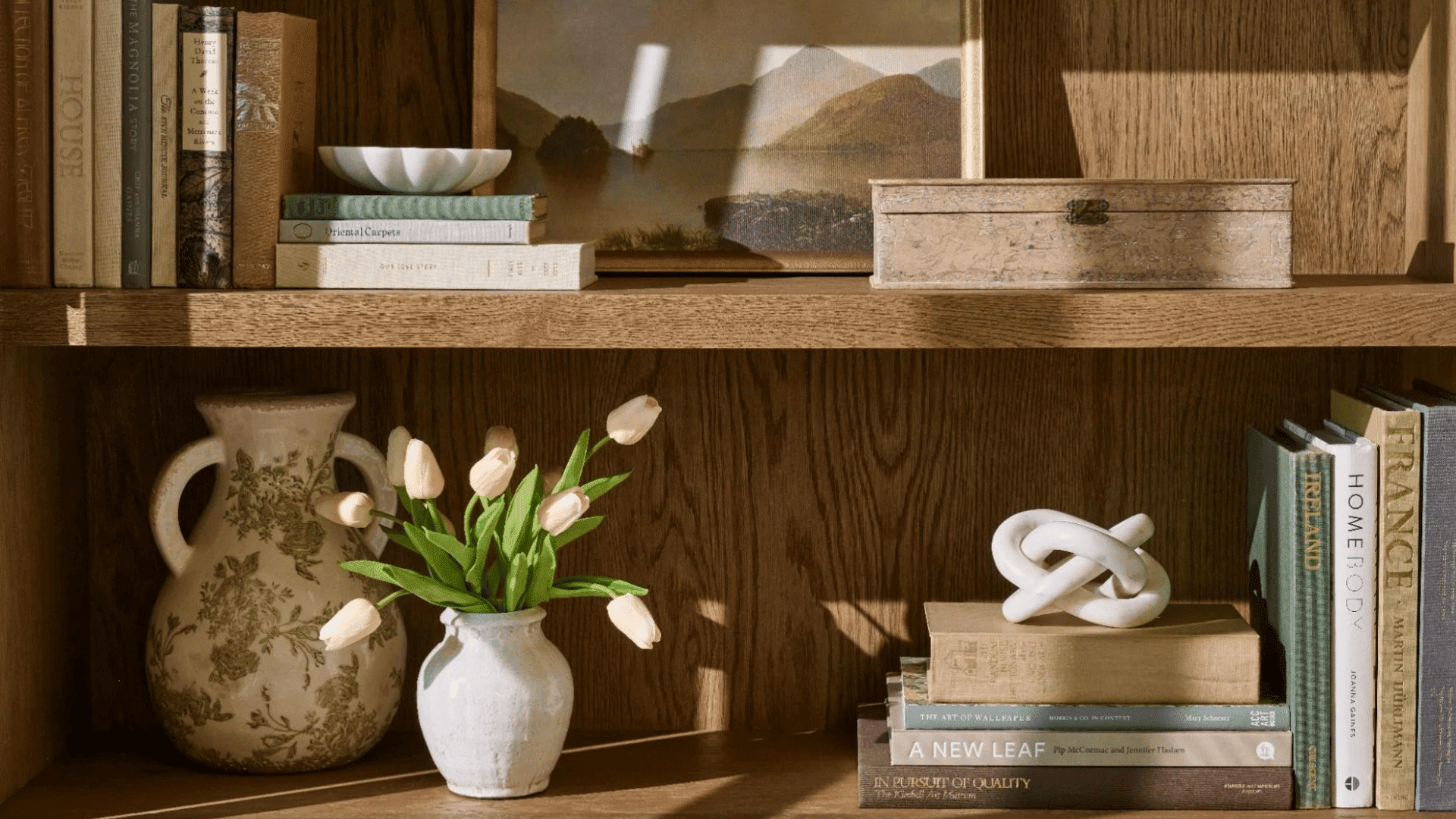
I used to think arranging a shelf was just about putting books in place. But once I tried proper bookshelf styling, I saw how much it can change a room.
A well-styled shelf feels calm, balanced, and easy on the eyes.
In this guide, I’ll explain simple steps you can follow at home. You’ll learn how to mix books with decor, use space wisely, and avoid common mistakes. I’ll also share easy tips that don’t need a big budget or design skills.
If your shelves feel messy or plain, you’re not alone. I’ve been there too.
By the end of this article, you’ll have clear ideas to style your bookshelf in a way that looks neat, personal, and put together.
Why Bookshelf Styling Matters in Home Design?
Bookshelf styling matters in home design because it helps create a balanced, organized, and visually pleasing space.
A well-styled bookshelf does more than hold books; it adds character and improves the overall look of a room.
Thoughtful placement of books, decor items, and empty space brings order and avoids a cluttered feel. It also helps highlight personal style through colors, textures, and objects.
Good styling can make a small space feel open, and a large room feel more complete.
It draws attention without being overwhelming and supports the flow of the room’s design.
When shelves are arranged with care, they can act as a focal point or blend smoothly with other elements. Overall, bookshelf styling plays a key role in making a home feel neat, welcoming, and well-put-together.
How to Style Your Bookshelf without Clutter?
Keeping a bookshelf neat starts with using only items that add value and removing extra items that create visual noise. Focus on balance, spacing, and a few key elements to create a clean, organized look.
Step 1: Build a Strong Base with Books
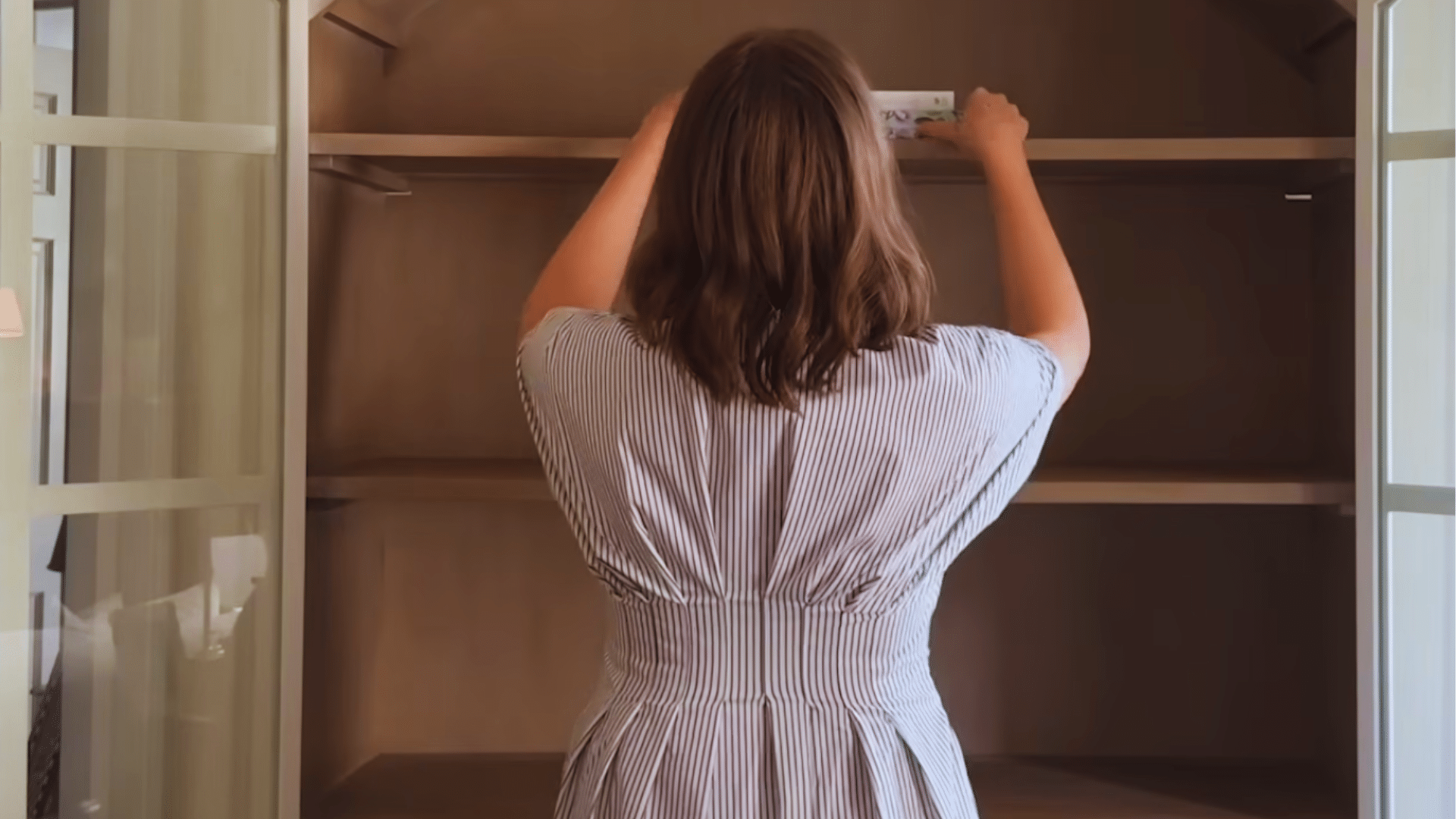
Start by placing books across each shelf to create a solid base. Stack two or three books in small groups and spread them evenly.
This setup helps control the height of items you will add later. It also keeps the shelf from looking random or messy.
Using books as a base gives structure and makes it easier to style the rest of the shelf.
Keep the spacing even so the layout feels balanced, and remove any books with damaged or visually clashing spines before you begin.
Step 2: Add Decor Pieces for Interest
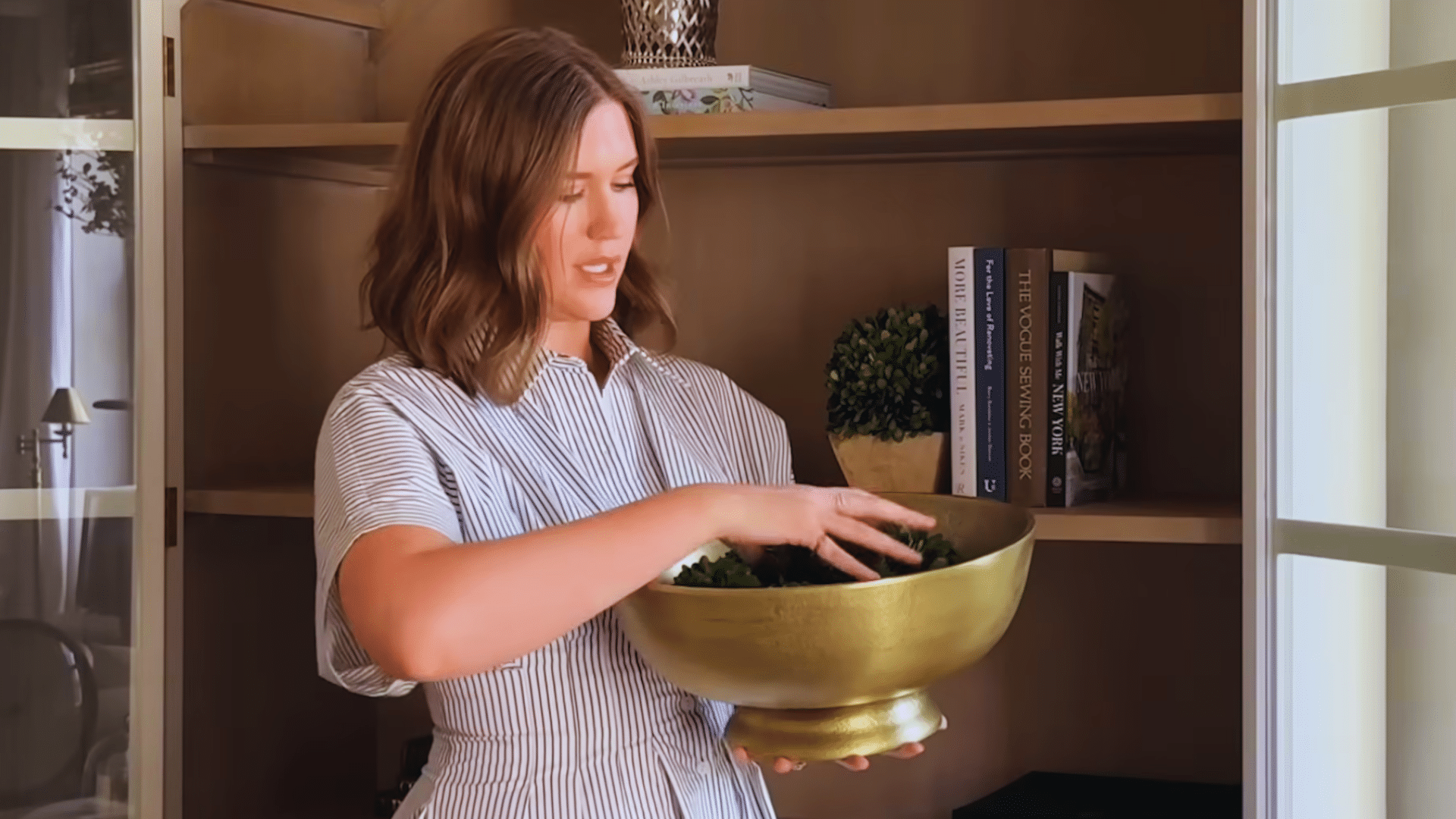
Once the books are set, bring in decorative items like vases, bowls, or small objects. These pieces help break the monotony of book covers and add visual interest.
Instead of regular bookends, use decor items to hold books in place. This creates a more modern and stylish feel.
Choose a few statement pieces rather than too many small ones. Three well-chosen objects on a single shelf outperform ten scattered ones every time.
This is the principle designers call the Rule of Three, and it works because the eye reads odd-numbered groupings as balanced rather than symmetrical, which feels more natural.
Step 3: Balance Tall and Short Items
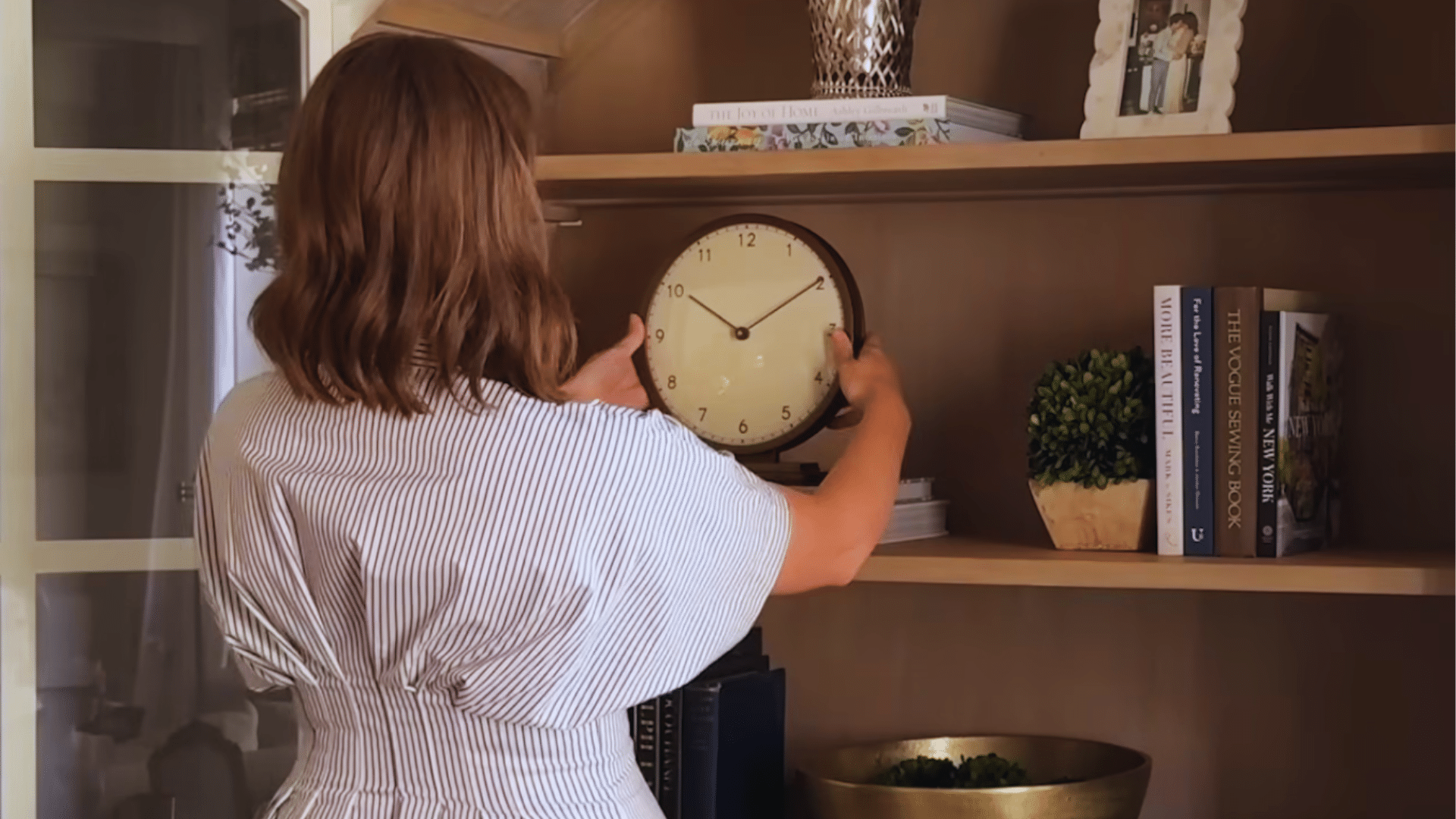
Mix different heights to avoid a heavy or uneven look. Place shorter items next to taller ones to balance the shelf. I follow a simple pattern: tall item, mid-height item, short stack of books.
Repeat that loosely across the shelf, and the eye travels across it naturally rather than stopping at any one spot.
Keep taller items spread out instead of grouping them in one spot. This creates a smooth and natural flow that feels easy to look at.
Step 4: Stick to a Simple Theme
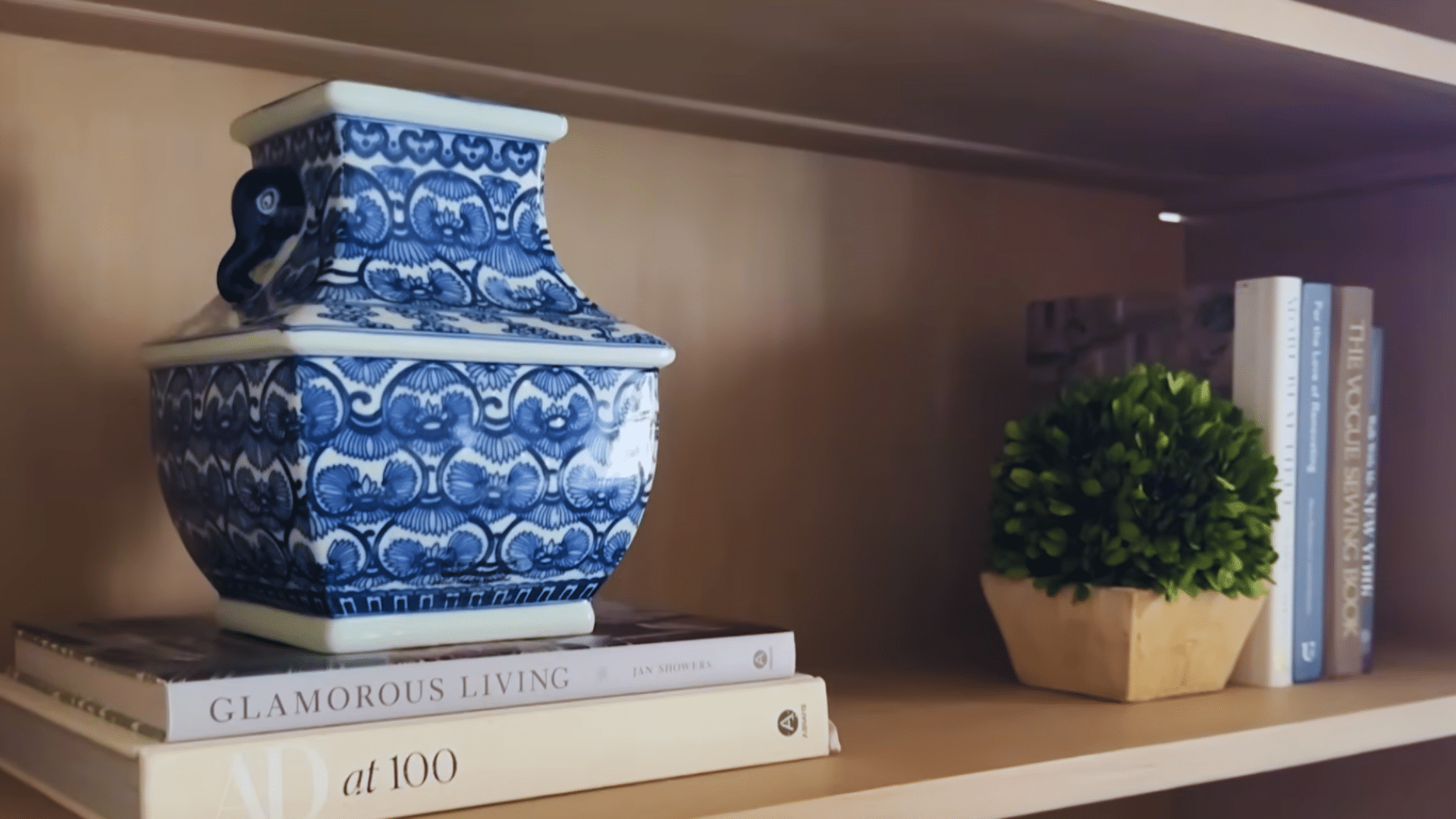
Use a few repeating colors, textures, or materials to keep the shelf looking neat. This could be similar tones, matching decor styles, or repeated shapes.
A simple theme helps tie everything together and avoids a cluttered look.
When items feel connected, the shelf looks more put-together. One of the first things I learned in design school was that repetition creates rhythm, and rhythm creates calm.
On a bookshelf, repeating even one material, like ceramic or wood pieces, can help tie a mixed setup together.
Step 5: Step Back and Adjust the Layout
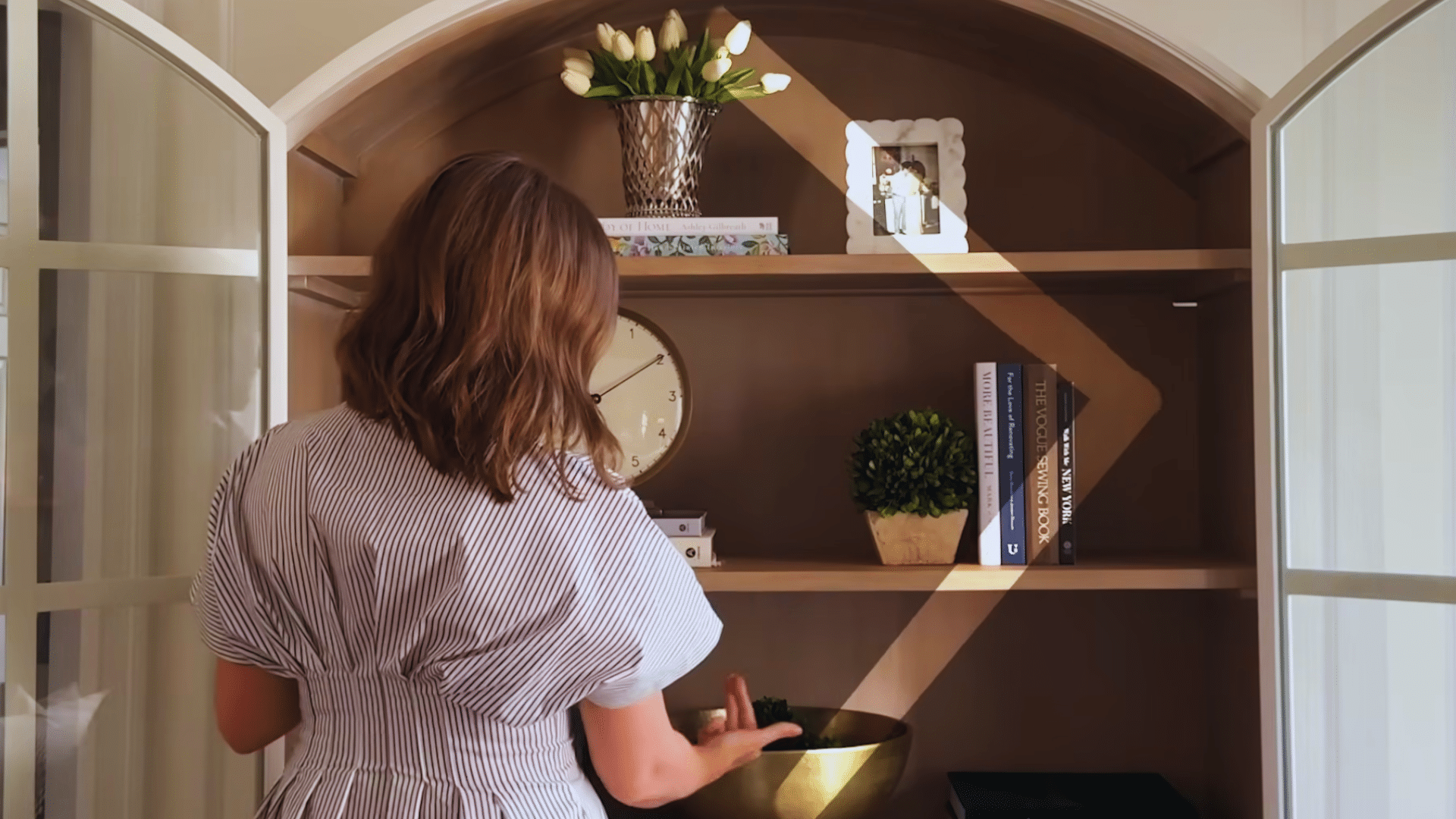
After placing everything, take a step back and look at the shelf from a distance. This helps spot areas that feel too full or too empty.
Make small changes until the layout feels balanced. Styling is not done in one try, so adjust items as needed.
Moving pieces around a few times can improve the final look. This step is key to making the shelf feel neat, simple, and well-arranged.
This tutorial is based on a helpful video by Ballard Designs. You can check out the original video on their YouTube channel here or watch it below.
Bookshelf Styling Do’s and Don’ts You Should Know
Small styling choices can make a big difference in how a bookshelf looks and feels. They help create a neat, balanced look that feels clean and comfortable to see.
| Do’s | Don’ts |
|---|---|
| Use a mix of books and decor items | Fill every space with too many items |
| Keep a balanced layout with even spacing | Place everything on one side |
| Add items of different heights | Use only items of the same size |
| Stick to a simple color theme | Mix too many colors without a plan |
| Leave some empty space | Overcrowd the shelves |
| Use decor as bookends | Rely only on plain bookends |
| Step back and adjust the layout | Set it once and never review |
Easy Bookshelf Styling Ideas for Small Spaces
Small spaces need smart styling choices to keep shelves from feeling crowded. Simple ideas can help create a clean look while still adding style and function.
1. Layer Objects for Depth
Layering objects adds depth without taking up extra space. Place a larger item, such as a frame or tray, at the back, then add smaller pieces in front.
This creates a neat, styled look while keeping things simple. Avoid adding too many layers in one spot, as it can feel cluttered. A few well-placed items work best.
This method helps the shelf feel full and balanced without making it look crowded or messy.
2. Stack Books Vertically and Horizontally
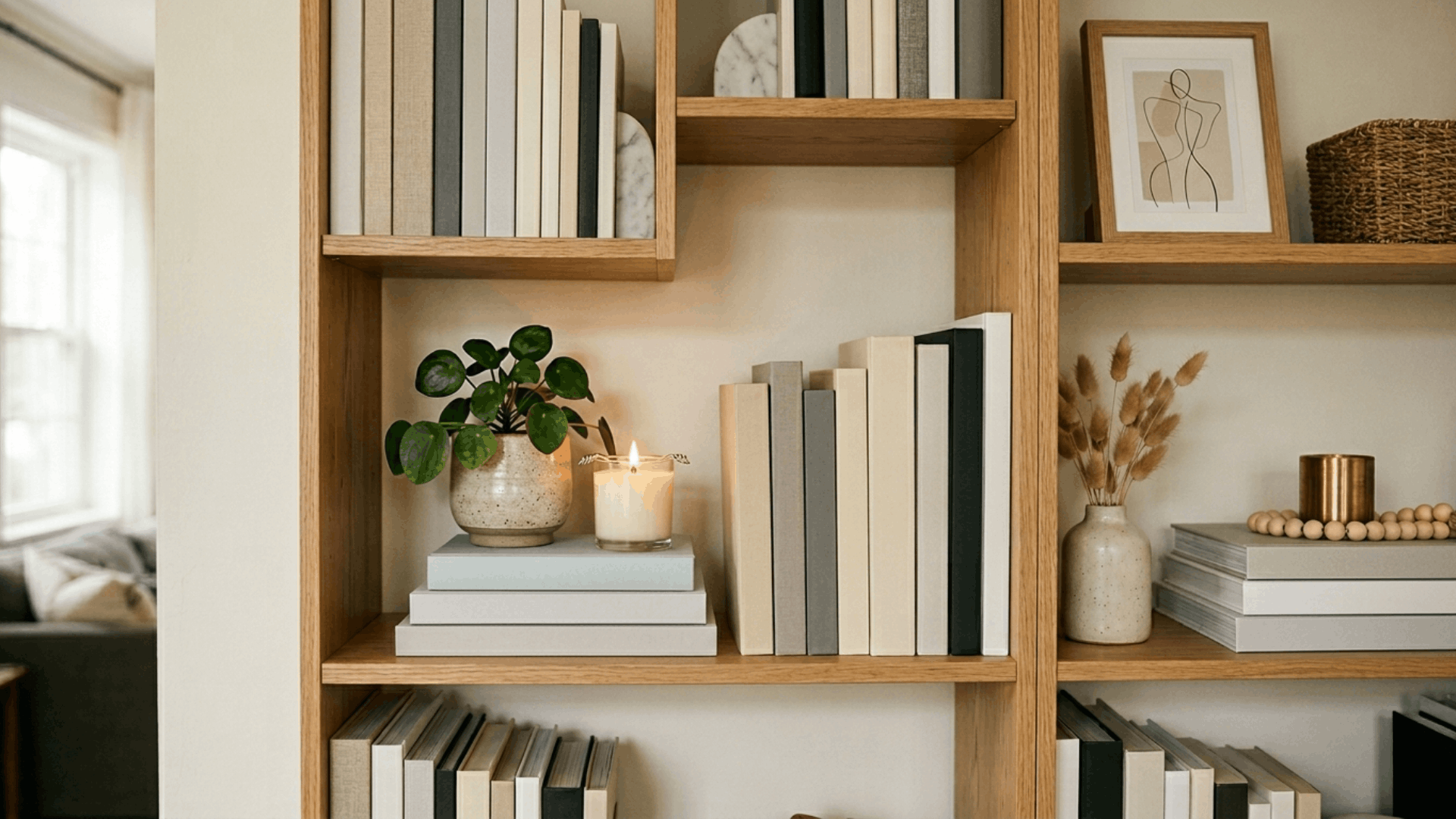
Mixing vertical and horizontal book stacks helps break the flat and boring look. Stand some books upright and stack others in small piles to create variety.
Horizontal stacks can also serve as a base for small decor items, such as candles or plants. Keep the stacks neat and not too tall so the shelf stays balanced.
This simple trick makes the bookshelf look more stylish and less stiff.
3. Use Small Decor Pieces Only
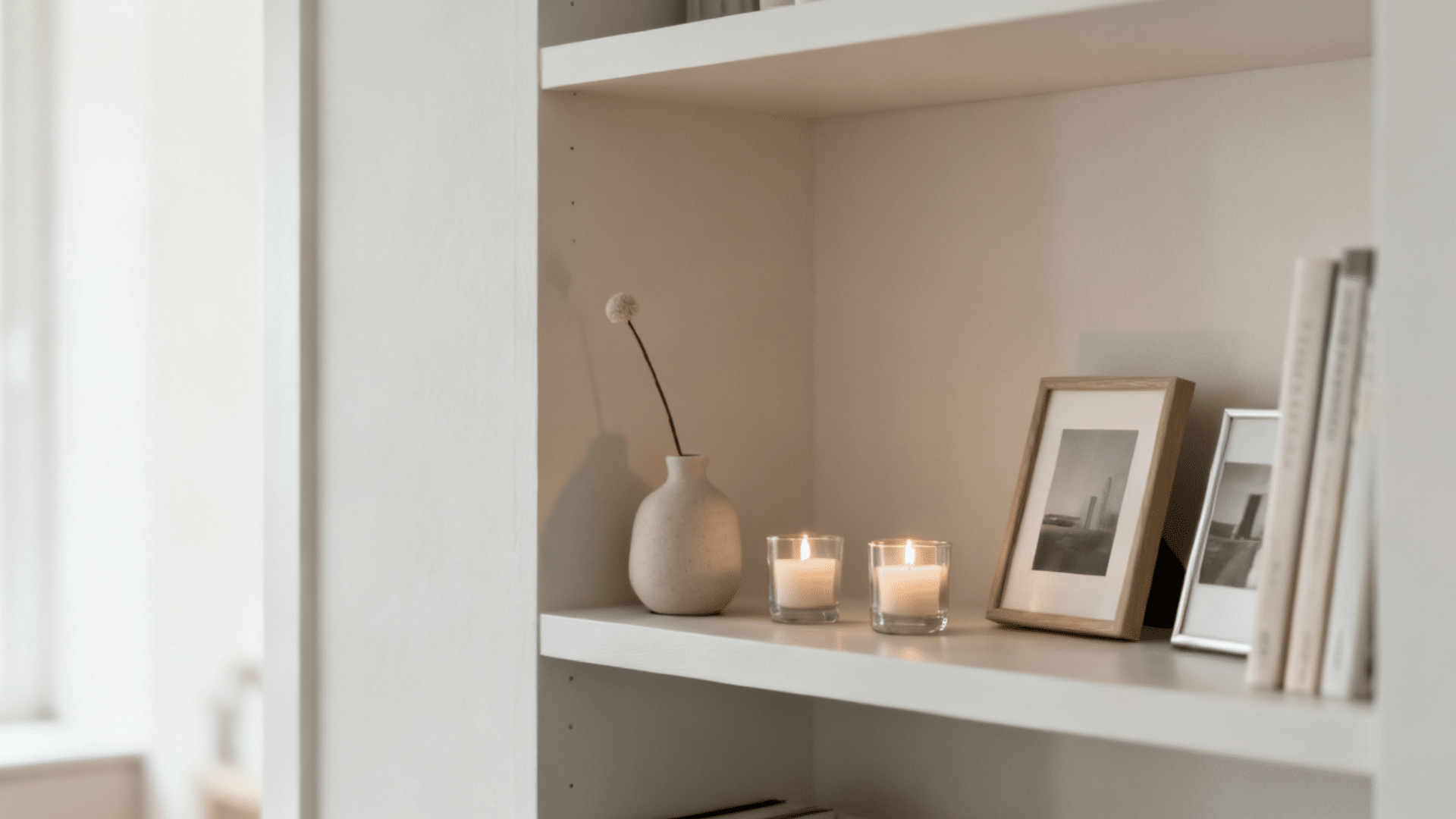
In small spaces, large decor pieces can quickly take over the shelf. Smaller items, such as mini vases, candles, or frames, fit better and leave room for other elements.
Using a few small pieces keeps the shelf light and easy to manage.
It also helps avoid a heavy or crowded look. Choosing the right size decor really changes how clean and balanced the shelf feels.
4. Add Light Colors for an Open Feel
Light colors can make a small bookshelf feel bigger and brighter. Items in white, beige, or soft tones reflect light, creating a fresh look.
Too many dark items can make the space feel tight and heavy.
Mixing light shades with a few darker accents helps keep the balance. This approach makes the shelf feel airy while still adding some contrast and visual interest.
5. Leave Some Empty Space
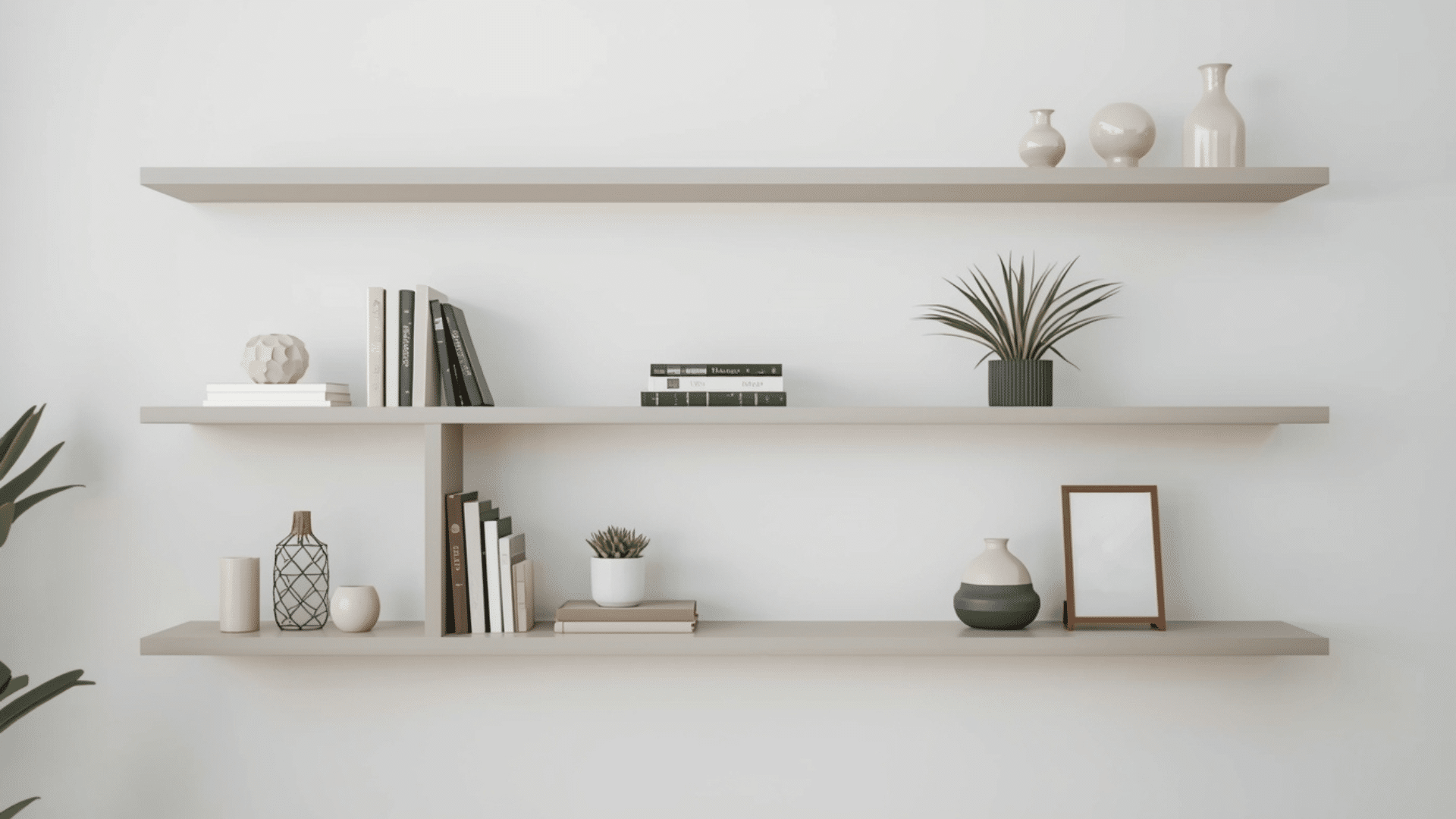
Leaving empty space is key when styling shelves in small areas. I tried this myself, and it made a big difference right away. It helps prevent a crowded look and gives the eyes a place to rest.
Not every spot needs to be filled with books or decor.
I also noticed that a little space between items makes each piece stand out more. This simple change kept my shelf looking neat, balanced, and easy to view, even in a small space.
Color Combinations for Bookshelf Styling
Choosing the right color combination helps a bookshelf look neat and well-balanced. A simple color palette can make the space feel calm, stylish, and easy to view.
| Color Combination | Look & Feel | Best Use |
|---|---|---|
| White, Beige, Light Gray | Clean, calm, and simple | Great for modern and minimal shelves |
| Black, White, Wood Tones | Balanced with soft contrast | Works well in living rooms or offices |
| Cream, Soft Brown, Gold | Warm and cozy feel | Ideal for a relaxed home setting |
| Light Blue, White, Gray | Fresh and airy look | Good for small or bright spaces |
| Sage Green, Beige, Wood | Natural and soft style | Perfect for earthy or calm interiors |
| All Neutral (Beige + White) | Soft and clutter-free | Best for small spaces to feel open |
Color is the fastest way to create visual coherence on a shelf. Before choosing a palette, look at the dominant colors in the room, walls, upholstery, rug, and pick a shelf palette that either echoes or complements them.
A shelf that fights the room’s color story will always look out of place, regardless of how well it is arranged.
Quick Bookshelf Styling Tips that Work
Small changes can quickly improve how a bookshelf looks and feels. Simple tips help create a neat, balanced, and easy-to-style shelf.
- Start with Fewer Items: Using fewer pieces makes styling easier and keeps the shelf from looking crowded. Add more only if needed. This also makes it easier to adjust the layout later.
- Group Items in Threes: Placing items in small groups of three creates a natural and balanced look. It helps the shelf feel more organized and visually pleasing.
- Mix Textures: Combine materials like wood, glass, and metal to add depth without adding clutter. This adds interest without needing more items.
- Use Books as Decor: Arrange books in neat stacks or upright to act as both function and style. This keeps the shelf useful while still looking stylish.
- Keep Colors Consistent: Stick to a few shades to make the shelf look clean and well-put-together. This helps everything feel connected and not random.
- Add One Statement Piece: A single standout item can draw attention without overwhelming the shelf. It gives the eye a clear focal point.
Conclusion
Styling a bookshelf does not have to feel hard or confusing. From what I’ve seen myself, small changes made the biggest difference.
Once I focused on balance, spacing, and a few key pieces, my shelf started to look clean and put together. It is not about perfection but about creating a space that feels right.
You can try these ideas one step at a time and adjust as needed.
Every shelf is different, so it helps to keep things simple and make changes slowly. Even a small update can improve the overall look.
Have you tried any of these tips? Share your experience in the comments below and let others learn from your ideas, too.
Frequently Asked Questions
How Often Should a Bookshelf Be Restyled?
Restyle a bookshelf every few months, or whenever the room decor changes, to keep it fresh.
Can Lighting Improve Bookshelf Styling?
Yes, adding soft lighting like LED strips or lamps can highlight decor and create depth.
What Type of Shelves Are Easiest to Style?
Open shelves with adjustable spacing are easiest to style and rearrange.
Should Books Be Arranged by Color or Size?
Books can be arranged by color for style or by size for a cleaner, structured look.
Is Symmetry Important in Bookshelf Styling?
Symmetry helps create balance, but slight variation keeps the shelf more natural and interesting.