

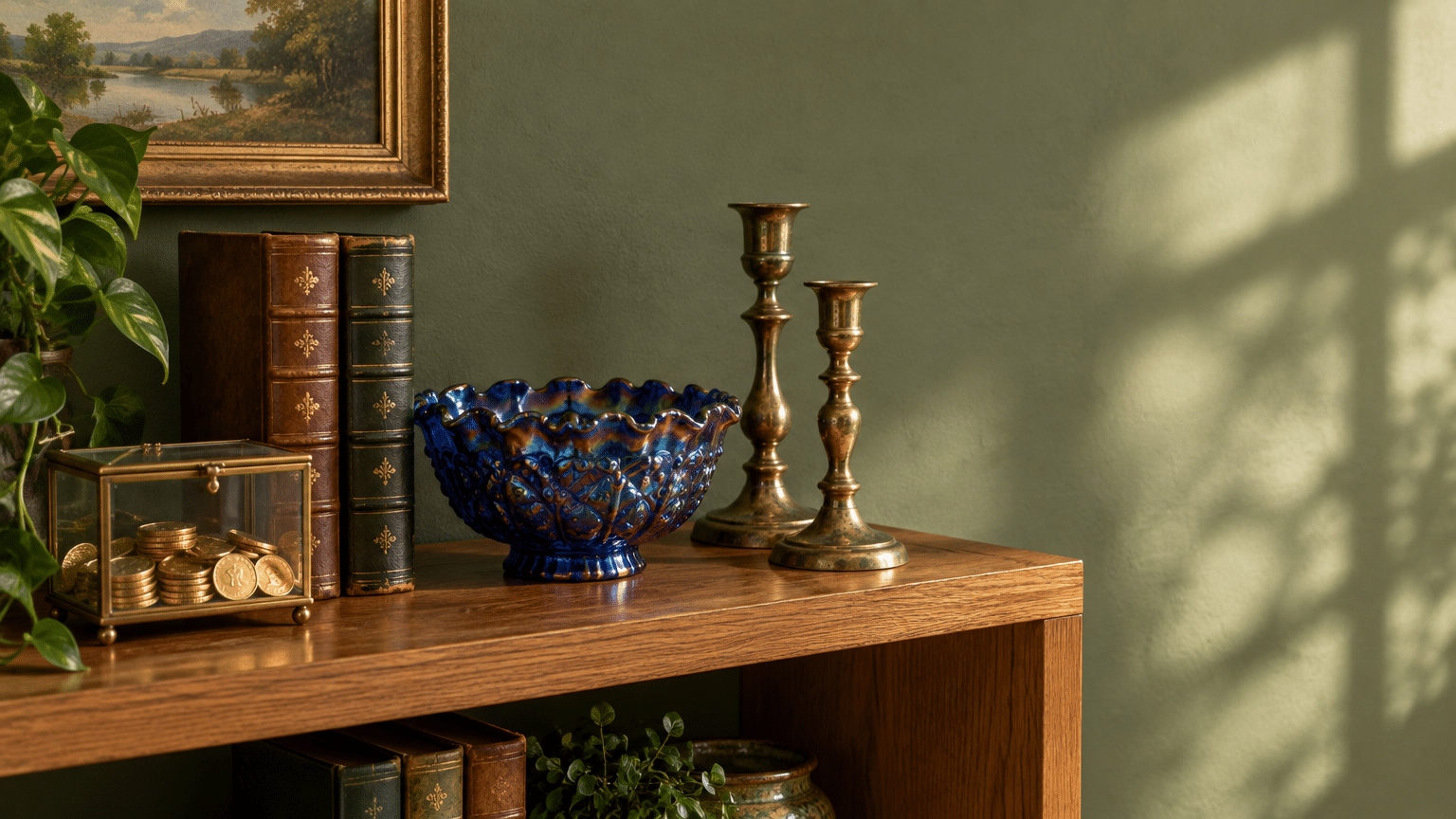
Collecting antiques can be about history, craftsmanship and personal taste, but the best pieces can also become part of the way a home looks and feels. Instead of storing every valuable find in a cabinet or tucked inside a box, homeowners can choose a few objects that deserve to be seen. Coins, vintage glassware, old books and other collectibles can bring character to rooms that might otherwise feel overly polished. The trick is choosing pieces that look interesting enough to display while protecting anything that could lose value through careless handling, sunlight or moisture.
Historic Coins Under Glass
Coins are among the easiest antiques to collect without giving up much storage space, and certain examples have enough visual appeal to become decorative objects in their own right. American gold coins are particularly striking because their designs often reflect the artistic and political identity of the period in which they were minted. Saint Gaudens double eagle gold coins are a notable example. Designed by sculptor Augustus Saint-Gaudens, the $20 gold piece features a full-length Liberty on the obverse and an eagle on the reverse, giving collectors plenty of detail to appreciate beyond the metal itself.
Display valuable coins in protective holders rather than placing them directly on trays, shelves or tabletops. A small enclosed display case can turn several coins into an attractive study of American history while reducing unnecessary handling. For especially valuable pieces, collectors may prefer high-quality reproductions for open display while keeping originals secured. Either approach can bring the visual language of historic currency into a library, study or living room.
Vintage Glass With Personality
Antique and vintage glassware can introduce color without requiring a major decorating commitment. Depression glass, milk glass, carnival glass and hand-cut crystal all have distinctive appearances, and individual pieces can work even when a homeowner has no interest in assembling a complete matching set. A colored glass bowl on a console or a group of vintage candlesticks can look intentional without making a room resemble an antiques shop.
Condition matters when buying collectible glass. Look closely for chips, cracks, cloudiness and repairs, particularly around rims, handles and bases. Once a piece is home, think about light before choosing its permanent location. Natural light can make colored glass look beautiful, but prolonged direct sunlight may not be ideal for every antique or for nearby objects. Open shelving, glass-front cabinets and mantels can provide prominent display space while keeping fragile pieces away from busy surfaces.
Old Books Beyond the Bookcase
Antique books offer decorative appeal that modern reproductions often struggle to imitate. Worn leather, cloth bindings, stamped lettering and naturally aged paper can add texture to a room, particularly in traditional homes and spaces that mix old and new furnishings. Books also provide an opportunity to collect according to personal interests. Gardening manuals, regional histories, illustrated naturalist books, old cookbooks and classic novels can all become collections with a story behind them.
Avoid judging an antique book solely by its cover. Early editions, unusual illustrations, inscriptions, printing errors and connections to notable owners can affect collectibility. Books should generally remain away from direct sunlight, excessive humidity and heat. Instead of filling every shelf from end to end, leave room around selected volumes. A small stack beside a ceramic object or framed photograph can make the books visible while still allowing them to function as part of the room.
Small Objects With Big Style
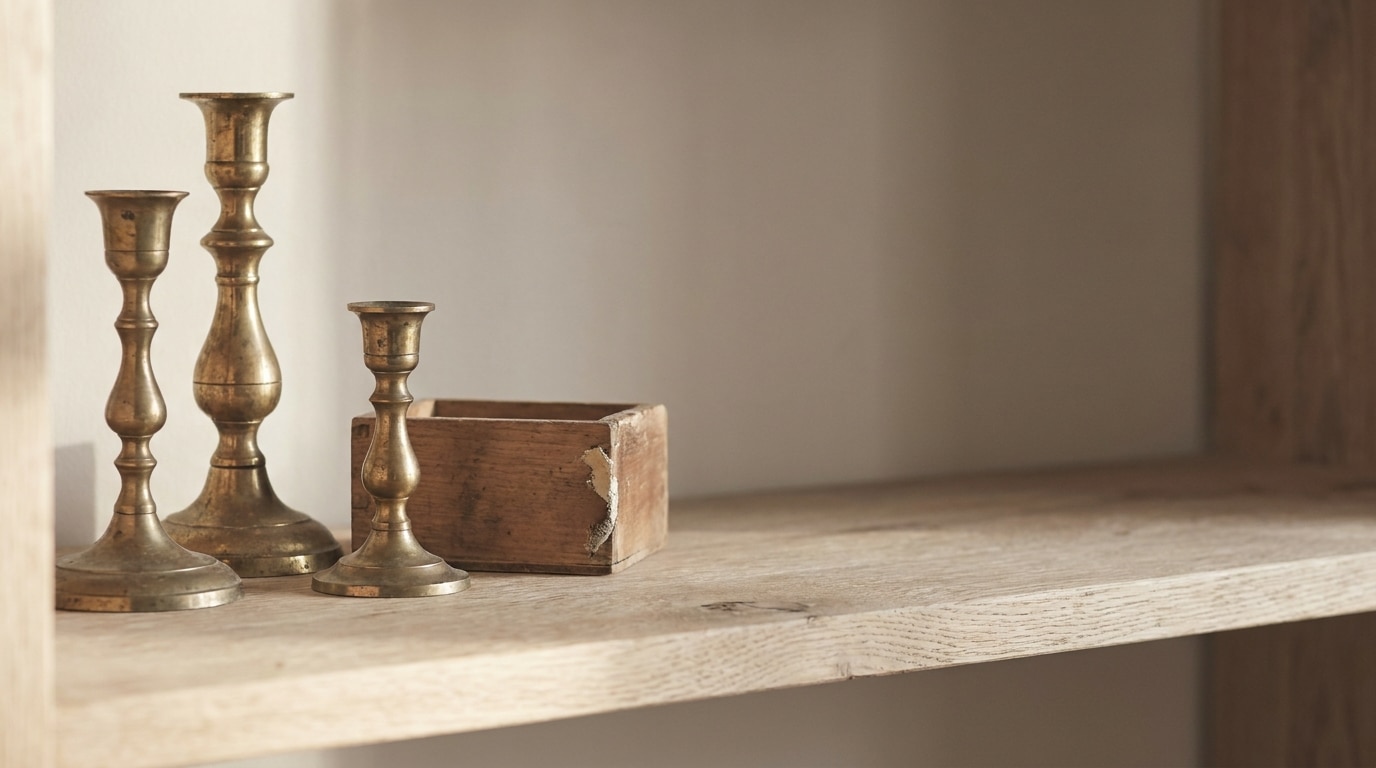
Some of the most useful collectibles for decorating are small enough to move around whenever a room needs a change. Antique boxes, miniature portraits, brass objects, vintage cameras, pottery and old scientific instruments can become focal points without taking over a space. When considering shelf decor ideas, treat collectibles as individual objects rather than filling every available inch. Negative space helps unusual shapes and materials stand out.
Grouping can work particularly well when several pieces share a material, period or purpose. Three antique brass candlesticks of different heights, for example, may look more cohesive together than scattered throughout the house. The same idea applies to pottery, framed miniatures or vintage cameras. Keep the most delicate pieces away from shelf edges and high-traffic areas. Valuable objects should also have stable stands or mounts when their shape makes them prone to tipping.
Useful Antiques Worth Seeing
Not every collectible needs to exist solely for display. Antique clocks, trays, mirrors, desk accessories, candlesticks and small pieces of furniture can contribute to a room while retaining their original purpose. These objects often fit naturally into a home because they were designed for domestic use in the first place. A vintage silver tray can organize bottles on a bar cabinet, while an antique wooden box can hold correspondence or small everyday items.
Before regularly using an antique, consider whether doing so could damage it. Some finishes, metals and delicate mechanisms require gentler treatment than their modern equivalents. Food and beverages can also present concerns with older vessels made from materials that are no longer considered appropriate for food contact. When an antique is too rare or fragile for everyday use, display still gives it a role in the home.
The best collectible displays feel personal rather than crowded. Choose antiques that genuinely interest you, protect pieces according to their materials and value, and give each object enough room to be appreciated. A home does not need dozens of antiques to feel layered with history. Sometimes a handful of remarkable pieces can do the job.