

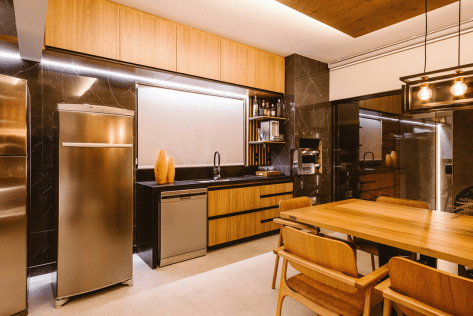
Choosing a backsplash can feel small, until you realize how much of the kitchen it actually touches. It sits behind everyday messes, catches the eye, and quietly connects your cabinets, counters, and walls into one cleaner look.
Below, we’ll talk through how to match your backsplash with your kitchen’s style, choose materials that make sense for daily use, and plan the installation without guessing.
Consider Your Kitchen Style First
A Chicago bungalow kitchen with warm wood cabinets needs a different backsplash than a sleek condo with flat panels, cooler colors, and sharper lines.
If the cabinets are busy, keep the backsplash calmer. If the counters have heavy veining, avoid tile that fights for attention. The best choice usually supports the main surfaces, instead of trying to become the loudest part of the room.
Older kitchens often need a little more judgment, especially when walls are not perfectly straight or cabinet lines have shifted over time.
That is where professional backsplash installation in Chicago can make a real difference, because the final look depends on clean cuts and careful alignment.
For a safer long-term choice, look at samples beside your cabinets and counters during the day and at night. Tiles can change a lot under different light. What looks soft in a showroom may feel too cold at home.
Choose Materials That Match Daily Use
Material choice should start with cleanup, not just looks. Behind a stove, grease and sauce hit the wall often. Ceramic and porcelain tile usually handle that well because they wipe clean, resist moisture, and do not ask for much upkeep.
Glass can work nicely in smaller kitchens because it reflects light and feels clean, especially when paired with energy-efficient home upgrades that make the room brighter without major renovations. Still, glass shows streaks faster, so choose finishes carefully.
Natural stone looks rich, but it is not always the easiest choice. Marble and some porous stones may need sealing, and acidic foods can leave marks.
For homeowners who want beauty without constant worry, quartz or glazed tile is often smarter.
A backsplash works best when the goal is a finished kitchen, not just a new strip of tile. Ask about material, grout, edges, cleaning needs, and how the surface handles daily cooking before choosing. Those details decide how the backsplash holds up.
Think About Color, Pattern, and Lighting
A pale backsplash can open up a narrow kitchen, much like simple wall color choices can completely change how bright and open a room feels inside smaller homes.
Large designs can feel heavy in small spaces, and tiny repeats can look busy once grout lines appear. For Chicago homes with older cabinets, a cleaner pattern often keeps the room from feeling patched together.
Lighting can change tile quickly inside real kitchens. Glossy surfaces bounce light around, which can brighten a tight corner, but they also show every splash.
Matte finishes feel softer and quieter, especially under strong under-cabinet lighting or direct afternoon sun.
A good installer can help homeowners compare these choices before tile goes on the wall. Ask to see how grout color, tile size, finish, and layout affect the final look in real light. Small decisions here can change the whole kitchen.
Plan the Installation Before You Buy
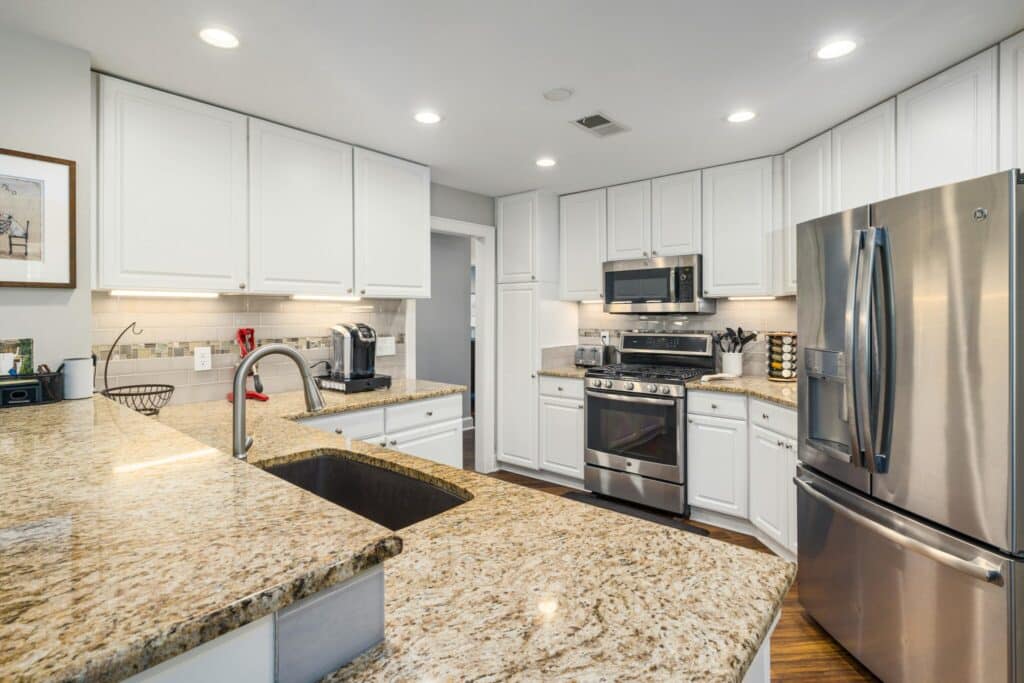 The area behind the stove, sink, and counters may need different cuts, and recent kitchen and bathroom tile trends show why layout matters before buying materials or planning the final design.
Wall prep matters more than most homeowners expect. Tile needs a clean, flat surface, or small bumps become visible fast. In older Chicago kitchens, plaster, uneven drywall, and past repairs can make even simple tile harder to place neatly.
Grout color deserves an early decision, not a last-minute guess. Matching grout can make tile feel smooth and quiet. Darker grout shows the pattern more clearly, but it can also make mistakes easier to notice if spacing is uneven.
Before buying materials, ask how much tile you need, where cuts will land, and what edge finish makes sense. The best results usually come when planning and installation are handled together, with measures checked carefully before work begins.
Common Backsplash Mistakes to Avoid
A backsplash can look simple, but small mistakes show fast once the tile is installed. The goal is not only choosing something attractive, but making sure every detail works with the kitchen around it.
Here are the most common backsplash mistakes to avoid:
- Choosing tile before checking how it looks beside the cabinets and counters
- Picking a pattern that feels too busy for a small kitchen
- Forgetting that grout color can change the whole look
- Ignoring outlet placement, corners, and edge finishing
- Choosing materials that are harder to clean than expected
- Buying tile before confirming measurements and extra waste
Check samples, measure carefully, and think through daily use. With rising renovation costs affecting many homeowners, careful planning now can prevent expensive corrections once installation work finally begins.
Endnote
Choosing a backsplash is one of those kitchen decisions that looks easy until the small details start showing. The tile, color, grout, and layout all need to make sense together, especially in a kitchen that gets used every day.
That is why the best choice is not always the boldest or most expensive one. A good backsplash should clean easily, fit the room, and make the whole kitchen look more finished.