

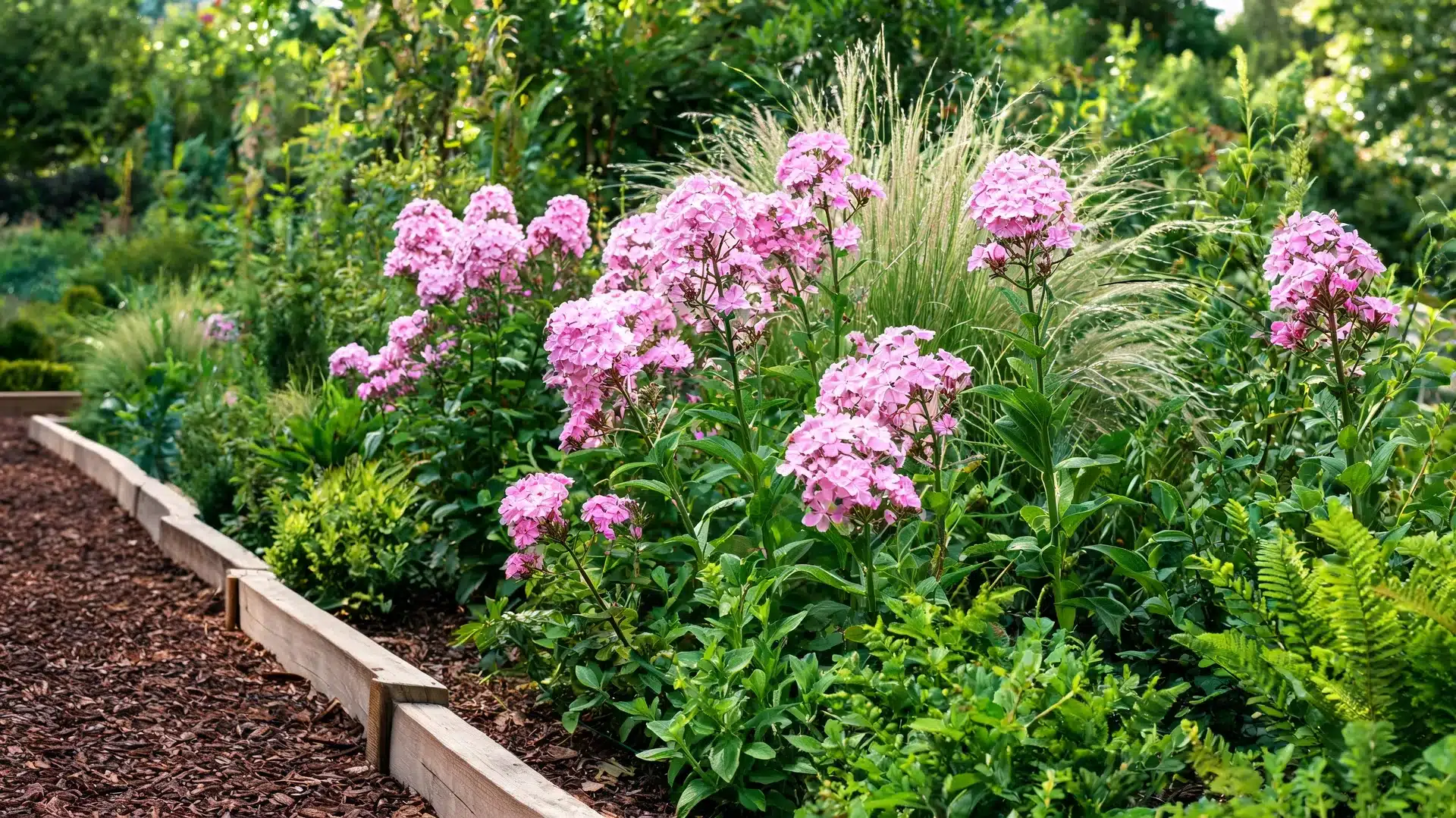
Planting a perennial can feel like a promise that color will return every spring, but the result is not always that simple.
So, do perennials come back every year? Many do, but only when the plant matches your weather, soil, sunlight, and care routine.
A strong root system matters more than how healthy the plant looks on planting day.
I will explain why some perennials return for years, why others disappear, and how to tell if a plant is sleeping or truly dead.
First, let us look at whether perennials return in the same spot each year.
Do Perennials Come Back Every Year in the Same Spot?
I have learned that the answer to “do perennials come back every year” depends on more than the promise printed on a plant tag. Climate, drainage, and early root growth usually matter most.
A perennial planted near the edge of its hardiness range may survive a mild winter but struggle when temperatures drop below normal.
Soil drainage is just as important because cold, waterlogged ground can cause roots to rot before spring.
New plants also need enough time to establish. Fall-planted perennials may not develop strong roots before the first hard freeze, which lowers their chance of returning.
Snow cover, mulch, sunlight, wind exposure, and soil type can also affect survival. Treat your hardiness zone as guidance rather than a guarantee.
The USDA Plant Hardiness Zone Map was last updated in November 2023, and it reflects broad regional averages, not the specific microclimate in your own yard.
For better results, choose plants that match your climate, soil, light, and available space instead of relying on toughness alone.
What Determines Whether Yours Come Back?
Three factors decide whether a perennial returns, more than any plant tag admits:
- Hardiness zone match: Plants at the edge of their hardiness range struggle when winter dips below average, since year-to-year variability hits marginal-zone plants hardest. A well-planned perennial layout that groups zone-appropriate plants together makes this kind of variability much easier to manage.
- Soil drainage: Roots sitting in waterlogged soil through winter rot before spring arrives, regardless of how cold-hardy the species is on paper. Raised beds or amended soil fix this in heavy clay yards.
- First-year establishment: A perennial planted in the fall hasn’t developed enough root mass to survive a hard freeze. Snow cover affects winter survival for herbaceous perennials, sometimes more than the zone rating itself.
A zone-appropriate plant in poor soil can fail faster than a marginal-zone plant in excellent soil. The hardiness zone map alone doesn’t guarantee performance. Soil type, light, and overall care matter just as much.
How Perennials Grow and Survive?
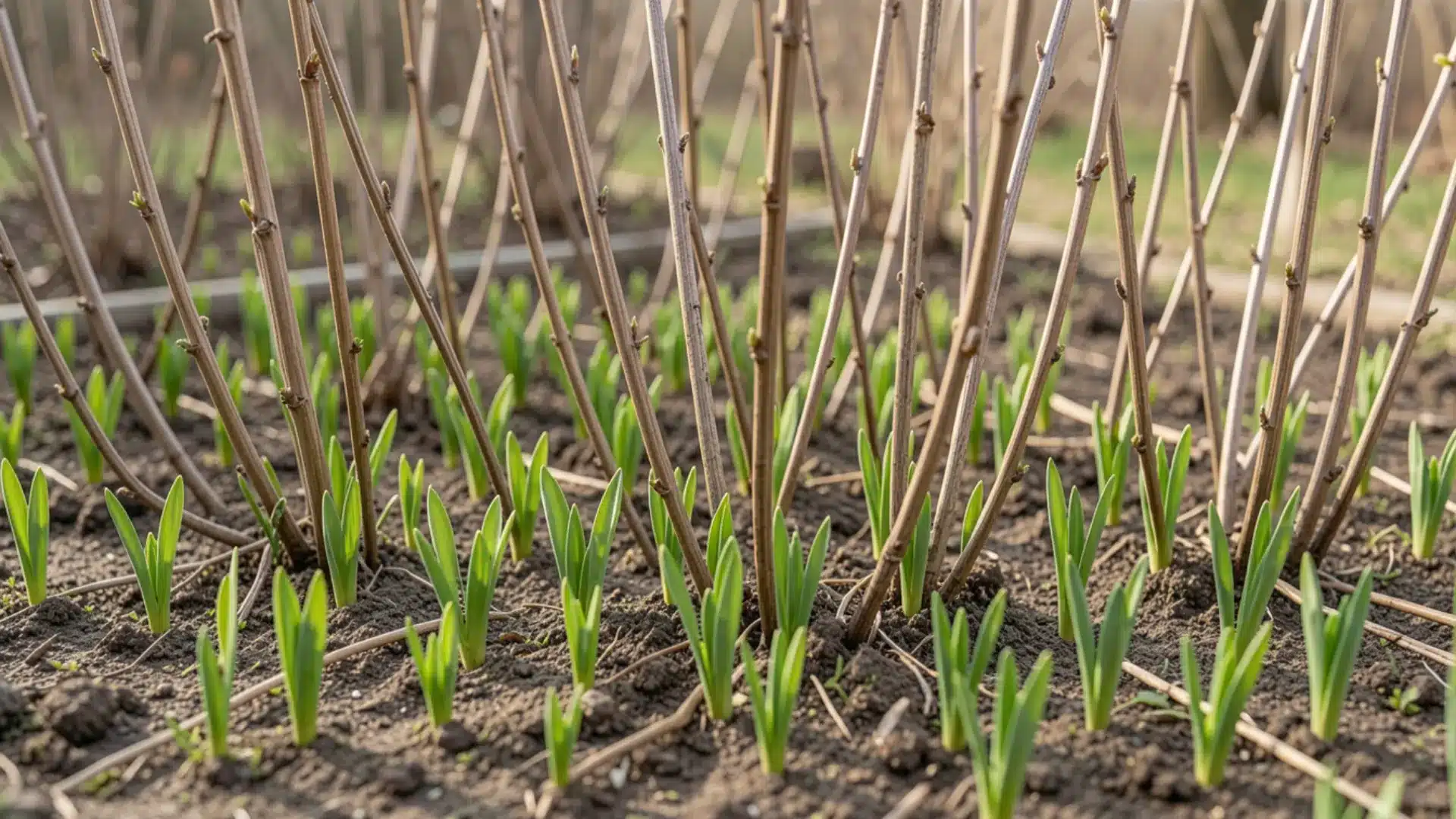
A perennial survives winter because of what happens below the soil line, not above it.
Understanding that mechanism explains why two plants that look identical in July can have completely different fates by April.
I like to think of a perennial as having a hidden backup system underground. At least one meristem, which is living growth tissue, stays protected in the crown, roots, or bulb.
When the leaves and stems die back in fall, that tissue does not die. It simply goes dormant.
During winter, the plant slows down and saves energy instead of using it on flowers or foliage. That stored energy helps push up fresh growth when temperatures rise again.
I have dug into what looked like completely dead ground in late February more times than I can count and found a firm, pale crown just under the surface, already prepping for spring.
This is why a perennial can look lifeless for months and still return. The real danger comes when deep freezing reaches the living tissue or wet soil causes the roots and crown to rot.
How to Tell If a Perennial is Dormant or Dead?
This is the question I get asked most often once a garden makes it through its first winter, and it rarely gets a straight answer online. Before you dig up a perennial you assume died, check for these signs:
- Scratch test: Gently scrape a stem or a bit of the crown with your fingernail. Green or white tissue underneath means it is alive. Brown and dry all the way through usually means that part has died.
- Firmness of the crown: A dormant crown feels firm and slightly cool to the touch. A rotted one feels mushy, slimy, or hollow.
- Timing: Many perennials are late risers. Hostas, hibiscus, and butterfly weed can stay invisible well past the last frost date in your area, sometimes into late May.
- Smell: A sour or rotten odor from the crown is a reliable sign of decay, not dormancy.
If you are still unsure by early summer and there is still no growth, it is reasonable to assume that plant did not make it and replace it.
Self-Seeding vs. True Perennial Return
I often see gardeners confuse self-seeding plants with true perennials because both can return year after year. The difference becomes much clearer when you compare how they grow back.
| Comparison Point | True Perennial | Self-Seeding Plant |
|---|---|---|
| How it returns | The same plant grows back from its roots, crown, or bulb. | New plants grow from seeds dropped the previous season. |
| Winter survival | The underground part of the plant survives winter. | The original plant usually dies completely. |
| Growing position | It normally returns in the same spot. | Seedlings may appear in nearby or unexpected areas. |
| Size and growth | Growth is usually more consistent each year. | New plants may grow at different sizes and speeds. |
| Color and appearance | Flowers generally keep the same color and form. | Seedlings may show slight changes in color or shape. |
| Common examples | Peonies, hostas, and daylilies. | Columbine, hollyhocks, and foxgloves. |
Both can make a garden feel dependable, but only a true perennial is the same plant returning.
Perennial Types that Behave Differently
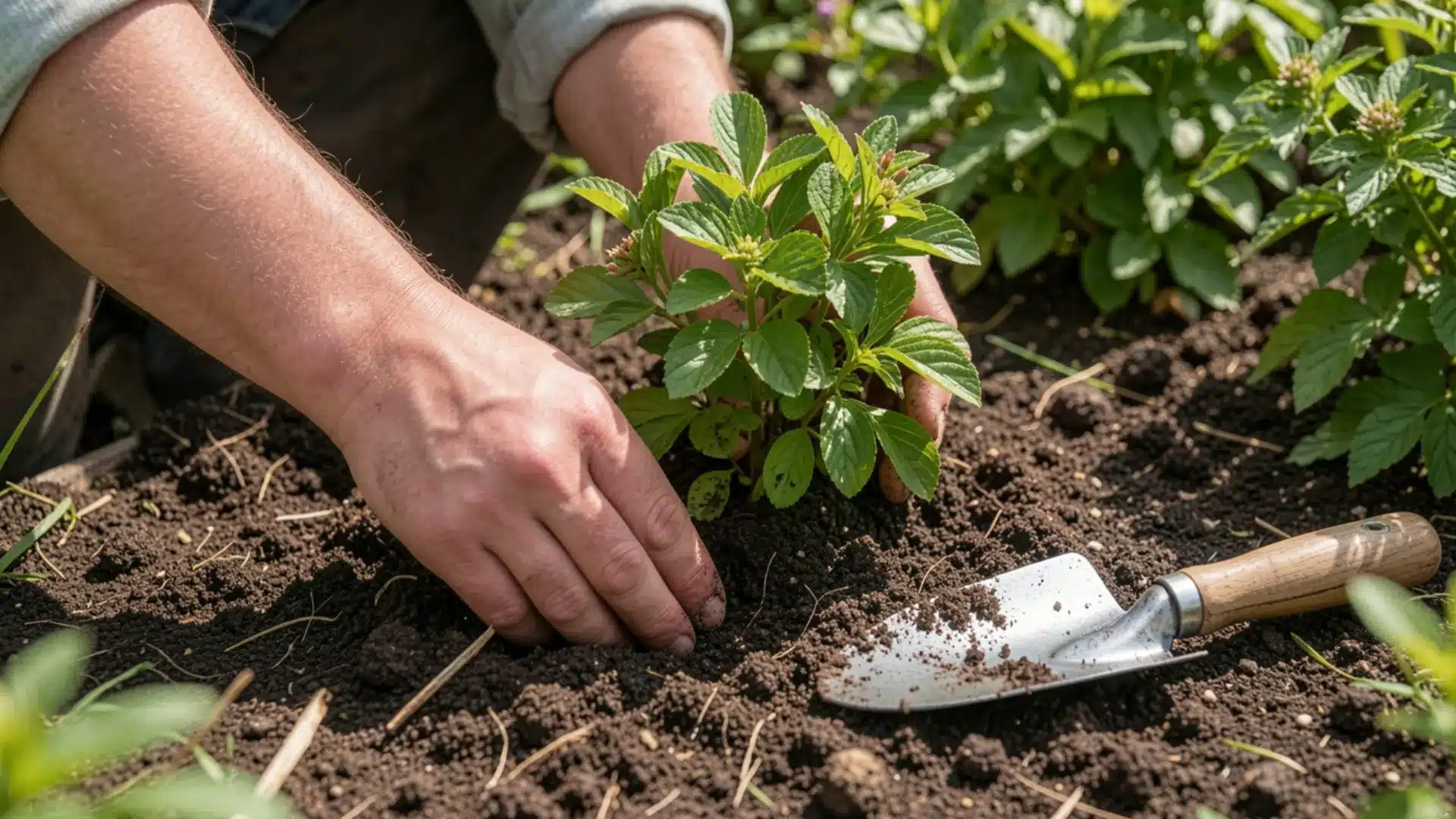
Perennials handle winter differently, so identifying the type helps you understand what remains visible and when growth appears.
- Herbaceous Perennials: Hostas and coneflowers die back above ground. Their crowns stay alive underground and send up new shoots when spring temperatures rise.
- Semi-Woody Perennials: Lavender and rosemary may keep some stems through winter. Wait until spring before cutting them back, since dry-looking growth may still protect living tissue.
- Woody Perennials: These plants keep their main branches year-round, even when they lose leaves. Their structure resembles a shrub or small tree.
- Tender Perennials: These survive for years in warm climates but often die outdoors in cold regions. Many gardeners move them indoors before frost.
Knowing the category helps you avoid removing a healthy plant too early and gives you a clear idea of what to expect each spring.
If you are planning a bed from scratch, a low-maintenance full-sun perennial selection is the easiest way to avoid mixing types that need very different winter care.
Perennials That Come Back Every Year With Average Lifespan
One thing I always remind gardeners is that not every perennial lasts the same amount of time.
Two plants can sit beside each other at the nursery, yet one may fade after a few years while the other keeps returning for decades.
This is exactly why grouping plants by bloom time and hardiness zone, rather than by looks alone, saves you from replacing half a bed every few springs.
The table below gives you a practical idea of how long common perennials usually live.
It can help you plan a garden that fits your expectations, whether you enjoy replacing plants occasionally or prefer varieties that can stay in place for years.
| Lifespan Group | Common Perennials | Average Lifespan |
|---|---|---|
| Short-lived | Columbine, Shasta daisy, Coreopsis, Delphinium | 3 to 5 years |
| Average lifespan | Black-eyed Susan, Coneflower, Bearded iris, Daylily | 7 to 15 years |
| Long-lived | Hosta, Monkshood, Sedum | 15 to 25 years |
| Longest-living | Peony, Hellebore | 30 to 100+ years |
Most garden perennials last around five to ten years when averaged across different species. With healthy soil, suitable light, proper drainage, and regular care, many individual plants can live much longer.
The Longest-Living Perennials
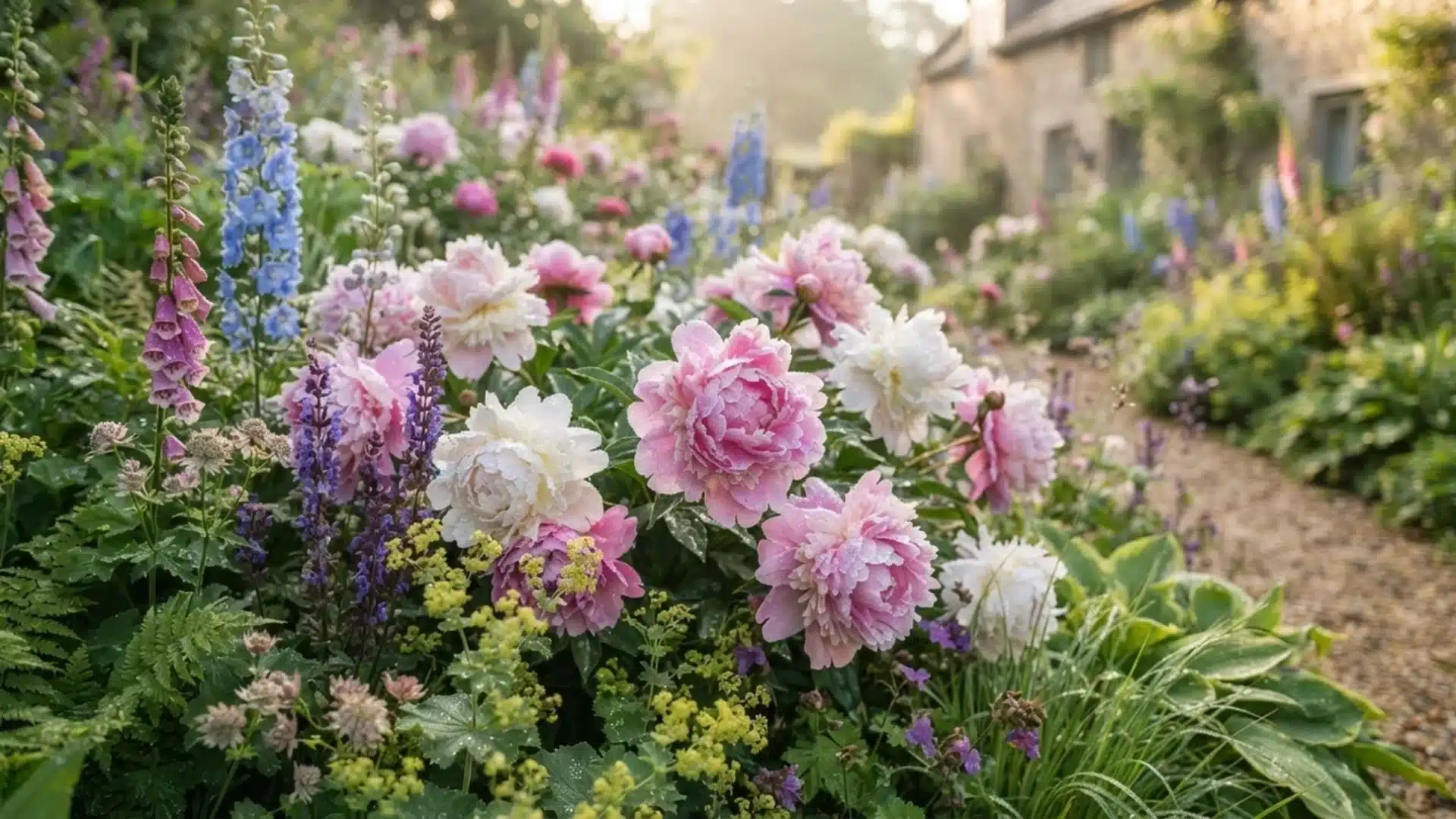
Peonies are one of my favorite choices for a garden that is meant to last.
Once established, they commonly survive for decades, and some continue blooming for more than a century.
According to the University of Missouri Extension, peonies can outlive the gardener who planted them, with documented plantings still blooming after more than 100 years undisturbed.
That long lifespan is why mature peonies are often divided and passed from one generation to another.
I still visit a client’s property with a peony bed her grandmother planted; it has never been divided and blooms harder every June than plants a fraction of its age.
If you are starting your own, this guide to planting and caring for Itoh peonies covers division timing in more depth than most nursery tags do.
Hellebores are another dependable option. Stemless (acaulescent) varieties, the most widely grown type, typically live 20 years or more when planted in a shaded area with well-draining soil, according to Clemson University’s Home & Garden Information Center.
Stemmed (caulescent) varieties, however, usually live only a few years, though they self-seed freely to compensate.
Care that Keeps Them Coming Back
The lifespan numbers above assume reasonable care. A few simple habits can help established perennials stay healthy, store energy, and return with stronger growth each spring.
- Divide Crowded Clumps: Overgrown perennials may weaken or die in the center while their outer roots keep spreading. Watch for fewer blooms or a bare patch in the middle of the clump; that is your cue. Divide mature plants every 3-5 years to improve airflow, space, and growth.
- Time Cutbacks Carefully: Leaving old stems through winter can insulate the crown and protect it during sudden cold spells. Remove dead growth once fresh shoots appear in spring.
- Deadhead Faded Flowers: Removing spent blooms redirects the plant’s energy from seed production back into its roots. Coneflower and black-eyed Susan respond especially well to this, often producing a second flush of blooms within a few weeks.
- Apply Mulch Correctly: Add a light layer around plants in colder zones, but keep it away from the crown to prevent trapped moisture and rot.
These steps cannot guarantee survival, but they give perennial roots better conditions for handling winter and returning healthy.
Conclusion
So, do perennials come back every year? Many will, but only when their needs match the place where they are planted.
Hardiness zone, drainage, sunlight, root growth, and winter care all play a part in whether a plant returns strong or fades out.
I would never judge a perennial by the label alone.
A short-lived plant may need replacing sooner, while peonies, hostas, and hellebores can reward patient gardeners for many years. The smartest choice is to plant for your real yard, not an ideal one.
Which perennial has come back best for you? Tell us, share with us in comments below.
Frequently Asked Questions
Do all perennials die back to the ground in winter?
No. Herbaceous perennials die back completely, but semi-woody types like lavender keep partial structure, and woody perennials keep their framework year-round.
How long do perennials typically live?
It varies widely by species. Some, like Stokes aster, last only a few years, while others, like peonies, can thrive for decades with minimal care.
Can a perennial die and not come back the next year?
Yes. Poor drainage, a zone mismatch, or a hard freeze in the first winter are the most common causes. Each one can keep a perennial from coming back.
Do perennials spread on their own?
Many do, through underground roots or self-seeding. That’s why division every few years keeps the spread manageable and the clump center healthy.