

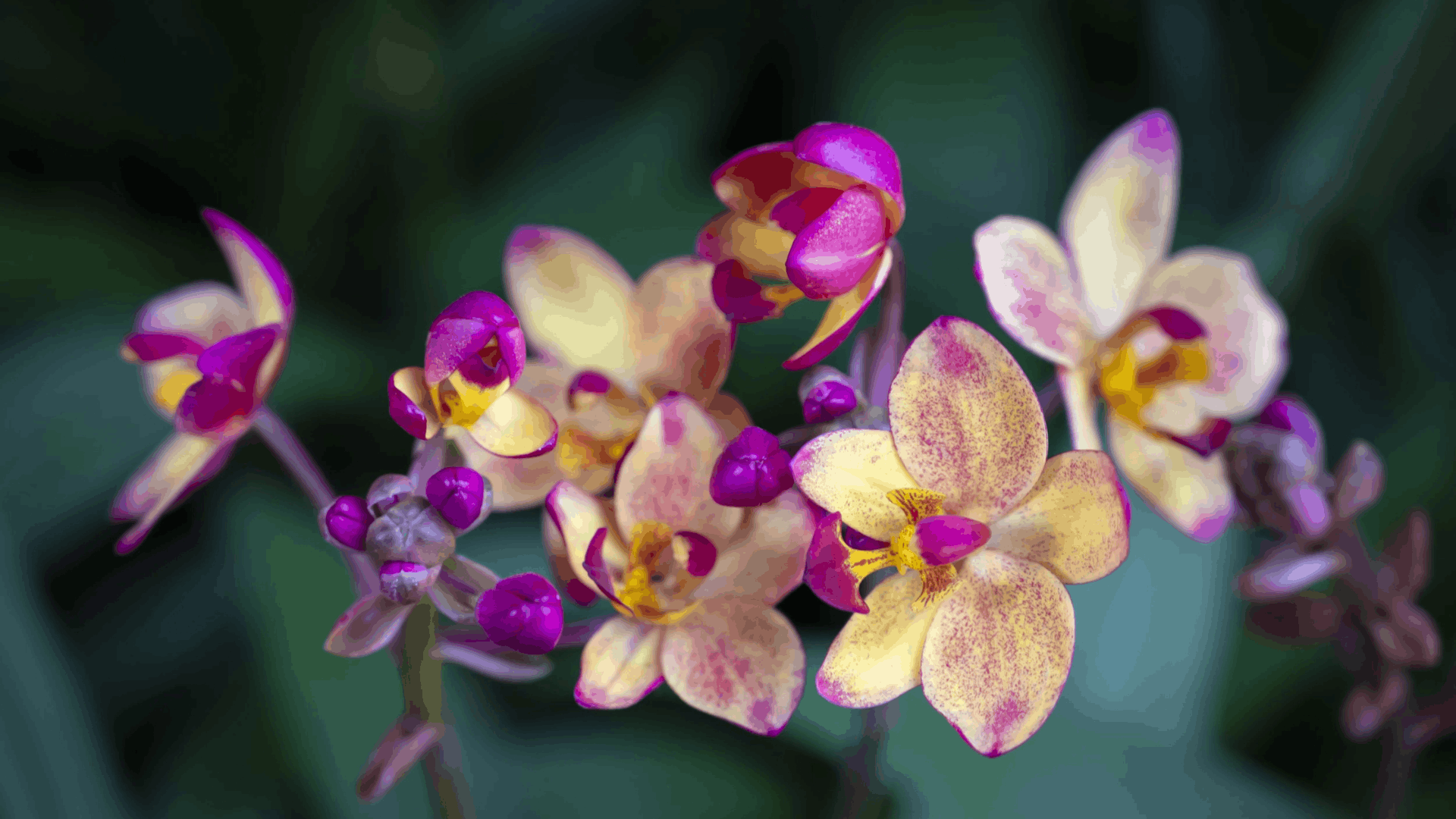
Not every orchid looks or grows the same, which can make identifying one surprisingly difficult.
I know how confusing the many types of orchids can seem at first. Some are popular houseplants, while others are prized for their unusual flowers or growing habits.
I’ll help you understand the differences without making it complicated. You’ll also learn how orchids are classified, recognize common orchid names, and see which varieties are best suited for indoor growing.
By the end, you’ll be able to identify popular orchids more confidently and choose a variety that fits your space and experience level.
How are Orchids Classified?
Orchids are classified by their botanical relationships, not by flower color, size, or appearance alone. All orchids belong to the plant family Orchidaceae.
From there, they are organized into genera, species, and varieties.
The genus is the first part of an orchid’s scientific name and groups closely related orchids together.
A species is a naturally occurring orchid within that genus. A variety is a natural form of a species with small differences, such as flower markings or growth habit.
Many orchids sold as houseplants are hybrids, created by crossing selected orchids.
Understanding this system helps you identify orchid names and compare different types of orchids more easily.
Most Popular Types of Orchids
Orchids include thousands of species and hybrids, each with its own flower shape, growing habit, and care needs.
1. Phalaenopsis Orchid (Moth Orchid)
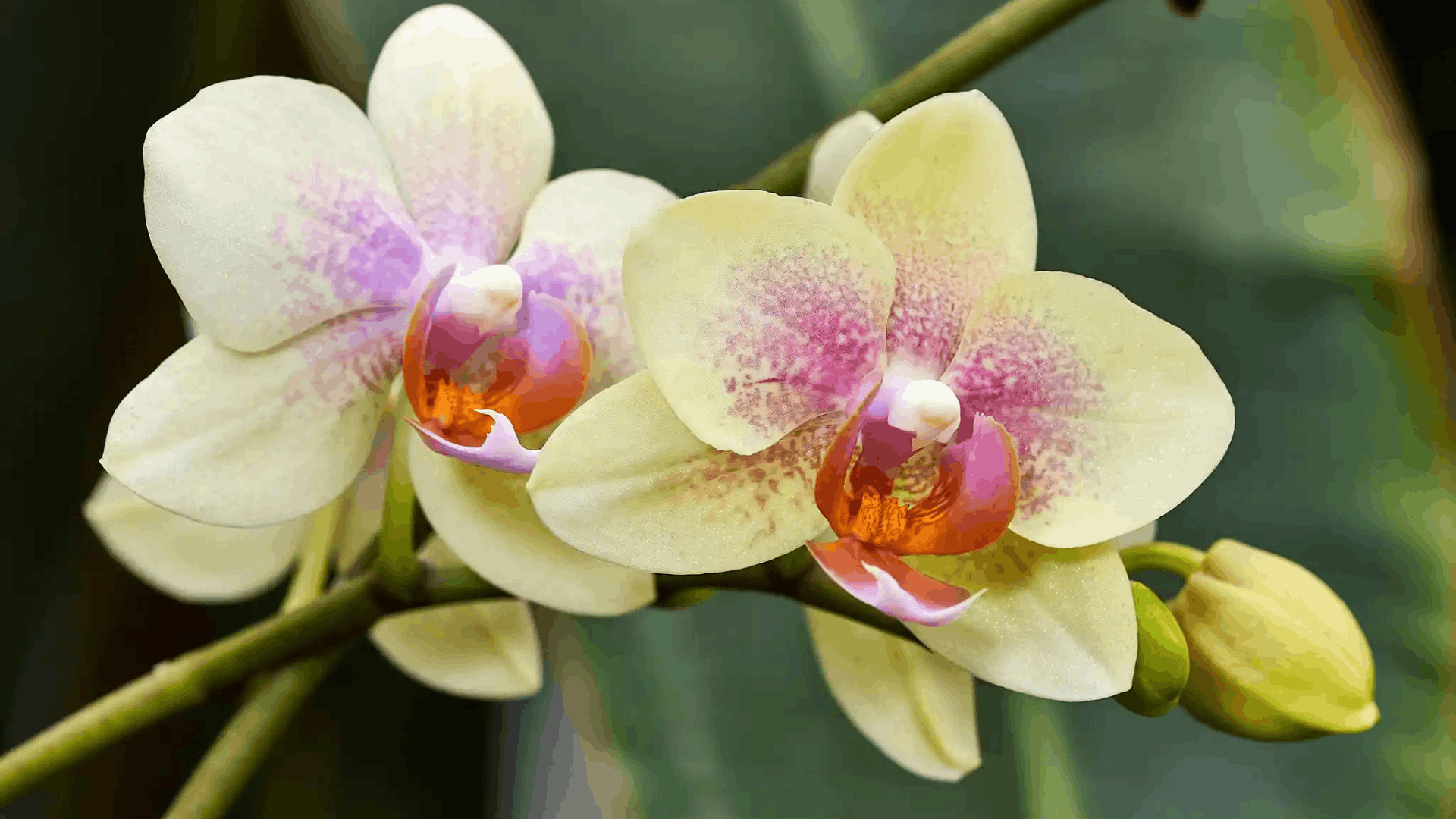
The Phalaenopsis orchid (fal-en-OP-sis), commonly called the moth orchid, is native to tropical Asia and one of the most popular houseplants because it flowers for months at a time.
Its wide, rounded blooms come in white, pink, purple, yellow, and many patterned colors.
It grows well in bright, indirect light and prefers warm indoor temperatures, roughly 65 to 80°F.
When I recommend a first orchid to someone new to growing, this is nearly always the one I point to, since it tolerates the small watering mistakes beginners tend to make.
2. Cattleya Orchid
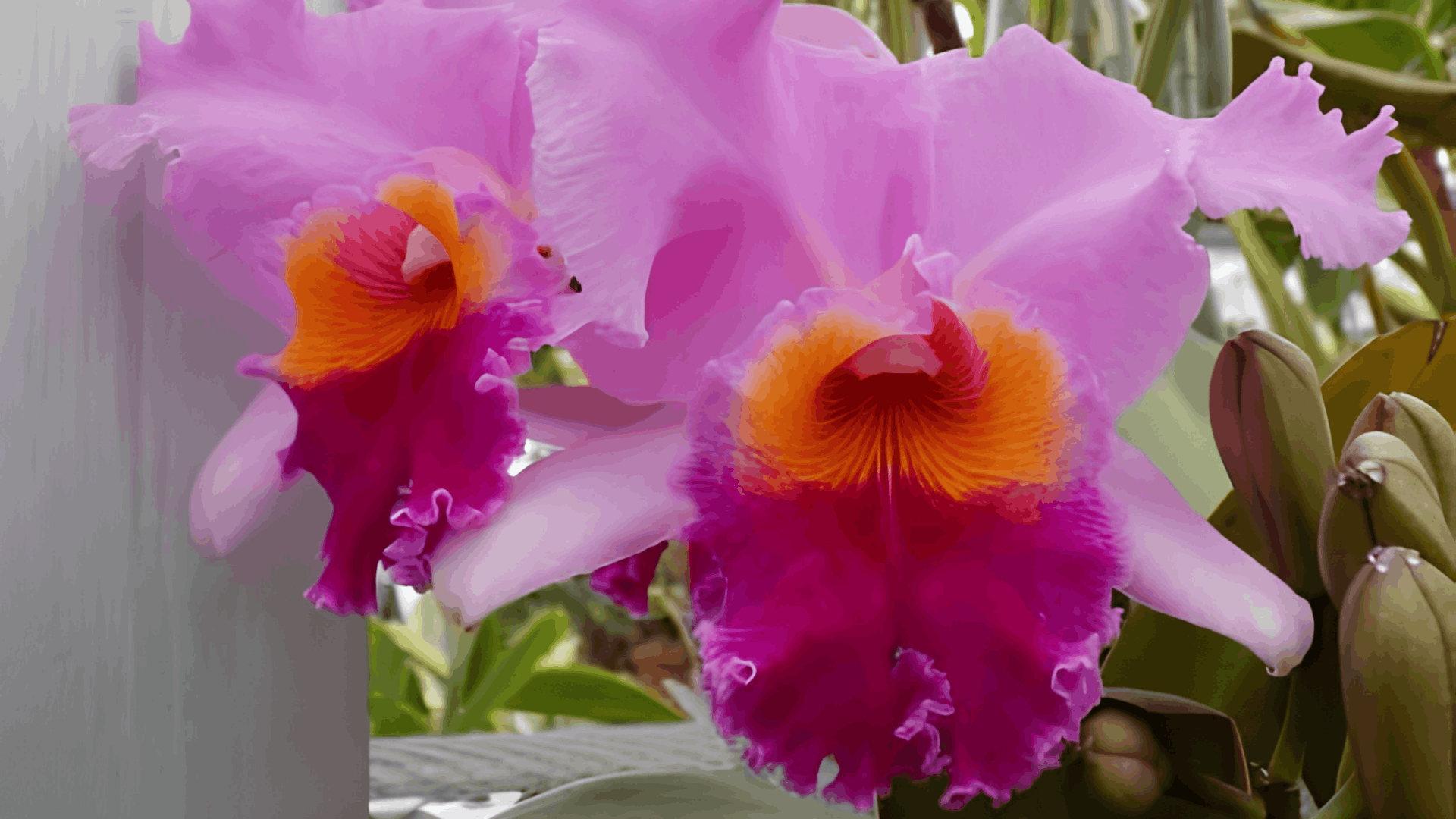
Cattleya orchids are known for their large flowers and pleasant fragrance. They bloom in shades of white, pink, purple, yellow, and orange, often with colorful lips that stand out.
These orchids like bright light and good air circulation to produce healthy flowers. Many gardeners grow them because the blooms are long-lasting and make an attractive display plant.
With the right care, a mature Cattleya can flower once or twice each year.
3. Dendrobium Orchid
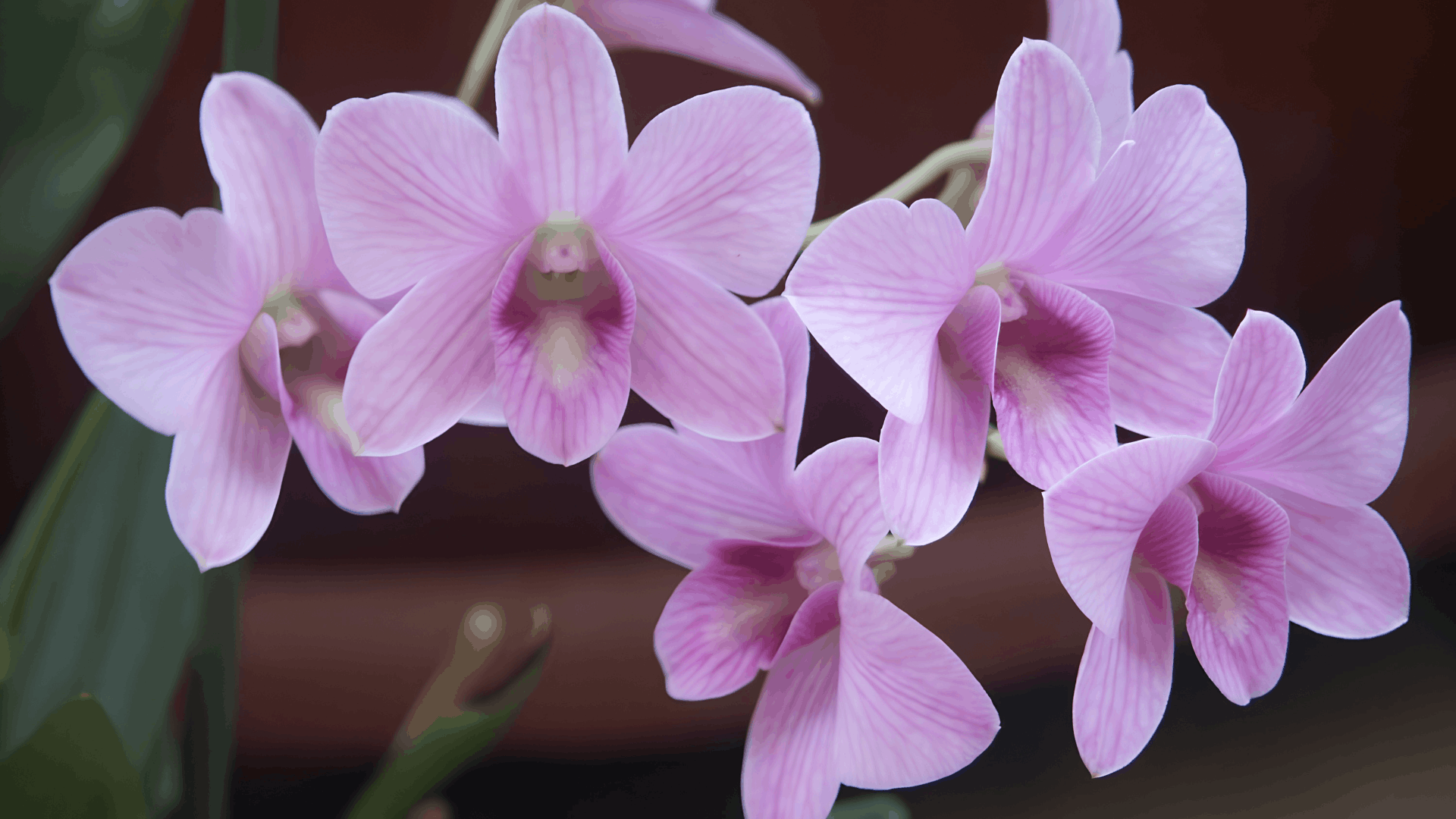
Dendrobium orchids include more than a thousand species native to Asia and the South Pacific, making them one of the largest orchid groups.
Their flowers usually grow along tall, upright canes and may appear in clusters. White, purple, pink, yellow, and green are common bloom colors.
Wide varieties need a short resting period with less water and cooler nights after flowering before producing new blooms.
They grow well indoors when given bright light, careful watering, and a spot near a window that stays consistently bright through the day.
4. Cymbidium Orchid
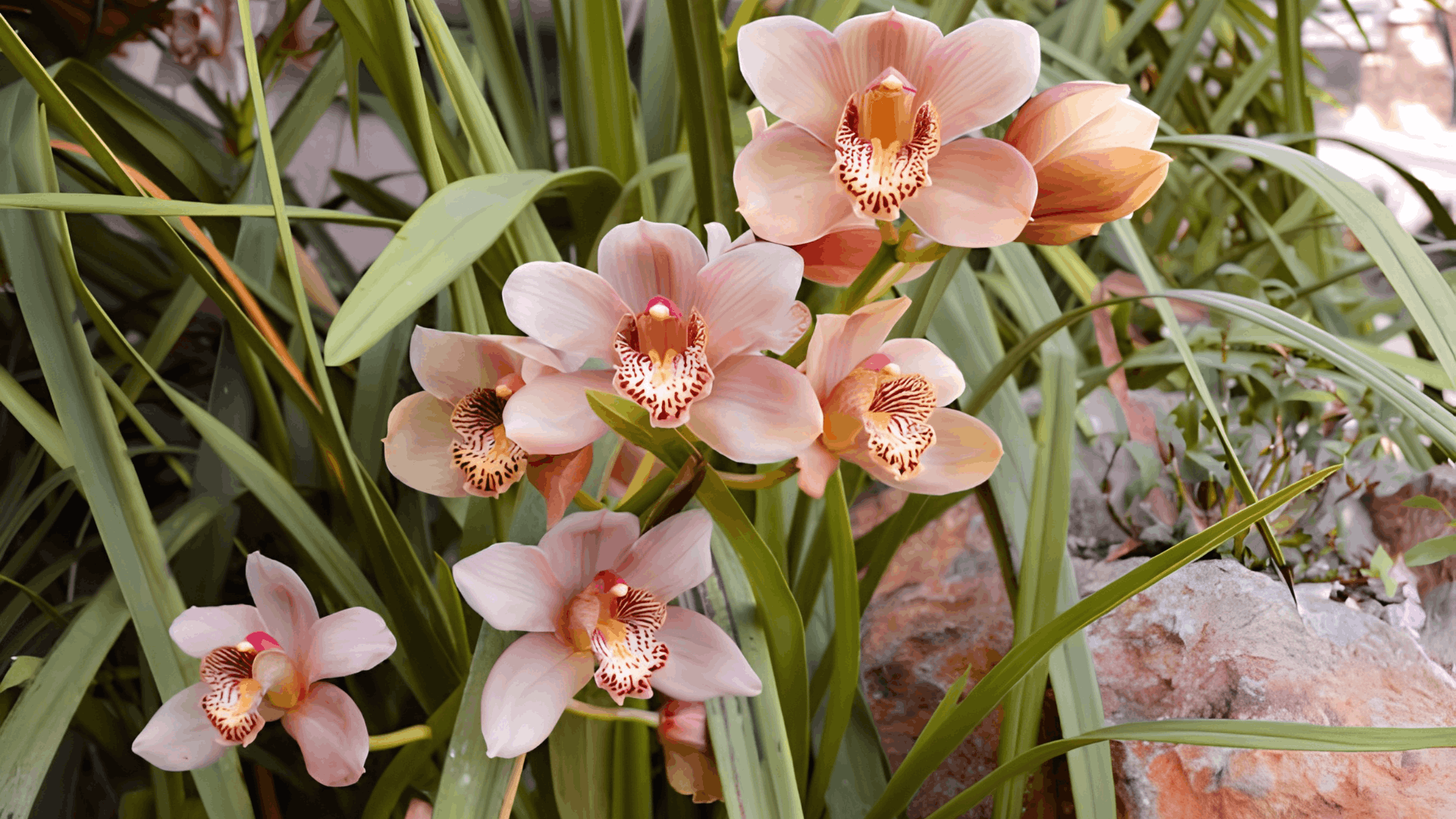
Cymbidium orchids, sometimes called boat orchids, produce tall flower spikes that carry many blooms at once.
Their flowers last for several weeks, making them popular in gardens and floral arrangements. These orchids grow best in bright light and cooler temperatures than many tropical orchids, generally in the 50-70°F range.
They bloom during late winter or early spring in many regions.
Their strong flower stems and wide color range make them a favorite among collectors and home gardeners alike.
5. Oncidium Orchid (Dancing Lady Orchid)
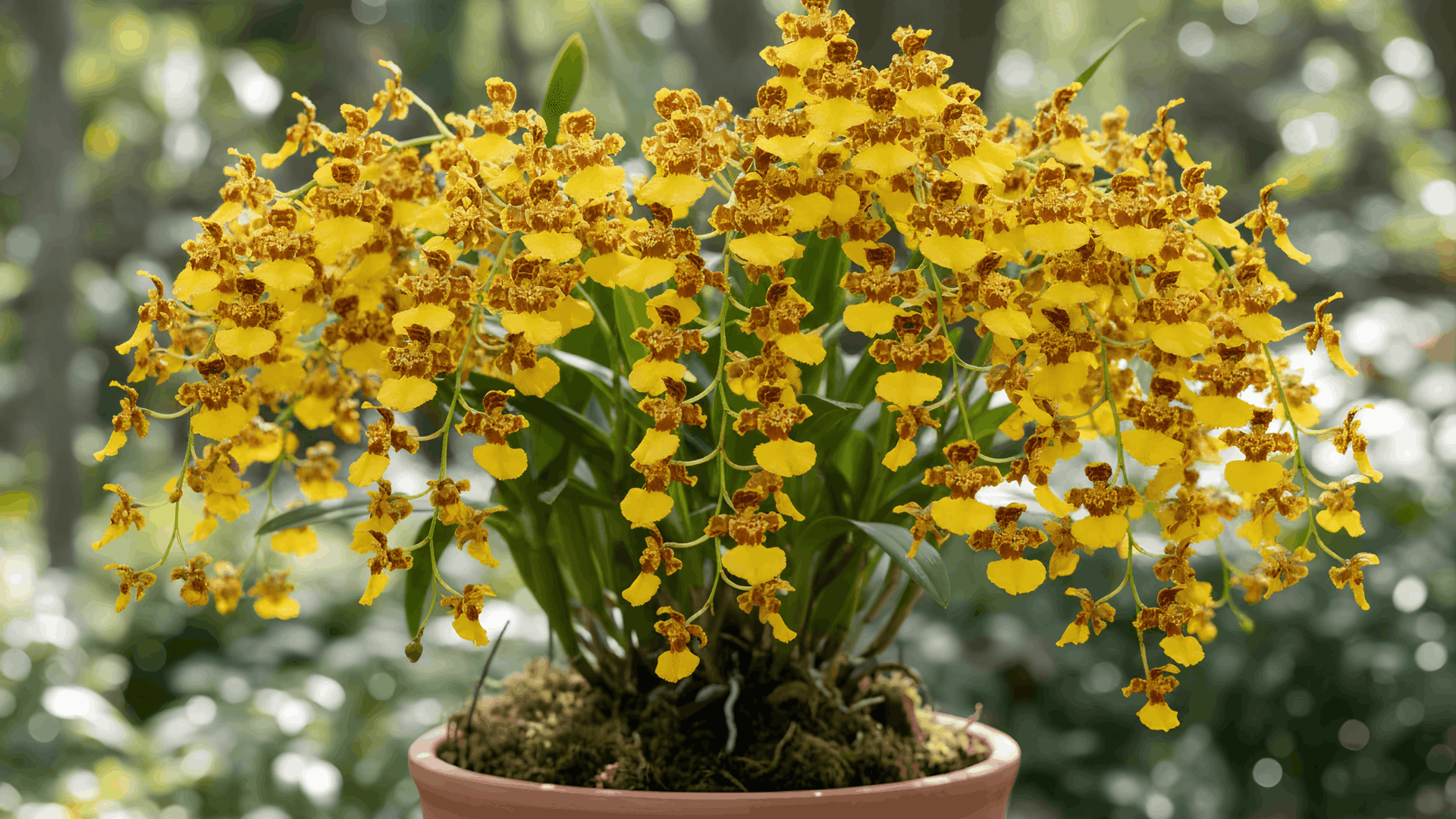
Oncidium orchids are often called dancing lady orchids because their small flowers resemble tiny dancers.
One flower spike can hold dozens of blooms, creating a colorful display. Yellow is the most common flower color, although red, brown, and white varieties are also available.
These orchids enjoy bright, filtered light and moderate humidity.
They bloom regularly when given steady care and enough light throughout the year.
6. Paphiopedilum Orchid (Lady Slipper Orchid)
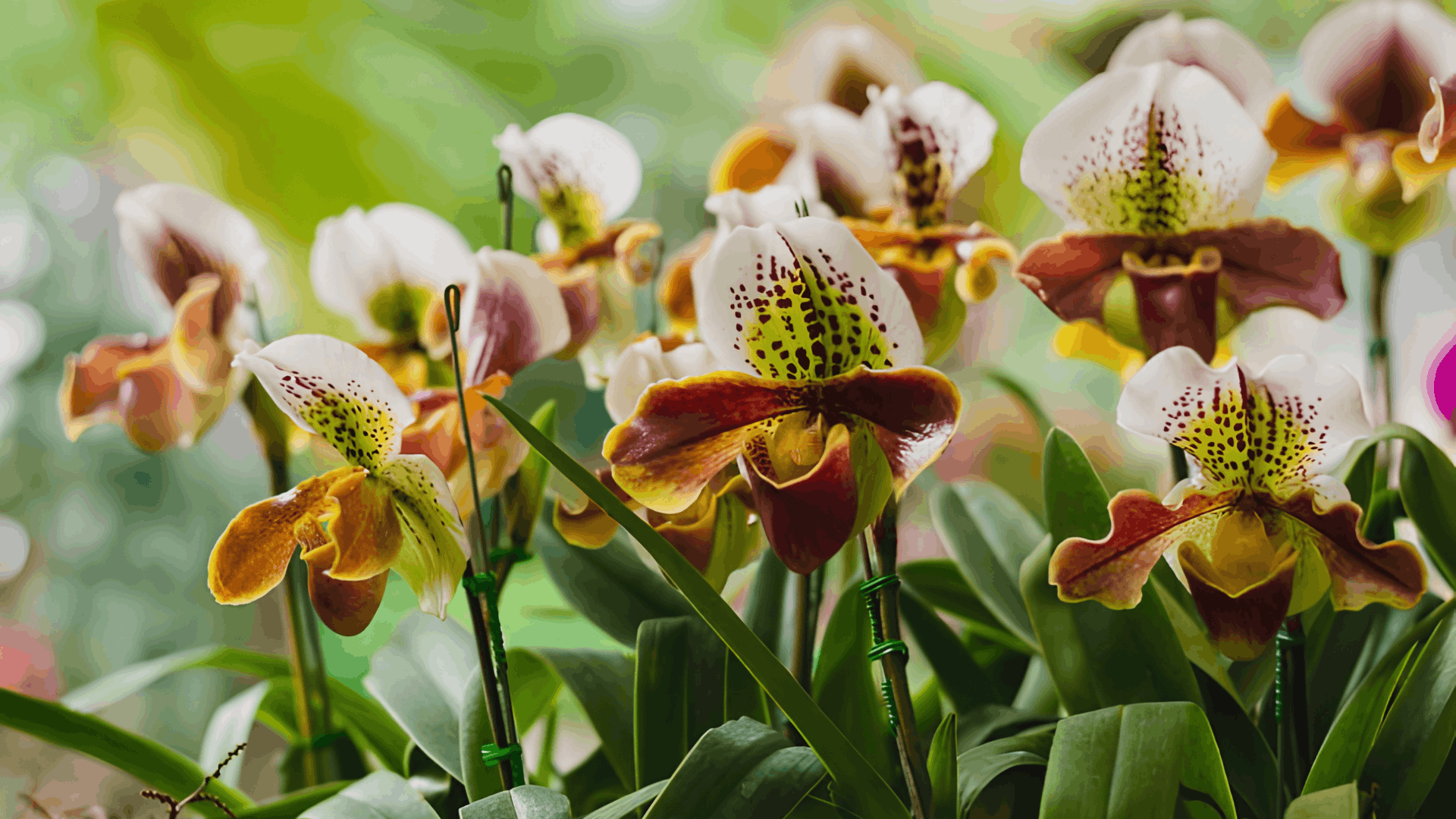
Paphiopedilum orchids are easy to recognize because of their pouch-shaped flowers, which resemble slippers.
Their leaves are often mottled, adding interest even when the plant is not blooming.
Flower colors include green, burgundy, pink, white, and yellow. These orchids prefer lower light than many other types, making them suitable for indoor growing.
They also like evenly moist growing media instead of drying out completely.
7. Vanda Orchid
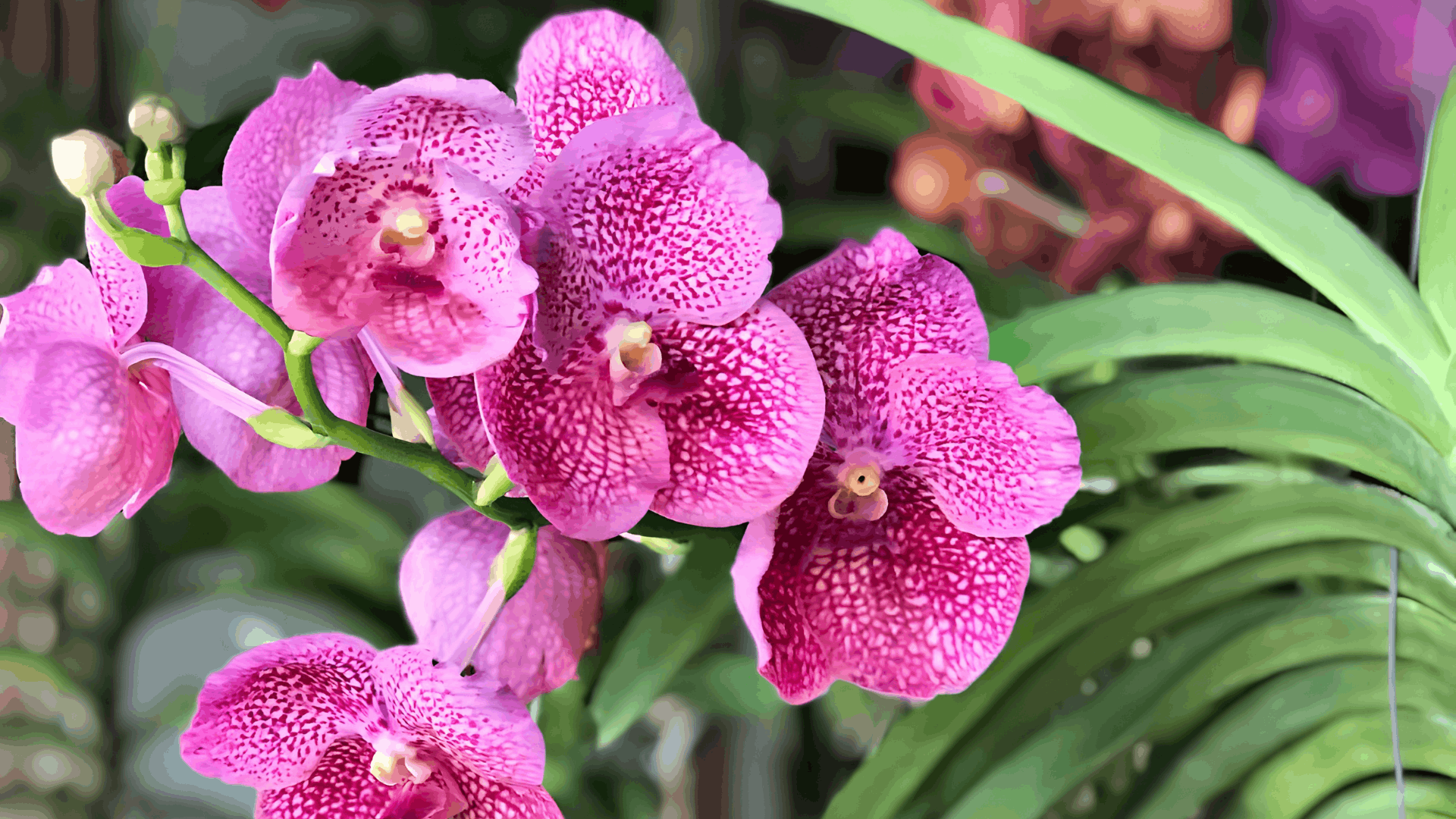
Vanda orchids produce large, colorful flowers with bold patterns and rich colors. Blue, purple, orange, and pink blooms are especially popular.
Many Vanda orchids grow with exposed roots rather than in a traditional potting mix, which makes them look different from most orchids.
They need bright light, warm temperatures, and regular watering to stay healthy.
Because of these growing needs, they are usually better suited for experienced orchid growers.
8. Miltoniopsis Orchid (Pansy Orchid)
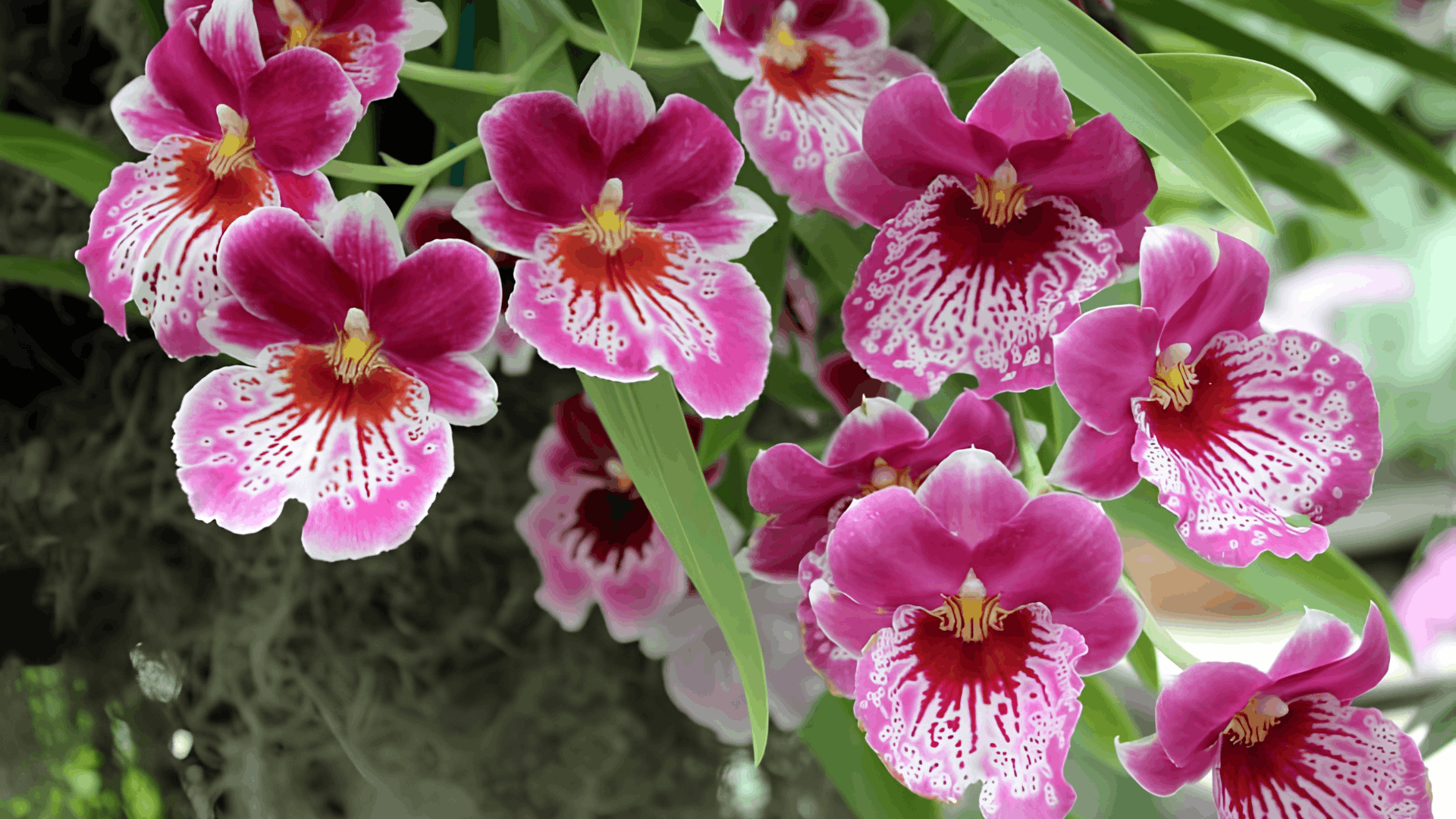
Miltoniopsis orchids are often called pansy orchids because their flowers resemble garden pansies.
The blooms are usually large, flat, and lightly scented, appearing in shades of pink, purple, white, and red. These orchids enjoy cool temperatures and consistent moisture.
Dry air or excessive heat can affect flowering.
Their colorful blooms and pleasant fragrance make them a popular choice for indoor collections in cooler conditions.
9. Brassia Orchid (Spider Orchid)
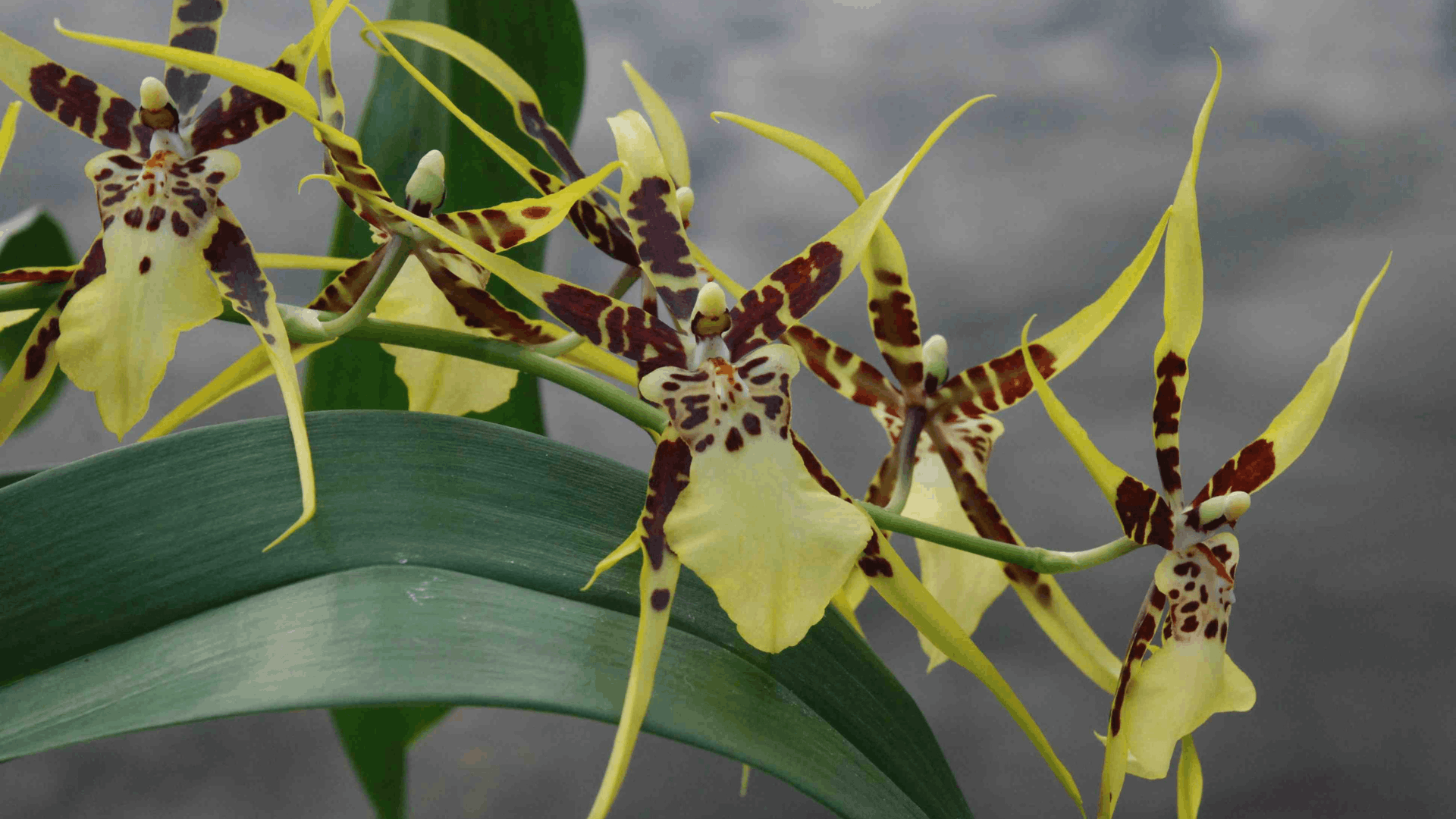
Brassia orchids are known for their long, narrow petals that give each flower a spider-like appearance.
Their unusual shape makes them easy to identify among other orchid varieties. Flowers are commonly green, yellow, or brown with dark markings.
They prefer bright, indirect light and moderate humidity.
Healthy plants often produce several flowers on each spike, creating an attractive display during the blooming season.
10. Epidendrum Orchid
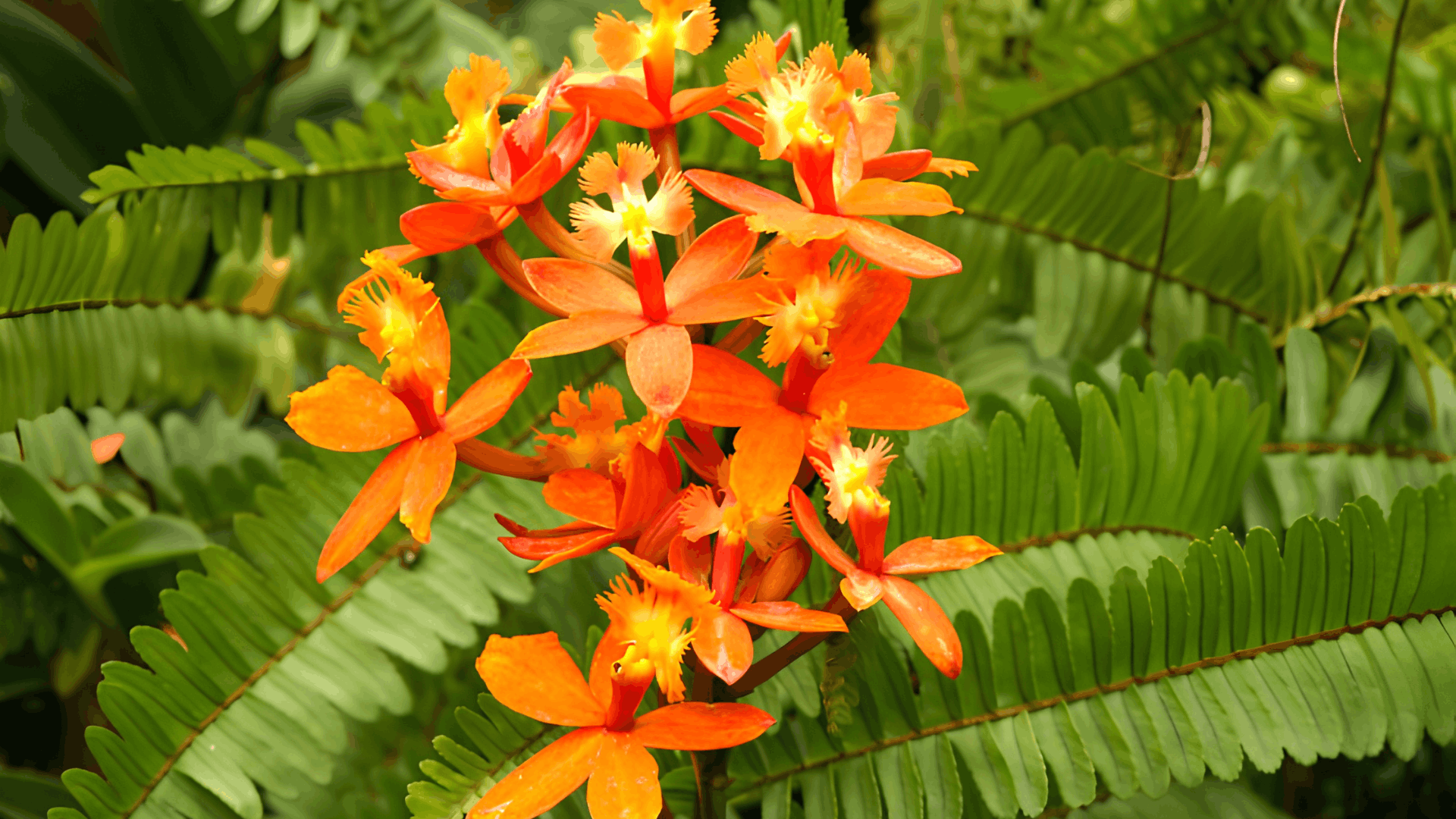
Epidendrum orchids are reliable bloomers that often produce clusters of small flowers throughout the year. Orange, red, pink, yellow, and purple are common flower colors.
Wide varieties grow upright with reed-like stems that continue producing new growth. These orchids tolerate a range of growing conditions and can be grown indoors or outdoors in warm climates.
Their frequent flowering makes them popular with gardeners looking for steady color.
11. Ludisia Orchid (Jewel Orchid)
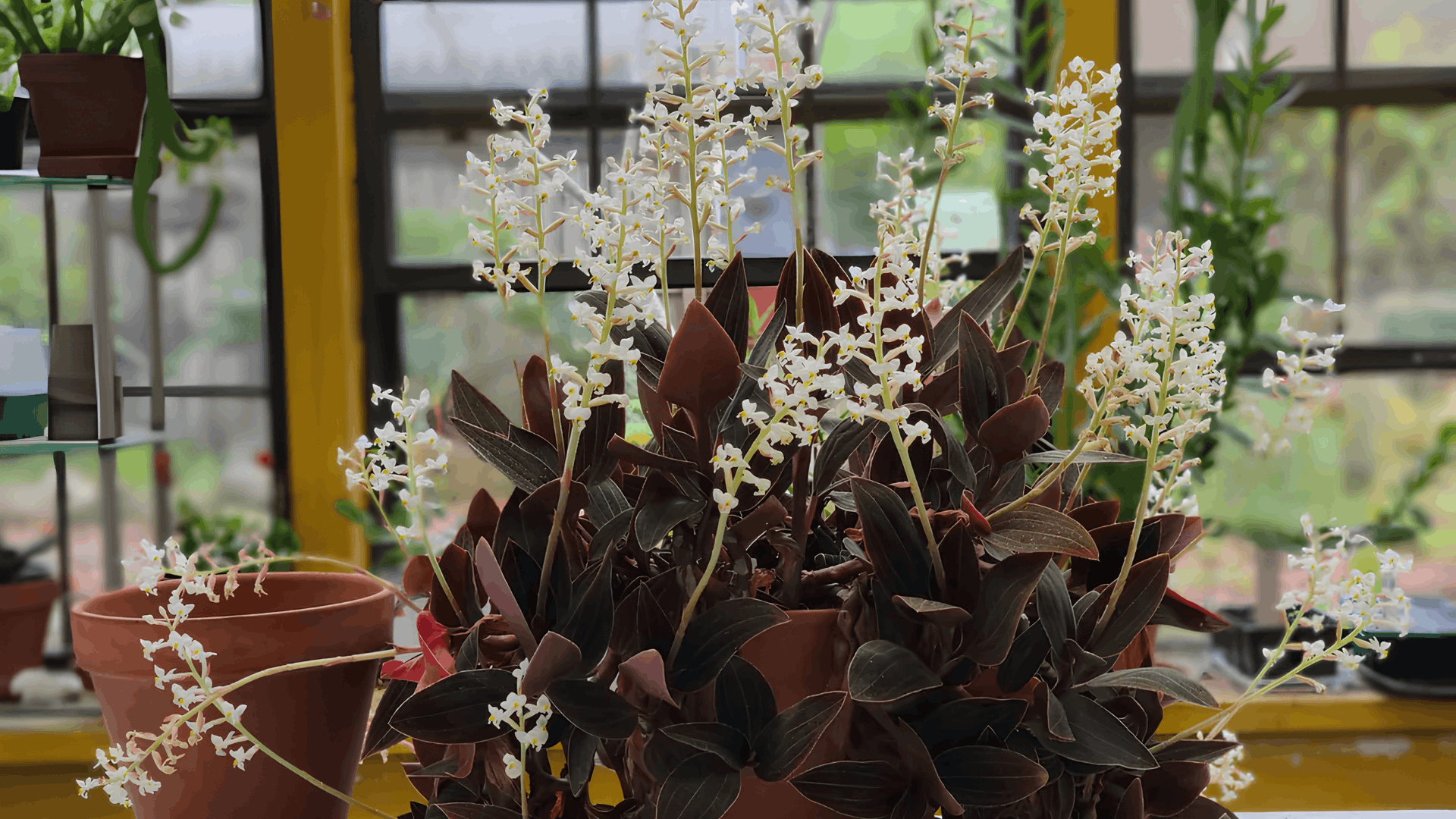
Unlike many orchids, the Jewel Orchid is mainly grown for its attractive leaves rather than its flowers.
Its dark green foliage has bright, velvety veins that stand out indoors. Small white flowers appear on upright stems during the cooler months.
This orchid grows well in lower light and prefers evenly moist soil.
It is an excellent choice for people who enjoy decorative foliage as much as seasonal blooms.
12. Masdevallia Orchid
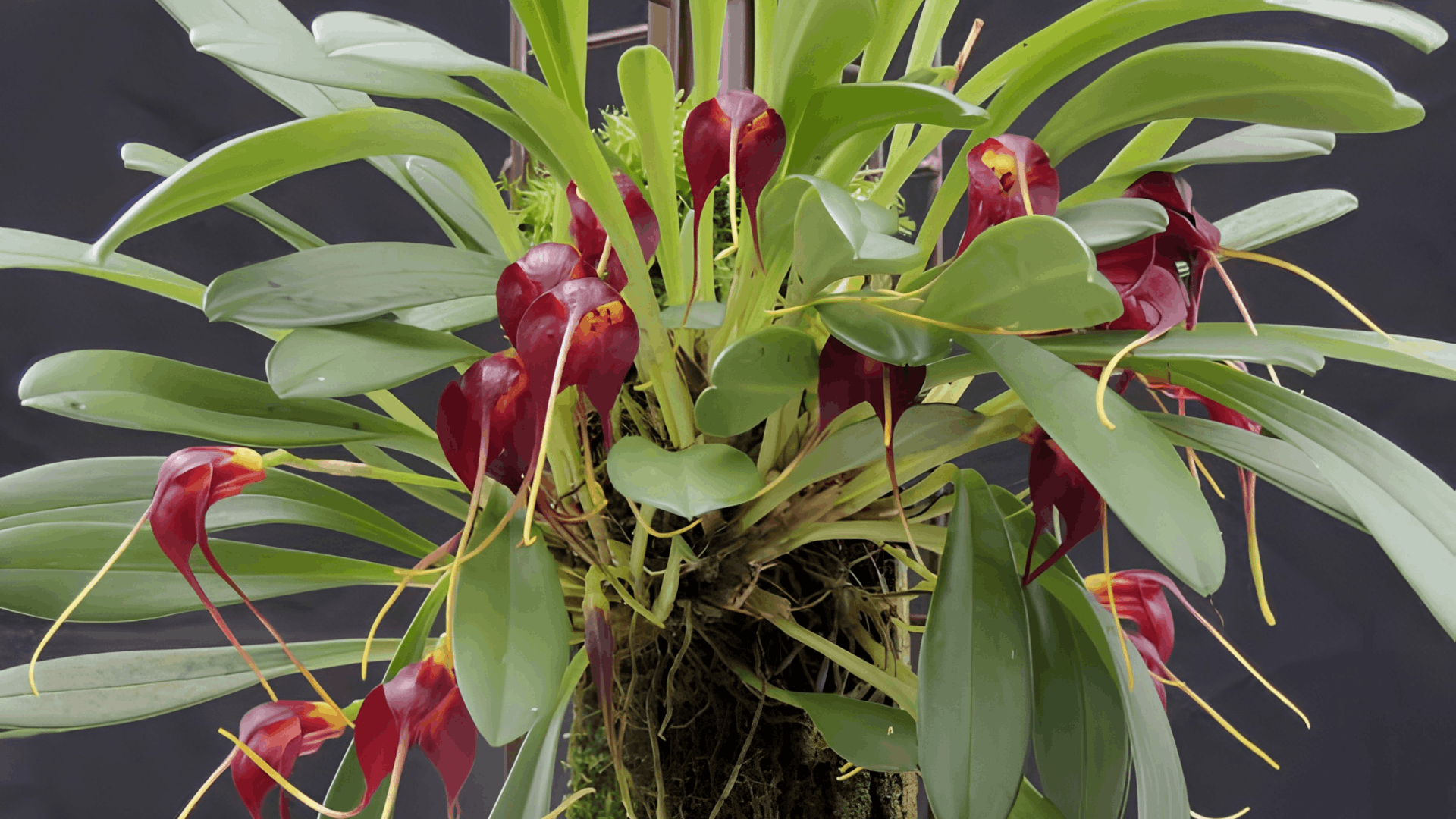
Masdevallia orchids produce small, triangular flowers with long, pointed tips that create a unique appearance. Many flowers are brightly colored in shades of orange, red, yellow, and purple.
These orchids naturally grow in cool mountain regions and prefer lower temperatures with high humidity.
They can be more demanding than beginner orchids, but their unusual flowers make them popular among collectors looking for something different.
13. Brassavola Orchid
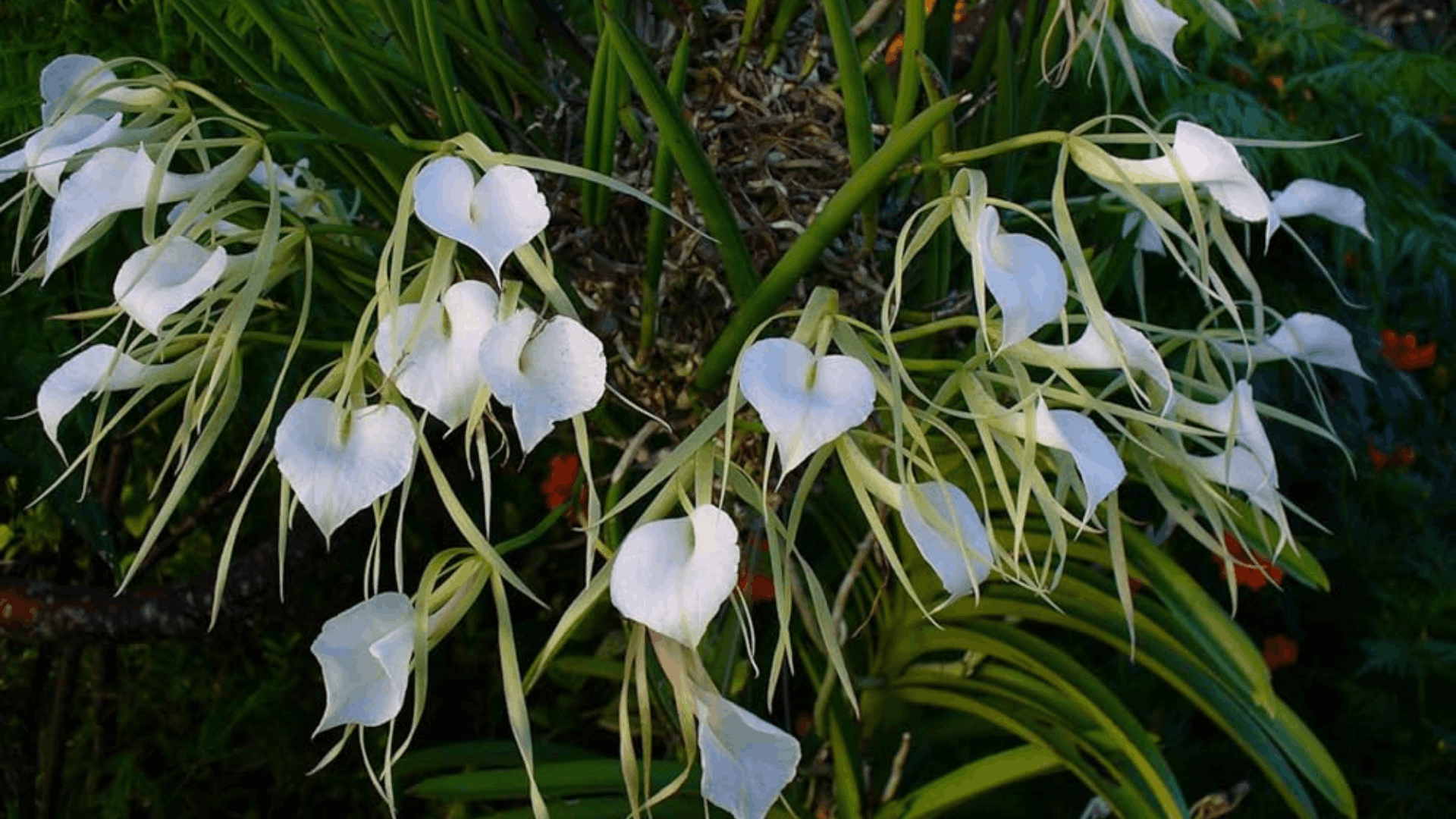
Brassavola orchids have narrow leaves and star-shaped white or greenish flowers that release a pleasant fragrance after sunset.
Because of this evening scent, they are sometimes called Lady of the Night orchids.
These orchids enjoy bright light and good air movement.
They are fairly easy to grow once established and often bloom more than once each year under suitable indoor or greenhouse conditions.
14. Zygopetalum Orchid
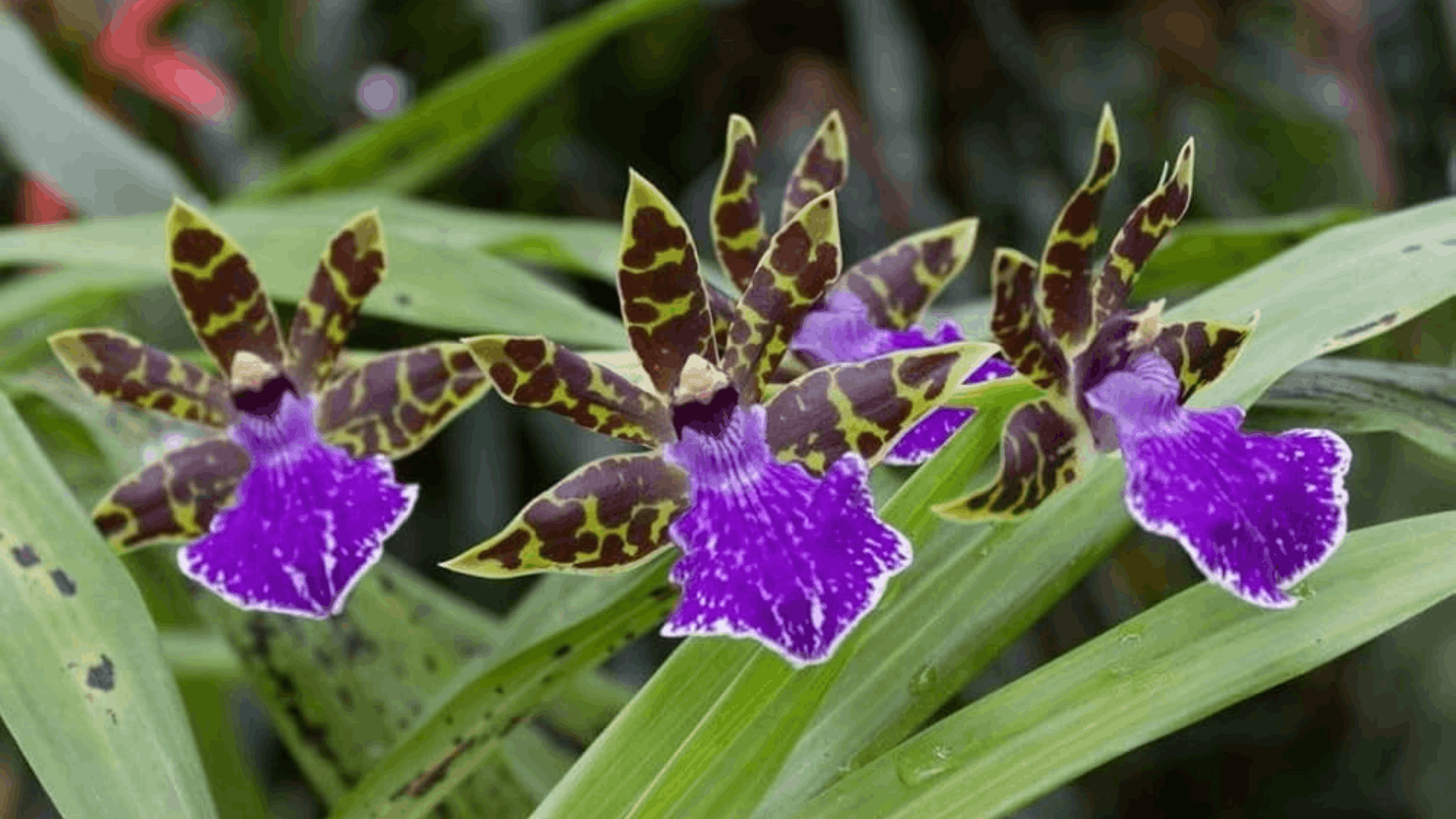
Zygopetalum orchids are valued for their fragrant flowers and striking color combinations. Blooms often mix green, purple, burgundy, white, and blue tones with bold markings.
These orchids prefer cooler temperatures and moderate light. Their flowers last several weeks and often fill a room with a pleasant scent.
They are a good option for growers who want colorful blooms and a noticeable fragrance.
15. Encyclia Orchid
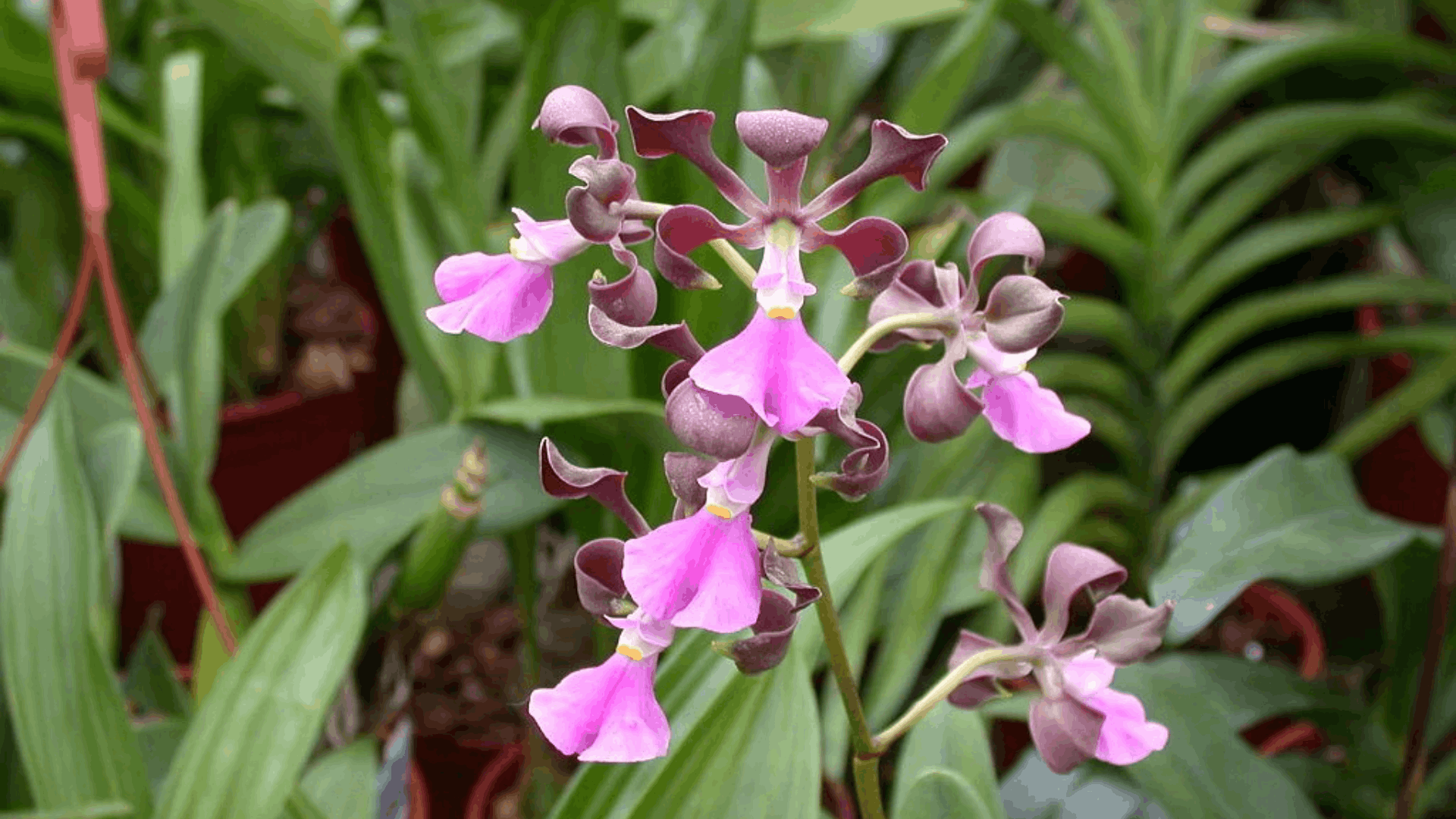
Encyclia orchids produce star-shaped flowers with narrow petals and a broad lip that resembles an octopus.
The blooms often appear in shades of green, brown, purple, or cream and may carry a light fragrance. These orchids enjoy bright light and good air circulation.
They store water in thick pseudobulbs, allowing them to handle short dry periods.
Their graceful flower spikes make them a distinctive addition to any orchid collection.
How to Identify Orchid Types?
Knowing a few basic features can help you tell one orchid from another. Look closely at the flowers, leaves, and growth pattern before trying to match the plant with a specific orchid name.
- Check the Flower Shape: Flower shape is one of the easiest ways to identify orchids. Slipper-shaped, star-shaped, or rounded blooms often point to different orchid groups.
- Look at the Flower Size: Some orchids produce a single large flower, while others bear dozens of small blooms on a single stem. This difference can help narrow down the variety.
- Notice the Leaf Pattern: Leaves may be broad or narrow, plain green, or marked. Leaf shape and color often stay the same even when the plant is not flowering.
- Observe the Growth Habit: Some orchids grow upright with tall canes, while others spread from thick pseudobulbs or produce long aerial roots. The way a plant grows is a useful clue.
- Count the Flowers Per Spike: A flower spike may hold one bloom or many. Large flower clusters are common in some orchid types, while others produce only a few flowers.
- Check Bloom Colors and Patterns: Spots, stripes, and color combinations can help identify an orchid. Even within the same group, flower markings often vary from one variety to another.
Indoor Orchid Types to Grow
Many orchids grow well indoors when they receive the right amount of light, water, and humidity.
| Orchid Type | Light Needs | Care Level | Why It Grows Well Indoors |
|---|---|---|---|
| Phalaenopsis (Moth Orchid) | Bright, indirect light | Easy | Adapts well to indoor conditions and blooms for several months. |
| Paphiopedilum (Lady Slipper Orchid) | Low to medium indirect light | Easy | Handles lower light and stays compact, making it ideal for homes. |
| Dendrobium | Bright, indirect light | Moderate | Produces colorful flowers and grows well near bright windows. |
| Oncidium (Dancing Lady Orchid) | Bright, filtered light | Moderate | Rewards regular care with sprays of long-lasting blooms. |
| Miltoniopsis (Pansy Orchid) | Medium, indirect light | Moderate | Fits cool indoor rooms and produces large, colorful flowers. |
| Cattleya | Bright light | Moderate | Offers large, fragrant blooms when placed in a sunny indoor location. |
| Jewel Orchid (Ludisia) | Low to medium light | Easy | Grown mainly for its decorative foliage, it performs well in lower light. |
Common Orchid Growing Mistakes
Even healthy orchids can struggle when their basic growing needs are overlooked. Avoiding these common mistakes helps keep your plant healthy and flowering more consistently.
- Watering Too Often: Orchid roots can rot if they stay wet for long periods. Water only when the growing medium begins to dry, rather than following a fixed schedule.
- Using Regular Potting Soil: Standard garden soil holds too much moisture for orchids. Use a bark-based orchid mix that allows air to reach the roots.
- Placing Orchids in Direct Sun: Strong afternoon sunlight can scorch leaves and flowers. Most indoor orchids grow better in bright, indirect light near a window.
- Skipping Regular Feeding: Orchids need nutrients during active growth to produce healthy leaves and blooms. Feed them with an orchid fertilizer at the recommended strength.
- Leaving Dead Flower Spikes Untouched: Old flower spikes can drain the plant’s energy after the blooms fade. Trim them correctly to encourage healthy new growth when appropriate.
- Choosing the Wrong Pot Size: A pot that is too large holds extra moisture around the roots. Select a container that fits the root system without leaving too much empty space.
Which Orchid Type Is Right for You?
Choosing the right orchid depends on your light, room temperature, and care routine. For beginners, Phalaenopsis is usually the safest choice because it grows well indoors and blooms for months.
If your home has lower light, Paphiopedilum can be a better fit. For bright rooms, Cattleya and Oncidium offer colorful flowers and a stronger visual impact.
If you prefer decorative leaves over large blooms, Ludisia is a good option.
Vanda orchids need more light, humidity, and frequent watering, so they suit experienced growers better.
Before buying, check the plant’s roots, leaves, and care needs so the orchid fits your home and isn’t difficult to maintain.
Tips for Growing Healthy Orchids
Good care starts with matching your orchid’s growing conditions to its natural needs. These simple tips can help your plant stay healthy and produce flowers year after year.
- Provide the Right Light: Place orchids in bright, indirect sunlight. Too much direct sun can burn the leaves, while too little light may reduce flowering.
- Water Only When Needed: Let the potting mix dry slightly before watering again. Check the roots or growing medium instead of watering on a fixed schedule.
- Use an Orchid Potting Mix: Grow orchids in bark, moss, or another orchid mix rather than regular potting soil. This allows air to reach the roots and helps prevent excess moisture.
- Maintain Good Air Circulation: Fresh air around the plant helps keep the leaves and roots in better condition. Avoid placing orchids in crowded spaces with poor airflow.
- Feed During Active Growth: Apply a balanced orchid fertilizer every few weeks during the growing season. Follow the label directions and avoid using more than the recommended amount.
- Repot When the Mix Breaks Down: Replace the potting mix every 1 to 2 years, or when it begins to break down. Fresh growing media give the roots the space and airflow they need.
Conclusion
Knowing orchid names and groups makes choosing from their many shapes, sizes, and growing styles easier.
I hope this blog post has helped you understand how orchids are classified, recognize some of the most popular varieties, and identify the features that make each one different.
Whether you’re buying your first orchid or adding another plant to your collection, knowing what to look for can help you make a better choice.
Take your time, compare the different varieties, and pick one that matches your home and care routine.
With the right choice and regular care, you can enjoy healthy orchids and beautiful blooms for years. Have a favorite orchid type or care tip? Share it in the comment section below
Frequently Asked Questions
What Is the Queen of All Orchids?
The Cattleya orchid is often called the Queen of Orchids because of its large, colorful, fragrant flowers. It has long been a favorite for corsages, displays, and home collections.
Which Orchid Is Lucky?
The Phalaenopsis orchid is widely considered a lucky orchid in many cultures. It is associated with good fortune, happiness, abundance, and lasting relationships, making it a popular gift for homes and special occasions.
What Is the Rarest Color Orchid?
Naturally blue orchids are considered the rarest. Most bright blue orchids sold in stores are white Phalaenopsis orchids dyed blue, as true blue flowers are uncommon in nature.