

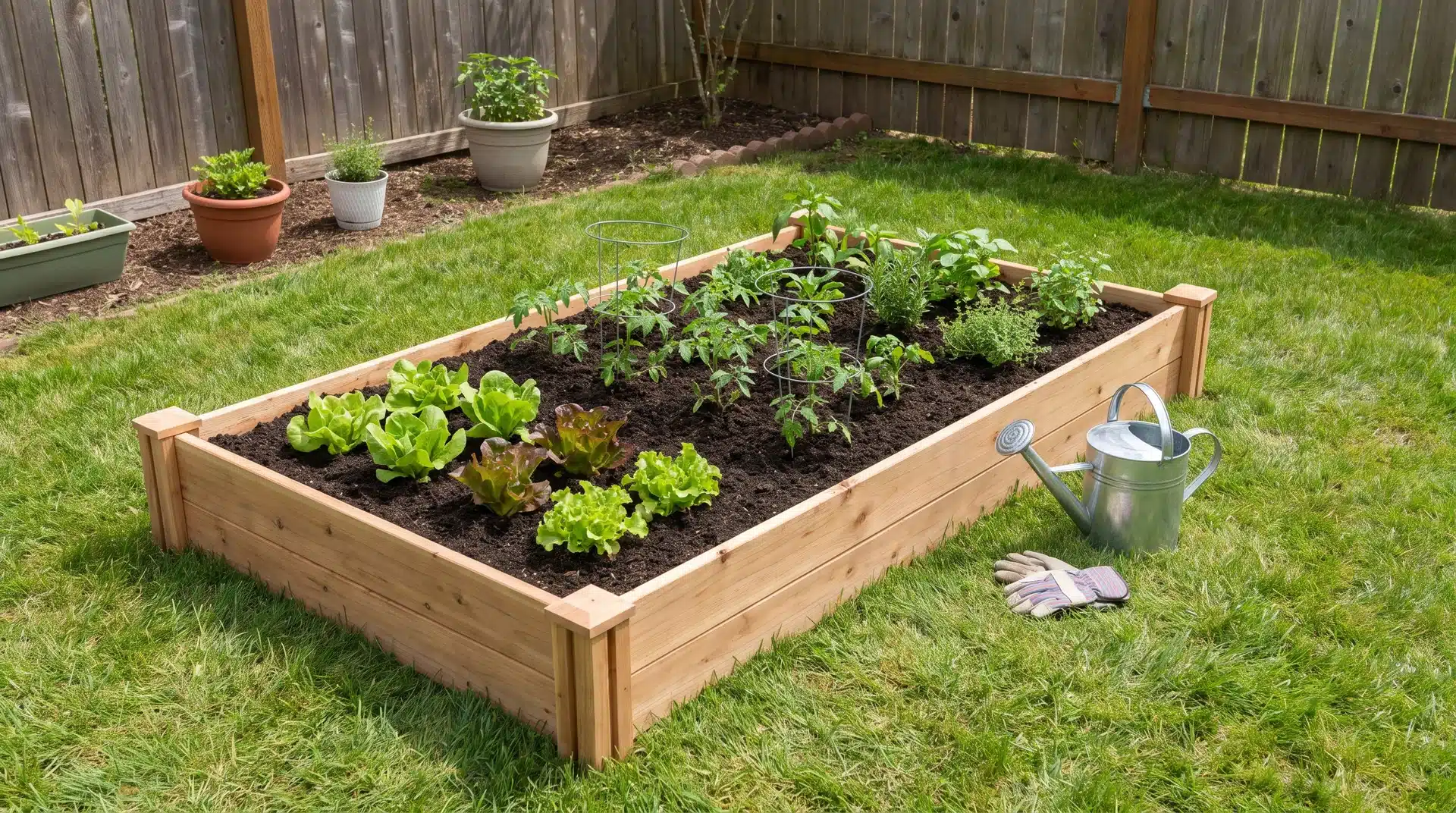
| Best Garden Type to Start | Raised bed (4×4 or 4×8) or 3 to 5 containers |
| USDA Zone Range | Most beginner vegetables and herbs thrive in Zones 3 to 10, with exact timing set by your local zone |
| Sunlight | 6 to 8 hours of direct sun for most vegetables |
| Water Needs | About 1 to 1.5 inches per week, delivered consistently rather than all at once |
| Best Starting Season | Early spring, after your last frost date |
| Maintenance Level | Low once the soil and plant choices are right |
Gardening for beginners comes down to matching a few forgiving plants to the conditions your yard already offers, then building simple habits around watering, feeding, and weeding before you expand.
I have walked plenty of new gardeners through their first raised bed, and the ones who succeed almost always start smaller than they want to and pay closer attention to their soil than to the plant tags at the nursery.
A new garden struggles for a handful of predictable reasons: not enough sun, soil that has never seen compost, or a bed that is simply too large to keep up with. Once those three things are addressed, most beginner-friendly plants take care of themselves with basic watering and the occasional feeding.
Understanding What Every Garden Actually Needs
Every gardening style, whether it is a vegetable plot, a cutting flower bed, a row of containers on a patio, or a windowsill of herbs, depends on the same five things: adequate sunlight, living soil, consistent moisture, healthy starting plants or seeds, and a repeatable care routine. Skipping any one of these is where most first gardens run into trouble.
Vegetable gardening rewards you the fastest with something to eat. Flower beds bring in pollinators and color through the growing season.
A few pots on a patio solve the problem of limited space, and indoor herb gardens keep you growing something green all winter. None of these styles is harder than another; they just ask for the same basics applied a little differently.
Choosing a Location Your Plants Can Actually Use
Before you dig a single hole, walk your yard at a few different times of day and watch where the sun actually falls. Most vegetables and flowering annuals need 6 to 8 hours of direct light, and a spot that looks sunny at noon can sit in shade all morning or evening.
- Confirm the site gets 6 to 8 hours of direct sun for vegetables and most flowering herbs.
- Check that water drains within a few hours after a heavy rain; standing water signals compacted or clay-heavy soil.
- Keep the bed within reach of a hose or watering can. Distance is the number one reason new gardeners stop watering consistently.
- Stay clear of the root zone under large trees, which pull moisture and nutrients away from smaller plants.
- Look for airflow without constant strong wind, since stagnant air invites fungal disease and harsh wind can snap young stems.
Once the site is right, the size of the bed matters just as much as its location, which is where most new gardeners either set themselves up for success or take on more than they can manage.
Starting Small Is the Single Best Decision You Can Make
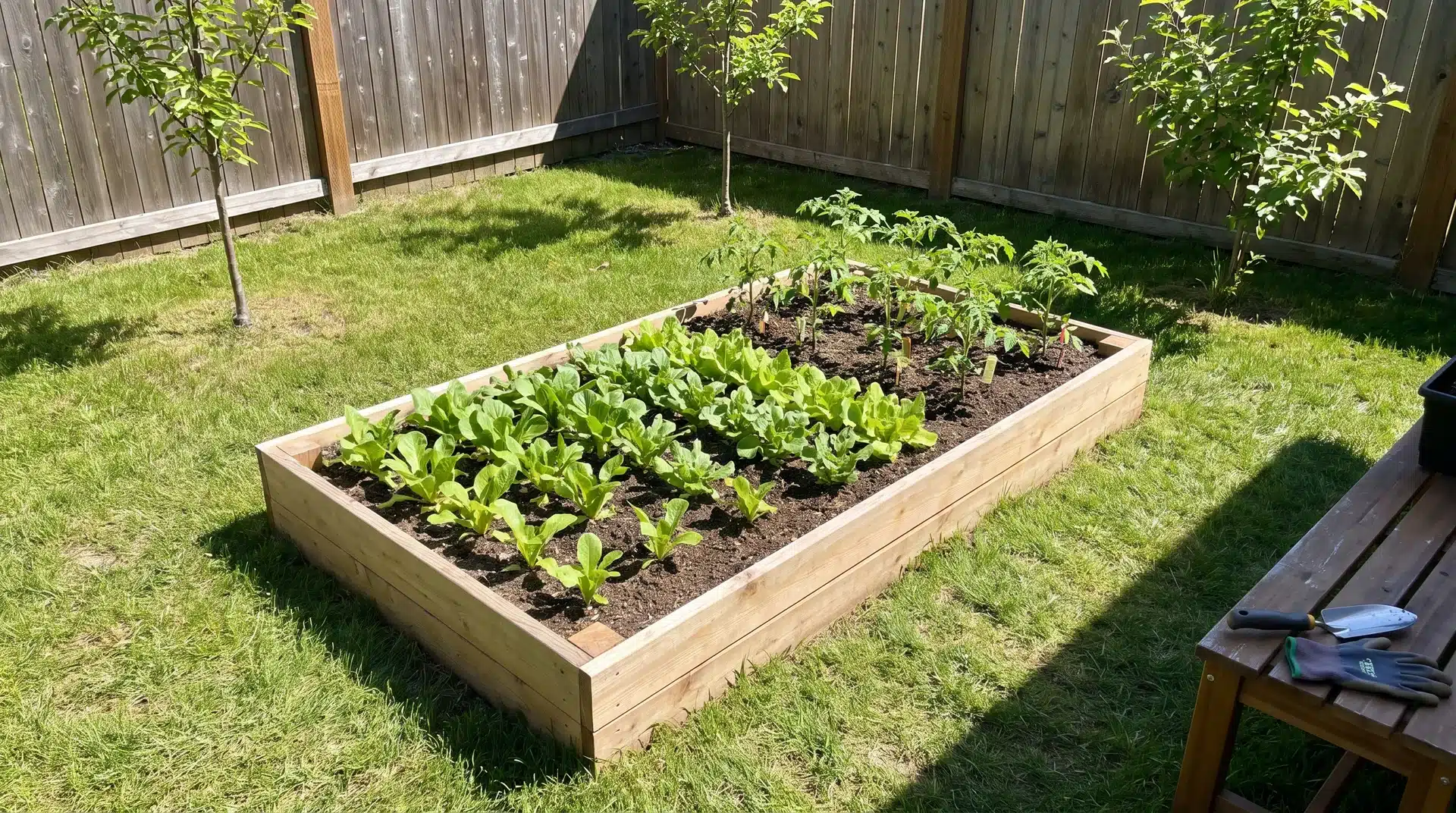
A 4×4 or 4×8 raised bed, a cluster of three to five containers, or a modest in-ground plot gives you enough room to grow real food and flowers without the weeding and watering becoming a second job.
I have seen far more new gardeners abandon a quarter-acre plot than a single raised bed, simply because the smaller space stays manageable through a full season.
A compact garden also teaches you faster. With fewer plants competing for your attention, you start noticing which ones wilt by afternoon, which need feeding, and which pests show up first. That knowledge is worth more than any amount of square footage in your first year.
| Tip: Build your first bed at two-thirds the size you think you want. You can always add a second bed next season once you know how much time your garden actually takes, but it is much harder to shrink an oversized plot mid-summer. |
Preparing Soil That Actually Supports Root Growth
Healthy soil is the difference between a plant that struggles all season and one that barely needs your attention. Before planting, squeeze a handful of moist soil; loamy soil that holds its shape loosely and crumbles apart is ideal, while soil that stays in a tight, sticky ball usually needs an amended garden mix worked in.
1. Test Drainage and pH Before You Plant
Pour a bucket of water into the planting area and time how long it takes to drain. Water sitting for more than a few hours points to compacted soil that will need loosening and amending. A basic soil test kit, available at most garden centers, will also tell you your pH, and most vegetables prefer a range of 6.0 to 7.0.
2. Add Compost and Organic Matter
Mix compost, aged manure, or other organic matter into the soil before planting. Compost improves soil structure, making it easier for roots to spread while increasing nutrient availability.
It also boosts moisture retention in sandy soils and improves drainage in heavy clay soils. Regularly adding organic matter keeps your garden productive throughout the growing season.
3. Use Mulch to Protect Your Plants
Apply a 2–3 inch layer of organic mulch, such as straw, shredded leaves, or bark, around your plants after planting.
Mulch helps suppress weed growth, reduces water evaporation from the soil, and keeps root temperatures more stable during hot and cool weather. As organic mulch breaks down, it also contributes valuable nutrients to the soil.
Planting Depth and Spacing That Beginners Often Get Wrong
Seed packets list depth and spacing for a reason: plant too deep and seeds struggle to emerge; space plants too tightly and you invite fungal disease from poor airflow. As a general rule, plant seeds at a depth of about twice their width, and always check the specific spacing for each crop, whether you are direct-seeding radishes or starting tomato seedlings indoors ahead of the season.
| Crop | Planting Depth | Spacing |
|---|---|---|
| Lettuce | 1/4 inch | 6 to 8 inches |
| Radishes | 1/2 inch | 2 inches |
| Bush beans | 1 inch | 4 to 6 inches |
| Tomatoes (transplant) | Set at soil line, deeper if leggy | 24 to 36 inches |
| Marigolds | 1/4 inch | 8 to 10 inches |
Getting depth and spacing right at planting time prevents most of the crowding and disease problems that show up a few weeks later, which is exactly when a seasonal care routine starts to matter.
Choose Easy Plants for Your First Garden
Starting with beginner-friendly plants increases your chances of success because they are easier to grow, require less maintenance, and adapt well to a range of conditions.
Beginner-Friendly Vegetables
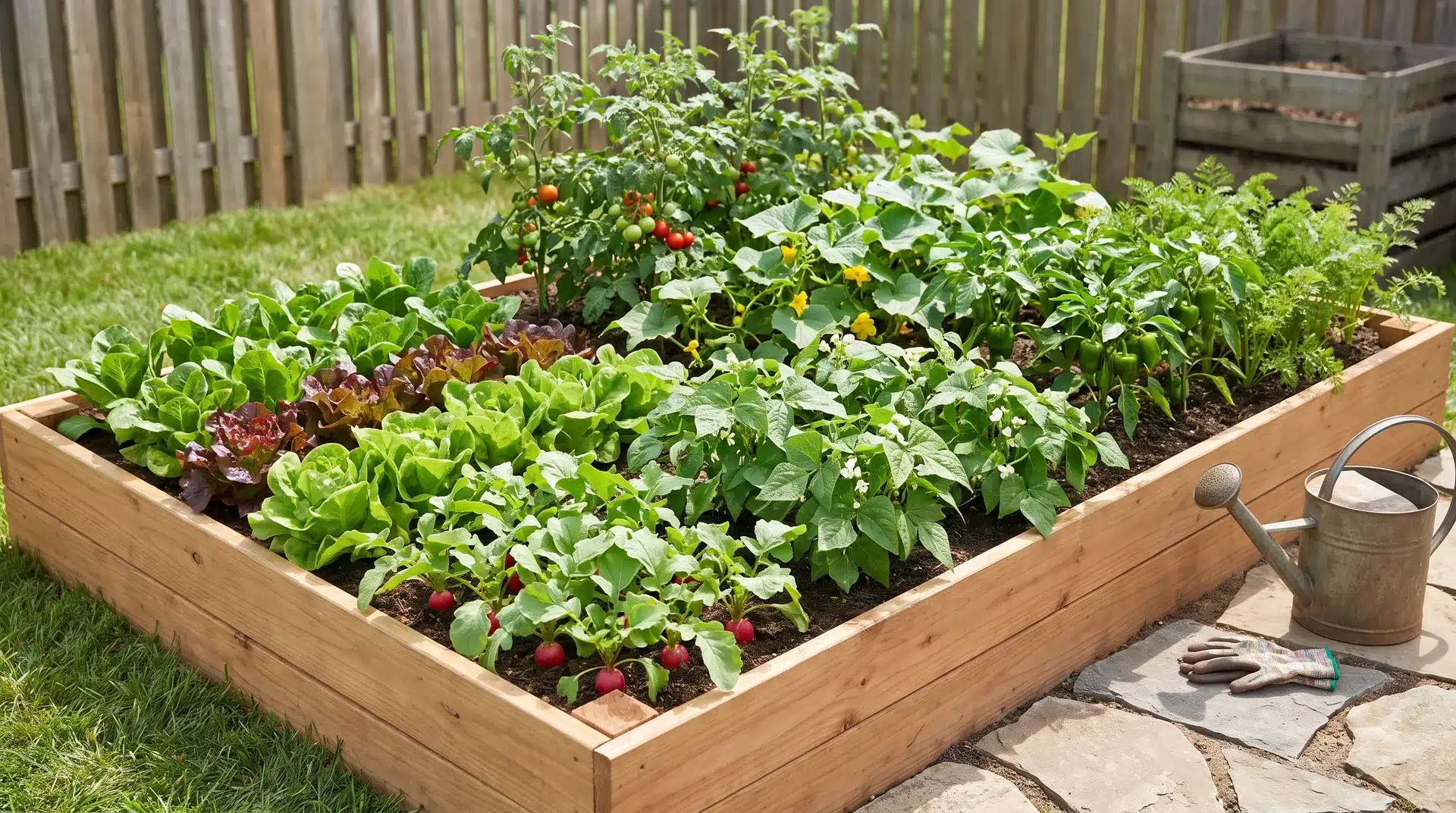
These vegetables grow reliably with basic care, making them excellent choices for first-time gardeners. Most produce a harvest within one growing season.
| Vegetable | Why It’s Great for Beginners |
|---|---|
| Lettuce | Fast-growing and easy to harvest multiple times. |
| Radishes | Ready in about 3–4 weeks and requires little maintenance. |
| Bush Beans | Productive plants that grow well in most garden soils. |
| Tomatoes | High-yield crop with proper sunlight and regular watering. |
| Cucumbers | Vigorous growers that produce plenty of fresh vegetables. |
| Peppers | Suitable for gardens and containers in warm weather. |
| Carrots | Simple root crop that grows well in loose, well-drained soil. |
These vegetables offer quick rewards, helping beginners gain gardening experience while producing fresh, homegrown food throughout the season.
Easy Herbs for New Gardeners
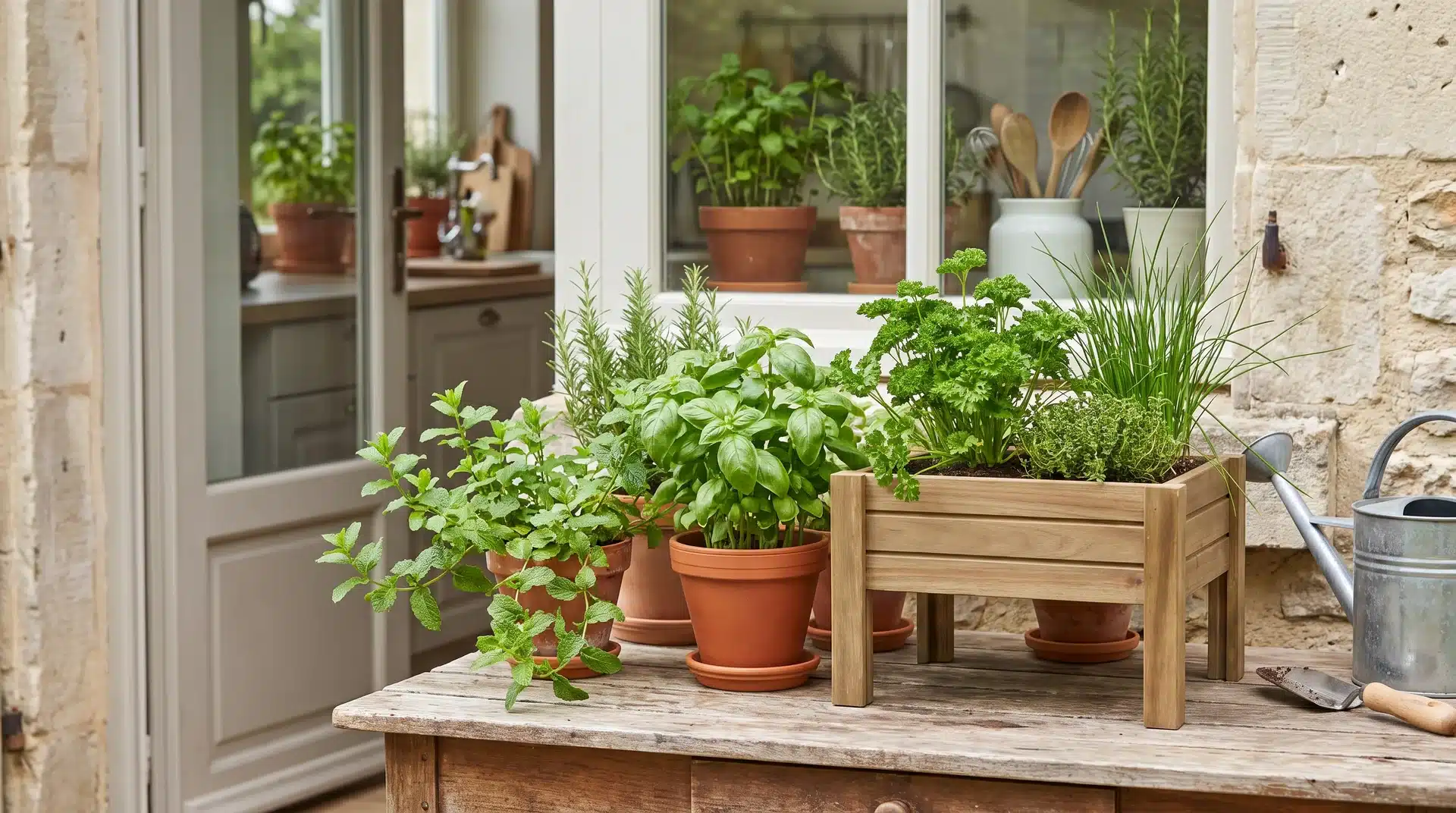
Herbs are compact, productive, and perfect for containers, raised beds, or small garden spaces. Many can be harvested repeatedly throughout the growing season.
| Herb | Why It’s Great for Beginners |
|---|---|
| Basil | Fast-growing herb ideal for warm weather. |
| Mint | Vigorous plant that grows easily in containers. |
| Parsley | Productive herb suitable for both gardens and pots. |
| Chives | Low-maintenance perennial with repeated harvests. |
Growing herbs is an excellent way to build gardening confidence while enjoying fresh ingredients for cooking with minimal effort.
Low-Maintenance Flowers for Beginners
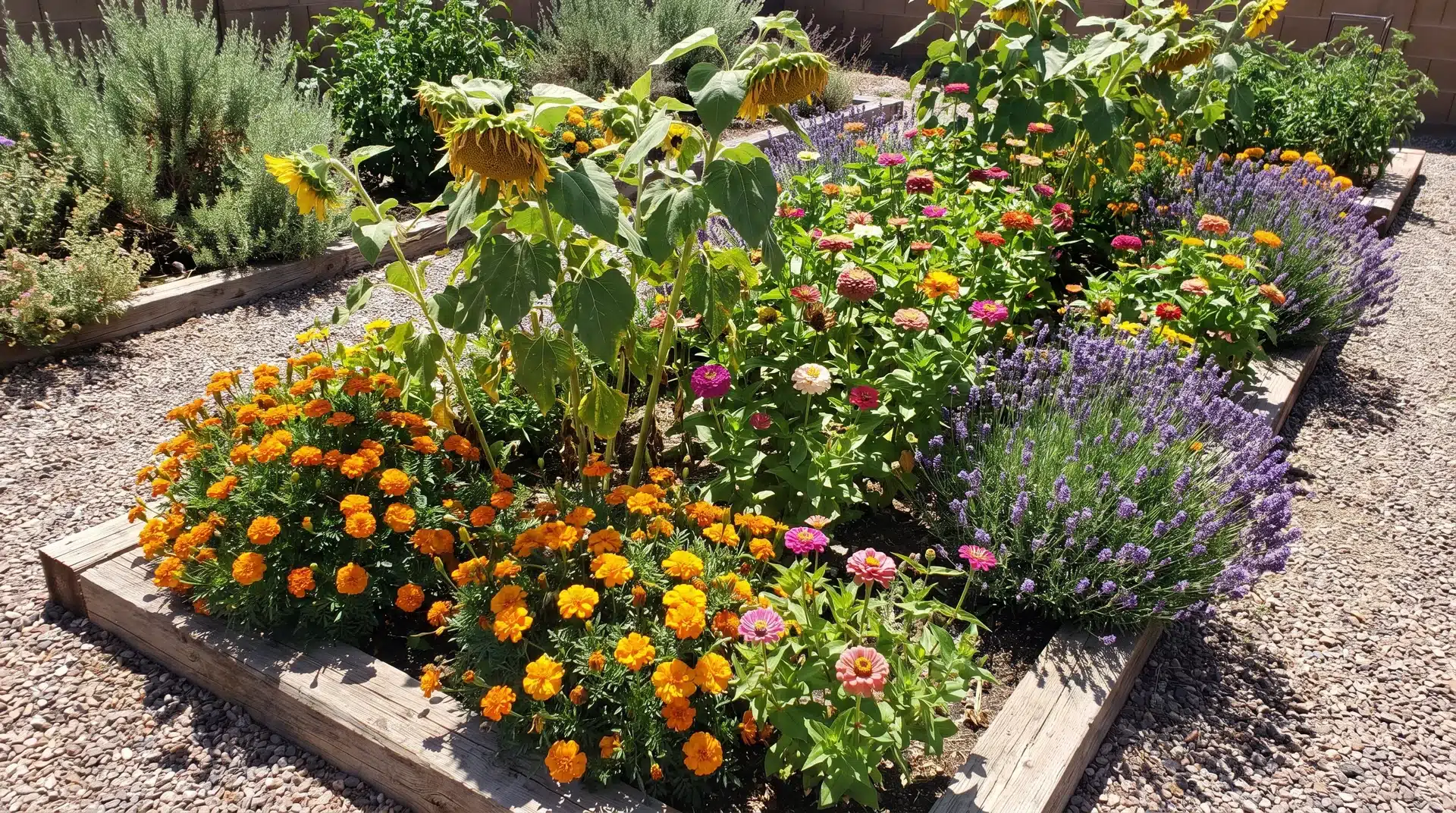
These flowers add color, attract beneficial pollinators, and require minimal care, making them ideal for gardeners with little experience.
| Flower | Why It’s Great for Beginners |
|---|---|
| Marigolds | Easy to grow and naturally attracts beneficial insects. |
| Sunflowers | Fast-growing plants with large, cheerful blooms. |
| Zinnias | Produce colorful flowers continuously throughout summer. |
| Lavender | Drought-tolerant once established and attracts pollinators. |
Adding easy-to-grow flowers creates a healthier, more attractive garden while supporting bees, butterflies, and other helpful pollinating insects.
Select the Right Gardening Method for Your Space
Choose a gardening method that fits your available space, budget, and maintenance level to grow healthy plants successfully from the start.
Growing Plants in a Backyard Garden
A backyard garden gives you flexibility to grow vegetables, flowers, herbs, and shrubs. You can plant directly in the ground if your soil is healthy or use raised beds for better drainage, easier maintenance, and improved soil control.
Leave enough space between plants for airflow, watering, and harvesting. This method is ideal if you have a yard with plenty of sunlight.
Starting a Container Garden
Container gardening is perfect for balconies, patios, decks, and small outdoor spaces. Choose sturdy pots with drainage holes to prevent root rot and use a high-quality potting mix instead of garden soil.
Herbs, tomatoes, peppers, lettuce, strawberries, and many flowers grow well in containers. Select container sizes based on the mature size of each plant and water more frequently than in-ground gardens.
Indoor Gardening for Small Spaces
Indoor gardening lets you grow fresh herbs and attractive houseplants throughout the year, even without outdoor space. Place plants near bright windows or use grow lights when natural sunlight is limited.
Herbs like basil, mint, parsley, and chives adapt well indoors with proper care. Use containers with drainage, avoid overwatering, and rotate plants regularly for even growth.
Essential Gardening Tools Every Beginner Needs
Having a few essential gardening tools makes planting, watering, pruning, and maintaining your garden easier while reducing effort and improving results.
- Hand trowel for digging small holes and transplanting seedlings.
- Garden gloves to protect your hands from thorns, dirt, and blisters.
- Water with a watering can or garden hose with a gentle spray nozzle.
- Hand pruners for trimming herbs, flowers, and small branches.
- Garden fork or hand cultivator to loosen and aerate soil.
- Spade or shovel for digging, edging, and moving soil.
- Rake to level the soil and clear leaves or garden debris.
- Wheelbarrow or garden bucket for transporting soil, compost, and plants.
- Measuring tape and plant labels to organize your garden accurately.
With these basic tools, you’ll handle everyday gardening tasks efficiently and build confidence without investing in expensive equipment.
Maintain Your Garden With Simple Care Routines
Consistent garden care keeps plants healthy, encourages steady growth, prevents common problems, and improves the quality and quantity of your harvest.
| Garden Care Task | Why It Matters |
|---|---|
| Remove Weeds | Prevents weeds from competing with plants for water, nutrients, and sunlight. |
| Water Consistently | Keeps soil evenly moist and supports healthy root development. |
| Feed Plants | Replenishes nutrients needed for strong growth, flowering, and fruit production. |
| Check for Pests | Identifies insects and diseases early before they spread. |
| Prune Dead Growth | Improves airflow and encourages healthy new growth. |
| Refresh Mulch | Conserves moisture, suppresses weeds, and regulates soil temperature. |
Following these simple care routines throughout the growing season helps your garden stay productive, healthy, and easier to maintain.
Common Gardening Mistakes Beginners Should Avoid
New gardeners often make small mistakes that affect plant health and growth. Avoiding these common issues can make garden care easier and improve results.
- Planting too much too soon: Starting with too many plants can make watering, pruning, and maintenance harder to manage.
- Choosing plants unsuitable for the climate: Plants that do not match your local temperature, rainfall, or growing season may struggle to survive.
- Overwatering plants: Too much water can cause root rot, fungal issues, and stunted growth.
- Ignoring sunlight requirements: Plants need the right amount of light. Growing sun-loving plants in shade or shade plants in harsh sun can affect their health.
- Poor soil preparation: Planting in compacted or nutrient-poor soil can limit root growth and reduce plant performance.
- Not spacing plants properly: Crowded plants compete for water, nutrients, and sunlight while reducing airflow.
- Forgetting regular maintenance: Skipping tasks like weeding, checking pests, pruning, and watering can lead to bigger problems later.
A little planning and regular care can help beginners avoid these mistakes and build a healthier, more productive garden over time.
Final Verdict
Growing a successful garden starts with a few smart decisions rather than years of experience.
Once you choose a suitable location, prepare healthy soil, select beginner-friendly plants, and follow simple maintenance routines, caring for your garden becomes much easier.
I hope this gardening for beginners guide gives you the confidence to start small and enjoy the learning process without feeling overwhelmed. Every season teaches you something new, and each plant helps you build valuable experience.
Start with a few easy plants, stay consistent with watering and care, and expand your garden as your skills improve. Share your gardening experience in the comments or check out more beginner gardening guides for additional tips.
Frequently Asked Questions
How often should I fertilize a beginner garden?
Most vegetables and flowers benefit from fertilizer every 3–6 weeks during the growing season, depending on the product you use. Compost can also provide a steady supply of nutrients without frequent applications.
Can I start gardening if I only have a balcony?
Yes. A balcony can support a productive garden if it receives enough sunlight. Containers, hanging baskets, and vertical planters make it possible to grow herbs, leafy greens, tomatoes, peppers, and many flowering plants in limited space.
How do I know when my plants need water?
Check the top 1–2 inches of soil with your finger. If it feels dry, it’s usually time to water. Water deeply rather than lightly so moisture reaches the roots, and avoid watering on a fixed schedule without checking the soil first.
Do I need to rotate crops every year?
Crop rotation is recommended if you grow vegetables in the same garden bed each season. Changing where plant families are grown helps reduce soil-borne diseases, limits pest buildup, and balances nutrient use.
Should I start from seeds or buy young plants?
Both options work well. Seeds are more affordable and offer a wider variety, while young plants (seedlings or transplants) are easier for beginners because they shorten the growing time and reduce early care challenges.
How can I attract bees and butterflies to my garden?
Plant nectar-rich flowers that bloom throughout the season, avoid unnecessary pesticide use, and provide a shallow water source. A pollinator-friendly garden can improve fruit and vegetable production while supporting local wildlife.