

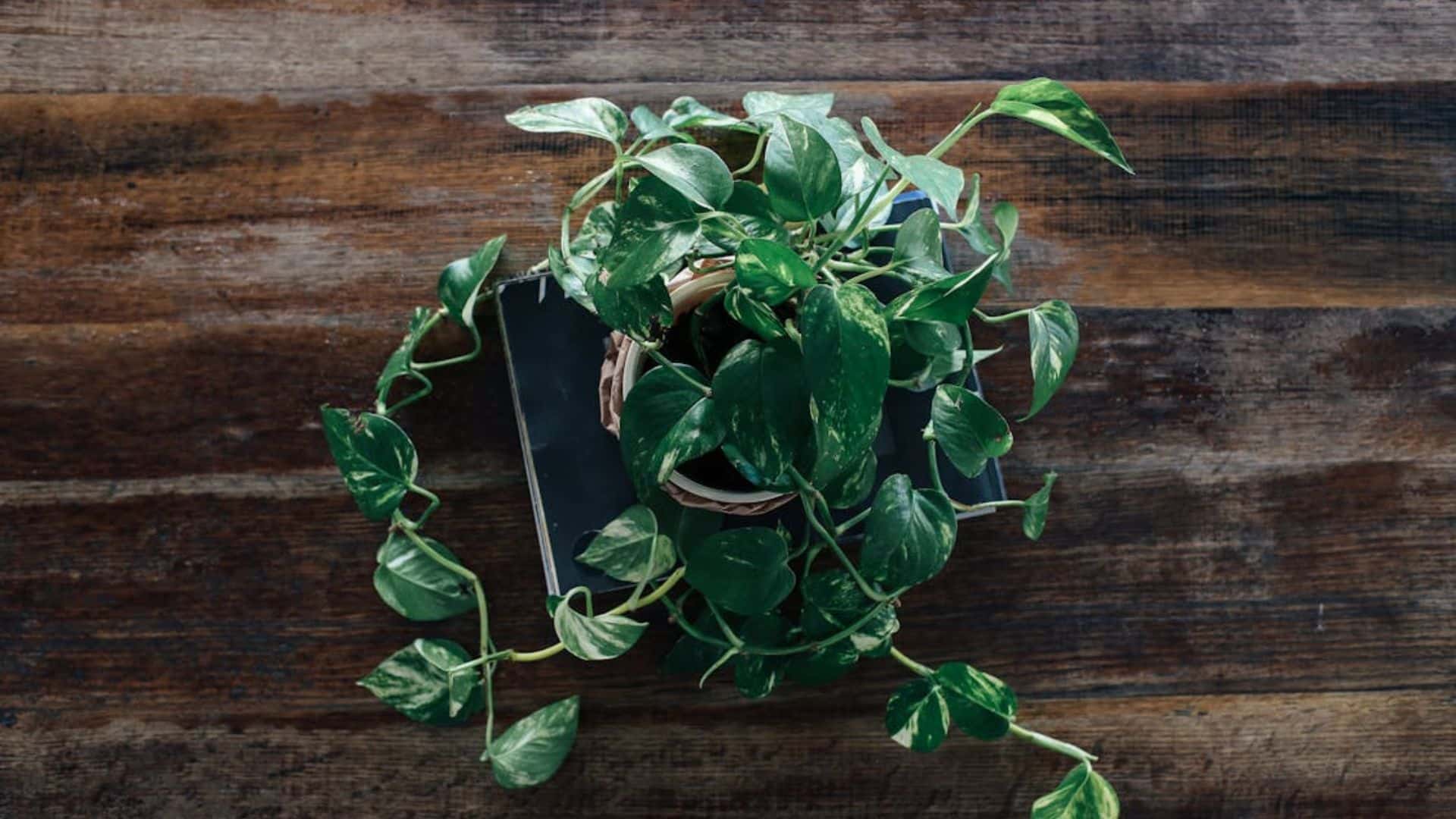
If you want a simple houseplant that still looks full and fresh, pothos is a great pick. It is known for its trailing vines and heart-shaped leaves, and it grows well with very little care.
I like how pothos fits almost anywhere, from shelves to hanging pots, and still stays healthy.
It can grow in different light conditions, grows fast, and does not need much effort to maintain. Many people choose pothos because it is easy to handle and hard to damage, even for beginners.
It also comes in different types, so you can pick one that suits your space.
In this guide, you will learn simple care tips, common mistakes to avoid, and how to keep your pothos growing strong indoors.
An Overview of Pothos Plants
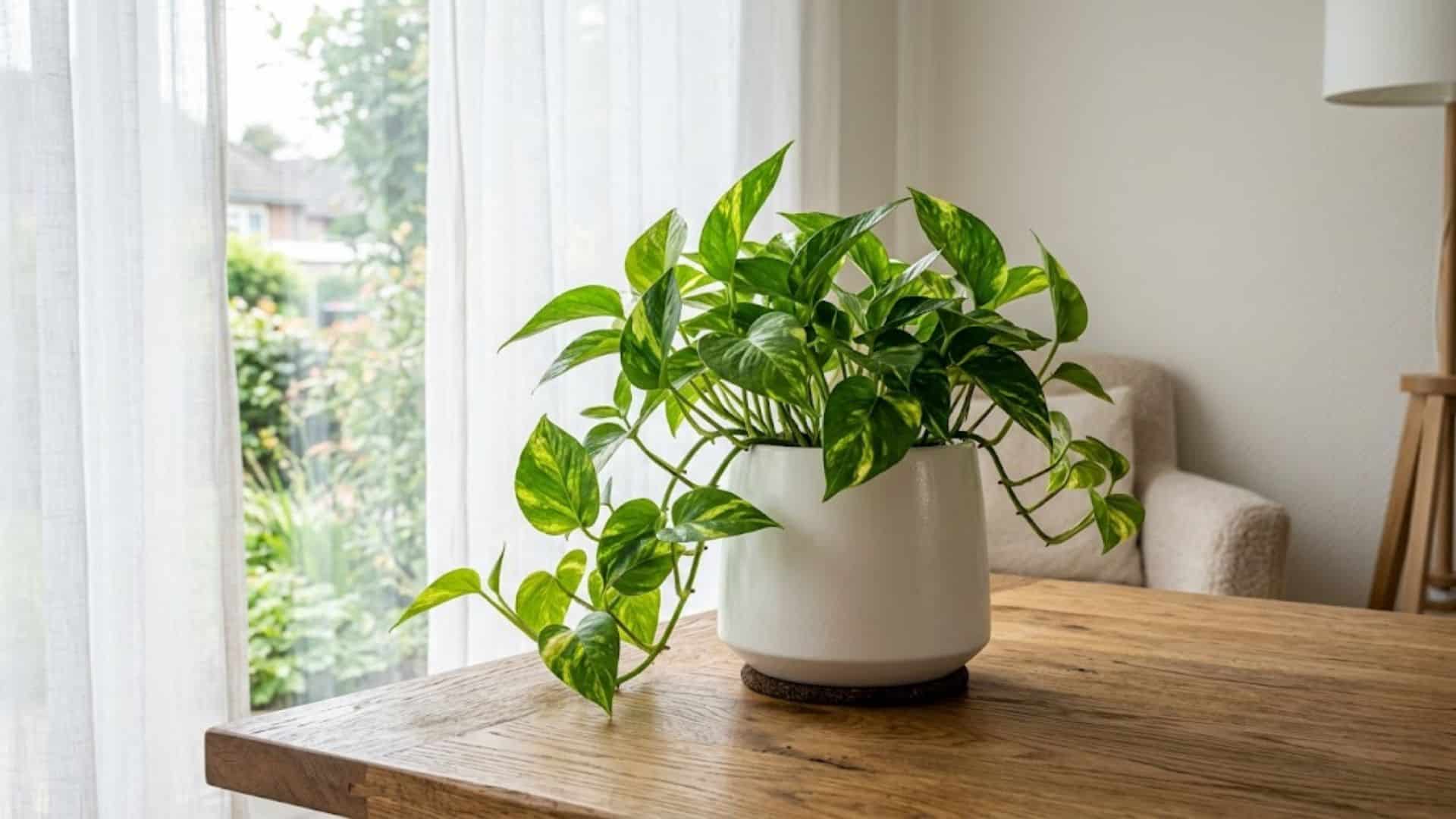
Pothos plants are one of the easiest houseplants to grow. They have green, heart-shaped leaves and long vines that trail down or climb up supports.
They are low-maintenance and can grow in different light conditions, which makes them a good choice for beginners.
You do not need to water them often, and they still grow well in most homes. Pothos can also handle small mistakes, like missing a watering day.
This plant grows fast and adapts easily indoors. Many people keep pothos in homes and offices because it looks good and does not need much effort to stay healthy.
- Scientific name: Epipremnum aureum
- Common names: Pothos, Devil’s Ivy
- Plant type: Trailing vine houseplant
- Favorable growing zones: USDA zones 10–12 (outdoor), mostly grown indoors elsewhere
- Growth rate: Fast-growing
- Temperature range: 18°C to 29°C
- Soil type: Well-draining potting mix
- Propagation: Easy through stem cuttings in water or soil
Common Pothos Varieties and How to Choose the Right One?
Many guides treat pothos as one plant, but Epipremnum has different types with slight changes in look and light needs. Knowing your variety helps you understand its growth and leaf color better.
| Variety | Leaf Appearance | Light Preference | Best For |
| Golden Pothos | Green with golden-yellow streaks | Low to bright indirect | Beginners, low-light rooms |
| Marble Queen | White and green marbling | Bright indirect (needs more light to keep variegation) | Decorative focal plants |
| Neon Pothos | Bright chartreuse green, no variegation | Bright indirect | Adding color contrast to shelves |
| Satin Pothos (Scindapsus) | Dark green with silver satin patches | Medium to bright indirect | Textured, sophisticated look |
| Manjula Pothos | Wavy leaves, cream, and green mix | Bright indirect | Collectors, unique texture |
Golden Pothos is the most forgiving variety for beginners and the one I recommend for anyone starting out.
Marble Queen and Neon Pothos both reward slightly higher light levels with faster growth and more vivid coloring, so they suit rooms with larger windows.
How Much Light Does a Pothos Plant Need?
A pothos plant is easy to grow because it can handle different light levels, but it still has a sweet spot. Bright, indirect light is best for healthy growth and full leaves.
Place it near a window where sunlight comes in but does not hit the plant directly.
Low light is okay, but the plant may grow more slowly and lose some color in its leaves. Avoid dark corners for long periods.
Direct sunlight should be avoided because it can burn the leaves and cause brown spots. If you notice long, weak stems or small leaves, your plant likely needs more light.
Rotate the pot every few weeks so all sides get equal light.
With the right balance, your pothos will stay green, full, and easy to care for in most indoor spaces without much effort.
| Light Type | What It Means | How Pothos Responds |
| Low Light | Dim rooms, far from windows | Survives, but grows slower and loses color |
| Bright Indirect Light | Near a window with soft, filtered sunlight | Best growth, fuller vines, bright leaves |
| Direct Sunlight | Strong sun hitting leaves directly | Leaves may burn or turn brown |
How Often Should You Water Pothos?
Watering a pothos plant becomes much easier when you pay attention to the signs it shows, instead of strictly following a fixed watering schedule every week.
If the top inch of soil feels dry, water the plant well until water drains out. If it still feels moist, wait a few days and check again.
When the leaves start to look slightly droopy, your pothos may need water soon.
On the other hand, yellow leaves are often a sign that you are watering too much, so you should reduce the frequency.
If the soil stays soggy for too long, it means the plant is not draining well, and you may need to adjust your watering habits or check the pot’s drainage.
From my experience with city homes, a simple tip that always works is that in winter, pothos plants usually need water about half as often as in summer. Cooler weather and lower light slow down how quickly the plant uses water.
A plant that needs water every five days in July may only need it every ten to twelve days in January.
By paying attention to these simple signs, you can keep your pothos healthy without overwatering or underwatering.
Best Types of Soil for Pothos for Healthy Growth
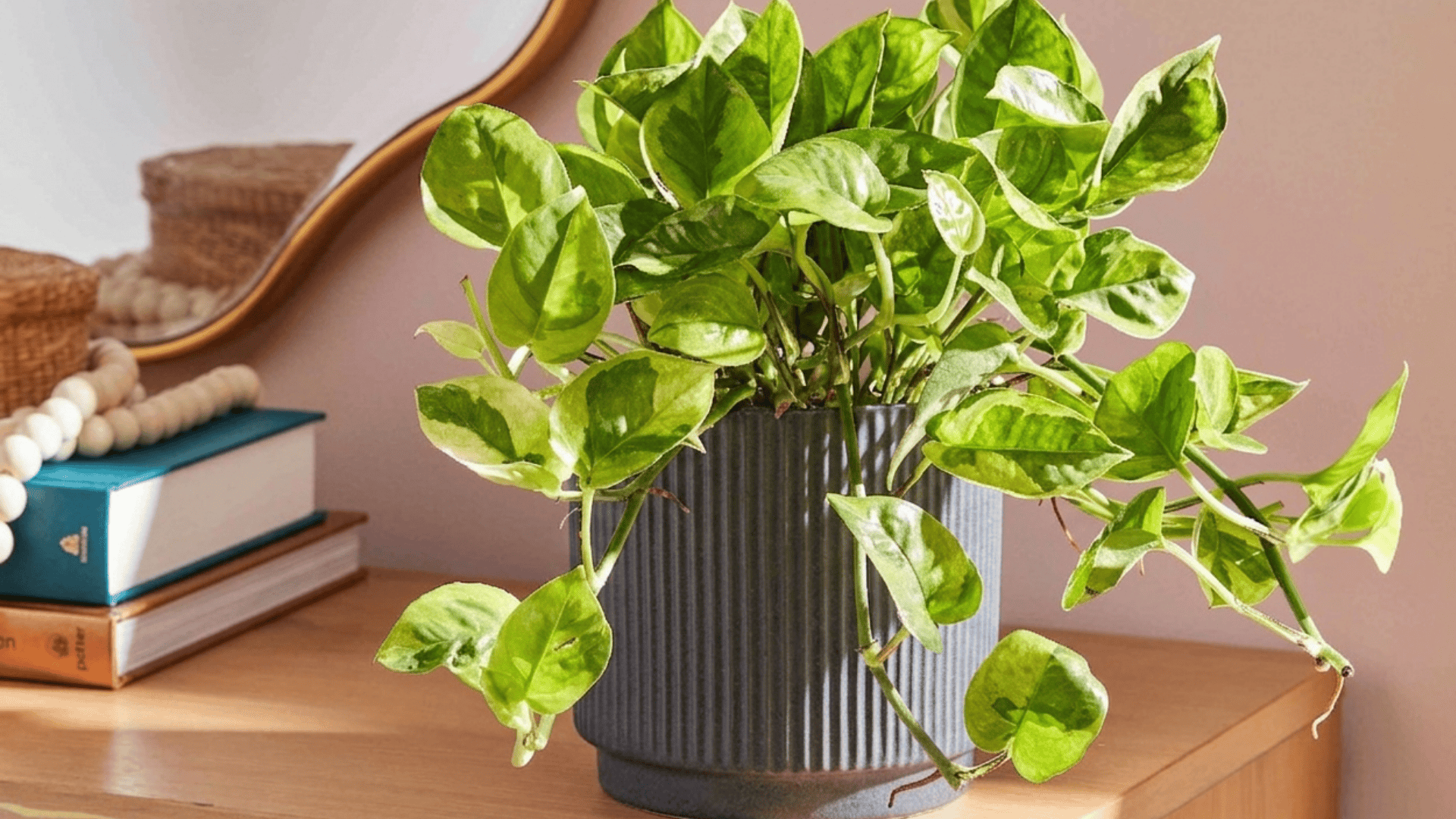
Choosing the right soil type makes a big difference in how your pothos grows. The right mix helps roots stay healthy, improves drainage, and supports steady, long-term plant growth indoors.
1. Standard Indoor Potting Mix
A standard indoor potting mix is one of the most common and easiest options for pothos plants. It is designed to hold some moisture while still allowing water to drain out slowly.
This balance helps keep the roots hydrated without staying too wet. However, on its own, it may sometimes hold more water than needed.
To improve it, you can mix in a small amount of perlite. This makes the soil lighter and allows better airflow, helping your pothos grow stronger and healthier over time.
2. Potting Soil and Perlite Mix
A mix of potting soil and perlite is one of the best choices for pothos care. Perlite is a lightweight material that improves drainage and keeps the soil from becoming compacted.
When added to potting soil, it creates small air pockets that allow roots to breathe easily.
This reduces the risk of root rot, which is a common issue with overwatering.
This mix is simple to make at home and works well for beginners. It supports steady growth and keeps the soil from staying too soggy after watering.
3. Coco Coir-Based Soil
Coco coir is a natural material made from coconut husks, and it works very well for pothos plants.
It holds moisture without becoming heavy or dense, which helps maintain a healthy balance in the soil.
When mixed with perlite or bark, it improves both drainage and airflow. This makes it easier for roots to grow freely and absorb nutrients.
Coco coir is also a good choice for people who want a more eco-friendly option. It keeps the soil soft and supports consistent plant growth indoors.
4. Orchid Bark Mix
Orchid bark is a great addition to pothos soil because it improves drainage and adds structure to the mix. The chunky pieces create space in the soil, allowing air to move around the roots.
This helps prevent the soil from becoming too compact or waterlogged.
When mixed with regular potting soil, orchid bark creates a well-balanced environment that supports healthy root growth.
It is especially useful if you tend to overwater your plants, as it helps excess water drain out more quickly and safely.
5. DIY Well-Draining Soil Mix
A DIY soil mix is a great way to create the perfect environment for your pothos plant.
You can combine potting soil, perlite, and a small amount of orchid bark or sand to improve both drainage and texture. This mix gives you control over how light and airy the soil feels.
It allows water to pass through easily while still holding enough moisture for the plant.
Making your own mix is simple, cost-effective, and ensures your pothos has the ideal conditions for healthy, long-lasting growth.
Soil Mix Comparison at a Glance
Choosing the right soil mix helps control watering, airflow, and root health. A well-balanced mix keeps roots safe from rot while giving enough moisture for steady growth indoors.
| Soil Mix | Drainage | Moisture Retention | Best For | Root Rot Risk |
| Standard potting mix | Moderate | High | Beginners who tend to underwater | Medium |
| Potting soil + perlite | High | Moderate | Most indoor environments | Low |
| Coco coir + perlite | High | Moderate | Eco-conscious growers | Low |
| Orchid bark mix | Very high | Low | Overwaterers, humid climates | Very low |
| DIY blend | High | Moderate | Growers who want full control | Low |
Ideal Temperature and Humidity for Pothos
Pothos plants grow best in a comfortable indoor temperature range between 65°F and 85°F (18°C to 29°C). This range helps the plant grow steadily without stress.
If the temperature drops below this range, especially near cold windows or during winter, the plant may slow down or show signs of damage. High heat dries soil fast. Pothos prefers slightly higher humidity.
In dry environments, leaves may develop brown edges or tips.
Keeping your plant in a stable environment without sudden temperature changes is important for healthy growth.
Avoid placing it near air conditioners, heaters, or drafty areas, as these can affect both temperature and humidity levels.
Use a pebble tray with water under the pot to raise humidity without misting.
I’ve used this approach in many client installations where a humidifier isn’t practical, and it keeps brown tips at bay throughout the colder months.
How and When to Fertilize Pothos?
Pothos aren’t heavy feeders, but a light fertilizing routine during the growing season makes a meaningful difference in leaf size, vine length, and overall color vibrancy.
From spring through early autumn, feeding once a month with a balanced liquid fertilizer at half the recommended strength gives the plant a steady supply of nutrients without overwhelming it.
During winter, when growth naturally slows, you can stop fertilizing entirely and resume when the days start to lengthen again.
Avoid the urge to fertilize more frequently, thinking it will speed up growth.
Over-fertilizing is one of the more common mistakes I’ve seen, and it tends to cause leaf tip burn and salt buildup in the soil rather than the lush growth people are hoping for.
If you notice white crusty deposits on the soil surface, flush the pot thoroughly with plain water to clear accumulated salts.
How to Propagate Pothos?
Propagating pothos is one of the easiest ways to expand your collection or share plants with others. The most reliable method is stem cutting in water.
- Choose a healthy stem: Select a vine with at least two or three healthy leaves and a visible node (the small bump where a leaf meets the stem).
- Make a clean cut: Cut just below the node using clean scissors or pruning shears. A sharp, clean cut reduces the risk of bacterial infection on the cutting.
- Remove lower leaves: Strip off any leaves that would sit below the waterline to prevent rot.
- Place in water: Submerge the node in a clean glass of room-temperature water. Change the water every few days to keep it fresh.
- Wait for roots: Move to a bright, warm spot. Roots typically appear within two to four weeks.
- Transfer to soil: Once roots are at least one inch long, pot the cutting in well-draining soil and keep it moist for two weeks during establishment.
Common Pothos Problems and Easy Fixes
Pothos plants are easy to grow, but small issues can still happen. The good news is that most problems are simple to spot and fix with the right care.
| Problem | Cause | Solution |
|---|---|---|
| Yellow leaves | Overwatering or poor drainage | Let the soil dry out and reduce watering |
| Brown tips | Dry air or underwatering | Increase humidity and water more regularly |
| Drooping plant | Thirst or root stress | Water the plant and check the soil condition |
| Slow growth | Low light | Move the plant to brighter indirect light |
| Mushy stems | Root rot from overwatering | Trim roots and repot in fresh, dry soil |
How to Prune Pothos for Fuller Growth?
Pruning your pothos plant helps it grow fuller and healthier over time. With a few simple steps, you can control its shape, remove weak growth, and encourage new leaves easily.
- Choose the right stems to cut: Look for long, thin, or uneven vines that make the plant look leggy. Select healthy stems and avoid cutting too close to the base of the plant.
- Cut above a leaf node: Always trim just above a node, which is the small bump on the stem. This helps new leaves grow from that point and makes your pothos look fuller.
- Use clean, sharp tools: Use scissors or pruning shears that are clean and sharp. This prevents damage to the plant and reduces the chance of infection or stress after cutting.
- Do not over-prune at once: Avoid cutting too much in one go. Trim only up to one-third of the plant so it can recover quickly and continue growing without slowing down.
- Remove damaged leaves and stems: Cut off any yellow, brown, or weak leaves. This helps the plant focus its energy on healthy growth and improves its overall appearance.
Quick Daily Care Checklist for Pothos
Taking care of a pothos plant is simple when you follow a few easy habits. These quick tips help your plant stay healthy, grow better, and look fresh every day.
| Care Tip | What to Do |
|---|---|
| Light placement | Keep in bright, indirect light for best growth |
| Watering habit | Let the top inch of soil dry before watering |
| Pot drainage | Use pots with proper drainage holes |
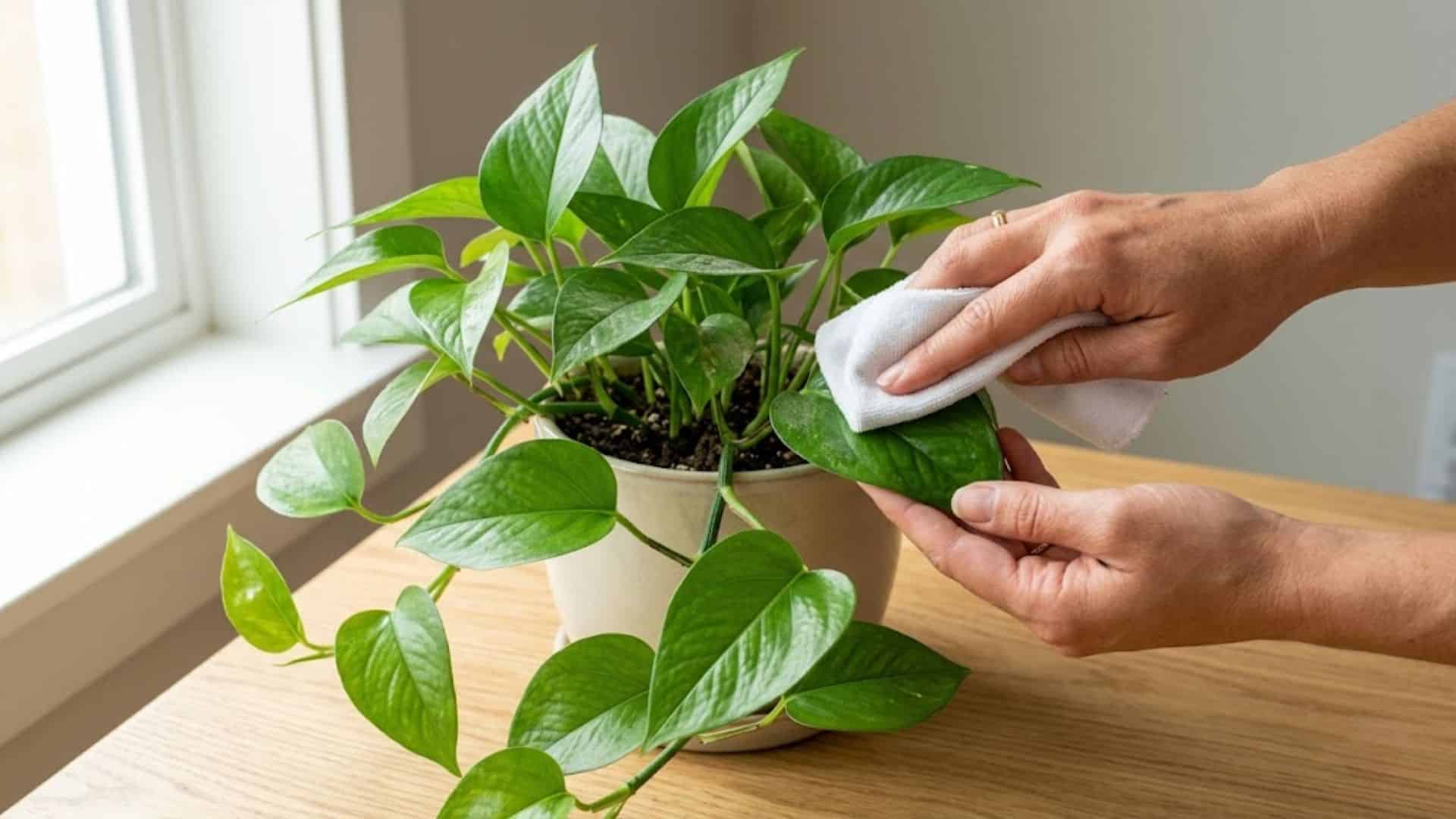
| Leaf care | Wipe leaves gently to remove dust |
| Pruning | Trim long vines for fuller growth |
| Regular checks | Watch leaves for early signs of problems |
Pothos Toxicity: What You Need to Know for Pet and Child Safety
Pothos contain calcium oxalate crystals throughout their leaves and stems. When ingested by cats, dogs, or small children, these crystals cause immediate oral irritation, excessive drooling, vomiting, and difficulty swallowing.
The reaction is typically localized and not fatal, but it is uncomfortable and distressing for the animal or child involved.
If ingestion occurs, rinse the mouth with water and contact your veterinarian or poison control immediately. The safest approach is to keep pothos out of reach altogether.
In homes with cats, hanging planters or high shelves work well since cats are agile enough to reach most surfaces.
For households with small children, a dedicated plant shelf behind a barrier is a practical solution I’ve often recommended.
Skin contact with the sap can also cause mild irritation in some people, so wearing gloves when pruning or repotting is a sensible precaution.
Conclusion
Caring for a pothos plant gets easier once you understand what it needs. With the right light, proper watering, and well-draining soil, you can keep it healthy without much stress.
Small changes in your routine can lead to stronger growth and fuller vines over time.
Pay attention to your plant, and it will guide you. Leaves can tell you if something feels off, and quick action helps prevent bigger issues.
As you keep caring for it, you will build confidence and notice patterns that work best in your space. Stay consistent with these simple habits, and your pothos will grow well and look fresh.
If you try these tips, share your experience in the comments below and let others know what worked for you.
Frequently Asked Questions
Can Pothos Grow in Water Indefinitely?
Yes, it can grow in water long-term. Change water every 1–2 weeks and add liquid fertilizer monthly. Growth may be slower than in soil.
Why Are the Pothos Leaves Turning Yellow?
Overwatering is the main cause. Let the top inch dry before watering. Poor drainage or a lack of nutrients can also lead to yellow leaves.
How Fast Does Pothos Grow?
In good light and care, it can grow 12–18 inches per month in the growing season. Growth slows down in winter.
How to Know when to Repot Pothos?
Repot when roots grow out of drainage holes, circle the soil, or growth slows despite good care. These signs matter more than timing.