

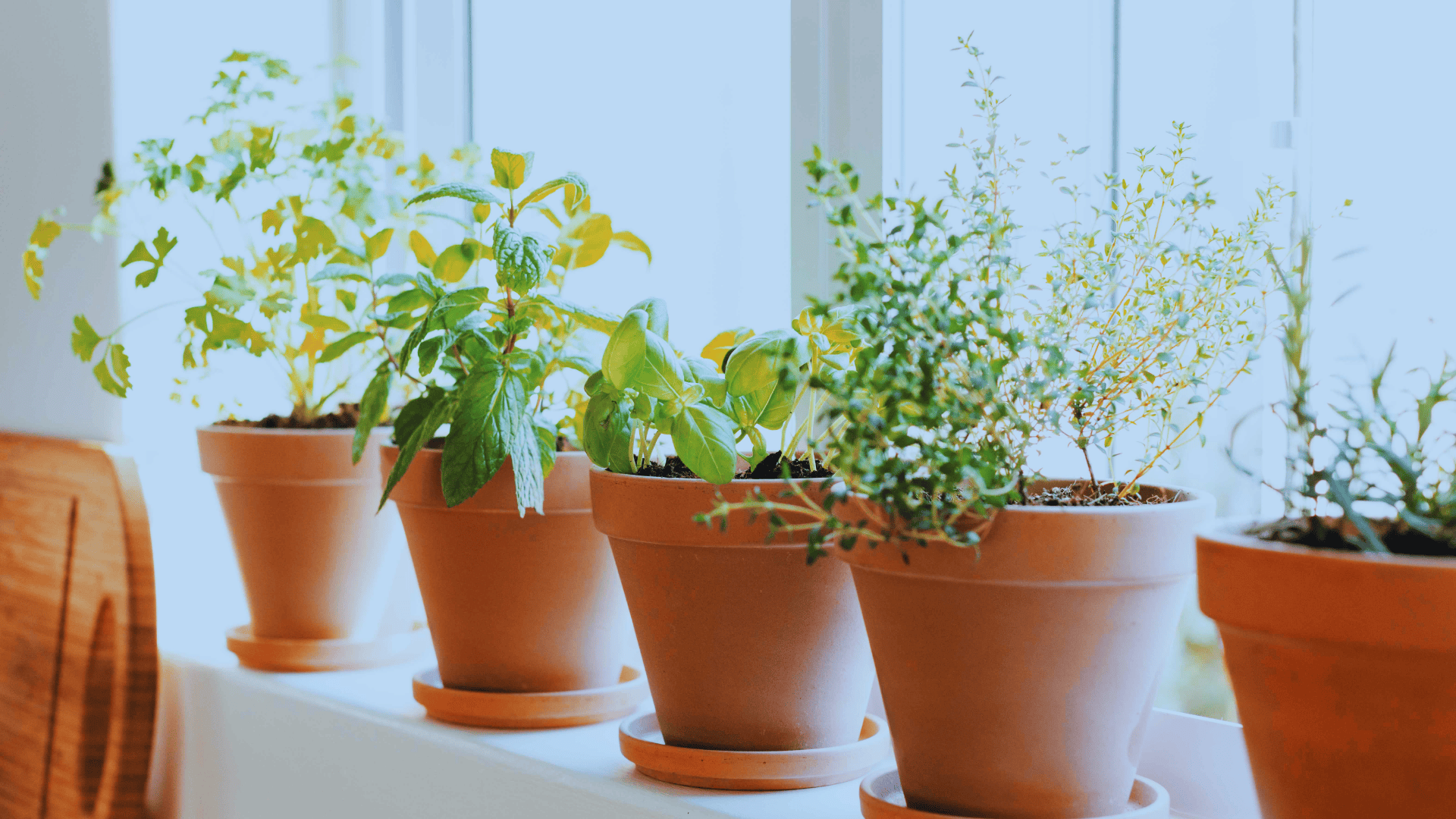
I know many people think growing herbs requires a garden or a large backyard. I used to think the same thing. But the truth is that some of the easiest herbs to grow can thrive right inside your home.
If you live in a small apartment, have no backyard, or are new to gardening, indoor herbs are a great place to start.
Many herbs grow well in small pots placed on a kitchen counter or near a bright window. They do not take up much space and do not require complicated care.
With a little sunlight and regular watering, many herbs grow well indoors.
Another reason I enjoy indoor herbs is their usefulness. They add fresh flavor to meals and give the kitchen a light, pleasant scent. In this article, I will share herbs that grow well indoors and are simple to care for.
What Makes an Herb Easy to Grow Indoors?
When I choose herbs to grow indoors, I look for plants that can handle typical indoor conditions with minimal effort. Many beginner-friendly herbs grow well with the light that comes through a bright window.
They also fit nicely in small pots, which makes them perfect for kitchen counters, windowsills, or shelves in small spaces.
Another helpful trait is how quickly the herb grows back after you cut a few leaves. Many indoor herbs continue to produce fresh growth when harvested regularly.
They also do not need constant watering and can handle small care mistakes that beginners sometimes make.
In general, easy indoor herbs grow well in pots, do not need very strong sunlight, grow back after cutting, and require simple watering.
Easiest Herbs to Grow Indoors
Many herbs grow very well inside the home, even if you only have a small window or a bit of counter space. These herbs are known for being simple to care for and great for beginners.
1. Basil
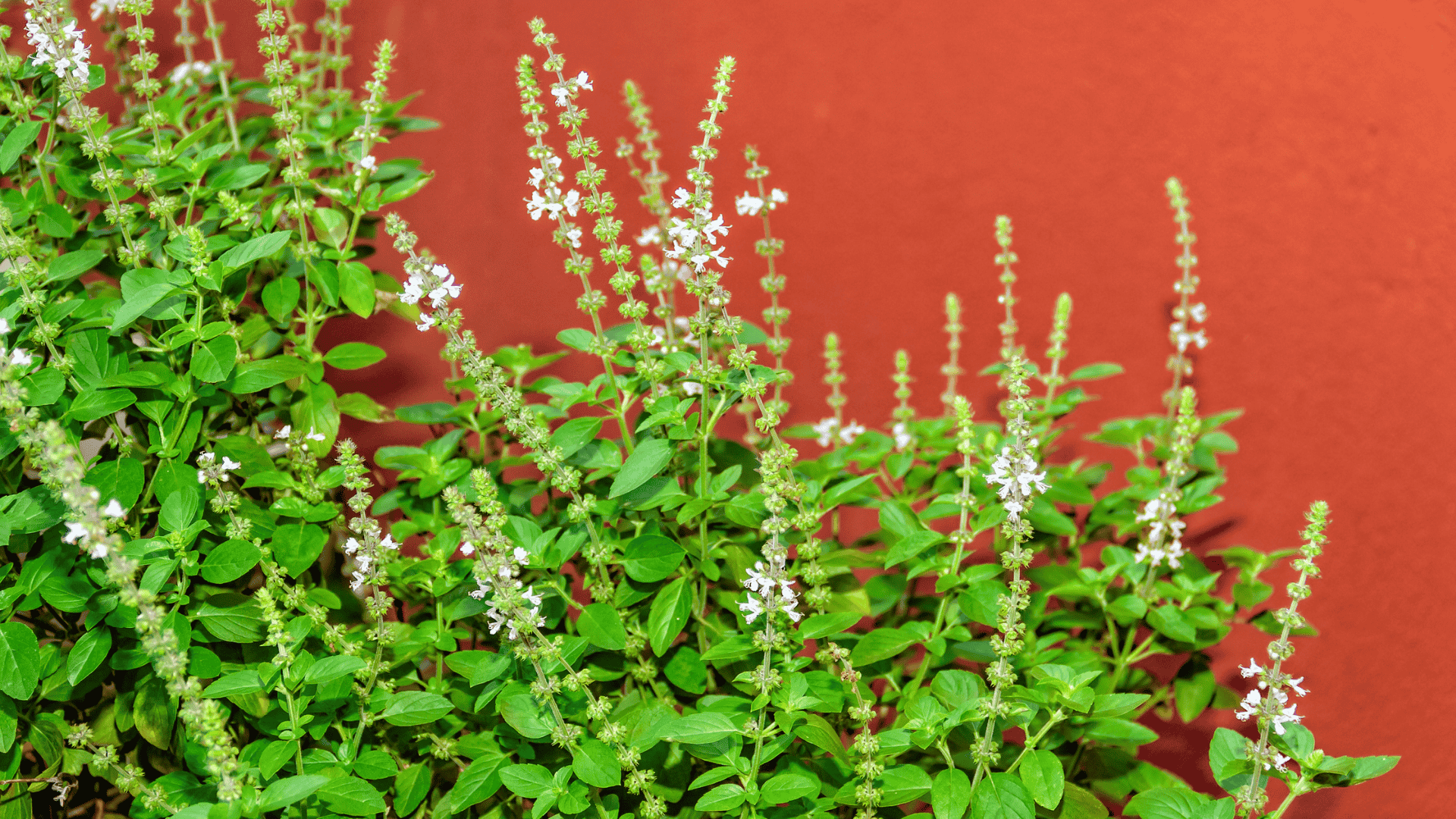
Basil is one of the most popular indoor herbs because it grows quickly and adapts well to containers.
I like placing basil on a sunny kitchen windowsill where it receives several hours of light each day. The soft green leaves add fresh flavor to pasta, salads, and many home dishes.
Basil also responds well to regular trimming, which helps the plant grow fuller and produce more leaves over time.
Tip: Pinch the top leaves often to encourage bushier growth.
2. Mint
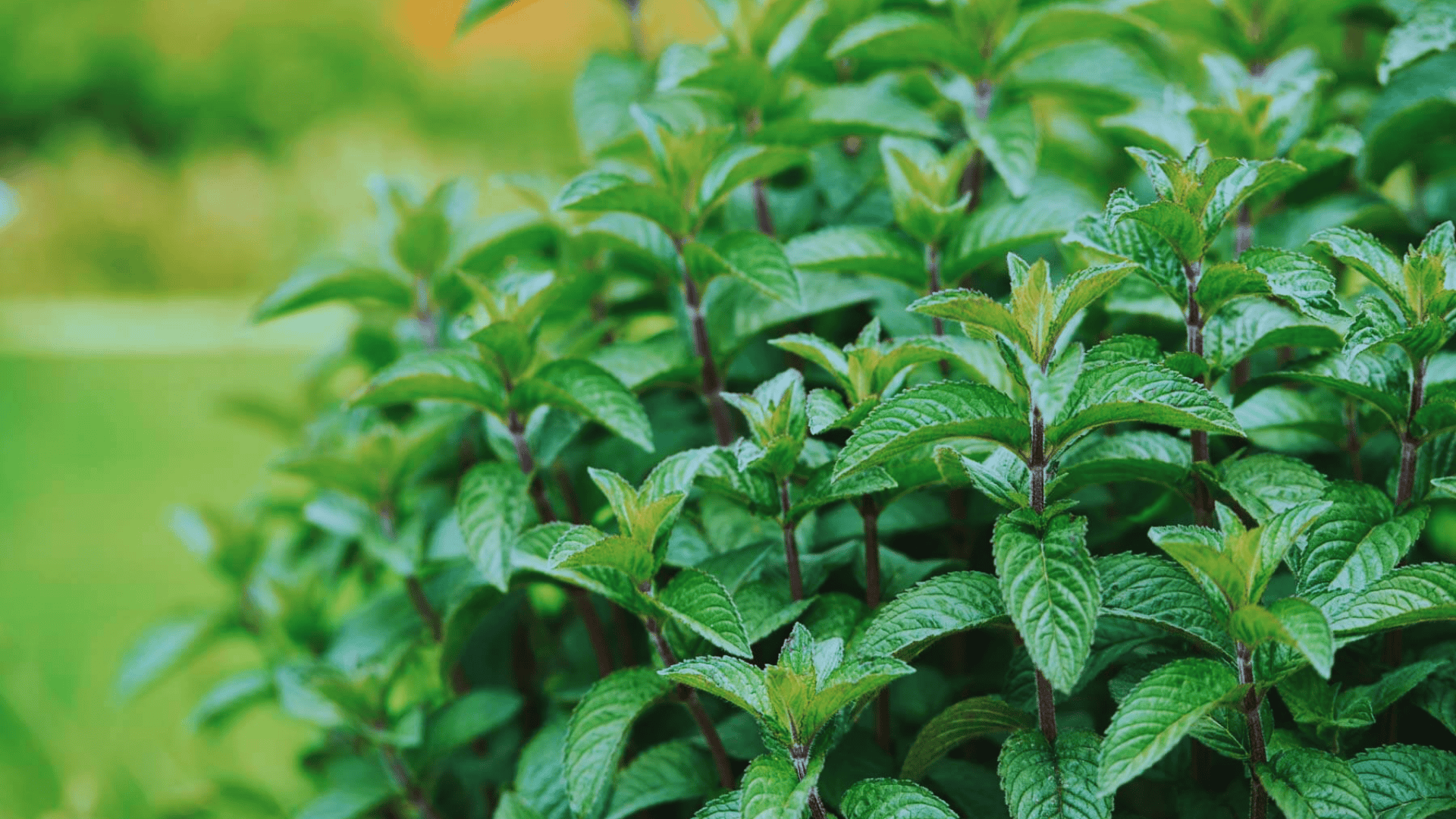
Mint is well known for being one of the easiest herbs to grow indoors. It grows quickly and can handle minor care mistakes, making it great for beginners.
The bright green leaves have a refreshing scent and are often used in teas, drinks, and desserts. Mint grows well in small pots near a window and continues producing leaves when harvested regularly.
Tip: Grow mint in its own pot so it does not crowd other herbs.
3. Chives
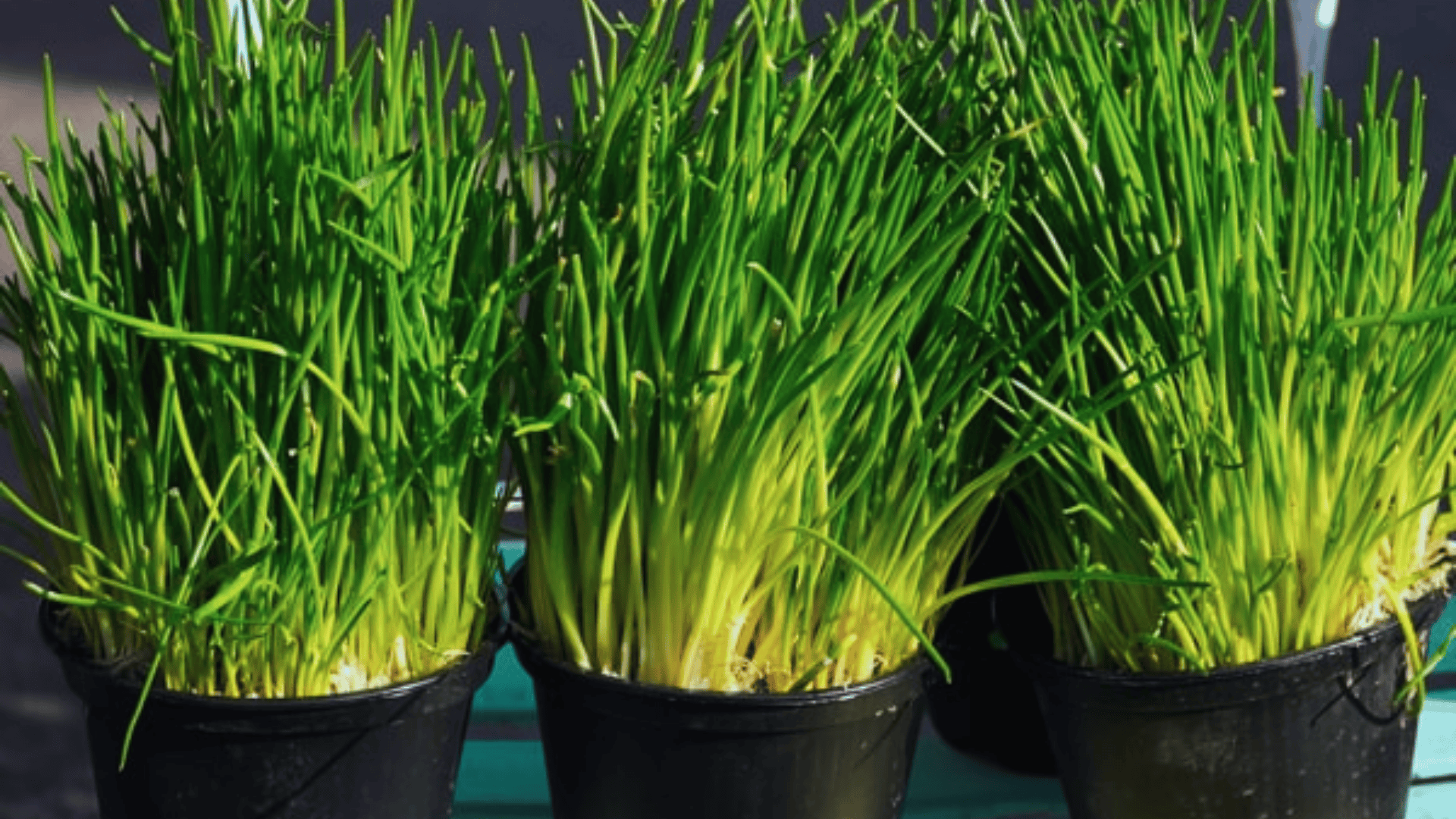
Chives are a simple herb with thin green stems and a mild onion flavor. I enjoy growing chives indoors because they fit easily in small pots and require little attention.
They grow best near a sunny window and continue to produce new stems when trimmed regularly. Chives are commonly used in eggs, soups, salads, and potato dishes.
Tip: Cut chives with scissors from the top instead of pulling them out.
4. Parsley
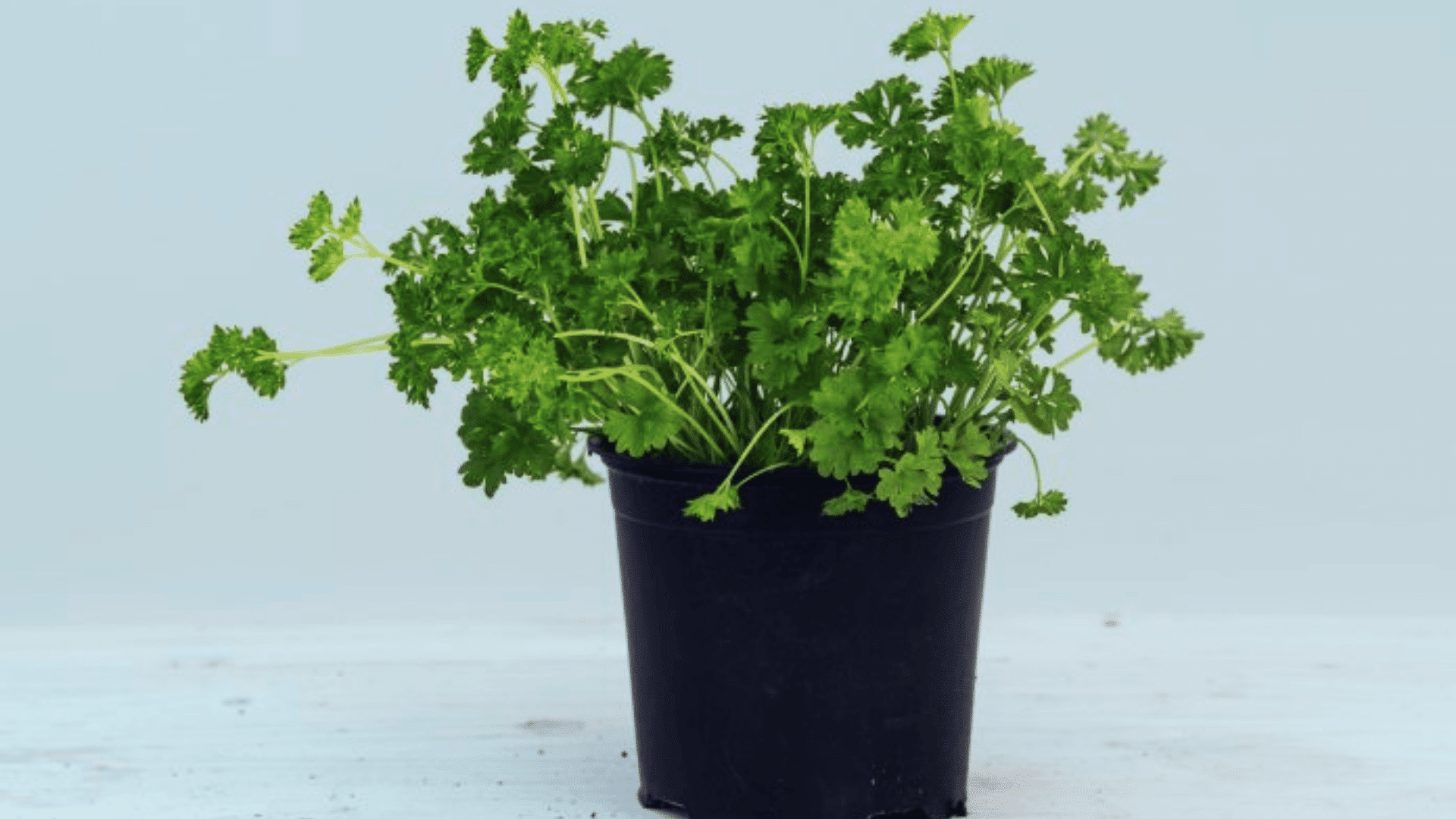
Parsley grows well indoors when placed in a bright spot with steady sunlight. The plant produces leafy green stems often used in soups, sauces, and salads.
Parsley may grow a little more slowly than some herbs, but once established, it continues to produce fresh leaves for cooking. I like keeping parsley in a small container on the kitchen counter where it gets daily light.
Tip: Harvest from the outer stems so the center can continue to grow.
5. Thyme
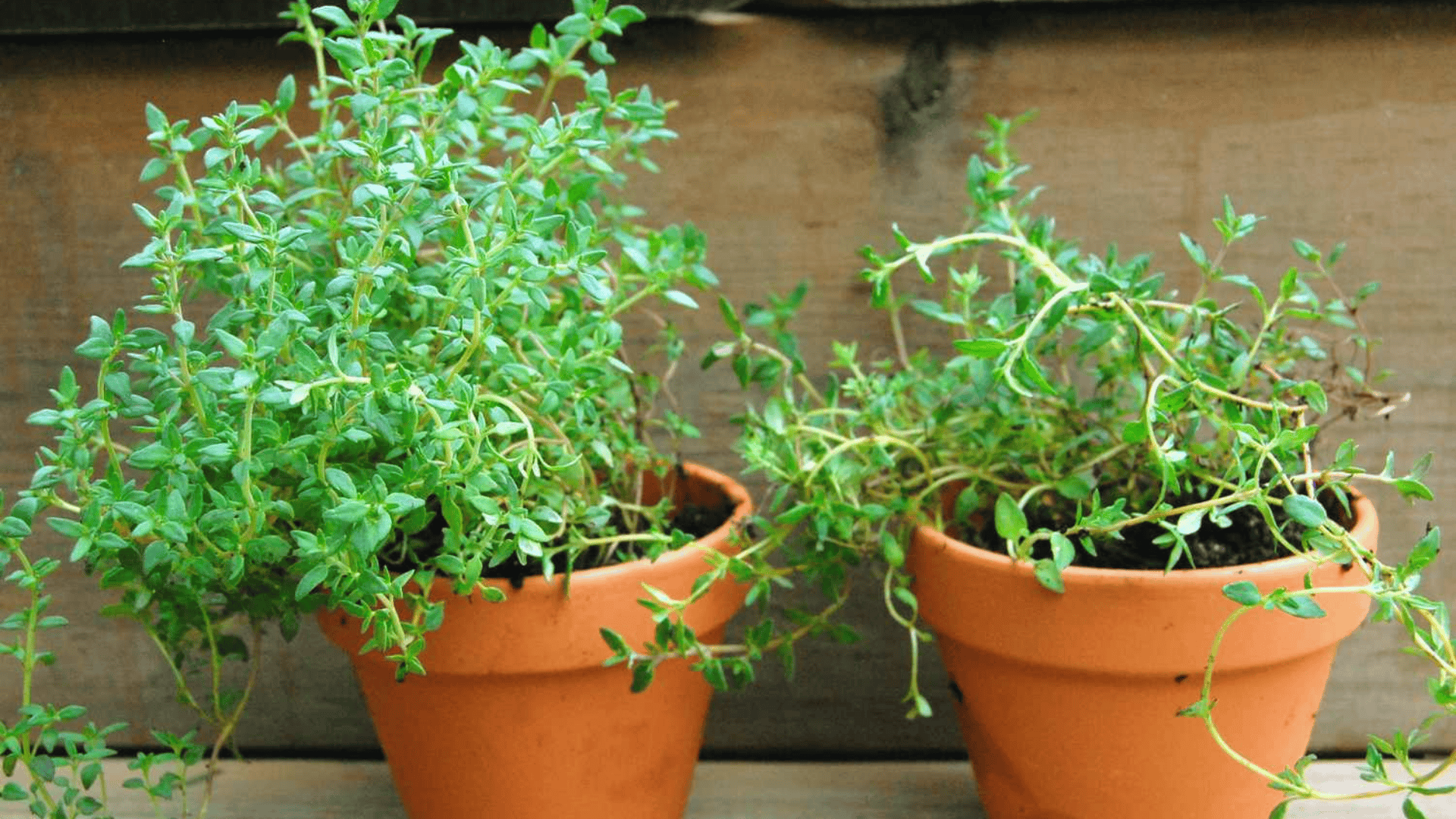
Thyme is a compact herb that grows well indoors and fits easily in small pots. The tiny leaves carry a strong flavor that works well in soups, roasted vegetables, and meat dishes.
This plant prefers a bright window and well-drained soil. Thyme does not need frequent watering, which makes it a good choice for beginners. With regular trimming, it continues producing fresh leaves for cooking.
Tip: Allow the soil to dry slightly between watering.
6. Oregano
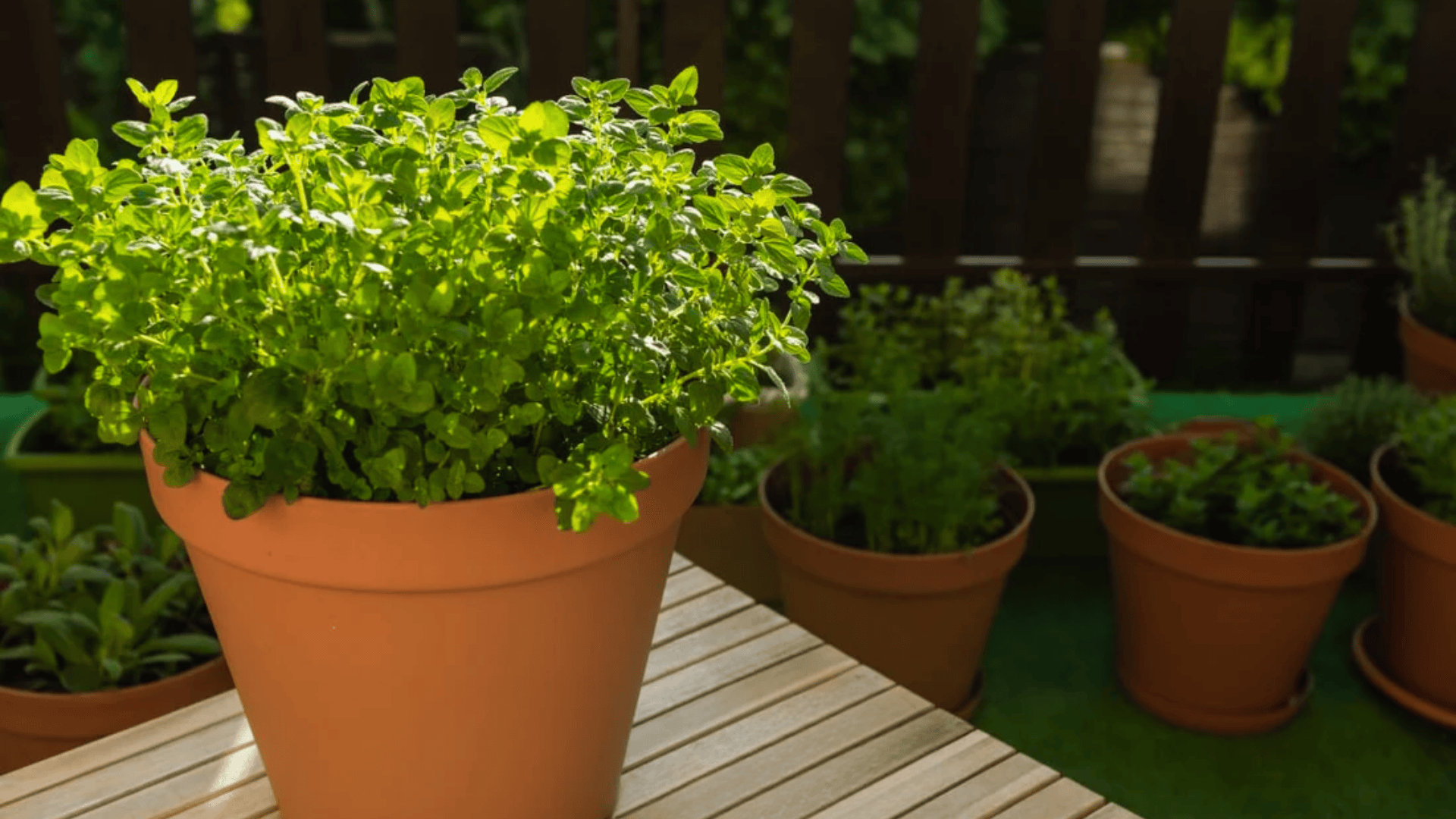
Oregano is a hardy herb that adapts well to indoor growing. It grows nicely in containers placed near a sunny window where it can receive steady light.
The plant produces small, aromatic leaves commonly used in pasta, sauces, and Mediterranean recipes.
Oregano remains fairly compact and continues to produce leaves when trimmed regularly, making it practical for indoor herb gardens.
Tip: Trim the stems often to encourage new leaf growth.
7. Cilantro
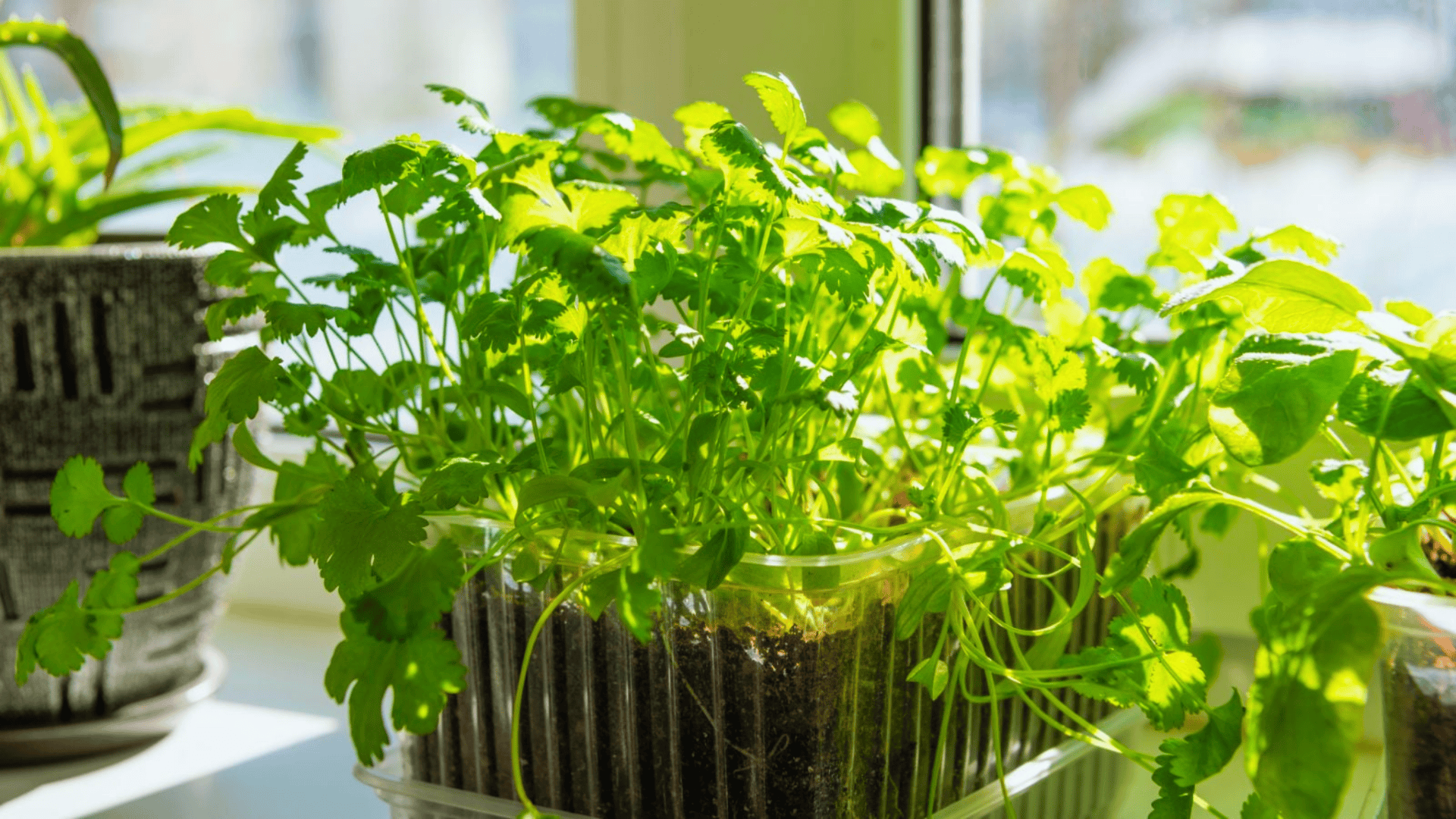
Cilantro grows quickly and produces soft green leaves often used in fresh dishes like salsa, soups, and salads.
It grows best in a container placed near a bright window where it can receive several hours of light each day.
Cilantro grows faster than many herbs, so harvesting can begin early. With steady watering and sunlight, it can provide fresh leaves for several weeks.
Tip: Harvest leaves often to slow down flowering.
8. Rosemary
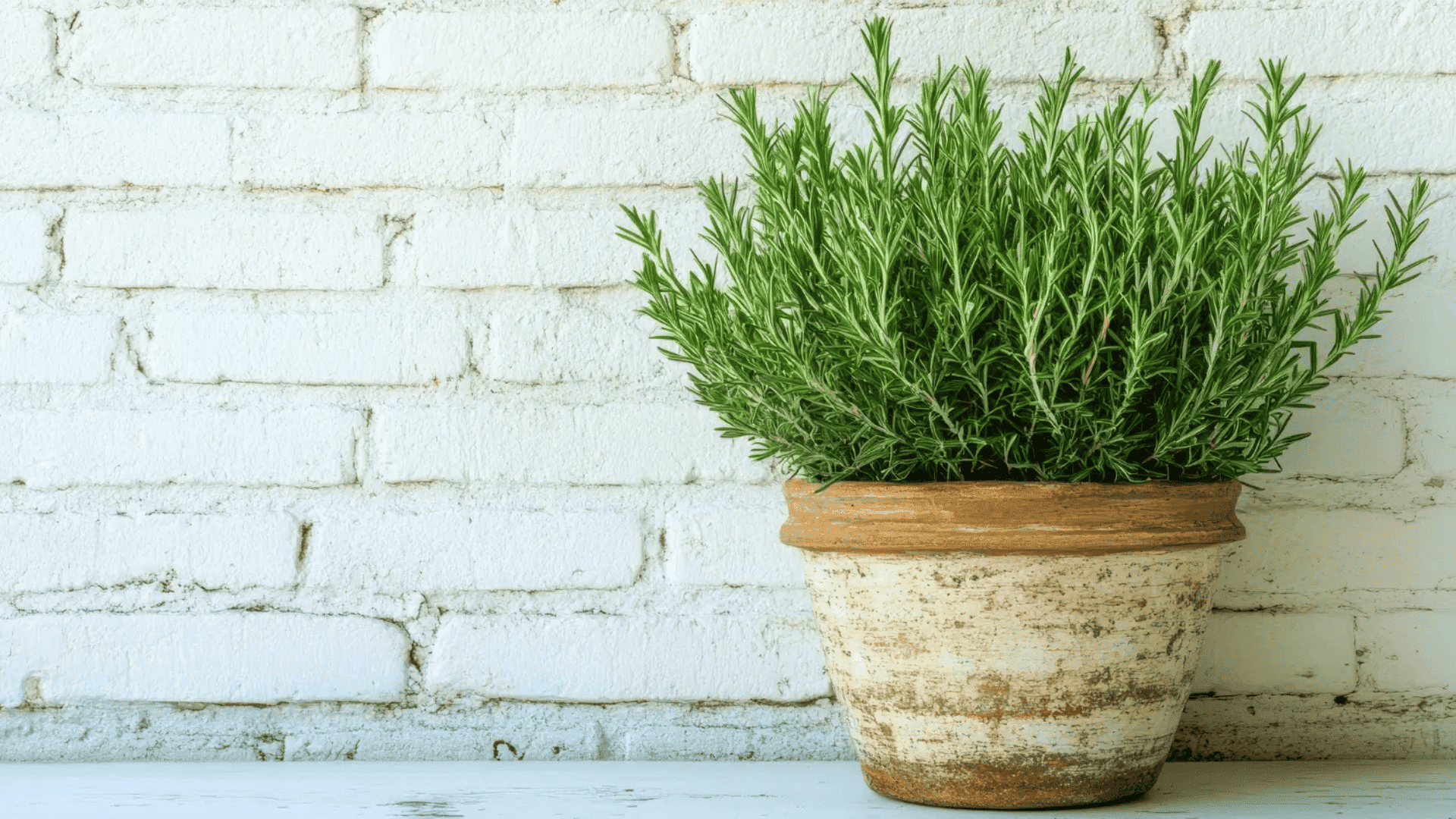
Rosemary is a fragrant herb with needle-like leaves and a strong aroma. It grows well indoors when placed near the brightest window in the home.
The plant grows slowly but becomes sturdy over time and can last for years with proper care. Rosemary leaves are often used in roasted dishes and soups, making them a useful herb for home cooking.
Tip: Use a pot with good drainage to prevent soggy soil.
9. Dill
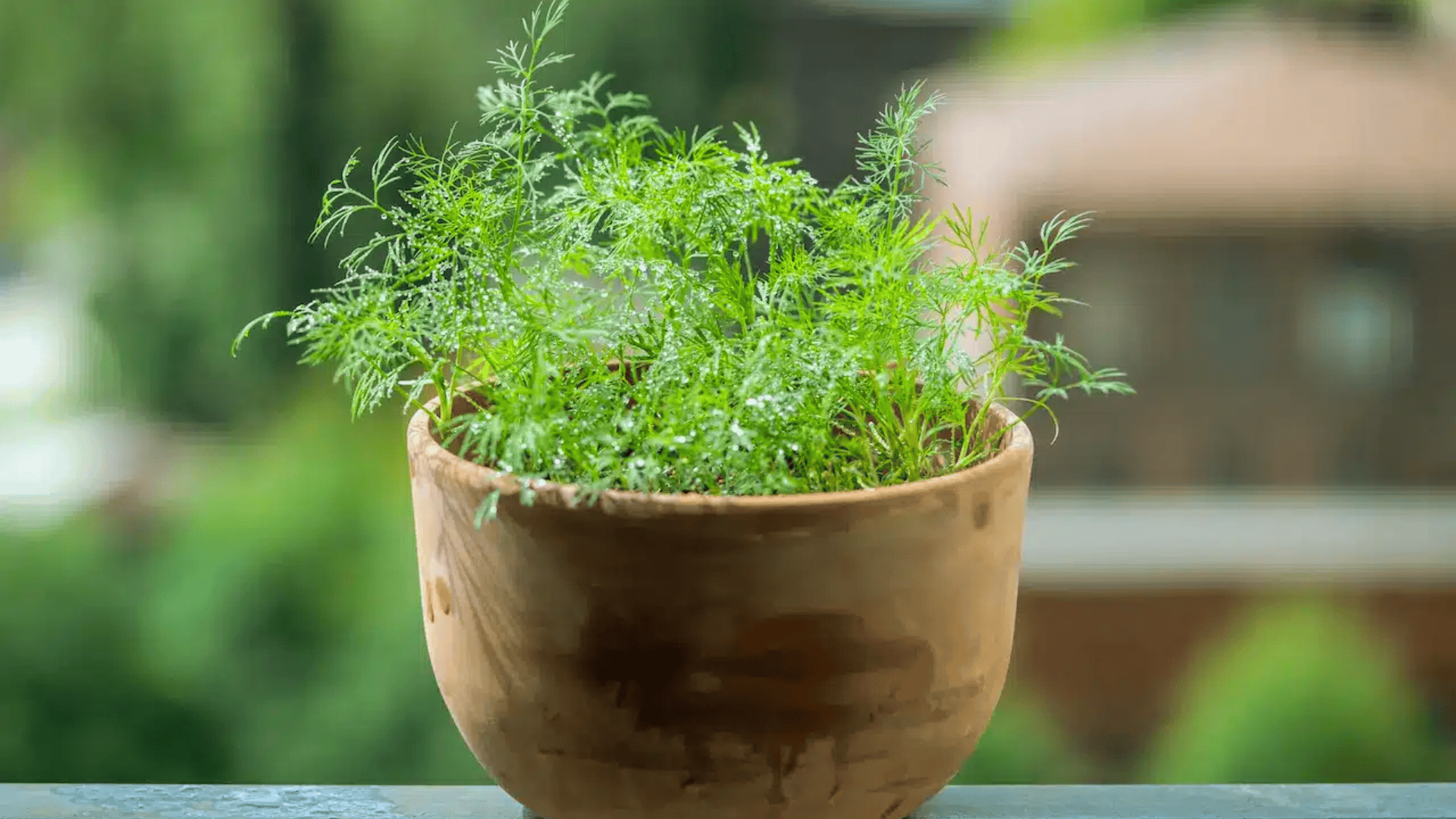
Dill is a light, feathery herb that grows well indoors with enough sunlight. The soft green leaves are commonly used in pickles, seafood dishes, and salads.
Dill grows fairly quickly and adds a fresh look to indoor herb collections. While it may grow taller than some herbs, it still adapts well to container gardening and indoor spaces.
Tip: Use a slightly deeper pot to give the roots more room.
10. Lemon Balm
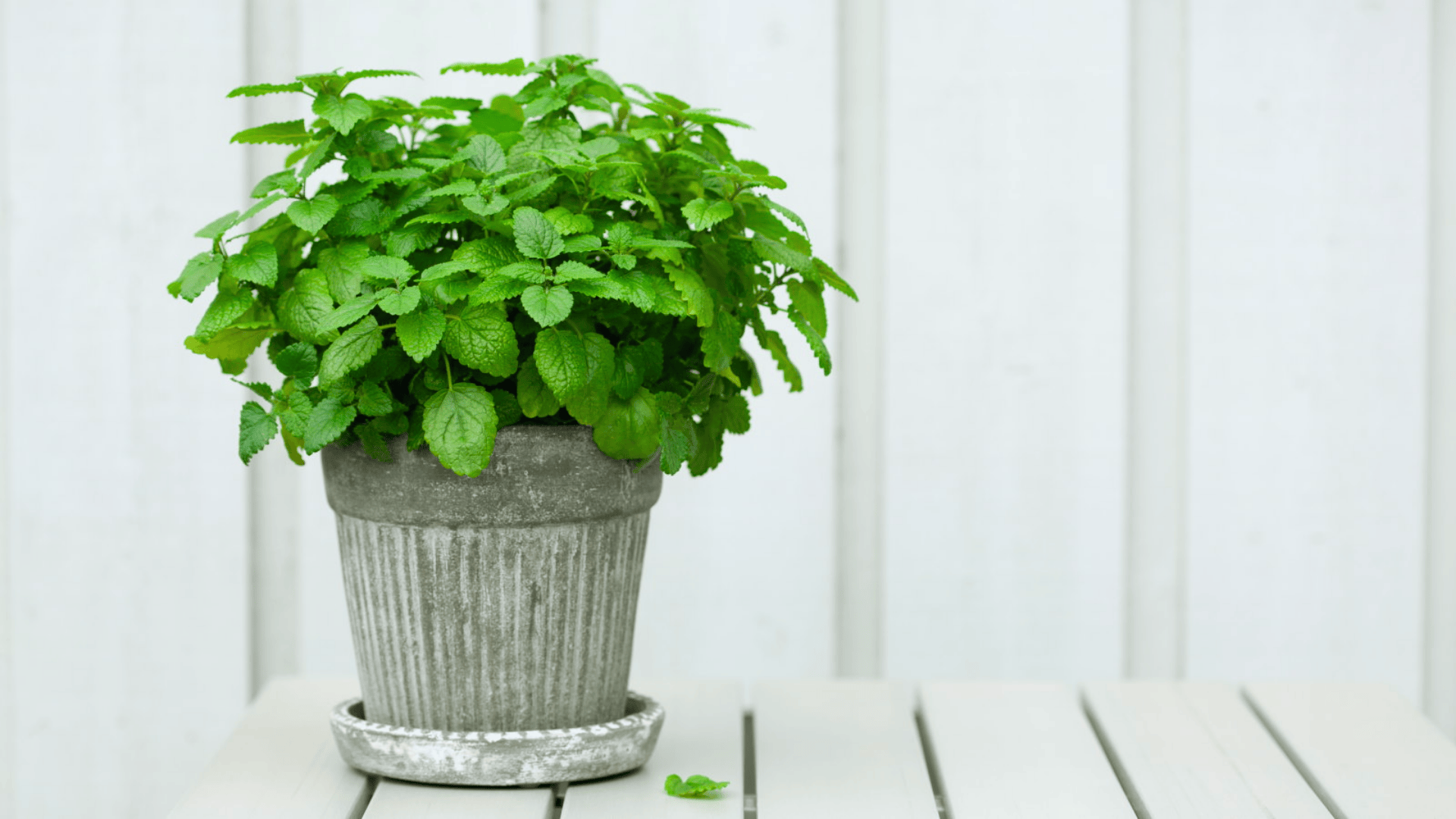
Lemon balm is a gentle herb known for its light citrus scent and bright green leaves. It grows well indoors in small pots placed near a sunny window.
The leaves are often used in teas, drinks, and light dishes. This plant grows steadily and responds well to regular trimming, which helps it stay full and healthy.
Lemon balm also adapts easily to indoor conditions, making it a good choice for beginner herb growers.
Tip: Trim the plant regularly to keep it compact and encourage new leaves.
11. Sage
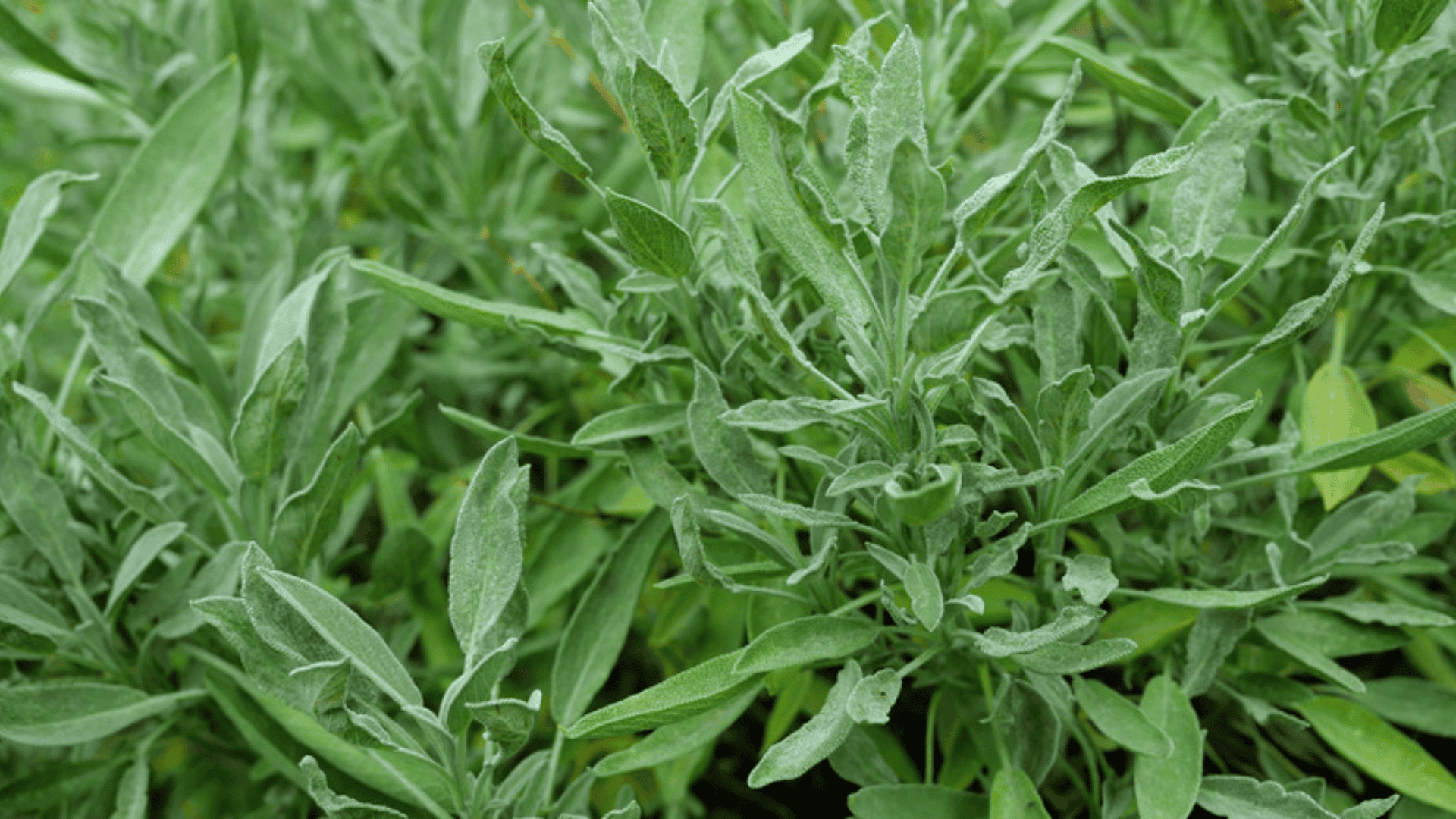
Sage is a hardy herb with soft gray-green leaves and a strong aroma. It grows well in containers and prefers a bright window where it can receive several hours of sunlight each day.
The leaves are commonly used in savory cooking, especially in soups and roasted dishes. Sage grows slowly but stays productive when trimmed occasionally.
With proper drainage and moderate watering, the plant can remain healthy indoors for a long time.
Tip: Avoid overwatering and allow the soil to dry slightly between waterings.
12. Bay Laurel
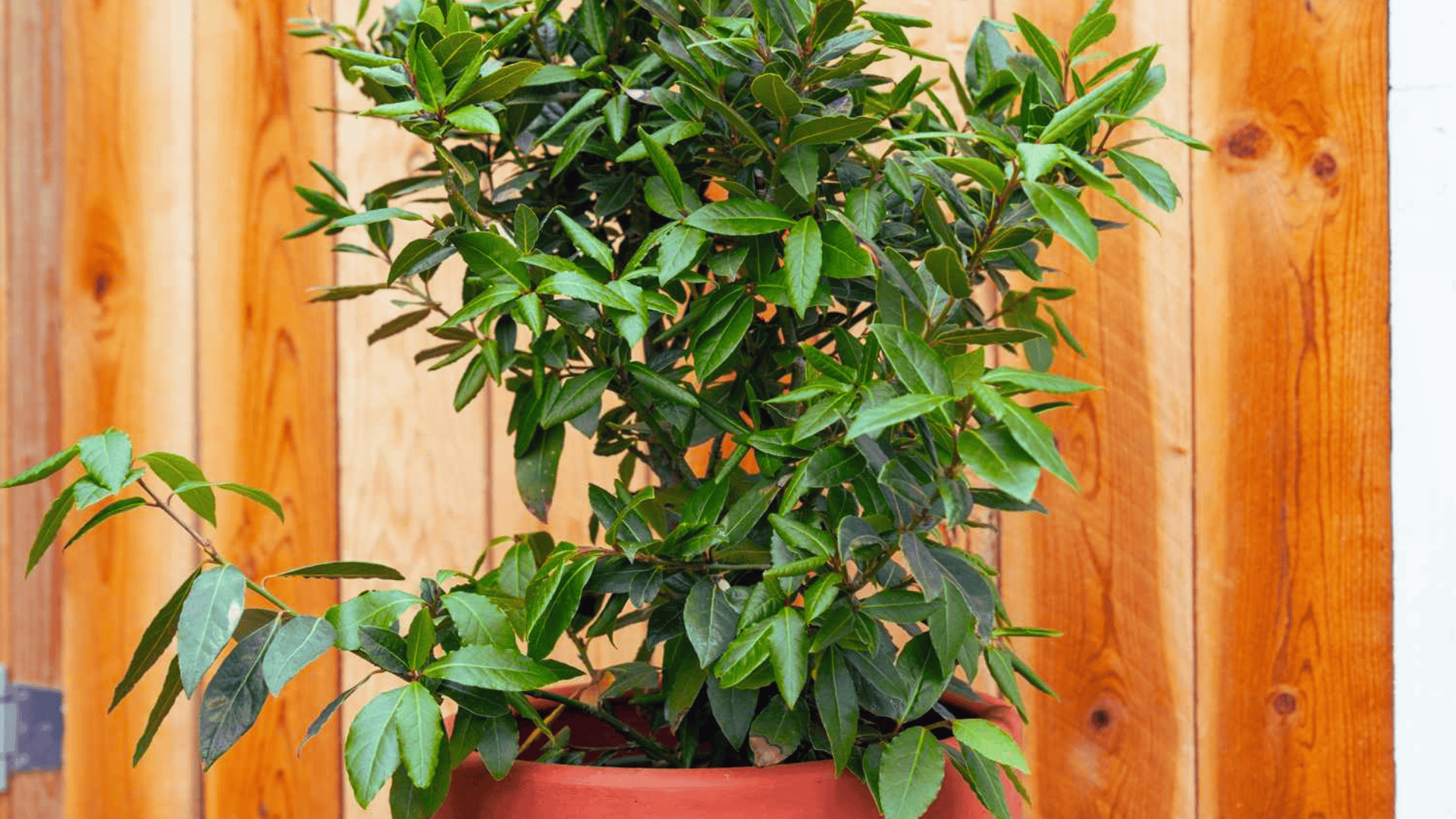
Bay laurel differs from most herbs because it grows into a small indoor tree over time. The plant produces dark green leaves, often used to flavor soups, stews, and sauces.
Bay laurel adapts well to container growing and prefers a bright indoor space with steady light.
It grows slowly but can live for many years when properly cared for. Its glossy leaves also give the plant a decorative look.
Tip: Place the plant near a bright window to support steady growth.
13. Tarragon
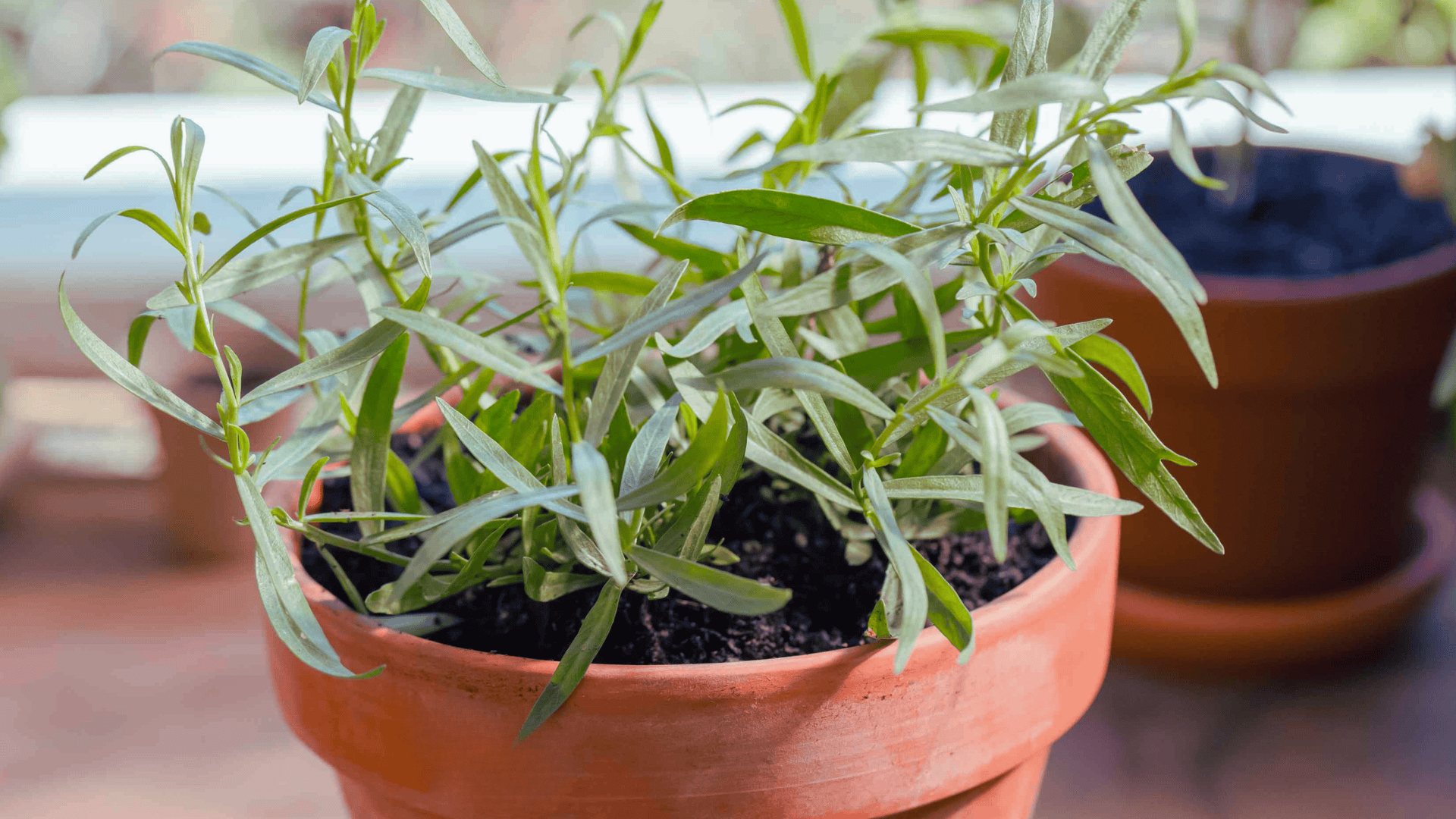
Tarragon is a flavorful herb often used in sauces, dressings, and French-style cooking. It grows well indoors when placed in a sunny location with good air flow.
Growing tarragon because it does not grow too large and adapts nicely to container gardening.
The plant produces slender leaves with a slightly sweet aroma. With occasional trimming and moderate watering, tarragon can continue producing fresh leaves indoors for cooking.
Tip: Avoid overwatering, as tarragon prefers slightly dry soil.
14. Marjoram
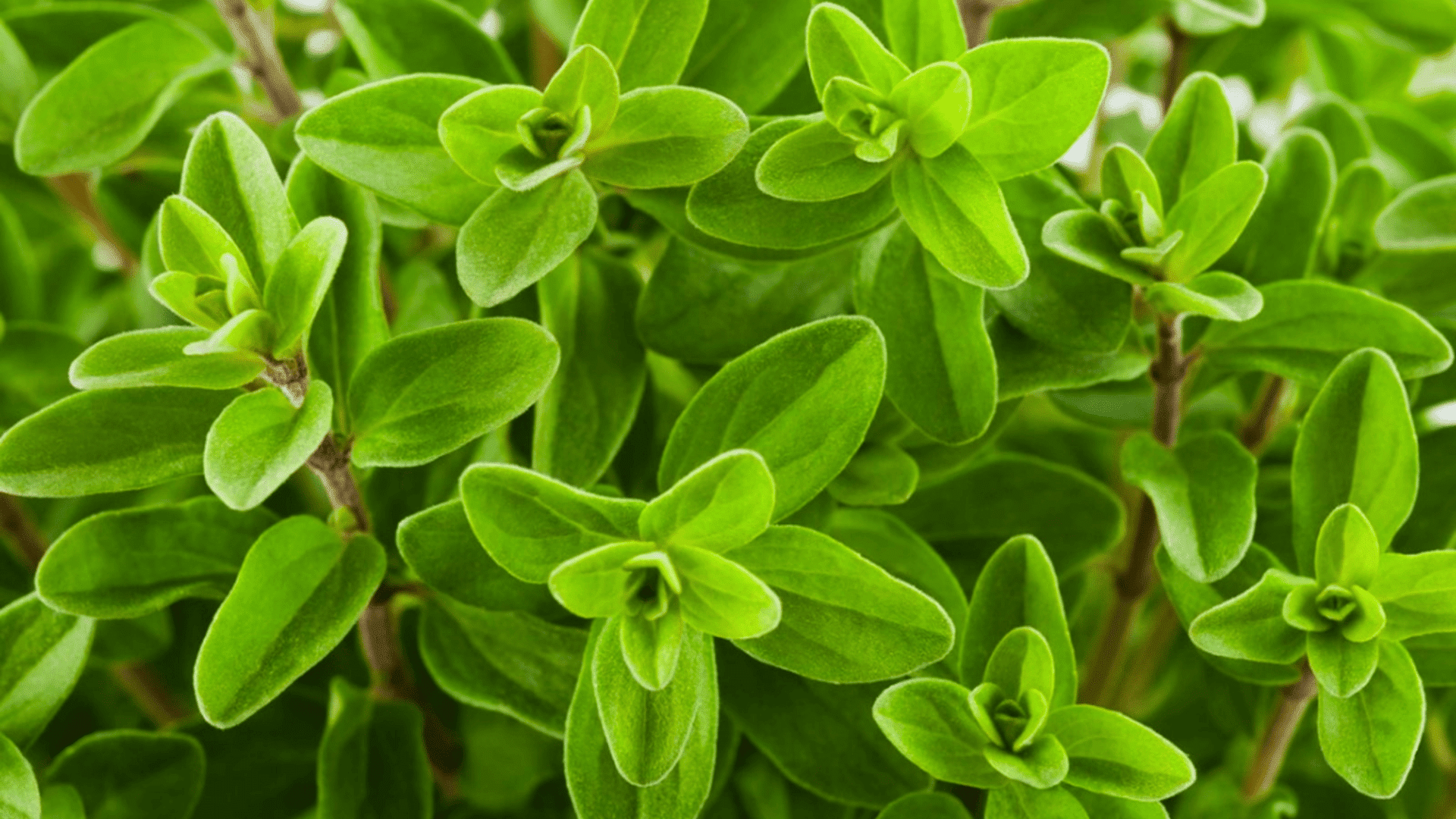
Marjoram is a mild herb related to oregano and grows comfortably in indoor containers. The plant produces small green leaves that add a soft flavor to soups, vegetables, and sauces.
Marjoram prefers warm indoor conditions and steady sunlight from a nearby window. It stays relatively small, making it easy to place on a windowsill or kitchen counter.
With occasional trimming and basic watering, marjoram continues producing fresh leaves.
Tip: Provide steady sunlight to help the plant stay healthy and productive.
15. Lavender

Lavender is well known for its calming scent and attractive purple flowers. Although it often grows outdoors, some smaller varieties can grow indoors with enough light.
Place lavender near a bright window so it receives several hours of sunlight each day. The plant produces fragrant leaves and flowers that many people enjoy in teas, home scents, and decorations.
Lavender prefers slightly dry soil and good air circulation. With the right light, it can grow well inside.
Tip: Use well-drained soil and avoid frequent watering.
16. Stevia
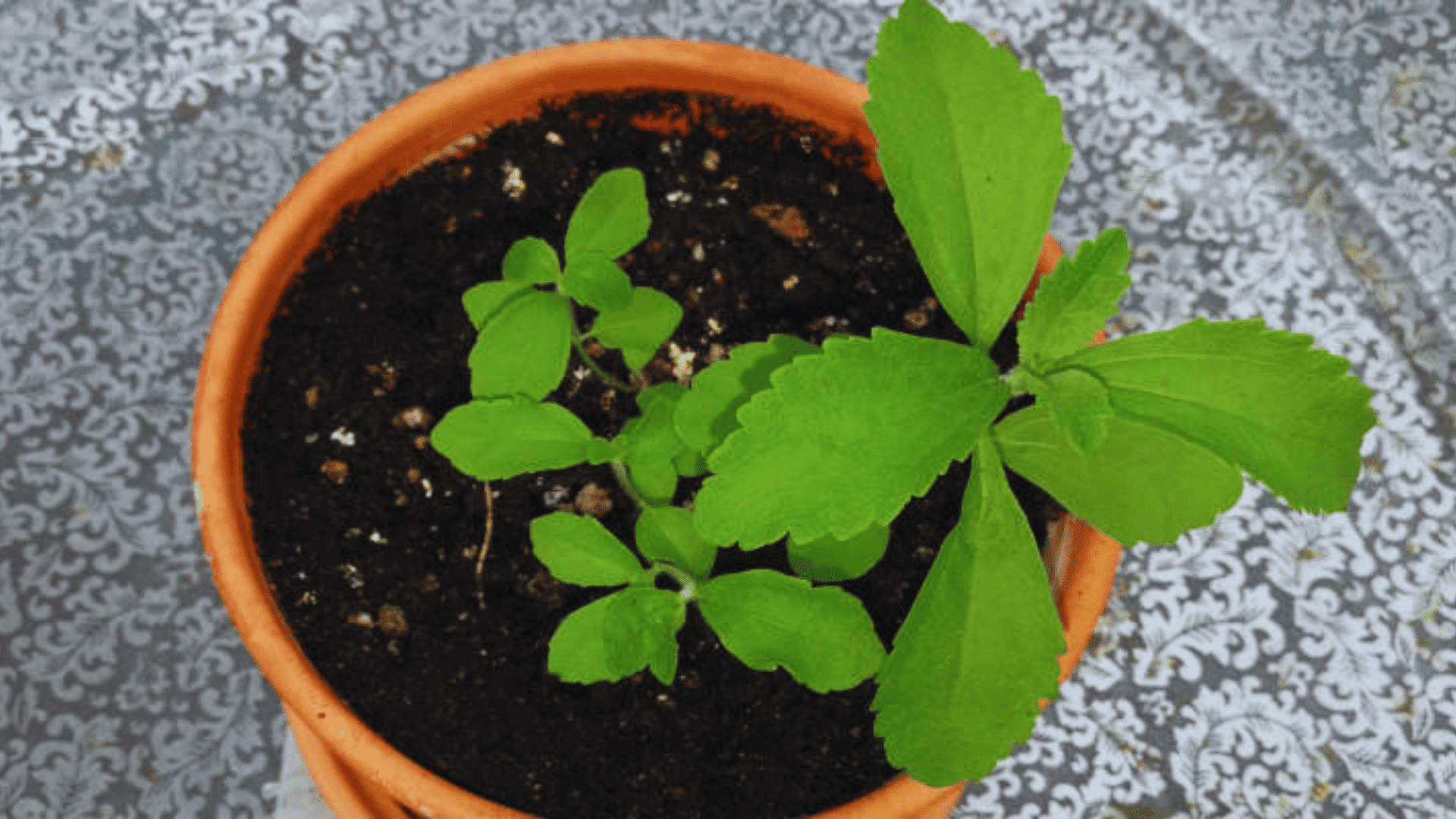
Stevia is a unique herb because its leaves have a natural sweetness. Growing it indoors can be useful because the leaves can serve as a natural sugar alternative in drinks and desserts.
Stevia grows well in containers and prefers a sunny window with steady warmth. The plant produces small green leaves that can be harvested once it becomes established.
With basic watering and sunlight, stevia continues producing fresh leaves throughout its growing period.
Tip: Harvest leaves regularly to encourage new growth.
17. Catnip
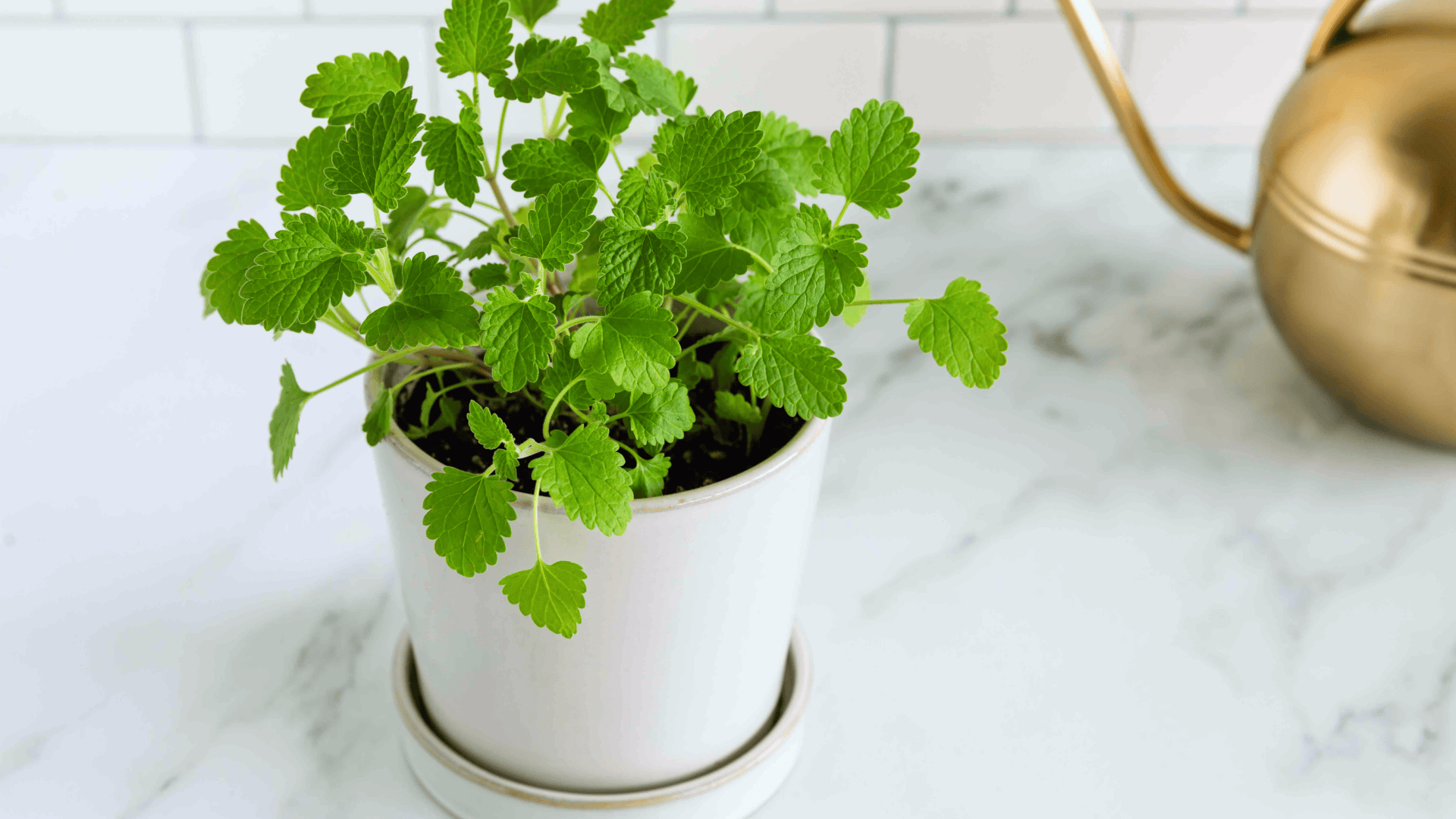
Catnip is a hardy herb that grows easily indoors with minimal care. While many people know it as a favorite plant for cats, it also belongs to the mint family and grows quickly in containers.
Growing catnip because it adapts well to indoor conditions and produces soft green leaves with a light herbal scent.
The plant grows steadily when placed near a sunny window and watered moderately.
Tip: Trim the plant occasionally to keep it from becoming too tall.
Common Mistakes When Growing Indoor Herbs
Small care mistakes can affect how well indoor herbs grow. Paying attention to a few basic habits helps plants stay healthy and productive.
-
Watering Too Often: Many indoor herbs prefer slightly dry soil instead of constantly wet soil. Check the top layer of soil before watering. If it still feels damp, wait a day or two before adding more water.
-
Not Enough Sunlight: Herbs usually need several hours of light each day to grow properly. Place pots near a bright window where they can receive steady sunlight.
-
Using Pots Without Drainage Holes: Containers without drainage can trap extra water and damage the roots. Choose pots with holes at the bottom so excess water can drain out.
-
Cutting Too Much at Once: Removing too many leaves at the same time can weaken the plant. Harvest small amounts regularly so the herb continues growing.
-
Ignoring Plant Spacing: Placing pots too close together can reduce airflow and limit growth. Leave some space between plants so each herb has room to grow.
Conclusion
Growing herbs indoors is the easiest way to bring fresh flavor and greenery into your home. Even with limited space, a few small pots near a bright window can produce herbs you can use every day.
The herbs listed in this guide are known for being easy to care for, which makes them a great starting point for beginners.
Start with one or two plants and learn what works best in your space. With a little sunlight, regular trimming, and simple watering, many indoor herbs will continue growing for months. Over time, you may enjoy adding more herbs to your small indoor garden.
Fresh herbs can make everyday cooking feel more enjoyable and rewarding. They also add a natural touch to your kitchen.
Have you tried growing herbs indoors before? Share your experience, tips, or favorite herbs in the comments below.