

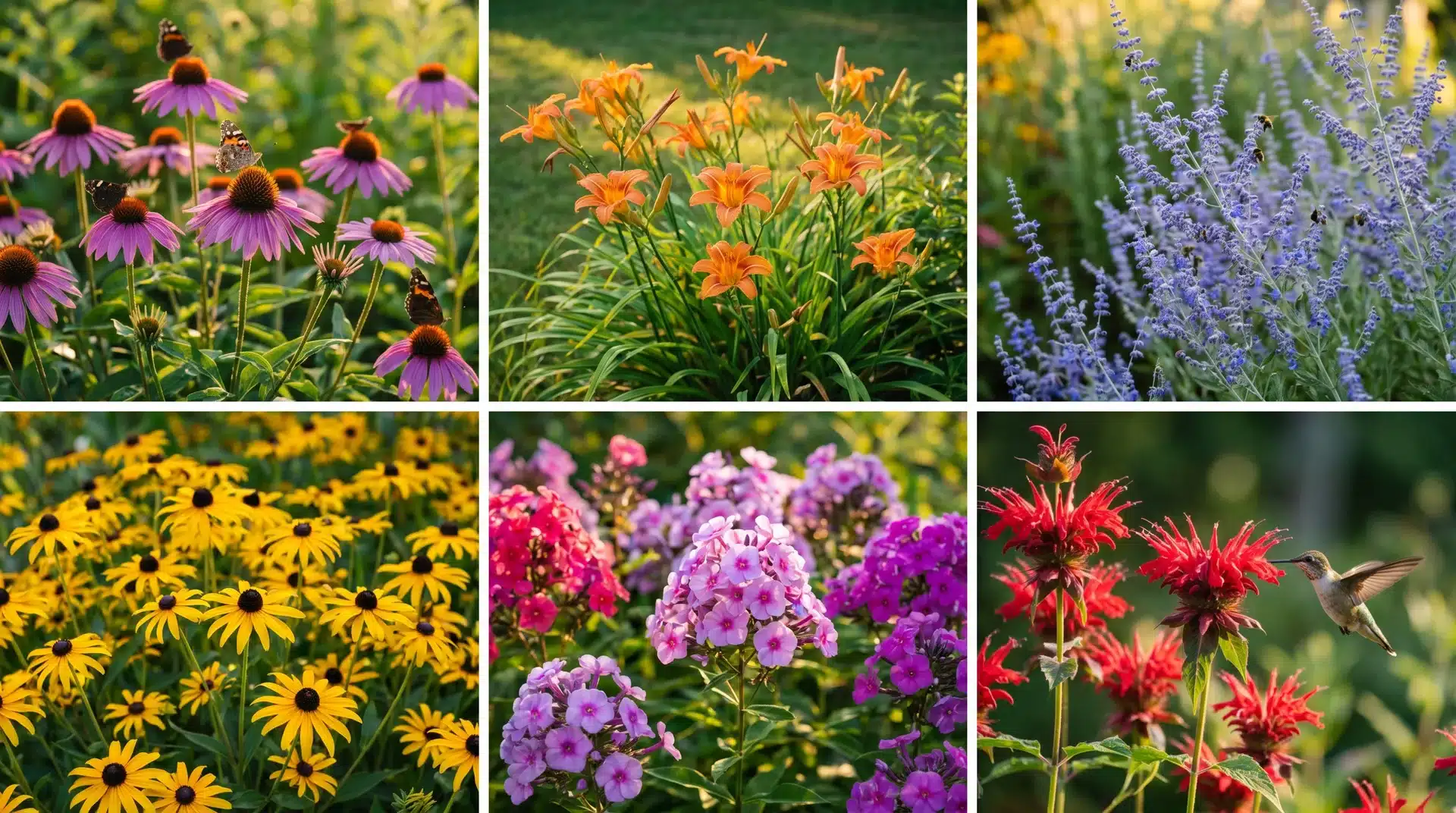
You plant flowers, and for a couple of weeks, they’re the highlight of your garden. Then, just as summer is beginning, they fade away, and it’s honestly one of the most disappointing moments for any gardener.
Perennial flowers are the solution. These plants don’t just bloom for a short time. The right ones will flower all summer, from June to September, and come back year after year, getting stronger as they go.
In this guide, we’ll walk you through perennials that keep blooming all summer long, with everything you need to know about their care, sunlight preferences, and hardiness zones, so you can pick the best ones for your garden.
What Makes a Perennial Bloom All Summer?
A perennial blooms for a long stretch when three key factors come together: the plant produces buds in waves rather than all at once, it gets the right amount of sun, and spent flowers are removed before the plant diverts its energy into making seeds.
This cycle ensures a continuous display of vibrant blooms throughout the season.
While some plants naturally follow this rhythm, others may require a bit of extra care, like regular deadheading, to keep the flowers coming.
Best Perennials That Bloom All Summer
These are not short-season bloomers or one-hit wonders. Each plant on this list flowers for at least two to three months when grown in the right conditions. Here they are, one by one.
1. Coneflower
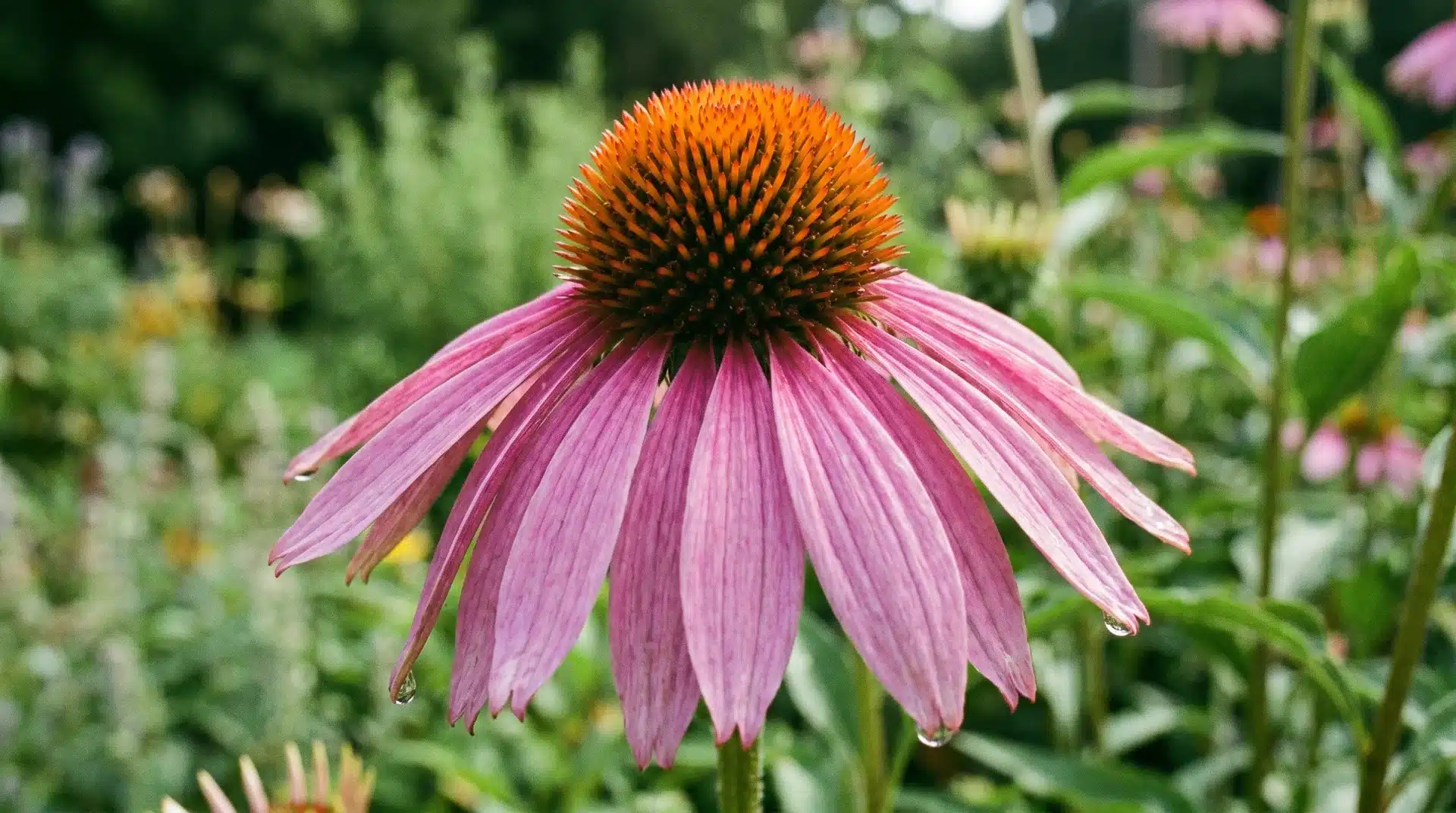
- Botanical Name: Echinacea purpurea
- Bloom Time: Midsummer to early fall
- Sun: Full sun
- USDA Zones: 3 to 9
- Height: 2 to 5 feet
- Soil: Well-drained, slightly acidic
- Lifespan: Long-lived perennial, 4 to 5+ years
Coneflower is one of the most reliable summer bloomers in North America. The cone-shaped center is surrounded by petals in pink, white, yellow, or red, and the plant attracts bees and butterflies from the first bloom to the last.
The dried seedheads feed birds well into fall and winter, so there is no reason to cut them back early.
2. Daylily
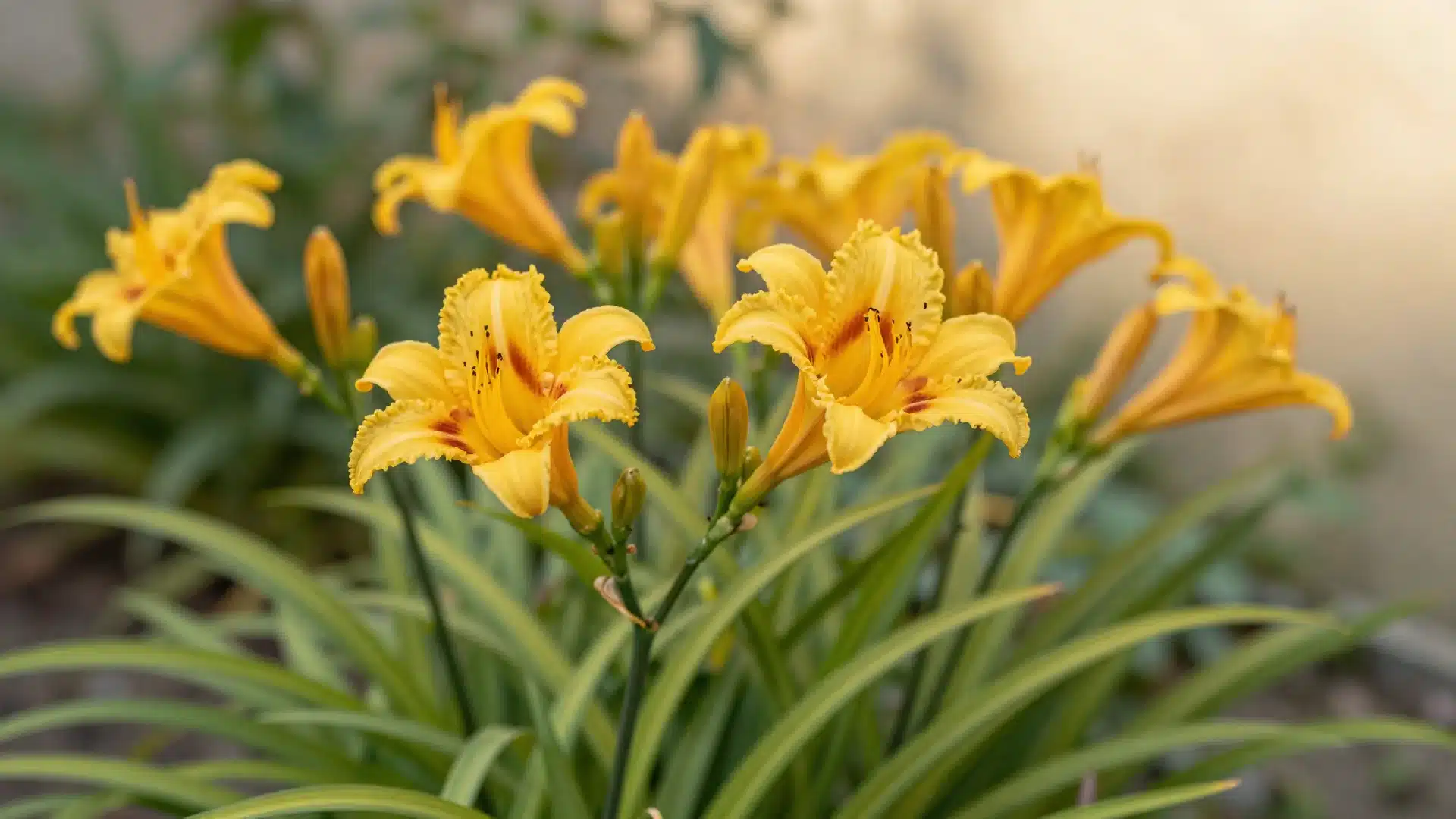
- Botanical Name: Hemerocallis spp.
- Bloom Time: Early summer to fall (reblooming varieties)
- Sun: Full sun to partial shade
- USDA Zones: 3 to 9
- Height: 1 to 4 feet
- Soil: Tolerates most soils, including clay
- Lifespan: Very long-lived, often 10+ years
Each daylily flower lasts only one day, but a single stem carries dozens of buds that open one after another. Reblooming types like ‘Stella de Oro’ and ‘Happy Returns’ push out new flower stems all season.
They are drought-tolerant, resist pests, and get better every year without much attention.
3. Black-Eyed Susan
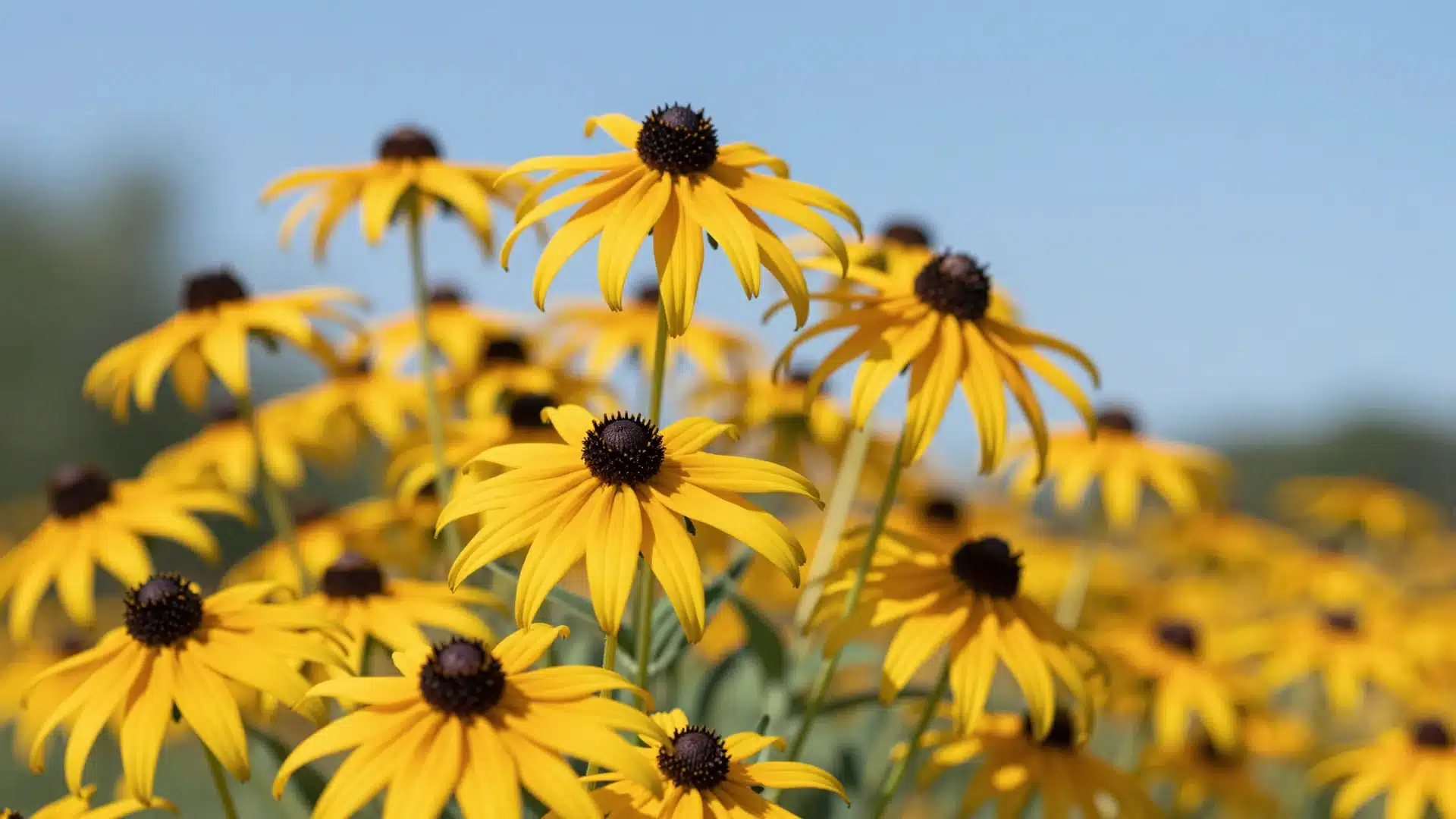
- Botanical Name: Rudbeckia hirta
- Bloom Time: Late summer to frost
- Sun: Full sun
- USDA Zones: 3 to 9
- Height: 1 to 9 feet depending on variety
- Soil: Well-drained, tolerates poor soil
- Lifespan: Biennial or short-lived perennial, self-sows freely
Black-Eyed Susan produces bright golden flowers with dark brown centers from late summer until frost. It spreads on its own over time and rarely needs attention.
The ‘Early Bird Gold’ variety starts blooming in late May and can keep going until October in northern gardens, making it one of the longest-season options in this group.
4. Coreopsis
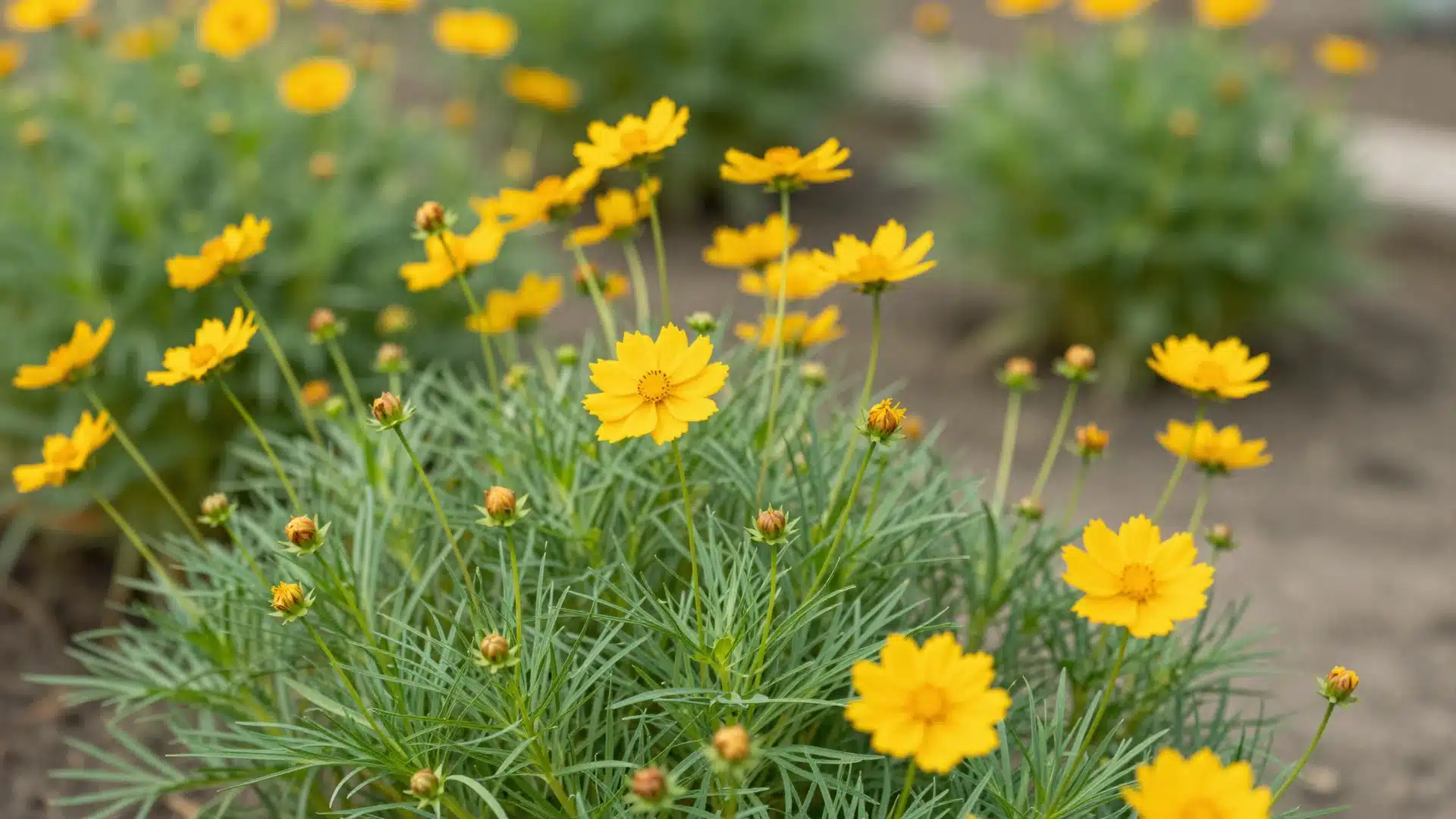
- Botanical Name: Coreopsis spp.
- Bloom Time: Early summer to fall
- Sun: Full sun
- USDA Zones: 4 to 9
- Height: 1 to 3 feet
- Soil: Well-drained, tolerates dry and sandy soil
- Lifespan: 3 to 5 years, self-sows
Coreopsis is one of the easiest perennials to grow. Yellow and red flowers appear on thin, wiry stems from late spring and keep coming until fall with minimal care.
It is frost tolerant, attracts butterflies, and does not demand rich soil. Deadheading spent flowers extends the bloom season by several weeks.
5. Russian Sage
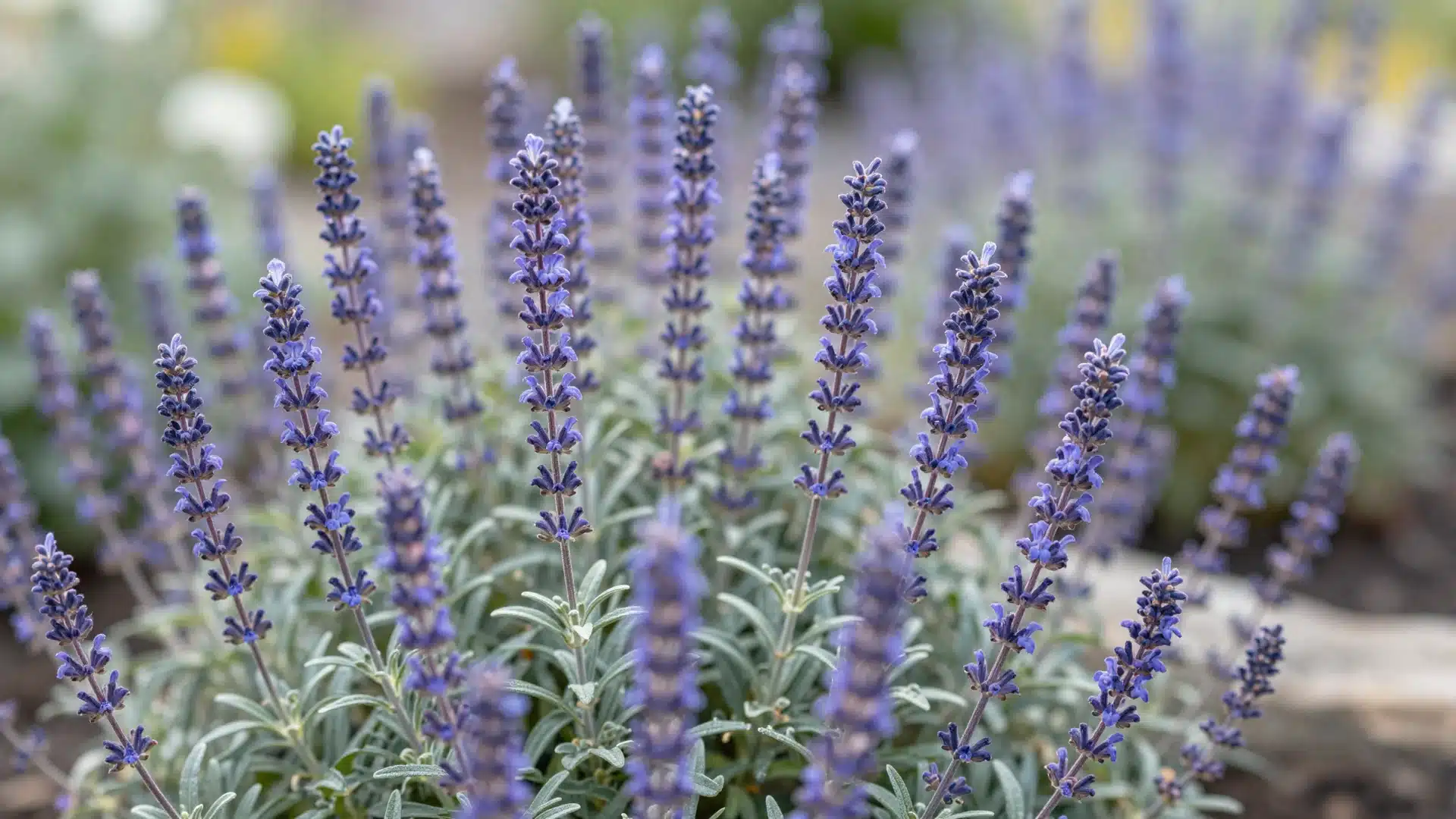
- Botanical Name: Perovskia atriplicifolia
- Bloom Time: Midsummer to fall
- Sun: Full sun (required)
- USDA Zones: 4 to 9
- Height: 3 to 5 feet
- Soil: Well-drained, lean soil preferred
- Lifespan: Long-lived, 5 to 10+ years
Russian sage produces a tall, airy cloud of lavender-blue flowers over silvery stems for about three months. It tolerates heat, drought, and poor soil.
Full sun is not optional for this plant. In shade it gets floppy and blooms much less. Once established, it needs almost no watering and handles neglect well.
6. Blanket Flower
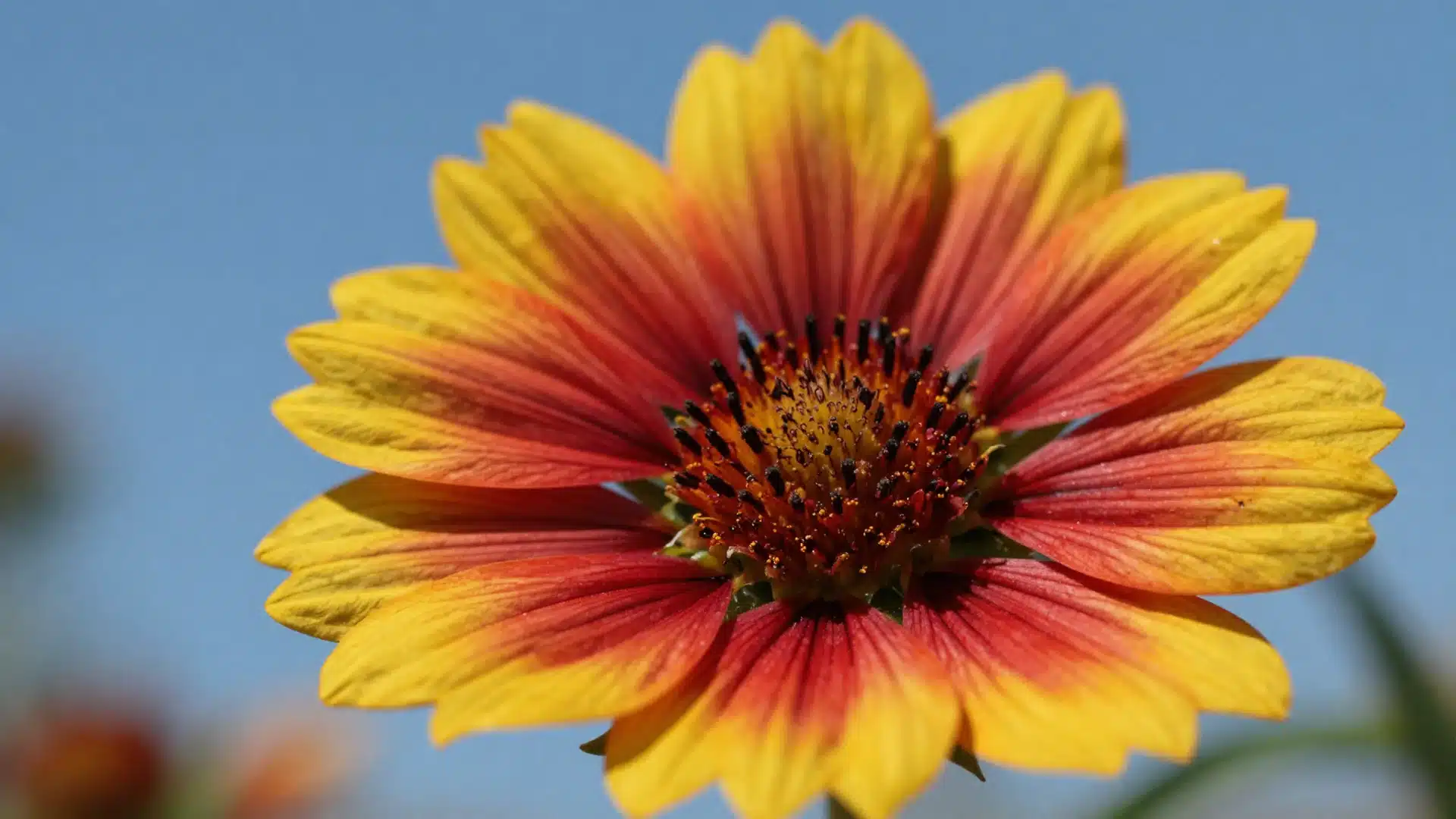
- Botanical Name: Gaillardia x grandiflora
- Bloom Time: Summer through frost
- Sun: Full sun
- USDA Zones: 5 to 10 (tolerates Zone 3 in mild winters)
- Height: 8 to 36 inches
- Soil: Well-drained, dry soil preferred
- Lifespan: Short-lived perennial, 2 to 4 years, self-sows
Blanket flower keeps blooming through intense heat when other plants give up. The two-tone and three-tone flowers in red, yellow, and orange look striking against bare summer soil.
It performs best in lean, dry conditions. Rich or wet soil shortens its life. Divide or let it self-sow every few years to keep the planting going.
7. Shasta Daisy
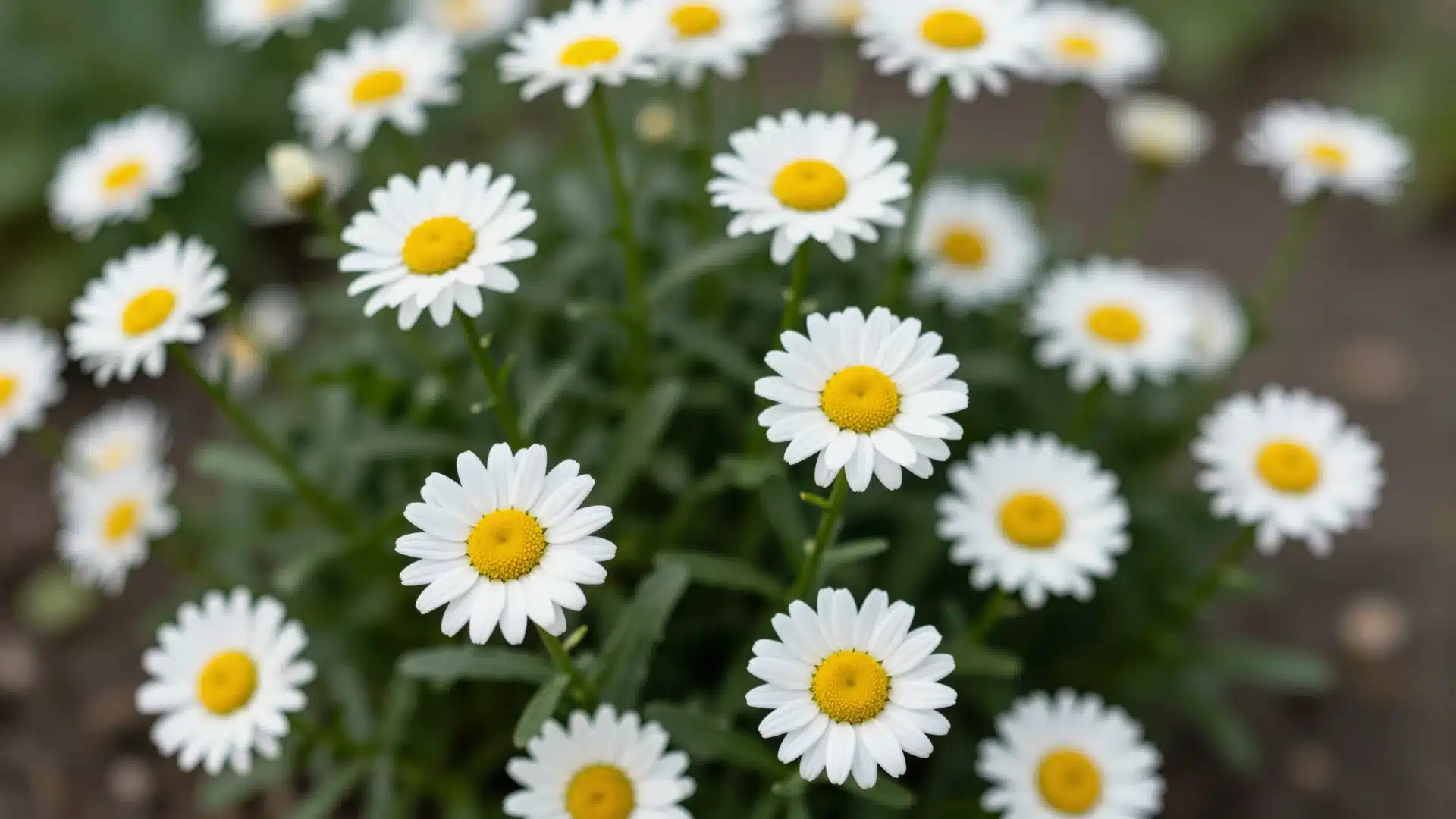
- Botanical Name: Leucanthemum x superbum
- Bloom Time: Early summer to early fall (June to September)
- Sun: Full sun
- USDA Zones: 5 to 9
- Height: Up to 4 feet
- Soil: Well-drained, moderately fertile
- Lifespan: Short-lived perennial, 2 to 3 years; divide to extend
Shasta daisy is the white daisy with the sunny yellow center that fills garden borders in June and keeps blooming into September with regular deadheading.
Individual flowers last 7 to 10 days and work well as cut flowers. The plant spreads steadily. Divide the clump every 2 to 3 years when the center starts dying out.
8. Catmint
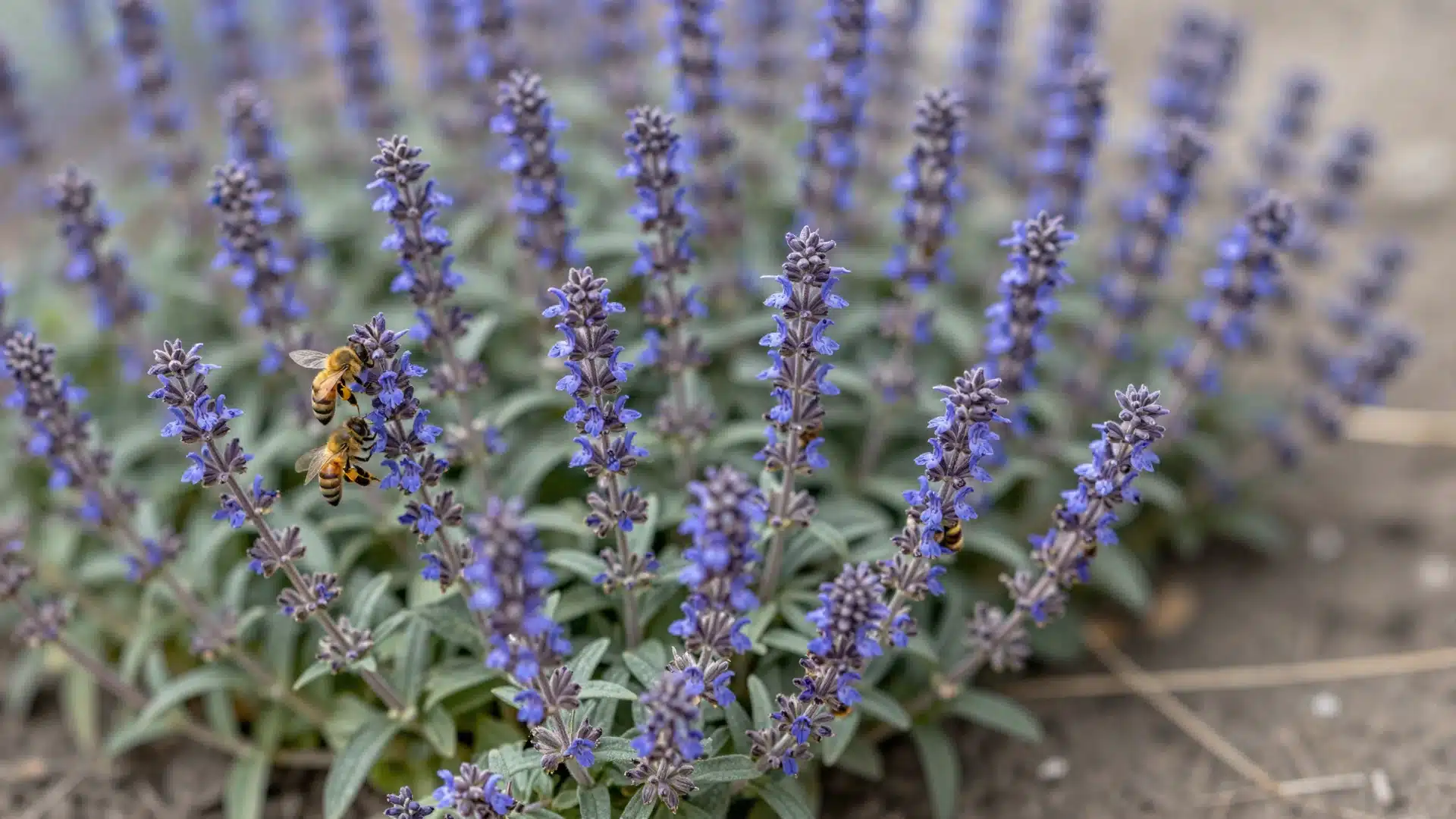
- Botanical Name: Nepeta spp.
- Bloom Time: Late spring to early fall
- Sun: Full sun to partial shade
- USDA Zones: 3 to 8
- Height: Up to 2 feet
- Soil: Average, well-drained
- Lifespan: 4 to 5+ years
Catmint covers itself in soft violet-blue flowers from late spring and continues blooming right through summer. The gray-green foliage smells faintly of mint and stays attractive between bloom cycles.
Cut it back by half after the first big flush fades and it will rebloom within a few weeks. The ‘Walker’s Low’ variety was named Perennial Plant of the Year and is worth growing.
9. Bee Balm
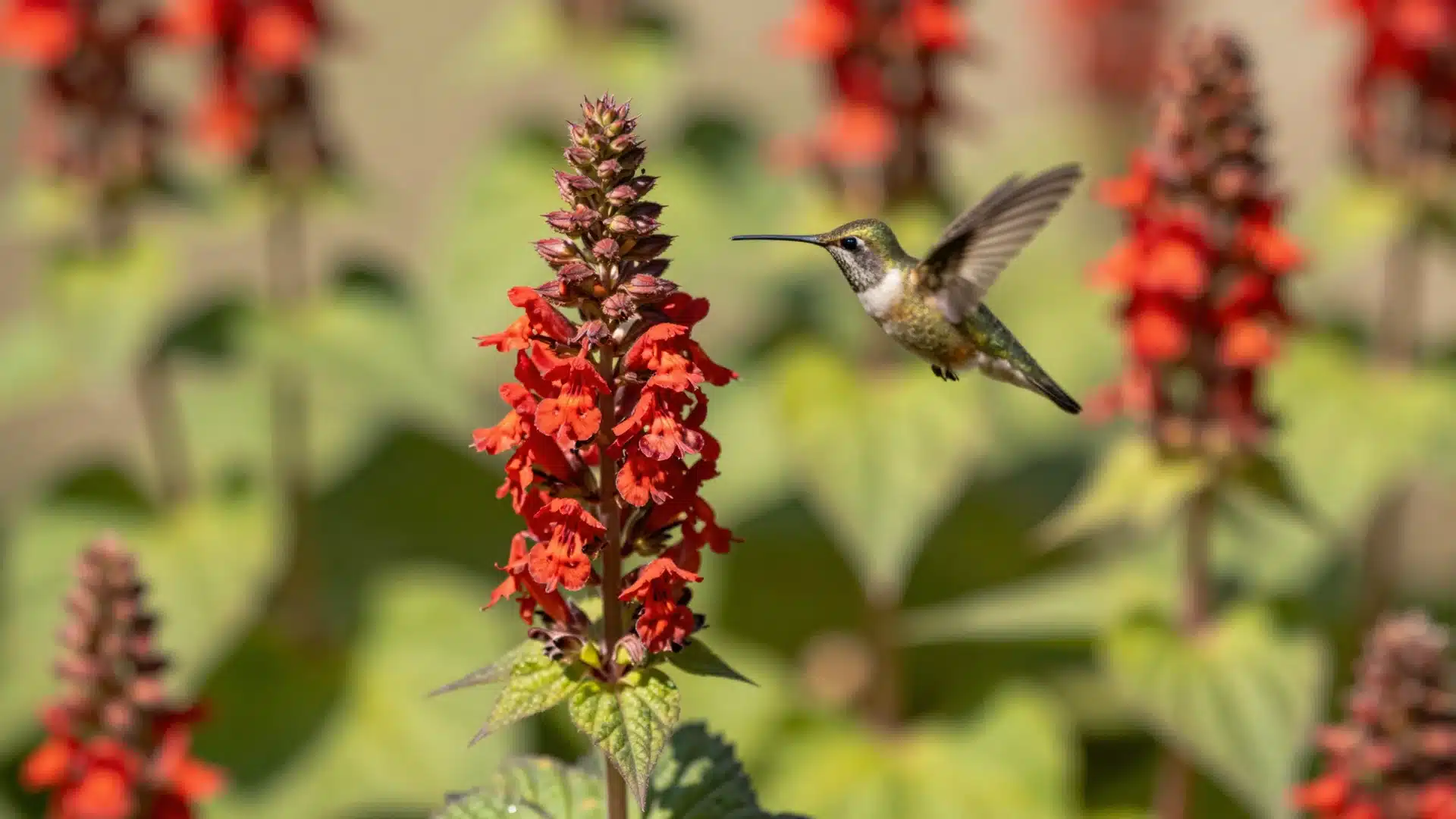
- Botanical Name: Monarda spp.
- Bloom Time: Late spring to early fall
- Sun: Full sun to partial shade
- USDA Zones: 3 to 9
- Height: 10 inches to 4 feet
- Soil: Moist, well-drained
- Lifespan: 3 to 5 years, spreads by rhizomes
Bee balm brings in hummingbirds, bees, and butterflies better than almost any other garden flower. The tubular blooms come in red, pink, purple, and white, and the foliage has a minty fragrance.
It prefers consistent moisture. If powdery mildew is a problem in your area, choose a resistant variety like ‘Jacob Cline’ or ‘Raspberry Wine.’
10. Garden Phlox
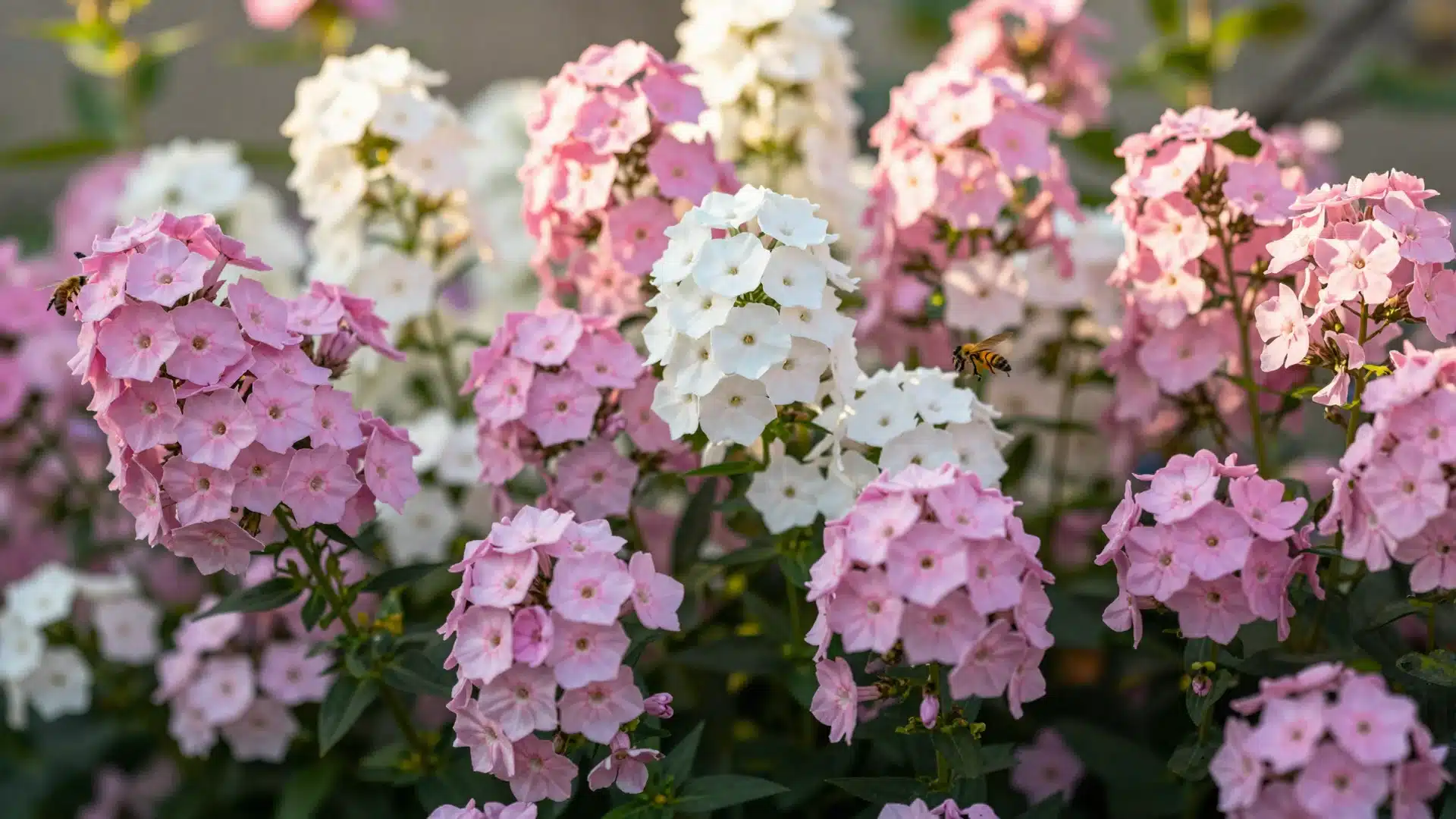
- Botanical Name: Phlox paniculata
- Bloom Time: June to September
- Sun: Full sun (morning sun fine)
- USDA Zones: 4 to 8
- Height: 2 to 4 feet
- Soil: Moist, fertile, well-drained
- Lifespan: Long-lived, 5 to 10+ years
Garden phlox is one of the most fragrant perennials you can plant. The flower clusters come in pink, peach, white, lilac, and red, and they bloom from June right into September.
It attracts hummingbirds and butterflies. Taller varieties may need staking. Look for disease-resistant varieties if your summers are humid.
11. Salvia
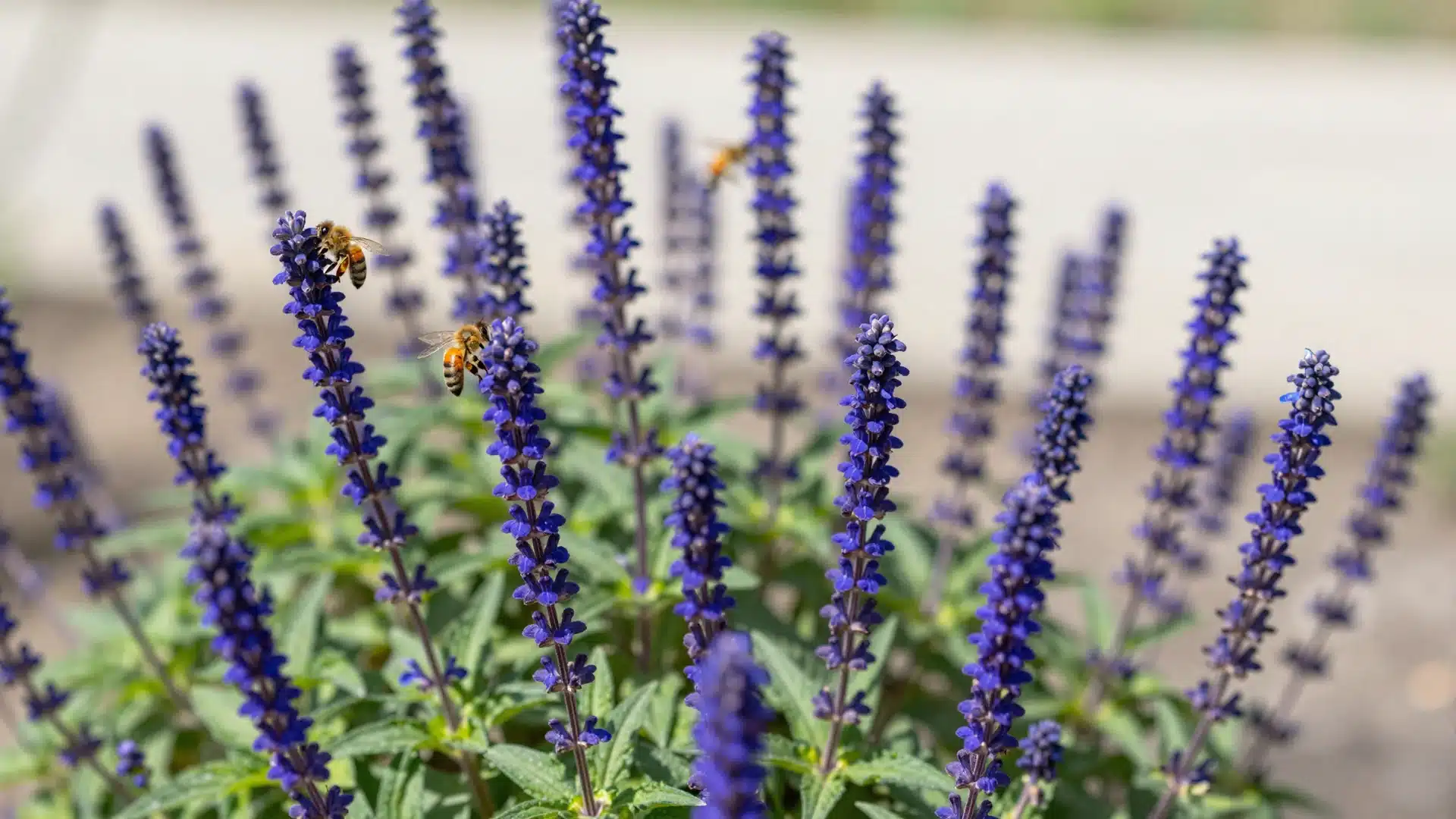
- Botanical Name: Salvia nemorosa / Salvia x sylvestris
- Bloom Time: Late spring to fall (with deadheading)
- Sun: Full sun
- USDA Zones: 4 to 9
- Height: 1 to 3 feet
- Soil: Well-drained, average fertility
- Lifespan: 3 to 5+ years
Salvia produces upright spikes of violet, blue, or purple flowers over a long season. Bees and butterflies are regulars on these plants from the first spike to the last.
The ‘May Night’ variety blooms heavily in late spring and rebounds strongly after deadheading. Aromatic foliage is a bonus too. Deer and rabbits tend to leave it alone.
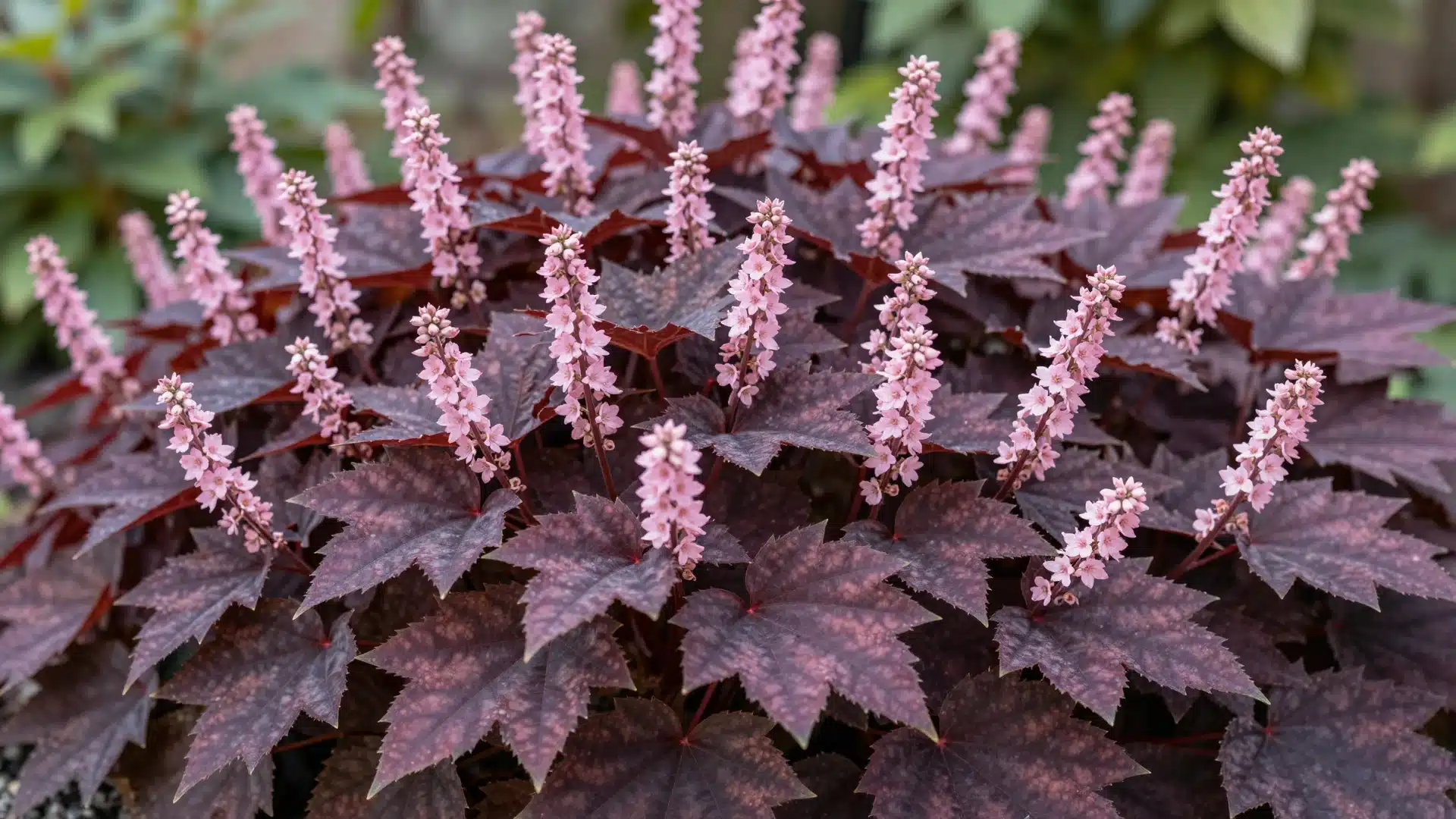
12. Coral Bells
- Botanical Name: Heuchera spp.
- Bloom Time: Late spring to summer (some varieties to first frost)
- Sun: Full sun to partial shade
- USDA Zones: 4 to 9
- Height: 1 to 2 feet
- Soil: Well-drained, moderately rich
- Lifespan: 3 to 5 years; divide to renew
Coral bells are grown as much for their foliage as for the flowers. The leaves come in green, purple, bronze, red, and silver, and stay attractive all season long.
Tall flower spikes rise above the mound in spring and summer. Longest-blooming varieties include ‘Berry Timeless,’ ‘Firefly,’ and ‘Ruby Bells.’ They work well along borders and in containers.
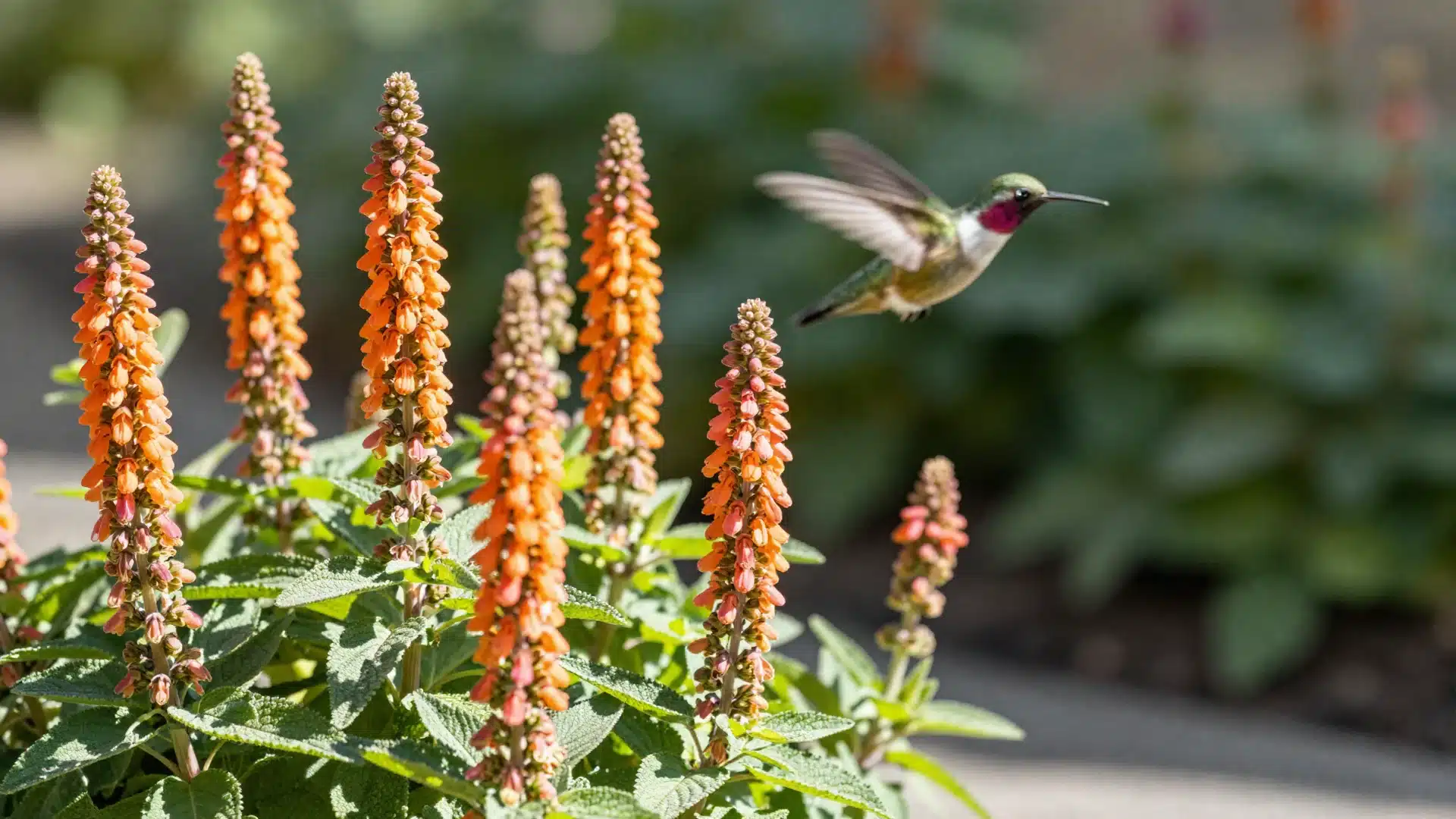
13. Agastache
- Botanical Name: Agastache spp.
- Bloom Time: Summer to fall
- Sun: Full sun
- USDA Zones: 3 to 10 depending on variety
- Height: 1 to 6 feet
- Soil: Well-drained, dry to average
- Lifespan: 3 to 5 years
Agastache carries long tubular flower spikes in orange, pink, blue, and purple that hummingbirds cannot resist. The aromatic foliage has a slight anise or mint scent.
It handles drought, heat, and poor soil without complaint. Deer and rabbits avoid it. Few plants deliver this much pollinator activity with this little maintenance.
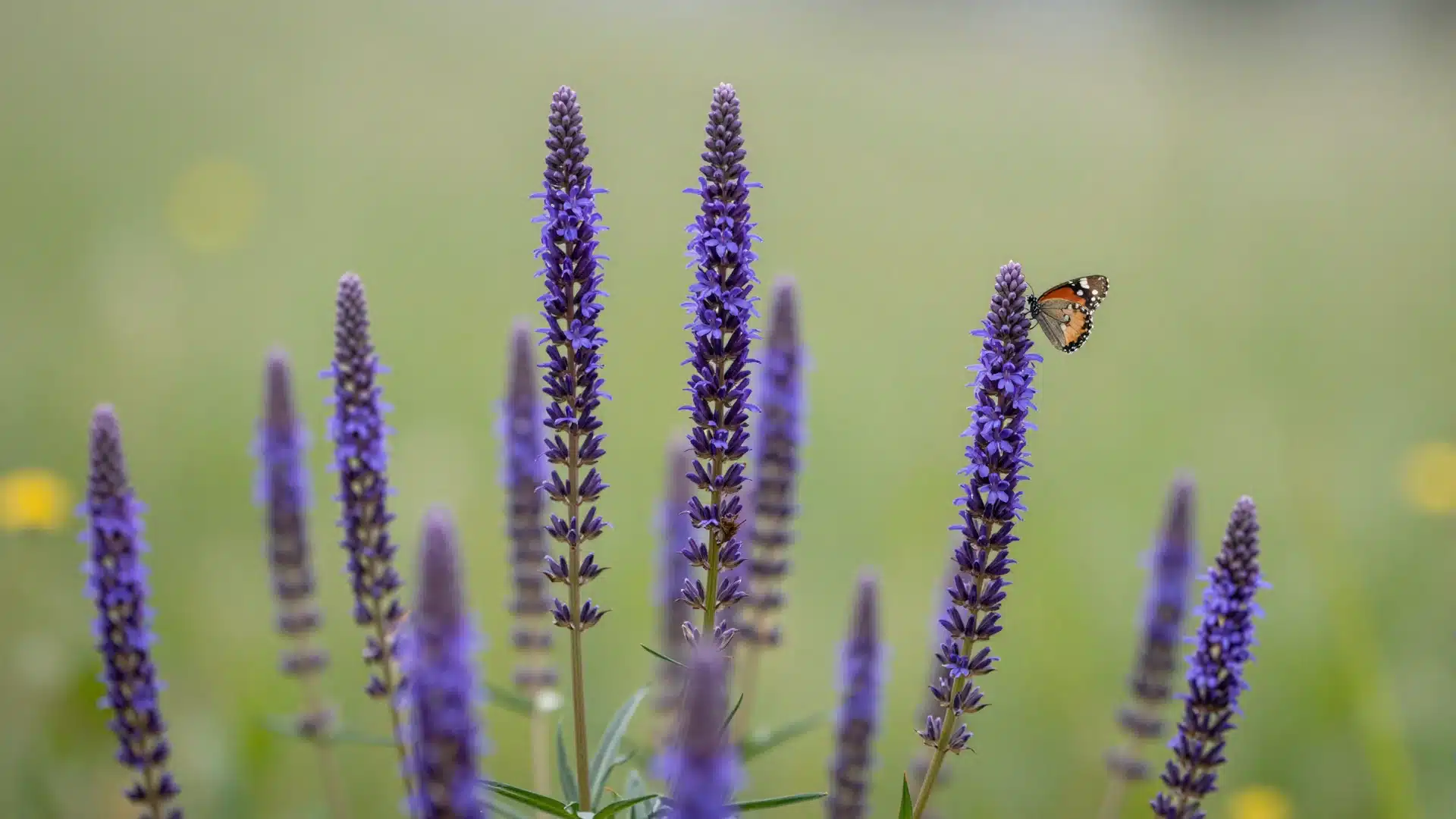
14. Blazing Star
- Botanical Name: Liatris spicata
- Bloom Time: Summer to fall
- Sun: Full sun
- USDA Zones: 3 to 9
- Height: 1 to 5 feet
- Soil: Well-drained; poor soil is fine
- Lifespan: Long-lived, 5+ years
Blazing star is a native prairie plant that sends up tall feathery spikes of purple or white flowers. It is also called gayfeather, and the upward blooming pattern (flowers open from the top of the spike downward) makes it different from most other perennials.
It tolerates drought and poor soil. Bees and butterflies rely on it throughout summer.
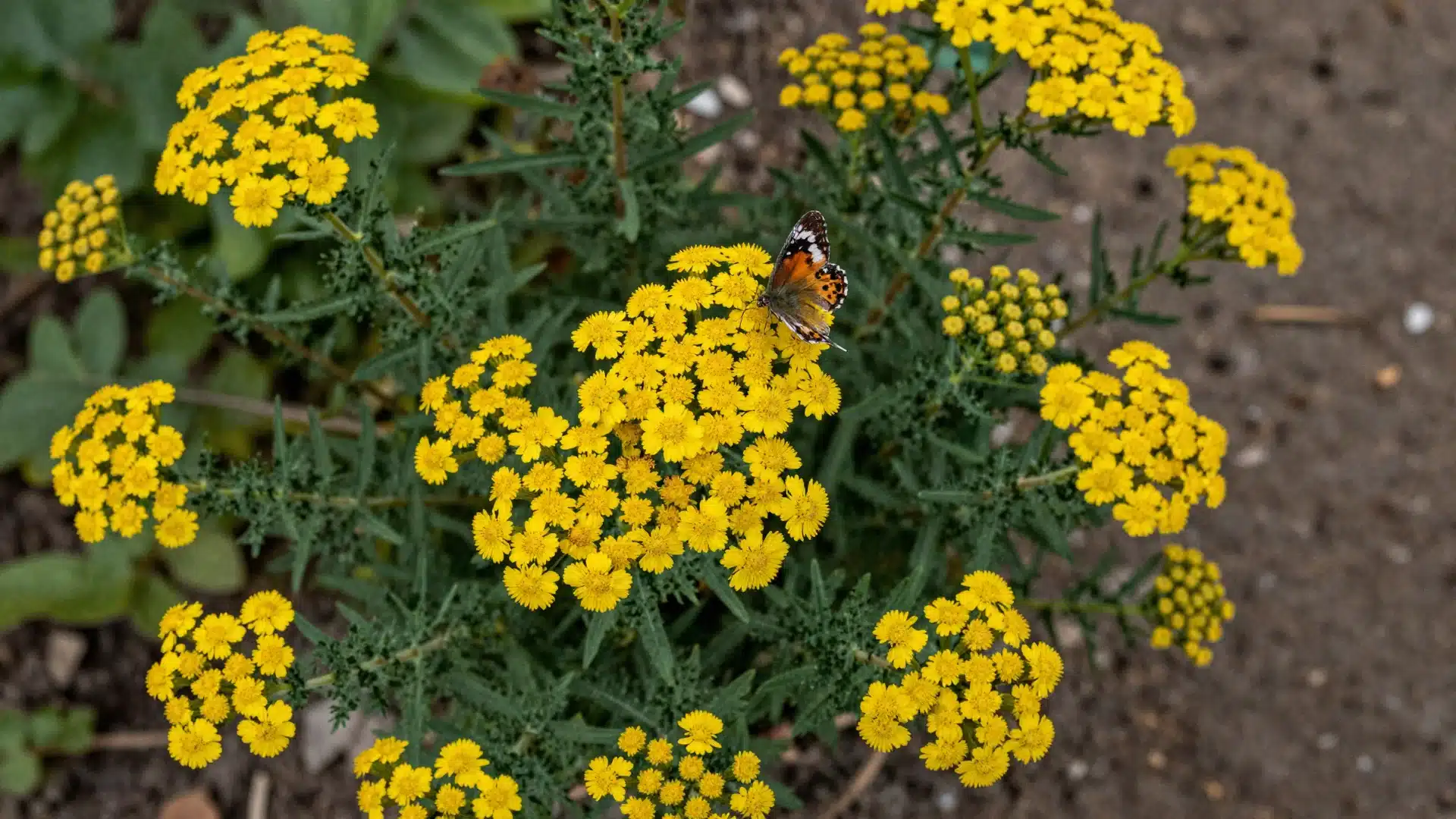
15. Yarrow
- Botanical Name: Achillea millefolium
- Bloom Time: Early summer to fall
- Sun: Full sun
- USDA Zones: 3 to 9
- Height: 1 to 3 feet
- Soil: Well-drained, lean soil preferred
- Lifespan: Long-lived, 5+ years; spreads over time
Yarrow produces flat-topped flower clusters in yellow, white, pink, and red that bloom for months with almost no care. The feathery foliage stays green between bloom cycles.
It is an excellent cut flower, fresh or dried. Yarrow spreads by runners. Divide it every few years if it starts taking over nearby plants.
16. Dianthus
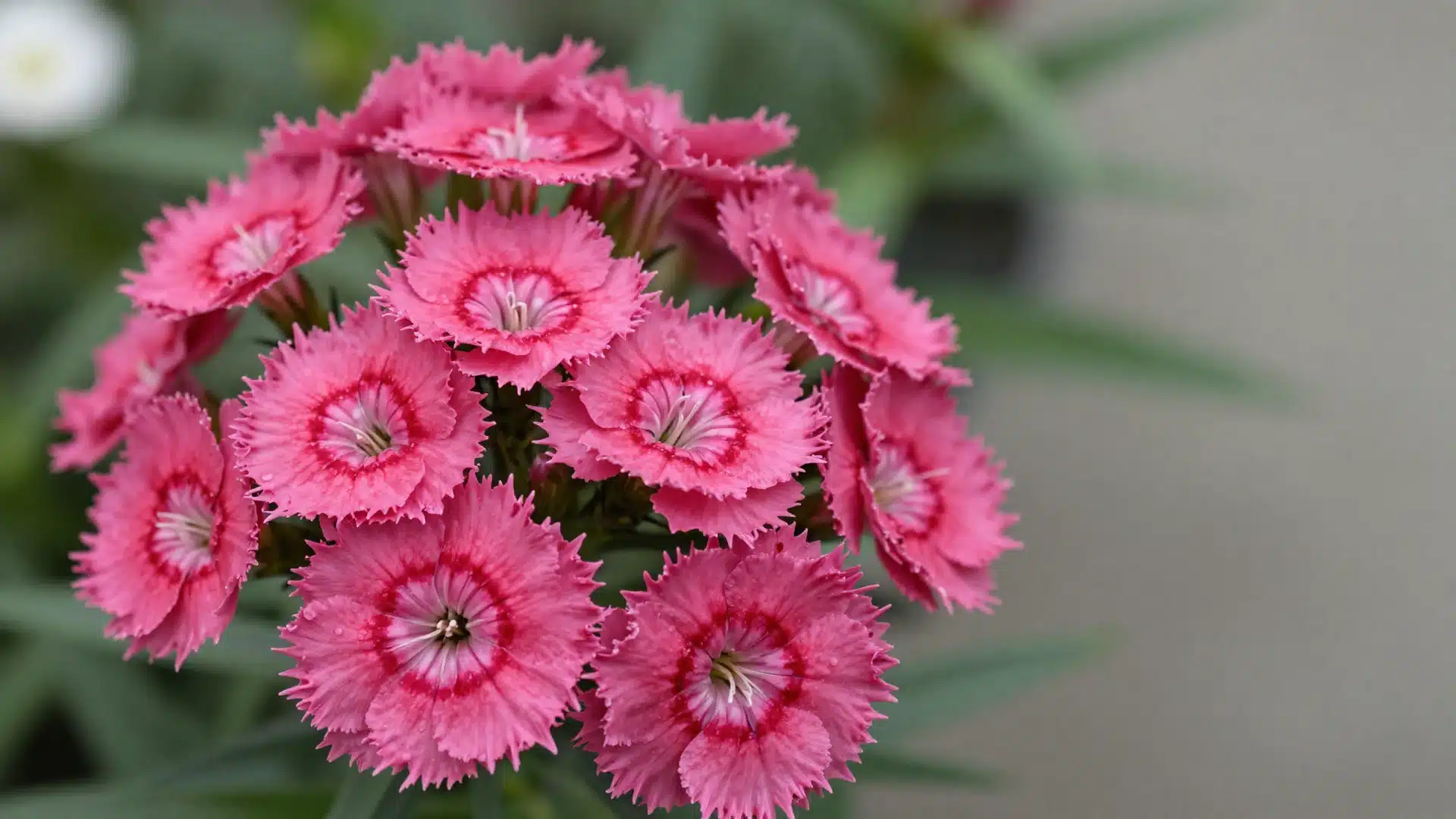
- Botanical Name: Dianthus spp.
- Bloom Time: May to October
- Sun: Full sun to partial shade
- USDA Zones: 4 to 9
- Height: 6 to 24 inches
- Soil: Well-drained, slightly alkaline
- Lifespan: 2 to 4 years depending on variety
Dianthus flowers smell like cloves or cinnamon, which makes them a favorite for garden beds near patios or paths. Colors include pink, red, white, and salmon.
Many varieties bloom from May through October, making them one of the longest-season options on this list. Deadheading spent flowers keeps the show going.
17. Pincushion Flower
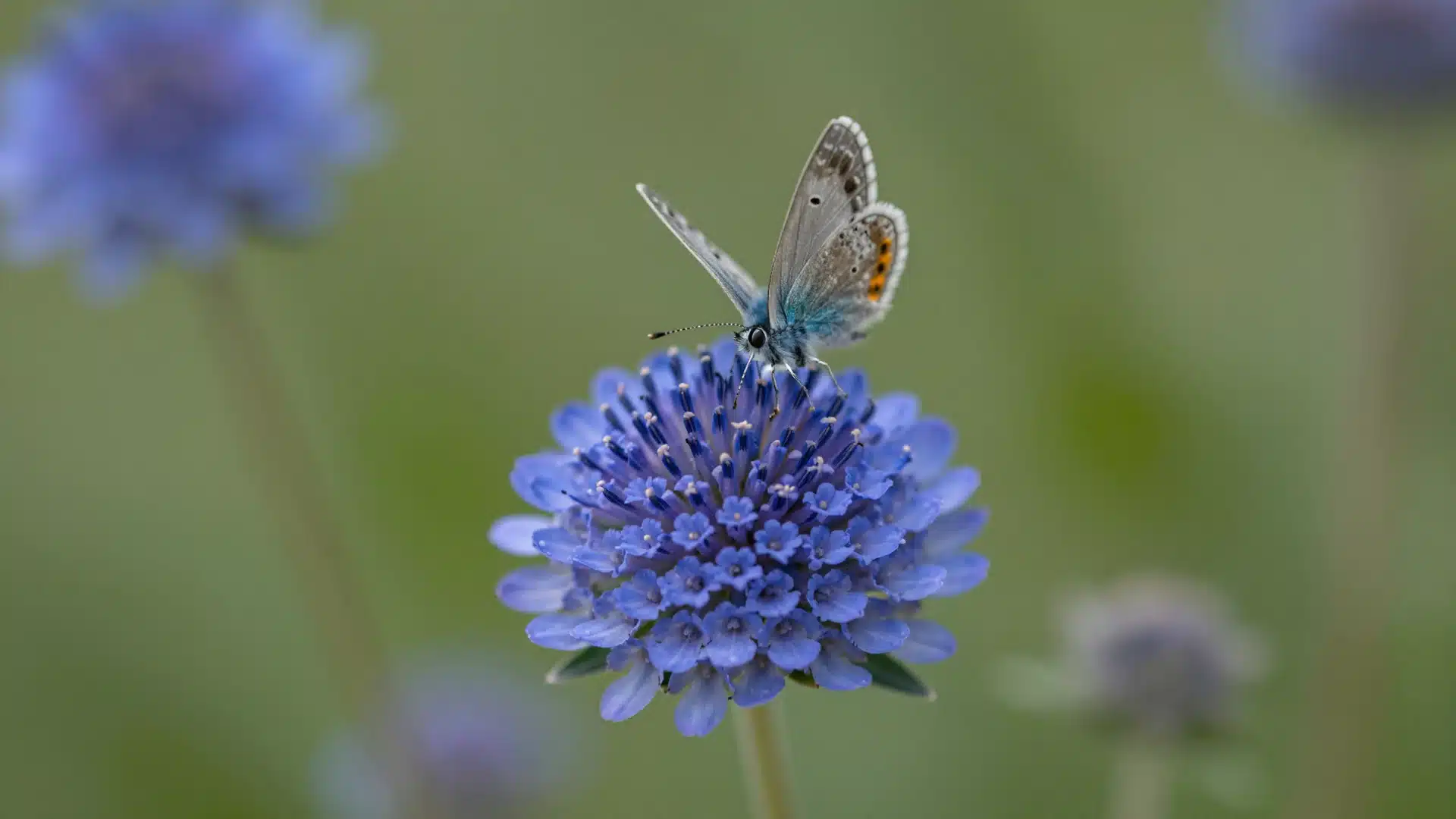
- Botanical Name: Scabiosa columbaria
- Bloom Time: May to September
- Sun: Full sun
- USDA Zones: 5 to 9
- Height: 18 inches
- Soil: Well-drained, average
- Lifespan: 3 to 5 years
Pincushion flower gets its name from the blooms that look exactly like a pincushion stuck with pins. ‘Butterfly Blue’ is the most widely available variety and was named Perennial Plant of the Year in 2000.
Butterflies love it. The flowers also last well in a vase. Cut spent stems to the base after each flush to keep new buds coming.
18. Autumn Sage
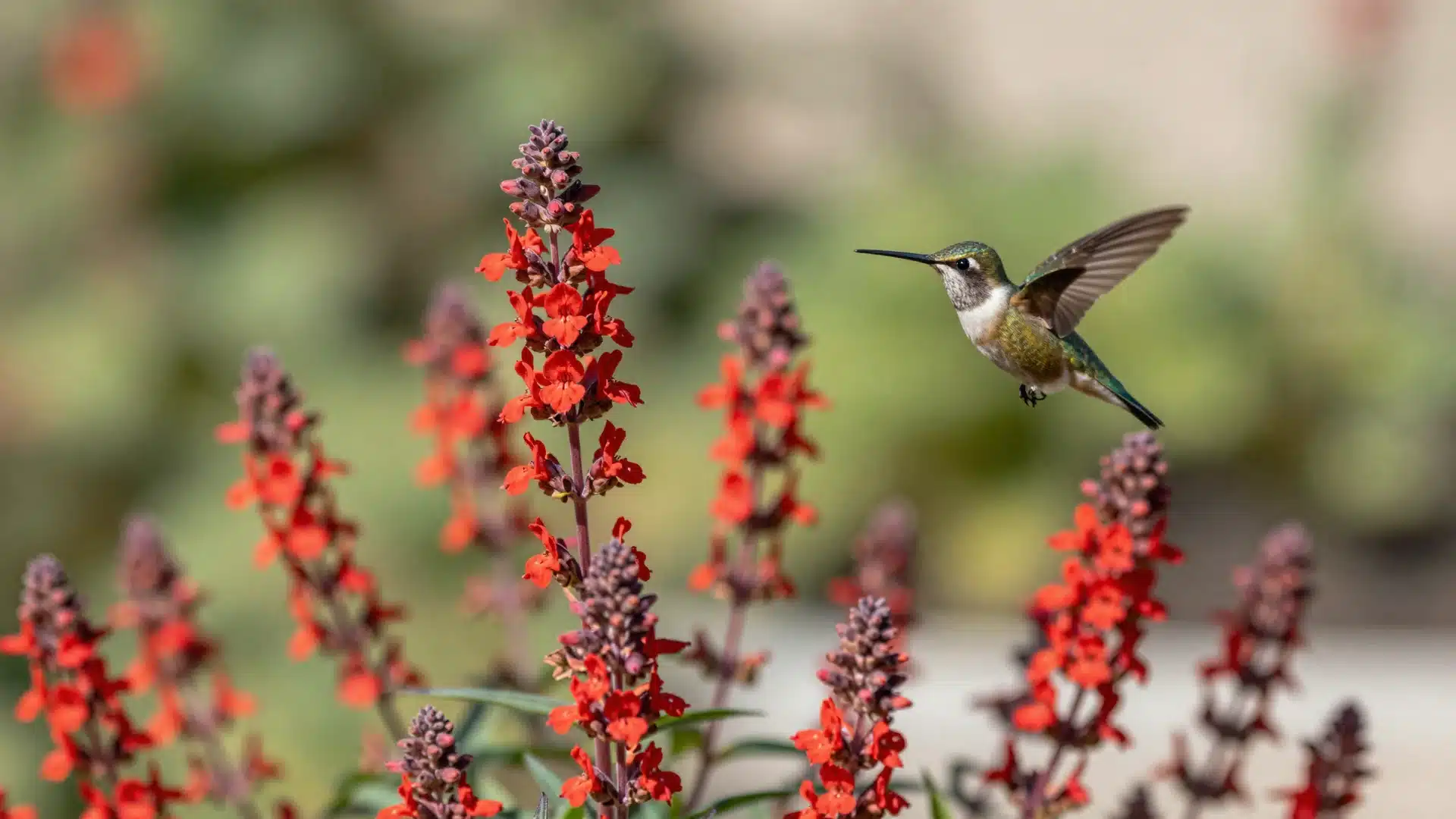
- Botanical Name: Salvia greggii
- Bloom Time: Spring through fall (nearly non-stop)
- Sun: Full sun
- USDA Zones: 6 to 9
- Height: 2 to 3 feet
- Soil: Well-drained, dry to average
- Lifespan: Long-lived in warm zones, 5+ years
Autumn sage is arguably the longest-blooming plant on this entire list. In the right climate it flowers from spring all the way through fall with barely a pause.
The most common color is a deep crimson-red, though pink and white forms exist. Hummingbirds visit it constantly. It handles drought and heat without slowing down.
How to Keep Perennial Flowers Blooming All Summer Long
Most perennials slow down or stop blooming because the plant switches energy from flowers to seeds. A few consistent habits prevent this and keep the color going from June to September.
- Remove spent flowers (deadheading). Cut faded flowers back to the base of the stem before seed pods form. This one habit makes the biggest difference. Do it in spring through midsummer. Starting in late summer is usually too late for new buds to open before cold arrives.
- Water at the roots, not the leaves. Most summer perennials need steady moisture during dry stretches. Watering at the base reduces the risk of powdery mildew on plants like bee balm and garden phlox.
- Fertilize once in early spring. A balanced fertilizer applied as growth starts gives plants what they need for a full season. Avoid heavy nitrogen feeding later in summer. It pushes green growth instead of flowers.
- Divide crowded plants every 2 to 3 years. When the center of a clump starts dying or flowering slows, it is time to divide. Dig the clump, split it, replant the outer sections, and discard the tired center. The plant will come back stronger.
How to Pick the Right Perennial for Your USDA Zone?
The USDA Plant Hardiness Zone Map divides the country into zones based on average minimum winter temperatures. A perennial rated for Zone 5 can survive winters down to -20°F.
If you plant it in Zone 4, it may die over winter and not return. Check your zone first, then match it to the zone range listed for each plant.
Every perennial in this guide covers Zone 3 to Zone 9, with a few exceptions noted in the individual profiles above. If you are unsure of your zone, the USDA website has a free zip code lookup tool.
Wrapping It Up
Perennials that bloom all summer are not hard to find once you know which ones to look for.
The plants in this guide cover a wide range of heights, colors, and growing conditions, so there is something here for almost any yard.
Most are drought tolerant, attract pollinators, and need very little care once they settle in. Start with two or three that match your zone and sun conditions.
Deadhead regularly, divide when they get crowded, and they will reward you with color from June through September, year after year.
Which of these summer-blooming perennials are you planning to add to your garden? Drop your pick in the comments below.
Frequently Asked Questions
What Is the Longest Blooming Perennial?
Coreopsis and catmint are among the longest-blooming perennials, often flowering from late spring all the way to fall. Autumn sage can go even longer in warm climates, blooming from spring through October with almost no breaks.
Is There a Perennial Flower That Blooms All Summer?
Yes. Coneflower, Black-Eyed Susan, daylily, coreopsis, and Russian sage all bloom for two to three months or more during summer. Regular deadheading keeps most of them going longer.
What Are the Best Low Maintenance Perennials?
Daylilies, coneflowers, yarrow, agastache, and Black-Eyed Susan are among the easiest perennials to grow. They tolerate drought and poor soil, resist pests, and need little to no dividing for the first few years.
Which Plant Gives 12 Months of Flowers?
No single perennial blooms for a full 12 months in most US climates. Autumn sage comes close in warm zones (6 to 9), flowering from early spring through late fall. For year-round color, gardeners typically combine early, mid, and late-season plants so something is always in bloom.